Acne Treatment at a Tokyo Dermatologist: What to Expect
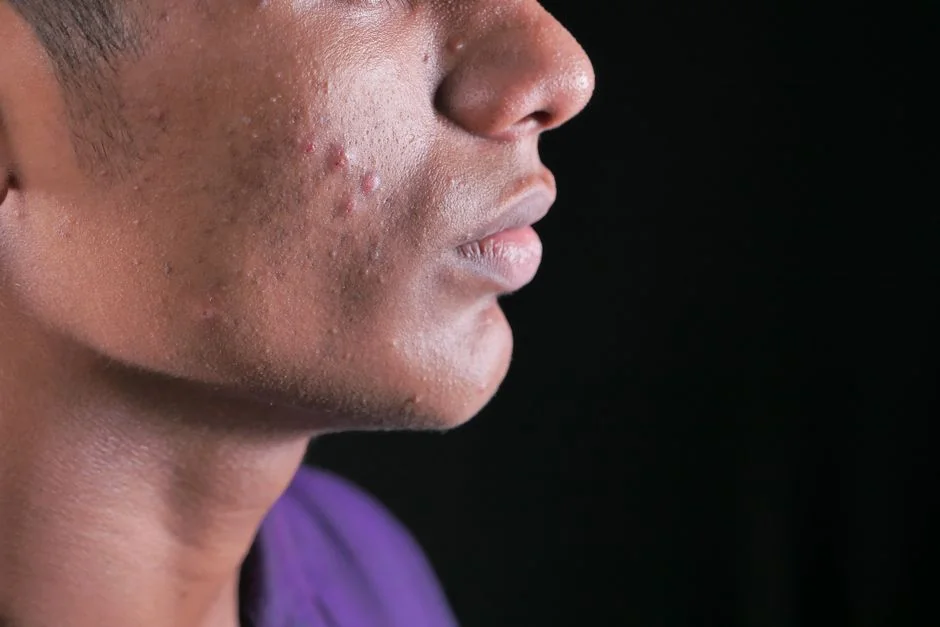
Dealing with persistent acne — whether it is a handful of stubborn blemishes or a more widespread inflammatory breakout — can be genuinely frustrating, particularly when over-the-counter products have already failed to deliver results. If you are living in or visiting Tokyo and are considering professional treatment, navigating the Japanese healthcare system as an English speaker can feel daunting. This article explains what acne treatment at a Tokyo dermatologist typically involves, from the consultation through to realistic outcomes, costs, and the range of options available.
What you’ll learn in this article:
- How dermatologists in Tokyo assess and classify acne
- The main treatment options available — both insurance-covered and cosmetic
- Realistic cost ranges for acne treatment in Tokyo
- What to expect before, during, and after your appointment
- Who is a good candidate for each type of treatment
Have a question about this treatment?
Message us on LINE or WhatsApp — our English-speaking team usually replies the same day.
How Dermatologists Assess Acne
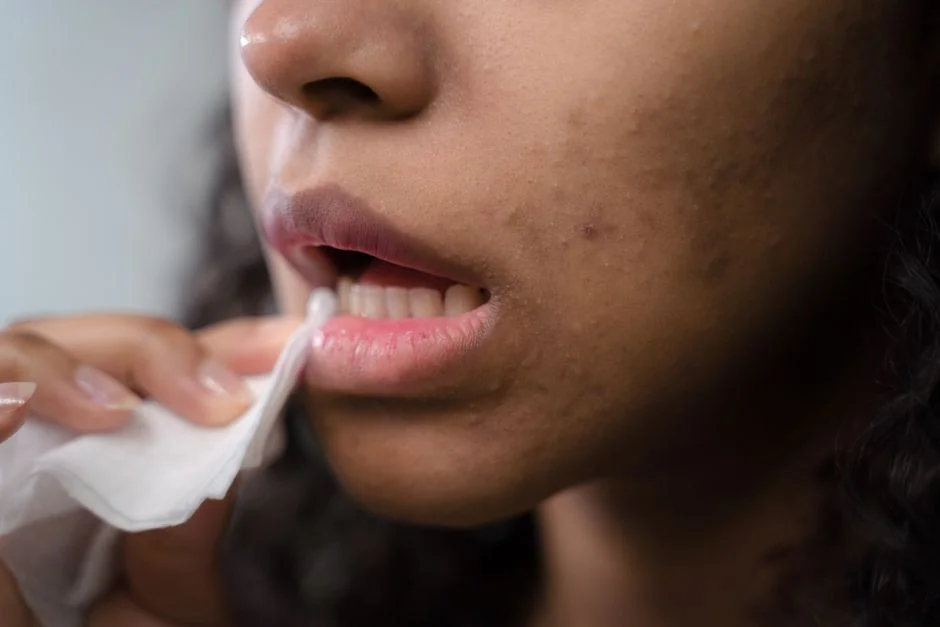
When you attend a dermatology consultation for acne, the physician will begin by examining the type, distribution, and severity of your breakouts. Acne is broadly classified into non-inflammatory lesions (blackheads and whiteheads, also called comedones) and inflammatory lesions (papules, pustules, nodules, and cysts). Identifying which type — or combination of types — is present guides the entire treatment plan.
The doctor will also ask about your skin history, current skincare routine, any previous treatments, hormonal factors, diet, and stress levels. In our clinical experience at BIOTOPE CLINIC or Kojimachi Dermatology & Plastic Surgery Clinic, international patients are often surprised by the thoroughness of this initial assessment; Japanese dermatologists are trained to consider acne as a systemic as well as a local skin issue.
Depending on severity, the physician may also assess for post-acne pigmentation (dark marks left after breakouts) and acne scarring, which may require separate or concurrent treatment strategies.
Main Treatment Options: Insurance-Covered vs Cosmetic
Acne Treatment in Tokyo: What Results Can You Realistically Expect?
One of the most common misconceptions about acne treatment is the expectation that breakouts will disappear immediately after starting medication or undergoing a procedure.
Unfortunately, acne does not work that way.
Acne develops through a combination of:
- Excess sebum production
- Abnormal keratinisation (blocked pores)
- Growth of Cutibacterium acnes bacteria
- Inflammation
- Hormonal influences
- Genetic predisposition
Because several biological mechanisms are involved simultaneously, treatment typically requires time and consistency.
Mild Acne
Patients with predominantly blackheads, whiteheads, and occasional inflammatory lesions often begin noticing improvement within:
6–8 weeks
when using appropriate topical therapy consistently.
Moderate Acne
Patients with persistent inflammatory papules and pustules generally require:
8–12 weeks
before substantial improvement becomes visible.
Combination therapy is often necessary.
Severe or Nodulocystic Acne
Patients with deeper cysts, nodules, and a high risk of scarring may require:
- Oral medications
- Combination therapy
- Long-term management
- Scar prevention strategies
In these cases, delaying treatment frequently increases the likelihood of permanent scarring.
Acne Scarring: Prevention Is Easier Than Treatment
One of the most important goals of acne treatment is preventing scars before they form.
Once significant acne scars develop, treatment becomes more complex and costly.
Acne scars are generally classified into:
Ice-Pick Scars
Deep, narrow scars extending into the dermis.
These are often the most difficult scars to treat.
Boxcar Scars
Broad depressions with relatively sharp edges.
Rolling Scars
Soft, wave-like depressions caused by fibrous tethering beneath the skin.
Different scar types require different treatment approaches.
Many patients have a combination of scar types.
Acne Scar Treatments Available in Tokyo
At Kojimachi Dermatology & Plastic Surgery Clinic, treatment options may include:
CO₂ Fractional Laser
Best suited for:
- Boxcar scars
- Rolling scars
- Enlarged pores
- Skin texture irregularities
Dermapen (Microneedling)
Best suited for:
- Mild to moderate acne scars
- Enlarged pores
- Uneven texture
RF Microneedling (POTENZA)
May help improve:
- Acne scars
- Enlarged pores
- Persistent redness
- Overall skin quality
Combination Treatment
Many patients achieve better outcomes when multiple modalities are combined.
Examples include:
- Subcision + microneedling
- Laser + injectable biostimulators
- RF microneedling + topical treatment
- Laser resurfacing + maintenance skincare
A personalised consultation is essential.
Comparison of Common Acne Treatment Options
| Treatment | Best For | Typical Duration | Downtime | Price Range (Tokyo) |
|---|---|---|---|---|
| Topical retinoid / antibiotic (prescription) | Mild–moderate inflammatory acne | 12–24 weeks | None | Insurance co-pay (approx. ¥1,000–¥3,000/month) |
| Oral antibiotics (prescription) | Moderate inflammatory acne | 6–12 weeks | None | Insurance co-pay |
| Salicylic acid peel | Comedonal / mild inflammatory acne; pores | Monthly sessions (3–6 recommended) | Minimal (1–2 days mild redness) | ¥11,000–¥308,000 (per course) |
| CO2 fractional laser | Acne scars, enlarged pores | 1–3 sessions (4–6 weeks apart) | 3–7 days (redness, peeling) | ¥11,000–¥66,000 per session |
| Dermapen (microneedling) | Acne scars, skin texture | 3–6 sessions (4 weeks apart) | 1–3 days (mild redness) | ¥9,800–¥220,000 per session |
Cost of Acne Treatment in Tokyo
Treatment costs in Tokyo vary considerably depending on whether your care falls under the national health insurance system or is provided as a cosmetic (self-pay) service. For insurance-eligible patients, most prescription medications and dermatology consultations involve only a small co-payment (typically 30% of the standard fee for most working-age adults).
For cosmetic treatments paid out of pocket, the following price ranges apply at Kojimachi Dermatology & Plastic Surgery Clinic:
- Initial consultation: ¥3,300
- Salicylic acid peel: ¥11,000–¥308,000 (single session to full course)
- CO2 fractional laser: ¥11,000–¥66,000 per session
- Dermapen (microneedling): ¥9,800–¥220,000 per session
- Massage peel: ¥17,600–¥79,200
Note that cosmetic treatments do not qualify for insurance reimbursement. Visitors or tourists who are not enrolled in the Japanese health insurance system will pay the full fee for all treatments, including prescription consultations. For an accurate quote tailored to your specific concerns, we recommend booking a consultation.
Have a question about this treatment?
Message us on LINE or WhatsApp — our English-speaking team usually replies the same day.
What to Expect: Before, During, and After Your Appointment
Before Your Visit
It is helpful to prepare a brief summary of your acne history before your appointment: how long you have had it, what treatments you have already tried, any allergies, and any medications you are currently taking. If you have a prescribed skincare regime from a previous dermatologist, bring that information along — photographs of your skin at its worst can also be useful, particularly if your acne is cyclical or fluctuating.
For certain cosmetic procedures (such as chemical peels or laser treatments), you may be advised to avoid sun exposure and discontinue certain active skincare ingredients (such as retinoids or AHAs/BHAs) for a week prior to the session.
During Your Appointment
Your dermatologist will examine your skin under good lighting, discuss your history, and explain the available treatment options. Prescriptions for topical or oral medications can typically be issued at the same visit, with the medication dispensed at a nearby pharmacy. For cosmetic procedures such as a chemical peel, the session itself is usually straightforward — a salicylic acid peel, for example, typically takes 20–30 minutes and involves the application of the acid solution, mild tingling, and then neutralisation.
After Your Treatment
Recovery depends on the treatment chosen. Prescription medications have essentially no downtime but require consistent use over weeks to months before meaningful results are visible. Chemical peels may cause mild redness and some flaking for one to two days. CO2 fractional laser carries the most notable recovery period — expect noticeable redness and skin peeling for approximately three to seven days, during which sun protection and gentle skincare are essential.
At our clinic in Ichigaya, Tokyo, we frequently see patients who have started a new acne treatment and discontinued it prematurely because they expected faster results. It is important to understand that acne treatment — whether topical, oral, or procedural — generally requires sustained commitment, and improvement typically becomes visible after four to twelve weeks depending on the approach.
What People Often Get Wrong About Acne Treatment
Misconception 1: “Acne is just a teenage problem — it will resolve on its own.” Adult acne (occurring in patients in their 20s, 30s, or beyond) is increasingly common and frequently has hormonal, dietary, or stress-related contributors that do not resolve without intervention. Studies suggest that adult acne affects up to 15% of adult women and a smaller but significant proportion of adult men. Leaving moderate-to-severe inflammatory acne untreated also increases the risk of permanent scarring, which is far more difficult to treat than the acne itself.
Misconception 2: “Cosmetic acne treatments are unnecessary — only prescription medication matters.” Prescription medication is often the appropriate first-line treatment, but for many patients — particularly those with post-acne scarring, enlarged pores, or ongoing acne that has not fully responded to medication — cosmetic procedures can meaningfully complement medical treatment. The two approaches are not mutually exclusive, and a combined plan is often the most effective strategy.
Dr. Karibe’s Note
Many of our international patients arrive having already spent months or years trying products purchased online without proper diagnosis. A common question I receive is whether skincare alone can resolve acne. The honest answer is: it depends entirely on the type and severity. Mild comedonal acne may respond well to a well-chosen topical routine, but moderate or severe inflammatory acne typically requires prescription-strength treatment to bring under proper control — and the sooner that is started, the lower the risk of permanent scarring. Even if your skin concerns seem minor, a brief assessment by a board-certified dermatologist can save you considerable time, money, and frustration in the long run.
Who Is a Good Candidate?
Most adults and adolescents experiencing persistent acne that has not responded to over-the-counter products are good candidates for professional dermatological assessment. This includes individuals with any of the following:
- Acne that has persisted for more than three months despite regular skincare
- Inflammatory, cystic, or nodular acne (deep, painful lesions)
- Acne resulting in post-inflammatory hyperpigmentation (dark marks)
- Acne scarring affecting skin texture
- Acne in sensitive areas such as the jawline, neck, or back
Certain cosmetic treatments — particularly chemical peels and laser procedures — may not be suitable during pregnancy or breastfeeding, in individuals with active skin infections, or in those taking photosensitising medications. Patients with a history of keloid scarring should discuss this with their physician prior to any energy-based or needling procedure. A thorough consultation is always the appropriate first step before any treatment is recommended.
Common Misconceptions About Acne Treatment
Misconception 1: Acne Is Caused by Poor Hygiene
This is one of the most persistent myths.
Acne is not caused by dirty skin.
Excessive cleansing can actually worsen irritation and inflammation.
Most dermatologists recommend gentle cleansing twice daily.
Misconception 2: Diet Has No Effect on Acne
The relationship is complex.
Modern research suggests that some individuals may experience worsening acne with:
- High glycaemic-load diets
- Excessive sugary foods
- Certain dairy products
However, diet alone is rarely the sole cause.
A holistic approach tends to be most effective.
Misconception 3: Squeezing Pimples Helps Them Heal Faster
Picking and squeezing lesions can:
- Increase inflammation
- Spread bacteria
- Delay healing
- Increase pigmentation
- Cause permanent scarring
This is particularly important in patients prone to post-inflammatory hyperpigmentation.
Misconception 4: Once Acne Improves, Treatment Can Stop Immediately
Acne is a chronic inflammatory condition.
Maintenance therapy is often necessary.
Stopping treatment too early commonly leads to recurrence.
Dr. Karibe’s Note
One of the most rewarding aspects of acne treatment is seeing patients regain confidence as their skin improves.
However, the patients who achieve the best outcomes are rarely those looking for a quick fix. They are usually the patients who understand that acne treatment is a process rather than a single event.
At BIOTOPE CLINIC or Kojimachi Dermatology & Plastic Surgery Clinic, we focus not only on controlling active acne but also on preventing long-term complications such as scarring and pigmentation. Early treatment almost always leads to better outcomes than waiting until scars have already formed.
— Dr. Jun Karibe
Board-Certified Plastic Surgeon
BIOTOPE CLINIC / Kojimachi Dermatology & Plastic Surgery Clinic, Tokyo
-
Q. Can I receive acne treatment in English at a Tokyo dermatology clinic?
- Yes. BIOTOPE CLINIC or Kojimachi Dermatology & Plastic Surgery Clinic in Ichigaya, Tokyo offers consultations in English. While English-language dermatology services are not universally available across Japan, several clinics in central Tokyo do accommodate English-speaking patients. It is always advisable to confirm language support before booking.
- Q. Is acne treatment covered by Japanese health insurance for visitors to Japan?
- Health insurance coverage applies to individuals enrolled in Japan’s national health insurance or a company health insurance scheme. Short-term visitors and tourists who are not enrolled in the Japanese insurance system will pay the full fee for all medical services, including prescription consultations and medications. Some international travel insurance policies may cover dermatology consultations — it is worth checking your policy in advance.
- Q. How many sessions are typically needed for acne scar treatment?
- The number of sessions depends on the depth and type of scarring, the treatment chosen, and individual skin response. As a general guide, CO2 fractional laser typically requires one to three sessions spaced four to six weeks apart, while microneedling with Dermapen often calls for three to six sessions. Your dermatologist will provide a more specific recommendation following a skin assessment.
- Q. Will acne treatment cause purging or make skin worse before it improves?
- Certain topical treatments — particularly retinoids and some chemical exfoliants — can cause an initial increase in breakouts during the first two to six weeks of use. This is sometimes referred to as a “purging” phase and occurs because the treatment accelerates cell turnover, bringing existing congestion to the surface more quickly. This is a recognised, temporary response and is distinct from a true allergic reaction. Your dermatologist can advise you on what to expect based on the specific treatment prescribed.
Have a question about this treatment?
Message us on LINE or WhatsApp — our English-speaking team usually replies the same day.
Summary
Acne is a chronic inflammatory skin condition that affects patients of all ages and skin types. Effective treatment requires accurate diagnosis, realistic expectations, and a personalised treatment strategy.
For active acne, prescription therapies such as retinoids, benzoyl peroxide and antibiotics remain the foundation of treatment. For acne scars, enlarged pores and post-inflammatory pigmentation, treatments such as Dermapen, POTENZA RF microneedling, CO₂ fractional laser and PicoWay laser may provide meaningful improvement.
The most important step is seeking treatment early, before permanent scarring develops.
If you are looking for English-speaking acne treatment in Tokyo, our team at BIOTOPE CLINIC or Kojimachi Dermatology & Plastic Surgery Clinic in Ichigaya would be happy to help. We offer consultations in English and personalised treatment plans for both active acne and acne scarring.
24/7 Consultation & Booking
Book a Consultation or Treatment
Our English-speaking team responds via LINE or WhatsApp — usually the same day.
References
- Zaenglein AL, Pathy AL, Schlosser BJ, et al. Guidelines of care for the management of acne vulgaris. Journal of the American Academy of Dermatology. 2016;74(5):945–973.
- Dreno B, Thiboutot D, Gollnick H, et al. Large-scale worldwide observational study of adherence with acne therapy. International Journal of Dermatology. 2010;49(4):448–456.
- Barbaric J, Abbott R, Posadzki P, et al. Light therapies for acne: abridged Cochrane systematic review including GRADE assessments. British Journal of Dermatology. 2018;178(1):61–75.
- Tan JKL, Bhate K. A global perspective on the epidemiology of acne. British Journal of Dermatology. 2015;172(Suppl 1):3–12.
- Fabbrocini G, Annunziata MC, D’Arco V, et al. Acne scars: pathogenesis, classification and treatment. Dermatology Research and Practice. 2010;2010:893080.
Related Articles
You may also find these articles useful.
- Acne Scar Laser Treatment Tokyo: Cost & Results
- Sensitive Skin Care Tokyo: Dermatologist Guide
- English Speaking Dermatologist Tokyo: Complete Guide
SUPERVISED BY
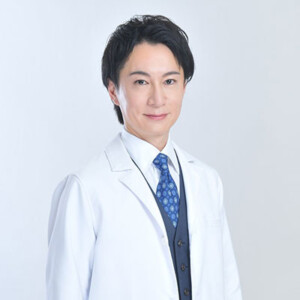
Dr. Jun Karibe
MD
Director
Education & Career
Certifications
Awards
MEDICAL REVIEW