Medical Weight Loss in Tokyo: Options, Costs and What to Expect

Managing weight in a new country — navigating a different food culture, a busy schedule, and a healthcare system in an unfamiliar language — is genuinely challenging.
Whether you are an expatriate based in Tokyo long-term, a medical tourist exploring treatment options, or a visitor curious about what Japan’s clinics can offer, this guide explains the medical weight loss landscape clearly and honestly.
Below, you will find an overview of the main clinical approaches available in Tokyo, realistic cost ranges, candidacy criteria, and what the evidence actually supports — so you can make an informed decision rather than a hopeful one.
- The main medical weight loss options available at Tokyo clinics
- How each approach works and what clinical evidence supports it
- Realistic cost ranges in Tokyo (in Japanese yen)
- Who is a suitable candidate and who should approach with caution
- How to access English-speaking medical weight loss consultations in Tokyo
Have a question about this treatment?
Message us on LINE or WhatsApp — our English-speaking team usually replies the same day.
What Is Medical Weight Loss?

Medical weight loss refers to clinically supervised programmes that go beyond general lifestyle advice. Rather than gym memberships or commercial diet plans, these involve a licensed physician assessing your health status and prescribing or recommending interventions — medication, nutritional therapy, body-contouring procedures, or a combination — tailored to your physiology.
In Japan, medical weight loss spans two broad categories: systemic interventions (treatments that affect metabolism or appetite throughout the whole body) and localised body-contouring treatments (which target specific fat deposits without affecting overall body weight significantly). Understanding the difference is essential before booking any appointment.
Systemic Approaches
Systemic medical weight loss typically involves prescription medication, nutritional supplementation, or medically supervised dietary protocols. In Japan, GLP-1 receptor agonist medications — originally developed for type 2 diabetes — are available at self-pay clinics for weight management.
These medications work by mimicking a gut hormone that regulates appetite and slows gastric emptying, helping patients feel full with less food.
Clinical data from large-scale trials is substantial. A 2021 study published in the New England Journal of Medicine found that participants using semaglutide 2.4 mg weekly achieved a mean body weight reduction of approximately 14.9% over 68 weeks, compared with 2.4% in the placebo group. Studies suggest, however, that results vary considerably depending on adherence, baseline health, and concurrent lifestyle changes.
Nutritional and Preventive Medicine Approaches
Some clinics in Tokyo — including BIOTOPE CLINIC in Shirokanedai — offer orthomolecular (nutritional) therapy and IV drip therapy as adjuncts to weight management.
Orthomolecular therapy involves optimising the body’s vitamin, mineral, and amino acid levels to support metabolic function, energy production, and overall wellbeing. While these approaches do not replace caloric management, clinical reports indicate that correcting micronutrient deficiencies can support energy levels and reduce fatigue-related barriers to activity.
IV drip therapy at BIOTOPE CLINIC includes formulations such as high-dose vitamin C and glutathione, which are also used for antioxidant support alongside weight management protocols. This is a treatment available at BIOTOPE CLINIC in Shirokanedai — feel free to ask about it during a consultation with Dr. Karibe.
Localised Body Contouring: What It Is and What It Is Not
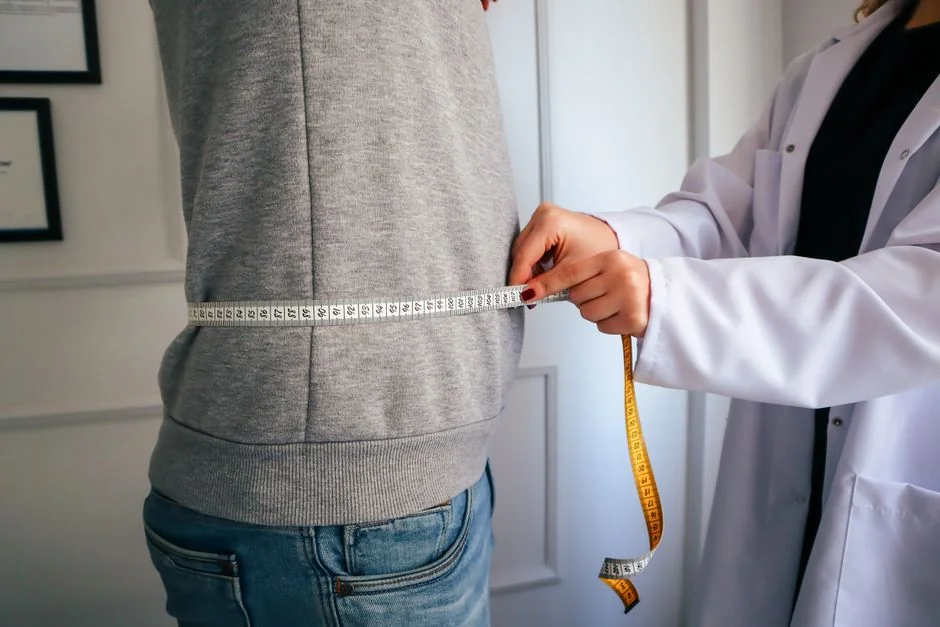
Localised fat-reduction treatments — including fat-dissolving injections and surgical liposuction — are not weight loss treatments in the clinical sense. They remove or break down fat cells in targeted areas but do not reduce overall body mass significantly or improve metabolic health markers such as blood glucose or cholesterol.
That said, they are a legitimate and frequently sought option for patients who are already at or near a healthy weight but have stubborn deposits that do not respond to diet and exercise. Understanding this distinction prevents disappointment.
Fat-Dissolving Injections
Fat-dissolving injections (such as those using deoxycholic acid or phosphatidylcholine-based formulas) are administered directly into subcutaneous fat deposits — most commonly under the chin, along the jawline, or on the abdomen. The active compound disrupts fat cell membranes, causing the cells to break down and be gradually eliminated by the body’s lymphatic system over several weeks.
Multiple sessions are generally required, and mild swelling, bruising, and tenderness at the injection site are expected for one to two weeks following each treatment.
Fat-dissolving injections are available at BIOTOPE CLINIC in Shirokanedai — this is a treatment worth discussing with Dr. Karibe if localised reduction is your primary concern.
Surgical Liposuction
For more significant or precise contouring, surgical liposuction remains the most established option. At BIOTOPE CLINIC, Dr. Karibe performs liposuction of the cheek and jawline area. This is a surgical procedure performed under local anaesthesia, with results that are immediate (though final results become visible once swelling resolves over several weeks).
Common Misconceptions About Medical Weight Loss
Misconception 1: “Body-contouring procedures will help me lose significant weight.” This is one of the most widespread misunderstandings in aesthetic medicine. Localised fat treatments remove a relatively small volume of fat cells from a defined area. They are not a substitute for systemic weight loss and will not improve conditions linked to excess body weight, such as metabolic syndrome or hypertension.
Misconception 2: “GLP-1 medications are a permanent solution — once you stop, you keep the results.” Clinical evidence does not support this. A follow-up study published in Diabetes, Obesity and Metabolism (2022) found that participants who discontinued semaglutide regained approximately two-thirds of their prior weight loss within one year. Medical weight loss medications are most effective when paired with sustainable lifestyle changes and ongoing medical supervision.
Medical Weight Loss Options in Tokyo: A Comparison

| Approach | Mechanism | Target | Approx. Cost Range (Tokyo) | Downtime | Sessions Required |
|---|---|---|---|---|---|
| GLP-1 medication (self-pay) | Appetite regulation, gastric slowing | Whole-body weight reduction | ¥10,000–¥30,000/month (varies by clinic and drug) | None (side effects possible) | Ongoing |
| Orthomolecular / nutritional therapy | Micronutrient optimisation | Metabolic support, energy | Varies by formulation | None | Multiple, as prescribed |
| IV drip therapy | Targeted nutrient delivery | Antioxidant support, fatigue | Varies by formulation | None | Course-based |
| Fat-dissolving injections | Fat cell membrane disruption | Localised subcutaneous fat | Varies per area and provider | 1–2 weeks (swelling/bruising) | 2–4+ sessions |
| Surgical liposuction (cheek/jawline) | Physical fat removal | Defined anatomical areas | ¥280,000/area at BIOTOPE CLINIC | Several days to weeks | Single procedure |
Cost of Medical Weight Loss in Tokyo
Costs vary considerably depending on the type of treatment, the clinic, and the number of sessions required. The following figures are based on published pricing at BIOTOPE CLINIC in Shirokanedai and general market context for Tokyo self-pay clinics.
For surgical liposuction of the cheek or jawline area, the fee at BIOTOPE CLINIC is ¥280,000 per area. Surgical procedures require an additional anaesthesia fee (¥2,200–¥77,000 depending on type and duration) and pre-operative blood work (¥11,000). An initial consultation is ¥3,300, and a surgical consultation with Dr. Karibe is ¥2,200.
For preventive medicine and nutritional support — including orthomolecular therapy, NMN supplementation, gut microbiome analysis, genetic testing, and IV drip therapy — costs depend on the specific protocol recommended after consultation. These are best discussed at an individual appointment where Dr. Karibe can review your health profile and recommend an appropriate approach.
For GLP-1 medications at self-pay weight loss clinics across Tokyo, monthly costs typically range from approximately ¥10,000 to ¥30,000 or more depending on the medication, dose, and provider. Note that GLP-1 prescriptions at self-pay clinics are not covered by Japan’s national health insurance and require ongoing medical supervision.
For an accurate quote tailored to your specific concerns, we recommend booking a consultation.
Have a question about this treatment?
Message us on LINE or WhatsApp — our English-speaking team usually replies the same day.
Dr. Karibe’s Note
Many international patients who come to BIOTOPE CLINIC initially ask about body contouring procedures when what they are actually describing sounds more like a systemic weight concern.
A common question I receive is whether fat-dissolving injections or liposuction will help them “lose weight overall.” The honest answer is no — and I think it is important to be clear about that from the first consultation. What localised procedures can do is refine a specific area once you are already close to your target weight. For patients whose primary concern is overall weight management, I tend to discuss our preventive medicine options, including nutritional therapy and gut microbiome analysis, as a first step alongside any lifestyle interventions already underway.
Who Is a Good Candidate for Medical Weight Loss in Tokyo?

Suitable Candidates
Adults who are overweight or obese with a BMI of 27 or above, particularly those with weight-related health concerns (elevated blood pressure, blood glucose irregularities, joint strain), may benefit from supervised systemic approaches such as GLP-1 medication or nutritional therapy. Patients should be non-pregnant, medically stable, and willing to engage with lifestyle modifications alongside any clinical intervention.
Candidates for localised fat-reduction procedures (injections or liposuction) are generally those who are at or near a healthy body weight but have specific, well-defined areas of stubborn fat that have not responded to sustained diet and exercise effort.
Who Should Approach with Caution or Seek Medical Clearance First
People with a history of eating disorders, thyroid conditions, pancreatitis, or personal or family history of medullary thyroid carcinoma should discuss their background thoroughly with a physician before starting any medical weight loss programme.
GLP-1 medications carry contraindications that require careful assessment. Anyone currently pregnant or planning pregnancy should not begin new weight loss medication.
For surgical procedures, patients on blood thinners, those with clotting disorders, or those with active skin infections in the treatment area will need to pause or adjust their medications and obtain medical clearance before surgery can proceed.
Where to Get Medical Weight Loss Support in Tokyo
Within our clinic group, English-speaking consultations are handled at BIOTOPE CLINIC in Shirokanedai (Minato-ku, Tokyo) by Dr. Jun Karibe, a board-certified plastic surgeon certified by the Japan Society of Plastic and Reconstructive Surgery. Our sister clinic, Kojimachi Dermatology and Plastic Surgery Clinic in Ichigaya (Chiyoda-ku), serves as the group’s main office and handles Japanese-language, insurance-covered dermatology. Bookings and enquiries in English: LINE or WhatsApp.
In Dr. Karibe’s clinical experience at BIOTOPE CLINIC, many expatriate patients appreciate having a single English-speaking physician who can assess both aesthetic concerns and broader health context — rather than seeing separate providers who may not communicate with one another. BIOTOPE’s preventive medicine menu, including orthomolecular therapy, gut microbiome analysis, and IV drip formulations, is available alongside cosmetic and surgical options, allowing for a more integrated conversation.
Frequently Asked Questions
- Q. Are GLP-1 weight loss medications (such as semaglutide) available in Japan?
- Yes. GLP-1 receptor agonists are available in Japan both through the national health insurance system for patients with type 2 diabetes and through self-pay channels at designated clinics for weight management. Availability and approved doses may differ from what you are accustomed to in your home country, and supply has been subject to periodic restrictions. A consultation with a Japanese-registered physician is required before prescription.
- Q. Can I get a medical weight loss consultation in English in Tokyo?
- English-language consultations for weight management, preventive medicine, and body contouring are available at BIOTOPE CLINIC in Shirokanedai, Minato-ku, where Dr. Jun Karibe consults in English. Enquiries can be made via LINE or WhatsApp before booking.
- Q. How many sessions of fat-dissolving injections will I need?
- The number of sessions depends on the size of the target area, the density of the fat deposit, and the individual’s response to treatment. Most patients require two to four sessions spaced four to six weeks apart. Your physician will give a more specific estimate after an in-person assessment.
- Q. Is liposuction at a Tokyo clinic safe for a short-term visitor?
- Surgical liposuction does involve a recovery period of several days to a few weeks, during which strenuous activity and travel should be avoided. Medical tourists considering liposuction should plan to remain in Tokyo for at least one post-operative follow-up. Your surgeon will advise on timing based on the extent of the procedure.
- Q. Does Japan’s national health insurance cover weight loss treatments?
- Standard weight loss treatments — including GLP-1 medications prescribed for weight management, fat-dissolving injections, and body-contouring procedures — are generally not covered by Japan’s national health insurance when used for cosmetic or weight management purposes.
- GLP-1 medications prescribed for type 2 diabetes management may fall under insurance coverage in eligible patients. Preventive medicine services such as IV drips and nutritional therapy are also self-pay. Insurance-covered dermatology is available at Kojimachi Dermatology and Plastic Surgery Clinic in Ichigaya for Japanese-speaking patients with relevant skin conditions.
Have a question about this treatment?
Message us on LINE or WhatsApp — our English-speaking team usually replies the same day.
Summary
Medical weight loss in Tokyo covers a spectrum from prescription appetite-regulating medications to nutritional therapy, IV drip protocols, and localised body-contouring procedures such as fat-dissolving injections and surgical liposuction. No single intervention suits every patient, and the most effective outcomes typically involve a physician who takes the time to understand your full health context before recommending a course of action.
Clinical evidence supports meaningful results from supervised systemic approaches — but studies also confirm that maintaining those results requires sustained lifestyle changes alongside any medical intervention. Localised procedures, meanwhile, are best understood as precision tools for patients already near their target weight, not as primary weight loss solutions.
If you have questions about medical weight loss options in Tokyo, English-speaking consultations are handled at BIOTOPE CLINIC in Shirokanedai (Minato-ku, Tokyo) by Dr. Karibe. Our sister clinic, Kojimachi Dermatology and Plastic Surgery Clinic in Ichigaya (Chiyoda-ku), handles Japanese-language insurance dermatology. English enquiries: LINE or WhatsApp.
24/7 Consultation & Booking
Book a Consultation or Treatment
Our English-speaking team responds via LINE or WhatsApp — usually the same day.
References
- Wilding JPH, Batterham RL, Calanna S, et al. Once-Weekly Semaglutide in Adults with Overweight or Obesity. New England Journal of Medicine. 2021.
- Wilding JPH, Batterham RL, Davies M, et al. Weight regain and cardiometabolic effects after withdrawal of semaglutide: The STEP 1 trial extension. Diabetes, Obesity and Metabolism. 2022.
- Greenway FL. Physiological adaptations to weight loss and factors favouring weight regain. International Journal of Obesity. 2015.
- Rohrich RJ, Avashia YJ, Savetsky IL. Prediction of Fat Transfer Survival with Breast Augmentation. Plastic and Reconstructive Surgery. 2021.
- Apovian CM, Aronne LJ, Bessesen DH, et al. Pharmacological Management of Obesity: An Endocrine Society Clinical Practice Guideline. Journal of Clinical Endocrinology and Metabolism. 2015.
Related Articles
You may also find these articles useful.
SUPERVISED BY
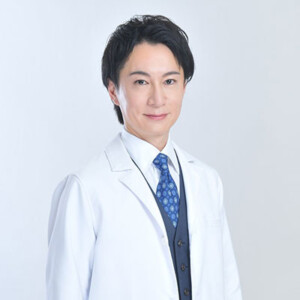
Dr. Jun Karibe
MD
Director
Education & Career
Certifications
Awards
MEDICAL REVIEW