How to Find an English-Speaking Beauty Clinic in Tokyo: A Complete Consultation Guide
Navigating cosmetic and aesthetic treatments in a foreign country can feel daunting.
This is especially true when language barriers add uncertainty to an already personal medical decision.
Whether you are:
- An expatriate living in Tokyo
- A medical tourist planning treatment in Japan
- A short-term visitor
- An international resident seeking ongoing skin care
finding a clinic that can communicate clearly in English is essential.
A good cosmetic consultation should allow you to understand:
- What treatment is being recommended
- Why it is suitable for you
- What results are realistic
- What risks are involved
- How much the treatment will cost
- How much downtime to expect
- What aftercare is required
- What happens if a complication develops
At BIOTOPE CLINIC or Kojimachi Dermatology & Plastic Surgery Clinic in Minato-ku, Tokyo, international patients can receive consultations in English for dermatology, cosmetic medicine, plastic surgery, anti-aging treatment, injectables, laser procedures, and skin rejuvenation.
This guide explains how to choose an English-speaking beauty clinic in Tokyo, which treatments are commonly requested, what realistic prices look like, and how to prepare for your consultation.
Have a question about this treatment?
Message us on LINE or WhatsApp — our English-speaking team usually replies the same day.
What Is an English Beauty Clinic Consultation?
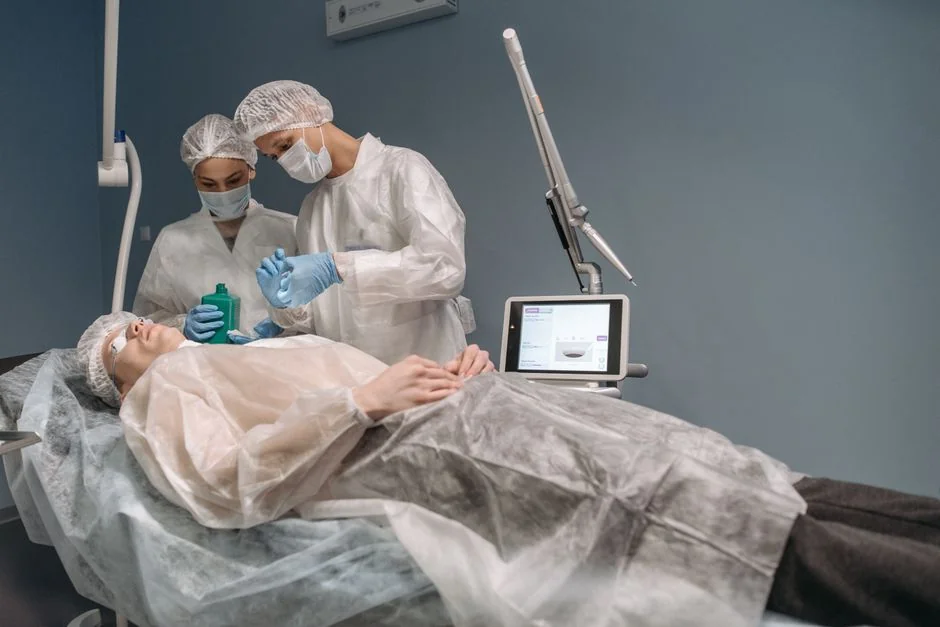
An English-language consultation at a Tokyo beauty clinic is a structured medical appointment conducted in English
Depnding on the clinic, communication may be provided by:
- An English-speaking physician
- A bilingual medical coordinator
- An English-speaking nurse
- A trained interpreter familiar with medical terminology
The purpose of the consultation is to assess your concerns and determine whether treatment is appropriate.
A proper consultation should include:
- Review of your medical history
- Review of current medications
- Allergy confirmation
- Previous cosmetic treatment history
- Assessment of your skin or facial anatomy
- Discussion of your goals
- Explanation of treatment options
- Explanation of limitations
- Discussion of risks
- Cost estimate
- Recovery and aftercare planning
This is more than a beauty-service consultation.
In Japan, injectable treatments, laser procedures, medical devices, and surgery are medical acts and must be performed within an appropriate medical setting.
English-language consultation at a beauty clinic in Tokyo is a structured medical appointment conducted in English — either by a doctor who speaks English fluently or with the support of a trained bilingual coordinator. The purpose is to assess your skin or aesthetic concerns, discuss your goals, review your medical history, and recommend an appropriate treatment plan.
Unlike a standard pharmacy visit or over-the-counter skincare purchase, a clinic consultation involves a qualified physician. This is an important distinction in Japan: under Japanese law, injectable treatments such as Botox and dermal fillers, as well as laser procedures and surgical interventions, may only be performed by licensed medical doctors.
An English-language consultation at a Tokyo beauty clinic is a structured medical appointment conducted in English.
English-Language Access Matters in Medical Aesthetics
Miscommunication in an aesthetic consultation can have real consequences — from receiving the wrong treatment area to misunderstanding post-procedure care instructions. Detailed informed consent, including an honest discussion of risks, expected outcomes, and recovery, is only meaningful when both parties fully understand one another.
At our clinic in Minato-ku, Tokyo, we frequently see patients who have previously visited clinics where staff spoke limited English and felt unsure about what they had agreed to. Clear, bilingual communication from the initial enquiry through to aftercare is a clinical safety issue, not merely a convenience.
How to Evaluate a Beauty Clinic in Tokyo
Tokyo has a large cosmetic medical market.
Clinics vary significantly in physician qualifications, technology, treatment philosophy, pricing, and English-language support.
International patients should evaluate more than the clinic’s social media images or advertisements.
Check the Physician’s Qualifications
In Japan, not every physician performing cosmetic treatment is a board-certified dermatologist or plastic surgeon.
Relevant specialist qualifications may include certification from organizations such as:
- Japan Society of Plastic and Reconstructive Surgery
- Japanese Dermatological Association
Board certification generally indicates formal specialist training, clinical experience, examinations, and continued professional development.
At Kojimachi Dermatology & Plastic Surgery Clinic, Dr. Jun Karibe is a board-certified plastic surgeon.
Patients should feel comfortable asking:
- Is the doctor board-certified?
- Which specialist society granted the certification?
- How much experience does the physician have with this procedure?
- Will the doctor perform the treatment personally?
- Who manages complications?
Check Whether English Support Covers the Entire Process
Some clinics advertise English support but only provide English at reception.
International patients should confirm whether English is available for:
- Medical consultation
- Consent
- Procedure explanation
- Aftercare
- Follow-up
- Complication management
- Emergency contact
English support should continue beyond booking.
This is especially important for surgery, fillers, lasers, and treatments involving several sessions.
Ask About Written English Instructions
Aftercare instructions should be provided in writing whenever possible.
Written English guidance helps patients remember:
- What products to use
- What activities to avoid
- When makeup can be resumed
- When exercise is safe
- When to restart retinoids or acids
- What warning signs require medical attention
- When to return for follow-up
Questions to Ask Before Booking
Before choosing a clinic, consider asking:
- Is the treating doctor board-certified?
- Is the consultation conducted in English?
- Are written aftercare instructions available in English?
- What product or device will be used?
- Is the product approved or medically sourced?
- What complications are possible?
- Who should I contact if I have a problem?
- Is the quoted price inclusive of all fees?
- Will I need follow-up appointments?
- Can treatment be performed on the same day?
- How long should I remain in Tokyo afterward?
A reputable clinic should answer these questions clearly.
Why International Patients Choose Tokyo for Cosmetic Treatment
Tokyo has become a major destination for cosmetic medicine in Asia.
International patients are attracted by:
- High medical standards
- Experienced physicians
- Wide availability of advanced devices
- Strong emphasis on natural-looking results
- Competitive pricing
- Central transportation access
- High clinic density
- Experience treating Asian skin and pigmentation concerns
Many treatments available in Tokyo may be more competitively priced than comparable procedures in cities such as London, New York, Sydney, or Singapore.
However, price should not be the only deciding factor.
Physician qualification, safety systems, treatment planning, and aftercare are more important.
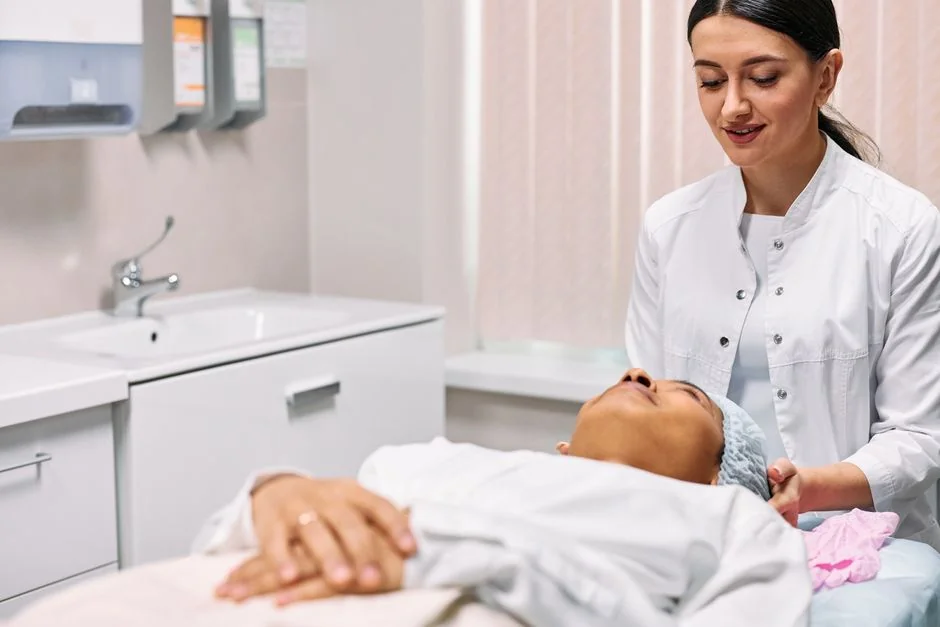 Common Treatments Available at English-Friendly Tokyo Beauty Clinics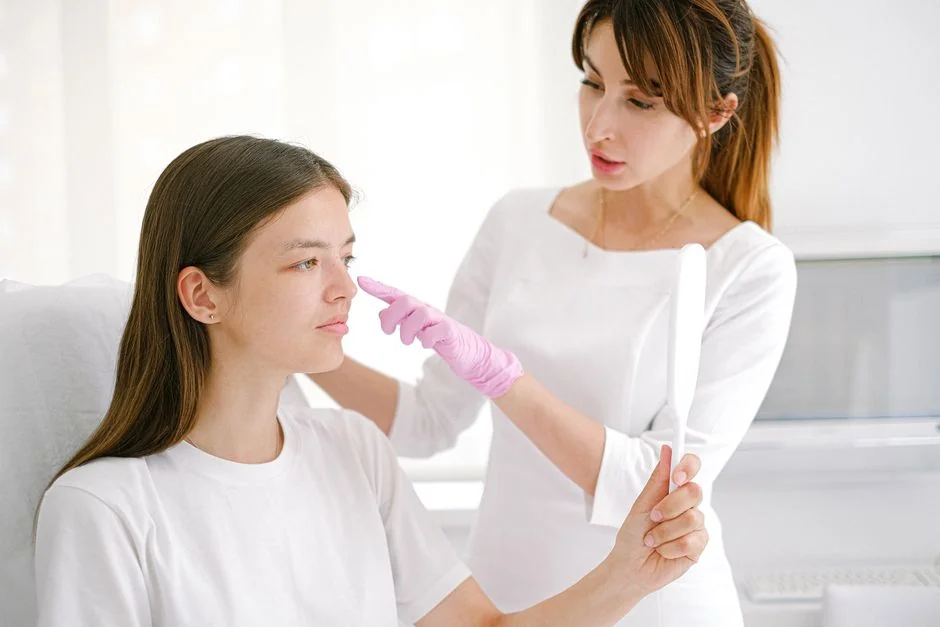
The range of cosmetic treatments available in Tokyo is broad, spanning non-invasive skin rejuvenation to minor surgical procedures. Below is an overview of the most frequently requested options among international patients, along with a brief explanation of how each works.
Injectables: Botox and Hyaluronic Acid Fillers
Botulinum toxin (Botox) is a purified protein injected into specific facial muscles to temporarily reduce their activity, smoothing dynamic wrinkles such as forehead lines, frown lines between the brows, and crow’s feet. Effects typically become visible within five to fourteen days and last approximately three to six months.
Hyaluronic acid (HA) fillers are gel-like substances injected beneath the skin to restore volume, smooth deep lines, or enhance facial contours such as the lips or cheeks. Hyaluronic acid is a substance naturally found in the body, and most HA fillers are reversible using an enzyme called hyaluronidase.
Laser and Energy-Based Treatments
PicoWay laser uses ultra-short pulses of laser energy to break down pigmentation, address sun spots, and assist in tattoo removal — with less thermal damage to surrounding skin than older laser technologies. CO2 fractional laser creates microscopic channels in the skin to stimulate collagen remodelling, making it effective for acne scars and enlarged pores. HIFU (High-Intensity Focused Ultrasound) delivers focused ultrasound energy to deeper skin layers to stimulate collagen production and achieve a gradual lifting and tightening effect without incisions.
Radiofrequency Microneedling
Morpheus8 combines microneedling with radiofrequency energy delivered into the deeper layers of skin and subcutaneous tissue. This stimulates collagen and elastin production, improving skin laxity, texture, and tone. Clinical reports indicate that radiofrequency microneedling can produce measurable improvements in skin firmness with minimal downtime compared to surgical alternatives.
Surgical Procedures
For patients seeking more lasting results, minor surgical options include double eyelid surgery (suture method), transconjunctival blepharoplasty (a technique for addressing under-eye concerns through the inner eyelid, leaving no visible external scar), mole removal, and scar revision. These procedures are performed under local anaesthesia in a clinic setting and do not require hospital admission.
| Treatment Category | Example Procedures | Approximate Downtime | Longevity of Results |
|---|---|---|---|
| Injectables | Botox, HA fillers | Minimal (hours to 1–2 days) | 3–12 months (treatment-dependent) |
| Laser / Energy | PicoWay, CO2 fractional, HIFU | 1–7 days (varies by intensity) | 6–18 months with maintenance |
| RF Microneedling | Morpheus8 | 2–5 days | 12–18 months with maintenance |
| Minor Surgery | Blepharoplasty, mole removal | 1–4 weeks (procedure-dependent) | Long-lasting to permanent |
| Preventive / IV | Vitamin C drip, glutathione, NMN | None | Ongoing (requires regular sessions) |
Realistic Cost Ranges for Beauty Treatments in Tokyo
Cosmetic treatment pricing in Tokyo varies considerably depending on the clinic, the physician’s specialist level, the device used, and the area or volume being treated. The figures below reflect pricing at Kojimachi Dermatology & Plastic Surgery Clinic and are intended to give international patients a realistic reference point.
- Initial consultation: ¥3,300 / Surgical consultation with Dr. Karibe: ¥2,200
- Botox (Allergan brand): ¥22,000–¥148,000 depending on the number of areas treated
- Hyaluronic acid filler: ¥66,000–¥88,000 per syringe
- HIFU (skin lifting): ¥25,000–¥110,000
- PicoWay laser: ¥11,000–¥98,000
- CO2 fractional laser: ¥11,000–¥66,000
- Morpheus8 (RF microneedling): available — ask at consultation for current pricing
- Double eyelid surgery (suture method, 2-point): ¥66,000–¥110,000
- Transconjunctival blepharoplasty: ¥280,000–¥428,000
- Mole removal / cyst excision: available — pricing varies by size and method
- IV drip therapy (vitamin C, glutathione): available as part of preventive medicine menu
Note: Surgical procedures require additional anaesthesia fees (¥2,200–¥77,000) and pre-operative blood work (¥11,000). All prices are inclusive of consumption tax (10%) where applicable. For an accurate quote, we recommend booking a consultation.
Have a question about this treatment?
Message us on LINE or WhatsApp — our English-speaking team usually replies the same day.
What to Expect Before, During, and After Your Consultation
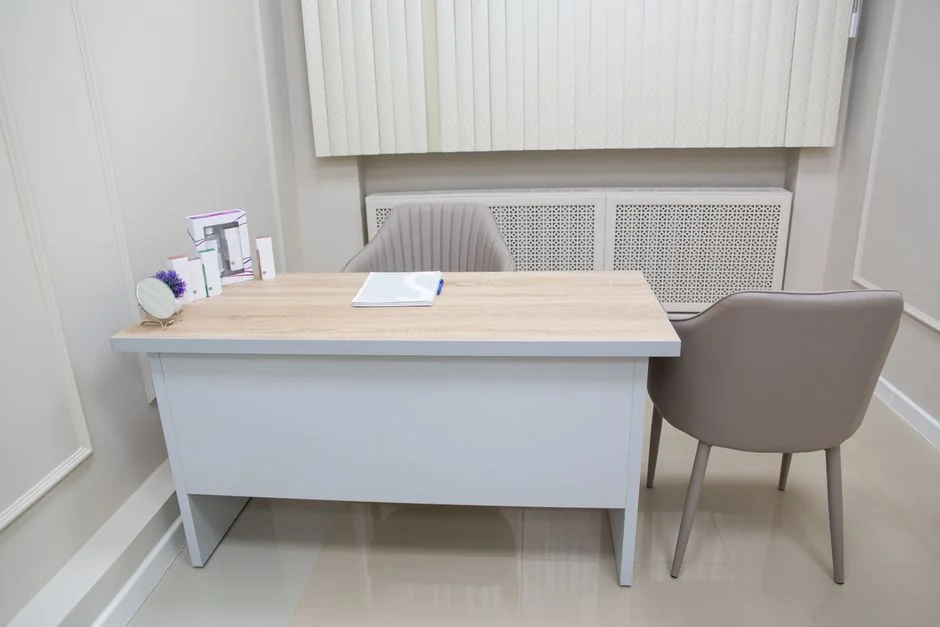
Before the Appointment
Prepare a brief summary of your medical history, including any current medications, known allergies, and previous aesthetic treatments. If you have had filler injections elsewhere, note the approximate date and product used. Arriving without makeup — or being prepared to remove it — allows the physician to assess your skin accurately.
During the Consultation
A thorough consultation should include a visual assessment of your skin or the area of concern, an honest discussion of what treatment can and cannot achieve, and a clear explanation of risks. The doctor should explain the mechanism of the proposed treatment in terms you can understand. You should never feel pressured to book a treatment on the same day as a consultation.
After the Consultation
You should leave with written or printed documentation of the proposed treatment plan, pricing, and aftercare instructions — ideally in English. If proceeding with an injectable or laser treatment on the same day, a post-procedure care sheet should be provided before you leave the clinic. For surgical procedures, a separate pre-operative appointment is standard.
Dr. Karibe’s Note
Many of our international patients are surprised to find that the consultation itself is where the most important work happens. A thorough assessment — understanding your skin type, medical history, lifestyle, and aesthetic goals — is what makes the difference between a result you are satisfied with and one that falls short of expectations. A common question I receive is whether treatments can be combined in a single visit: often they can, but the priority must always be safety and appropriate recovery time. I encourage patients to ask about this openly during the appointment.
Common Misconceptions About Beauty Clinics in Tokyo
Misconception 1: Japanese clinics only cater to Asian skin tones and facial structures
This is a widely held but inaccurate assumption. Board-certified dermatologists and plastic surgeons in Japan are trained to assess and treat diverse skin types, including Fitzpatrick skin types I through VI (the clinical scale used to classify skin from very fair to very dark). In our clinical experience at Kojimachi Dermatology & Plastic Surgery Clinic, patients from Europe, North America, South Asia, the Middle East, and Africa visit us regularly, and treatment plans are tailored to individual skin characteristics — not a single demographic template.
That said, it is reasonable to ask the clinic directly whether their devices and protocols are suitable for your skin tone, particularly for laser treatments, where settings must be adjusted for darker skin types to minimise the risk of post-inflammatory hyperpigmentation.
Misconception 2: Lower prices mean lower quality in Tokyo’s cosmetic market
Price variation in Tokyo’s cosmetic clinic market is significant and does not always correlate directly with quality. Factors that drive cost differences include the brand of product used (for example, Allergan Botox versus generic alternatives), the experience level of the practitioner, clinic location, and whether a specialist physician or a general practitioner is performing the procedure. Studies suggest that practitioner experience and device quality have a greater impact on outcomes than clinic prestige or pricing tier alone. Reviewing the physician’s qualifications remains a more reliable indicator of quality than price comparison.
Who Is a Good Candidate for Cosmetic Treatments in Tokyo?
Most adults in good general health are suitable candidates for non-surgical cosmetic treatments. Injectables, laser therapies, and energy-based treatments are appropriate for a broad age range — typically from the mid-twenties onwards, depending on the concern being addressed. Candidates with realistic expectations, who understand that cosmetic treatments enhance rather than transform, tend to be the most satisfied.
Certain conditions may require caution or contraindicate specific treatments. These include pregnancy or breastfeeding (which rules out most cosmetic procedures), active skin infection in the treatment area, autoimmune conditions, a history of keloid scarring (relevant for needling and surgical procedures), and use of blood-thinning medications (relevant for injectables and surgery). A thorough consultation will identify any individual risk factors.
Frequently Asked Questions
- Q. Can I receive treatment on the same day as my consultation?
- For many non-surgical treatments — such as Botox injections, certain laser sessions, and IV drip therapy — same-day treatment is often possible following the consultation, provided no contraindications are identified. Surgical procedures always require a separate pre-operative appointment and advance blood work. It is advisable to contact the clinic in advance to confirm whether same-day treatment is available for your specific concern.
- Q. Do I need to speak Japanese to receive treatment at a Tokyo beauty clinic?
- Not at all clinics. Kojimachi Dermatology & Plastic Surgery Clinic offers consultations in English, meaning the medical conversation — not just the administrative paperwork — is conducted in English. When contacting a clinic for the first time, it is worth asking explicitly whether the doctor or a bilingual medical coordinator will be present throughout the appointment.
- Q. Are cosmetic treatments in Japan covered by health insurance?
- Cosmetic procedures — including Botox, fillers, lasers, and elective surgery — are not covered by Japanese public health insurance (shakai hoken or kokumin kenko hoken). Some medically indicated dermatological treatments, such as narrowband UVB phototherapy for psoriasis or eczema, may qualify for insurance coverage when prescribed by a dermatologist. If you hold Japanese health insurance and have a medical skin condition, it is worth enquiring at the time of booking.
- Q. How far in advance should I book a consultation before a trip to Tokyo?
- For non-surgical treatments, booking two to four weeks in advance is generally sufficient. For surgical procedures, a longer lead time — often six to eight weeks or more — is advisable, as this allows time for the pre-operative consultation, blood work, the procedure itself, and at least an initial recovery period before you travel. Post-procedure follow-up appointments are also recommended where possible.
- Q. Is it safe to receive cosmetic treatments abroad?
- Cosmetic treatment in Japan is subject to Japanese medical law, and standards in certified specialist clinics are comparable to those in Europe, North America, and Australia. Risks can be minimised by choosing a clinic with a board-certified physician, ensuring you receive full informed consent documentation in a language you understand, and planning sufficient time in Tokyo for any necessary follow-up. Clinical reports indicate that complication rates are significantly lower when procedures are performed by appropriately credentialled specialists using regulated medical-grade products.
Have a question about this treatment?
Message us on LINE or WhatsApp — our English-speaking team usually replies the same day.
About Dr. Jun Karibe
Dr. Jun Karibe is a board-certified plastic surgeon and director of BIOTOPE CLINIC /Kojimachi Dermatology & Plastic Surgery Clinic in Tokyo.
His clinical interests include:
- Cosmetic and reconstructive surgery
- Anti-aging medicine
- Botox and fillers
- Skin rejuvenation
- Eyelid surgery
- Scar revision
- Mole and skin tumour removal
- Hair restoration medicine
- Preventive medicine
Dr. Karibe regularly consults with Japanese and international patients.
English-language consultations are available.
Ready to Book an English Consultation?
If you are looking for an English-speaking beauty clinic in Tokyo, our team at Kojimachi Dermatology & Plastic Surgery Clinic in Ichigaya, Chiyoda-ku would be happy to assist.
We provide:
- English consultations
- Botox and filler treatment
- Laser and light-based treatments
- HIFU and skin tightening
- Microneedling and RF treatments
- Anti-aging treatment
- Dermatology
- Plastic surgery consultations
- Care for expatriates and medical tourists
Contact us through LINE or WhatsApp to arrange your consultation.
Summary
Finding an English-speaking beauty clinic in Tokyo is achievable when you know what to look for.
International patients should prioritize:
- Qualified physicians
- Board certification
- Clear English communication
- Transparent pricing
- Realistic treatment planning
- Written aftercare
- Follow-up access
- Appropriate complication management
Tokyo offers a wide range of aesthetic treatments, including Botox, hyaluronic acid fillers, HIFU, PicoWay laser, CO₂ fractional laser, Dermapen, RF microneedling, eyelid surgery, mole removal, scar revision, and preventive medicine.
The most important step is not choosing a treatment from an online menu.
It is receiving a thorough medical consultation that identifies the cause of your concern and matches it with the safest, most appropriate option.
At BIOTOPE CLINIC or Kojimachi Dermatology & Plastic Surgery Clinic in Ichigaya, Chiyoda-ku, Tokyo, international patients can receive English-language consultation for dermatology, cosmetic medicine, anti-aging treatment, and plastic surgery.
Common Treatments at English-Friendly Beauty Clinics in Tokyo
Botox Injections
Botulinum toxin temporarily reduces muscle activity.
It is commonly used for:
- Forehead lines
- Frown lines
- Crow’s feet
- Bunny lines
- Chin dimpling
- Neck bands
- Masseter reduction
- Jawline slimming
- Excessive sweating
Results typically begin within several days.
The full effect is usually visible within:
5–14 days
Results commonly last:
3–6 months
depending on the treatment area, dose, muscle strength, and individual metabolism.
Allergan Botox vs Korean Botulinum Toxin
Some Tokyo clinics offer several botulinum toxin brands.
Allergan Botox is a widely recognized product.
Korean botulinum toxin products may be offered at a lower price.
Patients should ask:
- Which product is being used?
- How many units are planned?
- Is the treatment priced per area or per unit?
- What result is realistic?
- What happens if asymmetry occurs?
Price comparisons are only meaningful when the product and dose are clear.
Hyaluronic Acid Fillers
Hyaluronic acid fillers restore volume and reshape facial contours.
Common areas include:
- Cheeks
- Tear troughs
- Chin
- Jawline
- Lips
- Nasolabial folds
- Temples
Results are visible immediately, although swelling may temporarily affect appearance.
Depending on the product and treatment area, results may last:
9–18 months
One advantage of hyaluronic acid filler is reversibility.
If medically necessary, the filler can be dissolved using hyaluronidase.
However, fillers are not risk-free.
Rare but serious complications, including vascular occlusion, can occur.
For this reason, filler treatment should be performed by a physician with strong anatomical knowledge and a clear emergency protocol.
HIFU Skin Tightening
HIFU stands for High-Intensity Focused Ultrasound.
The treatment delivers ultrasound energy to deeper tissue layers to stimulate collagen remodelling.
It may help improve:
- Mild jawline laxity
- Early jowls
- Neck looseness
- Reduced facial firmness
- Mild facial sagging
Results develop gradually over approximately:
2–3 months
HIFU does not replace a surgical facelift.
It is generally more appropriate for mild to moderate laxity.
PicoWay Laser
PicoWay is a picosecond laser platform.
It may be used for:
- Sun spots
- Freckles
- Selected pigmentation
- Tattoo removal
- Uneven skin tone
- Certain post-inflammatory marks
Picosecond pulses break pigment into small particles with limited thermal exposure to surrounding tissue.
However, correct diagnosis is essential.
Melasma, sun spots, and post-inflammatory hyperpigmentation require different treatment strategies.
CO₂ Fractional Laser
CO₂ fractional laser creates microscopic columns of controlled injury in the skin.
It may improve:
- Acne scars
- Enlarged pores
- Fine lines
- Rough skin texture
- Surface irregularities
This treatment is generally stronger than mild non-ablative procedures.
Downtime may include:
- Redness
- Swelling
- Crusting
- Peeling
- Temporary sensitivity
Typical recovery may take:
5–10 days
or longer with intensive settings.
RF Microneedling
RF microneedling combines microneedles with radiofrequency energy.
Devices such as Morpheus8 and POTENZA may be used to improve:
- Mild skin laxity
- Acne scars
- Enlarged pores
- Skin texture
- Fine lines
- Lower-face firmness
The microneedles deliver RF energy into the dermis, stimulating collagen and elastin.
Downtime is commonly:
2–5 days
depending on treatment intensity.
Dermapen Microneedling
Dermapen uses fine needles to create controlled microchannels in the skin.
It may help with:
- Mild acne scars
- Enlarged pores
- Uneven texture
- Fine lines
- Dull skin
Dermapen does not use heat.
It is often selected by patients who want a collagen-stimulating treatment with relatively short downtime.
Multiple sessions are usually required.
IPL Photofacial
IPL uses broad-spectrum light to improve several concerns simultaneously.
It may help with:
- Mild pigmentation
- Sun damage
- Redness
- Uneven tone
- Vascular irregularities
Pigmented areas may temporarily darken before fading.
A treatment course is often recommended.
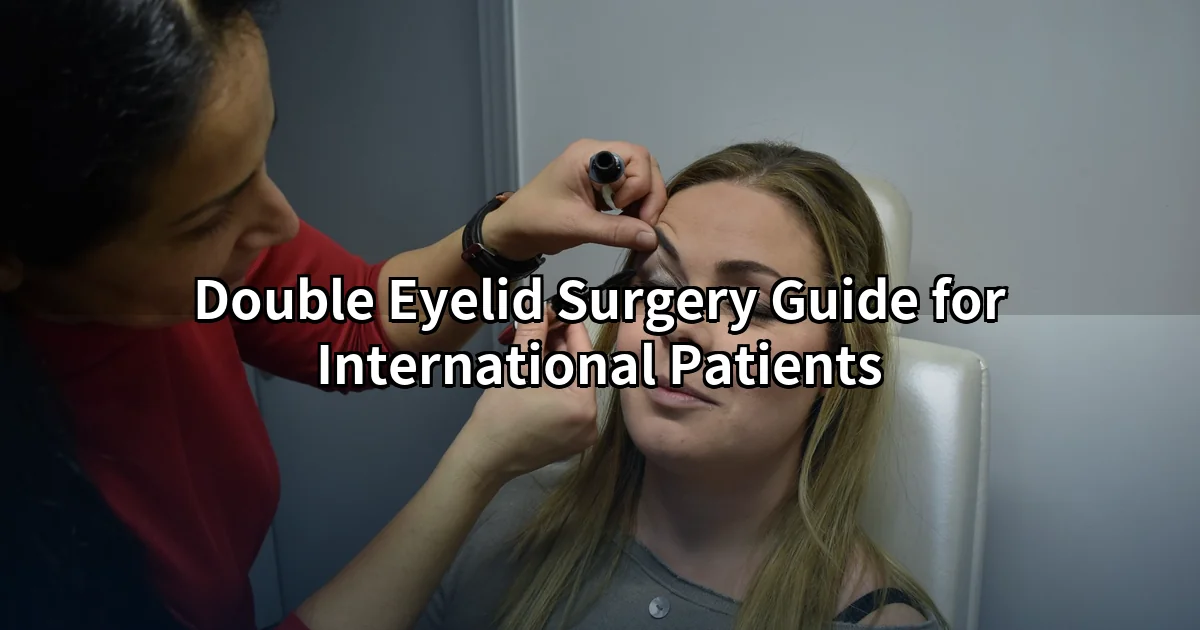
Double Eyelid Surgery
Double eyelid surgery is one of the most commonly requested cosmetic procedures in Japan.
The suture method creates an upper-eyelid crease without a full incision.
It may suit patients who want:
- A more defined eyelid crease
- Improved symmetry
- Brighter-looking eyes
- A minimally invasive surgical option
The design should be individualized according to anatomy and patient preference.
Transconjunctival Blepharoplasty
This procedure addresses under-eye fat protrusion through an incision inside the lower eyelid.
Because the incision is internal, there is no visible external scar.
It may help with:
- Under-eye bags
- Puffy lower eyelids
- Tired-looking eyes
- Lower-eyelid fat protrusion
It does not directly remove significant loose skin.
Mole Removal and Cyst Excision
International patients frequently seek treatment for:
- Moles
- Epidermal cysts
- Raised skin lesions
- Irritated lesions
- Cosmetic skin concerns
Depending on the diagnosis, treatment may involve:
- Surgical excision
- Laser
- Shave removal
- Pathology testing
A physician should assess the lesion before cosmetic removal.
Scar Revision
Scar revision treatment may involve:
- Surgical revision
- Laser treatment
- Steroid injection
- Microneedling
- RF microneedling
- Combination therapy
The best approach depends on whether the scar is:
- Raised
- Depressed
- Wide
- Red
- Pigmented
- Contracted
- Painful
Preventive Medicine and IV Therapy
Some Tokyo clinics also provide:
- Vitamin C infusions
- Glutathione infusions
- NMN-related programs
- Nutritional assessment
- Orthomolecular medicine
- Blood testing
- Gut microbiome analysis
The evidence supporting individual preventive treatments varies.
These approaches should not be presented as substitutes for structural treatments such as fillers, devices, or surgery when the main concern is significant sagging or volume loss.
Treatment Comparison
|
Treatment Category |
Examples |
Typical Downtime |
Approximate Longevity |
|---|---|---|---|
|
Injectables |
Botox, HA fillers |
Minimal to 1–2 days |
3–18 months |
|
Laser and Light |
PicoWay, IPL, CO₂ laser |
Minimal to 10 days |
Treatment-dependent |
|
Energy Devices |
HIFU |
Minimal to 2 days |
Often 12–18 months |
|
RF Microneedling |
Morpheus8, POTENZA |
2–5 days |
Often 12 months or longer |
|
Standard Microneedling |
Dermapen |
1–3 days |
Maintenance usually needed |
|
Minor Surgery |
Eyelid surgery, mole removal |
Several days to several weeks |
Long-lasting |
|
Preventive Therapy |
IV therapy, nutrition programs |
Usually none |
Requires ongoing treatment |
These ranges are general.
Individual results and recovery vary.
Cosmetic Treatment Costs in Tokyo
Prices vary depending on the physician, product, device, treatment area, number of sessions, and treatment complexity.
The following figures reflect indicative pricing at BIOTOPE CLINIC or Kojimachi Dermatology & Plastic Surgery Clinic in Minato-ku, Chiyoda-ku, Tokyo.
|
Treatment |
Price |
|---|---|
|
Initial Consultation |
¥3,300 |
|
Surgical Consultation with Dr. Karibe |
¥2,200 |
|
Botox, Allergan |
¥22,000–¥148,000 |
|
Hyaluronic Acid Filler |
¥66,000–¥88,000 per syringe |
|
HIFU |
¥25,000–¥110,000 |
|
PicoWay Laser |
¥11,000–¥98,000 |
|
CO₂ Fractional Laser |
¥11,000–¥66,000 |
|
Dermapen |
¥9,800–¥220,000 |
|
Double Eyelid Surgery, 2-Point Suture |
¥66,000–¥110,000 |
|
Transconjunctival Blepharoplasty |
¥280,000–¥428,000 |
|
POTENZA RF Microneedling |
¥35,000–¥49,800 |
|
Tesslift Thread Lift |
¥48,000 per thread |
Morpheus8, mole removal, cyst excision, and IV therapy pricing depends on the treatment plan and should be confirmed at consultation.
Additional Surgical Costs
Surgical procedures may require additional fees.
|
Item |
Cost |
|---|---|
|
Pre-Operative Blood Work |
¥11,000 |
|
Anaesthesia |
¥2,200–¥77,000 |
Patients should request an itemized quote that clearly lists:
- Procedure fee
- Anaesthesia
- Blood tests
- Medication
- Follow-up
- Suture removal
- Additional treatment costs
For an accurate quote, consultation is required.
Have a Question About Treatment?
Message our English-speaking team via LINE or WhatsApp.
The team can assist with:
- Treatment questions
- Appointment booking
- English consultation
- Price guidance
- Travel scheduling
- Aftercare enquiries
- Follow-up coordination
What to Expect Before Your Consultation
Prepare a brief medical summary.
Include:
- Current medications
- Allergies
- Previous surgery
- Previous fillers or Botox
- Previous laser treatment
- History of pigmentation
- History of keloids
- Pregnancy or breastfeeding status
- Relevant medical conditions
If you have previously received filler, try to provide:
- Product name
- Treatment area
- Approximate date
- Amount injected
Arriving without makeup may make skin assessment easier.
Alternatively, be prepared to remove makeup at the clinic.
What Happens During the Consultation?
A proper consultation should include:
- Visual examination
- Assessment of facial structure or skin
- Discussion of your concerns
- Medical history review
- Explanation of treatment options
- Discussion of risks
- Expected results
- Downtime
- Cost
- Alternative treatments
Clinical photographs may be taken for planning.
The physician should explain why a treatment is recommended and why another treatment may not be appropriate.
Can You Receive Treatment on the Same Day?
Same-day treatment may be possible for:
- Botox
- Some filler treatments
- Selected laser procedures
- HIFU
- IV therapy
- Mild skin treatments
This depends on:
- Appointment availability
- Medical suitability
- Treatment preparation
- Whether numbing is required
- Whether the patient needs more time to decide
Surgery requires separate planning.
It may involve:
- Pre-operative blood testing
- Anaesthesia planning
- Consent
- Recovery scheduling
- Follow-up appointments
What to Expect After Treatment
Aftercare depends on the procedure.
Patients may receive written instructions covering:
- Cleansing
- Moisturizer
- Makeup
- Exercise
- Alcohol
- Saunas
- Sun exposure
- Medication
- Warning signs
- Follow-up timing
International patients should ensure they know how to contact the clinic after treatment.
Dr. Karibe’s Note
Many international patients are surprised to find that the consultation is where the most important work happens.
A successful result begins with understanding the patient’s skin type, medical history, facial anatomy, lifestyle, travel schedule, and aesthetic goals.
Patients sometimes arrive requesting a specific treatment because they have seen it online. However, the treatment they request is not always the treatment that best addresses their concern.
For example, skin laxity, volume loss, dynamic wrinkles, pigmentation, and acne scars all require different approaches.
A careful consultation allows us to create a treatment plan that is both safer and more effective.
English consultations are available, and patients are encouraged to ask as many questions as necessary.
— Dr. Jun Karibe M.D. Ph.D.
Board-Certified Plastic Surgeon,Cosmetic Surgeon
BIOTOPE CLINIC Director
Kojimachi Dermatology & Plastic Surgery Clinic, Tokyo
Who Is a Good Candidate?
Most adults in good general health may be candidates for non-surgical cosmetic treatment.
Good candidates generally:
- Have realistic expectations
- Understand that results vary
- Can follow aftercare instructions
- Are seeking improvement rather than perfection
- Are medically stable
- Have enough recovery time
- Understand maintenance requirements
Treatment suitability depends on the specific procedure.
For example:
- Botox is appropriate for muscle-related wrinkles
- Fillers address volume loss
- HIFU targets mild laxity
- Lasers address pigmentation or texture
- Surgery may be more appropriate for excess skin or advanced structural ageing
Who Should Avoid or Delay Treatment?
Treatment may need to be delayed or avoided in patients who:
- Are pregnant
- Are breastfeeding
- Have active skin infection
- Have open wounds
- Have active eczema or dermatitis
- Have uncontrolled diabetes
- Take certain blood thinners
- Have severe autoimmune disease
- Have a history of poor wound healing
- Have keloid tendency
- Recently used isotretinoin
- Have unrealistic expectations
The exact contraindications vary by treatment.
A medical consultation is necessary.
Cosmetic Treatment for Darker Skin Tones
Patients with darker skin tones can receive many cosmetic treatments safely.
However, certain lasers and aggressive resurfacing treatments may carry a higher risk of post-inflammatory hyperpigmentation.
Treatment planning may require:
- Conservative laser settings
- Appropriate wavelengths
- Careful pre-treatment preparation
- Longer intervals between sessions
- Strict sun protection
- Close follow-up
Patients with Fitzpatrick skin types IV–VI should ask whether the clinic has experience treating similar skin tones.
Mechanical microneedling, selected RF treatments, and carefully chosen picosecond laser protocols may be suitable, but individual assessment is essential.
Common Misconceptions About Beauty Clinics in Tokyo
Misconception 1: Japanese Clinics Only Treat Asian Facial Features
This is inaccurate.
A qualified dermatologist or plastic surgeon should assess each patient individually.
Treatment planning should consider:
- Facial anatomy
- Ethnic background
- Skin tone
- Skin thickness
- Aesthetic preference
- Cultural expectations
- Pigmentation risk
International patients should bring reference images when helpful.
This can improve communication about the desired result.
Misconception 2: Lower Price Always Means Lower Quality
Price does not always directly reflect quality.
Costs may differ because of:
- Product brand
- Device type
- Clinic location
- Physician experience
- Treatment volume
- Promotions
- Number of units or syringes
- Whether follow-up is included
A higher price does not guarantee a better result.
A lower price does not automatically mean poor care.
Physician qualifications, safety protocols, product transparency, and follow-up are more useful quality indicators.
Misconception 3: Non-Surgical Treatments Are Risk-Free
Non-surgical treatments still carry risks.
Possible complications include:
- Bruising
- Swelling
- Burns
- Pigmentation
- Infection
- Asymmetry
- Nerve irritation
- Filler vascular occlusion
- Poor wound healing
- Unsatisfactory results
Patients should choose medically qualified practitioners.
Misconception 4: One Treatment Can Solve Every Concern
Different concerns arise from different anatomical layers.
For example:
|
Concern |
Possible Treatment |
|---|---|
|
Forehead movement lines |
Botox |
|
Cheek volume loss |
Filler |
|
Mild jawline laxity |
HIFU or RF |
|
Pigmentation |
PicoWay or IPL |
|
Acne scars |
Dermapen, RF microneedling or CO₂ laser |
|
Under-eye bags |
Blepharoplasty in selected cases |
|
Significant excess skin |
Surgery |
Combination treatment may be appropriate, but procedures should be sequenced safely.
Misconception 5: Same-Day Treatment Is Always Best
Some patients benefit from same-day treatment.
Others should take time to consider the plan.
This is especially true for:
- Surgery
- Significant filler treatment
- Permanent or semi-permanent procedures
- Treatments with long downtime
- Complex combination plans
A trustworthy clinic should not pressure patients.
Frequently Asked Questions
Can I receive treatment on the same day as my consultation?
Often, yes, for selected non-surgical treatments.
Same-day Botox, some laser treatments, HIFU, and IV therapy may be possible if medically appropriate.
Surgical procedures require additional planning.
Do I need to speak Japanese?
No.
BIOTOPE CLINIC or Kojimachi Dermatology & Plastic Surgery Clinic offers consultations in English.
International patients can contact the clinic through LINE or WhatsApp.
Are cosmetic treatments covered by Japanese health insurance?
Cosmetic treatments are generally not covered by Japanese national health insurance.
This includes:
- Botox for cosmetic purposes
- Fillers
- HIFU
- Cosmetic lasers
- Elective cosmetic surgery
Medically indicated dermatological or reconstructive care may qualify in selected cases.
How far in advance should I book?
For non-surgical treatment, booking approximately:
2–4 weeks in advance
may be sufficient.
For surgery, patients should consider:
6–8 weeks or more
to allow time for consultation, blood work, treatment, recovery, and follow-up.
Is cosmetic treatment in Japan safe for tourists?
It can be safe when treatment is performed in a properly regulated medical clinic by qualified physicians.
Medical tourists should consider:
- English communication
- Physician qualifications
- Follow-up availability
- Travel timing
- Downtime
- Emergency contact
- Whether a second visit is required
How long should I stay in Tokyo after treatment?
This depends on the treatment.
Approximate guidance:
- Botox: several days may be sufficient
- Filler: allow time for swelling and review
- HIFU: minimal downtime
- PicoWay: several days depending on settings
- CO₂ laser: at least one to two weeks may be preferable
- RF microneedling: several days
- Eyelid surgery: around two weeks or longer
- More complex surgery: several weeks
Always confirm your travel schedule with the treating physician.
Can I pay by international credit card?
Payment methods vary by clinic.
International patients should confirm accepted cards and payment methods before the appointment.
Can I book before arriving in Japan?
Yes.
Patients can contact the English-speaking team through LINE or WhatsApp before arriving in Tokyo.
Providing your travel dates and treatment goals helps the clinic plan appropriately.
Can several treatments be combined in one visit?
Some combinations are possible.
For example:
- Botox and filler
- Selected injectables
- Certain light treatments and skin care
- IV therapy with another low-downtime procedure
However, high-energy treatments and surgery may need to be separated.
Safety and recovery should determine the schedule.
Why Choose Kojimachi Dermatology & Plastic Surgery Clinic?
Board-Certified Plastic Surgery Expertise
Dr. Jun Karibe is a board-certified plastic surgeon with experience in cosmetic medicine, reconstructive care, skin treatments, injectables, and surgery.
English Consultation
English-speaking support is available from initial enquiry through consultation and aftercare.
Wide Range of Treatments
Available treatment categories include:
- Botox
- Hyaluronic acid fillers
- HIFU
- PicoWay laser
- CO₂ fractional laser
- POTENZA
- Dermapen
- Scar revision
- Mole removal
- Eyelid surgery
- Anti-aging treatment
- Dermatology
- Preventive medicine
Central Tokyo Location
BIOTOPE CLINIC orKojimachi Dermatology & Plastic Surgery Clinic is located in Minato-ku or Chiyoda-ku, Tokyo.
The clinic is accessible from central areas including:
- Shinjuku
- Akasaka
- Ginza
- Tokyo Station
- Roppongi
- Yotsuya
- Kojimachi
- Ebisu
- Shinagawa
- Shibuya
This is convenient for residents, expatriates, business travellers, and medical tourists.
- English-Speaking Dermatologist Tokyo
- English-Speaking Plastic Surgeon Tokyo
- Anti-Aging Treatment Tokyo
- Botox Tokyo
- Masseter Botox Tokyo
- Dermal Fillers Tokyo
- HIFU Tokyo
- Skin Tightening Tokyo
- Non-Surgical Facelift Tokyo
- PicoWay Laser Tokyo
- Dark Spot Removal Tokyo
- CO₂ Fractional Laser Tokyo
- Dermapen Tokyo
- Morpheus8 Tokyo
- Acne Scar Treatment Tokyo
- Double Eyelid Surgery Tokyo
- Blepharoplasty Tokyo
- Mole Removal Tokyo
- Scar Revision Tokyo
- Medical Tourism Japan
24/7 Consultation & Booking
Book a Consultation or Treatment
Our English-speaking team responds via LINE or WhatsApp — usually the same day.
References
- Ogilvie P, Safa M, Boux I, et al. Patient satisfaction and safety outcomes following aesthetic injectable treatments: a multicentre observational study. Journal of Cosmetic Dermatology. 2020.
- Alster TS, Tanzi EL. Combination laser-assisted procedures for facial rejuvenation: clinical outcomes in diverse skin types. Dermatologic Surgery. 2018.
- Gold MH, Goldberg DJ, Nestor MS. Current treatments of active acne and postinflammatory hyperpigmentation: radiofrequency microneedling outcomes across Fitzpatrick skin types. Journal of Drugs in Dermatology. 2021.
- Dayan SH, Arkins JP, Patel AB, Gal TJ. A randomized controlled trial to evaluate the effectiveness of a barrier-based communication tool in cosmetic consultation satisfaction. Aesthetic Surgery Journal. 2015.
- Raspaldo H, Bettens S, Bergeret-Galley C, et al. Botulinum toxin type A in facial rejuvenation: long-term follow-up and patient-reported outcomes. Aesthetic Plastic Surgery. 2019.
Related Articles
You may also find these articles useful.
- English Speaking Dermatologist Tokyo: Complete Guide
- English Speaking Plastic Surgeon Tokyo: Complete Guide
- Skin Clinic Tokyo for Foreigners: How to Find One
SUPERVISED BY
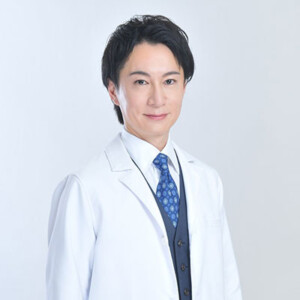
Dr. Jun Karibe
MD
Director
Education & Career
Certifications
Awards
MEDICAL REVIEW