Acne Treatment at a Tokyo Dermatologist: What to Expect
Dealing with acne in a foreign country — especially when you are unsure about the language, the system, or what treatments are available — can feel overwhelming. Whether you are experiencing a sudden breakout, persistent inflammatory acne, or the lingering scars it leaves behind, navigating Japanese dermatology as an English speaker does not have to be complicated.
This guide explains exactly what to expect when seeking acne treatment at a Tokyo dermatologist, from your first consultation through to aftercare.
What you’ll learn in this article:
- How acne is assessed and diagnosed at a Japanese dermatology clinic
- Which treatments are commonly used in Tokyo — both prescription and cosmetic
- Realistic costs for acne and acne-scar treatments in Tokyo
- What recovery and aftercare typically look like
- Who makes a good candidate for cosmetic acne treatments, and who should wait
Have a question about this treatment?
Message us on LINE or WhatsApp — our English-speaking team usually replies the same day.
Understanding Acne: A Brief Clinical Overview
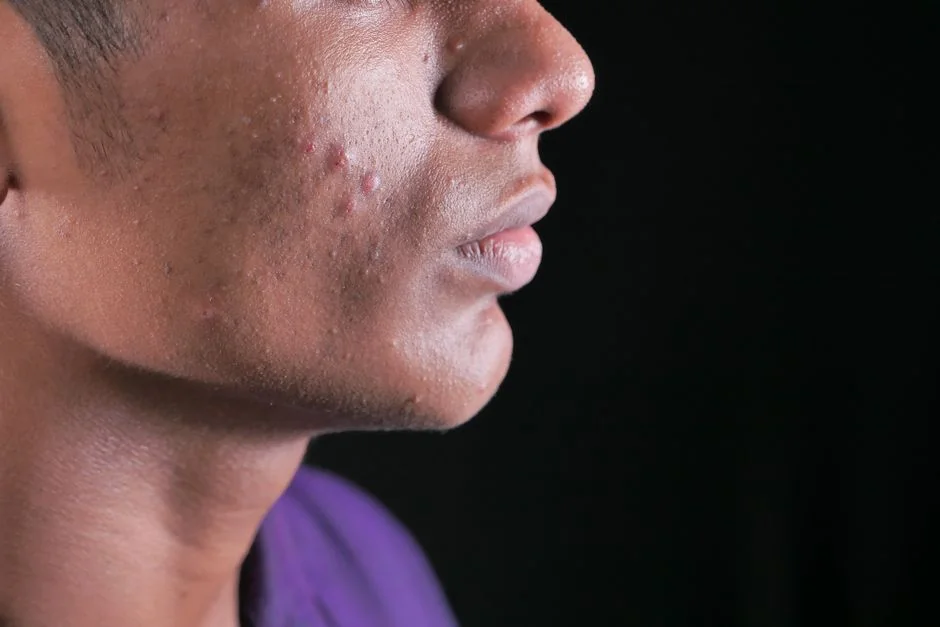
Acne vulgaris is a chronic inflammatory condition of the pilosebaceous unit — the pore and its associated oil gland.
It develops when excess sebum (skin oil), dead skin cells, and bacteria (primarily Cutibacterium acnes) combine to block the pore, triggering inflammation. The result ranges from non-inflammatory lesions such as blackheads and whiteheads to inflamed papules, pustules, nodules, and cysts.
Acne severity is typically graded on a clinical scale. Mild acne involves fewer than 20 comedones or fewer than 15 inflammatory lesions. Moderate acne involves higher counts or a mixture of types. Severe acne — nodulo-cystic — carries the highest risk of permanent scarring and usually warrants systemic (oral) treatment. Understanding where your acne falls on this spectrum is one of the first things a dermatologist will determine at your initial visit.
What Happens at Your First Appointment in Tokyo
At a Japanese dermatology clinic, the initial consultation typically involves a visual examination of the skin, a discussion of your medical history, and questions about any treatments you have already tried. The doctor will assess lesion type, distribution, and severity before recommending a treatment plan.
In Dr. Karibe’s clinical experience at BIOTOPE CLINIC, English-speaking international patients are often surprised by how systematic Japanese dermatological assessment is. A thorough consultation takes into account not only the current breakout but also skin sensitivity, lifestyle factors such as diet and stress, and whether previous treatments — including those from other countries — may have altered the skin’s baseline condition.
Patients attending under Japan’s national health insurance system will typically receive prescriptions for topical or oral medications. At a cosmetic dermatology clinic such as BIOTOPE CLINIC, the consultation may also encompass device-based or aesthetic treatments tailored to skin improvement and scar prevention.
Acne Treatment Options in Tokyo: A Practical Overview
Prescription Medications
Topical retinoids and benzoyl peroxide — now available in Japan following regulatory updates — are front-line treatments for comedonal and mild inflammatory acne. Topical antibiotics, most commonly clindamycin or nadifloxacin, are frequently prescribed alongside a keratolytic to reduce resistance risk. For moderate to severe acne, oral antibiotics such as doxycycline or minocycline may be recommended for a defined course.
Adapalene 0.1% gel (Differin) became available on prescription in Japan in recent years and is now a standard option. Isotretinoin (oral vitamin A derivative, sometimes known abroad as Accutane or Roaccutane) is available in Japan but is not yet approved for acne as a formal indication in the same way as in some Western countries — its use is specialist-led and requires careful clinical justification. Female patients with hormonal acne may be assessed for appropriate hormonal management.
In-Clinic Cosmetic Treatments for Active Acne
For patients who wish to go beyond prescription management or who have residual concerns such as enlarged pores, scarring, or uneven texture, several device-based and procedural treatments are available at BIOTOPE CLINIC in Shirokanedai.
A salicylic acid chemical peel is one of the most established treatments for oily, acne-prone skin. Salicylic acid is oil-soluble, meaning it penetrates into the pore and dissolves the debris that causes blockages. Clinical reports indicate that a series of salicylic acid peels can meaningfully reduce both comedonal and inflammatory lesion counts over six to eight weeks. At BIOTOPE CLINIC, salicylic acid peel treatments are priced from approximately ¥11,000.
Dermapen (microneedling) creates thousands of microscopic channels in the skin, triggering controlled wound healing and collagen remodelling. It is particularly useful when active acne is under control and the focus shifts to improving post-acne texture and shallow scarring. Dermapen at BIOTOPE CLINIC is available from ¥9,800.
Treatments for Acne Scars
Once active acne has stabilised, many patients turn their attention to scarring. The two primary cosmetic options available at BIOTOPE CLINIC for this concern are:
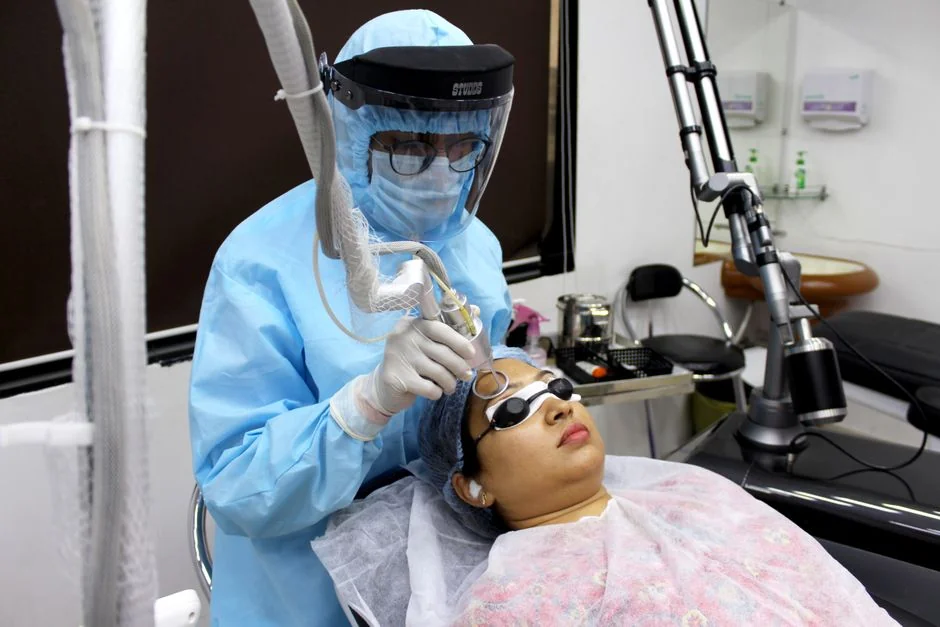
- CO2 fractional laser: A resurfacing laser that vaporises micro-columns of skin tissue, stimulating significant collagen and elastin renewal. It is particularly effective for atrophic (indented) acne scars and enlarged pores. Studies suggest that CO2 fractional laser can achieve a 50–70% improvement in atrophic acne scar appearance after a course of treatments, though individual results vary with skin type and scar depth. At BIOTOPE CLINIC, CO2 fractional laser is priced from ¥11,000 to ¥66,000 depending on the area treated. This is a treatment available at BIOTOPE CLINIC in Shirokanedai — feel free to ask about it during a consultation with Dr. Karibe.
- Morpheus8 (RF microneedling): Combines microneedling with radiofrequency energy delivered into the deeper dermis, promoting skin remodelling from within. It carries a lower risk of post-inflammatory hyperpigmentation than ablative laser, making it a meaningful consideration for patients with medium or darker skin tones. This is also available at BIOTOPE CLINIC — ask about candidacy during your consultation.
| Treatment | Best For | Downtime | Price Range at BIOTOPE |
|---|---|---|---|
| Salicylic acid peel | Active acne, oily skin, clogged pores | Minimal (mild flaking 2–4 days) | From ¥11,000 |
| Dermapen (microneedling) | Post-acne texture, shallow scars | 2–3 days redness | From ¥9,800 |
| CO2 fractional laser | Atrophic scars, enlarged pores | 5–7 days (redness, crusting) | ¥11,000–¥66,000 |
| Morpheus8 (RF microneedling) | Scar remodelling, suitable for darker skin | 3–5 days (mild swelling) | Consultation required |
| PicoWay laser | Post-inflammatory pigmentation | Minimal | ¥11,000–¥98,000 |
Cost of Acne Treatment in Tokyo
Costs vary significantly depending on whether treatment falls within Japan’s public health insurance system or is provided as a cosmetic (self-pay) service. Insurance-covered prescription treatments — topical medications, oral antibiotics — are relatively affordable when accessed through the national insurance system. Cosmetic clinic treatments are self-pay and priced accordingly.
At BIOTOPE CLINIC in Shirokanedai, the initial consultation fee is ¥3,300. Representative treatment costs are as follows:
- Salicylic acid peel: from ¥11,000 per session
- Dermapen: from ¥9,800 per session
- CO2 fractional laser (acne scars / pores): ¥11,000–¥66,000 depending on area
- PicoWay laser (post-inflammatory pigmentation): ¥11,000–¥98,000
- Massage peel (skin renewal / texture): ¥17,600–¥79,200
Multiple sessions are generally required for device-based treatments — most protocols involve three to six sessions spaced several weeks apart. For an accurate quote tailored to your skin condition and goals, we recommend booking a consultation.
Have a question about this treatment?
Message us on LINE or WhatsApp — our English-speaking team usually replies the same day.
What People Often Get Wrong About Acne Treatment
Misconception 1: “Stronger is always better.”
A common assumption among patients who have tried over-the-counter products without success is that they simply need a stronger version of the same treatment. In reality, over-treating acne — particularly with harsh physical scrubs, high-concentration actives, or frequent chemical peels before the skin barrier has recovered — can worsen inflammation and increase the risk of post-inflammatory hyperpigmentation. The goal of clinical acne treatment is calibrated, staged intervention, not maximum aggression.
Misconception 2: “Cosmetic treatments can replace prescription management of active acne.”
Lasers, peels, and microneedling are highly effective adjuncts — particularly for scarring and texture — but they are not primary treatments for active inflammatory acne. Applying a fractional laser to skin with active pustules and nodules can spread bacteria and worsen outcomes. A responsible clinic will ensure that active acne is adequately controlled before recommending resurfacing procedures.
Dr. Karibe’s Note
Many of our international patients arrive having already tried several skincare approaches abroad, and they are sometimes surprised to learn that we take a step back before jumping to device treatments.
At BIOTOPE CLINIC, we assess the skin’s current inflammatory status first. If active lesions are present, we prioritise stabilising the skin before moving to procedures such as CO2 laser or Dermapen.
This staged approach may feel slower, but clinical evidence consistently shows it produces better long-term results and reduces the risk of post-procedure hyperpigmentation — a particular concern for patients with Asian or mixed skin tones.
Before, During, and After: What to Expect
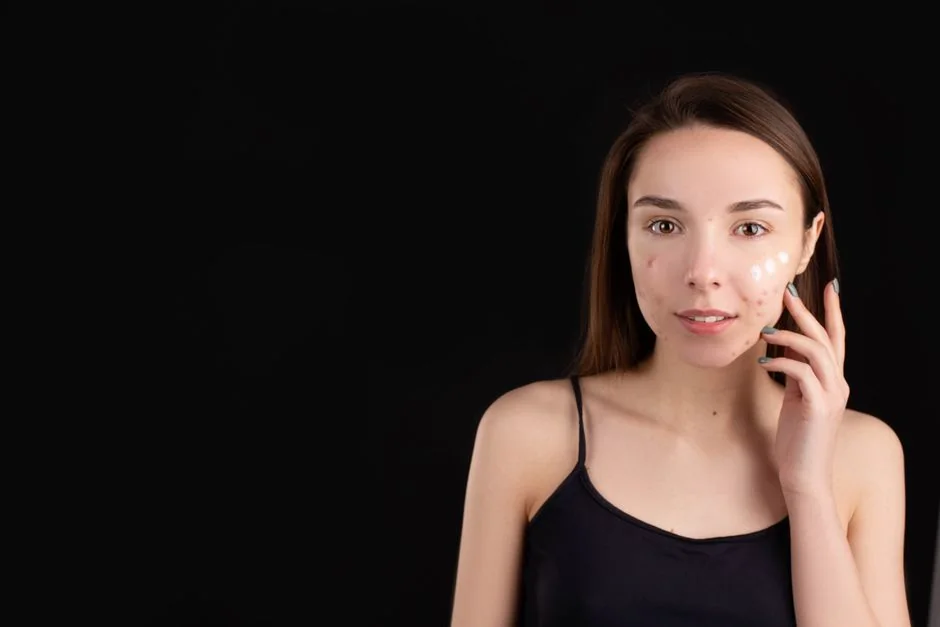
Before Treatment
Patients are typically asked to discontinue retinoid products for five to seven days before laser or microneedling procedures. Sun exposure should be minimised, and sunscreen use consistently maintained in the weeks prior. At your consultation, the doctor will review your current skincare routine and any medications you are taking.
During Treatment
Chemical peels are brief procedures — typically 15 to 30 minutes — involving application of the peel solution, a tingling or mild stinging sensation, and neutralisation. Laser and microneedling sessions are slightly longer and may involve topical anaesthetic cream applied in advance to minimise discomfort. Most patients describe the sensation as tolerable.
After Treatment and Recovery
Recovery varies by modality. Salicylic acid peels cause minimal downtime — mild redness or flaking for two to four days. CO2 fractional laser typically requires five to seven days of social downtime, during which the skin appears red, slightly swollen, and may crust or peel. Strict sun avoidance and gentle wound care are essential during this period. Patients should plan their schedule accordingly before booking laser sessions.
Who Is a Good Candidate?
Good candidates for cosmetic acne treatments in Tokyo include individuals who:
- Have mild to moderate acne that has been partially or fully stabilised
- Are seeking to improve acne scars, enlarged pores, or uneven skin texture
- Are not currently pregnant or breastfeeding
- Are committed to sun protection and post-procedure aftercare
- Have realistic expectations about the timeline for visible improvement
Patients with active nodulo-cystic acne, a history of keloid scarring, or active skin infections should discuss these factors thoroughly with the treating doctor before proceeding with any energy-based procedure. Patients on isotretinoin are generally advised to complete the course and wait several months before undergoing ablative laser treatments.
Where to Get Acne Treatment in Tokyo (English-Speaking Consultations)
Within our clinic group, English-speaking consultations are handled at BIOTOPE CLINIC in Shirokanedai (Minato-ku, Tokyo) by Dr. Jun Karibe. Our sister clinic, Kojimachi Dermatology & Plastic Surgery Clinic in Ichigaya (Chiyoda-ku), handles Japanese-language insurance-covered dermatology as the group’s main office. Bookings and enquiries in English: LINE or WhatsApp.
At BIOTOPE CLINIC in Shirokanedai, we frequently see patients who have been managing their acne with international skincare routines and are now seeking professional dermatological assessment and, where appropriate, in-clinic treatment. Dr. Karibe and the English-speaking team are experienced in working with patients from a wide variety of backgrounds and skin types.
Frequently Asked Questions
- Q. Can I use Japan’s national health insurance for acne treatment?
- Insurance coverage applies to medically recognised treatments — prescription topical medications and oral antibiotics, for example — when accessed through a registered dermatology clinic with a valid insurance card. Cosmetic procedures such as lasers, chemical peels, and microneedling are self-pay. If you hold Japanese health insurance and are primarily seeking prescription management, a Japanese-language insurance clinic may be appropriate; if you need an English-speaking doctor or wish to discuss cosmetic options, BIOTOPE CLINIC in Shirokanedai is the recommended contact point.
- Q. How many sessions of CO2 laser or Dermapen will I need for acne scars?
- Most patients require three to six sessions for meaningful improvement in atrophic acne scars, spaced four to eight weeks apart to allow the skin to heal and remodel between treatments. The precise number depends on scar depth, skin type, and individual healing response. A clearer estimate can be given after the treating doctor has assessed the skin in person.
- Q. Is acne treatment at a Tokyo clinic suitable for non-Japanese residents or short-term visitors?
- Prescription-based treatments work best when the patient is in Tokyo long enough for follow-up — at least a few weeks for a full assessment cycle. Procedural treatments such as chemical peels can sometimes be completed in a single session, while laser or microneedling courses require multiple visits. Medical tourists should discuss their timeline at the initial consultation so the treatment plan can be adapted accordingly.
- Q. Will acne treatments be painful?
- Chemical peels typically cause a tingling or mild stinging sensation that resolves quickly. Laser and microneedling procedures may be uncomfortable without anaesthetic preparation; topical numbing cream is applied in advance and significantly reduces discomfort for most patients. The treating doctor and nursing team will guide you through each step and address concerns as they arise.
Have a question about this treatment?
Message us on LINE or WhatsApp — our English-speaking team usually replies the same day.
Summary
Acne treatment at a Tokyo dermatologist follows a logical, staged clinical process: accurate diagnosis, appropriate medical stabilisation, and — where indicated — cosmetic procedures to address scarring, texture, and pigmentation.
The range of options available in Tokyo is broad, encompassing both established prescription therapies and advanced device-based treatments. Results are achievable with the right plan, but require patience, consistent aftercare, and realistic expectations about timelines.
If you have questions about acne treatment, English-speaking consultations are handled at BIOTOPE CLINIC in Shirokanedai (Minato-ku, Tokyo) by Dr. Karibe. Our sister clinic Kojimachi Dermatology & Plastic Surgery Clinic in Ichigaya (Chiyoda-ku) handles Japanese-language insurance dermatology. English enquiries: LINE or WhatsApp.
24/7 Consultation & Booking
Book a Consultation or Treatment
Our English-speaking team responds via LINE or WhatsApp — usually the same day.
References
- Tan J, Bhate K. A global perspective on the epidemiology of acne. British Journal of Dermatology. 2015.
- Alexis AF, Harper JC, Stein Gold LF, Tan JKL. Treating acne in patients with dark skin. Seminars in Cutaneous Medicine and Surgery. 2018.
- Chapas AM, Brightman L, Sukal S, et al. Successful treatment of acneiform scarring with CO2 ablative fractional resurfacing. Lasers in Surgery and Medicine. 2008.
- Dreno B, Bagatin E, Blume-Peytavi U, Rocha M, Gollnick H. Female type of adult acne: physiological and psychological considerations and management. Journal of the German Society of Dermatology. 2018.
- Knutsen-Larson S, Dawson AL, Dunnick CA, Dellavalle RP. Acne vulgaris: pathogenesis, treatment, and needs assessment. Dermatologic Clinics. 2012.
Related Articles
You may also find these articles useful.
- English-Speaking Dermatologist Tokyo: Acne Treatment Options
- English Speaking Dermatologist Tokyo: First Visit Guide
- English-Speaking Dermatologist Tokyo: Fees & Costs
- Acne Scar Laser Treatment Tokyo: Cost & Results
- English Speaking Dermatologist Tokyo: Insurance Coverage
SUPERVISED BY
Dr. Jun Karibe
MD
Director
Education & Career
Certifications
Awards
MEDICAL REVIEW