Scar Revision Surgery in Tokyo: Options, Realistic Expectations, and Cost
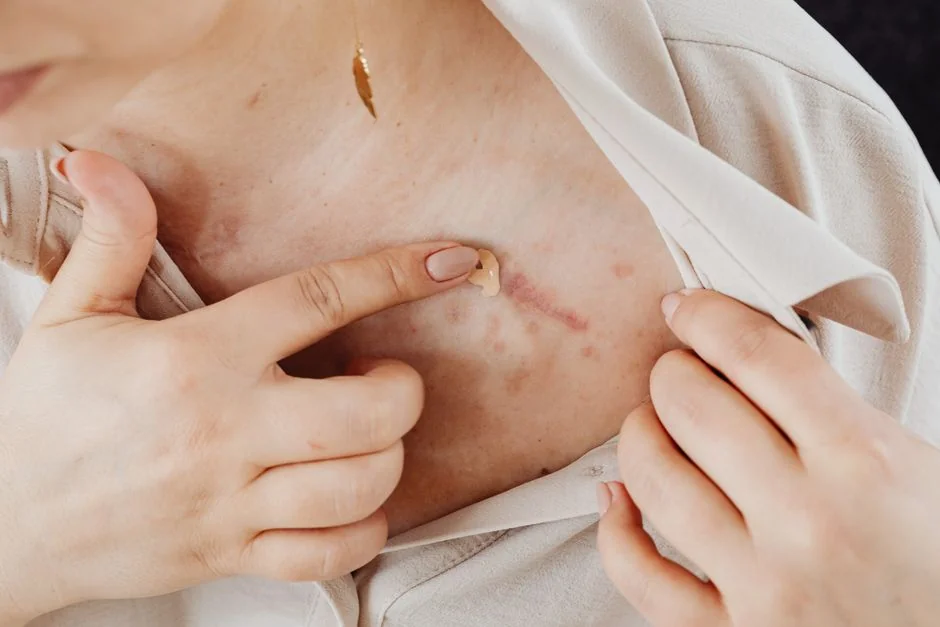
Living with a visible scar — whether from an accident, surgery, acne, or a burn — can affect confidence in ways that are difficult to explain to others.
If you are an English speaker based in Tokyo or visiting Japan and considering scar revision, this guide explains the treatment options available, what results are realistic, how much procedures typically cost at a private clinic in Japan, and how to find a qualified plastic surgeon who can consult with you in English.
What you’ll learn in this article:
- The main types of scars and which respond best to revision
- Surgical and non-surgical scar revision options available in Tokyo
- Realistic cost ranges at a private clinic, in Japanese yen
- Recovery and downtime expectations
- Who is a suitable candidate, and who should wait or seek an alternative approach
Have a question about this treatment?
Message us on LINE or WhatsApp — our English-speaking team usually replies the same day.
Understanding Scar Types: Why It Matters Before Treatment
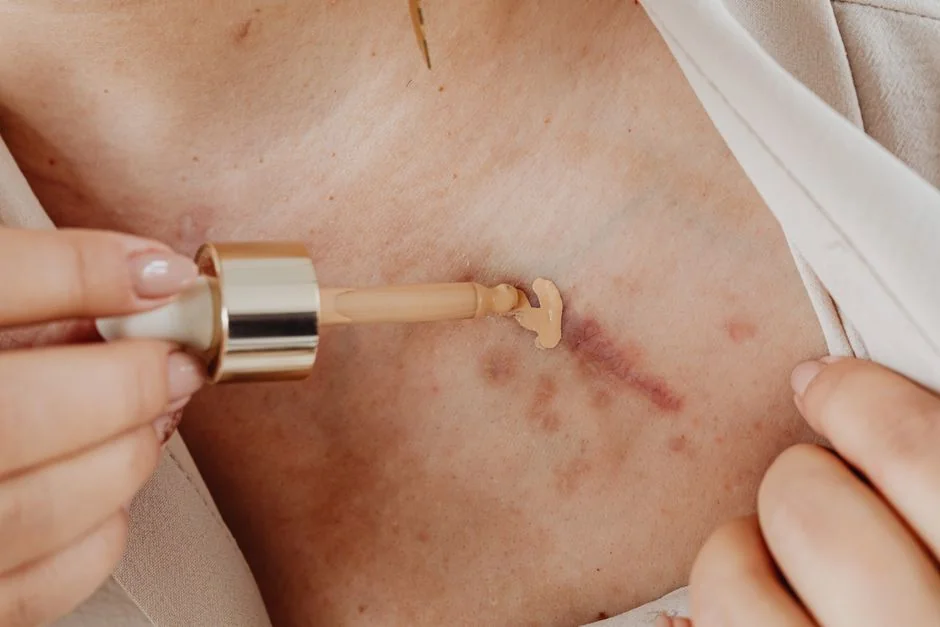
Not all scars are the same, and selecting the right revision approach depends entirely on the type of scar present. A treatment that works well for a flat, wide scar may be inappropriate — or even counterproductive — for a raised, thickened one.
Common scar classifications
Hypertrophic scars are raised, red, and firm, but remain within the original wound boundary. They often improve over time and respond well to both non-surgical and surgical intervention.
Keloid scars grow beyond the original wound edges and are driven by an overgrowth of collagen. They are more common in individuals with darker skin tones and are among the most challenging scars to revise. Clinical reports indicate that keloid recurrence rates following surgical excision alone can exceed 50%, which is why combined approaches — surgery plus steroid injections or radiation — are typically recommended.
Atrophic (depressed) scars — commonly seen after acne or chickenpox — sit below the surrounding skin surface. These often respond to energy-based devices such as CO2 fractional laser or radiofrequency microneedling rather than surgery.
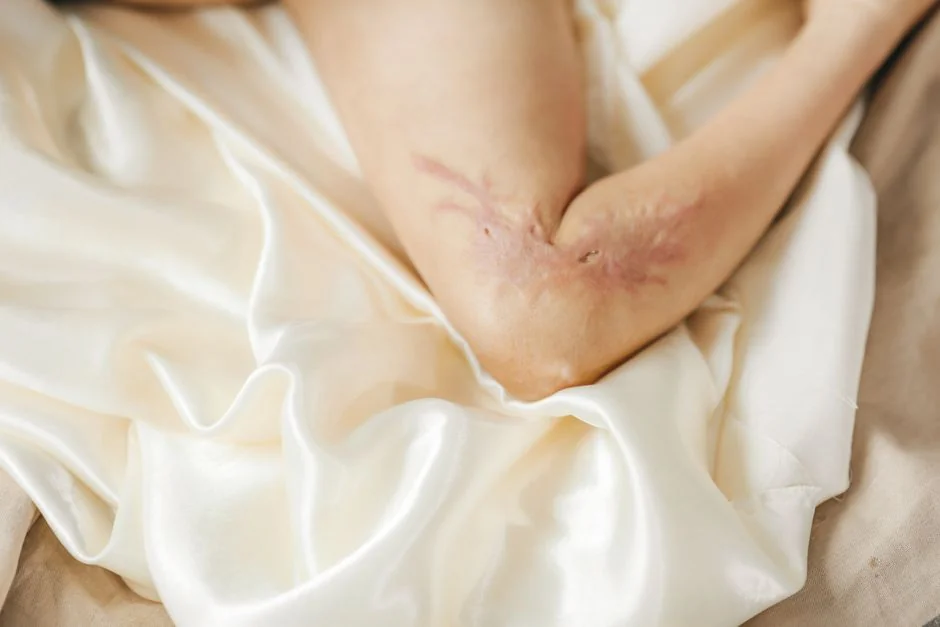
Contracture scars result from burn injuries and can restrict movement if they cross a joint. Surgical release and skin grafting or flap techniques are often required.
Stretched or widened scars form when tension across a healing wound is excessive. Surgical re-excision with careful wound closure under reduced tension is frequently effective.
Scar Revision Options: Surgical and Non-Surgical
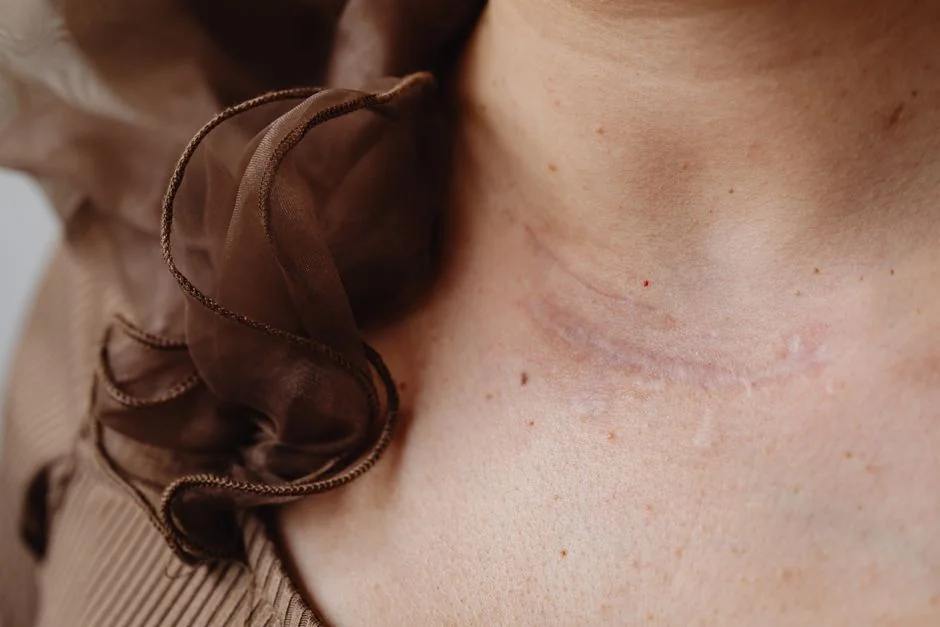
Scar revision is not a single procedure — it is a spectrum of approaches tailored to scar type, location, skin tone, and the patient’s goals. In Tokyo’s private plastic surgery clinics, both surgical and device-based options are available.
Surgical revision techniques
Simple excision and re-closure is the most straightforward approach: the scar is removed and the wound is closed with refined suture technique to minimise tension. This is appropriate for linear, flat, or stretched scars in non-mobile areas.
Z-plasty and W-plasty are geometric rearrangement techniques that reorient a scar relative to natural skin tension lines, improving its final appearance. Z-plasty is particularly useful for contracture scars or scars that cross natural creases at an unfavourable angle.
Skin grafts and local flaps are reserved for larger or more complex cases — for example, contracture release or reconstruction after wide scar excision — and are performed under deeper anaesthesia.
Scar revision surgery is listed in the treatment menu at BIOTOPE CLINIC in Shirokanedai, where Dr. Karibe performs consultations for English-speaking patients. If you are unsure whether a surgical or non-surgical approach is more appropriate for your scar, this is a question well suited to an in-person assessment.
Non-surgical and device-based options
CO2 fractional laser uses thousands of microscopic laser columns to stimulate collagen remodelling in the dermis. It is particularly effective for atrophic acne scars and can improve surface texture and pigmentation variation. Studies suggest that fractional CO2 treatment produces clinically meaningful improvement in atrophic scar appearance in approximately 50–70% of patients after a series of sessions.
Morpheus8 (radiofrequency microneedling) delivers RF energy beneath the skin surface through fine needles, triggering collagen production. It can improve mild to moderate atrophic scars and is suitable across a range of skin tones, including the Fitzpatrick types IV–VI more common in the international patient population in Tokyo.
Steroid injections (triamcinolone acetonide) are a first-line treatment for hypertrophic and keloid scars. They reduce inflammation and flatten raised tissue. Multiple sessions spaced four to eight weeks apart are typically required.
Dermapen (medical microneedling) is a gentler option for mild atrophic scarring, suitable for patients who are not yet ready for laser or radiofrequency treatment.
Dr. Karibe’s Note
Many international patients arrive having already tried a single treatment approach — often a laser session abroad — without a full improvement in the scar’s appearance.
In my experience at BIOTOPE CLINIC, the most effective outcomes for complex scars tend to come from a staged, combination plan: for example, surgical revision followed by CO2 fractional laser once the new scar has matured.
A thorough in-person assessment of the scar’s type, age, and depth is essential before any treatment is scheduled. A common question I receive is whether surgery will leave another scar — and the honest answer is yes, but the goal is a smaller, less visible one, placed in a more favourable position.
Comparison of Scar Revision Approaches
| Approach | Best suited for | Sessions typically required | Downtime | Available at BIOTOPE |
|---|---|---|---|---|
| Surgical excision / re-closure | Linear, stretched, or wide scars | 1 (with possible adjunct sessions) | 7–14 days (suture removal) | Yes |
| Z-plasty / W-plasty | Contracture scars, unfavourably oriented scars | 1 | 7–14 days | Yes (Dr. Karibe consultation) |
| CO2 fractional laser | Atrophic / acne scars, surface texture | 3–5 (monthly intervals) | 5–7 days per session | Yes |
| Morpheus8 (RF microneedling) | Mild–moderate atrophic scars, all skin tones | 3–4 | 2–4 days | Yes |
| Steroid injection | Hypertrophic and keloid scars | 3–6+ (every 4–8 weeks) | Minimal | Yes |
| Dermapen microneedling | Mild atrophic scars, surface improvement | 4–6 | 1–2 days | Yes |
What People Often Get Wrong About Scar Revision
Misconception 1: Scar revision removes a scar entirely. No technique — surgical or otherwise — can erase a scar. Scar tissue replaces normal skin architecture and cannot be fully reconstructed. The realistic goal of scar revision is to make the scar significantly less noticeable: flatter, narrower, better aligned with skin tension lines, or more evenly pigmented. Setting accurate expectations before treatment begins is one of the most important parts of the consultation process.
Misconception 2: The sooner a scar is revised, the better. In most cases, operating on an immature scar — one less than 12 months old — is not advisable. Scars continue to remodel for 12 to 18 months after injury, and a scar that appears wide or raised at four months may improve substantially on its own. Surgical revision on an actively maturing scar also carries a higher risk of recurrence. The appropriate timing varies by scar type and location and is best assessed by a board-certified plastic surgeon.
Scar Revision Cost in Tokyo
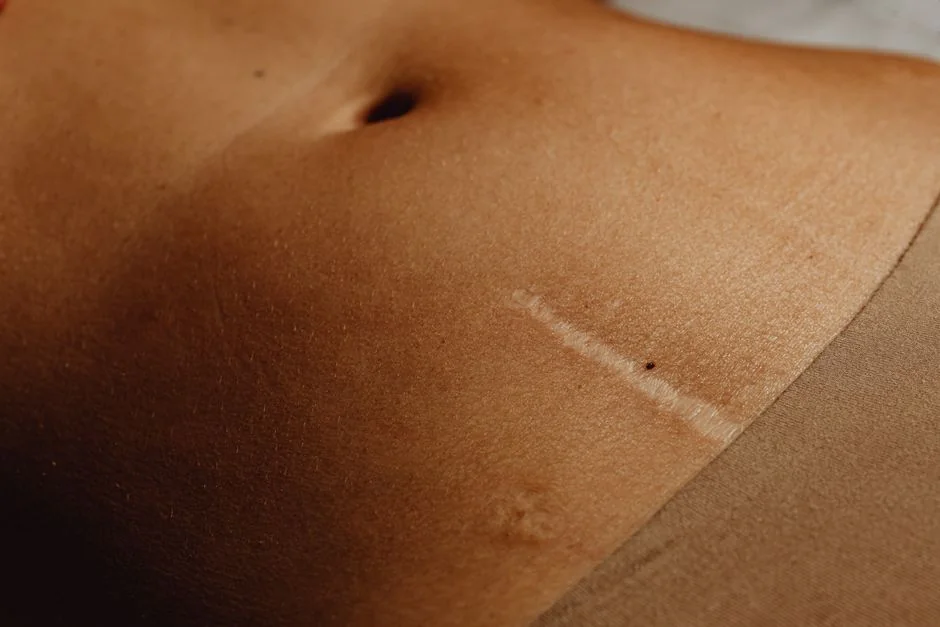
Scar revision costs in Japan vary considerably based on the size and complexity of the scar, the technique selected, and whether the case is managed under national health insurance (for qualifying reconstructive indications) or as a private cosmetic procedure.
At BIOTOPE CLINIC in Shirokanedai — where procedures are provided on a private, self-pay basis — the following cost framework applies:
- Initial consultation: ¥3,300 (general) / ¥2,200 (Dr. Karibe surgical consultation)
- Pre-operative blood work: ¥11,000 (required before surgery)
- Anaesthesia (local to sedation): ¥2,200–¥77,000 depending on scope
- CO2 fractional laser (for atrophic scars): ¥11,000–¥66,000 per session
- Dermapen: ¥9,800–¥220,000 (range reflects size of area and package)
- Surgical scar revision: Pricing is determined at consultation based on scar size, location, and technique required. Please enquire directly for a personalised estimate.
Note: Kojimachi Dermatology & Plastic Surgery Clinic — the group’s sister clinic in Ichigaya (Chiyoda-ku) — handles insurance-covered dermatology in Japanese. English-speaking patients seeking private scar revision consultations should direct their enquiries to BIOTOPE CLINIC.
For an accurate quote, we recommend booking a consultation.
Have a question about this treatment?
Message us on LINE or WhatsApp — our English-speaking team usually replies the same day.
What to Expect: Before, During, and After Scar Revision
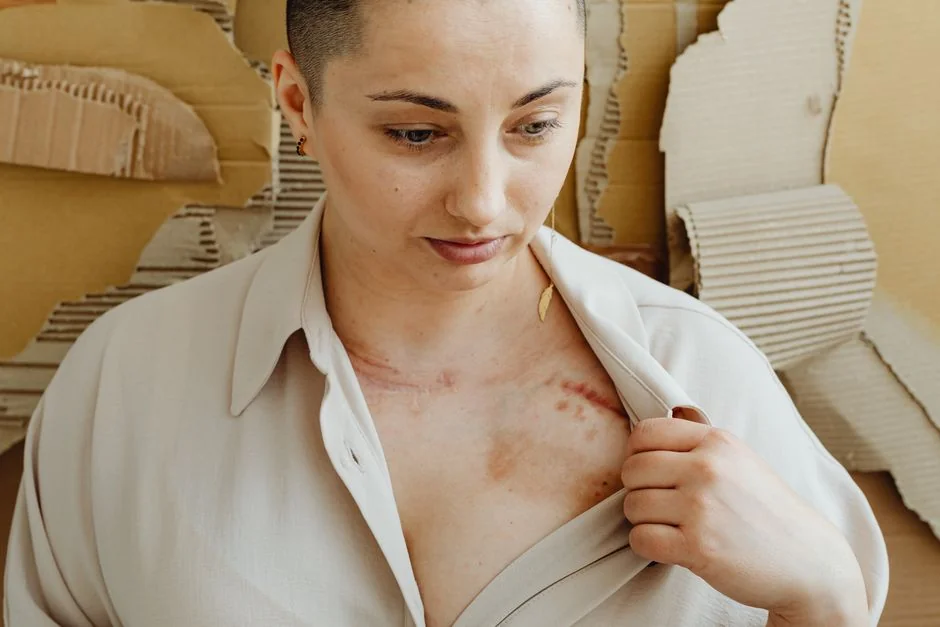
Before treatment
A thorough consultation includes assessment of the scar’s age, classification, depth, location, and the patient’s skin type and medical history. Patients who smoke are advised to stop for at least two to four weeks before surgical procedures, as smoking impairs wound healing and increases the risk of complications. Blood-thinning medications and supplements (aspirin, fish oil, vitamin E) are typically paused before surgery.
During the procedure
Straightforward excision procedures are performed under local anaesthesia on an outpatient basis and typically take 30–90 minutes depending on scar complexity. More extensive reconstructive work may require sedation or general anaesthesia. Laser and device-based treatments involve topical numbing cream applied prior to the session and are generally well tolerated.
Recovery and aftercare
Sutures for surgical revision are typically removed at 7–14 days. During healing, sun protection of the scar is essential — UV exposure in the early healing phase can cause post-inflammatory hyperpigmentation (darkening of the scar), a particular concern in Tokyo’s summer months. Silicone gel or sheeting is frequently recommended to support scar maturation after surgical revision.
At BIOTOPE CLINIC in Shirokanedai, patients frequently ask about the best combination of aftercare products and in-clinic treatments to support their recovery. Dr. Karibe’s team can advise on a structured post-revision plan during the follow-up appointment.
Who Is a Good Candidate for Scar Revision?
A strong candidate for scar revision is someone whose scar has fully matured (generally 12–18 months after the original injury), who is in good general health, does not smoke, and holds realistic expectations about the degree of improvement achievable.
Patients with a personal or family history of keloid formation require particularly careful assessment before surgical revision, as surgery itself can trigger another keloid. In these cases, a combination approach — excision with immediate post-operative steroid injection or pressure therapy — is typically discussed.
Patients who may benefit from delaying or reconsidering treatment include those with active skin conditions in the treatment area, those who are pregnant or breastfeeding, and those whose scar has not yet matured. Individuals with certain autoimmune conditions affecting wound healing may also require additional medical review prior to surgery.
Where to Get Scar Revision in Tokyo (English-Speaking Consultation)
Within the Dr. Karibe clinic group, English-speaking consultations are handled at BIOTOPE CLINIC in Shirokanedai (Minato-ku, Tokyo) by Dr. Jun Karibe, a board-certified plastic surgeon certified by the Japan Society of Plastic and Reconstructive Surgery. Scar revision surgery, CO2 fractional laser, Morpheus8, Dermapen, and steroid injection therapy are all available at this location.
The group’s sister clinic, Kojimachi Dermatology & Plastic Surgery Clinic in Ichigaya (Chiyoda-ku), serves as the group’s main office and handles insurance-covered dermatology for Japanese-language patients. English-speaking patients should direct enquiries to BIOTOPE CLINIC. Bookings and enquiries in English: LINE or WhatsApp.
Frequently Asked Questions
- Q. Can a scar be completely removed by surgery?
- No technique can eliminate a scar entirely, as scar tissue replaces normal skin and cannot be fully restored. The goal of revision is to make the scar substantially less visible — flatter, narrower, better positioned, or more evenly coloured. A board-certified plastic surgeon can give you a realistic assessment based on your specific scar during a consultation.
- Q. Is scar revision covered by Japanese national health insurance?
- In Japan, scar revision may be covered under national health insurance when it is performed for reconstructive medical reasons — for example, post-traumatic or post-cancer scarring affecting function. Cosmetic scar revision is self-pay. Kojimachi Dermatology & Plastic Surgery Clinic in Ichigaya handles insurance-based dermatology for Japanese-speaking patients; English-speaking patients seeking private cosmetic revision should contact BIOTOPE CLINIC in Shirokanedai.
- Q. How long after my original injury should I wait before seeking revision?
- Most plastic surgeons recommend waiting until the scar has fully matured, which takes 12 to 18 months in adults. Operating on an immature scar increases the risk of suboptimal results and recurrence. If you are uncertain whether your scar is ready for revision, an in-person assessment with Dr. Karibe at BIOTOPE CLINIC can help clarify timing.
- Q. Are keloid scars treatable in Tokyo?
- Keloid scars are among the most challenging scar types to treat and carry a significant recurrence risk after surgery alone. Clinical reports indicate that recurrence rates can exceed 50% with excision alone, which is why combination approaches — surgery alongside steroid injections, pressure therapy, or other adjunct treatments — are typically recommended. A thorough assessment of keloid history and skin type is essential before any treatment plan is agreed.
- Q. Can non-surgical treatments alone improve my scar?
- For atrophic acne scars and mild hypertrophic scars, non-surgical options such as CO2 fractional laser, Morpheus8, or Dermapen can produce meaningful improvement without surgery. Studies suggest that fractional laser treatment can improve atrophic scar appearance in approximately 50–70% of patients over a series of sessions. A plastic surgeon can advise whether surgery is truly necessary or whether a device-based approach is the more appropriate starting point for your scar type.
Have a question about this treatment?
Message us on LINE or WhatsApp — our English-speaking team usually replies the same day.
Summary
Scar revision is a carefully considered medical process, not a single procedure with a predictable outcome. The best approach — surgical excision, geometric rearrangement techniques, energy-based devices, steroid injections, or a staged combination — depends on the scar type, its age, location, depth, and the patient’s skin profile. Realistic expectations and a fully matured scar are important prerequisites for surgery.
In Tokyo, private scar revision is available at qualified plastic surgery clinics. For English-speaking residents, expatriates, and visitors, the key is finding a clinic where clinical consultation can be conducted clearly and accurately in your own language.
If you have questions about scar revision surgery or would like to discuss which approach may be appropriate for your situation, English-speaking consultations are handled at BIOTOPE CLINIC in Shirokanedai (Minato-ku, Tokyo) by Dr. Jun Karibe, board-certified plastic surgeon. Our sister clinic, Kojimachi Dermatology & Plastic Surgery Clinic in Ichigaya (Chiyoda-ku), handles Japanese-language insurance dermatology. English enquiries: LINE or WhatsApp.
24/7 Consultation & Booking
Book a Consultation or Treatment
Our English-speaking team responds via LINE or WhatsApp — usually the same day.
References
- Ogawa R. Keloid and hypertrophic scars are the result of chronic inflammation in the reticular dermis. International Journal of Molecular Sciences. 2017.
- Gauglitz GG, Korting HC, Pavicic T, Ruzicka T, Jeschke MG. Hypertrophic scarring and keloids: pathomechanisms and current and emerging treatment strategies. Molecular Medicine. 2011.
- Alster TS, Tanzi EL. Hypertrophic scars and keloids: etiology and management. American Journal of Clinical Dermatology. 2003.
- Chapas AM, Brightman L, Sukal S, et al. Successful treatment of acneiform scarring with CO2 ablative fractional resurfacing. Lasers in Surgery and Medicine. 2008.
- Fearmonti R, Bond J, Erdmann D, Levinson H. A review of scar scales and scar measurement tools. Eplasty. 2010.
Related Articles
You may also find these articles useful.
- Acne Scar Laser Treatment Tokyo: Cost & Results
- Scar Revision Surgery Tokyo: Options, Results & Cost
- Acne Scar Laser Treatment Tokyo: Cost & Results
- English Speaking Plastic Surgeon Tokyo: Complete Guide
- English Speaking Dermatologist Tokyo: Complete Guide
SUPERVISED BY
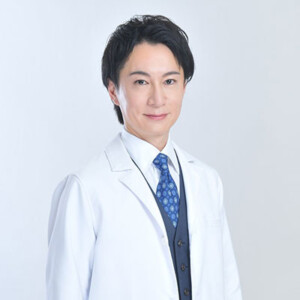
Dr. Jun Karibe
MD
Director
Education & Career
Certifications
Awards
MEDICAL REVIEW