Stem Cells, Exosomes, and Supernatant: A Plain-Language Guide to Regenerative Medicine in Tokyo
If you have been researching skin rejuvenation or anti-ageing treatments in Tokyo, you have almost certainly encountered terms like “stem cell therapy,” “exosome treatment,” and “conditioned medium” or “supernatant.”
The language can feel overwhelming, and the marketing claims can be difficult to evaluate objectively. This article explains what each approach actually involves, how they differ scientifically, what realistic results look like, and what English-speaking patients in Tokyo should know before booking a consultation.
What you’ll learn in this article:
- The biological difference between stem cells, exosomes, and supernatant (conditioned medium)
- Which approach is currently considered most evidence-based for cosmetic use in Japan
- Realistic expected results, recovery, and cost ranges in Tokyo
- Who is a suitable candidate — and who should approach with caution
- Common misconceptions that could lead to uninformed decisions
Have a question about this treatment?
Message us on LINE or WhatsApp — our English-speaking team usually replies the same day.
What Is Regenerative Medicine — and Why Does It Matter for Skin?
Regenerative medicine is a broad field that uses biological materials — cells, signalling molecules, or secreted substances — to stimulate the body’s own repair mechanisms. In an aesthetic context, the goal is typically to encourage collagen production, improve skin texture and elasticity, reduce pigmentation, or accelerate healing after procedures such as laser resurfacing or radiofrequency microneedling.
In Japan, regenerative medicine is regulated under the Act on the Safety of Regenerative Medicine (再生医療安全性確保法), enforced since 2014. This means clinics offering cell-based therapies must hold specific government notification or approval — a fact that directly affects which services can legally be offered and in what context.
The three approaches most commonly discussed in Tokyo’s cosmetic medicine market are:
- Stem cell therapy — the direct use of living, self-renewing cells
- Exosome treatment — the use of nano-sized vesicles secreted by cells, containing signalling molecules
- Supernatant / conditioned medium — the filtered liquid in which stem cells have been cultured, containing growth factors and cytokines they have released
How Each Approach Works: The Science in Plain Language
Stem Cell Therapy
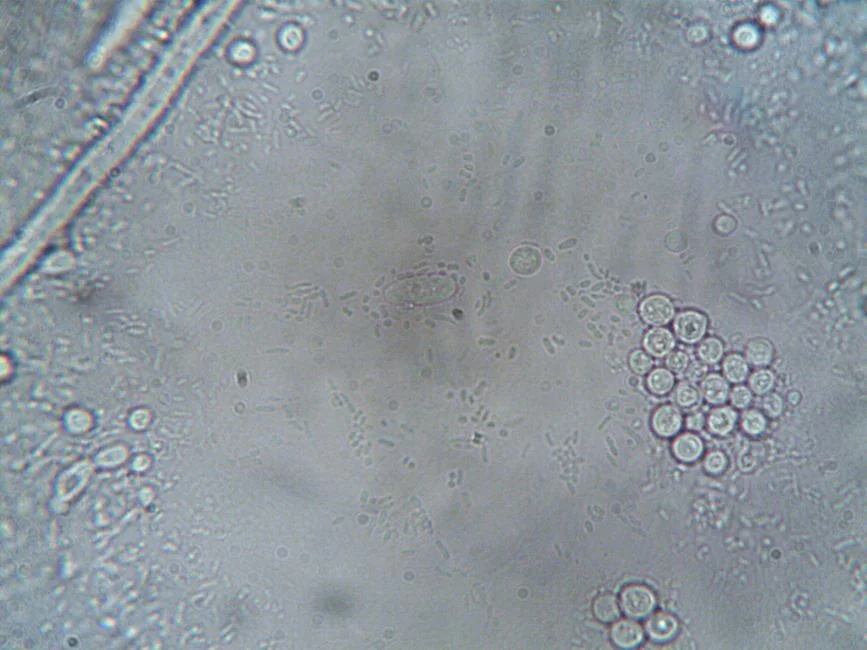
Stem cells are undifferentiated cells capable of self-renewal and, depending on their type, differentiating into specialised cell types. In cosmetic medicine, the most common sources used for facial rejuvenation include autologous (from the patient’s own body) adipose-derived stem cells (ADSCs) extracted from fat tissue, and allogeneic (donor-derived) cells processed under strict regulatory conditions.
When introduced into tissue, stem cells are thought to act largely through paracrine signalling — meaning they release signalling molecules that instruct surrounding cells to regenerate — rather than by physically replacing damaged tissue themselves. This understanding has significantly influenced how researchers interpret results.
A 2019 review published in Stem Cell Research & Therapy noted that the therapeutic effects observed in tissue repair studies are largely attributable to the secretome (the totality of substances cells release), rather than to direct cell engraftment.
In Japan, administering living allogeneic stem cells in a clinical setting requires a high-level notification under the Regenerative Medicine Act. Autologous cell therapies require notification at a lower tier. This regulatory complexity means that many Tokyo clinics have shifted toward cell-free approaches such as exosomes or supernatant, which carry a lighter regulatory burden while still harnessing many of the same biological signals.
Exosomes
Exosomes are nano-sized extracellular vesicles (roughly 30–150 nanometres in diameter) that cells release as part of normal intercellular communication. They carry microRNA, proteins, lipids, and growth factors. Because they are derived from cells but are not themselves living cells, exosome preparations generally fall outside the strict cell therapy regulations in Japan — though the regulatory landscape is actively evolving.
In aesthetic medicine, exosome preparations are applied topically after laser or microneedling procedures (to enhance penetration through the skin barrier) or administered via micro-injection. Clinical reports indicate promising results for skin hydration, fine line reduction, and post-procedure healing acceleration.
A clinical study published in the Journal of Cosmetic Dermatology (2021) found statistically significant improvements in skin elasticity and hydration scores after a series of exosome treatments, with most participants reporting visible improvement by week eight.
The quality of exosome preparations varies considerably between suppliers. Reputable products specify particle concentration (typically expressed as the number of exosomes per millilitre), cellular origin (commonly human adipose-derived or umbilical cord mesenchymal stem cells), and sterility standards. Patients should ask their clinician which product is being used and what the documented particle concentration is.
Supernatant / Conditioned Medium
Supernatant — often called conditioned medium (CM) — is the cell-free liquid collected after stem cells have been cultured in a laboratory environment. The cells are removed; what remains is a solution rich in the growth factors, cytokines, and peptides those cells naturally secreted during culture. Common growth factors present include EGF (epidermal growth factor), bFGF (basic fibroblast growth factor), TGF-β, VEGF, and HGF.
Because no living cells are present, conditioned medium is generally considered a cosmeceutical or pharmaceutical product rather than a cell therapy in Japan’s regulatory framework, making it more widely accessible.
It is commonly applied topically during or after procedures, delivered via mesotherapy micro-injection, or combined with modalities such as Dermapen or CO2 fractional laser to improve transdermal uptake.
Results are typically milder and more gradual than with cell-based therapy, but the safety profile is well-established and the treatment is broadly suitable for a wide range of patients. PDRN (polydeoxyribonucleotide) and growth-factor-rich supernatant products have become staple offerings at many Tokyo aesthetic clinics, including as post-procedure support protocols.
Side-by-Side Comparison
| Feature | Stem Cell Therapy | Exosome Treatment | Supernatant / Conditioned Medium |
|---|---|---|---|
| What it contains | Living, self-renewing cells | Nano-vesicles carrying cell signals | Growth factors and cytokines secreted by cells; no living cells |
| Regulatory classification (Japan) | Regulated under Regenerative Medicine Act — notification or approval required | Evolving; currently lighter regulatory burden in most cases | Generally treated as cosmeceutical / pharmaceutical; no cell-therapy notification typically required |
| Invasiveness | Moderate to high (often requires fat harvest for autologous) | Low to moderate (micro-injection or topical) | Low (topical application or micro-injection) |
| Evidence level (cosmetic use) | Moderate; longer track record but variable study quality | Growing; encouraging early clinical data | Moderate; well-established safety; efficacy data accumulating |
| Typical result onset | 3–6 months | 4–8 weeks | 4–12 weeks |
| Downtime | Variable; potentially significant if fat harvest required | Minimal (1–3 days if combined with laser/microneedling) | Minimal (dependent on accompanying procedure) |
| Cost range (Tokyo, approximate) | High (¥200,000–¥600,000+ per session) | Moderate–high (¥50,000–¥200,000 per session) | Moderate (¥20,000–¥80,000 per session) |
| Suitability for combination therapy | Possible but logistically complex | Excellent — commonly paired with laser or RF microneedling | Excellent — frequently used as a post-procedure booster |
Dr. Karibe’s Note
Many international patients arrive at BIOTOPE CLINIC in Shirokanedai having already read extensively about “stem cell facials” abroad — and are surprised to learn that most of the rejuvenating effects seen in those treatments are now attributed to the growth factors and vesicles cells secrete, not to the living cells themselves.
This is why exosome and supernatant protocols have become increasingly sophisticated: they target the same biological signals with a more controlled, reproducible delivery. During a consultation, I always take time to explain which approach is most appropriate given the individual’s skin condition, goals, and any relevant medical history — because the correct choice genuinely varies from patient to patient.
Common Misconceptions About Regenerative Skin Treatments
Misconception 1: “Stem cell treatment” always means living stem cells are being injected
This is perhaps the most widespread misunderstanding in this field. The term “stem cell treatment” is used loosely in clinic marketing to describe a spectrum of interventions — ranging from the direct injection of living cells (highly regulated and relatively rare in Japanese cosmetic practice) to the topical application of a conditioned medium derived from stem cell culture (far more common and accessible). A patient who assumes they are receiving living cells when they are in fact receiving a growth-factor serum is neither being harmed nor necessarily being deceived, but they deserve a clear explanation of what the product actually contains.
Misconception 2: More expensive means more effective
In regenerative aesthetics, cost often reflects the complexity of sourcing and processing rather than guaranteed superiority of outcome. Full autologous stem cell therapies are expensive partly because they require in-house cell culture facilities or specialised processing partners — not necessarily because they deliver markedly superior results to a high-quality exosome product for a given indication. For mild-to-moderate skin ageing, supernatant or exosome protocols combined with an energy device such as CO2 fractional laser or Dermapen may produce results comparable to those of far costlier cell-based treatments. An honest consultation will help identify the most cost-appropriate pathway for each patient’s specific goals.
Expected Results and Realistic Timeline
None of these approaches produces immediate dramatic results. Biological regeneration takes time: collagen remodelling, for example, unfolds over weeks to months. Patients should generally expect to notice early changes in skin texture and luminosity within four to eight weeks of beginning a course of treatment, with more substantive improvement in elasticity and fine lines at three to six months.
In Dr. Karibe’s clinical experience at BIOTOPE CLINIC, exosome treatments combined with energy-based devices — such as CO2 fractional laser or Dermapen microneedling — tend to produce synergistic results that are greater than either modality alone. The device creates controlled micro-channels that enhance penetration of the biological preparation, while the biological preparation modulates the inflammatory cascade triggered by the device, potentially reducing downtime and improving healing quality.
Multiple sessions are typically recommended for cumulative benefit. Maintenance sessions every three to six months help sustain results over time. No regenerative treatment currently on the market halts the intrinsic ageing process permanently.
Cost of Regenerative Medicine Treatments in Tokyo
Because supernatant and exosome therapies are frequently delivered in combination with energy-based devices at BIOTOPE CLINIC, the cost of a session reflects both components. As a reference, Dermapen treatments at BIOTOPE CLINIC are priced from ¥9,800 to ¥220,000 depending on the area and protocol, and CO2 fractional laser from ¥11,000 to ¥66,000 per session. When a regenerative biological preparation is added to an energy-based treatment session, supplementary costs apply based on the specific product and volume used.
For standalone supernatant or exosome micro-injection protocols, the market range across Tokyo clinics is broadly ¥20,000–¥200,000 per session depending on product concentration, session duration, and clinic positioning. Full autologous stem cell therapies, where available, typically begin at ¥200,000 per session and can exceed ¥600,000 for comprehensive programmes.
For an accurate quote tailored to your specific skin concerns and treatment goals, we recommend booking a consultation with Dr. Karibe at BIOTOPE CLINIC.
Have a question about this treatment?
Message us on LINE or WhatsApp — our English-speaking team usually replies the same day.
Who Is a Good Candidate?
Regenerative treatments are broadly suitable for adults who want to address early-to-moderate signs of skin ageing — fine lines, loss of elasticity, uneven texture, dullness — through biological rather than purely mechanical or volumising approaches. They are particularly well-suited to patients who prefer gradual, natural-looking improvement over more dramatic interventional results.
Exosome and supernatant protocols are also valuable for patients recovering from ablative laser treatments or other resurfacing procedures, as they may support faster healing and improved outcomes.
Candidates should ideally:
- Be in generally good health with no active inflammatory skin conditions in the treatment area
- Have realistic expectations about the timeline and degree of improvement
- Be non-smokers or willing to reduce smoking (smoking significantly impairs wound healing and may blunt regenerative response)
- Not be pregnant or breastfeeding (as a precautionary measure, given limited safety data in this population)
Patients with autoimmune conditions, those on immunosuppressive medications, or those with a history of keloid scarring should discuss their history thoroughly with the treating physician before proceeding. This is a treatment area where a detailed medical consultation is not a formality — it is essential.
Where to Get Regenerative Medicine Consultations in Tokyo (English-Speaking)
Within our clinic group, English-speaking consultations are handled at BIOTOPE CLINIC in Shirokanedai (Minato-ku, Tokyo) by Dr. Jun Karibe. Our sister clinic, Kojimachi Dermatology & Plastic Surgery Clinic in Ichigaya (Chiyoda-ku), handles Japanese-language insurance-covered dermatology and serves as the group’s main office. Bookings and enquiries in English: LINE or WhatsApp.
At BIOTOPE CLINIC in Shirokanedai, Dr. Karibe frequently consults with international patients who are navigating the Tokyo aesthetics market for the first time and want an evidence-grounded explanation of their options before committing to a course of treatment. Dermapen and CO2 fractional laser — both available at BIOTOPE CLINIC — are commonly used in combination with biological preparations as part of a regenerative protocol. Feel free to ask about these during a consultation with Dr. Karibe.
Frequently Asked Questions
- Q. Are exosome treatments approved by the Japanese government?
- The regulatory status of exosome preparations in Japan is nuanced and evolving. Because exosomes are not living cells, they do not fall under the Regenerative Medicine Act in the same way cell therapies do; however, claims made about them must comply with Japan’s pharmaceutical and medical device laws. Patients should ask their clinic to clarify the regulatory classification of the specific product being offered.
- At BIOTOPE CLINIC, Dr. Karibe is happy to discuss this in detail during a consultation.
- Q. How many sessions will I need to see results?
- Most protocols for skin rejuvenation recommend an initial course of three to five sessions spaced two to four weeks apart, followed by maintenance sessions every three to six months. The exact number depends on the severity of the concern being addressed, the specific modalities used, and the individual’s biological response. A personalised treatment plan is always discussed at the initial consultation.
- Q. Can regenerative treatments be combined with injectables like Botox or filler?
- Yes, in many cases regenerative protocols can be combined with neuromodulators (such as Botox) or hyaluronic acid fillers, though timing and sequencing matter. As a general principle, it is advisable to avoid combining multiple injectable treatments on the same day to allow proper assessment of each modality’s contribution. Dr. Karibe can advise on the optimal sequencing of treatments based on individual goals.
- Q. Is there any downtime associated with these treatments?
- When regenerative preparations are applied topically or via superficial micro-injection on their own, downtime is typically minimal — mild redness or sensitivity for 24 to 48 hours. When delivered in combination with an ablative or fractional device (such as CO2 laser or Dermapen), downtime reflects the device used: typically three to seven days of visible redness and skin shedding. Your clinician will provide specific aftercare instructions in advance.
- Q. Is it safe to receive these treatments if I have sensitive skin or rosacea?
- Sensitivity and rosacea require careful assessment before any energy-based or injectable treatment. In some cases, growth-factor supernatant may actually support skin barrier repair in sensitive skin types, but the delivery method and product formulation must be chosen carefully. This is precisely the kind of nuanced decision that benefits from a medical consultation rather than a general enquiry — patients with these concerns are encouraged to book a consultation with Dr. Karibe.
Have a question about this treatment?
Message us on LINE or WhatsApp — our English-speaking team usually replies the same day.
Summary
Stem cell therapy, exosome treatment, and conditioned medium (supernatant) represent three distinct but scientifically related approaches to skin regeneration. Stem cell therapy involves living cells and is the most tightly regulated; exosomes are biologically active nano-vesicles with growing clinical evidence; and supernatant is a well-established, accessible growth-factor preparation with a sound safety record.
The “best” choice is not universal — it depends on the individual’s skin condition, health history, budget, tolerance for downtime, and realistic goals.
What the emerging science consistently suggests is that much of the benefit attributed to “stem cell” treatments originates from paracrine signalling — the biological messages cells send — rather than from the cells themselves. This is why exosome and supernatant protocols have become sophisticated, evidence-informed treatments in their own right, and why combining them with energy-based devices can produce synergistic results.
If you have questions about regenerative medicine treatments in Tokyo, English-speaking consultations are handled at BIOTOPE CLINIC in Shirokanedai (Minato-ku, Tokyo) by Dr. Jun Karibe. Our sister clinic, Kojimachi Dermatology & Plastic Surgery Clinic in Ichigaya (Chiyoda-ku), handles Japanese-language insurance dermatology. English enquiries: LINE or WhatsApp.
24/7 Consultation & Booking
Book a Consultation or Treatment
Our English-speaking team responds via LINE or WhatsApp — usually the same day.
References
- Phinney DG, Pittenger MF. Concise Review: MSC-Derived Exosomes for Cell-Free Therapy. Stem Cells. 2017;35(4):851–858.
- Tran C, Damber JE, Brismar K, et al. The secretome of mesenchymal stem cells and its therapeutic potential in skin repair and rejuvenation. Stem Cell Research & Therapy. 2019;10(1):295.
- Kim YJ, Yoo SM, Park HH, et al. Exosomes derived from human umbilical cord blood mesenchymal stem cells stimulates rejuvenation of human skin. Biochemical and Biophysical Research Communications. 2017;493(2):1102–1108.
- Rani S, Ryan AE, Griffin MD, Ritter T. Mesenchymal stem cell-derived extracellular vesicles: toward cell-free therapeutic applications. Molecular Therapy. 2015;23(5):812–823.
- Fabbrocini G, De Vita V, Pastore F, et al. Conditioned medium from adipose-derived stem cells promotes skin rejuvenation: clinical evidence and mechanistic insights. Journal of Cosmetic Dermatology. 2021;20(4):1056–1063.
Related Articles
You may also find these articles useful.
SUPERVISED BY
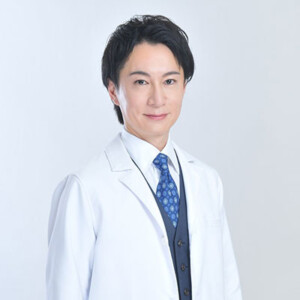
Dr. Jun Karibe
MD
Director
Education & Career
Certifications
Awards
MEDICAL REVIEW