Areola Artmake in Tokyo: Breast Reconstruction After Mastectomy or Surgery
For many people who have undergone mastectomy, lumpectomy, or reconstructive breast surgery, the physical and emotional journey extends well beyond the operating theatre. The loss or alteration of the nipple-areola complex — the pigmented area surrounding the nipple — is a deeply personal concern that surgery alone may not fully address.
Areola artmake (medical tattooing for areola reconstruction) offers a non-surgical option to restore a natural appearance, and this guide explains how the procedure works, what to expect in Tokyo, and how to find qualified, English-speaking care.
What you’ll learn in this article:
- What areola artmake is and how it differs from conventional tattooing
- How the procedure is performed in a clinical setting and what results are realistic
- Typical costs in the Tokyo market and what influences pricing
- Healing, aftercare, and who makes a good candidate
- Where to access English-speaking areola artmake services within our clinic group in Tokyo
Have a question about this treatment?
Message us on LINE or WhatsApp — our English-speaking team usually replies the same day.
What Is Areola Artmake?
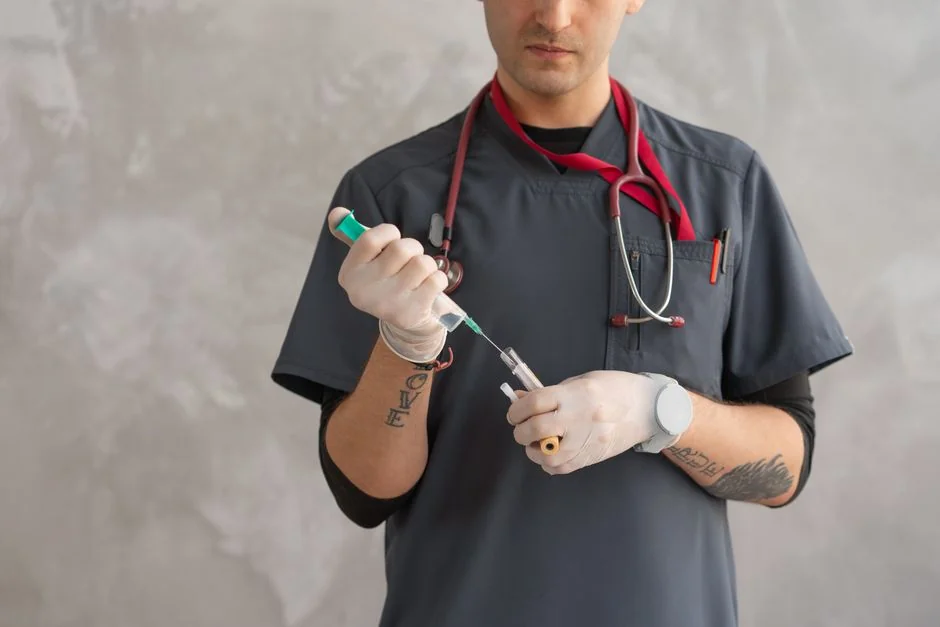
Artmake (アートメイク) is the Japanese clinical term for semi-permanent cosmetic pigmentation — a technique that deposits medical-grade pigment into the upper layers of the skin using fine needles. Unlike a conventional decorative tattoo, which pushes ink deep into the dermis (the thicker layer of skin beneath the surface), artmake targets the epidermis and superficial dermis, resulting in pigment that gradually fades over time rather than remaining permanent.
Areola artmake specifically refers to the application of this technique to recreate or enhance the appearance of the nipple-areola complex. It is widely used in oncology rehabilitation and reconstructive plastic surgery contexts — helping patients who have lost pigmentation due to mastectomy, radiation, scarring, or surgical reconstruction to regain a sense of wholeness.
Medical Artmake vs. Cosmetic Artmake
While eyebrow or lip artmake is performed primarily for aesthetic enhancement, areola artmake sits firmly within the category of medical or paramedical artmake. The practitioner must understand skin anatomy, post-surgical tissue behaviour, and how pigment interacts with reconstructed or irradiated skin — all of which differ significantly from healthy, unaltered tissue.
In Japan, artmake performed by or under the supervision of a licensed physician is subject to medical oversight regulations. Seeking care at a physician-led clinic is therefore strongly advisable, particularly for post-surgical cases where skin condition and healing capacity may be compromised.
How Areola Artmake Works
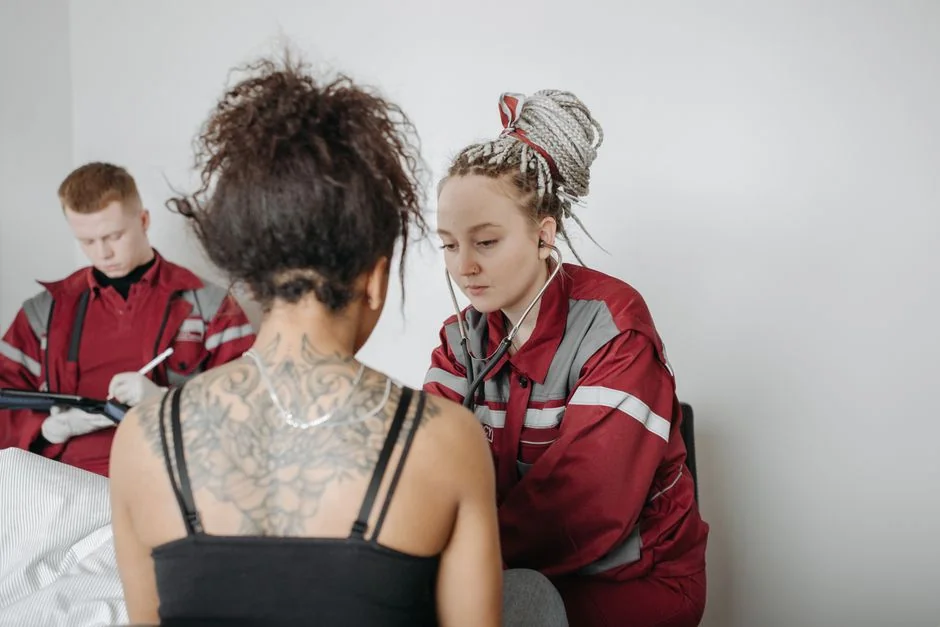
The procedure begins with a detailed consultation. The practitioner assesses the skin texture, colour, scarring, and symmetry of both sides, and discusses the desired outcome — including the size, shape, and shade of the reconstructed areola.
Customised pigment blending is essential here: a skilled artmake provider will mix pigments to match the patient’s natural skin tone and create the illusion of depth and dimension.
The Pigmentation Session
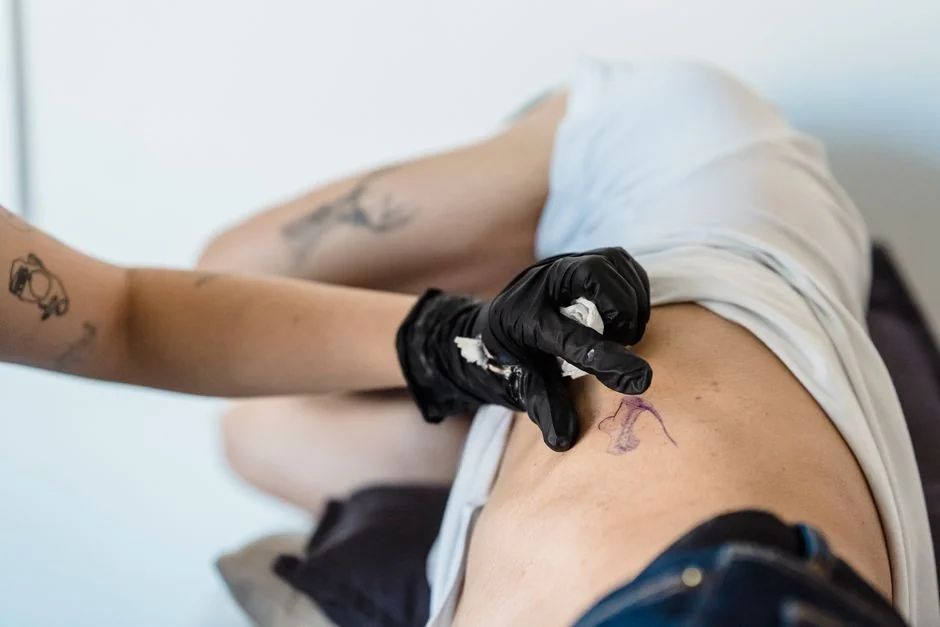
During the session itself, a topical anaesthetic cream is applied to the area and left to take effect — typically 20 to 45 minutes — before the artmake device is used.
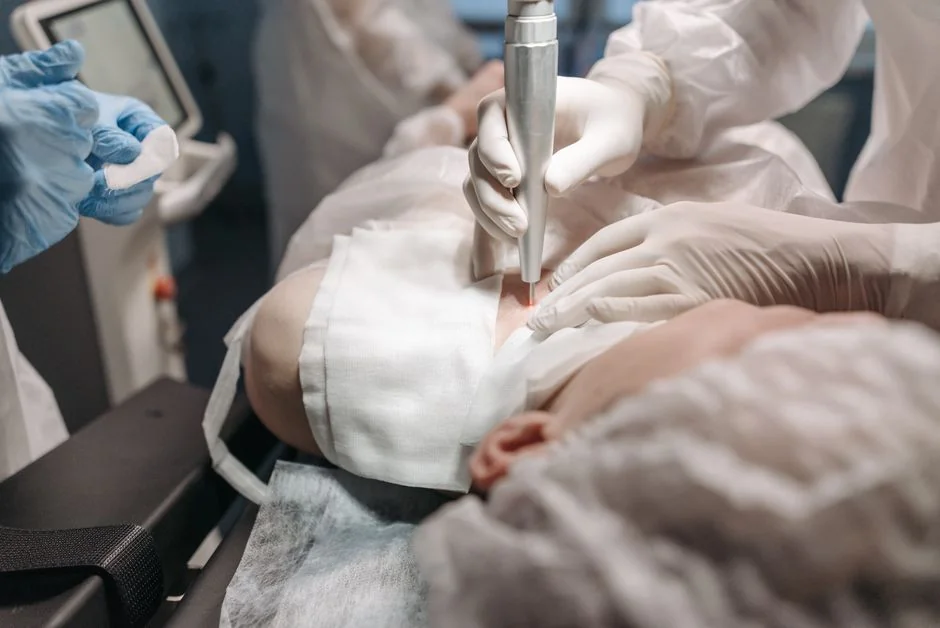
The device uses very fine needles to deposit pigment in a controlled pattern. Depending on the complexity of the design and the surface area involved, a single session may take 60 to 120 minutes.
Shading techniques are used to simulate the natural gradient of the areola, and in some cases a three-dimensional nipple effect can be created using trompe-l’oeil shading — a technique that gives the impression of projection without any surgical intervention. Multiple sessions are often recommended, spaced at least four to eight weeks apart, to build depth and address any uneven fading.
Common Misconceptions
Misconception 1 — “Artmake is just a tattoo.” While artmake and tattooing both use needles and pigment, the two are technically distinct. Conventional tattoo ink is deposited more deeply, causing it to last decades with relatively little fading. Artmake pigment fades gradually over two to five years as skin cells turn over naturally, and it requires periodic touch-up sessions to maintain results. For many patients, this gradual fade is actually a benefit — it allows the appearance to be adjusted as preferences or skin tone change over time.
Misconception 2 — “The procedure is completely painless.” Topical anaesthetic significantly reduces discomfort, and most patients describe the sensation as mild pressure or light scratching rather than sharp pain. However, comfort levels vary depending on individual pain tolerance, the degree of post-surgical nerve alteration in the area, and the extent of the work being done. Post-surgical skin that has reduced nerve sensation may actually feel less during the procedure, though this should not be assumed.
Dr. Karibe’s Note
A common question from our international patients at BIOTOPE CLINIC is whether post-mastectomy skin behaves the same way as unaltered skin during artmake. In practice, reconstructed tissue — particularly after flap reconstruction or implant-based surgery — can absorb pigment differently and may show variable retention.
This is why we always plan for a follow-up session and advise patients not to judge the final result until after the skin has fully healed from the first session, typically around four to six weeks post-procedure.
Areola Artmake vs. Other Options: A Comparison
| Method | Technique | Longevity | Depth of Pigment | Suitable for Post-Surgical Skin |
|---|---|---|---|---|
| Areola Artmake (medical) | Fine needles, medical-grade pigment; physician-supervised | 2–5 years with touch-ups | Epidermis to superficial dermis | Yes, with specialist assessment |
| Conventional Tattoo | Tattoo machine, standard ink | Decades; difficult to modify | Deep dermis | Variable; not medically supervised |
| Surgical Nipple Reconstruction | Skin flap surgery | Permanent (structural) | N/A (surgical) | Yes, with full oncological clearance |
| Prosthetic Nipple | Adhesive silicone prosthesis | Temporary (daily use) | N/A (external) | Yes, no skin involvement |
Cost of Areola Artmake in Tokyo
Pricing for medical areola artmake reflects the clinical complexity involved, the experience of the practitioner, and the specific requirements of each patient’s case.
In the Tokyo market, sessions are typically priced in the range of ¥60,000 to ¥180,000 per session. Because most patients benefit from at least two sessions for optimal colour depth and evenness, total treatment costs generally fall in the range of ¥120,000 to ¥360,000 over the course of care.
Several factors may influence where a patient falls within this range: the degree of scarring and surface irregularity, whether one or both sides require treatment, the complexity of the colour-matching process, and the overall area to be covered. Clinics operating under physician supervision — which is the appropriate standard for post-surgical cases — tend to be priced at the higher end of the market, reflecting the level of clinical expertise involved.
It is worth noting that areola artmake performed as part of post-mastectomy rehabilitation is generally not covered by Japan’s national health insurance (健康保険) when carried out at a cosmetic or aesthetic clinic. Patients should confirm this directly with both their insurance provider and the clinic at the time of consultation.
For an accurate quote, we recommend booking a consultation with BIOTOPE CLINIC via LINE or WhatsApp.
Have a question about this treatment?
Message us on LINE or WhatsApp — our English-speaking team usually replies the same day.
Healing and Aftercare
Immediately following an areola artmake session, the treated area will appear darker and slightly more intense than the intended final colour. This is normal — pigment oxidises on first contact with air and the skin surface, and the initial colour will typically lighten by 20 to 40 percent as the outer layers of skin shed during the healing process over the following two to four weeks.
What to Expect During Recovery
Mild redness, slight swelling, and a sensation similar to sunburn are common in the first 24 to 72 hours. The skin will then begin to form a fine surface layer — sometimes described as a light scabbing or peeling — which should not be picked or rubbed. Premature removal of this layer can disrupt pigment retention and lead to uneven results.
Post-surgical patients should be particularly vigilant: reconstructed tissue may have altered circulation and different healing timescales than healthy skin. Downtime from daily activities is minimal for most patients, but strenuous physical activity, swimming, sauna use, and direct sun exposure to the treated area should be avoided for at least two to three weeks.
Aftercare Guidelines
- Keep the area clean and dry for the first 24 hours.
- Apply any prescribed barrier ointment or healing balm as directed by the clinic.
- Avoid submerging the area in water (baths, pools, hot springs) for at least two weeks.
- Protect the area from direct sunlight; once healed, use SPF 30 or higher if sun exposure is unavoidable.
- Attend the follow-up appointment as scheduled — typically four to eight weeks after the first session.
Who Is a Good Candidate for Areola Artmake?
Areola artmake is appropriate for a wide range of patients seeking to restore or enhance the appearance of the nipple-areola complex. The most common candidates are individuals who have undergone mastectomy (surgical removal of the breast) with or without subsequent breast reconstruction, those who have experienced significant loss of pigmentation following radiation therapy, and people who have scarring that has altered the original appearance of the areola.
Candidates must be in stable health and, if they have had cancer treatment, should have completed active treatment and received clearance from their oncologist before pursuing any elective cosmetic procedure.
The skin at the treatment site should be fully healed from prior surgery — generally a minimum of three to six months post-procedure, though this timeline varies by individual case and should be confirmed with the treating medical team.
Patients Who May Need to Delay or Avoid Treatment
- Those currently undergoing chemotherapy or radiation therapy
- Individuals with active skin infections or open wounds in the area
- Patients with certain autoimmune conditions affecting wound healing
- Those with a history of keloid scarring (raised, thick scars) — not an absolute contraindication, but requires careful assessment
- Pregnant or breastfeeding individuals
Where to Get Areola Artmake in Tokyo: BIOTOPE CLINIC
Within our clinic group, artmake is performed at BIOTOPE CLINIC in Shirokanedai (Minato-ku), directed by Dr. Jun Karibe. Our English-speaking team covers both clinics and handles all English enquiries.
BIOTOPE CLINIC is a physician-led facility, which is particularly relevant for patients requiring medical areola artmake following breast surgery.
The clinical oversight provided by a board-certified plastic surgeon means that post-surgical skin conditions, pigment compatibility with reconstructed tissue, and individual healing trajectories can all be assessed with a level of medical rigour appropriate to the complexity of these cases.
Kojimachi Dermatology and Plastic Surgery Clinic, the main clinic of the group located in Ichigaya (Chiyoda-ku), does not perform artmake services. International patients and English-speaking residents wishing to enquire about areola artmake should direct their enquiries to the BIOTOPE CLINIC intake team, who are available via LINE and WhatsApp and can assist with scheduling, consultation preparation, and any language support needed.
Frequently Asked Questions
- Q. How long does areola artmake last after breast reconstruction?
- Results typically last two to four years, though this varies depending on skin type, the nature of the reconstructed tissue, sun exposure habits, and individual skin cell turnover rates. Post-surgical skin — particularly skin affected by radiation — may retain pigment differently from unaltered tissue. Periodic touch-up sessions, usually once every one to three years, are generally recommended to maintain the appearance.
- Q. Is areola artmake covered by Japanese health insurance?
- In most cases, artmake performed at aesthetic or cosmetic clinics in Japan is not covered by the national health insurance system, even when the underlying medical indication is post-mastectomy reconstruction. Patients should confirm their coverage directly with their insurer and discuss cost expectations with the clinic during the initial consultation. Some private health insurance policies held by expatriates may offer partial reimbursement — it is worth checking individual policy terms.
- Q. Can areola artmake be performed on implant-based reconstructed breasts?
- Yes, artmake can generally be performed on skin overlying breast implants, provided the surgical site is fully healed and the treating physician confirms there are no contraindications. The practitioner must take care with needle depth to avoid any risk of compromising the tissue integrity over an implant. This is one reason physician supervision is particularly valuable in these cases.
- Q. How many sessions will I need?
- Most patients require two sessions to achieve satisfactory colour depth and evenness. The first session establishes the base design and colour, while the second — typically performed four to eight weeks later — refines the result and addresses any areas where pigment faded unevenly. Patients with significant scarring or post-radiation skin changes may benefit from additional sessions.
- Q. Is the consultation conducted in English at BIOTOPE CLINIC?
- Yes. The Kojimachi Clinic group’s English-speaking intake team handles enquiries and can support patients through the consultation and booking process in English. Consultations at BIOTOPE CLINIC can be arranged with English language assistance, making the process accessible for expatriate residents and international visitors to Tokyo.
Have a question about this treatment?
Message us on LINE or WhatsApp — our English-speaking team usually replies the same day.
Summary
Areola artmake is a well-established, medically supervised technique for restoring the appearance of the nipple-areola complex following mastectomy, breast reconstruction, or other surgeries that alter the chest area. When performed in a physician-led clinical environment, it offers a meaningful and relatively accessible way for patients to reclaim a sense of physical completeness — without further surgery.
In the Tokyo market, session costs typically range from ¥60,000 to ¥180,000, with most patients undergoing two sessions for optimal results. Healing is generally straightforward, though post-surgical skin requires attentive aftercare and realistic expectations regarding pigment retention. Good candidates are those who have completed active cancer treatment, have fully healed surgical sites, and have received medical clearance for the procedure.
For English-speaking patients in Tokyo, BIOTOPE CLINIC in Shirokanedai — the artmake-specialist sister clinic of Kojimachi Dermatology and Plastic Surgery Clinic — offers physician-supervised areola artmake with English intake support available via LINE and WhatsApp.
24/7 Consultation & Booking
Book a Consultation or Treatment
Our English-speaking team responds via LINE or WhatsApp — usually the same day.
References
- Spear SL, Arias J. Long-term experience with nipple-areola tattooing. Annals of Plastic Surgery. 1995;35(3):232–236.
- Nahabedian MY. Nipple reconstruction and tattooing. Clinics in Plastic Surgery. 2018;45(1):115–122.
- Cordeiro PG, Snell L, Heerdt A, McCarthy C. Immediate tissue expander/implant breast reconstruction followed by radiation. Journal of Plastic and Reconstructive Surgery. 2012;129(3):442e–450e.
- Letterio JJ, Bhatt DL, Pignone M. Paramedical tattooing after breast cancer: a review of technique, outcomes, and patient satisfaction. Breast Cancer Research and Treatment. 2020;179(2):283–291.
- Japanese Society of Plastic and Reconstructive Surgery. Guidelines for Breast Reconstruction Following Mastectomy. Tokyo: JSPRS; 2021.
Related Articles
You may also find these articles useful.
- Areola Artmake Tokyo: Reconstruction After Breast Surgery
- Scar Revision Surgery Tokyo: Options, Results & Cost
- Tokyo Skincare Routine: Humidity & Pollution Protection
SUPERVISED BY
Dr. Jun Karibe
MD
Director
Education & Career
Certifications
Awards
MEDICAL REVIEW