Tatoo / Artmake Removal in Tokyo: Laser and Revision Options
Regretting a set of eyebrows that healed too dark, too red, or the wrong shape is one of the most common reasons people search for Artmake to Tatoo removal in Tokyo — and it is a genuinely unsettling position to be in, because the pigment sits in your face rather than somewhere you can cover up.
The good news is that cosmetic pigment can usually be lightened or reshaped, though the process is slower and more nuanced than most marketing suggests.
This guide explains how laser removal actually works on artmake pigment, why cosmetic inks behave differently from body tattoos, what alternatives exist, and what the process realistically costs and involves in Tokyo.
What you’ll learn in this article:
- Why artmake pigment can turn darker under laser, and how a test spot reduces that risk
- The main removal and revision routes: picosecond and Q-switched lasers, ablative fractional lasers, colour correction, and surgical excision
- Realistic session numbers, intervals, and healing timelines
- Current market cost ranges for artmake removal in Tokyo
- Where artmake and artmake-related consultations are handled within our clinic group
Have a question about this treatment?
Message us on LINE or WhatsApp — our English-speaking team usually replies the same day.
Why Artmake Is Removed or Revised
Artmake — also called medical permanent makeup or micropigmentation — places pigment into the dermis, the deeper living layer of skin, so it cannot simply be washed off. The US Food and Drug Administration notes that if pigment is injected too deeply, it “may migrate beyond the original sites, resulting in a blurred appearance,” which is one frequent trigger for removal.
Other common reasons include a shape or arch that no longer suits the face, a healed colour that shifted towards grey, red, or orange, work done overseas that the wearer wants corrected, or pigment that has faded unevenly rather than uniformly.
It is worth knowing that in Japan, artmake is legally a medical act. In a notice dated 3 July 2023 (医政医発0703第5号), the Ministry of Health, Labour and Welfare stated that inserting pigment into the skin with a needle to draw eyebrows or eyeliner constitutes a medical act, and that performing it as a business without a physician’s licence violates Article 17 of the Medical Practitioners Act. Removal and revision are likewise medical procedures and belong in a clinic.
How Laser Removal Works on Artmake Pigment
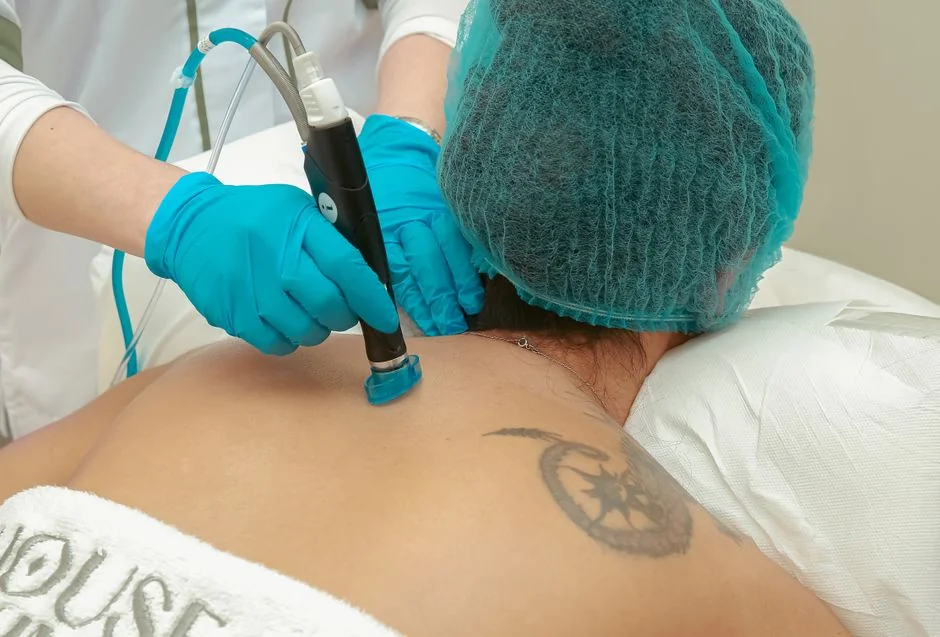
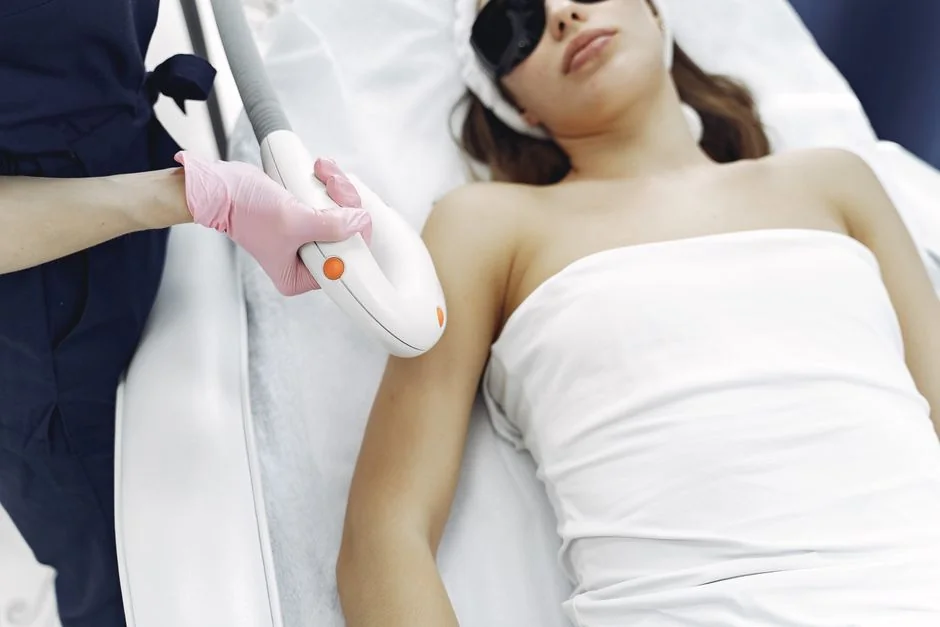
The FDA describes laser removal as “the most common method health care professionals use to remove or lighten tattoos.” Very short laser pulses fragment the pigment particles, and the immune system gradually clears the fragments over the following weeks.
Because clearance is immune-mediated rather than instant, sessions must be spaced apart. Published guidance for tattoos describes intervals of four to six weeks, with the full result of any single session taking around three months to become visible. Clinics treating artmake often space sessions further apart still.
Paradoxical darkening: the risk unique to cosmetic pigment
This is the single most important thing to understand before booking. Light-coloured cosmetic pigments — pink, tan, flesh-toned, white, and many brow browns — frequently contain titanium dioxide or iron oxide. A dermatology review of tattoo removal complications states that paradoxical darkening “occurs due to reduction of titanium dioxide or iron oxide by the laser, turning the pigment black.”
The FDA makes the same point in consumer guidance, noting that flesh-coloured, white, and permanent makeup inks are problematic because they can oxidise to black under laser treatment. This is not a rare curiosity; it is a predictable chemistry problem with certain pigments.
The standard safeguard is a test spot. Published reviews recommend performing “a test spot prior to treating the entire tattoo,” which allows the clinician to see how your specific pigment responds before committing to the whole area. Where darkening does occur, options include further laser passes or switching to fractional CO2 or erbium:YAG ablative devices.
Eyeliner removal and eye protection
Eyeliner tattoos sit millimetres from the globe of the eye, so external goggles are not sufficient. A 2023 chart review of 76 patients treated for eyeliner and eyebrow tattoos reported that metal corneal shields were always used for eyeliner cases, since they do not transmit light or heat significantly. Expect a clinic to insert these shields under anaesthetic eye drops.
That same review is a useful benchmark for expectations: patients underwent a mean of 2.8 treatments (range 1 to 12), and no cases of scarring, burns, necrosis, or prolonged pigment change were documented. Notably, just over a quarter of cases involved the “unmasking” of other colours — red, orange, yellow, green, or blue — that had been hidden under the surface shade.
Removal and Revision Options Compared
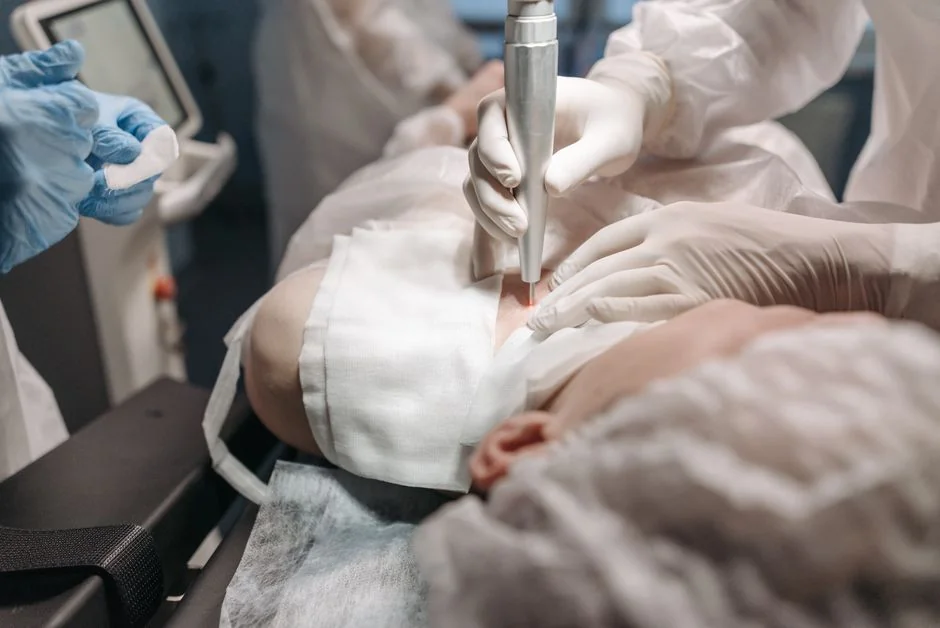
Tattoo / Artmake Removal is not the only route. Some people are better served by reshaping or colour-correcting existing work than by clearing it entirely, and some need partial lightening before any new artmake can be applied.
| Option | How it works | Typical use case | Main considerations |
|---|---|---|---|
| Picosecond laser | Ultra-short pulses fragment pigment for immune clearance | Most brow and eyeliner pigment, including dark and greyed work | Multiple sessions; test spot advised for light or flesh-toned pigment |
| Q-switched (nanosecond) laser | Same photoacoustic principle, longer pulse duration | Long-established option for dark pigment | Published tattoo data generally describe more sessions than picosecond devices |
| Ablative fractional laser (CO2 / Er:YAG) | Removes microscopic columns of pigmented tissue | Cases where pigment has darkened paradoxically under laser | Longer healing; described in the literature as an alternative rather than first line |
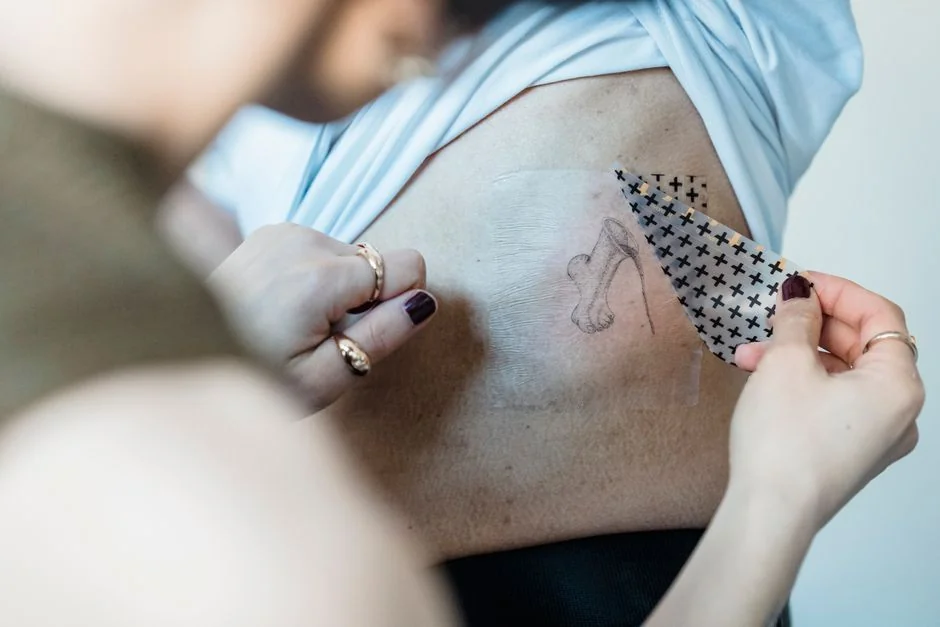
| Colour correction or camouflage artmake | New pigment applied to neutralise or reshape existing work | Shape and tone issues where the underlying pigment is not too dark | Adds pigment rather than removing it; can complicate later laser work |
| Surgical excision | The pigmented skin is cut out and closed | Selected small, resistant areas | Leaves a surgical scar; assessed case by case by a plastic surgeon |
You may also see “saline lifting” or salt-based removal marketed by non-medical studios. Peer-reviewed evidence for these methods is thin compared with the laser literature, and in Japan any needle-based procedure that alters dermal pigment falls within the medical-act framework described above. Separately, the FDA states plainly that it has not approved tattoo removal ointments, creams, or do-it-yourself kits, and that such products “may cause skin rashes, burns, or scars.”
Cost of Artmake Removal in Tokyo
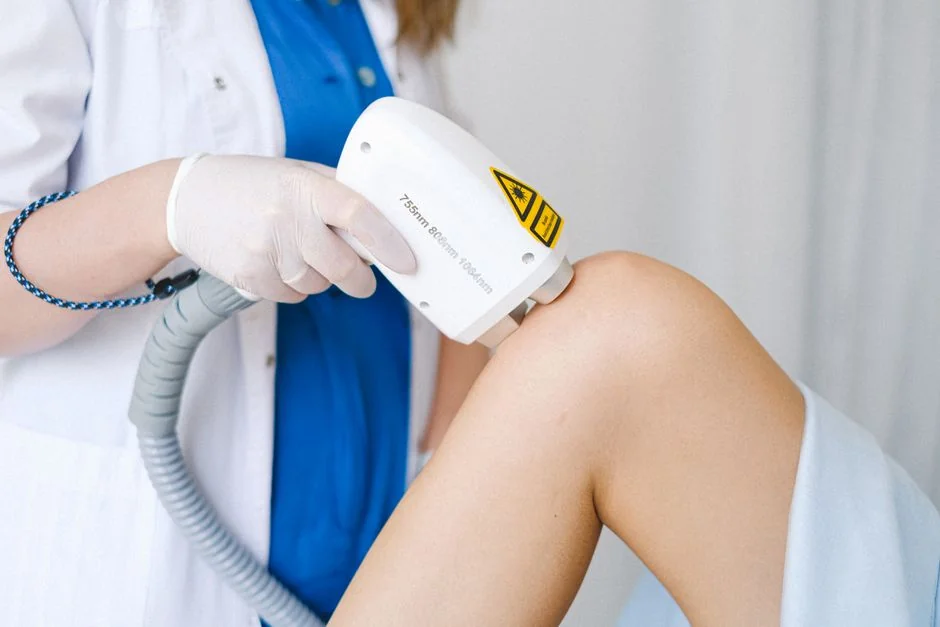
Artmake removal in Tokyo is self-pay cosmetic treatment and is not covered by Japanese national health insurance. Pricing is generally quoted per session and per treated area, not as a flat package for “complete removal.”
Among Tokyo clinic price pages reviewed for this article in September 2026, published per-session figures for eyebrow artmake removal ranged from roughly 19,800 yen per brow to around 44,000 yen for both brows, with one clinic listing about 23,000 yen (25,300 yen including tax) per treated area. Add-ons are commonly itemised separately: anaesthetic cream or local anaesthesia in the region of 2,200 to 4,400 yen, and corneal eye shields for eyeliner work at around 4,400 yen.
Because most people need several sessions, the practical question is cost per session multiplied by a realistic session count, not the headline price of one visit. One Tokyo clinic page states that removal rarely clears in a single session and that two to five treatments are typical, at intervals of two to three months.
Our clinic group’s own published pico laser page describes PicoWay treatment for lightening tattoos and artmake, with a course typically of three to five sessions at three-to-four-week intervals. Because artmake removal pricing depends on area, pigment, and depth, we do not publish a fixed figure for it. Please see the BIOTOPE CLINIC official price page or contact us via LINE / WhatsApp for a current quote. To confirm the latest pricing for your case, book a consultation with BIOTOPE CLINIC.
Have a question about this treatment?
Message us on LINE or WhatsApp — our English-speaking team usually replies the same day.
Healing, Downtime and Aftercare
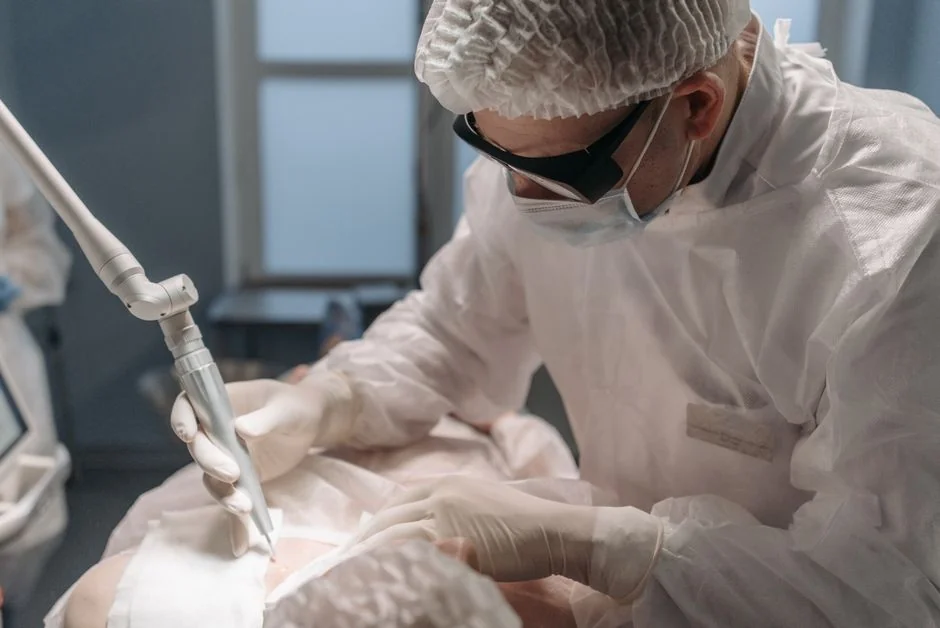
Immediately after laser treatment, expect redness, swelling, and often a temporary frosting or whitening of the treated pigment. Our group’s published guidance describes redness settling gradually over several days to a week, with any scabs separating within one to two weeks.
Pigmentary change is the most common side effect. The dermatology literature reports that hypopigmentation or hyperpigmentation typically appears four to six weeks after treatment and that most cases are transient. Scarring is uncommon but possible, particularly where high fluence is used on darker or tanned skin.
Overall, published reviews estimate the incidence of scarring and dyspigmentation at around 5 per cent when laser therapy is properly administered. Strict sun protection, avoiding friction and picking, keeping baths short, and holding off on makeup while redness persists all reduce the risk of a poor healing result.
One counselling point specific to brows: temporary whitening of the eyebrow hairs within the treated area is a recognised effect, and clinics commonly apply a protective gel over hairs during treatment.
Common Misconceptions
“Artmake isn’t a real tattoo, so it will just fade away”
Artmake does fade — the FDA notes that permanent makeup may fade over time — but fading is not the same as clearing. The same FDA guidance is blunt about the reverse process: “Removing a tattoo is a painstaking process, usually involving several treatments and considerable expense. Complete removal without scarring may be impossible.” Waiting for unwanted pigment to disappear on its own is not a reliable plan.
“Any laser clinic can remove brow pigment safely”
The pigments used in cosmetic work are chemically different from typical black body-tattoo ink. As above, titanium dioxide and iron oxide can reduce to a dark form under laser energy, which is why a test spot before full treatment is a standard recommendation in the removal literature. A clinic that skips the test spot on a light or flesh-toned brow is skipping the main safeguard against the outcome you least want.
Who Is a Good Candidate?
Good candidates are generally people in good general health who understand that removal is a course of treatment rather than a single appointment, and who can commit to sun protection between sessions. Realistic expectations matter more than any other single factor — the FDA states directly that complete removal “in some cases may not be possible.”
Extra caution applies if you have a history of keloid or hypertrophic scarring, are pregnant or breastfeeding, have an active skin infection or inflammation in the area, are taking photosensitising medication, or have a known allergic reaction to your existing pigment. Allergic responses to red and yellow pigments in particular are described in the literature as itchy papules, nodules, or scaly plaques, and these cases need medical assessment before any laser is used.
You should also mention any planned MRI scans. The FDA has received reports of swelling or burning in tattooed or permanently made-up areas during MRI, though it describes such complications as apparently rare and usually self-resolving.
Where to Get Artmake in Tokyo (Our Sister Clinic BIOTOPE)
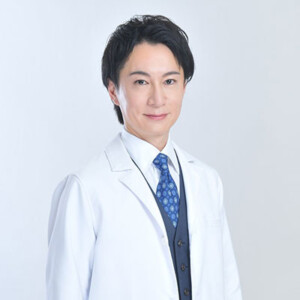
Within our clinic group, artmake is performed at BIOTOPE CLINIC in Shirokanedai (Minato-ku), directed by Dr. Jun Karibe. Our English-speaking team covers both clinics and handles all English enquiries.
Kojimachi Dermatology & Plastic Surgery Clinic in Chiyoda-ku is the main clinic of the group and does not perform artmake; BIOTOPE CLINIC in Shirokanedai is the group’s artmake location, a short walk from Shirokanedai Station. Because Dr. Karibe is a board-certified plastic surgeon, cases that turn out to need a surgical opinion rather than a laser can be discussed within the same group.
For international patients, the practical advantage is continuity: one English-speaking intake team, one consultation record, and a single point of contact across both sites for a treatment course that will span several months.
Frequently Asked Questions
- Q. How many sessions will artmake removal take?
- A published chart review of 76 eyeliner and eyebrow tattoo patients reported a mean of 2.8 treatments, with a range of 1 to 12. Tokyo clinics commonly quote two to five sessions for brows, but the honest answer depends on pigment type, depth, and how your skin clears fragments.
- Q. Can removal make my brows look worse before they look better?
- It can, temporarily. Hidden underlying colours may be unmasked — this occurred in about 26 per cent of cases in the chart review cited above — and light or flesh-toned pigments carry a risk of darkening under laser. A test spot before full treatment is the standard precaution.
- Q. Is artmake removal covered by Japanese health insurance?
- No. It is treated as self-pay cosmetic care, so the full cost is paid at the clinic. Pricing is quoted per session and per area, and add-ons such as anaesthesia or corneal eye shields are usually itemised separately.
Have a question about this treatment?
Message us on LINE or WhatsApp — our English-speaking team usually replies the same day.
Summary
Tattoo / Artmake removal in Tokyo is realistic, but it is a course of medical treatment rather than an erasing service. Laser is the established first-line approach, with ablative fractional lasers, colour correction, and surgical excision available for selected cases.
The defining risk in cosmetic pigment removal is paradoxical darkening from titanium dioxide and iron oxide, and the defining safeguard is a test spot before full treatment. Expect several sessions spaced weeks to months apart, mostly transient pigment changes during healing, and around a 5 per cent reported rate of scarring or dyspigmentation with properly administered laser therapy.
If you are weighing removal against revision, a consultation is the only way to know which is appropriate for your pigment and your goal. Our English-speaking team can arrange that assessment at BIOTOPE CLINIC in Shirokanedai.
24/7 Consultation & Booking
Book a Consultation or Treatment
Our English-speaking team responds via LINE or WhatsApp — usually the same day.
References
- Green JB, Metelitsa AI. Optimizing outcomes of laser tattoo removal. Skin Therapy Letter. 2011;16(10).
- Khunger N, Molpariya A, Khunger A. Complications of tattoos and tattoo removal: Stop and think before you ink. Journal of Cutaneous and Aesthetic Surgery. 2015;8(1):30–36.
- Kream E, Jairath N, Bajaj S, Orbuch D, Wang JV, Geronemus RG. Laser removal of eyeliner and eyebrow tattoos: Chart review, experiences, and learnings. Journal of Clinical and Aesthetic Dermatology. 2023;16(11):47–49.
- US Food and Drug Administration. Tattoo Removal: Options and Results. Consumer Update, updated 2023.
- US Food and Drug Administration. Tattoos & Permanent Makeup: Fact Sheet. Updated 2024.
- Ministry of Health, Labour and Welfare, Japan. Notice on the interpretation of Article 17 of the Medical Practitioners Act (医政医発0703第5号), 3 July 2023.
Related Articles
You may also find these articles useful.
- PicoWay Laser Tokyo: Pigmentation and Tattoo Removal
- Artmake vs Microblading vs Tattoo: Tokyo Guide
- Artmake Aftercare Guide: Healing Timeline & What to Avoid
- Eyebrow Artmake Tokyo: Cost, Procedure & Clinic Guide
- Artmake for Foreigners in Tokyo: English Clinic Guide
SUPERVISED BY
Dr. Jun Karibe
MD
Director
Education & Career
Certifications
Awards
MEDICAL REVIEW