Eyeliner Artmake in Tokyo: Safety, Technique and Expected Results
Having needles and pigment close to your eyes is a big decision, and it is natural to worry about safety, pain and whether the result will look right. If you are researching eyeliner artmake in Tokyo, you may also be finding Japanese-language information and unfamiliar rules hard to follow.
This guide explains how eyeliner artmake works, what the evidence says about risks around the eyes, and what results you can realistically expect. It also covers how Japanese law treats the procedure.
What you’ll learn in this article:
- What eyeliner artmake is, and why Japan classifies it as a medical procedure
- How the technique works and what results you can realistically expect
- The main eye-related risks reported in medical and government sources
- What affects cost, healing and aftercare, and who is a suitable candidate
- How to arrange an English-language consultation within our clinic group
Have a question about this treatment?
Message us on LINE or WhatsApp — our English-speaking team usually replies the same day.
What Is Eyeliner Artmake?
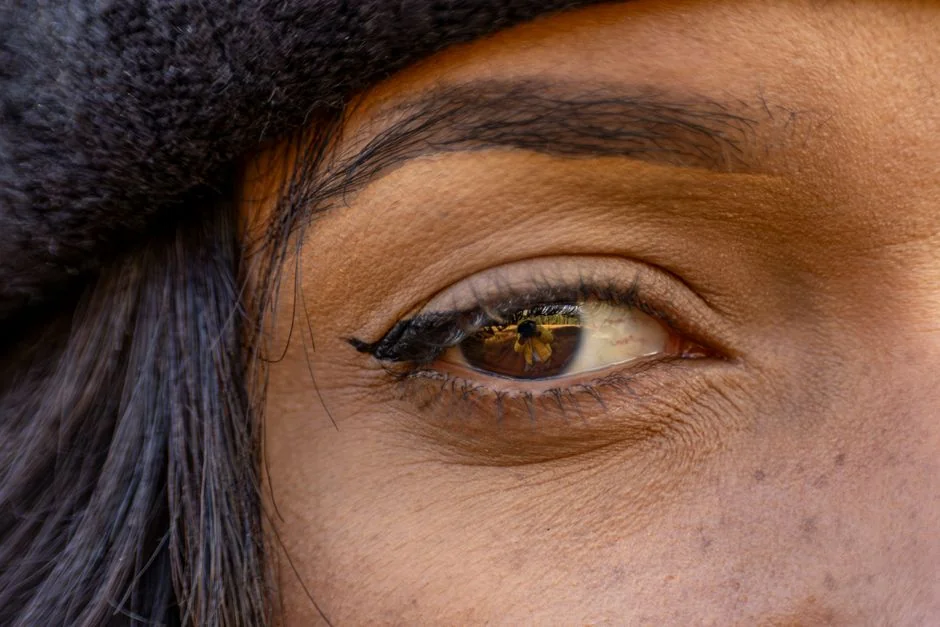
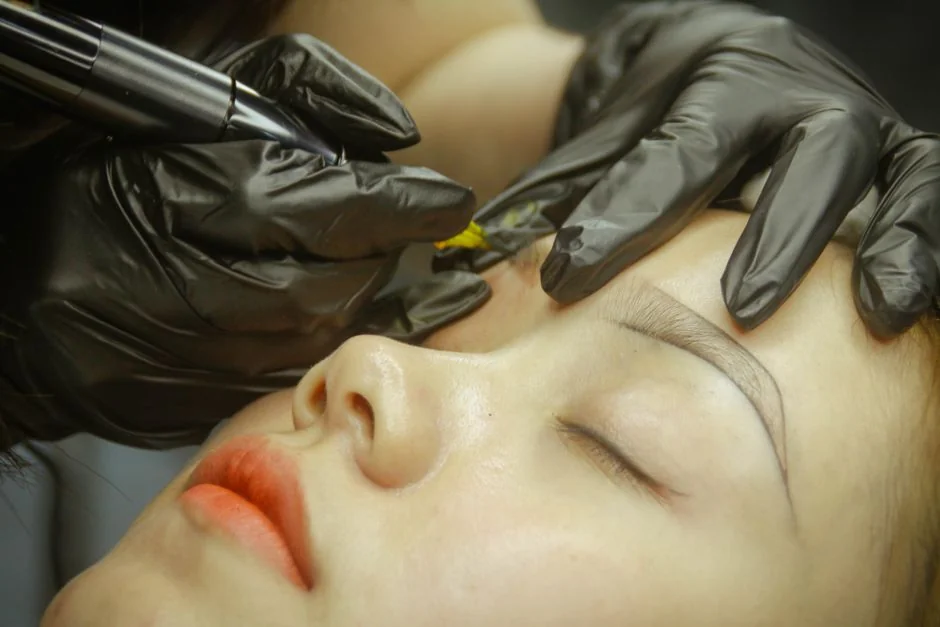
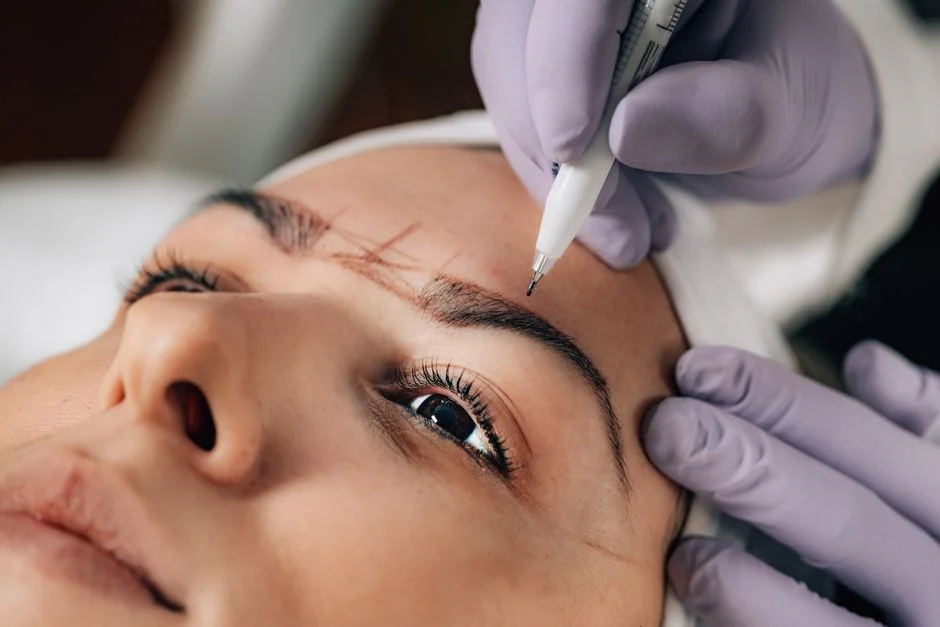
“Artmake” is the term used in Japan for cosmetic tattooing that imitates makeup. Elsewhere it is often called permanent makeup. Eyeliner artmake places pigment along the eyelid margin, so the eyes look defined without applying eyeliner every day.
The U.S. Food and Drug Administration (FDA) describes permanent makeup, including eyeliner, as a type of tattoo. Japan’s National Consumer Affairs Center makes the same point: however shallow the pigment, putting colour into the skin with a needle is tattooing.
Why Japan treats artmake as a medical procedure
In July 2023, Japan’s Ministry of Health, Labour and Welfare (MHLW) stated that drawing eyebrows or eyeliner by putting pigment into the skin is a medical act. Performing it as a business without a medical licence breaches Article 17 of the Medical Practitioners Act.
A joint MHLW and Ministry of Economy, Trade and Industry notice dated 26 December 2025 confirmed this position. It says artmake is covered whatever it is called (for example, “something-makeup” or “something-tattoo”), and it asks local authorities to work with the police in serious cases. For readers in Tokyo, this means artmake should be done at a medical institution, not a beauty salon.
How Eyeliner Artmake Works and What Results to Expect
The technique
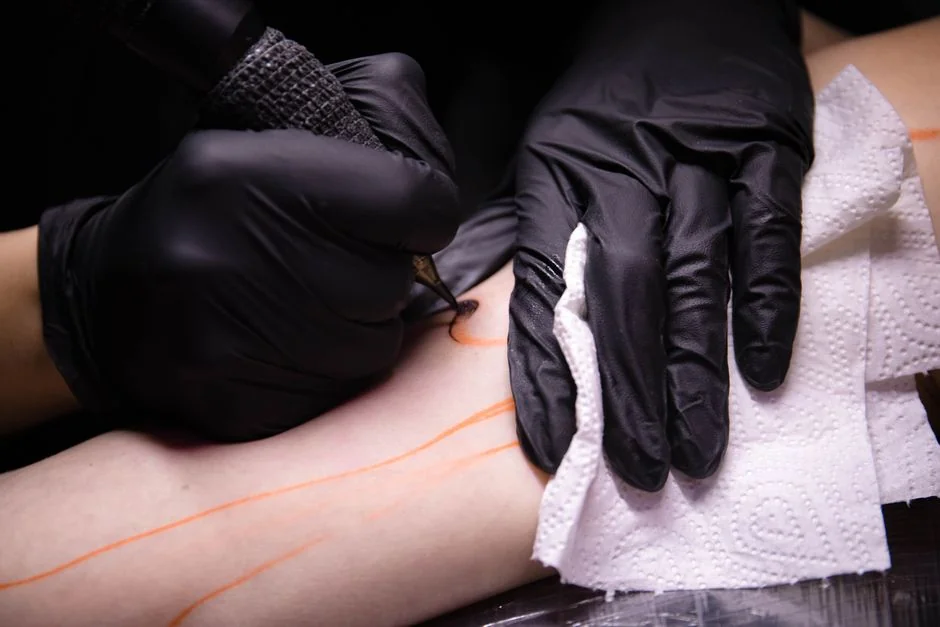
A fine needle deposits pigment into the skin along the lash line. Japan’s National Consumer Affairs Center notes that most artmake today places colour very shallowly so it looks natural. Providers generally describe this kind of artmake as fading over roughly three years.
Placement matters a great deal around the eye. A 2024 review of eye and eyelid tattoo complications found that the most serious risk was damage to vision caused by poor technique or ink placed in the wrong spot. This is why anatomical knowledge and a steady, controlled technique matter so much.
Expected results
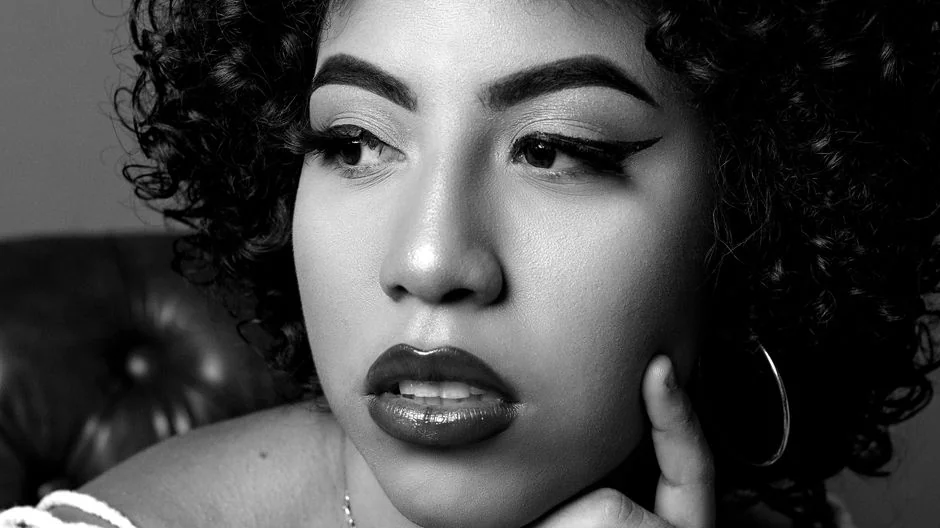
A well-performed result gives soft, lasting definition along the lash line, so you may need less daily eyeliner or none at all. Results vary with skin type, healing and the design chosen. Clinics often plan more than one session, followed by occasional touch-ups.
The FDA warns that tattoos and permanent makeup can fade. It also notes that makeup that looks flattering at first may later clash with changing skin tone and facial contours. Choose a design you can live with for years, not just this season’s trend.
Common misconceptions
Misconception 1: “Artmake is not a tattoo, so it is a simple beauty treatment.”
Japan’s National Consumer Affairs Center states that artmake is tattooing, however shallow the pigment. Once colour is properly in place, it does not disappear quickly. Its 2011 report adds that removal usually takes more than twice the time and money of the original procedure.
Misconception 2: “The pigments are FDA-approved.”
Some providers have advertised “FDA-approved” pigments. However, the FDA states that it has not approved any pigments for injection into the skin for cosmetic purposes. It also warns that ink can be contaminated even when the container is sealed or labelled sterile.
Safety and Risks Around the Eyes

Most people who choose a qualified medical setting heal without serious problems, but no procedure near the eye is risk-free. The table below summarises the main risks described in the sources behind this guide.
| Risk | What it means | What the sources report |
|---|---|---|
| Skin reactions and swelling | Redness, swelling or irritation around the treated area | Skin problems were the most common harm in Japan’s 2011 consumer report (69 of 121 cases, 57.0%) |
| Injury to the eye surface | Scratches to the cornea (the clear front surface of the eye) | Corneal injuries were reported after eyeliner procedures; the 2024 review names damage to vision as the most serious risk |
| Infection | Bacterial or viral infection from unsterile equipment or contaminated ink | The FDA notes that unsterile equipment can spread HIV, hepatitis and skin infections; the review describes conjunctivitis and, rarely, infection inside the eye |
| Allergy and granulomas | An immune reaction to pigment; granulomas are small lumps that form around material the body treats as foreign | The FDA describes allergic reactions as rare; the review notes that granulomas can appear later and may need treatment |
| Tear film and oil glands | Effects on the meibomian glands, the tiny oil glands in the eyelid that keep tears stable | The review cites studies linking eyelid tattoos to gland loss and less stable tears, which are features of dry eye |
| Misplaced or uneven pigment | Asymmetry, or pigment placed outside the intended line | Consumer reports include lines of uneven thickness and a needle striking the lower lid when a client squeezed their eyes shut |
| MRI scans | Brief swelling or burning, or image distortion | The FDA reports these problems mainly with eye MRI in people with permanent eyeliner, but says skipping a recommended MRI is likely to be riskier |
Setting matters. In the 2011 consumer report, 95% of the 121 harm cases came from salons and similar non-medical settings, where the procedure was apparently done by people without a medical licence. Eyes and the skin around them were the most commonly harmed area (64 cases).
Cost in Tokyo
Eyeliner artmake is usually priced per session. Clinics often charge differently for the first session, the follow-up session and later touch-ups. The total also depends on whether you choose an upper line only or upper and lower lines, and on the design.
A low price should not be the deciding factor. In one case in Japan’s 2011 consumer report, a client chose a salon because a medical clinic cost about twice as much, and the treated area later became infected. Remember that removal, if you later want it, is also self-pay in Japan and may take repeated laser sessions.
Please see the BIOTOPE CLINIC official price page or contact us via LINE / WhatsApp for a current quote. Final pricing is confirmed at your consultation, so the best next step is to book a consultation with BIOTOPE CLINIC.
Have a question about this treatment?
Message us on LINE or WhatsApp — our English-speaking team usually replies the same day.
Healing and Aftercare
Some swelling and redness around the lids is common at first, and the exact healing time varies between individuals. Your clinic will give you written aftercare instructions, which you should follow closely.
The FDA advises contacting both your practitioner and a doctor if the area does not seem to be healing, or if you notice a rash, redness or bumps. This is especially important if you develop a fever. Eye pain, constant watering or blurred vision after an eyeliner procedure also need prompt medical assessment.
- Keep a record: ask for the pigment brand, colour and batch number. The FDA notes this helps trace the cause if a reaction occurs.
- Before any MRI: tell the radiologist or technician about your eyeliner artmake, as the FDA recommends.
- Attend follow-ups: any planned second session gives the practitioner a chance to check healing and refine the line.
Who Is a Good Candidate?
Eyeliner artmake may suit adults who wear eyeliner every day and want long-lasting, low-maintenance definition. The best candidates understand that it is a form of tattoo and accept that results may fade or need adjusting over time.
Discuss the following carefully at consultation before going ahead:
- Existing dry eye or eyelid gland problems: research links eyelid tattoos with changes to the tear film and oil glands.
- A tendency to form keloids: the FDA notes that people prone to keloids (raised scars that spread beyond the wound) may develop them after tattooing.
- Previous reactions to tattoos or pigments: allergic reactions are rare but possible, and granulomas can appear later.
- Age: Japan’s consumer report notes that most prefectures’ youth-protection ordinances ban tattooing minors, which may apply to artmake.
- Changing preferences: if you like to change your look often, the FDA’s warning that “changing tattoos or permanent makeup is not as easy as changing your mind” is worth considering.
Where to Get Eyeliner Artmake in Tokyo (Our Sister Clinic BIOTOPE)
Kojimachi Dermatology & Plastic Surgery Clinic in Ichigaya (Chiyoda-ku) is the main clinic of our group, but it does not perform artmake. Within our clinic group, artmake is performed at BIOTOPE CLINIC in Shirokanedai (Minato-ku), directed by Dr. Jun Karibe. Our English-speaking team covers both clinics and handles all English enquiries.
BIOTOPE CLINIC opened in December 2021 and offers medical artmake. It is a one-minute walk from Exit 1 of Shirokanedai Station. Wherever you are treated, it is sensible to ask a few questions at consultation:
- Is the procedure performed in a medical institution, and who will carry it out?
- Which pigment will be used, and will its details be recorded for you?
- How are complications handled, and is a doctor available if a problem occurs?
- How many sessions are planned, and what does the touch-up schedule look like?
Frequently Asked Questions
- Q. Is it legal to get eyeliner artmake at a beauty salon in Japan?
- No. Japan’s Ministry of Health, Labour and Welfare treats eyeliner artmake as a medical act, and offering it as a business without a medical licence breaches the Medical Practitioners Act. A December 2025 notice confirmed this applies whatever name the procedure is sold under.
- Q. How long does eyeliner artmake last?
- It varies from person to person. Providers in Japan generally describe modern shallow artmake as fading over roughly three years. Fading is uneven, so touch-ups are usually needed to keep a consistent look.
- Q. Does eyeliner artmake hurt?
- It is not painless. Japan’s consumer reports include people who found the pain hard to tolerate, and one client’s reflex to squeeze their eyes shut caused pigment to be placed in the wrong spot. Ask how discomfort will be managed during your consultation.
- Q. Can I still have an MRI scan?
- Yes, in general. The FDA has received reports of temporary swelling or burning, and of image distortion mainly on eye MRI, but says the risks of avoiding a recommended MRI are likely to be far greater. Tell the radiologist or technician about your artmake beforehand.
- Q. Can eyeliner artmake be removed if I do not like it?
- Removal is possible but difficult. The FDA notes that it usually takes several treatments at considerable cost, and complete removal without scarring may not be possible. Japan’s consumer agency also notes that non-black pigments are harder to remove with lasers.
Have a question about this treatment?
Message us on LINE or WhatsApp — our English-speaking team usually replies the same day.
Summary
Eyeliner artmake is a form of cosmetic tattooing that can give lasting definition to the lash line. Because it is done so close to the eye, Japan regulates it as a medical procedure, and the evidence shows most reported harm has come from non-medical settings.
Results vary, fading is expected, and removal is difficult. A careful consultation is therefore the most important step. Within our clinic group, eyeliner artmake consultations are available in English at BIOTOPE CLINIC in Shirokanedai.
24/7 Consultation & Booking
Book a Consultation or Treatment
Our English-speaking team responds via LINE or WhatsApp — usually the same day.
References
- Ministry of Health, Labour and Welfare (Japan), Medical Professions Division. Handling of so-called artmake by persons without a medical licence (Notice No. 0703-5). 3 July 2023.
- Ministry of Health, Labour and Welfare and Ministry of Economy, Trade and Industry (Japan). Artmake procedures at beauty establishments, etc. (Joint notice). 26 December 2025.
- National Consumer Affairs Center of Japan. Artmake hazards (press release). 27 October 2011.
- U.S. Food and Drug Administration. Tattoos and Permanent Makeup: Fact Sheet (updated 2024); Think Before You Ink: Tattoo Safety (updated 2024).
- Lee KWA, Chan LKW, Lee AWK, Lee CH, Wan J, Yi KH. Ocular and Periocular Tattoo Adverse Effects: A Review. Diagnostics (Basel). 2024;14(19):2150.
Related Articles
You may also find these articles useful.
- Artmake Pain, Safety & Side Effects Guide
- Artmake Aftercare Guide: Healing Timeline & What to Avoid
- Eyebrow Artmake Tokyo: Cost, Procedure & Clinic Guide
- Artmake Removal Tokyo: Laser and Revision Options Guide
- Artmake vs Microblading vs Tattoo: Tokyo Guide
SUPERVISED BY
Dr. Jun Karibe
MD
Director
Education & Career
Certifications
Awards
MEDICAL REVIEW