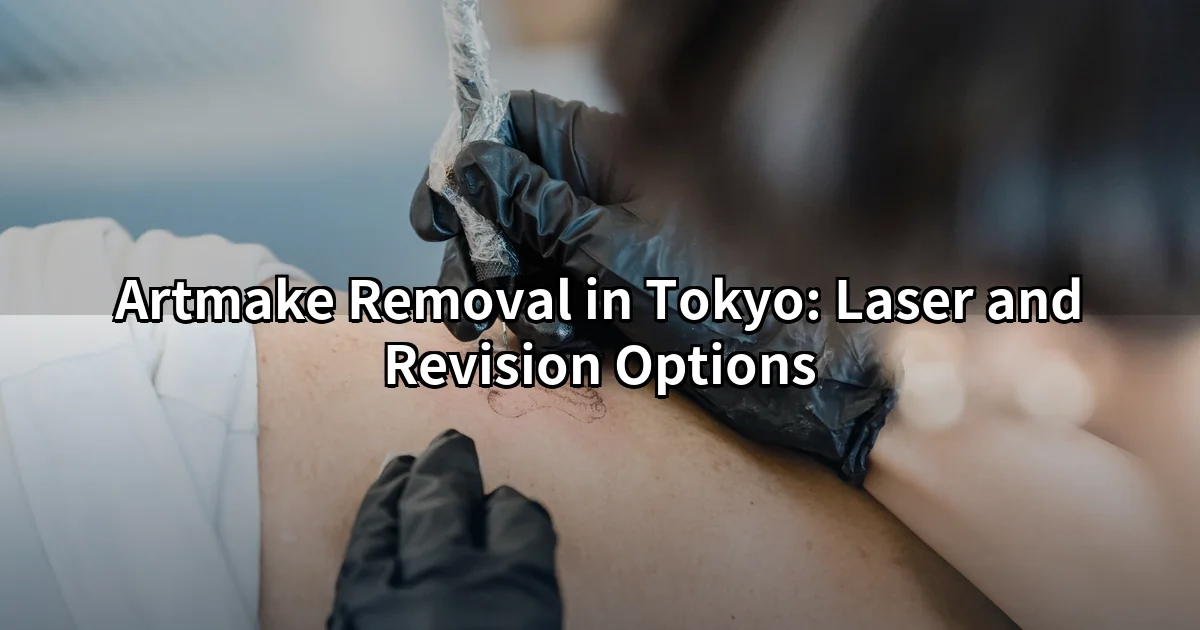
Artmake/Tattoo Removal in Tokyo: Laser and Revision Options
Regretting an eyebrow, eyeliner or lip artmake, tattoo is more common than most people realise, and the anxiety of looking in the mirror at shapes or colors you did not ask for is genuinely difficult to live with. The good news is that unwanted permanent makeup can usually be faded, corrected or removed — but the process is slower and more nuanced than most social media posts suggest.
This guide explains how artmake removal actually works in Tokyo, what the published evidence says about laser treatment of cosmetic tattoos, and how removal compares with revision approaches.
What you’ll learn in this article:
- Why artmake pigments behave differently from ordinary tattoo ink under a laser
- How laser removal works, and why colours can darken or change during treatment
- How laser removal compares with colour correction, camouflage and surgical revision
- How artmake removal is priced and regulated in Japan, and what to expect at consultation
- Realistic healing, aftercare and candidacy considerations
Have a question about this treatment?
Message us on LINE or WhatsApp — our English-speaking team usually replies the same day.
What Is Artmake, and Why Is It Harder to Remove Than a Regular Tattoo?
Artmake — also called permanent makeup, medical permanent makeup or micropigmentation — is the practice of depositing pigment into the skin with fine needles to shape eyebrows, define eyelids or tint lips. Medically and legally, it is a tattoo.
Japan’s Ministry of Health, Labour and Welfare made this explicit in a notice dated 8 November 2001 (医政医発第105号), which classified “the act of inserting ink or similar pigments into the skin surface using a needle with pigment attached” as medical practice. In practical terms, artmake and its removal must be carried out within a medical setting by, or under the direction of, a licensed physician.
The pigment chemistry is the real problem
Cosmetic pigments used for brows and lips frequently contain mineral oxides — particularly iron oxides and titanium dioxide — chosen because they give warm, skin-friendly browns, pinks and flesh tones. These same compounds are what make removal unpredictable.
A 2024 study in Aesthetic Medicine examining skin-toned tattoo ink under a 755 nm picosecond laser described micropigmentation removal as “challenging due to the complexity of cosmetic skin-toned inks that contain titanium and iron oxides.” Ordinary black body-art ink, by contrast, tends to respond more predictably.
How Laser Artmake Removal Works
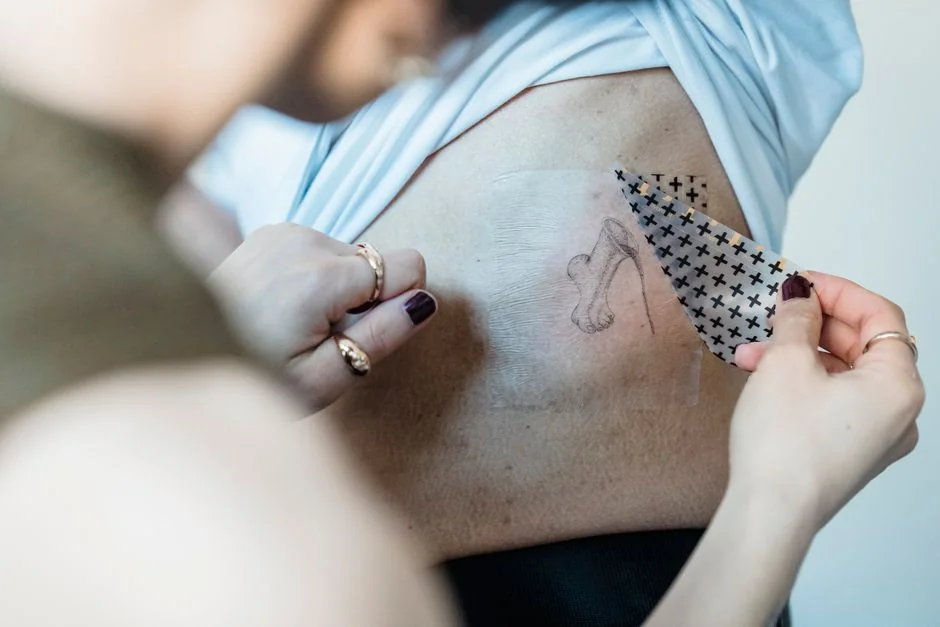
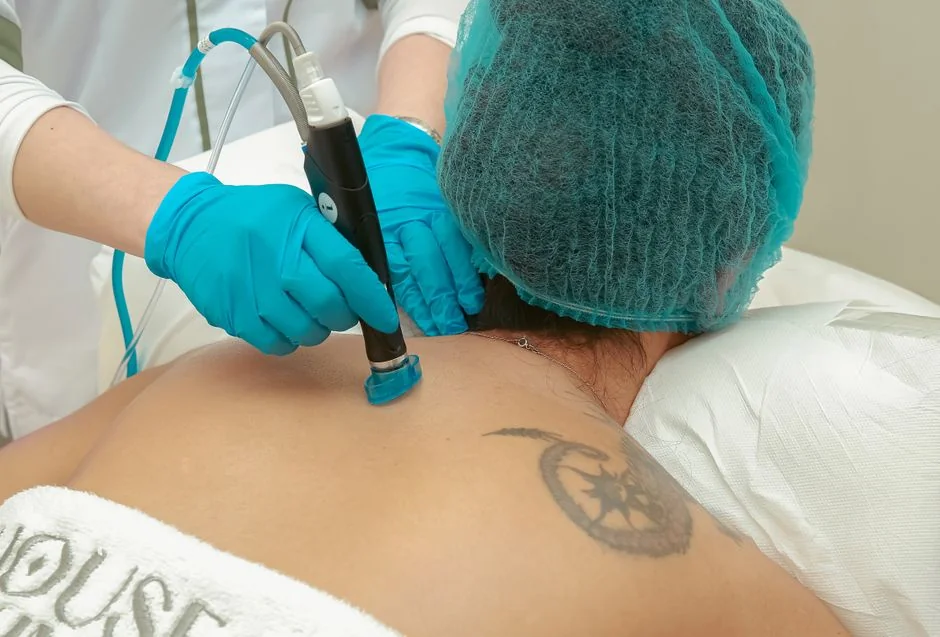
Laser removal uses extremely short pulses of light that are absorbed by pigment particles in the dermis. The particles fragment, and the body’s immune system gradually carries the fragments away over the following weeks.
Two device families dominate: Q-switched lasers, which deliver nanosecond pulses, and picosecond lasers, which deliver pulses roughly a thousand times shorter. A 2023 chart review published in the Journal of Clinical and Aesthetic Dermatology looked at 76 patients treated for eyeliner and eyebrow tattoos; 50.0 percent were treated with a 755 nm picosecond laser, 28.9 percent with a 532/1064 nm high peak-powered picosecond laser, and 18.4 percent with a combination of both.
Paradoxical darkening and colour unmasking
The effect most people fear is paradoxical darkening: a brow that looks light brown turns grey, near-black or greenish immediately after treatment. This happens because laser energy chemically reduces the mineral oxides in the pigment. A 2022 case report in the same journal explained that “paradoxical darkening of red or pink tattoos after QS laser usually occurs due to reduction of ferric oxide to ferrous oxide.”
Importantly, darkening is not always permanent. In that case report, a pink lip tattoo darkened within two days of laser exposure and then improved substantially within roughly two months without further intervention. The 2024 Aesthetic Medicine study went further, tracking an eyebrow tattoo that turned greenish and then darker before pigment finally began to clear after the eighth session, concluding that “ink darkening seems to be inevitable during the treatment, however, it should not be seen as a complication but as a part of the elimination process.”
A related phenomenon is colour unmasking, where hidden underlying tones surface as the top layer fragments. In the 2023 chart review, 26.3 percent of cases involved the unmasking of other colours such as red, orange, yellow, green and blue.
How many sessions to expect
There is no single answer, and any clinic promising a fixed number should be treated with caution. In the 2023 chart review of eyeliner and eyebrow tattoos, patients received a mean of 2.8 treatments, with a range of 1 to 12. The 2024 study reported that its single eyebrow case required eleven treatments in total for complete removal.
The gap is explained by goals: fading enough to allow a fresh, better-shaped artmake usually takes far fewer sessions than clearing pigment entirely. Sessions are spread across months to allow the skin to recover between treatments.
Removal Versus Revision: Comparing Your Options
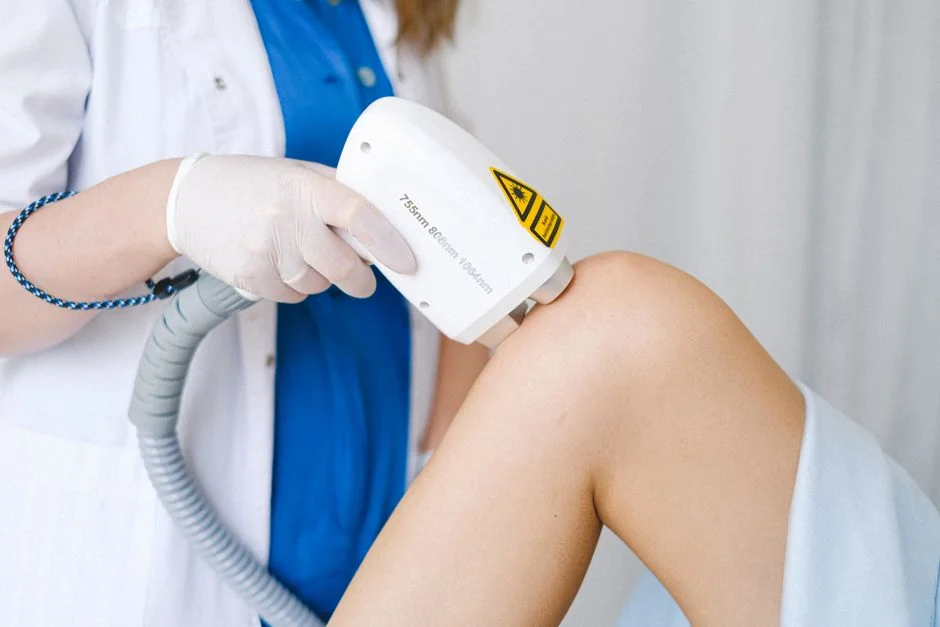
Complete erasure is not always the goal, and it is not always the most sensible route. The table below compares the main approaches discussed at consultation.
| Approach | How it works | Best suited to | Key considerations |
|---|---|---|---|
| Laser removal | Q-switched or picosecond pulses fragment pigment for clearance by the immune system | Wrong colour, wrong shape, or pigment that must go before any redesign | Multiple sessions; darkening and colour unmasking are documented; results vary by pigment |
| Partial fading, then new artmake | A shorter laser course lightens the old work so new pigment can be redesigned over it | Shape or thickness problems where the colour is acceptable | Usually fewer sessions than full clearance; the old outline may still faintly show |
| Camouflage with skin-toned pigment | Flesh-coloured pigment is tattooed over the unwanted work to disguise it | Small, well-defined areas in limited cases | Skin-toned inks are rich in iron and titanium oxides and are among the hardest to laser later |
| Surgical revision | Excision or scar-directed surgery by a plastic surgeon | Selected cases, typically small areas or existing scarring | Leaves a surgical scar; assessed individually and not appropriate for most brow cases |
| Watchful waiting | Allowing natural fading over time before deciding | Recent work that is still settling | No intervention risk, but fading is slow and incomplete |
The camouflage row deserves emphasis. Covering unwanted artmake with flesh-toned pigment can look acceptable at first, yet it layers precisely the mineral-oxide-heavy inks that respond least predictably to lasers. It can make future removal considerably harder.
Cost of Artmake Removal in Tokyo
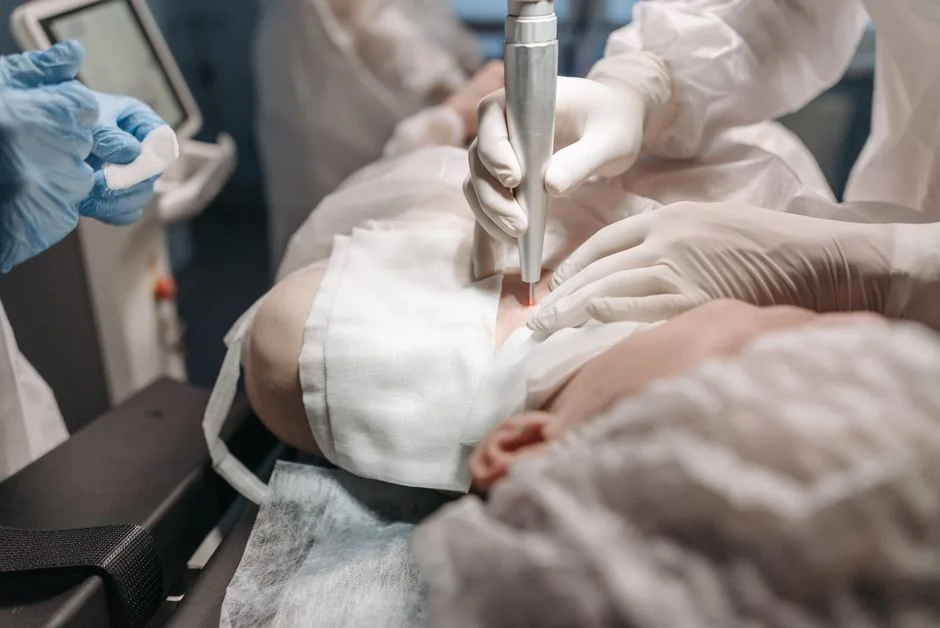
Artmake removal is cosmetic treatment, and in Japan cosmetic medicine is delivered as jiyū shinryō (self-pay care) outside the public health insurance system. The Ministry of Health, Labour and Welfare’s notice of 15 August 2025 (医政発0815第21号) describes cosmetic medicine explicitly in these self-pay terms.
Because artmake removal is priced per session and per area — and because the number of sessions cannot be known before a physician has examined the pigment — Tokyo clinics generally quote a per-session fee rather than a package total. Treat any advertised “complete removal” price with scepticism, and ask specifically what happens if more sessions are needed than estimated.
Please see the BIOTOPE CLINIC or Kojimachi Dermatology and Plastic Surgery Clinic official price page or contact us via LINE / WhatsApp for a current quote. To confirm the latest pricing and receive an estimate based on your actual pigment, book a consultation with BIOTOPE CLINIC.
Have a question about this treatment?
Message us on LINE or WhatsApp — our English-speaking team usually replies the same day.
Healing, Aftercare and Who Is a Good Candidate
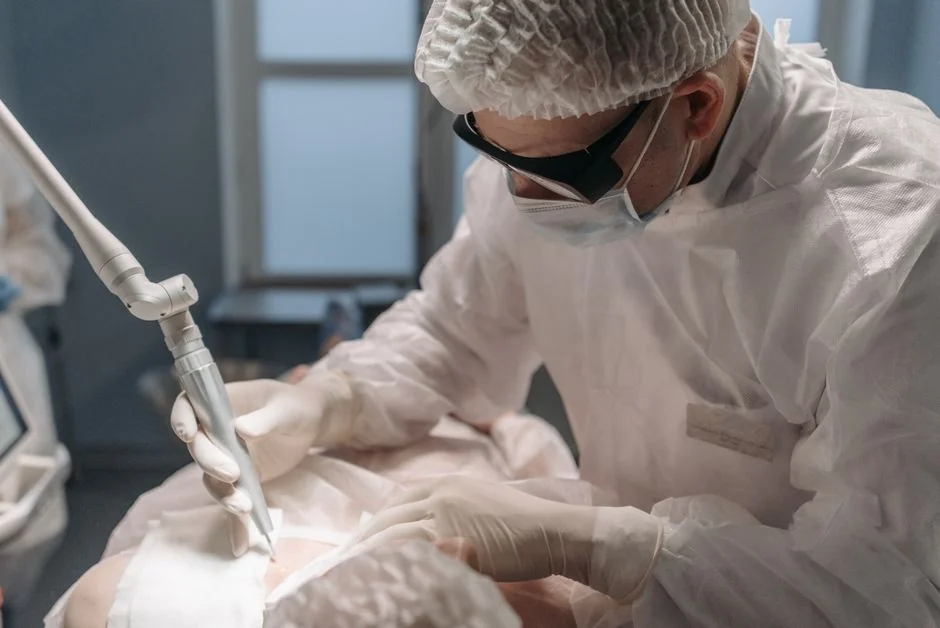
After a laser session the treated area typically feels hot and looks swollen, and a crust may form over the following days. The 2023 chart review of 76 eyeliner and eyebrow patients documented no adverse events relating to scarring, permanent loss of hair in the treated area, tissue necrosis or burns, though no procedure is free of risk.
Aftercare basics
- Do not pick or scrub any crust; let it separate on its own.
- Keep the area clean and apply any ointment exactly as instructed.
- Protect the area from sun exposure, which raises the risk of pigment change.
- Avoid makeup over the treated area until the skin has closed.
- Report unusual pain, spreading redness or discharge to the clinic promptly.
Candidacy
Good candidates are people in general good health who understand that removal is a course of treatment rather than a single appointment, and who can accept some uncertainty about the final result. A physician will want to know the pigment colour, roughly when and where the artmake was performed, whether it has been lasered before, and whether you have a history of keloid scarring, photosensitivity or active skin disease in the area. Pregnancy, breastfeeding and certain medications may make it appropriate to postpone.
Common Misconceptions About Artmake Removal
Misconception 1: “Artmake isn’t a real tattoo, so it washes out easily.” It is a tattoo. Japan’s 2001 ministry notice treats needle-and-pigment procedures as medical practice for precisely this reason, and the published removal literature reflects the difficulty: the 2024 Aesthetic Medicine case required eleven picosecond sessions for complete clearance of a single eyebrow.
Misconception 2: “If my brow turns dark after the laser, it is ruined forever.” Darkening is a recognised chemical reaction of iron and titanium oxides, not necessarily a permanent outcome. The 2022 case report documented substantial spontaneous improvement over about two months, and the 2024 study observed pigment finally clearing after the eighth session. That said, outcomes differ between individuals, which is why a test spot before treating an entire brow is a sensible precaution.
Where to Get Artmake Care in Tokyo (Our Sister Clinic, BIOTOPE CLINIC)
Within our clinic group, artmake is performed at BIOTOPE CLINIC in Shirokanedai (Minato-ku), directed by Dr. Jun Karibe. Our English-speaking team covers both clinics and handles all English enquiries.
Kojimachi Dermatology & Plastic Surgery Clinic in Ichigaya, Chiyoda-ku, is the group’s main location and does not perform artmake. BIOTOPE CLINIC opened in Shirokanedai in December 2021 as the group’s second clinic under the same director, a board-certified plastic surgeon.
If you are considering removal or revision of existing artmake, raise it at consultation. Whether laser treatment, partial fading before a redesign, or a different route is appropriate is a medical decision — and the Ministry of Health, Labour and Welfare’s August 2025 cosmetic medicine notice reaffirmed that individualised medical judgements must be made by physicians, not by unlicensed counselling staff.
Frequently Asked Questions
- Q. How many laser sessions will I need to remove my eyebrow artmake?
- It depends on the pigment, its depth and your goal. A 2023 chart review of 76 eyeliner and eyebrow tattoo patients reported a mean of 2.8 treatments with a range of 1 to 12, while a 2024 case of complete eyebrow clearance required eleven sessions.
- Q. Will my brows definitely go black during treatment?
- Not necessarily. The 2023 chart review recorded no paradoxical darkening across its eyeliner and eyebrow cases, but darkening is well documented elsewhere with iron- and titanium-oxide pigments, which is why a test spot is advisable before treating the full area.
- Q. Can I have new artmake done after removal?
- In many cases yes, once the skin has fully settled and a physician has assessed the residual pigment. Many patients choose partial fading followed by a redesign rather than pursuing complete clearance first.
Have a question about this treatment?
Message us on LINE or WhatsApp — our English-speaking team usually replies the same day.
Summary
Artmake and Tattoo removal in Tokyo is a medical treatment governed by Japanese medical practice rules, delivered on a self-pay basis, and best approached as a course rather than a single procedure. Laser treatment with Q-switched or picosecond devices is the mainstay, with published series reporting anything from one to eleven or more sessions depending on pigment and goal.
Expect the possibility of darkening or colour unmasking along the way, be cautious about camouflage tattooing that layers more mineral-oxide pigment into the skin, and consider whether partial fading followed by a redesign meets your goal more efficiently than complete clearance. A consultation with a physician who can examine the pigment directly is the only way to get a realistic plan and an accurate quote.
24/7 Consultation & Booking
Book a Consultation or Treatment
Our English-speaking team responds via LINE or WhatsApp — usually the same day.
References
- Kream E, Jairath N, Bajaj S, Orbuch D, Wang JV, Geronemus RG. Laser Removal of Eyeliner and Eyebrow Tattoos: Chart Review, Experiences, and Learnings. The Journal of Clinical and Aesthetic Dermatology. 2023;16(11):47–49.
- Al-Jasser MI, Al-Issa A. Lip Tattoo Darkening After Q-Switched Laser Hair Removal Followed by Significant Spontaneous Improvement. The Journal of Clinical and Aesthetic Dermatology. 2022;15(4):10.
- Menozzi-Smarrito C, Smarrito S. Skin-toned tattoo ink: what should one expect in terms of ink darkening and removal when treated with a 755 nm pico-second laser? Aesthetic Medicine. 2024;10(1):e2024004.
- Ministry of Health, Labour and Welfare (Japan). 医師免許を有しない者による脱毛行為等の取扱いについて (Notice 医政医発第105号). 8 November 2001.
- Ministry of Health, Labour and Welfare (Japan). 美容医療に関する取扱いについて (Notice 医政発0815第21号). 15 August 2025.
Related Articles
You may also find these articles useful.
- PicoWay Laser Tokyo: Pigmentation and Tattoo Removal
- Artmake vs Microblading vs Tattoo: Tokyo Guide
- Artmake Pain, Safety & Side Effects Guide
- Artmake Aftercare Guide: Healing Timeline and What to Avoid
- Eyebrow Artmake Tokyo: Cost, Procedure & Clinic Guide
SUPERVISED BY
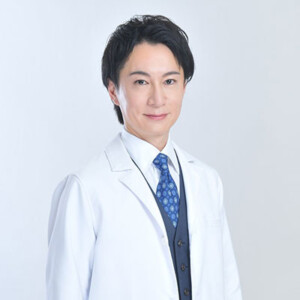
Dr. Jun Karibe
MD
Director
Education & Career
Certifications
Awards
MEDICAL REVIEW