Skincare Routine for Tokyo Weather: Humidity and Pollution Tips
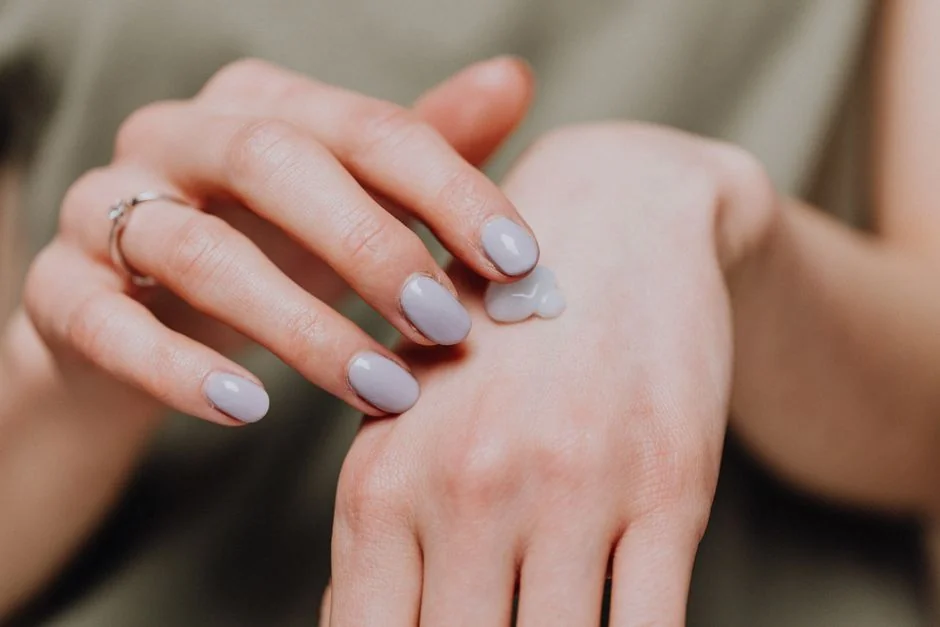
Many people who move to Tokyo, or visit for a few weeks, find that their usual skincare stops working.
Skin that felt balanced at home can turn tight and flaky in January, then shiny and prone to breakouts by August. This guide explains how Tokyo’s seasons affect the skin and how to adjust a simple routine through the year. It also covers when a doctor should take a look.
What you’ll learn in this article:
- How much Tokyo’s humidity changes between winter and summer, based on official climate data
- What research suggests about dry air, humidity and air pollution and the skin
- A season-by-season skincare routine you can adapt
- How to read Japanese sunscreen labels (SPF and PA)
- When to see a dermatologist in Tokyo, and where to get English-language care
Have a question about this treatment?
Message us on LINE or WhatsApp — our English-speaking team usually replies the same day.
How Tokyo’s Humidity, Pollution and Pollen Affect Your Skin
Humidity: two very different climates in one year
According to the Japan Meteorological Agency’s climatological normals (1991–2020), Tokyo’s average relative humidity is about 51% in January and 52% in February. It rises to 75–76% from June to September. The annual average is 65%, but that average hides a big seasonal swing that your skin feels.
Dry air can affect the skin within hours. In a study published in Skin Research and Technology, healthy volunteers spent 3 or 6 hours in a low-humidity environment. The water content of the stratum corneum (the outermost layer of skin) dropped significantly on both the forearm and the cheek. The researchers also measured changes in skin surface texture, which they suggested may be linked to fine wrinkles caused by a lack of water in the skin.
A 2016 review in the Journal of the European Academy of Dermatology and Venereology reported that epidemiological studies linked eczema with both low indoor humidity and high outdoor humidity.
It also noted that dry skin symptoms appear in low-humidity, air-conditioned environments. The authors stressed that the evidence is still inconclusive. Even so, both too little and too much humidity can cause problems.
Heat, sweat and heat rash
Tokyo’s humid summers bring their own problem: heat rash, known medically as miliaria. DermNet, a dermatology reference resource, describes miliaria as a common condition caused by blocked or inflamed sweat ducts. It lists a hot, humid environment, intense physical activity and non-breathable clothing among the triggers.
Air pollution: moderate in Tokyo, but still worth considering
Tokyo’s air quality is relatively good on current measures.
The Tokyo Metropolitan Government reported that in fiscal year 2024 the annual average level of PM2.5 (fine airborne particles) was 9.0 micrograms per cubic metre across all monitoring stations, and 9.3 at roadside stations.
The national environmental standard has been met at every station since fiscal year 2019.
Traffic-related particles may still matter for the skin over time. A study in the Journal of Investigative Dermatology looked at 400 women aged 70–80 in Germany. It found that higher exposure to soot and traffic particles was linked to 20% more pigment spots on the forehead and cheeks.
The study was done in a different population and setting, so the results cannot be applied directly to Tokyo. It does suggest that cleansing gently at the end of the day is sensible for people who spend a lot of time near busy roads.
Pollen season
Cedar pollen is part of spring in Tokyo. In 2026, the Tokyo Metropolitan Government confirmed that cedar pollen began dispersing on 13 February.
Health information supervised by a dermatology professor at University of Tsukuba Hospital describes pollen-related dermatitis (skin inflammation) that mostly affects the exposed face and neck, particularly the thin skin of the upper eyelids. Symptoms tend to follow the spring and autumn pollen seasons.
A Season-by-Season Skincare Routine for Tokyo
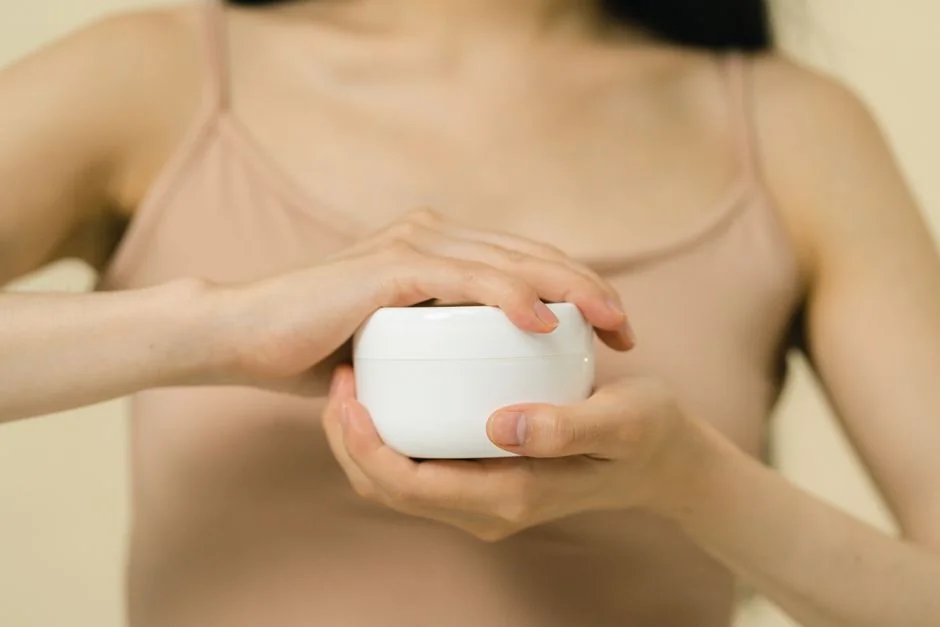
A good Tokyo routine does not need many products. The idea is to keep a steady core (gentle cleanser, moisturiser and daily sunscreen) and change the texture and extra steps as the seasons change.
| Season | Average relative humidity (JMA normals) | Common skin concerns | Routine emphasis |
|---|---|---|---|
| Winter (Dec–Feb) | 51–56% | Tightness, flaking, dullness | Richer cream moisturiser, non-stripping cleanser, daily sunscreen |
| Spring (Mar–May) | 57–68% | Pollen-related irritation, especially around the eyes | Wash your face gently after coming home, moisturise morning and night |
| Rainy season and summer (Jun–Sep) | 74–76% | Shine, sweat, heat rash, breakouts | Light moisturiser, cleanse after sweating, reapply sunscreen outdoors, breathable clothing |
| Autumn (Oct–Nov) | 64–71% | Transition dryness; autumn pollen for some people | Gradually move back to richer textures |
Winter: protect the skin barrier
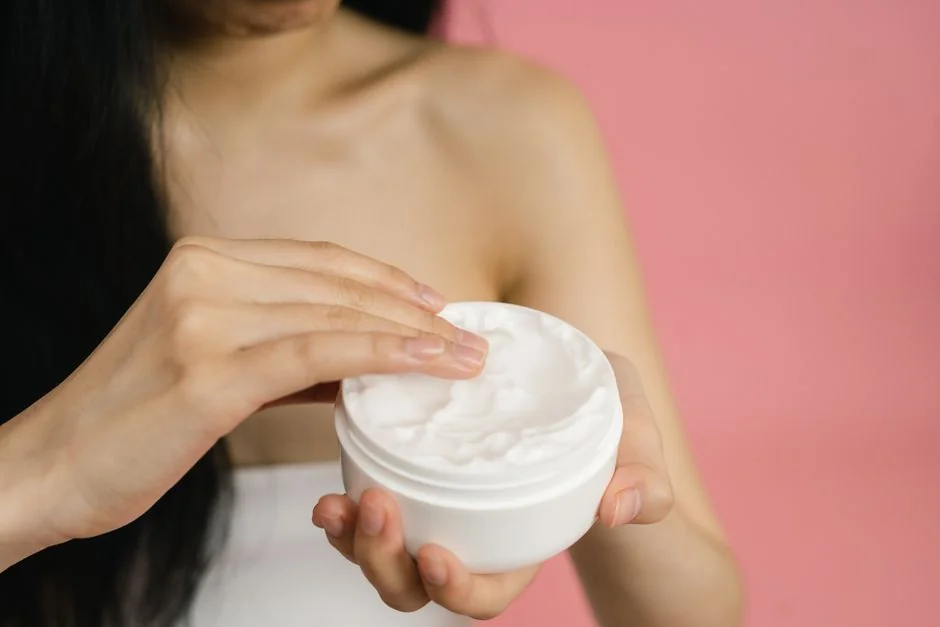
When humidity drops, the priority is to limit water loss from the skin. Choose a gentle cleanser that does not leave skin feeling “squeaky”, and use a cream-textured moisturiser straight after washing. Keep using sunscreen, because UV exposure continues through winter.
Spring: rinse off pollen
The dermatologist-supervised guidance mentioned above recommends washing pollen off after coming indoors. Clean the face gently with a lather rather than rubbing. It also suggests applying a lotion or cream after bathing and after washing in the morning. This moisturises the skin and may act as a barrier that stops pollen from touching the skin directly.
Summer: lighter layers, not fewer steps
The American Academy of Dermatology (AAD) recommends that people with oily skin cleanse up to twice daily and after sweating, and avoid scrubbing, because scrubbing irritates the skin. Blotting papers can absorb oil during the day. To help prevent heat rash, DermNet advises spending time in air-conditioned or well-ventilated spaces, wearing breathable fabrics and taking off damp clothing.
Reading Japanese sunscreen labels
Japanese sunscreens show both SPF (protection mainly against UVB, the rays that cause sunburn) and PA (protection against UVA, the rays linked to skin ageing). Under the Japan Cosmetic Industry Association’s standards, PA grades are based on a measured UVA protection factor (UVAPF):
- PA+: UVAPF of 2 or more but less than 4
- PA++: 4 or more but less than 8
- PA+++: 8 or more but less than 16
- PA++++: 16 or more
These are voluntary industry standards, but they are treated as the de facto standard in the Japanese market. The AAD recommends a sunscreen with an SPF of at least 30, which it states blocks 97% of UVB rays. It also advises reapplying about every two hours when outdoors, and after swimming or sweating.
What People Often Get Wrong About Skincare in Tokyo
Misconception 1: “In humid weather, oily skin doesn’t need moisturiser”
Many people stop moisturising in Tokyo’s summer because their skin already feels greasy. The AAD advises that even people with oily skin should apply moisturiser after cleansing to keep the skin hydrated. Switching to a lighter, oil-free texture is usually a better choice than skipping moisturiser altogether.
Misconception 2: “Cloudy, rainy days don’t need sunscreen”
Tokyo’s rainy season can bring weeks of grey skies, and many people put their sunscreen away. According to the AAD, up to 80% of the sun’s harmful UV rays can pass through clouds. Daily sunscreen on exposed skin is still recommended when you go outside, whatever the weather.
Professional Skin Support and Cost in Tokyo
A home routine is the foundation, but some people want an objective assessment or a prescription-strength plan. Results from any routine or treatment vary from person to person, and no approach can guarantee a specific outcome.
Skin analysis
VISIA is a camera-based skin analysis system. The clinic’s website says it assesses spots, texture, wrinkles, pores, redness and porphyrins (by-products of acne-causing bacteria), and gives an estimated skin age.
Photography takes about 10–15 minutes. The group’s price page lists it at ¥3,300. It is available when you also have a cosmetic dermatology (skincare) consultation or treatment. This is a service available at BIOTOPE CLINIC in Shirokanedai. Feel free to ask about it during a consultation with Dr. Karibe.
In-clinic treatments and physician-guided skincare
BIOTOPE CLINIC‘s cosmetic dermatology menu includes salicylic acid macrogol peels and laser toning.
Whether either is suitable depends on your skin type and concerns, and this is assessed at consultation. ZO Skin Health, a physician-dispensed skincare line, is listed on the group’s Kojimachi cosmetic dermatology page. At the time of writing, that page lists ¥11,000 for the initial consultation plus two follow-up visits. Individual products start from ¥6,160 for a cleanser, and the BS Sunscreen SPF50 is ¥12,320.
Prices can change. Please see the clinic’s official price page or contact us for a current quote. For an accurate quote, please book a consultation.
Have a question about this treatment?
Message us on LINE or WhatsApp — our English-speaking team usually replies the same day.
Who Should See a Doctor, and Where to Go in Tokyo
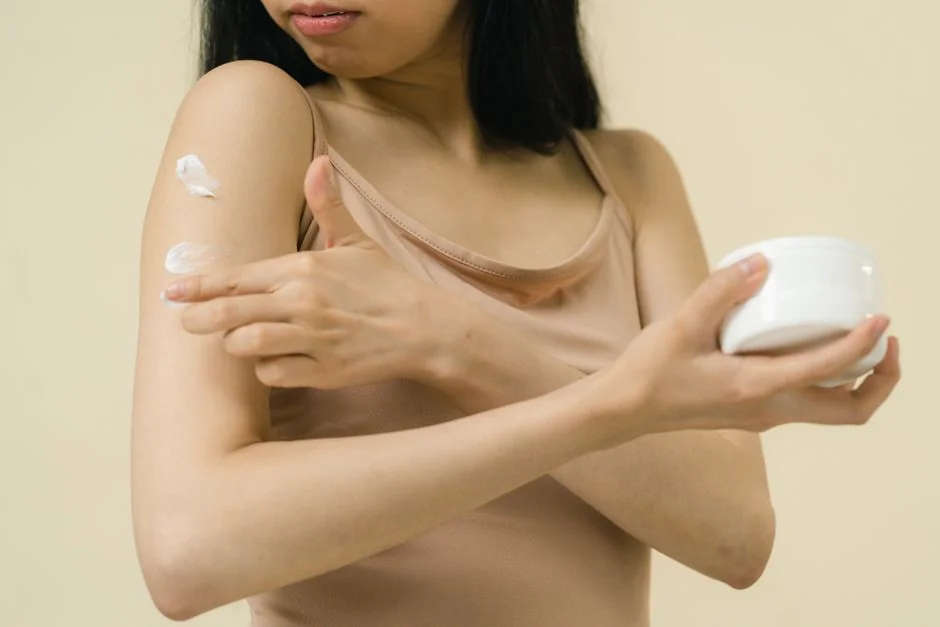
A self-managed routine suits most people with healthy skin who simply want to adjust to the seasons. Please see a doctor instead of trying more products if you have:
- A rash that spreads, blisters, weeps, or does not settle after you move to a cooler environment
- Persistent itching and redness around the eyes or on the neck during pollen season
- Eczema (atopic dermatitis) that flares with seasonal changes
- Acne that leaves marks or does not improve with gentle care
People with active eczema or very sensitive skin should talk to a doctor before starting exfoliating products or in-clinic peels.
DermNet notes that most heat rash clears within a day or two once the skin is kept cool. More severe cases may need medical treatment, such as topical steroids.
Within our clinic group, both BIOTOPE CLINIC (Shirokanedai, Minato-ku) and Kojimachi Dermatology & Plastic Surgery Clinic (Ichigaya, Chiyoda-ku) offer English-language consultation with Dr. Jun Karibe’s team. Cosmetic skincare consultations, skin analysis and in-clinic treatments are handled at BIOTOPE CLINIC in Shirokanedai. Insurance-covered care for weather-related skin conditions such as eczema, heat rash, acne and rashes is handled at Kojimachi Dermatology & Plastic Surgery Clinic in Ichigaya. Bookings and enquiries in English: LINE or WhatsApp.
Frequently Asked Questions
- Q. Do I really need a different routine in Tokyo’s summer and winter?
- Official climate data show Tokyo’s average humidity ranges from about 51% in January to 76% in July, so many people find one routine does not suit the whole year. Most people only need to change the texture of their moisturiser and how often they cleanse, not replace their whole routine.
- Q. Is Tokyo’s air pollution bad for my skin?
- Tokyo met the national PM2.5 standard at every monitoring station in fiscal year 2024. Research from other countries suggests that long-term exposure to traffic-related particles may be linked to more pigment spots. Gentle cleansing each evening and daily sun protection are simple precautions.
- Q. What does PA++++ mean on a Japanese sunscreen?
- PA shows UVA protection. PA++++ is the highest grade under the Japan Cosmetic Industry Association standards and means a measured UVA protection factor of 16 or more. The SPF value, which reflects mainly UVB protection, is always shown alongside it.
- Q. Can I see a dermatologist in English in Tokyo?
- Yes. Both clinics in the group offer English-language consultation. Cosmetic skincare concerns are seen at BIOTOPE CLINIC in Shirokanedai, and insurance-covered skin conditions at Kojimachi Dermatology & Plastic Surgery Clinic in Ichigaya.
Have a question about this treatment?
Message us on LINE or WhatsApp — our English-speaking team usually replies the same day.
Summary
Tokyo’s climate changes from dry winters to humid summers, and your skincare should change with it. Keep a steady core of gentle cleansing, moisturiser and daily sunscreen. Use richer textures in winter, rinse off pollen in spring, and switch to lighter layers and more frequent cleansing in summer. If a rash, flare or breakout does not settle, see a doctor rather than adding more products.
If you have questions about skincare for Tokyo’s weather, both BIOTOPE CLINIC (Shirokanedai, Minato-ku) and Kojimachi Dermatology & Plastic Surgery Clinic (Ichigaya, Chiyoda-ku) offer English-language consultation with Dr. Karibe and his team. Cosmetic skincare consultations are primarily handled at BIOTOPE CLINIC, and insurance-covered treatment of weather-related skin conditions is handled at Kojimachi Dermatology & Plastic Surgery Clinic. English enquiries: LINE or WhatsApp.
24/7 Consultation & Booking
Book a Consultation or Treatment
Our English-speaking team responds via LINE or WhatsApp — usually the same day.
References
- Vierkötter A, Schikowski T, Ranft U, Sugiri D, Matsui M, Krämer U, Krutmann J. Airborne particle exposure and extrinsic skin aging. Journal of Investigative Dermatology. 2010;130(12):2719–2726.
- Egawa M, Oguri M, Kuwahara T, Takahashi M. Effect of exposure of human skin to a dry environment. Skin Research and Technology. 2002;8:212–218.
- Goad N, Gawkrodger DJ. Ambient humidity and the skin: the impact of air humidity in healthy and diseased states. Journal of the European Academy of Dermatology and Venereology. 2016;30:1285–1294.
- Japan Meteorological Agency. Tables of Climatological Normals (1991–2020). https://www.data.jma.go.jp/stats/data/en/normal/normal.html
- Japan Cosmetic Industry Association, Technical Committee. JCIA Standards and Related Notifications for Sun Protection Factor (SPF), UVA Protection Grade (PA) and Water Resistance for UV Protection. 2022. https://www.jcia.org/en/common/download/top/jcia-notifications-spf-pa.pdf
Related Articles
You may also find these articles useful.
- Japanese Sunscreen Guide: SPF and PA Ratings Explained
- Sensitive Skin Care Tokyo: English-Speaking Dermatologist
- Melasma Treatment in Tokyo: Causes and Real Solutions
- Eczema Treatment Tokyo: Options for Foreigners
- Rosacea Treatment Tokyo Clinic Guide for English Speakers
SUPERVISED BY
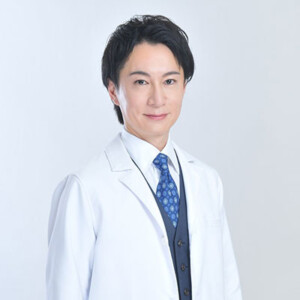
Dr. Jun Karibe
MD
Director
Education & Career
Certifications
Awards
MEDICAL REVIEW