Beauty Clinic in Tokyo: Your English Consultation Guide
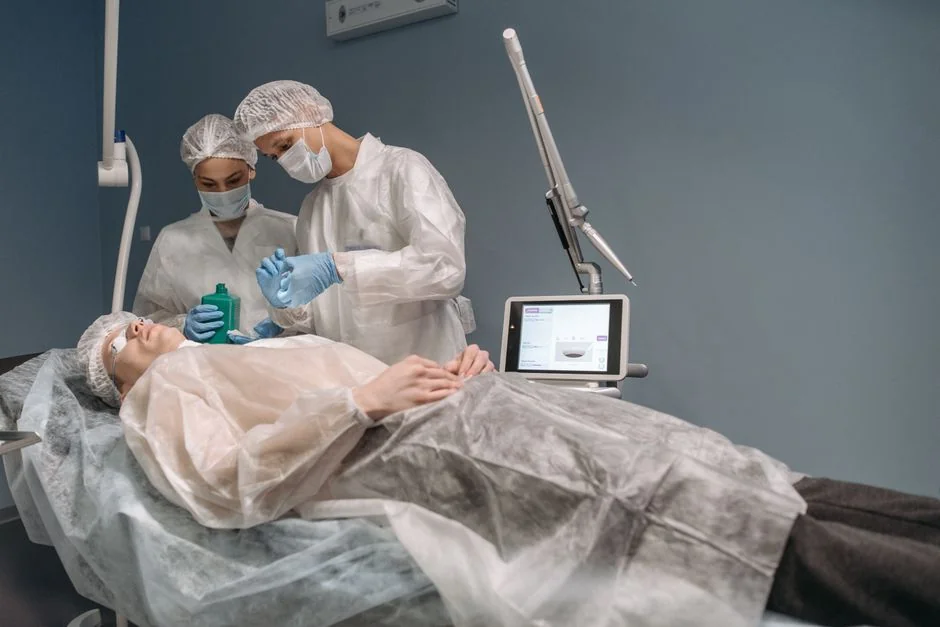
Navigating healthcare in a foreign language is stressful — and when the treatment you are considering involves your appearance or skin health, the stakes feel even higher.
Whether you are an expatriate living in Tokyo, a visitor from overseas, or a medical tourist exploring your options in Japan, finding a clinic where a qualified doctor will actually speak with you in English can be genuinely difficult.
This guide explains how the process works at an English-friendly beauty clinic in Tokyo: what kinds of treatments are available, what to expect during a consultation, how much things cost, and how to book without language barriers getting in the way.
What you’ll learn in this article:
- How to find a qualified, English-speaking doctor for cosmetic and skin treatments in Tokyo
- What treatments are typically available at a beauty clinic in Japan — from non-surgical to surgical
- Realistic cost ranges for popular procedures in Tokyo
- What happens during an English-language consultation, and how to prepare
- Which clinic in Tokyo handles English consultations and how to book
Have a question about this treatment?
Message us on LINE or WhatsApp — our English-speaking team usually replies the same day.
Why Finding an English-Speaking Beauty Clinic in Tokyo Is Harder Than It Should Be
Japan has one of the most advanced cosmetic medicine markets in the world, yet relatively few clinics outside major international hospitals offer consultations with English-speaking doctors.
Front-desk staff at many clinics can manage basic administrative English, but a genuine medical consultation — discussing your skin concerns, medical history, treatment options, and risks — requires a doctor who can communicate fluently.
The consequences of a language gap in a cosmetic or medical context are not trivial. Misunderstood contraindications, unclear aftercare instructions, or unmet expectations are all more likely when communication is patchy.
For English-speaking patients, finding a clinic that bridges this gap properly is therefore a practical medical safety concern, not merely a convenience.
In Dr. Karibe’s clinical experience at BIOTOPE CLINIC in Shirokanedai, a significant proportion of international patients arrive having already visited another clinic where they felt they could not ask questions freely. Many describe feeling uncertain about what they had agreed to, simply because the consultation was conducted through rushed translation or written notes rather than genuine dialogue.
What a Beauty Clinic in Tokyo Can Offer: Treatment Categories Explained
The term “beauty clinic” (美容クリニック) in Japan encompasses a wide range of services, from non-invasive skin treatments to full surgical procedures. Understanding the broad categories helps patients identify what they actually need before booking.
Non-Surgical Skin Treatments
This category includes energy-based devices such as HIFU (High-Intensity Focused Ultrasound), which targets deep tissue layers to lift and tighten without incisions, and RF microneedling devices that stimulate collagen remodelling. Laser treatments address pigmentation, acne scarring, enlarged pores, and skin tone. At BIOTOPE CLINIC, options in this space include HIFU (¥25,000–¥110,000 depending on area and number of shots), PicoWay pico laser (¥11,000–¥98,000), CO2 fractional laser (¥11,000–¥66,000), and Dermapen (¥9,800–¥220,000).
Injectables — Botox and hyaluronic acid fillers — remain among the most requested treatments globally.
Botox using Allergan (a widely recognised brand) is priced at ¥22,000–¥148,000 depending on the area and units used; hyaluronic acid filler runs ¥66,000–¥88,000 per syringe. Fat-dissolving injections and JUVELOOK (a poly-L-lactic acid-based biorevitaliser) are also offered.
Surgical Procedures
Board-certified plastic surgeons in Japan perform a full range of facial and body procedures.
At BIOTOPE CLINIC, Dr. Jun Karibe — certified by the Japan Society of Plastic and Reconstructive Surgery — personally performs procedures including transconjunctival blepharoplasty (under-eye fat removal, ¥280,000–¥428,000), double eyelid surgery (suture method, from ¥66,000), thread lifts (Tesslift, ¥48,000 per thread), rhinoplasty with cartilage graft (¥572,000), and liposuction of the cheek and jawline (¥280,000 per area). Surgical consultations with Dr. Karibe are ¥2,200.
Preventive Medicine and Wellness
A growing number of cosmetic clinics in Tokyo also offer evidence-informed wellness services. These include IV drip therapy (vitamin C, glutathione), NMN supplementation, nutritional (orthomolecular) therapy, genetic testing, and gut microbiome analysis. These are available at BIOTOPE CLINIC and can be discussed during a consultation.
Men’s Health
BIOTOPE CLINIC also provides men’s health services, including treatment for erectile dysfunction (ED) via PDE5 inhibitors (sildenafil/tadalafil) and, for patients who do not respond to oral therapy, Intracavernosal Injection (ICI) therapy using Trimix or Bimix under physician guidance. This remains a discreet area for many patients, and the availability of English consultation means concerns can be discussed fully.
Realistic Cost Ranges for Popular Treatments in Tokyo
Prices at beauty clinics in Tokyo vary considerably depending on the clinic’s credentials, the doctor’s qualifications, and the technology used. The figures below reflect BIOTOPE CLINIC’s published pricing and provide a reasonable orientation for international patients planning a visit.
| Treatment | Price Range (JPY) | Notes |
|---|---|---|
| Initial consultation | ¥3,300 | Dr. Karibe surgical consultation: ¥2,200 |
| Botox (Allergan) | ¥22,000–¥148,000 | Varies by area and number of units |
| Hyaluronic acid filler | ¥66,000–¥88,000 per syringe | Additional syringes billed separately |
| HIFU (skin lifting) | ¥25,000–¥110,000 | Depends on area and shot count |
| CO2 fractional laser | ¥11,000–¥66,000 | Acne scars, enlarged pores |
| PicoWay laser | ¥11,000–¥98,000 | Pigmentation, tattoo removal |
| Thread lift (Tesslift) | ¥48,000 per thread | Number of threads varies per plan |
| Double eyelid surgery (suture) | ¥66,000–¥341,000 | 2-point to 6-point methods |
| Transconjunctival blepharoplasty | ¥280,000–¥428,000 | Plus anaesthesia and pre-op blood work |
| Rhinoplasty with cartilage graft | ¥572,000 | Plus anaesthesia and pre-op blood work |
Note: Surgical procedures require additional anaesthesia fees (¥2,200–¥77,000) and pre-operative blood work (¥11,000). For an accurate quote, we recommend booking a consultation.
Have a question about this treatment?
Message us on LINE or WhatsApp — our English-speaking team usually replies the same day.
What Happens During an English-Language Consultation
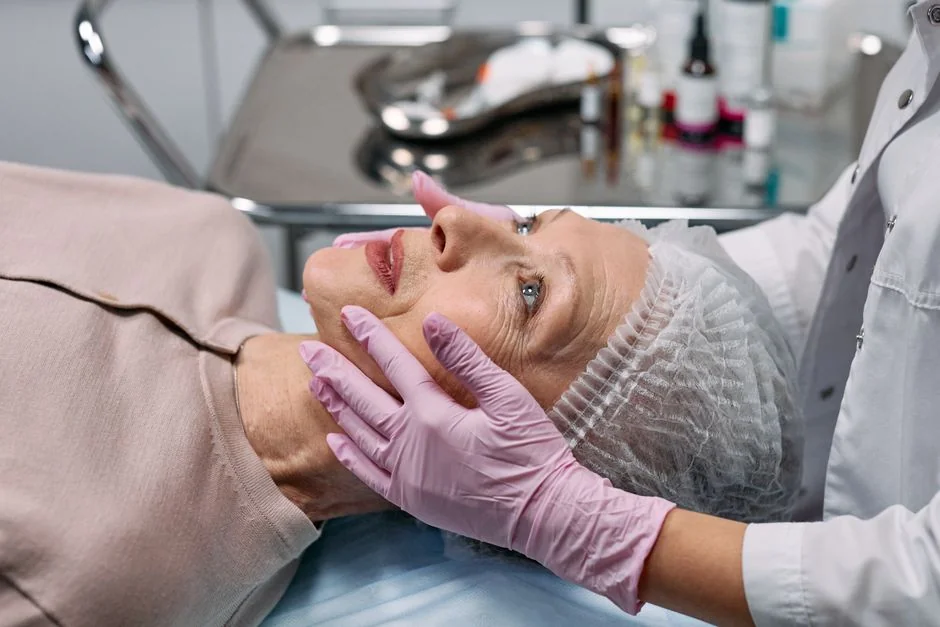
For many international patients, the consultation itself is the most anxious part of the process. Knowing what to expect can help reduce that anxiety considerably.
Before Your Appointment
Patients are encouraged to prepare a brief summary of their medical history, including any medications, known allergies, previous surgeries, and current skin concerns. If you have photographs from other clinics or previous treatment records, bringing them can be helpful. For surgical consultations, pre-operative blood work (¥11,000) will be arranged in advance or on the day.
During the Consultation
At BIOTOPE CLINIC, consultations with Dr. Karibe are conducted directly in English. Dr. Karibe will examine the relevant area, discuss your goals and concerns, explain the treatment options he considers appropriate, and walk through the expected outcomes, risks, and recovery. There is no obligation to proceed with any treatment following a consultation. Patients are actively encouraged to ask questions.
After Your Consultation
Following the consultation, patients receive a written treatment plan or a record of what was discussed. For non-surgical treatments, many can be performed on the same day if the patient wishes and there are no contraindications. Surgical procedures require scheduling and pre-operative steps. Aftercare instructions are provided in English.
Dr. Karibe’s Note
Many of our international patients tell me that they expected the consultation to feel rushed — a common experience at high-volume clinics.
In reality, a proper consultation should take as long as it takes. If a patient is considering a surgical procedure, I will often spend time explaining not only the technique itself but also what an ideal outcome realistically looks like for that individual, because expectations that are grounded in anatomy tend to lead to much greater long-term satisfaction than expectations shaped by filtered photographs.
Common Misconceptions About Beauty Clinics in Japan
Misconception 1: “Japanese beauty clinics only cater to Japanese facial features.”
This is a widespread assumption among overseas visitors, and it is simply not accurate. Board-certified plastic surgeons in Japan are trained in reconstructive and aesthetic surgery across diverse patient populations.
At BIOTOPE CLINIC, Dr. Karibe regularly treats patients from Europe, North America, the Middle East, and across Asia, tailoring plans to individual anatomy rather than applying a standardised aesthetic formula.
Clinical studies in aesthetic medicine consistently emphasise that outcome satisfaction is higher when treatment is individualised — a principle that applies regardless of a patient’s background.
Misconception 2: “Non-surgical treatments in Japan are weaker or more conservative than in other countries.”
In fact, Japan has been an early adopter of several energy-based technologies, and device protocols are governed by the same clinical evidence used internationally. The perception of conservatism sometimes arises from the fact that Japanese aesthetic medicine tends to favour natural-looking results — but that reflects a clinical philosophy, not a technological limitation. Studies suggest that patient satisfaction with non-surgical facial rejuvenation correlates more strongly with the treating physician’s assessment skills than with device specifications alone.
Where to Get an English-Speaking Beauty Clinic Consultation in Tokyo
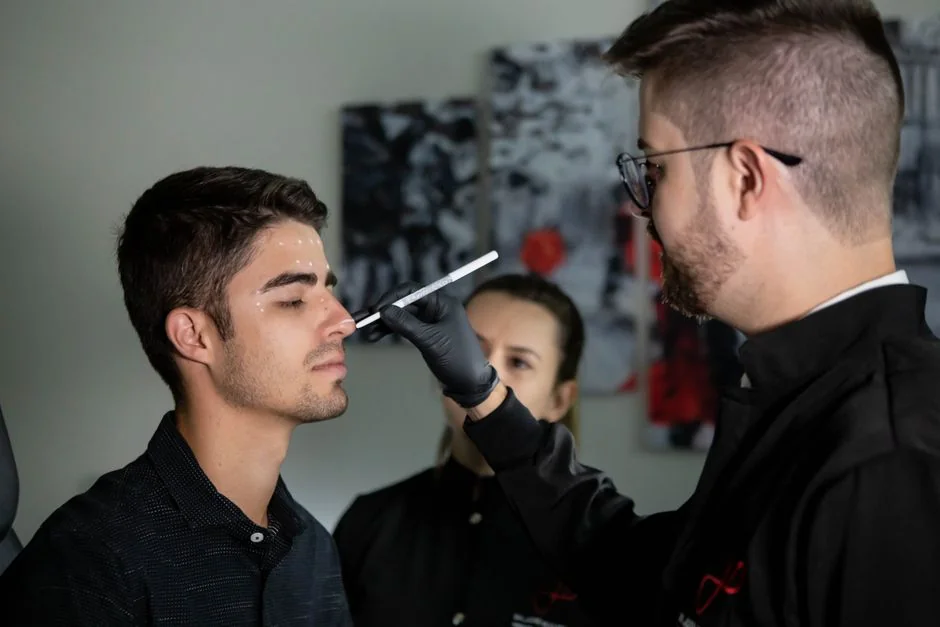
Within our clinic group, English-speaking consultations are handled at BIOTOPE CLINIC in Shirokanedai (Minato-ku, Tokyo) by Dr. Jun Karibe. Our sister clinic, Kojimachi Dermatology and Plastic Surgery Clinic in Ichigaya (Chiyoda-ku), serves as the group’s main office and handles Japanese-language insurance-covered dermatology. Bookings and enquiries in English: LINE or WhatsApp.
BIOTOPE CLINIC is the appropriate destination for all English-speaking patients seeking cosmetic consultations, whether the concern relates to injectables, laser treatments, energy devices, surgical procedures, men’s health, or preventive wellness.
Kojimachi Dermatology and Plastic Surgery Clinic handles insurance dermatology in Japanese and is a trusted sister clinic within the same medical group — but does not currently offer English-speaking doctor consultations.
At BIOTOPE CLINIC in Shirokanedai, we frequently see patients who have researched their treatment extensively online but have never had the opportunity to ask a qualified physician their specific questions in English. That initial conversation — even if the patient ultimately decides not to proceed — is consistently described as one of the most useful steps in the decision-making process.
Frequently Asked Questions
- Q. Do I need to speak Japanese to have a consultation at a beauty clinic in Tokyo?
- At most clinics, yes — Japanese language proficiency is assumed. However, at BIOTOPE CLINIC in Shirokanedai, Dr. Jun Karibe conducts consultations in English, and the clinic’s support team handles English enquiries via LINE and WhatsApp. No Japanese language ability is required to book or attend.
- Q. Are cosmetic treatments at Japanese clinics covered by Japanese health insurance?
- Cosmetic procedures are almost universally self-funded (cosmetic self-pay) in Japan and are not covered by the national health insurance system. Some medically necessary procedures — such as ptosis correction under certain criteria — may qualify for insurance coverage, but this is assessed case by case. The sister clinic Kojimachi Dermatology and Plastic Surgery Clinic handles insurance-covered dermatology in Japanese.
- Q. How far in advance do I need to book?
- For non-surgical treatments, same-week appointments are often possible depending on availability. Surgical consultations and procedures typically require more lead time, particularly for pre-operative blood work and scheduling. International patients or medical tourists with a fixed departure date are advised to enquire as early as possible.
- Q. Is it safe to have a cosmetic procedure done in Japan as a tourist?
- Japan maintains stringent medical standards, and procedures performed by board-certified specialists carry the same safety framework as in comparable healthcare systems. The key practical consideration for visitors is aftercare: some treatments — particularly surgical ones — require follow-up appointments, and patients should factor travel timing accordingly. During a consultation, Dr. Karibe can advise on which treatments are appropriate for patients with limited time in Tokyo.
- Q. What is the difference between a plastic surgeon and a cosmetic dermatologist?
- A plastic surgeon (形成外科医) has specific surgical training in reconstructive and aesthetic surgery, including surgical procedures on the face and body. A cosmetic dermatologist typically focuses on non-surgical skin treatments, injectables, and laser procedures. Dr. Karibe is board-certified by the Japan Society of Plastic and Reconstructive Surgery, meaning he is qualified across both surgical and non-surgical domains — an important distinction when a patient’s needs may span both categories.
Have a question about this treatment?
Message us on LINE or WhatsApp — our English-speaking team usually replies the same day.
Summary
Finding a beauty clinic in Tokyo that can genuinely accommodate English-speaking patients — not just at the reception desk but during the medical consultation itself — requires some prior research. The treatments available at Tokyo beauty clinics are technically sophisticated and governed by legitimate medical standards; the barrier for most international patients is simply communication and navigation, not quality of care.
For patients considering any cosmetic treatment, the single most valuable step is a properly conducted consultation with a qualified doctor who can review your individual situation, explain realistic outcomes, and give you the opportunity to ask everything you need to ask before making a decision.
If you have questions about finding an English-speaking beauty clinic in Tokyo, English-speaking consultations are handled at BIOTOPE CLINIC in Shirokanedai (Minato-ku, Tokyo) by Dr. Karibe. Our sister clinic Kojimachi Dermatology and Plastic Surgery Clinic in Ichigaya (Chiyoda-ku) handles Japanese-language insurance dermatology. English enquiries: LINE or WhatsApp.
24/7 Consultation & Booking
Book a Consultation or Treatment
Our English-speaking team responds via LINE or WhatsApp — usually the same day.
References
- Alam M, Tung R. Injection technique in neurotoxins and fillers: planning and basic technique. Journal of the American Academy of Dermatology. 2018.
- Ogilvie P, Safa M, Tödtmann N, et al. Efficacy and patient-reported outcomes of hyaluronic acid filler treatments in aesthetic medicine: a systematic review. Journal of Cosmetic Dermatology. 2020.
- Alster TS, Tanzi EL. Noninvasive lifting of arm, thigh, and knee skin with transcutaneous intense focused ultrasound. Dermatologic Surgery. 2012.
- Dierickx CC, Hammes S, Bjerring P. Clinical evidence for the safety and efficacy of picosecond lasers in the treatment of benign pigmented lesions: a systematic review. Lasers in Surgery and Medicine. 2021.
- Sadick N, Rothaus KO. Aesthetic applications of radiofrequency devices. Clinics in Plastic Surgery. 2016.
Related Articles
You may also find these articles useful.
- English Speaking Dermatologist Tokyo: Complete Guide
- English Speaking Plastic Surgeon Tokyo: Complete Guide
- Non-Surgical Facelift Tokyo: Embrace RF for 40s & 50s
SUPERVISED BY
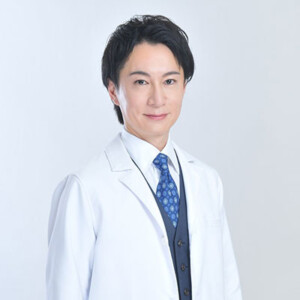
Dr. Jun Karibe
MD
Director
Education & Career
Certifications
Awards
MEDICAL REVIEW