What Is Lip Artmake?
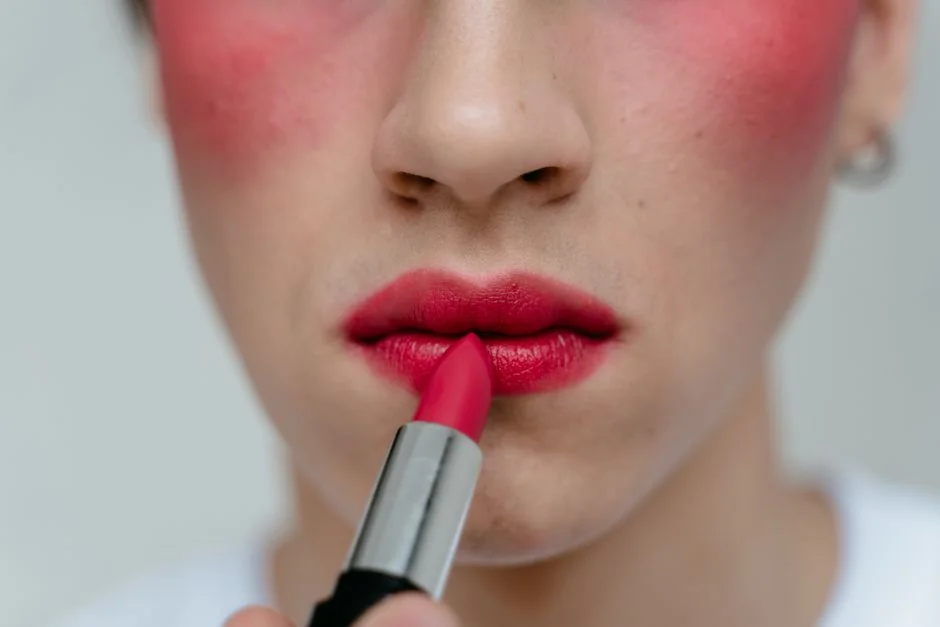
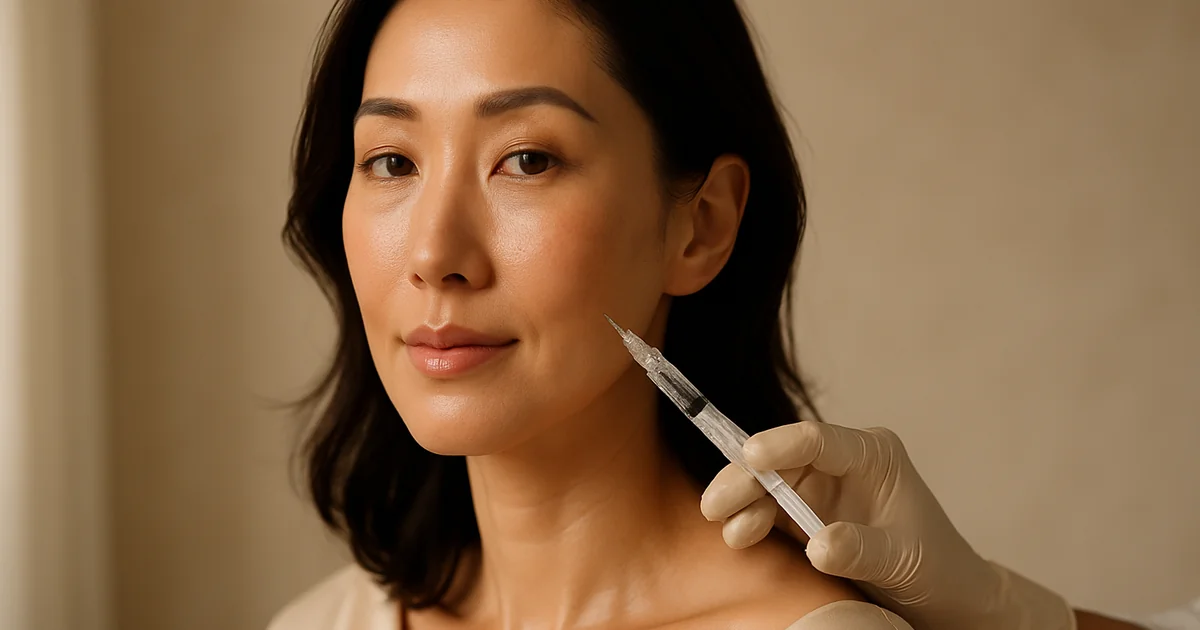
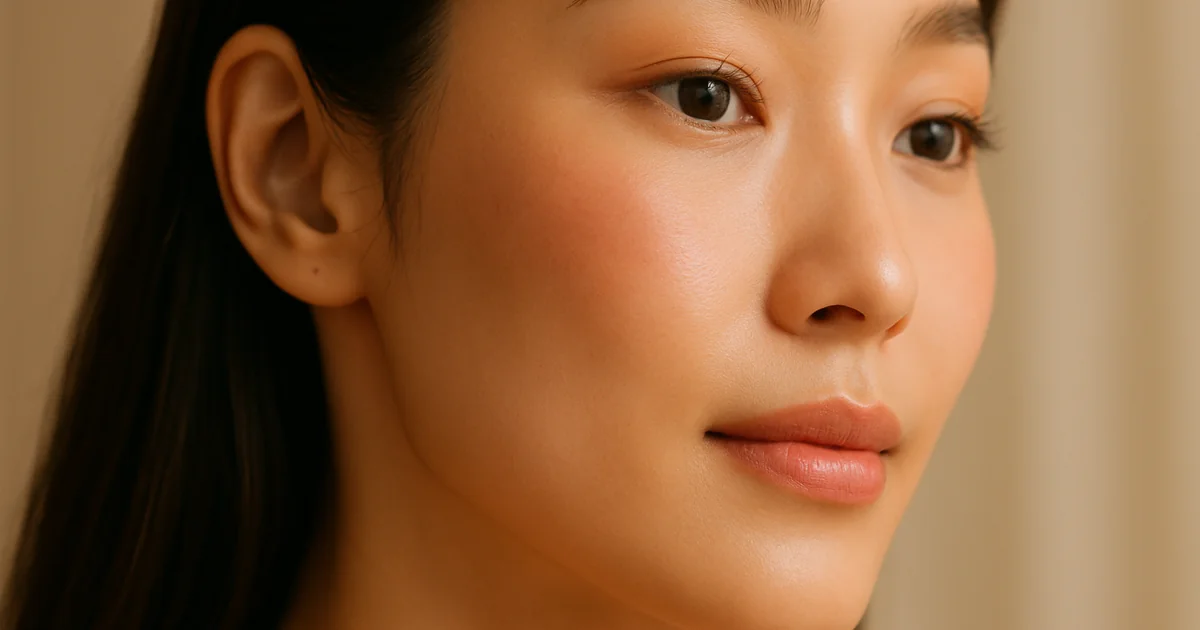
Lip artmake — also referred to as lip blushing or lip permanent makeup (PMU) — is a cosmetic procedure in which a fine-tipped needle device deposits medical-grade pigment into the upper layer of the dermis, the skin layer just beneath the outer surface. The result is semi-permanent: the colour is visible for approximately one to three years before fading gradually, at which point a maintenance session can refresh it.
The procedure can define the lip border, correct mild asymmetry, add or restore colour lost through ageing, and reduce the daily application of lip liner or lipstick. Unlike cosmetic surgery, no incisions are made and no tissue is altered; only pigment is introduced beneath the skin surface.
How Lip Artmake Works
The Procedure
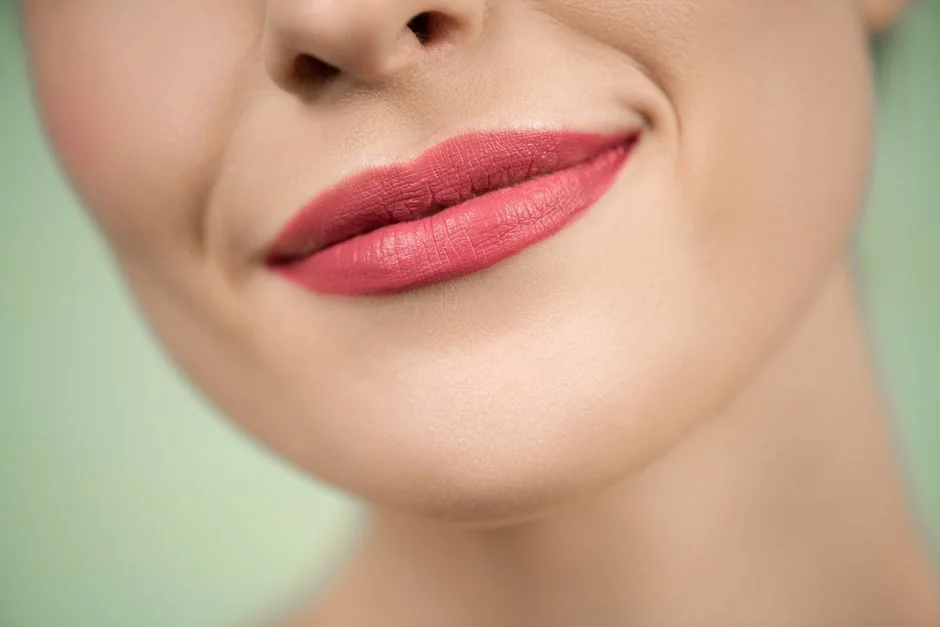
A topical anaesthetic cream is applied to the lip area for 20–30 minutes before treatment begins. The practitioner then uses a digital PMU device — a pen-shaped handpiece fitted with a sterile, single-use needle cartridge — to implant pigment in small, precise passes across the lips. A full-lip session typically takes 90 minutes to two and a half hours from start to finish.
Almost all practitioners recommend a two-session approach: an initial treatment followed by a touch-up six to eight weeks later, once the lip tissue has healed completely and the settled colour is visible. The follow-up session allows the practitioner to refine shape, correct any patchiness, and deepen areas where retention was lighter.
Colour Selection
Pigment selection is arguably the most consequential decision in the entire process. A few principles guide a well-conducted consultation:
- Skin undertone: Warm (yellow or olive) undertones generally suit peachy-nude, terracotta, or warm rose shades; cool (pink or blue) undertones pair well with true rose and berry tones.
- Natural lip colour: Existing lip pigment blends with the applied colour during healing. Deeper natural lips require careful pigment selection to avoid an unexpected finish.
- Post-healing shift: Immediately after treatment, colour appears 40–60% more saturated than the final healed result. A qualified practitioner factors this into selection and will demonstrate a colour swatch in context.
- Fading behaviour: Lighter, natural shades fade more evenly and tend to look softer over time; darker shades may require closer attention at the maintenance stage.
Artmake, Microblading, and Traditional Tattoo: A Comparison
| Feature | Lip Artmake | Microblading (brows) | Traditional Body Tattoo |
|---|---|---|---|
| Pigment placement | Upper dermis | Upper dermis | Deep dermis / subcutaneous layer |
| Pigment type | Iron-oxide / organic cosmetic pigment | Iron-oxide / organic cosmetic pigment | Carbon or heavy-metal ink |
| Longevity | 1–3 years | 1–2 years | Lifelong (minimal fading) |
| Surface healing | ~1 week | ~1 week | 2–4 weeks |
| Full tissue healing | 4–6 weeks | 4–6 weeks | Up to 8 weeks |
| Follow-up session | Recommended at 6–8 weeks | Recommended at 6–8 weeks | Not required |
Note: microblading is a brow-specific technique and appears here only for comparison with lip artmake and body tattooing.
What Does Lip Artmake Cost in Tokyo?
Lip artmake in Tokyo is offered across a range of provider types, from specialist beauty studios to physician-led medical clinics. Based on publicly available pricing from Tokyo providers as of 2026, single-session fees generally fall in the range of approximately ¥70,000 to ¥160,000. Two-session packages — which most practitioners recommend for complete results — are typically priced from around ¥100,000 to ¥200,000.
Procedures performed at physician-led medical clinics tend to sit toward the upper end of that range, reflecting the medical oversight, prescription-strength anaesthesia, sterile environment, and aftercare support involved. Ongoing maintenance sessions, taken once the initial result has begun to fade after one to two years, are typically priced lower than the initial course.
For the current fees at BIOTOPE CLINIC, please see the BIOTOPE CLINIC official price page or contact our English-speaking team via LINE or WhatsApp for an up-to-date quote. Pricing is confirmed at consultation.
Have a question about this treatment?
Message us on LINE or WhatsApp — our English-speaking team usually replies the same day.
Healing and Aftercare: A Stage-by-Stage Guide
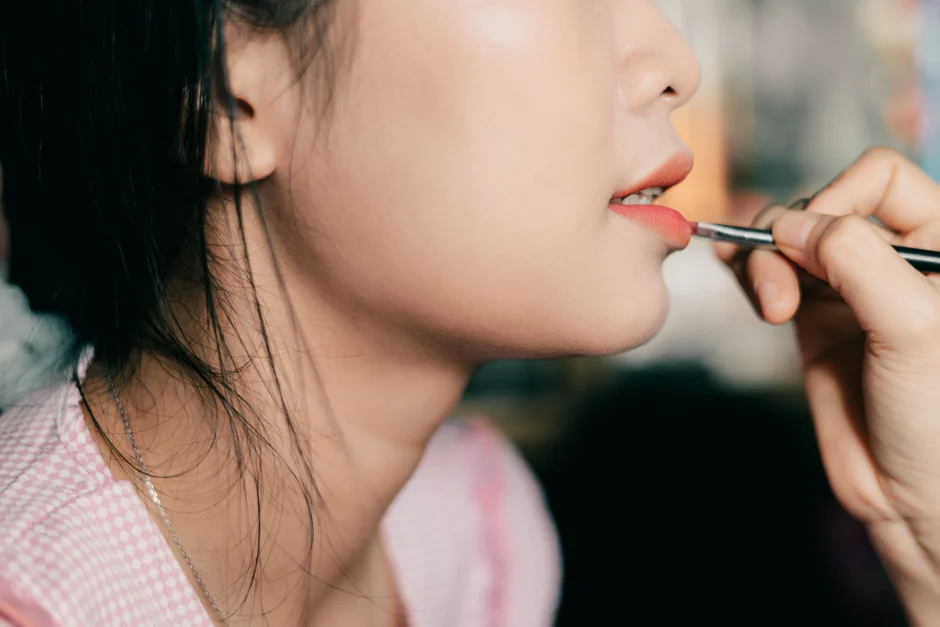
The outer surface of the lip heals within approximately one week, but the deeper tissue takes a full four to six weeks to stabilise completely. The following timeline reflects the typical healing experience; individual variation is normal.
Days 1–3: Swelling and Colour Intensity
Immediately after treatment, the lips appear noticeably darker and more saturated — typically 40–60% more intense than the intended final result. Mild swelling, tenderness, and tightness are expected and usually resolve within two to three days. Applying the provided healing ointment in thin layers throughout the day maintains moisture and supports pigment retention during this phase.
Days 4–10: Peeling and the Ghost Phase
A fine crust forms and begins to shed. It is essential not to pick or peel this skin manually — doing so can remove pigment and create uneven patches in the healed result. Once the crust sheds naturally, usually between days six and ten, the lips enter the ghost phase: the colour appears to have almost entirely disappeared, leaving the lips looking pale. This is a predictable, temporary stage; the pigment is present beneath the new skin layer and will become visible again as healing progresses.
Weeks 2–6: Colour Re-emergence and Stabilisation
Pigment gradually becomes visible through the maturing skin, growing richer and warmer each week. By weeks four to six, the colour settles into its final shade — typically softer and more natural than the immediate post-treatment appearance. Results should only be assessed after this full cycle is complete, at which point any remaining patchiness can be corrected at the follow-up session.
Core Aftercare Guidelines
- Apply healing ointment as directed for approximately two weeks.
- Keep lips away from swimming pools, saunas, and steam rooms for at least two weeks.
- Avoid spicy, salty, and acidic foods for the first 48–72 hours.
- Do not apply lipstick or other cosmetics to the healing area for two weeks.
- After full healing, use an SPF lip balm daily — UV exposure is the most significant factor in accelerating pigment fade.
Who Is a Good Candidate?
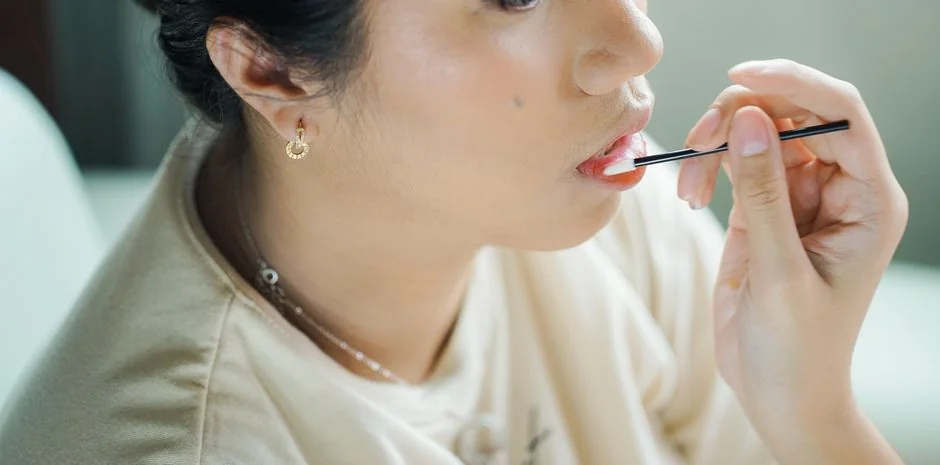
Lip artmake suits a wide range of adults who want to define, balance, or add colour to their lips — particularly those with naturally pale or uneven pigmentation, those whose lip border has become less defined with age, and anyone who applies lip colour daily and wishes to reduce that routine.
Certain conditions require caution or temporary postponement:
- HSV-1 (cold sore history): Approximately one in three clients has a history of cold sores. The needling trauma associated with lip artmake can trigger an HSV-1 outbreak in carriers. A physician can prescribe a short course of prophylactic antiviral medication to be taken in the days before and after the procedure. Non-carriers face no transmission risk, provided sterile single-use needles are used.
- Isotretinoin (Accutane): A six-month waiting period after stopping this medication is required before any cosmetic needling procedure.
- Anticoagulant medications: These increase bleeding during treatment and can impair pigment retention. Consult your prescribing doctor before booking.
- Pregnancy and breastfeeding: Contraindicated.
- Active skin conditions affecting the lips: Active herpes outbreak, eczema, psoriasis, or dermatitis in the lip area must resolve before treatment proceeds.
- Keloid tendency: Individuals with a history of keloid scarring carry an elevated risk of abnormal scar formation at the treatment site.
A thorough pre-treatment consultation at a physician-supervised clinic is the appropriate setting to review your individual health history and confirm suitability.
Common Misconceptions About Lip Artmake
Misconception: Lip artmake is permanent and will distort over time like a body tattoo
A body tattoo needle penetrates deep into the dermis or subcutaneous tissue, where pigment is encapsulated and remains stable for decades. Lip artmake deposits pigment in the upper dermis only — roughly one-third the depth — using iron-oxide-based or organic cosmetic pigments that the body gradually metabolises over one to three years. This means the colour fades softly rather than persisting indefinitely, and the colour shift or blurring commonly associated with ageing body tattoos does not occur in the same way with artmake, provided it is placed at the correct depth by a trained practitioner.
Misconception: If the colour disappears after one week, the treatment has not worked
The ghost phase — when the lips appear almost unpigmented five to ten days after treatment — is a predictable part of the healing cycle, not evidence of failure. The pigment is present beneath the new skin layer and will re-emerge progressively over weeks two to six. Evaluating the result before the four-to-six-week mark will almost always give a false impression of the final outcome; this is the single most common source of premature concern among first-time clients.
Where to Get Lip Artmake in Tokyo
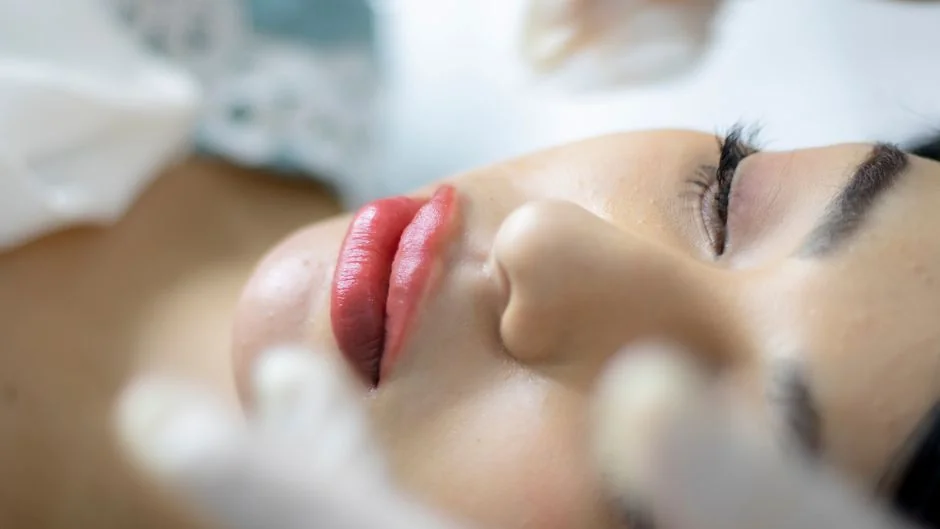
Within our clinic group, artmake is performed at BIOTOPE CLINIC in Shirokanedai (Minato-ku, Tokyo), directed by Dr. Jun Karibe, a board-certified plastic surgeon. Our English-speaking team covers both clinics and handles all English enquiries. The Kojimachi Dermatology & Plastic Surgery Clinic in Ichigaya (Chiyoda-ku) does not perform artmake; English enquiries received there are coordinated with BIOTOPE CLINIC without any extra step on the patient’s part.
Having lip artmake performed at a physician-supervised clinic means that contraindication screening, prescription-strength topical anaesthesia, and medical-grade sterile technique are all part of the standard process — factors that bear directly on both safety outcomes and the quality of the final result.
Frequently Asked Questions
- Q. How long does lip artmake last?
- Results typically last one to three years, depending on skin characteristics, sun exposure, and lifestyle factors including smoking and diet. Lip tissue is highly vascular and subject to constant movement and moisture exposure, which means pigment in this area fades more quickly than in the brow region. A maintenance session every one to two years keeps the result looking fresh.
- Q. Is the procedure painful?
- Topical anaesthetic cream applied before and during treatment makes the procedure manageable for most people, though sensitivity varies. Lips are generally more sensitive than the brow area due to the density of nerve endings. Mild soreness and tenderness for one to two days after treatment are normal and expected.
- Q. What if I have a history of cold sores?
- A history of cold sores (HSV-1) does not automatically prevent you from having lip artmake, but it does require medical management. A physician can prescribe a prophylactic course of antiviral medication to be started in the days before treatment and continued briefly afterward. Always disclose your history at the consultation stage so the appropriate steps can be arranged.
- Q. How soon can I wear lipstick after treatment?
- Most practitioners advise waiting a minimum of two weeks before applying any cosmetics to the healing area. Applying lip products before the surface has fully closed can introduce bacteria and interfere with pigment retention. The prescribed healing ointment is the only product that should contact the lips during the first two weeks.
Have a question about this treatment?
Message us on LINE or WhatsApp — our English-speaking team usually replies the same day.
Summary
Lip artmake is a well-established semi-permanent procedure that can meaningfully improve lip definition, correct unevenness, and reduce daily makeup time. Realistic results depend on three connected factors: selecting the right colour in consultation with a qualified practitioner, following the aftercare protocol carefully through the full four-to-six-week healing cycle, and returning for the follow-up session to refine the outcome.
A thorough consultation — particularly regarding HSV-1 history, current medications, and skin condition — is essential before proceeding. For English-speaking patients in Tokyo, BIOTOPE CLINIC in Shirokanedai is the artmake location within the Kojimachi Clinic group. Contact our English-speaking team via LINE or WhatsApp to arrange a consultation.
24/7 Consultation & Booking
Book a Consultation or Treatment
Our English-speaking team responds via LINE or WhatsApp — usually the same day.
References
- Anna Zur. Lip Blush Healing: Day-by-Day Guide, Colour Sets in 4–6 Weeks. annazur.com. 2024.
- Minnesota Brow Lash & Medspa Academy. Lip Blushing and Lip PMU Healing: Achieving Perfect, Long-Lasting Results. mnbrowlashacademy.com. 2024.
- Pretty Please Studio. Cold Sores, Herpes (HSV-1) for Lip Permanent Makeup Procedures. prettypleasestudio.com. 2023.
- Anna Zur. Lip Blushing Risks & Safety. annazur.com. 2024.
- Quantum PMU Colors. What Is the Difference Between Permanent Makeup and Classic Tattooing? quantumpmucolors.com. 2023.
Related Articles
You may also find these articles useful.
- Eyebrow Artmake Tokyo: Cost, Procedure & Clinic Guide
- Artmake Aftercare Guide: Healing Timeline & What to Avoid
- Artmake vs Microblading vs Tattoo: Differences in Tokyo
- Eyeliner Artmake Tokyo: Safety, Technique & Expected Results
- Lip Filler Tokyo: Cost, Treatment & Clinic Guide
SUPERVISED BY
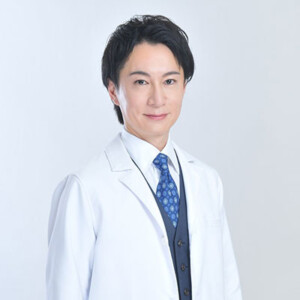
Dr. Jun Karibe
MD
Director
Education & Career
Certifications
Awards
MEDICAL REVIEW