“I heard tranexamic acid works for melasma.”
“Should I choose a serum or an oral tablet?”
“I want to address dark spots and dullness through my daily skincare.”
Tranexamic acid is a compound long used in medical practice to control bleeding and to calm inflammation-related symptoms. In aesthetic medicine, oral, topical, and injectable forms have all been studied for pigment-related conditions, most notably melasma.
However, a tranexamic acid serum will not fade every kind of dark spot. What people describe as “a spot” can be melasma, solar lentigines (age spots), freckles, post-inflammatory hyperpigmentation, or acquired dermal melanocytosis. Each responds to different treatments.
Topical tranexamic acid has a growing body of evidence, but it does not replace the melasma treatments performed at a medical clinic.
This article explains what topical tranexamic acid is thought to do, how it differs from the oral form, its current position in melasma care based on the latest research, and points to watch for when using it. It was reviewed with input from Dr. Jun Karibe, MD, board-certified plastic surgeon and director of BIOTOPE CLINIC (Shirokanedai, Tokyo).
A Japanese Medical Legacy: From Dr. Utako Okamoto to Modern Skincare
Tranexamic acid was discovered in 1962 by Dr. Utako Okamoto (1918–2016), a Japanese female physician-scientist who set out to reduce deaths from postpartum hemorrhage. The molecule was later approved in Japan as a hemostatic and anti-inflammatory oral medication and, decades on, was reframed by dermatologists as one of the most reliable topical brightening actives for melasma.
For international readers specifically looking for Japanese doctor-developed cosmetics or a Tokyo dermatologist-formulated serum, tranexamic acid sits in a small category with genuine domestic clinical heritage — a molecule invented in Japan, refined in Japanese dermatology practice, and now formulated at treatment-grade concentration by a Tokyo clinic.
What Is Tranexamic Acid?
Tranexamic acid is a synthetic compound derived from the amino acid lysine. It has an antifibrinolytic action: it blocks plasminogen from being activated into plasmin.
As a prescription drug, it is used to reduce bleeding and to relieve inflammation-related symptoms such as the redness, swelling and itch of eczema and urticaria, as well as pharyngitis and stomatitis.
When skin is exposed to ultraviolet light and other stimuli, epidermal cells release signals that stimulate melanin production. By inhibiting plasmin, tranexamic acid may act on this signaling pathway and reduce excess melanin formation.
Importantly, tranexamic acid does not bleach melanin that is already in the skin. It works upstream, on the process by which melanin is produced.
Why Tranexamic Acid Is Used for Melasma

Melasma is a light-to-medium brown pigmentation that typically appears symmetrically on the cheekbones, forehead, and around the mouth. Ultraviolet light, female sex hormones, genetic predisposition, friction, and inflammation are all thought to contribute.
Melasma can look similar to age spots (solar lentigines), but it can worsen with strong laser exposure or daily rubbing. That is why melasma care emphasizes not only melanin control but also sun avoidance, minimizing friction, and reducing overall skin irritation.
Tranexamic acid is being studied for its ability to act on several melasma-related pathways at once: the plasmin cascade, inflammatory signaling, and vascular components of the skin.
A 2024 systematic review and meta-analysis reported that tranexamic acid — across oral, topical, and injectable routes — improved standard measures of melasma severity. However, individual studies varied in delivery route, concentration, treatment duration, and adjunctive therapies. Those pooled findings cannot be transferred one-to-one onto any specific serum.
Where Topical Tranexamic Acid Sits in 2026 Melasma Care
The 2026 international Delphi consensus on melasma emphasizes broad-spectrum sun protection as the foundation of treatment. It positions the physician-supervised triple combination of hydroquinone, tretinoin, and a mild topical steroid as the standard therapy, with azelaic acid, kojic acid, and oral tranexamic acid listed as additional options. Lasers are reserved for cases that do not respond well to topical treatment and should be used cautiously.
Topical tranexamic acid is being actively studied but, as of 2026, does not replace the standard of care. It is best regarded as a supportive option for daily skincare and for maintaining results after professional treatment.
What Can You Realistically Expect From a Topical Tranexamic Acid Serum?
Clinical trials of topical tranexamic acid have reported improvements in melasma severity scores and melanin content.
A 2025 randomized controlled trial compared three formulations over three months in 99 participants:
- Nanocapsulated tranexamic acid 2% combined with niacinamide 2%
- Conventional tranexamic acid 5% combined with niacinamide 4%
- Hydroquinone 4% cream
All three groups showed measurable improvements in melanin content and melasma severity. However, this was not a study of tranexamic acid alone: it also contained niacinamide, and one arm used a nanocapsule delivery system. The same result cannot be assumed for a different serum simply because the tranexamic acid concentration matches.
Serum performance depends not only on concentration, but also on the vehicle, base ingredients, penetration profile, adjunct actives, frequency of use, and consistent sun protection. It is not accurate to conclude “2% will work” or “higher percentages are always better.”
A 2025 network meta-analysis of melasma treatments also did not demonstrate that topical tranexamic acid is clearly superior to other options.
Melasma and Post-Inflammatory Hyperpigmentation in Asian Skin
Asian and other higher-melanin skin types are known to be more prone to post-inflammatory hyperpigmentation (PIH) — the persistent dark marks that follow acne, friction, or laser treatment. A 2026 literature review in the Journal of Cosmetic Dermatology summarised the evidence base and reported consistently positive outcomes for topical tranexamic acid in Asian study cohorts, where PIH risk is highest.
For readers whose main concern is melasma or lingering marks after acne or laser sessions, this makes topical tranexamic acid a rational choice. It targets the plasmin–melanocyte signalling pathway that drives excess pigment production, without the aggressive exfoliation or bleaching effect that can worsen PIH in darker skin tones.
Topical Versus Oral Tranexamic Acid
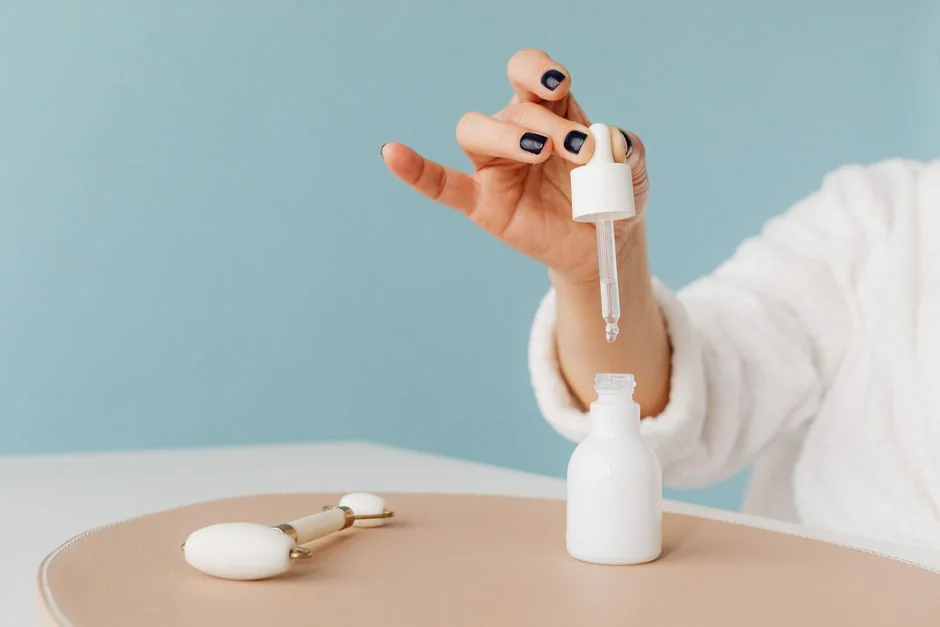
Tranexamic acid can be applied to the skin or taken by mouth under medical supervision. The two routes have different roles.
| Item | Topical | Oral |
|---|---|---|
| How it is used | Applied to the skin as a serum or cream | Taken as tablets or capsules |
| Positioning | Supportive skincare option / maintenance after treatment | Physician-directed treatment option after diagnosis |
| Evidence base | Studies exist, but results vary widely by formulation | More clinical data accumulated than for topical use |
| Main cautions | Redness, itch, or stinging in sensitive users | Thrombosis risk, renal function, drug interactions |
Topical tranexamic acid
Serums and creams are applied directly to the areas of concern. There is no intended systemic effect, and topical use is easy to build into a daily skincare routine.
On the other hand, product formulations differ, and individual response varies. Some users experience redness, itching, swelling, or a stinging sensation.
Oral tranexamic acid
Oral tranexamic acid has been reported in multiple clinical studies to improve melasma, and the 2026 international consensus lists it as one treatment option.
In Japan, however, the prescribing information for medical-grade oral tranexamic acid does not list melasma among its approved indications. When a Japanese clinic prescribes medical-grade tranexamic acid for melasma, this is off-label use.
There are also over-the-counter (OTC) products in Japan that combine tranexamic acid with other ingredients and are approved for melasma; the approved indications, ingredients, and dosages of OTC products differ from those of medical-grade prescriptions.
Do not obtain medical-grade oral tranexamic acid on your own and take it long-term for cosmetic purposes.
People who need extra caution with oral tranexamic acid
The April 2026 revision of the Japanese prescribing information for oral tranexamic acid notes cautions for people with a history of thrombosis, those at risk of thrombosis, patients on prolonged post-operative bed rest, and those with renal failure. Concomitant use with thrombin preparations is contraindicated.
If any of the following apply, tell your doctor before starting oral tranexamic acid for melasma:
- Personal history of stroke, myocardial infarction, deep vein thrombosis, or pulmonary embolism
- Known elevated risk of thrombosis
- Recent surgery or convalescence with substantially reduced physical activity
- Renal impairment
- Pregnancy or breastfeeding
- Use of hormonal contraceptives (low-dose combined oral contraceptives, etc.)
- Any other prescription medications, OTC drugs, or supplements
Hormonal contraceptives are not listed as an outright contraindication with tranexamic acid on the Japanese label. However, because thrombosis risk needs to be assessed comprehensively, always disclose any hormonal contraceptive use to your prescriber.
During pregnancy, oral tranexamic acid is only considered when the physician judges the therapeutic benefit outweighs the risk. During breastfeeding, the decision requires balancing the need for treatment against the value of continuing to breastfeed.
Have a question about this treatment?
Message us on LINE or WhatsApp — our English-speaking team usually replies the same day.
Safe During Pregnancy and Nursing
One of the most common questions patients ask about melasma is which treatments are safe during pregnancy and breastfeeding. Hormonal shifts in this period frequently trigger or worsen melasma, yet many first-line agents — including hydroquinone and oral tranexamic acid — are not appropriate.
Topical tranexamic acid is regarded very differently from the oral form. Because it is applied to the skin’s surface and only a small amount is absorbed, the systemic exposure and the thrombosis-related concerns associated with oral tranexamic acid do not apply in the same way. For this reason, dermatologists in Japan often continue to recommend topical tranexamic acid to patients who are pregnant or breastfeeding, alongside strict daily sun protection.
That said, tell your obstetrician which skincare products you plan to use, and stop any product that irritates the skin. Do not start oral tranexamic acid on your own during pregnancy or breastfeeding — that decision must involve a physician.
How to Use a Tranexamic Acid Serum
Application instructions vary by product; always follow the label. Generally, apply the serum after cleansing and toning, before richer creams.
Even when using the serum across the whole face, avoid rubbing. Press it in gently with the palms or fingertips. Because friction is a known aggravating factor for melasma, the act of applying the product should not itself become an irritation.
Serums cannot replace sun protection. For melasma and pigmentation care, daily broad-spectrum sunscreen is essential. Use the amount indicated on the label and reapply after sweating or wiping.
If redness, swelling, strong itching, or pain appears, stop use. If the reaction persists, see a dermatologist.
Can I combine it with vitamin C or retinol?
Tranexamic acid serums are often paired with vitamin C or retinol products. However, general “compatibility” claims are not enough to judge safety, because irritation depends on the concentration, base, quantity used, and the current condition of your skin.
Vitamin C products can sting or feel harsh depending on the concentration and vehicle. Retinol can cause dryness, redness, and peeling. Starting several new products at once makes it difficult to identify what triggered a reaction.
Introduce new products one at a time in small amounts, confirm you tolerate them, then adjust the area and frequency of use. Some actives should be paused before and after in-clinic procedures — always follow the instructions of the clinic performing your treatment.
Combining Oral and Topical Tranexamic Acid Care
In addition to oral care that works from the inside, another option is to combine it with a topical serum containing tranexamic acid so that the same active ingredient reaches the skin surface as well. As an at-home option that is easy to continue daily, we introduce Dr.J+ TA Serum (tranexamic acid serum), developed by Dr. Jun Karibe, Director of BIOTOPE CLINIC Shirokanedai.
FROM THE AESTHETIC DERMATOLOGY FLOOR — CORE SKINCARE
Dr.J+ TA Serum (2% Tranexamic Acid Serum)
Not just another “brightening serum.” This is a total design that addresses both uneven skin tone and inflammation — a formulation born from an aesthetic dermatology perspective.
One of Japan’s Highest Concentrations — 2% Tranexamic Acid
Designed with a clear focus on the following concerns:
- Melasma
- Dark spots
- Dullness
- Uneven skin tone
High-Concentration Dipotassium Glycyrrhizinate
A formulation that considers inflammation and reactive skin, supporting a healthy skin environment.
- Skin roughness
- Redness
- Reactive / sensitive skin
- Skin prone to chronic low-grade inflammation
Generously Formulated with Signature Beauty Ingredients
- Placenta extract
- Sodium hyaluronate
- Sage leaf extract
- Roman chamomile flower extract
- Mandarin orange peel extract
- Allantoin
Not just “attack” — the concept is nurturing beauty while calming inflammation. Clarity, resilience, glow, hydration, and smoothness — all in a single bottle.
For those who are serious about skincare, experience the essential skincare designed from an aesthetic dermatology perspective.
* This is a general guide to the product’s use as a cosmetic. Individual results may vary.
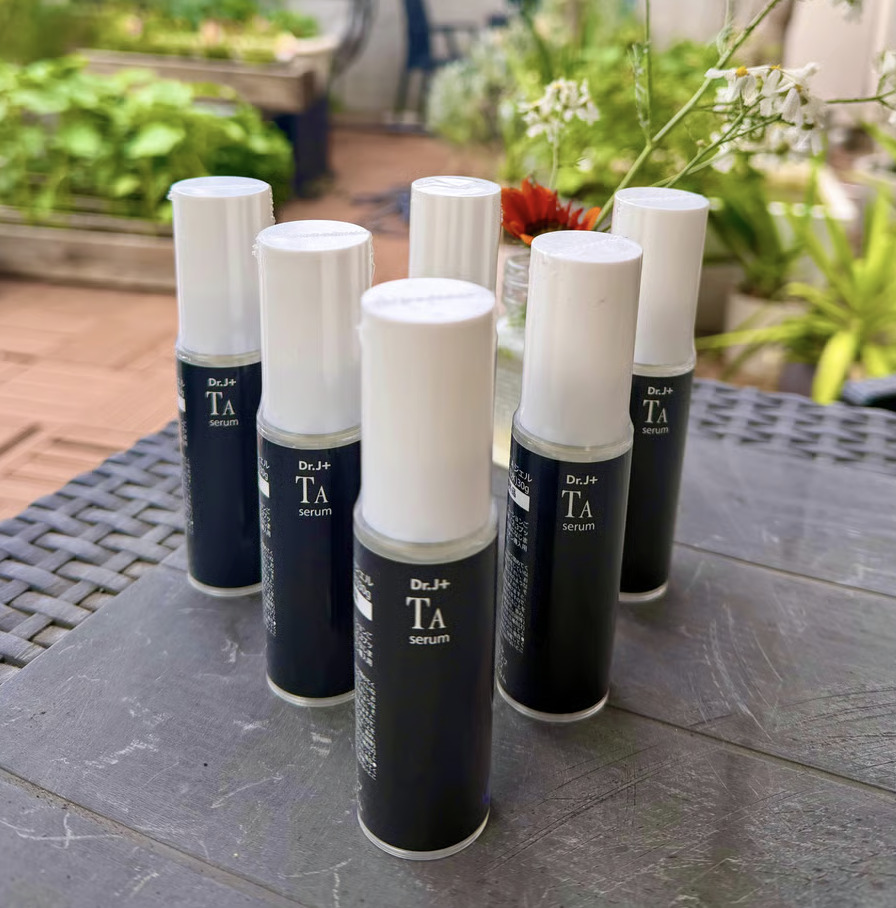
DEVELOPED BY DR. JUN KARIBE — BIOTOPE CLINIC SHIROKANEDAI
Dr.J+ TA Serum (Tranexamic Acid Serum)
For those concerned about melasma, dullness, or post-inflammatory hyperpigmentation.
A topical serum with a high concentration of tranexamic acid, easy to incorporate into your morning and evening skincare.
For international readers. Our online store ships within Japan only, but BIOTOPE CLINIC can arrange direct international shipping on request. Please contact the clinic via LINE with your country and delivery address for a quote.
* This product is classified as a cosmetic. Individual results may vary.
How This Serum Compares to Popular Korean Tranexamic Acid Serums
Tranexamic acid has become a signature ingredient in K-beauty over the last few years. Products such as Beauty of Joseon Glow Serum, Anua Heartleaf Tranexamic, and Mary&May Vitamin C + Niacinamide + Tranexamic deliver the molecule at low concentrations (typically well under 1%), usually blended with propolis, heartleaf extract, or vitamin C, and are positioned as everyday glow-and-tone serums.
A physician-developed serum sits in a different category. Dr.J+ TA Serum was formulated by a Tokyo dermatologist at a clinical 2% tranexamic acid level, without the fragrance and layered actives common in K-beauty formulas, so it can be paired with the retinoids, vitamin C, or in-clinic laser aftercare protocols already in use. It is intended less as a lifestyle serum and more as a treatment-grade layer for readers whose main concern is melasma, post-laser pigmentation, or persistent PIH on Asian skin.
Neither approach is wrong — they solve slightly different problems. If you are new to tranexamic acid, a low-concentration K-beauty option is a reasonable starting point. If you have already tried them and want a stronger, treatment-focused formula developed at a clinic, this is where a physician-formulated serum earns its place.
When to See a Doctor
What looks like melasma may in fact include solar lentigines, post-inflammatory hyperpigmentation, freckles, or acquired dermal melanocytosis. Multiple types can also coexist on the same face.
Misreading the type of pigmentation not only limits your results — the wrong treatment can make some conditions worse. In particular, aggressive laser therapy applied to melasma can darken the affected areas.
In the following situations, do not rely on self-care alone. Consult a dermatologist or aesthetic dermatology clinic:
- You are unsure what kind of pigmentation you have
- The color or shape of a spot has changed recently
- You have a pigmented lesion that is asymmetric with an irregular border
- Your daily skincare no longer produces any change
- You are considering laser or intense pulsed light (IPL) treatment
- You are considering oral tranexamic acid
At a proper consultation, the physician will examine the type of pigmentation and the condition of your skin, then combine appropriate options: sun protection, topical medications, oral treatments, lasers, or light-based therapies.
English-speaking consultations for melasma, pigmentation, and skincare guidance are available at BIOTOPE CLINIC (Shirokanedai, Tokyo), directed by Dr. Jun Karibe.
Summary
Tranexamic acid works by inhibiting plasmin and thereby influencing the process by which melanin is produced.
Topical tranexamic acid has research supporting benefit for melasma and post-inflammatory pigmentation, but concentration alone cannot determine effectiveness. As of 2026, topical tranexamic acid does not replace standard melasma therapy; it is best used as one supportive option in daily skincare and after in-clinic treatment.
The foundation of melasma care remains avoiding friction and maintaining consistent sun protection. A serum should complement, not replace, that foundation.
Because “dark spots” cover several distinct conditions with different appropriate treatments, do not self-diagnose if you are unsure whether you have melasma, or if you are considering oral tranexamic acid or an in-clinic procedure. Speak with a qualified physician first.
Have a question about this treatment?
Message us on LINE or WhatsApp — our English-speaking team usually replies the same day.
Frequently Asked Questions
- Q. Can a tranexamic acid serum alone cure melasma?
- No. Melasma is influenced by ultraviolet light, friction, hormones, and other factors, and it tends to recur. Continued sun protection and reduced friction are essential, and medical treatment may be needed depending on severity.
- Q. Is 2% tranexamic acid considered a high concentration?
- Concentration is one characteristic of a product, but you cannot compare effectiveness or penetration by percentage alone. Vehicle, base ingredients, adjunctive actives, and how the product is used all matter.
- Q. How long before I see a difference?
- Many clinical studies observe results at 8 to 12 weeks, but those findings cannot be transferred directly to over-the-counter serums. Individual skin varies, so follow the product’s instructions and monitor for irritation as you continue use.
- Q. Should I use it in the morning or at night?
- Follow the product’s instructions. If you apply it in the morning, always finish your routine with a broad-spectrum sunscreen.
- Q. Can I use it during pregnancy or breastfeeding?
- Guidance differs for topical products and for oral medication. For a serum, check the product’s labeling; if you are unsure, contact the manufacturer or your doctor. Do not start oral tranexamic acid on your own during pregnancy or breastfeeding — consult your obstetrician or the prescribing physician.
- Q. Can I combine an oral medication and a serum?
- They are sometimes combined, but whether oral therapy is right for you requires a medical evaluation. Do not begin oral tranexamic acid without a check of thrombosis risk, renal function, and any other medications you take.
24/7 Consultation & Booking
Book a Consultation or Treatment
Our English-speaking team responds via LINE or WhatsApp — usually the same day.
References
- Sarkar R, et al. Delphi consensus on melasma management by international experts and pigmentary disorders society. J Eur Acad Dermatol Venereol. 2026;40(4):680–692. doi:10.1111/jdv.70066. PubMed
- Leung JH, et al. Efficacy and Safety of Different Treatments for Melasma: Network Meta-Analysis of Updated Data. Diseases. 2025;13(10):316. doi:10.3390/diseases13100316. PubMed
- Ghasemiyeh P, et al. Safety and efficacy of niosomal and conventional tranexamic acid/niacinamide vs. hydroquinone creams in melasma: a randomized, double-blind, case-controlled clinical trial. Sci Rep. 2025;15(1):42739. doi:10.1038/s41598-025-26693-8. PubMed
- Calacattawi R, et al. Tranexamic acid as a therapeutic option for melasma management: a meta-analysis and systematic review. 2024. PubMed
- Pharmaceuticals and Medical Devices Agency (Japan). Tranexamic Acid Capsule 250 mg — package insert, revised April 2026. PMDA
- AlJabr I, et al. Tranexamic Acid for Hyperpigmentation Disorders: A Literature Review on Efficacy and Safety in Melasma and PIH. J Cosmet Dermatol. 2026. doi:10.1111/jocd.70692. PMC
- Randomized Clinical Trial on the Efficacy of Oral Tranexamic Acid Versus Topical Tranexamic Acid in Treatment of Melasma. Clinical Trial. 2025. PMC
SUPERVISED BY

Dr. Jun Karibe
MD
Director
Education & Career
Certifications
Awards
MEDICAL REVIEW