Ptosis Correction Surgery in Tokyo: A Guide to Droopy Eyelid Treatment
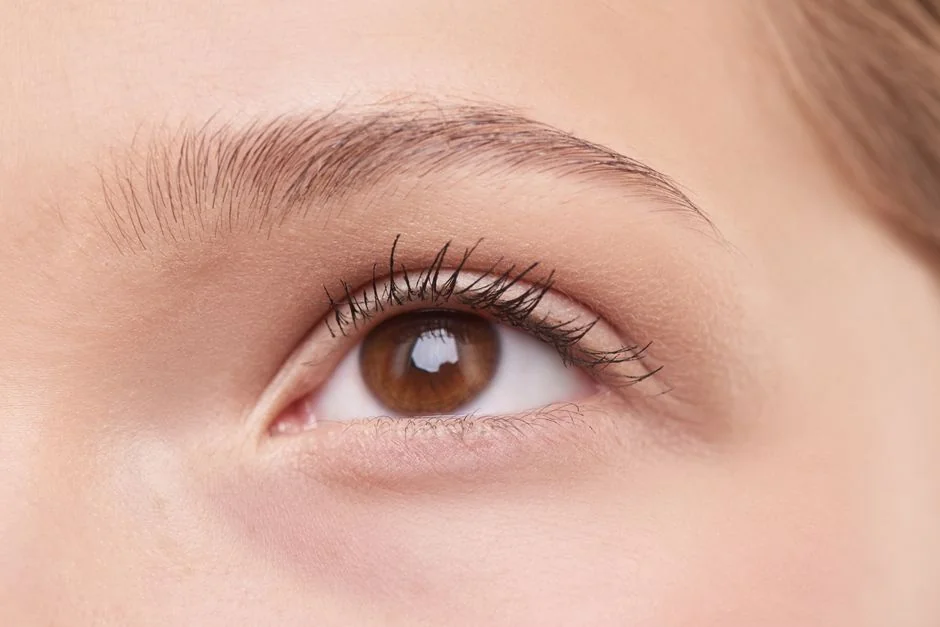
Upper eyelids that droop can make you look tired when you aren’t, and they can also make it harder to see.
Many people find they raise their eyebrows all day just to keep their eyes open. If this sounds familiar and you are in Tokyo or planning a visit, this guide explains ptosis and how it is corrected. It also sets out what to realistically expect before you book a consultation.
What you’ll learn in this article:
- What ptosis (droopy upper eyelid) is and why it develops
- How the main surgical techniques compare, and what clinical studies report about results
- Insurance-covered and self-pay options, and the self-pay price at our clinic group
- Downtime, recovery milestones and practical tips for visitors to Tokyo
- Who is a good candidate, and when to see a doctor before thinking about surgery
Have a question about this treatment?
Message us on LINE or WhatsApp — our English-speaking team usually replies the same day.
What Is Ptosis and How Is It Corrected?
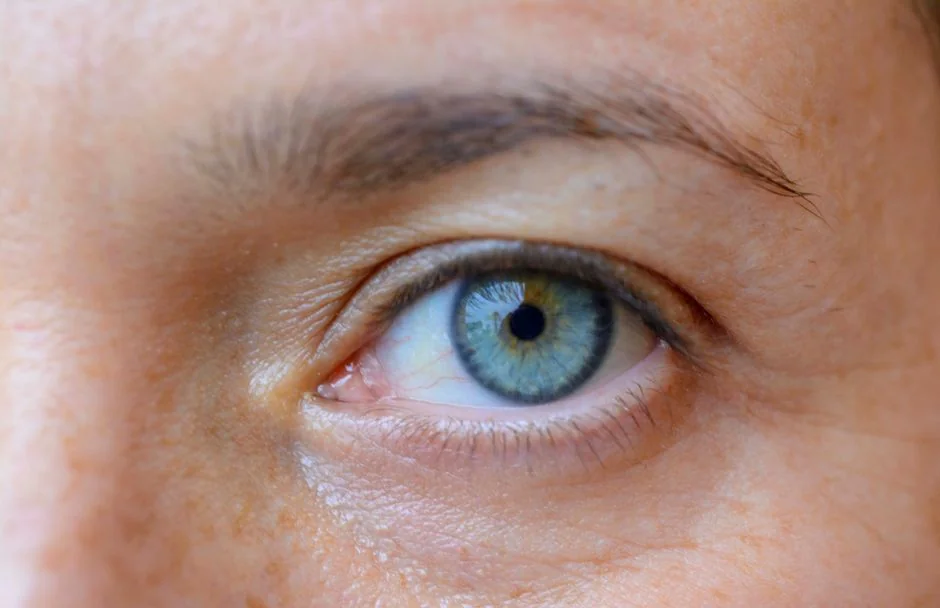
Ptosis (medical name: blepharoptosis) means the upper eyelid sits lower than it should and is difficult to raise.
The main eyelid-lifting muscle is the levator muscle. It attaches to a firm plate inside the eyelid, the tarsal plate, through a thin tendon-like sheet called the levator aponeurosis. When that muscle or its tendon weakens or stretches, the eyelid droops.
Common causes
A comprehensive review in Plastic and Aesthetic Research sorts ptosis into aponeurotic, myogenic (muscle-related), neurogenic (nerve-related), mechanical and traumatic types. Each can be congenital (present from birth) or acquired. The same review reports that aponeurotic ptosis, the age-related “stretched tendon” form, makes up about 60% of ptosis referrals in the United States.
Age isn’t the only factor. The review notes that frequent handling of the eyelids, including long-term contact lens wear, allergy-related rubbing and chronic eyelid inflammation, has been shown to promote aponeurotic ptosis.
Symptoms people notice
Beyond a heavy-lidded look, symptoms listed on our group’s ptosis information page include:
- Difficulty looking up, for example at the ceiling
- Eye fatigue
- Raised eyebrows and a wider gap between the eyes and brows
- Deeper forehead wrinkles
- Inward-turning eyelashes
- Headaches and shoulder stiffness
Surgical techniques compared
The right technique depends mainly on levator function, which measures how far the eyelid travels when you look from fully down to fully up. The table below summarises the indications described in the published review.
| Technique | How it works | Typical indication (per published review) | Listed on our group’s ptosis page |
|---|---|---|---|
| Levator (aponeurosis) advancement | An incision in the eyelid crease; the loosened tendon is reattached to the tarsal plate, and excess skin can be removed | Acquired aponeurotic ptosis; congenital ptosis with levator function greater than 4 mm | Yes |
| Müller muscle–conjunctival resection (MMCR) | Performed from the inner surface of the eyelid, with no skin incision | Mild ptosis (around 1–2 mm) with excellent levator function (over 10 mm) | Not listed |
| Frontalis sling (fascia graft) | Thigh fascia or synthetic material links the eyelid to the forehead muscle, so the forehead helps lift the lid | Levator function of 4 mm or less, often congenital | Yes (fascia graft method) |
Expected Results and Common Misconceptions
Clinical reports suggest that ptosis correction works well for most patients, but results vary from person to person.
The Plastic and Aesthetic Research review cites success rates of 70% to 95% for levator advancement and reports that 8% to 14% of patients need a revision procedure.
A 2023 study in the Romanian Journal of Ophthalmology compared two techniques in 82 eyes of 65 patients with mild to moderate ptosis. It reported success in 91.7% of eyes treated with MMCR and 72.2% of eyes treated with levator advancement. Overcorrection occurred in 8.8% of levator advancement cases and none of the MMCR cases. This was a small single-centre study, and it only covered mild to moderate ptosis. Its authors conclude that both procedures are effective approaches.
The review also notes that overcorrection, undercorrection, asymmetry and eyelid contour problems remain common complications of every ptosis procedure. No surgeon can guarantee perfectly symmetrical eyelids.
Misconception 1: “Droopy eyelids are just excess skin”
Not always. The review explains that dermatochalasis, where loose upper-lid skin hangs over the lashes, is the most common cause of pseudoptosis: the lid looks droopy, but the eyelid margin itself sits normally.
True ptosis involves the lifting mechanism itself, so removing skin alone does not fix a stretched levator tendon. A careful examination tells the two apart, and many patients have some of both.
Misconception 2: “Ptosis surgery is always cosmetic, so insurance never applies”
In Japan, ptosis surgery can be performed under health insurance when the patient meets certain medical conditions. Our group’s treatment page states this, and a physician assesses eligibility at the examination. Self-pay treatment is also available, for example for patients whose goals are mainly aesthetic.
Cost of Ptosis Correction in Tokyo
The cost depends on whether the surgery qualifies for insurance or is self-paid.
At our clinic group, the self-pay fee for ptosis surgery (眼瞼下垂症) is 588,000 yen. This comes from the group’s current public price list (effective 1 October 2023), which shows tax-included prices.
If your case qualifies for Japanese health insurance, you will pay much less, but the exact amount depends on your insurance coverage. If you are visiting Japan and are not enrolled in a Japanese health insurance plan, ask about self-pay pricing when you enquire. For current fees, see the clinic’s official price page or contact us. For an accurate quote, please book a consultation.
Have a question about this treatment?
Message us on LINE or WhatsApp — our English-speaking team usually replies the same day.
What to Expect: Before, During and After
Before surgery
At the consultation, the doctor assesses how far the eyelid droops, measures levator function and checks whether excess skin is also involved. This decides which technique fits your case. It is also the time to discuss your goals, any contact lens use and your travel plans.
During surgery
According to our group’s treatment page, ptosis surgery is performed under local anaesthesia and takes approximately one hour. In levator advancement, the surgeon makes an incision a few centimetres long, reattaches the loosened tendon to the tarsal plate and removes excess skin.
Recovery timeline
- Next day: Face washing and showering are allowed; rinse the treated area with water only.
- Days 7–14: Swelling and bruising typically settle over about 7 to 14 days.
- Day 7 onward: Sutures are removed, and eye makeup can be resumed after removal.
- About 1 month: The incision line may stay red.
- 2–3 months: The scar gradually fades to a fine white line.
Contact lenses can’t be worn for a period after surgery, and long baths should be avoided because they may prolong swelling. If you are visiting Tokyo, plan your stay around the suture-removal appointment.
Who Is a Good Candidate?
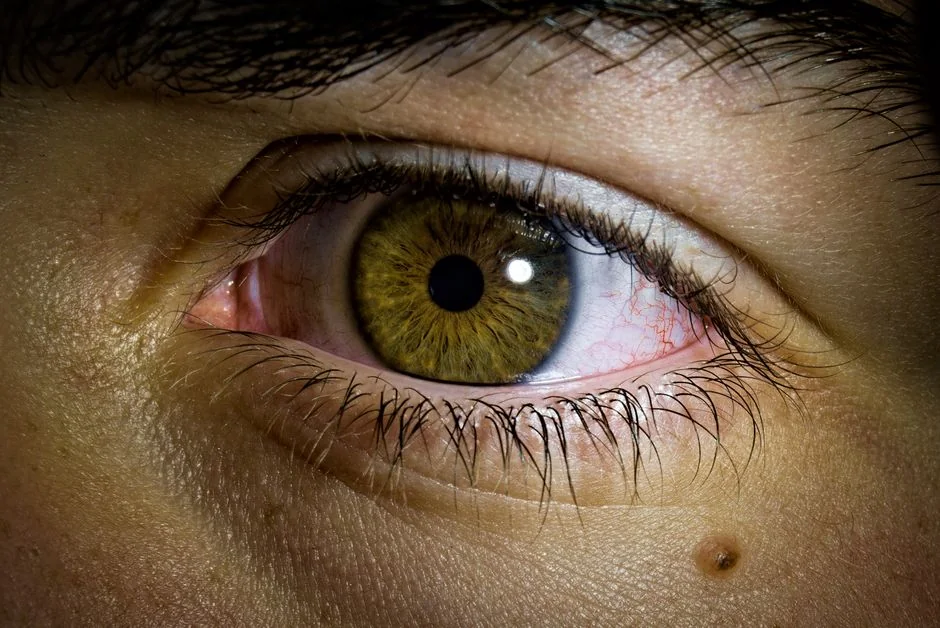
Ptosis correction may suit adults whose upper eyelids sit low enough to affect their appearance or field of vision, and those who notice brow strain or eye fatigue linked to heavy lids. Good candidates are in stable general health, understand that results vary and can attend follow-up visits.
When to see a doctor before considering surgery
Some ptosis signals an underlying medical condition, which needs to be assessed before any cosmetic decision. The published review notes these examples:
- Ptosis that varies or alternates between the eyes may be a sign of myasthenia gravis, a neuromuscular disorder.
- Mild ptosis together with a small pupil on the same side may point to Horner syndrome.
- Ptosis with an enlarged pupil, as in some third nerve palsies, calls for urgent imaging.
If your eyelid droop came on suddenly or comes with double vision, pupil changes or other new symptoms, see a physician promptly.
Where to get ptosis correction in Tokyo
Within our clinic group, both BIOTOPE CLINIC (Shirokanedai, Minato-ku) and Kojimachi Dermatology & Plastic Surgery Clinic (Ichigaya, Chiyoda-ku) offer English-language consultation with Dr. Jun Karibe’s team. Dr. Karibe is a board-certified plastic surgeon (Japan Society of Plastic and Reconstructive Surgery). Ptosis correction is performed at both sister clinics:
- Insurance-covered ptosis surgery is handled mainly at Kojimachi Dermatology & Plastic Surgery Clinic, the group’s main office, which focuses on insurance-covered dermatology and general plastic surgery.
- Self-pay ptosis correction with a cosmetic focus is handled at BIOTOPE CLINIC in Shirokanedai, where Dr. Karibe personally consults.
Bookings and enquiries in English: LINE or WhatsApp.
Some patients are also bothered by under-eye bags. Transconjunctival blepharoplasty (under-eye revision) is a treatment available at BIOTOPE CLINIC in Shirokanedai. Feel free to ask about it during a consultation with Dr. Karibe.
Frequently Asked Questions
- Q. Is ptosis surgery covered by health insurance in Japan?
- It can be. Ptosis surgery is covered by insurance when the patient meets certain medical conditions, which a physician assesses at the examination. Self-pay treatment is also available.
- Q. How long is the downtime after ptosis correction?
- Swelling and bruising typically last about 7 to 14 days. Sutures are removed from day 7 onward, and eye makeup can be resumed after removal. The scar is usually red for about a month and fades to a fine white line over two to three months.
- Q. Can I keep wearing contact lenses?
- Contact lenses can’t be worn for a period after surgery, and your doctor will tell you when it is safe to start again. Long-term contact lens wear is also reported as a factor that can promote aponeurotic ptosis, so it is worth discussing your lens habits at the consultation.
- Q. Will my eyelids be perfectly symmetrical afterwards?
- Symmetry is a goal, but it can’t be guaranteed. Undercorrection or overcorrection can cause some asymmetry, and a published review reports that 8% to 14% of levator advancement patients need a revision.
- Q. Is ptosis surgery the same as removing excess eyelid skin?
- No. Removing excess skin addresses loose skin, while ptosis surgery repairs the eyelid-lifting mechanism itself. Levator advancement can include skin removal when both problems are present.
Have a question about this treatment?
Message us on LINE or WhatsApp — our English-speaking team usually replies the same day.
Summary
Ptosis correction repairs or strengthens the mechanism that lifts the upper eyelid. Studies suggest levator advancement succeeds in roughly 70% to 95% of cases, with a minority of patients needing revision.
The best technique depends on how much the lid droops and how well the levator muscle works. Recovery generally involves one to two weeks of swelling and bruising, with suture removal from day 7 onward.
If you have questions about ptosis correction, both BIOTOPE CLINIC (Shirokanedai, Minato-ku) and Kojimachi Dermatology & Plastic Surgery Clinic (Ichigaya, Chiyoda-ku) offer English-language consultation with Dr. Karibe and his team. Ptosis correction is primarily handled at BIOTOPE CLINIC for self-pay, cosmetic-focused cases and at Kojimachi Dermatology & Plastic Surgery Clinic for insurance-covered cases. English enquiries: LINE or WhatsApp.
24/7 Consultation & Booking
Book a Consultation or Treatment
Our English-speaking team responds via LINE or WhatsApp — usually the same day.
References
- Floyd MT, Kim HJ. More than meets the eye: a comprehensive review of blepharoptosis. Plastic and Aesthetic Research. 2021;8:1.
- Arslan N, Bahar A, Acar M, et al. The results of Müller muscle conjunctival resection versus levator advancement for mild to moderate ptosis. Romanian Journal of Ophthalmology. 2023.
- Kojimachi Dermatology & Plastic Surgery Clinic / BIOTOPE CLINIC. 眼瞼下垂症 (Ptosis) treatment information. https://biyou.kojihifu.com/subject/cosmetic-surgery/eye/ptosis
- Kojimachi Dermatology & Plastic Surgery Clinic. 眼瞼下垂 (Ptosis) insurance-covered treatment information. https://kojihifu.com/ptosis/
- Kojimachi Dermatology & Plastic Surgery Clinic / BIOTOPE CLINIC. Price list effective 1 October 2023. https://biyou.kojihifu.com/price/price202310/
Related Articles
You may also find these articles useful.
- Double Eyelid Surgery Tokyo: English-Speaking Clinic Guide
- How Long Should You Stay in Tokyo for Double Eyelid Surgery? Downtime, Pain & Flying Guide
- Under Eye Bags Surgery Tokyo: Transconjunctival Guide
- English Speaking Plastic Surgeon Tokyo: Complete Guide
- Under Eye Dark Circles Treatment Tokyo: Injections vs Surgery
SUPERVISED BY

Dr. Jun Karibe
MD
Director
Education & Career
Certifications
Awards
MEDICAL REVIEW