What Does “English-Speaking Plastic Surgeon” Actually Mean in Tokyo?
Searching for cosmetic or reconstructive surgery in a country where you don’t speak the local language fluently can feel daunting, especially when the details matter as much as they do in surgery.
You want to be sure that consent forms, risks, and aftercare instructions are explained clearly, not paraphrased through a translation app. This article explains what to look for in an English-speaking plastic surgeon in Tokyo, how credentials and language services actually work, and where to find this kind of care.
What you’ll learn in this article:
- What “English-speaking plastic surgeon” means in practice, and how it differs from a clinic that simply has an English website
- How to check a surgeon’s board certification in Japan
- What a consultation, procedure, and follow-up typically involve when conducted in English
- Realistic expectations around cost in Tokyo
- Where within one Tokyo clinic group English-language cosmetic and dermatology care is provided
Have a question about this treatment?
Message us on LINE or WhatsApp — our English-speaking team usually replies the same day.
Board Certification vs. Marketing Claims
In Japan, a physician who has completed at least two years of general clinical training followed by four or more years of structured specialist training in plastic surgery, and who has passed the relevant board examination, may be certified as a 形成外科専門医 (board-certified plastic surgeon) by the Japan Society of Plastic and Reconstructive Surgery (JSPRS).
This certification covers a broad scope: trauma and facial fracture repair, burns, congenital abnormalities, reconstruction after cancer surgery, and cosmetic procedures. It is a formal, verifiable credential rather than a marketing label.
It is worth understanding that “board-certified” is not the same claim as “fluent in English” or “specialised in a particular cosmetic procedure.”
These are three separate facts, and a reputable clinic should be able to substantiate all three separately rather than bundling them into a single reassurance.
Bilingual Doctor vs. Interpreter-Assisted Consultations
Some Tokyo clinics offer English support through a staff interpreter or translated intake forms, while the surgeon themselves may have limited English ability.
Others have a physician who consults directly in English, without an intermediary. Neither model is inherently wrong, but it changes how a consultation feels, and it is reasonable to ask in advance which model a clinic uses before booking.
How to Vet an English-Speaking Plastic Surgeon in Tokyo
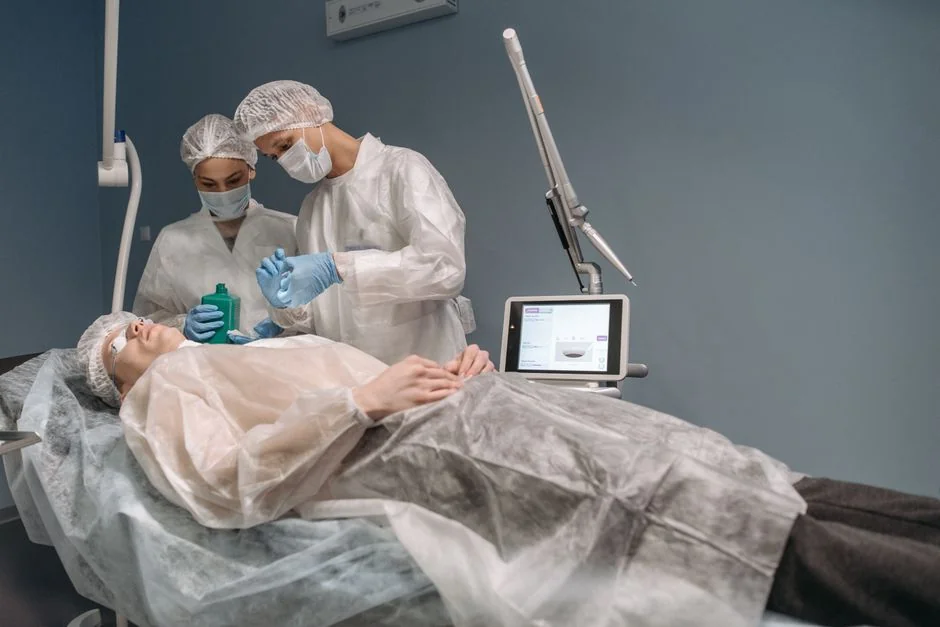
A government-curated list of medical institutions that accept foreign patients exists precisely because language capability varies widely across providers in Japan; the Japan Tourism Agency and the Ministry of Health, Labour and Welfare maintain such resources for this reason.
That alone is a useful signal that not every clinic advertising “English OK” offers the same depth of support.
Credentials to Check
- Is the surgeon listed as a 形成外科専門医 with JSPRS, or do they hold an equivalent recognised specialist qualification?
- Does the doctor personally speak English during consultations, or is an interpreter used?
- Is aftercare, including emergency contact information, provided in English in writing, not just verbally?
Questions to Ask at Your First Consultation
Ask what could go wrong, not only what results are expected. A surgeon who is comfortable discussing risks, recovery time, and alternatives in plain English, rather than only in optimistic terms, is generally a positive sign.
It is also reasonable to ask how many similar procedures the surgeon performs, and to see photographs of prior results if the clinic offers them.
What to Expect: Before, During & After Treatment
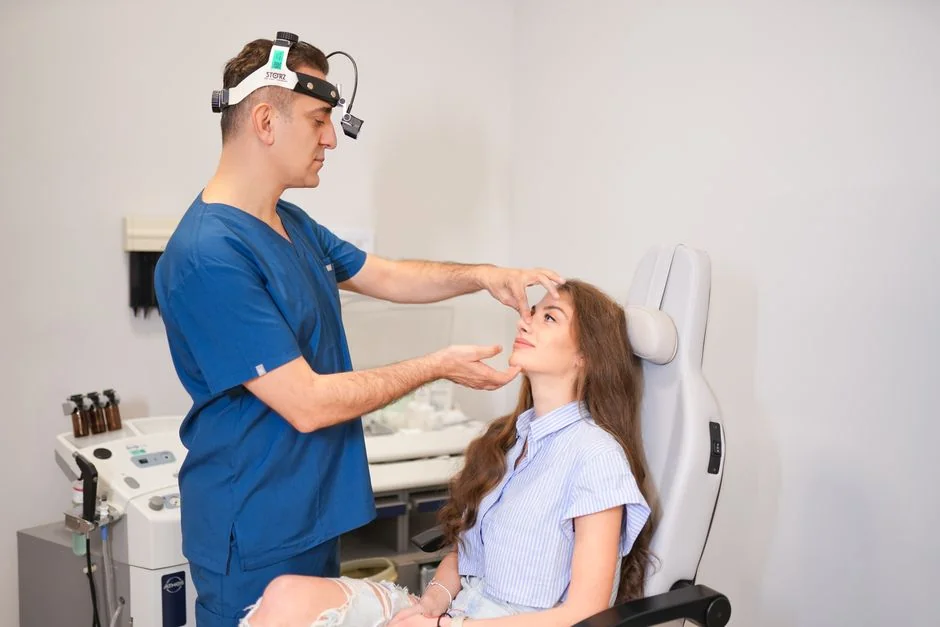
An English-language consultation should cover your medical history, the procedure itself, realistic outcomes, recovery timeline, and cost, all without relying on you to fill gaps with guesswork.
At BIOTOPE CLINIC in Shirokanedai, we frequently see patients who want written confirmation of exactly what was discussed, given how much can be lost when medical terminology crosses a language gap.
On the day of a procedure, expect the same pre-operative steps as anywhere else: identity and health confirmation, marking or planning where relevant, and a review of anaesthesia if applicable.
Recovery instructions, medication names, and follow-up appointment scheduling should all be provided in English in writing, since remembering spoken instructions after a procedure is unrealistic for most people.
Who Is a Good Candidate?
Adults in good general health who have realistic expectations and who value being able to discuss a procedure in their own language without relying on translation are generally suitable candidates for English-language consultation.
Anyone with unmanaged chronic health conditions, active skin infections at the treatment site, or who is pregnant should discuss timing with a physician before proceeding, and some procedures may need to be postponed or avoided altogether depending on individual circumstances.
Common Misconceptions About English-Speaking Clinics
Misconception 1: An English website means English-speaking staff on the day.
Many clinic websites use translation tools or a translated brochure, but the physician conducting the actual consultation may not speak English fluently.
This gap is well-documented enough that Japanese government tourism and health authorities maintain separate directories specifically to identify institutions with genuine foreign-patient acceptance capability, rather than relying on clinic marketing alone.
Misconception 2: “Board-certified plastic surgeon” guarantees expertise in a specific cosmetic procedure.
JSPRS board certification (形成外科専門医) is a broad qualification spanning reconstructive and cosmetic plastic surgery, covering everything from burn treatment to breast reconstruction to aesthetic procedures. It confirms a rigorous general training standard, not necessarily concentrated experience in one specific cosmetic technique, so it is reasonable to ask separately about a surgeon’s experience with the specific procedure you are considering.
Clinical reports also indicate that language concordance in healthcare is not a minor convenience. A widely cited pilot study published in the International Journal for Quality in Health Care found that adverse events among patients with limited proficiency in the local language were more likely to involve physical harm and were more often traced back to communication breakdowns than adverse events among fluent speakers. While that study was conducted in a different healthcare system, it illustrates why direct, clear communication with your surgeon matters as much as the procedure itself.
Cost in Tokyo
Cosmetic and plastic surgery pricing in Tokyo varies by procedure, technique, whether it is self-pay or partially insurance-eligible, and the individual surgeon’s assessment during consultation. Because pricing pages are updated periodically and this article should not repeat a stale figure, please see the clinic’s official price page or contact us for a current quote rather than relying on a number quoted elsewhere online.
Insurance-covered dermatology (for example, treatment of eczema, acne, warts, or moles under Japan’s national health insurance) follows a fixed fee schedule set by the government, which differs structurally from self-pay cosmetic pricing. English-speaking staff can help clarify which category a given treatment falls under during your consultation. For an accurate quote, please book a consultation.
Have a question about this treatment?
Message us on LINE or WhatsApp — our English-speaking team usually replies the same day.
Where to Get English-Speaking Plastic Surgery Care in Tokyo
Within our clinic group, both BIOTOPE CLINIC (Shirokanedai, Minato-ku) and Kojimachi Dermatology & Plastic Surgery Clinic (Ichigaya, Chiyoda-ku, with the clinic itself located a short walk from Kojimachi, Hanzomon, and Nagatacho stations) offer English-language consultation with Dr. Jun Karibe’s team.
Cosmetic dermatology, cosmetic and plastic surgery, injectables, and men’s health are handled at BIOTOPE CLINIC in Shirokanedai, where Dr. Karibe personally consults. Insurance-covered general dermatology and the group’s broader general and aesthetic plastic surgery practice are handled at Kojimachi Dermatology & Plastic Surgery Clinic, the group’s main office. Bookings and enquiries in English: LINE or WhatsApp.
The table below summarises how the two locations differ:
| Aspect | BIOTOPE CLINIC (Shirokanedai) | Kojimachi Dermatology & Plastic Surgery Clinic (Ichigaya area) |
|---|---|---|
| Primary focus | Cosmetic dermatology, cosmetic/plastic surgery, men’s health | Insurance-covered dermatology, general and aesthetic plastic surgery |
| Dr. Karibe’s consultations | Yes, in person | Not typically; handled by the clinic’s other specialists |
| English-language consultation | Available | Available |
| Nearest stations | Shirokanedai Station | Kojimachi, Hanzomon, Nagatacho stations |
Treatments such as HIFU skin tightening or Botox injections are available at BIOTOPE CLINIC in Shirokanedai for patients interested in non-surgical options — feel free to ask about these during a consultation with Dr. Karibe.
Frequently Asked Questions
- Q. How can I confirm a Tokyo plastic surgeon’s board certification before booking?
- Ask the clinic directly whether the operating surgeon holds JSPRS 形成外科専門医 certification, and ask for the certifying body’s name in writing. A clinic confident in its credentials will provide this without hesitation.
- Q. Will my consultation be conducted directly in English, or through an interpreter?
- This varies by clinic and even by doctor, so it is worth confirming in advance. At BIOTOPE CLINIC, Dr. Karibe consults directly in English; ask any clinic you are considering the same question before your appointment.
- Q. Does insurance cover cosmetic procedures for foreign residents in Japan?
- Japan’s national health insurance covers medically necessary dermatology and reconstructive procedures but generally does not cover elective cosmetic treatments. Whether a specific treatment qualifies should be confirmed during consultation, since coverage rules are procedure-specific.
- Q. What should I bring to an English-language consultation in Tokyo?
- Bring your insurance card if applicable, a list of current medications, and any relevant medical history, particularly for conditions that could affect surgery or recovery. Photographs of a desired outcome can also help communicate your goals clearly.
Have a question about this treatment?
Message us on LINE or WhatsApp — our English-speaking team usually replies the same day.
Summary
Finding an English-speaking plastic surgeon in Tokyo is less about locating any clinic with an English page and more about verifying two separate things: genuine board certification and genuine language capability during the actual consultation and aftercare.
Asking direct questions about both, before booking, is the most reliable way to set expectations correctly.
If you have questions about finding an English-speaking plastic surgeon in Tokyo, both BIOTOPE CLINIC (Shirokanedai, Minato-ku) and Kojimachi Dermatology & Plastic Surgery Clinic (Ichigaya, Chiyoda-ku) offer English-language consultation with Dr. Karibe and his team.
Cosmetic and plastic surgery consultations directly with Dr. Karibe are primarily handled at BIOTOPE CLINIC, while insurance-covered dermatology and general/aesthetic plastic surgery are handled at Kojimachi Dermatology & Plastic Surgery Clinic. English enquiries: LINE or WhatsApp.
24/7 Consultation & Booking
Book a Consultation or Treatment
Our English-speaking team responds via LINE or WhatsApp — usually the same day.
References
- Divi C, Koss RG, Schmaltz SP, Loeb JM. Language proficiency and adverse events in US hospitals: a pilot study. International Journal for Quality in Health Care. 2007;19(2):60-67.
- Japan Society of Plastic and Reconstructive Surgery (JSPRS). Requirements for board-certified plastic surgeon (形成外科専門医) qualification. 2026. https://www.jsprs.or.jp/
- Japan Tourism Agency, Ministry of Land, Infrastructure, Transport and Tourism. Survey on medical care and insurance enrollment among inbound visitors to Japan. 2024.
Related Articles
You may also find these articles useful.
- English Speaking Plastic Surgeon Tokyo: Complete Guide
- English Speaking Plastic Surgeon Tokyo: Full Guide
- English Speaking Plastic Surgeon Tokyo: Complete Guide
- English-Speaking Plastic Surgeon in Tokyo|Natural-Looking Cosmetic Surgery at BIOTOPE CLINIC
- English Speaking Dermatologist Tokyo: A Complete Guide
SUPERVISED BY
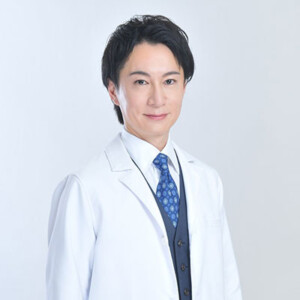
Dr. Jun Karibe
MD
Director
Education & Career
Certifications
Awards
MEDICAL REVIEW