Deep Plane Facelift in Tokyo: Understanding the Procedure and Its Cost
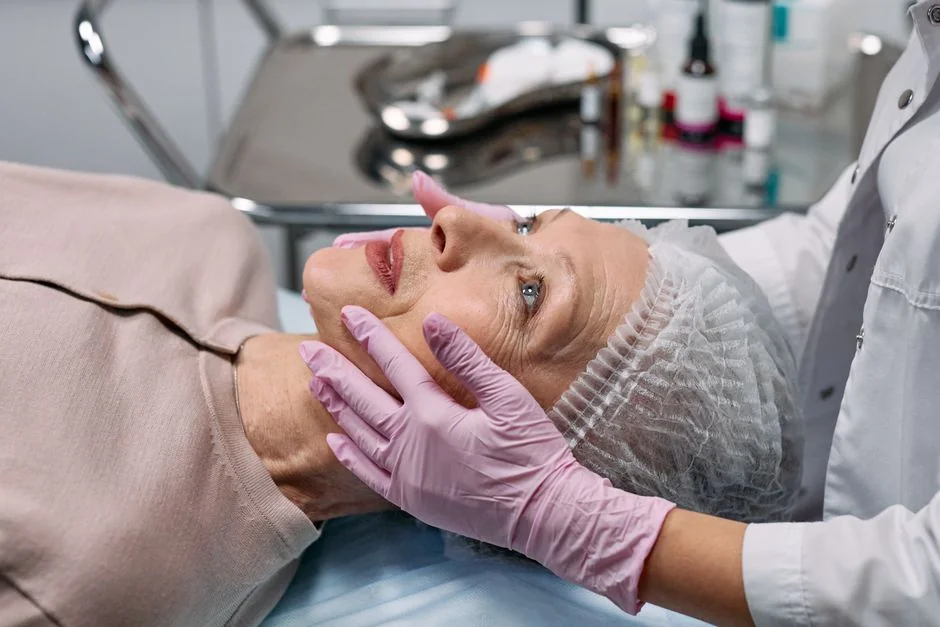
If sagging along the jawline, cheeks, or neck has started to bother you, you may have come across the term “deep plane facelift” while researching surgical options. It is natural to want to understand exactly what the procedure involves, how it differs from other facelift techniques, and — realistically — what it costs in Tokyo before booking a consultation.
We offer Deep Plane Facelift for a foreighn patient for a long time and up to over 3000 patients.
This article explains the deep plane technique, how it compares with the more commonly performed SMAS facelift, what recovery looks like, and where facelift surgery is handled within our clinic group.
What you’ll learn in this article:
- What a deep plane facelift is and how it differs from a standard SMAS facelift
- What the surgery involves and what recovery typically looks like
- Realistic cost expectations for facelift surgery in Tokyo
- Who tends to be a suitable candidate — and who should consider alternatives
- Where facelift surgery is handled within our clinic group
Have a question about this treatment?
Message us on LINE or WhatsApp — our English-speaking team usually replies the same day.
What Is a Deep Plane Facelift?
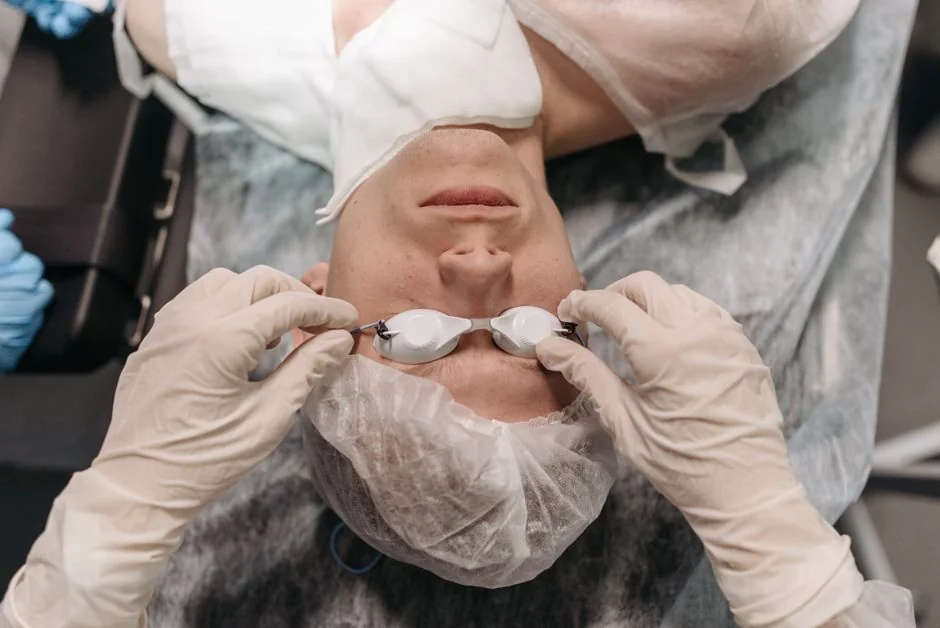
A deep plane facelift is a surgical technique that lifts the skin and the underlying SMAS (superficial musculoaponeurotic system — a fibrous layer that connects facial muscles to the skin) as a single unit. Rather than tightening the SMAS from above, the surgeon dissects beneath it, releases the ligaments that anchor sagging tissue in place, and repositions the whole composite flap.
This is different from a standard SMAS facelift, in which the SMAS layer is folded, plicated, or partially trimmed without routinely entering the deeper anatomical plane. Both approaches aim to restore a more youthful facial contour without simply pulling the skin tighter, which can create an artificial, “wind-swept” look.
A note on terminology in Japan:
“deep plane facelift” is a term popularised largely in the United States and is not a standardised, universally used label among Japanese facial plastic surgeons.
Most clinics in Japan, including our group’s Kojimachi Clinic, describe their surgical facelift as an “SMAS lift” that includes ligament release for deeper repositioning — a technique that shares the same underlying anatomical principles as deep plane dissection. If the specific depth and extent of dissection matters to you, ask your surgeon directly during consultation rather than assuming a label guarantees a particular technique.
How the Procedure Works and What Results to Expect
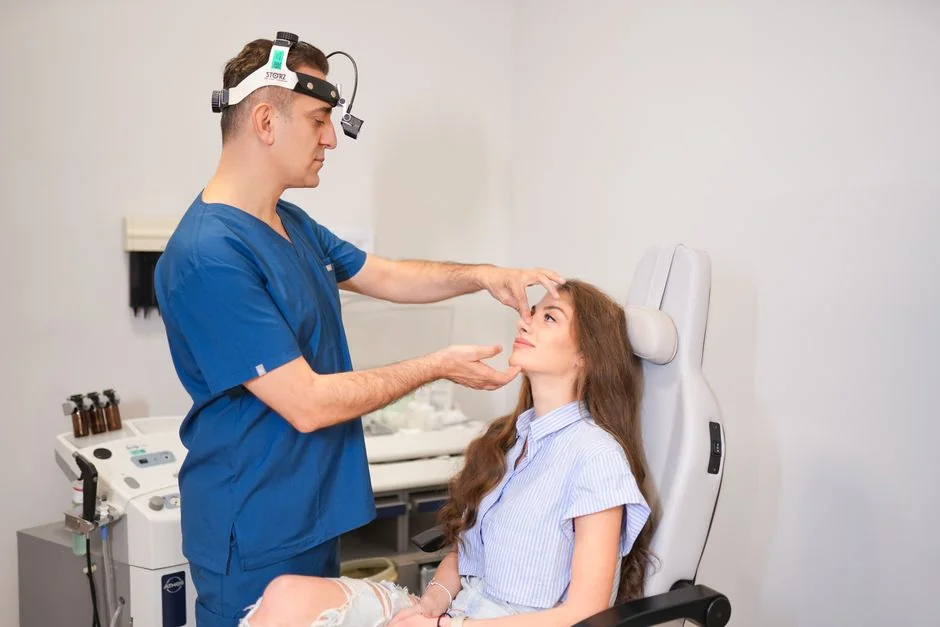
Facelift surgery is typically performed under intravenous sedation combined with local anaesthesia, and the operation generally takes several hours depending on the extent of correction — a full face and neck lift takes longer than a limited mid-face or temple lift. Incisions are usually hidden along the hairline and around the ear.
During the procedure, the surgeon dissects to the SMAS/deep plane layer, releases the relevant retaining ligaments, repositions the tissue upward and backward, and removes any excess skin before closing the incisions. Results become visible once the initial swelling resolves, typically improving in a natural-looking way over the following weeks to months.
How Long Do Results Last?
Facelift surgery addresses structural sagging rather than fine lines or skin texture, so it does not stop the ageing process.
Clinical reports indicate that well-performed SMAS-family and deep plane facelifts can provide visible improvement for a decade or more in many patients, though individual longevity varies with skin quality, lifestyle, and genetics.
A 2026 systematic review and meta-analysis pooling data from 45 studies and 10,784 patients undergoing deep plane facelift reported an overall complication rate of 6.6%, with temporary facial nerve weakness occurring in an estimated 1.2% of cases and no cases of permanent facial nerve injury identified across the pooled data.1
A separate meta-analysis comparing SMAS and deep plane techniques across 47 studies and 10,766 patients found broadly comparable safety profiles between the two approaches, with most nerve-related complications being transient in both groups.2 These figures describe outcomes from the reviewed international literature rather than results specific to any one clinic.
Cost of a Deep Plane-Style Facelift in Tokyo
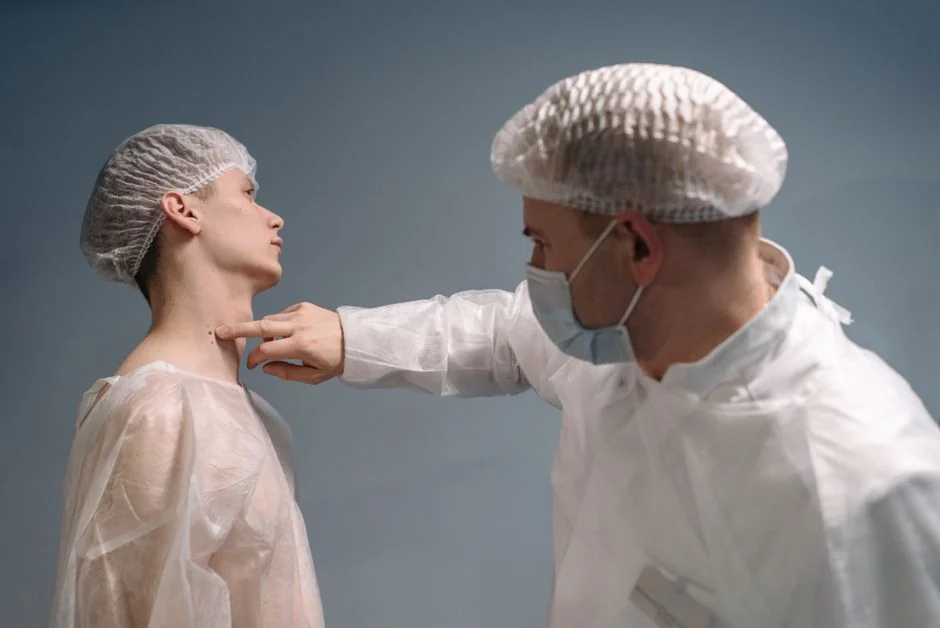
Facelift surgery in Japan is classified as elective aesthetic surgery.
The Japan Society of Plastic and Reconstructive Surgery confirms that procedures performed for aesthetic reasons rather than to treat disease or injury — which includes facelift surgery — are not covered by Japan’s national health insurance and are billed entirely as self-pay (自由診療).3 This means cost varies clinic by clinic and is set independently by each provider.
Within our clinic group, surgical facelift pricing depends on the extent of the procedure — for example, whether the correction is limited to the mid-face or temple area or extends to a full face and neck lift, and whether ligament release is included. Because published price lists are revised periodically, please see the clinic’s official price page or contact us for a current quote. For an accurate quote, please book a consultation.
Where to Get Facelift Surgery in Tokyo
Within our clinic group, both BIOTOPE CLINIC (Shirokanedai, Minato-ku) and Kojimachi Dermatology & Plastic Surgery Clinic (Ichigaya, Chiyoda-ku) offer English-language consultation with Dr. Jun Karibe’s team.
Surgical facelift procedures — including SMAS-based lifting with ligament release — are handled at Kojimachi Dermatology & Plastic Surgery Clinic, the group’s main office for general and aesthetic plastic surgery. Non-surgical skin-tightening options such as HIFU (high-intensity focused ultrasound) or Embrace RF are available at BIOTOPE CLINIC in Shirokanedai for those not yet ready for surgery — feel free to ask about these during a consultation with Dr. Karibe.
A 2025 systematic review reported skin laxity improvements of roughly 18–30% with HIFU in the lower face, neck, and periorbital area4 — a meaningfully different result from the structural repositioning achieved with surgery. Bookings and enquiries in English: LINE or WhatsApp.
Have a question about this treatment?
Message us on LINE or WhatsApp — our English-speaking team usually replies the same day.
What to Expect: Before, During and After Surgery
Before Surgery
A consultation typically includes a medical history review, a physical assessment of skin laxity and facial anatomy, and a discussion of realistic goals. Blood tests and clearance from other physicians may be requested if you have relevant medical conditions.
During Surgery
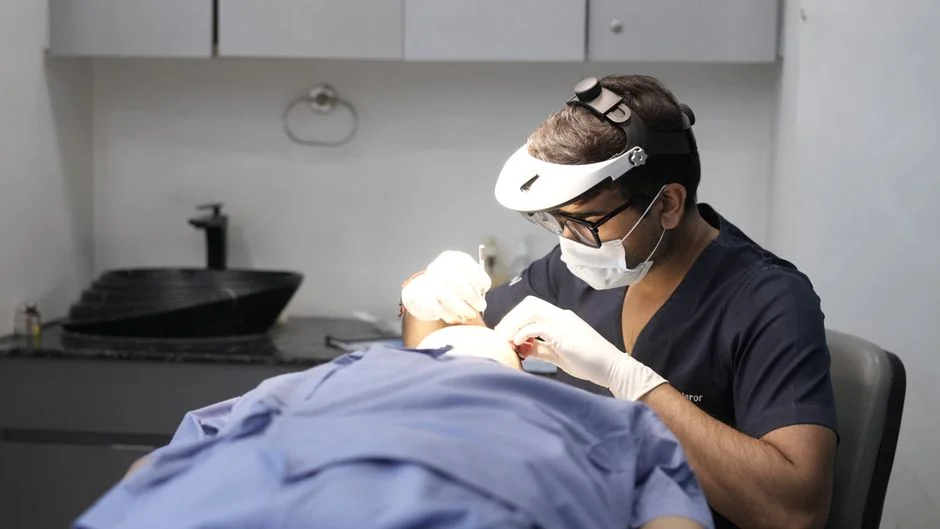
The operation is performed under sedation or a combination of local and intravenous anaesthesia. Incisions are placed along the hairline and around the ear to minimise visible scarring once healed.
After Surgery
Swelling, bruising, and tightness are expected for roughly one to two weeks, with most patients able to return to non-strenuous work and light makeup use around that point. Strenuous exercise and sun exposure are generally restricted for several weeks, and final results settle in gradually as residual swelling resolves.
Who Is a Good Candidate?
Good candidates are generally adults in reasonable general health who have moderate to significant sagging of the mid-face, jawline, or neck, and who understand that surgery — not injectables or devices — is required to correct structural laxity. At BIOTOPE CLINIC in Shirokanedai, we frequently see patients who have already tried non-surgical tightening treatments and are now exploring surgical options because their degree of sagging exceeds what a device can meaningfully address.
Facelift surgery is generally not advisable for people with uncontrolled medical conditions that raise surgical or anaesthetic risk, active smokers who are unwilling to pause smoking around the procedure (smoking impairs healing and increases skin necrosis risk), unrealistic expectations about outcomes, or those seeking a solution for early, mild skin laxity where non-surgical treatment may be more proportionate.
Common Misconceptions About Deep Plane Facelift
Misconception 1: “Deep plane” is a single, standardised technique performed identically at every clinic that offers it. In reality, terminology and technique vary between surgeons and countries, and the term is not consistently codified in Japanese clinical practice. What matters more than the label is discussing the specific dissection plane and ligament release your surgeon plans to perform.
Misconception 2: Non-surgical devices such as HIFU or thread lifts can substitute for a surgical facelift. These treatments can meaningfully improve mild-to-moderate skin laxity — clinical reports cite roughly 18–30% improvement in skin laxity with HIFU4 — but they work by stimulating collagen in the skin, not by surgically repositioning deeper tissue. For significant sagging, they are generally a different category of treatment rather than a like-for-like alternative to surgery.
| Option | Invasiveness | Typical Downtime | Best Suited For |
|---|---|---|---|
| Deep plane / SMAS facelift with ligament release | Surgical | Approx. 1–2 weeks visible recovery | Moderate to significant structural sagging |
| SMAS plication facelift | Surgical | Approx. 1–2 weeks visible recovery | Moderate sagging, shorter operative time |
| Thread lift | Minimally invasive | A few days | Mild sagging, temporary lift |
| HIFU / Embrace RF | Non-invasive | Little to none | Early skin laxity, skin tightening without surgery |
Frequently Asked Questions
- Q. Is a deep plane facelift the same as a regular facelift?
- Not exactly. “Facelift” is a general term, while “deep plane” refers specifically to lifting the skin and SMAS layer together as one unit after releasing the retaining ligaments beneath it. Many facelifts performed in Japan are described as SMAS lifts, which use related but not always identical dissection depth — ask your surgeon which technique they plan to use.
- Q. How long does recovery take before I can return to work?
- Most patients experience visible swelling and bruising for one to two weeks, after which light makeup and non-strenuous work are generally possible. Full settling of results and residual swelling can take several weeks to a few months.
- Q. Will facelift surgery be covered by Japanese health insurance?
- No. Facelift surgery is classified as elective aesthetic surgery in Japan and is billed entirely as self-pay, according to the Japan Society of Plastic and Reconstructive Surgery.3 Costs are set independently by each clinic.
- Q. Is deep plane facelift riskier than a standard SMAS facelift?
- Clinical literature suggests the two approaches carry broadly comparable complication profiles, with most facial nerve issues being temporary rather than permanent in both techniques.1,2 Individual risk depends on your anatomy, health status, and the surgeon’s experience, which is best discussed during consultation.
Have a question about this treatment?
Message us on LINE or WhatsApp — our English-speaking team usually replies the same day.
Summary
A deep plane facelift is a surgical technique that repositions the skin and SMAS layer together after releasing the ligaments that anchor sagging tissue, aiming for a natural rather than overly tightened result. In Japan, the term is not used as a standardised label, and many clinics — including our own — describe their surgical facelift as an SMAS lift with ligament release, so it is worth discussing exact technique with your surgeon.
Facelift surgery is elective and self-pay in Japan, with cost depending on the extent of correction required; please see the clinic’s official price page or contact us for a current quote.
If you have questions about deep plane facelift, both BIOTOPE CLINIC (Shirokanedai, Minato-ku) and Kojimachi Dermatology & Plastic Surgery Clinic (Ichigaya, Chiyoda-ku) offer English-language consultation with Dr. Karibe and his team. Facelift surgery is primarily handled at Kojimachi Dermatology & Plastic Surgery Clinic, while non-surgical lifting alternatives are available at BIOTOPE CLINIC. English enquiries: LINE or WhatsApp.
24/7 Consultation & Booking
Book a Consultation or Treatment
Our English-speaking team responds via LINE or WhatsApp — usually the same day.
References
- Koroma P, et al. Deep Plane Facelifts: A Systematic Review and Meta-Analysis of Outcomes. Aesthetic Plastic Surgery. 2026.
- Vayalapra S, Guerero DN, Sandhu V, Happy AAK, Imantalab D, Kissoonsingh P, Khajuria A. Comparing the Safety and Efficacy of Superficial Musculoaponeurotic System and Deep Plane Facelift Techniques: A Systematic Review and Meta-analysis. Annals of Plastic Surgery. 2025;95(5):582-589.
- Japan Society of Plastic and Reconstructive Surgery (JSPRS). Plastic Surgery and Health Insurance (形成外科と健康保険). Accessed 2026.
- Haykal D, Sattler S, Verner I, Madhumita M, Cartier H. A Systematic Review of High-Intensity Focused Ultrasound in Skin Tightening and Body Contouring. Aesthetic Surgery Journal. 2025;45(7):690-698.
Related Articles
You may also find these articles useful.
- Embrace RF vs HIFU vs Deep Plane Facelift Tokyo
- FaceTite vs Surgical Facelift in Tokyo: Which to Choose
- FaceTite vs Surgical Facelift Tokyo: Minimally Invasive Choice
- FaceTite for Jawline and Neck Tokyo: Results, Downtime, Cost
- Non-Surgical Facelift Tokyo: Embrace RF for 40s & 50s
SUPERVISED BY
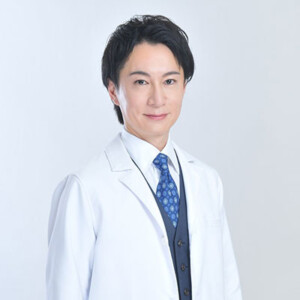
Dr. Jun Karibe
MD
Director
Education & Career
Certifications
Awards
MEDICAL REVIEW