What Is HIFU?
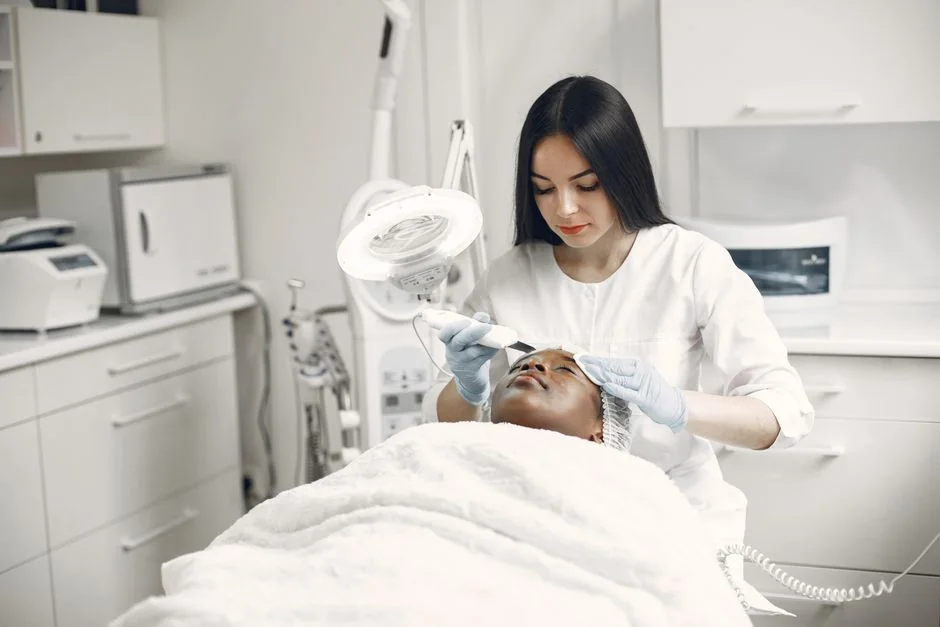
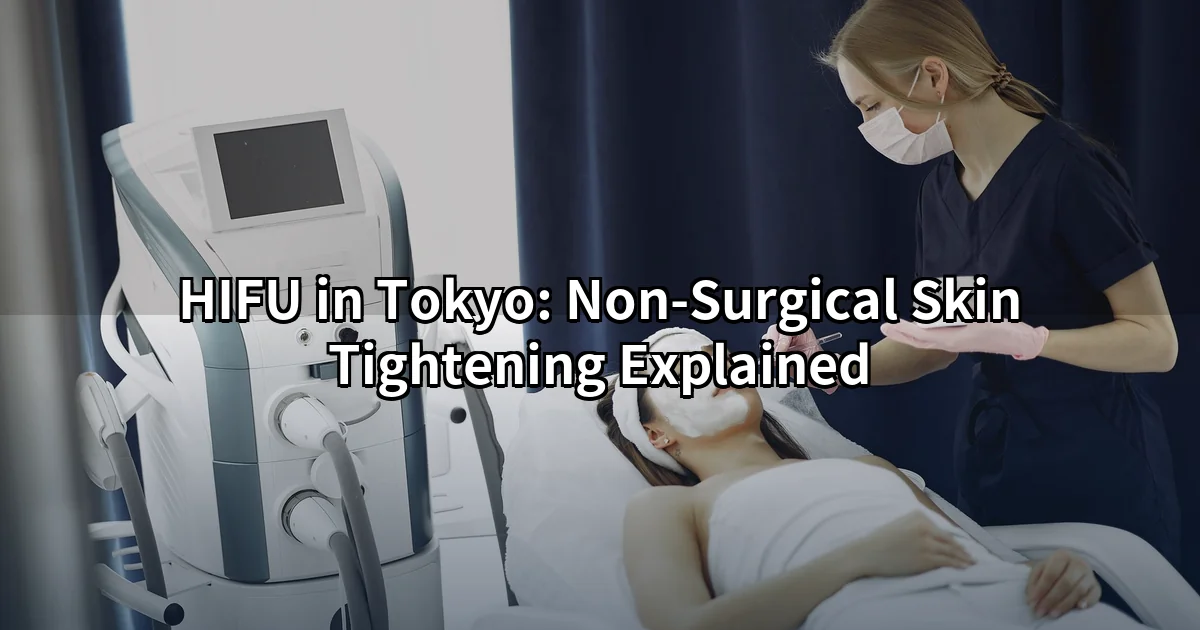
HIFU stands for high-intensity focused ultrasound. It is a non-invasive cosmetic procedure that delivers precisely focused pulses of ultrasound energy beneath the skin surface, creating controlled localised heat in the dermis and deeper structural layers — without breaking the skin, requiring incisions, or necessitating anaesthesia.
The heat triggers the body’s natural repair response, stimulating new collagen and elastin production over the weeks and months that follow.
The technology was originally developed for oncological applications — specifically, the targeted ablation of tumours — and was subsequently adapted for cosmetic use. Regulatory clearance for non-invasive facial lifting applications was first granted by the United States Food and Drug Administration (FDA) in the early 2010s. Its clinical use in medical aesthetic practice in Japan has grown substantially since.
Targeting the SMAS Layer
What distinguishes HIFU from many surface-level skin treatments is its ability to reach the superficial musculo-aponeurotic system, or SMAS — a fibromuscular layer situated approximately 4.5 mm below the skin surface.
The SMAS is the same structural layer that plastic surgeons address during a facelift; tightening it produces a natural-looking lift of the mid-face, jawline, and neck. HIFU is one of the very few non-surgical modalities that can deliver energy to this depth without any incision.
A HIFU transducer delivers energy at multiple depths in a single session — typically 1.5 mm (superficial dermis), 3.0 mm (deep dermis), and 4.5 mm (SMAS fascia). At each focal point, the ultrasound briefly raises local tissue temperature to approximately 60–70°C. This creates two effects: immediate contraction of existing collagen fibres, and activation of fibroblasts to begin producing new structural proteins over the months that follow. Critically, the skin surface between the transducer and each target zone is not heated — which is why HIFU produces no wound, no scab, and no required rest period.
The Collagen Remodelling Timeline
The aesthetic benefits of HIFU develop progressively as new collagen matures. Patients and clinicians generally describe the process in three phases:
- Weeks 2–4: New collagen synthesis begins; some patients notice early improvements in skin texture and firmness.
- Months 1–3: Progressive collagen fibre reorganisation intensifies; the jawline and mid-face often appear more defined.
- Months 3–6: Collagen cross-linking and structural maturation reach their peak, producing the most pronounced visible lift. Results typically persist for 12 to 18 months before a maintenance session becomes worthwhile.
A 2024 histological study published in the Journal of Cosmetic Dermatology, which examined 316 thermal coagulation points in treated tissue, confirmed this progressive biological process: elastin content in treated areas more than doubled between Day 14 and Day 90, rising from approximately 1.2% to 3.1%. This finding helps explain the frequently reported patient experience that HIFU results continue improving over the months following a session.
Expected Results: What the Clinical Evidence Shows
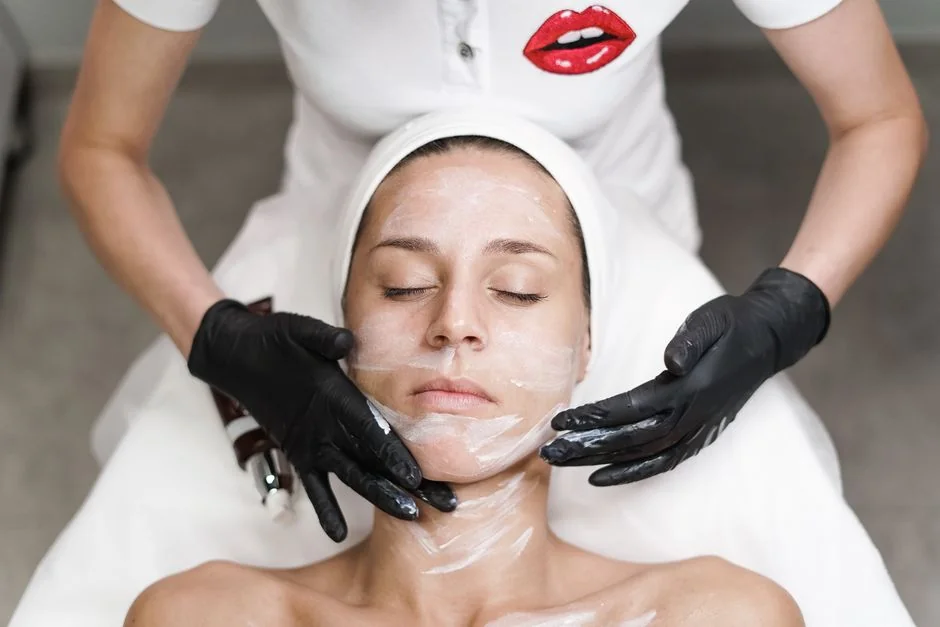
A 2025 systematic review published in the Aesthetic Surgery Journal (Oxford University Press) — which analysed 45 clinical trials and cohort studies published between January 2010 and October 2024 — found that HIFU produced improvements in skin laxity ranging from 18% to 30%, with particularly consistent results in the lower face, neck, and periorbital regions. Clinical reports indicate that over 80% of patients across the reviewed studies expressed satisfaction with their outcomes.
Regarding safety, the same review found that fewer than 5% of patients experienced significant adverse events. Common transient effects — mild erythema (reported in approximately 30–50% of patients), swelling (10–20%), and tenderness (15–25%) — typically resolved within hours to days. Serious complications such as burns or nerve disruption were documented rarely, and primarily in association with excessive energy settings or suboptimal technique.
Results are statistically significant across studied populations but individually variable. Patients with mild to moderate skin laxity, stable weight, and good baseline skin health consistently report the most satisfying outcomes. Those with more pronounced facial descent or significant excess skin may find that surgical intervention produces a more reliable correction.
The table below places HIFU in context alongside three other commonly discussed approaches to facial lifting and tightening:
| Treatment | Depth Targeted | Downtime | Visible Result Onset | Typical Longevity | Best Suited To |
|---|---|---|---|---|---|
| HIFU | 1.5–4.5 mm (dermis to SMAS) | None to minimal | 2–6 months | 12–18 months | Mild to moderate laxity; contour definition |
| RF Microneedling (e.g., Morpheus8) | 0.5–4 mm (dermis) | 2–5 days (redness, swelling) | 4–12 weeks | 12–18 months | Skin texture, pore refinement, superficial tightening |
| Thread Lift (non-surgical) | Subcutaneous layer | 3–5 days (bruising, swelling) | Immediate + progressive | 12–24 months | Moderate laxity requiring mechanical lift |
| Surgical Facelift | SMAS + overlying skin | 2–4 weeks | 6–12 weeks post-surgery | 5–10 years | Significant laxity or excess skin |
HIFU and RF microneedling address different tissue depths and can be used in a complementary sequence.
At BIOTOPE CLINIC in Shirokanedai, consultations with Dr. Karibe’s team frequently include a discussion of whether HIFU alone, Morpheus8 alone, or a staged combination plan best addresses a patient’s anatomy and goals — since the two modalities act at different levels and can produce synergistic outcomes when appropriately timed.
HIFU Cost in Tokyo
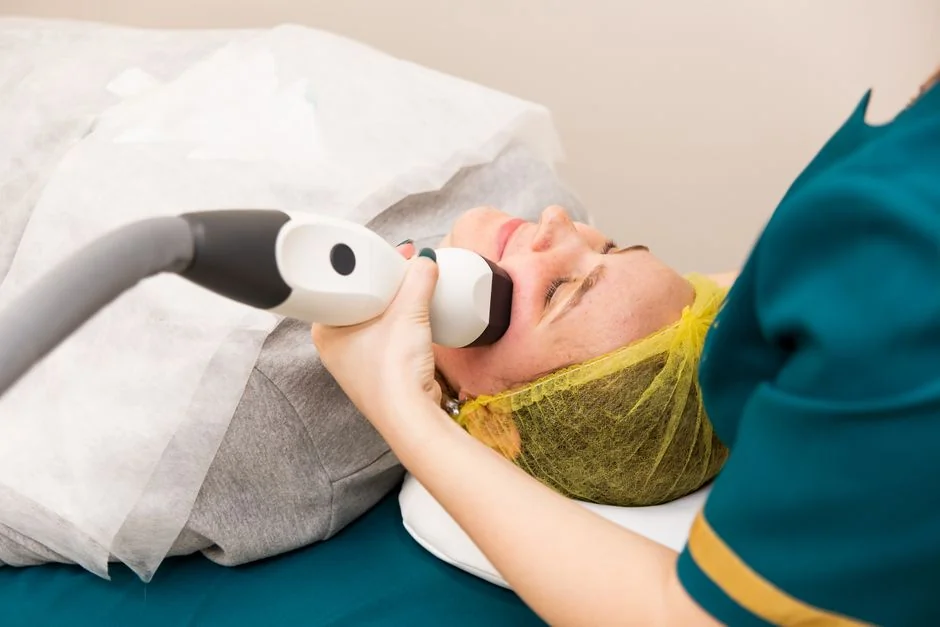
HIFU treatment prices vary depending on the device platform used, the number of transducer passes (referred to as “shots”), the anatomical areas covered, and whether the session is administered by a physician or a trained therapist. At BIOTOPE CLINIC in Shirokanedai, the clinic’s current menu lists a full-face and jawline HIFU session at ¥110,000, and a HIFU Shower (full face) at ¥25,000 — with an additional fee applicable where physician administration is specifically requested. These figures were verified from the clinic’s official price page at the time of writing.
Across Tokyo’s broader cosmetic medicine market, HIFU session prices span a wide range depending on device generation and protocol intensity. For the most accurate and up-to-date quote reflecting the specific protocol appropriate for your concerns, please consult the clinic’s official price page or book a consultation directly.
For an accurate quote, please book a consultation.
Have a question about this treatment?
Message us on LINE or WhatsApp — our English-speaking team usually replies the same day.
Before, During, and After Your HIFU Session
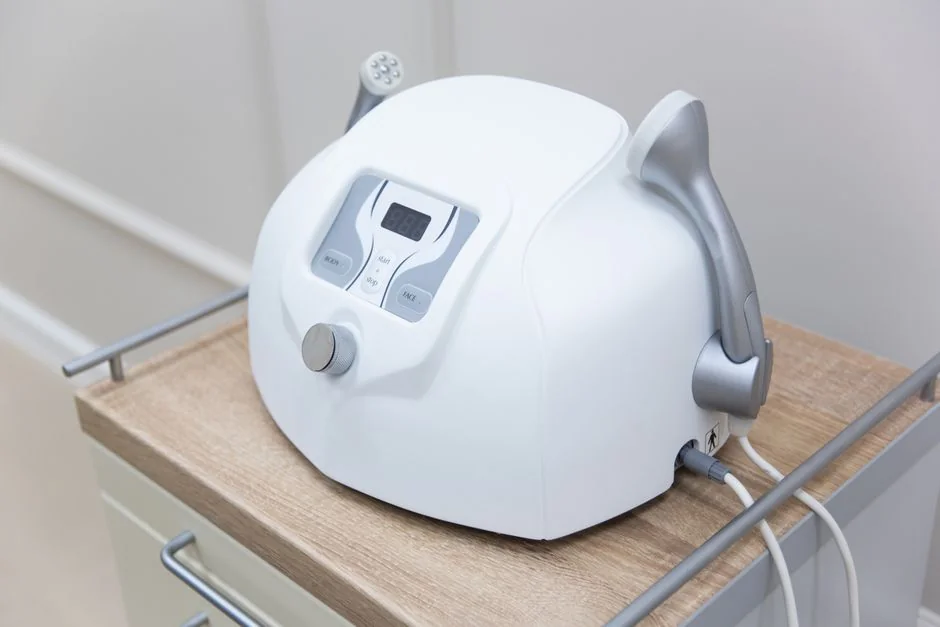
Before Treatment
A physician consultation is an important first step. The treating doctor will assess your skin laxity, facial anatomy, and tissue depth to determine appropriate cartridge depths and shot density. Patients should arrive with clean, make-up-free skin. Those taking anticoagulant medications should discuss this with their physician, as it may be relevant to bruising risk in some individuals.
During Treatment
Sessions typically take 30 to 90 minutes depending on the area treated. The sensation is generally described as intermittent prickling or warm stinging as each ultrasound pulse fires — most noticeable over bony prominences such as the cheekbones and along the jaw. Most patients find the experience tolerable without anaesthesia; topical numbing cream is available for those who prefer added comfort. In Dr. Karibe’s clinic at BIOTOPE CLINIC in Shirokanedai, the pre-treatment assessment includes a discussion of transducer depth settings matched to the patient’s individual tissue anatomy — a factor that can meaningfully influence the strength of the collagen stimulus delivered.
After Treatment
One of HIFU’s practical advantages is its minimal downtime. Most patients experience mild redness and subtle swelling that resolves within a few hours; make-up can typically be reapplied the same day and normal daily activities resumed immediately. Strenuous exercise and extended sun exposure are generally advised against for 24 to 48 hours. Visible results develop gradually over the following weeks and months rather than appearing immediately after the session.
Who Is a Good Candidate for HIFU?
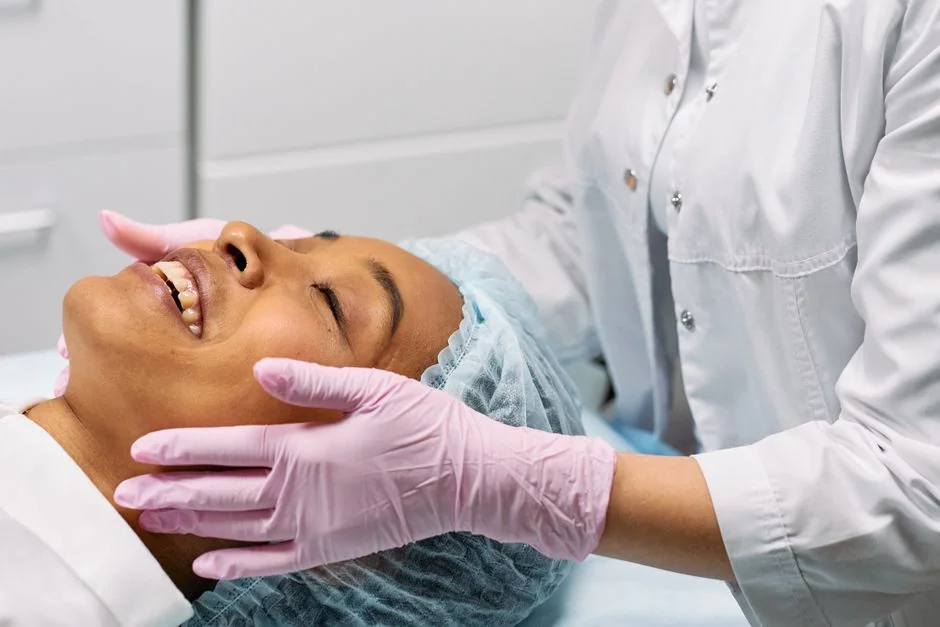
HIFU tends to produce its most satisfying outcomes for adults roughly between their late thirties and mid-fifties who have mild to moderate skin laxity — skin that has begun to loosen but has not descended to a degree requiring surgical correction. Good baseline skin elasticity and stable weight improve the likelihood of meaningful results. Patients who maintain a healthy lifestyle, protect their skin from UV exposure, and follow physician aftercare guidance are best positioned to preserve their results over time.
Who Should Postpone or Avoid HIFU
- Pregnant individuals
- Those with active skin conditions in the treatment area: open wounds, severe acne breakouts, or active eczema flares
- Individuals with metallic implants (plates, pins) or electronic implants (pacemakers) near the treatment site
- Those with autoimmune conditions affecting connective tissue, or a documented history of keloid scarring
- Patients with severe skin laxity or significant excess skin, for whom a surgical consultation may be more appropriate
- Those who have had a surgical facelift within the past 12 months — timing of HIFU post-surgery should be discussed with the operating surgeon
If any of the above applies to you, a thorough pre-treatment consultation with a board-certified physician is essential before proceeding.
Common Misconceptions About HIFU
“HIFU results appear right after the session”
This is one of the most frequently encountered misunderstandings. The mild tightening that some patients notice on the day of treatment is due to acute thermal contraction of existing collagen — a modest immediate effect. The meaningful aesthetic lift that HIFU is known for arises from the biological process of new collagen and elastin production, which matures over three to six months. Patients who judge HIFU as ineffective one or two weeks after treatment are typically doing so before the collagen remodelling cycle has produced its results. Clinical studies consistently track measurement endpoints at three and six months rather than at two weeks, precisely because this is when the significant changes occur.
“All HIFU devices deliver the same result”
Multiple manufacturers produce HIFU platforms for aesthetic use, each with distinct transducer frequencies, cartridge depth options, and energy delivery profiles. The specific device used, the number of shots applied across each depth layer, and the operator’s familiarity with facial anatomy all influence the final outcome. Asking your clinic which device they use and at which cartridge depths is a reasonable and well-informed question before committing to a session. It is also worth noting that HIFU sessions priced significantly below the market norm may involve fewer shots or older-generation transducers, which can reduce the depth and density of the thermal coagulation stimulus.
Where to Get HIFU Treatment in Tokyo
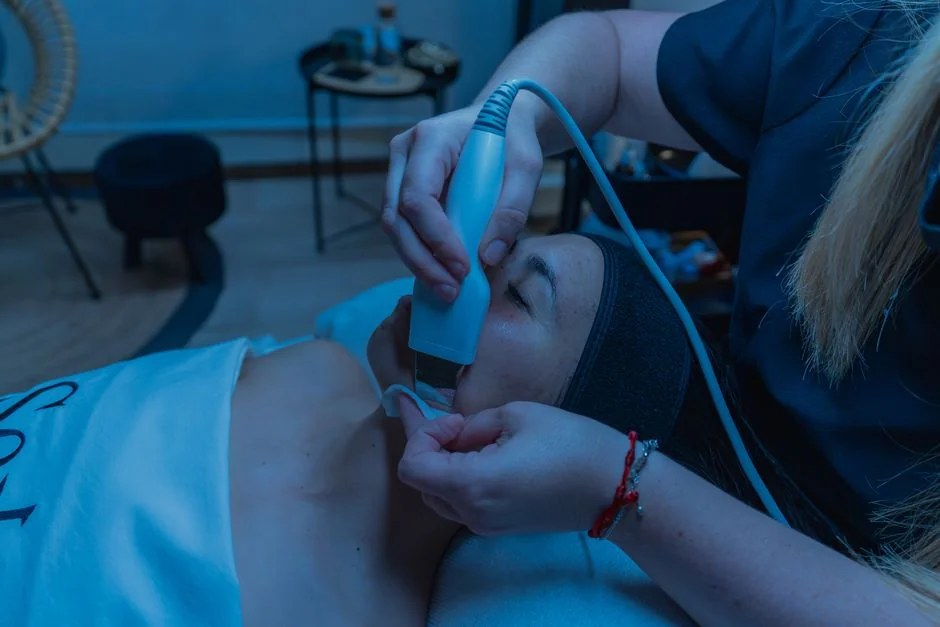
Within our clinic group, both BIOTOPE CLINIC (Shirokanedai, Minato-ku) and Kojimachi Dermatology & Plastic Surgery Clinic (Ichigaya, Chiyoda-ku) offer English-language consultation with Dr. Jun Karibe’s team. HIFU skin tightening is handled at BIOTOPE CLINIC in Shirokanedai, where cosmetic dermatology, non-surgical lifting, and aesthetic device treatments are concentrated. Bookings and enquiries in English: LINE or WhatsApp.
BIOTOPE CLINIC also offers Morpheus8, a radiofrequency microneedling treatment that addresses the superficial dermal layers with precision RF energy — a complement to HIFU for patients who want to treat both surface texture and deeper laxity within a combined plan. This is a treatment available at BIOTOPE CLINIC in Shirokanedai — feel free to ask about it during a consultation with Dr. Karibe.
Frequently Asked Questions
- Q. How many HIFU sessions will I need?
- Many patients achieve satisfying results from a single session, with improvements continuing over three to six months. A repeat treatment is typically worthwhile after 12 to 18 months, depending on skin response and the natural ageing process. Some patients with greater laxity may benefit from two sessions spaced approximately six weeks apart.
- Q. Is HIFU painful?
- Most patients describe the sensation as intermittent prickling or warm stinging — most noticeable over bony prominences such as the cheekbones and along the jaw. Discomfort is generally tolerable; topical anaesthetic cream is available at BIOTOPE CLINIC for patients who would prefer it before treatment begins.
- Q. Can HIFU replace a facelift?
- HIFU can meaningfully improve mild to moderate skin laxity without surgery, but it does not replicate the structural correction of a surgical facelift. For patients with significant facial descent or surplus skin, surgery remains the standard of care. HIFU is well-suited to individuals who want to address early laxity before surgical intervention becomes relevant, or who wish to extend the results of a prior facelift.
- Q. Is HIFU suitable for Asian skin types?
- Published clinical studies include large cohorts of East and South-East Asian patients. HIFU has not been associated with an elevated risk of post-inflammatory hyperpigmentation in darker skin tones in the way that certain laser treatments can be. A physician consultation to confirm appropriate energy settings for your individual skin is always recommended.
- Q. How long do HIFU results last?
- Results are not permanent. Most patients find effects remain visible for approximately 12 to 18 months, after which a maintenance session may be considered. Individual longevity depends on age, skin quality, UV exposure habits, and the degree of ongoing collagen loss associated with ageing.
Have a question about this treatment?
Message us on LINE or WhatsApp — our English-speaking team usually replies the same day.
Summary
HIFU is a non-surgical skin-tightening modality with a well-established clinical record. It uses focused ultrasound energy to deliver controlled thermal stimulation to the deep dermis and SMAS layer, initiating a progressive collagen and elastin remodelling process that produces visible lifting of the lower face, neck, and periorbital areas over three to six months. A 2025 systematic review of 45 studies reported improvements in skin laxity of 18–30%, with over 80% of patients expressing satisfaction and fewer than 5% experiencing significant adverse events.
HIFU is best suited to adults with mild to moderate skin laxity who seek a non-surgical option with no required recovery time. It is not a substitute for surgical correction in cases of significant tissue descent, and individual results vary with skin quality, age, and lifestyle. A consultation with a qualified physician remains the most reliable first step.
If you have questions about HIFU treatment, both BIOTOPE CLINIC (Shirokanedai, Minato-ku) and Kojimachi Dermatology & Plastic Surgery Clinic (Ichigaya, Chiyoda-ku) offer English-language consultation with Dr. Karibe and his team. HIFU is primarily handled at BIOTOPE CLINIC in Shirokanedai. English enquiries: LINE or WhatsApp.
24/7 Consultation & Booking
Book a Consultation or Treatment
Our English-speaking team responds via LINE or WhatsApp — usually the same day.
References
- Systematic Review of High-Intensity Focused Ultrasound in Skin Tightening and Body Contouring. Aesthetic Surgery Journal. 2025; 45(7): 690. Oxford University Press. (Analysis of 45 clinical trials and cohort studies, January 2010–October 2024.)
- Microfocused Ultrasound With Visualization Induces Remodeling of Collagen and Elastin Within the Skin. Journal of Cosmetic Dermatology. 2024. (PMC accession: PMC11743342. Published November 2024.)
- U.S. Food and Drug Administration. Medical Device 510(k) Premarket Notification Database. Available at: https://www.fda.gov/
Related Articles
You may also find these articles useful.
- HIFU vs RF Microneedling: Treat Facial Sagging
- Facial Sagging Treatment: HIFU vs RF Microneedling
- Embrace RF vs HIFU vs Deep Plane Facelift: Tokyo Guide
- Volnewmer vs Thermage vs HIFU: RF Comparison
- Non-Surgical Facelift Tokyo for Foreigners: Complete Guide
SUPERVISED BY
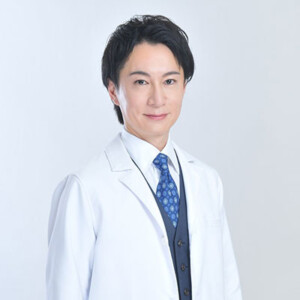
Dr. Jun Karibe
MD
Director
Education & Career
Certifications
Awards
MEDICAL REVIEW