Tokyo’s Climate and Your Skin: What You’re Actually Up Against
Living in Tokyo means navigating one of the most variable urban climates in the world — sweltering, humid summers followed by dry, cold winters, overlaid year-round by urban air pollution.
Each shift places different demands on the skin barrier, and a routine that works in January will actively underserve you by August. This article breaks down exactly how Tokyo’s weather and air quality affect the skin, and what a practical, evidence-based routine looks like across every season.
What you’ll learn in this article:
- How Tokyo’s humidity levels and PM2.5 air pollution physically damage the skin
- Which skincare adjustments are warranted season by season
- Which active ingredients have clinical evidence for anti-pollution protection
- Common mistakes people make when adapting a routine to humid, polluted conditions
- When to seek professional dermatology or cosmetic skin support in Tokyo — and where English-language care is available
Have a question about this treatment?
Message us on LINE or WhatsApp — our English-speaking team usually replies the same day.
Tokyo’s Climate: The Numbers Behind the Challenge
Tokyo’s relative humidity averages approximately 64% across the year, but the range is what creates the challenge.
January sees average humidity around 54–55%, while September peaks at roughly 81–82% — a swing of nearly 30 percentage points.
The rainy season (tsuyu, typically June to mid-July) and late summer together represent a sustained period of high heat and humidity, with temperatures regularly exceeding 35°C in recent years due to the urban heat island effect.
Air quality adds a further dimension. Tokyo’s annual average PM2.5 concentration has been measured at approximately 11.7 μg/m³, placing it in a moderate global bracket but still above World Health Organization air quality guidelines. Pollution levels tend to peak in winter, particularly in February, partly due to transboundary particulate matter carried from the Asian continent.
Cedar pollen season (February to April) introduces an additional airborne irritant that can trigger or worsen inflammatory skin conditions.
Indoor environments compound the problem. Air conditioning in summer and heating in winter both reduce ambient humidity significantly, meaning the skin may be dehydrated indoors even when outdoor humidity is high.
How Pollution and Humidity Damage Your Skin

The Science of PM2.5 and Skin Ageing
Fine particulate matter (PM2.5) consists of airborne particles measuring less than 2.5 micrometres — small enough to penetrate the stratum corneum, the outermost protective layer of skin. Once absorbed, these particles generate reactive oxygen species (ROS) and trigger inflammatory cytokines, accelerating collagen degradation and disrupting normal cell function.
A 2024 editorial in Antioxidants highlighted that PM-induced mitochondrial dysfunction and ROS generation are key cellular mechanisms driving accelerated skin ageing in polluted urban environments.
A 2025 systematic review and meta-analysis by Tjiu and Lu, published in Life, examined long-term PM2.5 exposure and clinical skin ageing outcomes across human cohorts.
All individual pigmentary estimates in the analysis were directionally positive, suggesting a consistent association between PM2.5 exposure and pigmentary skin ageing.
One included cohort study reported a 3.2% increase in wrinkle severity per 10 μg/m³ rise in PM2.5. The authors acknowledged that the current evidence base remains limited in size and certainty, but the directional consistency across studies is notable.
For those with sensitive or reactive skin, the inflammatory effects of air pollution carry more immediate consequences.
A 2025 meta-analysis published in JAMA Dermatology by Park and colleagues, synthesising data from 42 studies across 14 countries, found that elevated PM2.5 levels probably increase atopic dermatitis-related emergency department and clinic visits — a finding rated as moderate-certainty evidence.
What Humidity Extremes Do to the Skin Barrier
High humidity during Tokyo’s rainy season and summer creates excess surface moisture, which can trap sebum, dead skin cells, and pollution particles within pores, increasing the risk of congestion and inflammatory acne.
Low humidity in winter reduces the skin’s natural moisturising factors (NMFs) and impairs ceramide production, weakening barrier integrity and increasing transepidermal water loss (TEWL). Both extremes, in their own way, compromise the skin’s ability to defend itself against environmental stressors.
A Season-by-Season Skincare Routine for Tokyo
The most practical approach is a consistent core routine — antioxidant serum, broad-spectrum SPF, a cleanser appropriate for your skin type, and a moisturiser — adjusted in formulation weight and active ingredient focus according to the season. The table below summarises the key seasonal shifts.
| Season | Key Skin Challenge | Routine Focus | Priority Ingredients |
|---|---|---|---|
| Spring (Mar–May) | Cedar pollen, rising humidity and UV | Anti-inflammatory protection, consistent SPF | Niacinamide, centella asiatica, broad-spectrum SPF 50+ |
| Rainy season (Jun–Jul) | Humidity up to 80%, heat, sweat-accelerated dehydration | Oil control, lightweight hydration | Water-based gel moisturiser, BHA (salicylic acid) |
| Late summer (Aug–Sep) | Peak UV, humidity ~82%, oxidative stress from pollution | Antioxidant defence, diligent SPF application | Vitamin C serum, ferulic acid, broad-spectrum SPF 50+ |
| Autumn (Oct–Nov) | Falling humidity, early barrier weakening | Transitional hydration, barrier preparation | Hyaluronic acid, ceramides, richer moisturiser |
| Winter (Dec–Feb) | Low humidity (~55%), cold air, indoor heating | Barrier repair, anti-pollution cleansing | Ceramides, squalane, fragrance-free formulations |
A consistent evening habit that deserves emphasis in any Tokyo season is double cleansing: an oil-based or micellar first step to remove sunscreen, surface pollution particles, and excess sebum, followed by a gentle water-based cleanser. This is particularly important during the high-pollution winter months when PM2.5 levels peak.
Anti-Pollution Skincare: Ingredients With Clinical Evidence
Vitamin C (L-ascorbic acid). A review published in the Journal of Clinical and Aesthetic Dermatology confirmed that topical vitamin C protects against UV-induced oxidative damage and that combining it with vitamin E and ferulic acid — which stabilises the formulation —our Clinic’s Vitamin C nano powder doubles its photoprotective effect.
Applied in the morning beneath SPF, a vitamin C serum addresses both UV-induced and pollution-generated free radicals simultaneously.
Broad-spectrum SPF, daily and year-round. UV radiation reaches the skin throughout every season. Up to 80% of UV penetrates cloud cover, and atmospheric haze does not provide meaningful UV protection. Daily SPF application is a non-negotiable component of any anti-ageing and anti-pollution routine in Tokyo, regardless of the forecast.
Niacinamide (vitamin B3). Niacinamide supports ceramide production, strengthens the skin barrier, and has demonstrated anti-inflammatory properties — making it particularly useful during pollen season and during the humidity transitions between autumn and winter. It is also well-tolerated by most skin types, including those prone to redness and sensitivity.
In Dr. Karibe’s clinical experience at BIOTOPE CLINIC in Shirokanedai, patients who relocate to Tokyo from lower-pollution or lower-humidity environments frequently underestimate the cumulative impact of seasonal transitions on their skin — particularly the transition from high-humidity summer into the dry, heated interiors of late autumn. Patients with specific pigmentation concerns, enlarged pores, or persistent congestion often find that incorporating a physician-directed medical-grade skincare programme accelerates improvement beyond what over-the-counter options can achieve alone. Zo Skin Health, a physician-directed cosmeceutical system, is one option available following consultation at BIOTOPE CLINIC.
What People Often Get Wrong About Skincare in Humid, Polluted Cities
Misconception 1: “I do not need moisturiser in Tokyo’s humid summer.”
High outdoor humidity does not equate to well-hydrated skin. Sweating accelerates surface water loss and repeated transitions between humid outdoor air and air-conditioned interiors create a dehydration cycle at the skin surface. A lightweight, water-based moisturiser remains necessary throughout summer, and omitting it often leads to reactive sebum overproduction.
Misconception 2: “Sunscreen is less important on overcast or hazy days.”
This is a common and costly error. UV radiation is present year-round and penetrates both cloud cover and atmospheric particulate haze. Skipping SPF on grey days — particularly common in Tokyo’s winter months — leaves skin unprotected against both UV damage and the compounding oxidative effects of simultaneous pollution exposure.
Where to Seek Professional Skincare Support in Tokyo
A solid home routine covers the foundation, but recurring concerns — persistent pigmentation, pollution-exacerbated acne, or eczema flares triggered by seasonal pollen or humidity — often benefit from assessment by a qualified dermatologist or plastic surgeon. Professional intervention can address structural skin changes that topical products alone cannot reverse.
For pigmentation arising from long-term UV and pollution exposure, laser treatments such as PicoWay picosecond laser are available at BIOTOPE CLINIC in Shirokanedai. Medical-grade cosmeceutical programmes can also be prescribed following a consultation with Dr. Karibe’s team. These are self-pay cosmetic services. Please see the clinic’s official price page or contact us for a current quote. For an accurate quote, please book a consultation.
For patients whose skin conditions may qualify for coverage under Japanese national health insurance — including atopic dermatitis, eczema, contact dermatitis, or acne — Kojimachi Dermatology and Plastic Surgery Clinic in Ichigaya (Chiyoda-ku) is the appropriate first point of contact.
Within our clinic group, both BIOTOPE CLINIC (Shirokanedai, Minato-ku) and Kojimachi Dermatology and Plastic Surgery Clinic (Ichigaya, Chiyoda-ku) offer English-language consultation with Dr. Jun Karibe’s team. Cosmetic dermatology, laser pigmentation treatments, and personalised medical-grade skincare programmes are handled at BIOTOPE CLINIC. Insurance-covered dermatology conditions, including atopic dermatitis and eczema, are treated at Kojimachi. Bookings and enquiries in English: LINE or WhatsApp.
Have a question about this treatment?
Message us on LINE or WhatsApp — our English-speaking team usually replies the same day.
Frequently Asked Questions
- Q. Do I need a completely different skincare routine for each season in Tokyo?
- A full overhaul is rarely necessary. The most practical approach is a consistent core routine — cleanser, antioxidant serum, moisturiser, and SPF — with adjustments in formulation weight and active ingredient selection as seasons change. Switching from a cream to a gel moisturiser in summer and back again in winter is often sufficient for most skin types.
- Q. Can Tokyo’s air pollution cause breakouts or worsen acne?
- Clinical evidence suggests that PM2.5 particles can adsorb onto skin and contribute to pore congestion, and that pollution-induced inflammation may aggravate existing acne. Evening double cleansing and regular use of a BHA such as salicylic acid can help address this build-up. If acne is persistent or worsening, a dermatology consultation is advisable.
- Q. How often should I exfoliate in Tokyo’s humidity?
- Chemical exfoliation with an AHA or BHA once or twice per week is generally appropriate for most skin types. Over-exfoliating during the high-humidity summer months can increase sensitivity and impair the barrier; reduce frequency if redness or irritation occurs. Physical scrubs are generally not recommended, as they may introduce micro-tears and worsen inflammation linked to pollution exposure.
- Q. Is Tokyo’s tap water suitable for rinsing the face?
- Tokyo’s tap water has a relatively low mineral content (soft water), which is generally less irritating to skin than hard water. That said, repeated rinsing without a gentle, pH-balanced cleanser can still disrupt the skin’s natural acid mantle over time, particularly in winter when the barrier is already compromised.
Have a question about this treatment?
Message us on LINE or WhatsApp — our English-speaking team usually replies the same day.
Summary
Tokyo’s dramatic seasonal humidity range, year-round UV exposure, moderate PM2.5 air pollution, and cedar pollen season each impose distinct demands on skin. Building a resilient routine means maintaining a consistent daily foundation — an antioxidant serum, broad-spectrum SPF, and appropriately weighted moisturiser — while adapting active ingredients and formulation texture as conditions shift. Evening double cleansing is particularly important for removing airborne pollutants that accumulate during the day. When persistent pigmentation, congestion, or inflammatory flares develop despite a sound home routine, professional assessment can determine whether a medical-grade treatment or intervention is warranted.
If you have questions about skincare for Tokyo’s climate, both BIOTOPE CLINIC (Shirokanedai, Minato-ku) and Kojimachi Dermatology and Plastic Surgery Clinic (Ichigaya, Chiyoda-ku) offer English-language consultation with Dr. Karibe and his team. Cosmetic dermatology, laser treatments for pigmentation, and medical-grade skincare programmes are primarily handled at BIOTOPE CLINIC (Shirokanedai). For insurance-covered dermatology, Kojimachi Dermatology and Plastic Surgery Clinic (Ichigaya) is the appropriate clinic. English enquiries: LINE or WhatsApp.
24/7 Consultation & Booking
Book a Consultation or Treatment
Our English-speaking team responds via LINE or WhatsApp — usually the same day.
References
- Tjiu JW, Lu CF. Long-Term PM2.5 Exposure and Clinical Skin Aging: A Systematic Review and Meta-Analysis of Pigmentary and Wrinkle Outcomes. Life (Basel). 2025;16(1):61.
- Park M, Mohsen ST, Katz T, Sood S, Sy SMT, Rochwerg B, Drucker AM. Climate Conditions, Weather Changes, and Air Pollutants and Atopic Dermatitis: A Meta-Analysis. JAMA Dermatology. 2025;161(8):828–839.
- Al-Niaimi F, Chiang NYZ. Topical Vitamin C and the Skin: Mechanisms of Action and Clinical Applications. Journal of Clinical and Aesthetic Dermatology. 2017.
- Yoshida Y. Oxidative Stress Induced by Air Pollution. Antioxidants (Basel). 2024;13(11):1393.
Related Articles
You may also find these articles useful.
- Japanese Sunscreen Guide: SPF and PA Ratings Explained
- Sensitive Skin Care Tokyo: See a Dermatologist in Japan
- Melasma Treatment Tokyo: Causes and Best Solutions
- Laser Skin Treatment Tokyo: English-Speaking Clinic Guide
- English Speaking Dermatologist Tokyo: A Complete Guide
SUPERVISED BY
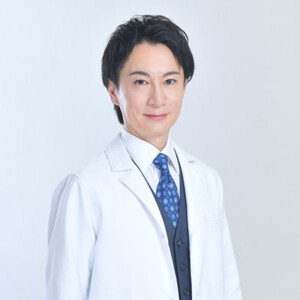
Dr. Jun Karibe
MD
Director
Education & Career
Certifications
Awards
MEDICAL REVIEW