What Are Collagen Booster Treatments?
As the years pass, many people notice that their skin feels less firm, looks a little duller, and that fine lines have settled in places they once barely noticed. If this sounds familiar, you are encountering one of the most universal biological processes in skin ageing: collagen loss. This guide explains the main categories of collagen booster treatments available in Tokyo, what clinical studies tell us about their results, what to expect during and after treatment, and how to find English-language care in the city.
What you’ll learn in this article:
- What collagen booster treatments are and how they differ from dermal fillers
- The four main treatment types available in Tokyo — HIFU, RF microneedling, injectable biostimulators, and Dermapen — and how they compare
- What clinical studies report about realistic results and timelines
- Verified price ranges for treatments at a Tokyo clinic
- Who is a suitable candidate and what recovery involves
Have a question about this treatment?
Message us on LINE or WhatsApp — our English-speaking team usually replies the same day.
What Are Collagen Booster Treatments?
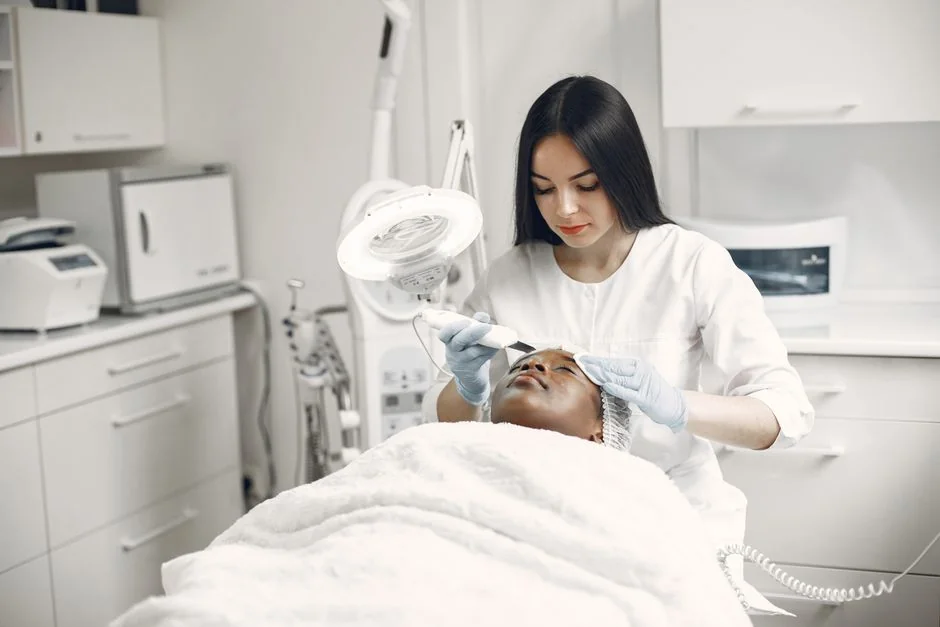
Collagen is the primary structural protein in the dermis — the fibrous scaffolding that gives skin its firmness, elasticity, and resistance to gravity. Production begins to decline gradually from roughly the mid-twenties and accelerates through the forties and beyond, resulting in progressively thinner, looser skin over time.
Collagen booster treatments address this decline not by adding a foreign substance to the face — as a hyaluronic acid filler does — but by triggering the skin’s own regenerative machinery. Depending on the approach, this is achieved through controlled heat, mechanical micro-injury, or biocompatible injectable scaffolds that stimulate fibroblasts (the cells responsible for collagen synthesis) to produce new collagen. The result is a gradual, progressive improvement in skin quality that tends to look natural precisely because it is produced by the body itself.
For patients seeking firmer, smoother skin without altering facial contours, this treatment category has become one of the most requested in Tokyo’s cosmetic medicine landscape.
Types of Collagen Booster Treatments Available in Tokyo
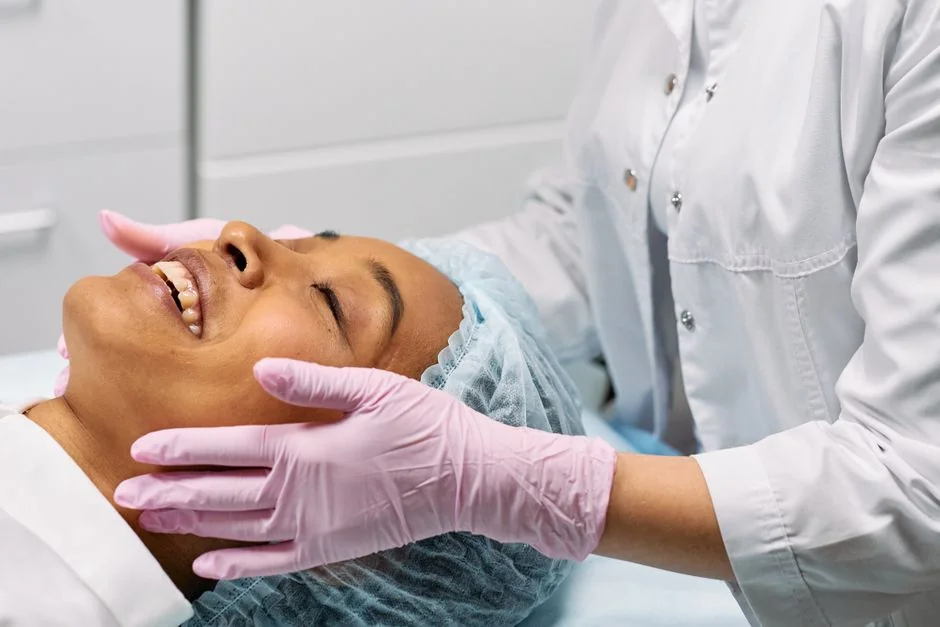
HIFU (High-Intensity Focused Ultrasound)
HIFU devices concentrate ultrasound energy at precise depths within the skin — typically the mid-dermis and, at deeper settings, the SMAS (superficial muscular aponeurotic system), the fibromuscular layer also targeted in surgical facelifts. The focused heat causes immediate collagen contraction followed by a sustained wound-healing response over the following months. The treatment is non-invasive, requires no needles and no surface disruption, and typically requires only one session per treatment cycle.
RF Microneedling (Morpheus8 / POTENZA)
Radiofrequency microneedling combines two distinct stimuli: the mechanical micro-injuries created by fine insulated needles and the thermal energy delivered directly into the dermis via those needles. Morpheus8 can reach depths of up to 8 mm, addressing both superficial texture and deeper tissue laxity. POTENZA is a further RF microneedling platform suited to pore refinement and general skin quality improvement. A course of two to three sessions spaced four to six weeks apart is standard for facial rejuvenation.
At BIOTOPE CLINIC in Shirokanedai, Dr. Karibe’s protocol typically begins with a tissue-depth assessment, selecting the appropriate device and settings to target the specific layer of concern — HIFU for structural lifting and RF microneedling for dermal texture — rather than applying a uniform approach across all patients.
Injectable Collagen Biostimulators (PLLA / Skin Boosters)
Poly-L-lactic acid (PLLA) biostimulators act as biodegradable scaffolds injected beneath the skin surface that prompt fibroblasts to produce new collagen over the weeks following treatment. Unlike volume-adding fillers, the primary goal is architectural: to rebuild the collagen matrix rather than to fill a crease. Hyaluronic acid skin boosters, administered as multiple fine superficial injections, combine immediate dermal hydration with a mild fibroblast-stimulating effect.
Dermapen with Growth Factor Serums
Dermapen microneedling creates thousands of micro-channels in the skin surface, stimulating a controlled healing response and dramatically increasing the penetration of topically applied actives. When paired with growth factor serums or stem-cell culture supernatant, this approach supports collagen renewal and skin quality, and is frequently used either as a standalone treatment for mild concerns or as a maintenance protocol between energy-device sessions.
| Treatment | Primary Mechanism | Depth Targeted | Typical Downtime | Sessions Required |
|---|---|---|---|---|
| HIFU | Focused ultrasound heat | Dermis + SMAS | Minimal (mild redness, hours) | 1–2 per year |
| RF Microneedling (Morpheus8 / POTENZA) | Needle trauma + radiofrequency heat | Dermis (up to 8 mm) | 2–5 days | 2–3 sessions |
| Injectable Biostimulator (PLLA) | Fibroblast-stimulating scaffold | Sub-dermal | Mild swelling 1–2 days | 1–3 sessions |
| Dermapen + Growth Factors | Micro-injury + enhanced absorption | Superficial dermis | 24–48 hours | 3–6 sessions |
What Results Can You Expect? What the Clinical Evidence Shows
The defining characteristic of collagen booster treatments is a gradual improvement curve, not an instant change. New collagen synthesis unfolds over weeks; most patients notice initial firmness and luminosity improvements at four to eight weeks, with peak results appearing at three to six months as new fibres mature and reorganise.
Published clinical data support this timeline. A 2024 study in the Journal of Cosmetic Dermatology (Suh et al.) examining high-intensity parallel ultrasound in 13 participants found that 92% perceived moderate-to-excellent improvement, with objective clinical assessment confirming improvement in 85% of cases. Histological analysis demonstrated a significant increase in elastic fibre density following treatment (p = 0.033) — confirming structural tissue-level change, not just subjective perception.
For injectable PLLA biostimulators, a 2024 prospective study (Bravo et al., Journal of Cosmetic Dermatology) of 52 patients found consistent improvement on the Global Aesthetic Improvement Scale (GAIS) at both day 90 and day 150 post-treatment, suggesting durable benefit maintained beyond the four-month mark. In a separate 2025 randomised controlled trial (Huang et al., Journal of Cosmetic Dermatology), injectable recombinant humanised type III collagen achieved a GAIS efficacy rate of 71.8% (95% CI: 54.2–89.4%) at 90 days, with VISIA imaging confirming measurable improvements in skin texture, wrinkles, and spots.
No collagen booster treatment permanently arrests skin ageing. Maintenance sessions at twelve to twenty-four month intervals are generally advised to sustain results.
Cost of Collagen Booster Treatments in Tokyo

Prices vary considerably by modality, treatment area, and the number of sessions in a planned course. The figures below were verified directly from the BIOTOPE CLINIC and Kojimachi clinic group’s public price pages during the preparation of this article and are inclusive of consumption tax.
- HIFU — full face and jawline: ¥110,000 per session
- HIFU Shower — full face (entry-level protocol): ¥25,000 per session
- POTENZA RF — full face, skin rejuvenation mode: ¥39,800 per session
- Dermapen — full face: from ¥9,800 per session (introductory); ¥19,000 per session (standard course)
- Morpheus8 RF microneedling: please see the clinic’s current price page or enquire directly for pricing
- Injectable biostimulators (PLLA / skin boosters): please enquire for a current quote
Many patients choose a combination approach — for example, HIFU for structural lifting paired with POTENZA or Dermapen for surface refinement — which affects the total course investment. For an accurate quote tailored to your concerns, please book a consultation.
Have a question about this treatment?
Message us on LINE or WhatsApp — our English-speaking team usually replies the same day.
What to Expect: Before, During, and After
Consultation
A pre-treatment consultation with the treating physician is the essential first step. Skin thickness, degree of laxity, and the patient’s aesthetic priorities are assessed to determine the most appropriate modality or combination. Baseline photographs are typically taken to enable objective comparison at follow-up appointments.
During Treatment
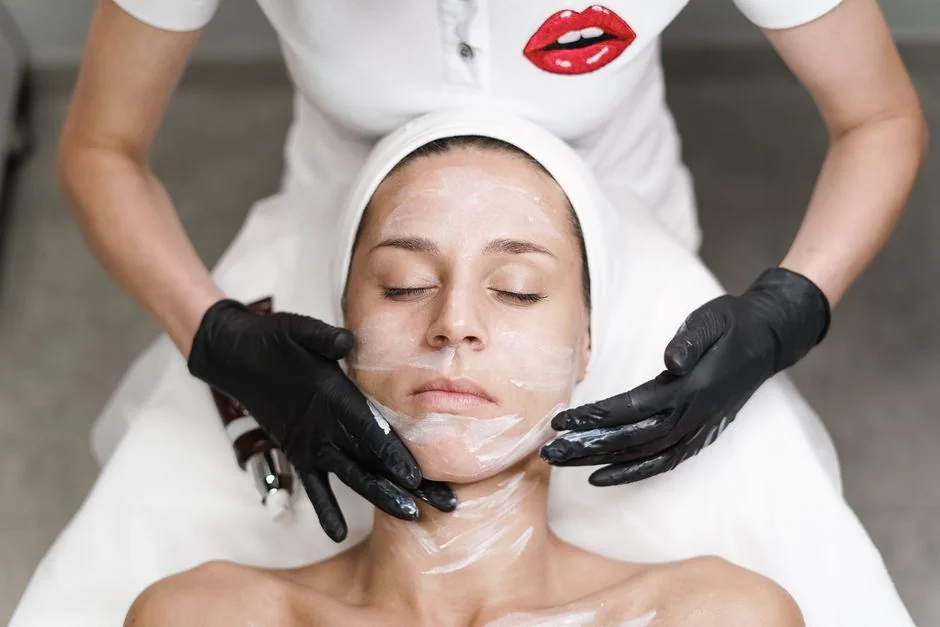
HIFU requires no skin-surface preparation beyond cleansing and application of ultrasound gel. Patients commonly describe the sensation as brief, deep pressure pulses; most tolerate it well without anaesthesia, though topical anaesthetic is available for sensitive patients. RF microneedling involves topical anaesthetic cream applied thirty to sixty minutes before the procedure; the session itself typically takes thirty to sixty minutes. Injectable treatments are performed with topical anaesthetic and, where needed, ice application to the treatment zone.
Recovery and Downtime
HIFU causes mild redness that generally resolves within hours. RF microneedling produces redness, mild oedema, and fine surface marks that typically clear within two to five days; most patients can return to work after forty-eight hours with appropriate makeup coverage. Injectable biostimulators may cause localised bruising or swelling lasting one to two days. For all energy-based treatments, avoidance of direct sun exposure, saunas, and vigorous exercise for forty-eight hours is standard aftercare.
Who Is a Good Candidate?
Patients in their thirties and beyond experiencing early to moderate skin laxity, loss of firmness, fine lines, or dullness — without the degree of sagging that would be better addressed surgically — are generally well suited. Individuals with realistic expectations about gradual improvement tend to be the most satisfied.
Contraindications include active skin infections or open wounds in the treatment area, metal implants or a pacemaker in the treatment zone (relevant for RF and HIFU), pregnancy or breastfeeding, and a personal history of keloid scarring. Isotretinoin use within the previous six months is typically a contraindication for microneedling. A detailed medical history at consultation allows the treating physician to confirm suitability.
What People Often Get Wrong About Collagen Booster Treatments
Misconception 1: Oral collagen supplements are equivalent to clinical treatments
Collagen peptide supplements are heavily marketed, and some controlled trials have demonstrated modest improvements in skin hydration and elasticity with consistent daily use over twelve or more weeks. However, when consumed orally, collagen is digested into individual amino acids before absorption, and the pathway from amino acid to dermal collagen fibre is indirect and subject to competition from other metabolic demands. Multiple systematic reviews have noted that effects in industry-independent, high-quality studies tend to be considerably more modest than the marketing suggests, and that structural parameters such as collagen density have not been reliably improved. Clinical collagen booster treatments act on the dermis directly — histological studies have confirmed measurable increases in collagen and elastic fibre density — and produce changes that oral supplements do not replicate at equivalent magnitude.
Misconception 2: Results appear within days of treatment
Patients who have experienced the immediate effect of a dermal filler sometimes expect a similarly rapid transformation from energy-based or injectable biostimulator treatments. In reality, these treatments initiate a biological process — controlled inflammation and subsequent collagen neosynthesis — that takes weeks to months to produce visible benefit. The most significant improvements typically emerge between two and six months after a session. Communicating this timeline at the outset is important: early under-reaction does not mean the treatment has not worked; the peak response is still ahead.
Frequently Asked Questions
- Q. How long do the results last?
- Duration varies by modality and individual ageing rate. HIFU and RF microneedling results typically sustain for twelve to eighteen months. Injectable PLLA biostimulators have demonstrated maintained improvement at both 90 and 150 days in clinical studies, with many patients experiencing benefits lasting up to two years. Maintenance sessions at twelve to twenty-four month intervals are generally recommended to preserve outcomes over time.
- Q. Can collagen booster treatments be safely combined?
- Combining treatments is common and frequently planned deliberately to address multiple tissue depths in a single course — for example, HIFU for SMAS-level lifting together with RF microneedling for dermal texture improvement. At BIOTOPE CLINIC in Shirokanedai, Dr. Karibe’s approach involves matching each modality to the appropriate tissue depth for the individual patient rather than applying a standardised package, which helps avoid redundancy and optimises results.
- Q. Are collagen booster treatments painful?
- Pain tolerance varies between patients. HIFU is generally well tolerated and described as brief, deep pressure pulses. RF microneedling involves topical anaesthetic cream applied in advance, making it comfortable for most patients. Injectables use topical anaesthetic and ice application. Patients with lower pain thresholds are encouraged to discuss this during consultation, as anaesthetic protocols can be adjusted accordingly.
- Q. Is English-language consultation available in Tokyo for these treatments?
- English-language consultation is available at both BIOTOPE CLINIC (Shirokanedai, Minato-ku) and Kojimachi Dermatology and Plastic Surgery Clinic (Ichigaya, Chiyoda-ku) within Dr. Karibe’s clinic group. Cosmetic collagen booster treatments — including HIFU, Morpheus8, POTENZA, Dermapen, and injectable biostimulators — are handled at BIOTOPE CLINIC. Enquiries in English can be made via LINE or WhatsApp.
Have a question about this treatment?
Message us on LINE or WhatsApp — our English-speaking team usually replies the same day.
Where to Get Collagen Booster Treatments in Tokyo
Within the clinic group directed by Dr. Jun Karibe, board-certified plastic surgeon certified by the Japan Society of Plastic and Reconstructive Surgery, both BIOTOPE CLINIC (Shirokanedai, Minato-ku) and Kojimachi Dermatology and Plastic Surgery Clinic (Ichigaya, Chiyoda-ku) offer English-language consultation with Dr. Karibe’s team. Collagen booster treatments — including HIFU, Morpheus8 and POTENZA RF microneedling, injectable biostimulators, and Dermapen with growth factor serums — are handled at BIOTOPE CLINIC in Shirokanedai. Kojimachi Dermatology and Plastic Surgery Clinic focuses on insurance-covered dermatology and general plastic surgery for patients requiring those services. English bookings and enquiries for collagen booster treatments: LINE or WhatsApp.
If you have questions about collagen booster treatments in Tokyo, both BIOTOPE CLINIC (Shirokanedai, Minato-ku) and Kojimachi Dermatology and Plastic Surgery Clinic (Ichigaya, Chiyoda-ku) offer English-language consultation with Dr. Karibe and his team. Collagen booster treatments are primarily handled at BIOTOPE CLINIC (Shirokanedai). English enquiries: LINE or WhatsApp.
24/7 Consultation & Booking
Book a Consultation or Treatment
Our English-speaking team responds via LINE or WhatsApp — usually the same day.
References
- Suh DH, Lee SJ, Song DH, Ahn JT, Shin MK. High-intensity, parallel ultrasound tightening of facial skin: clinical and pathologic results. Journal of Cosmetic Dermatology. 2024.
- Bravo BSF, et al. Exploring the safety and satisfaction of patients injected with collagen biostimulators — a prospective investigation into injectable poly-l-lactic acid (PLLA). Journal of Cosmetic Dermatology. 2024;24(2):e16723.
- Huang Z, Zhang R, Sheng M, et al. Translational application of recombinant humanized type III collagen in facial rejuvenation: a randomized controlled trial. Journal of Cosmetic Dermatology. 2025.
Related Articles
You may also find these articles useful.
- Skin Tightening Treatment Tokyo: Options, Cost & Guide
- Morpheus8 RF Microneedling Tokyo: Review and Cost Guide
- Dermapen Treatment Tokyo: What to Expect at a Clinic
- HIFU in Tokyo: Non-Surgical Skin Tightening Explained
- Anti-Aging Treatments Tokyo: Complete Guide for Expats
SUPERVISED BY
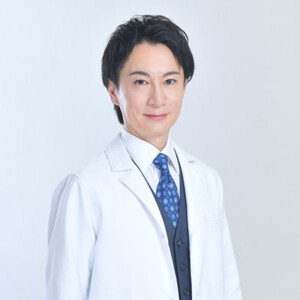
Dr. Jun Karibe
MD
Director
Education & Career
Certifications
Awards
MEDICAL REVIEW