What Is Morpheus8?
Morpheus8 is a fractional radiofrequency (RF) microneedling system manufactured by InMode, a medical device company whose aesthetic technologies are used at clinics globally. The device received initial U.S. Food and Drug Administration (FDA) clearance in 2019 and expanded FDA clearance in July 2024 — becoming the first fractional RF microneedling technology to hold clearance specifically for soft tissue contraction.
In practice, Morpheus8 addresses a range of skin concerns that sit between the reach of topical treatments and the structural changes achievable only through surgery. Common indications include mild-to-moderate facial laxity, acne scarring, enlarged pores, fine lines, and early-stage submental (under-chin) fullness. Because it combines two proven tissue-remodelling mechanisms, its clinical application is broader than either technology used alone.
How Morpheus8 Works
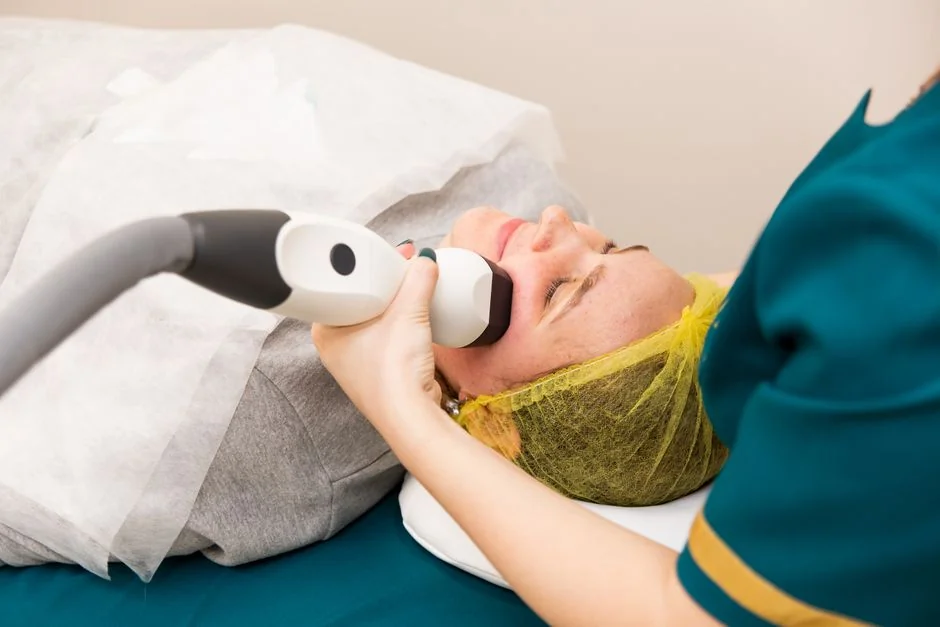
The Morpheus8 handpiece contains 24 gold-tipped coated needles that penetrate the skin at a clinician-set depth, adjustable from 1 mm to 8 mm. Once the needles are at the target depth, bipolar radiofrequency energy is delivered directly into the dermal and subdermal tissue.
This produces two complementary biological responses. Immediately, the thermal energy contracts existing collagen fibres — an effect observable within the session itself. Over the following weeks and months, the controlled thermal injury activates the body’s wound-healing cascade, stimulating fibroblasts to synthesise new collagen and elastin. Histological analyses following Morpheus8 treatment have documented collagen density increases of up to 25% and elastin improvement of approximately 33%.
The adjustable depth is what distinguishes Morpheus8 from standard microneedling devices. Shallower settings target fine lines and superficial texture; deeper settings reach subdermal fat, addressing laxity and mild fat deposits around the jawline, neck, and body. In a single session, a clinician can adjust depth and energy levels across different facial zones — treating the periorbital area delicately while applying greater depth to the lower face.
What Results Can You Expect?
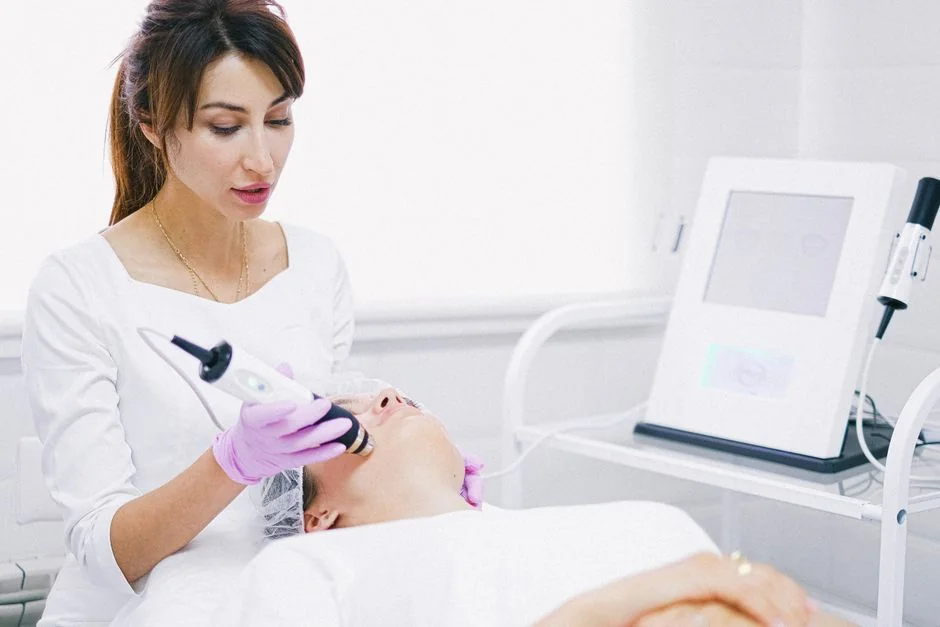
Clinical evidence for Morpheus8 spans several categories. For skin laxity, a retrospective evaluation of 247 patients undergoing bipolar and fractional RF microneedling reported a 1.4-point improvement in lower face and neck laxity scores, with 93% patient satisfaction and a low complication rate. For acne scarring, a 2024 study by Navyadevi et al. found that 82.5% of patients demonstrated meaningful improvement in post-acne scars, with a favourable tolerability profile across skin types including darker complexions. A 2022 review in the Journal of Cosmetic Dermatology confirmed efficacy for facial rejuvenation, acne, rosacea, and melasma, noting reduced downtime compared to ablative laser alternatives.
Visible improvement typically begins two to four weeks after the first session, with optimal results at four to six months as collagen remodelling matures. Most protocols recommend two to three sessions spaced four to six weeks apart for an initial course, followed by annual maintenance. As with all non-surgical aesthetic treatments, individual response varies and outcomes should not be characterised as guaranteed.
How Morpheus8 Compares to Similar Treatments
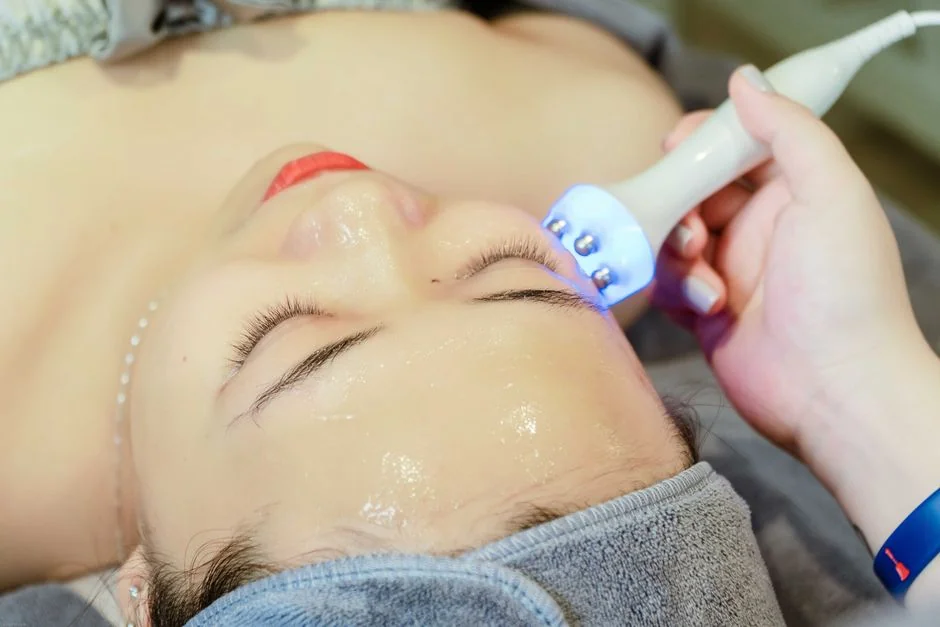
Patients evaluating device-based rejuvenation in Tokyo frequently compare Morpheus8 against standard microneedling and HIFU (high-intensity focused ultrasound). The table below outlines the key clinical differences.
| Feature | Morpheus8 (RF microneedling) | Traditional Microneedling | HIFU |
|---|---|---|---|
| Energy type | Bipolar RF + mechanical needling | Mechanical only | Focused ultrasound |
| Treatment depth | 1–8 mm (adjustable) | 0.5–2.5 mm | 1.5–4.5 mm (to SMAS) |
| Primary collagen target | Dermis and subdermis | Dermis (surface layer) | Deep dermis and SMAS |
| Acne scar indication | Well-established | Moderate evidence | Limited evidence |
| Body treatment | Yes (abdomen, thighs, arms) | Limited | Select body areas |
| Typical social downtime | 2–5 days | 1–3 days | 1–2 days |
| Sessions typically required | 2–3 per course | 3–6 per course | 1–2 per course |
HIFU — available at BIOTOPE CLINIC in Shirokanedai — targets the SMAS layer, the same deep structural layer addressed in surgical facelifts, and may be preferable for patients with more significant structural laxity. For patients whose primary concerns are skin texture, acne scarring, pore size, or early laxity, Morpheus8 typically offers the more targeted combination of surface remodelling and subdermal contraction.
Morpheus8 Cost in Tokyo
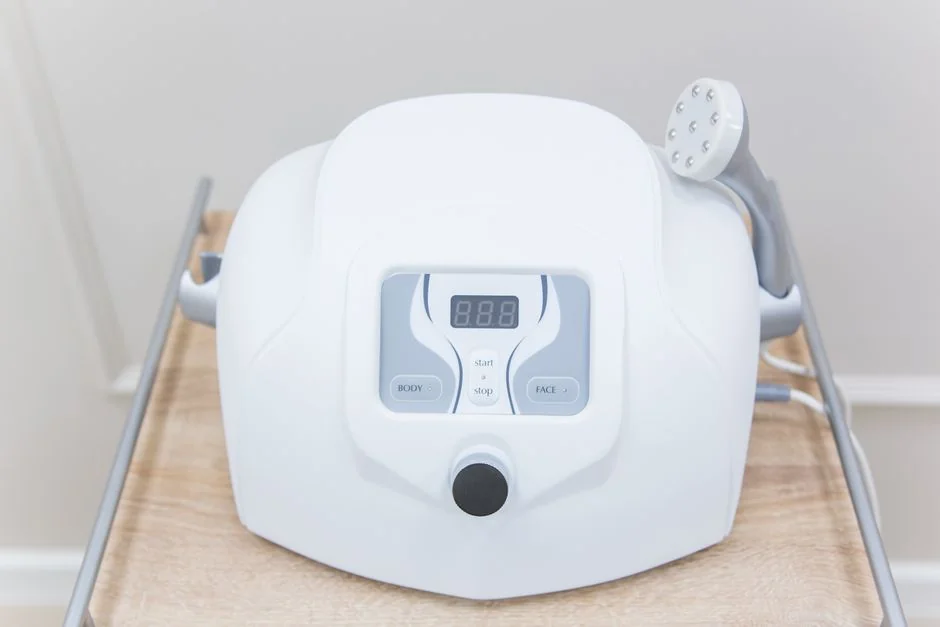
Morpheus8 is a self-pay (non-insurance) cosmetic treatment in Japan. Pricing at Tokyo aesthetic clinics varies depending on the treatment area — face only, face and neck combined, or body zones such as the abdomen or thighs — as well as the energy settings and number of passes performed in a session and the clinic’s individual pricing structure.
Because pricing at BIOTOPE CLINIC is customised to each patient’s treatment plan and is subject to periodic review, specific yen figures are not published here. Please see the clinic’s official price page or contact the team ahead of your consultation for a current quote. For an accurate personalised estimate, please book a consultation.
Have a question about this treatment?
Message us on LINE or WhatsApp — our English-speaking team usually replies the same day.
What to Expect: Before, During, and After
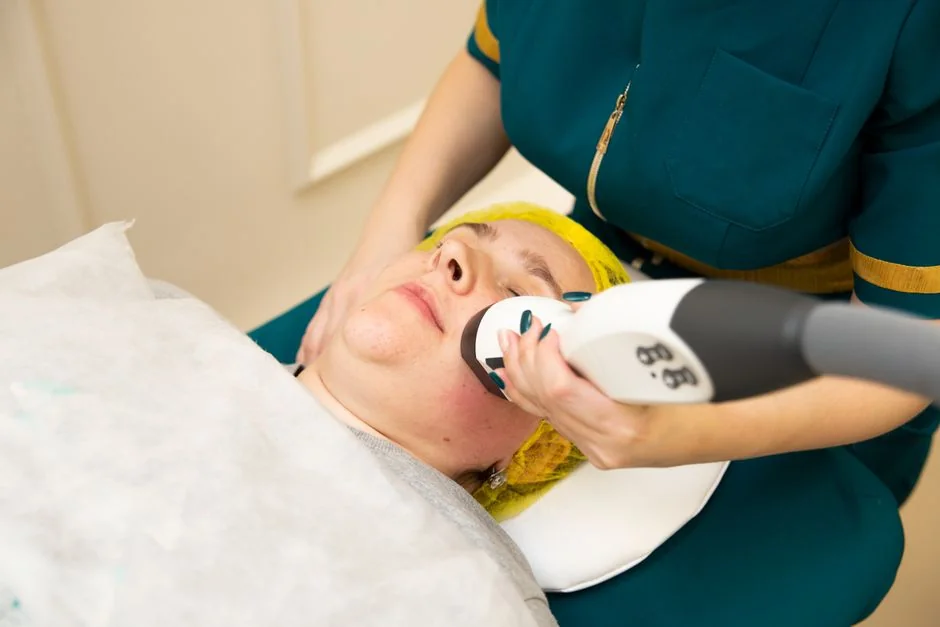
Before the Treatment
A pre-treatment consultation is required before any Morpheus8 session. The clinician reviews the patient’s skin condition, treatment goals, and medical history, checks for contraindications, and determines the appropriate needle depth and energy settings for each treatment zone. Patients are generally asked to discontinue topical retinoids for several days before the session and to attend with clean, product-free skin on the day.
During the Treatment
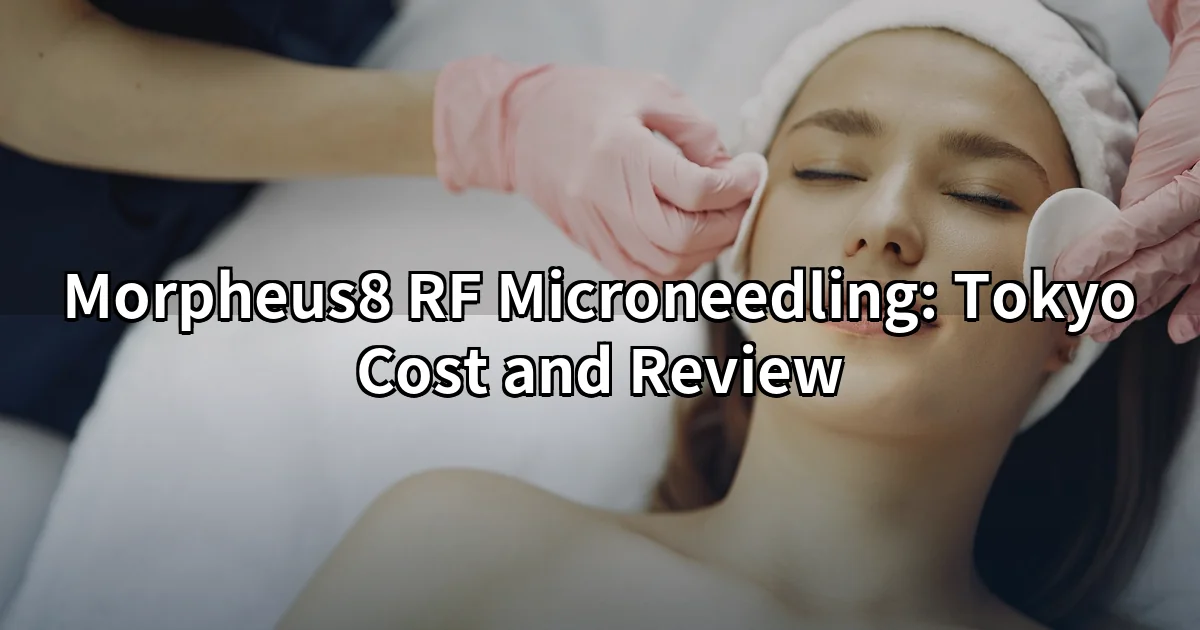
A topical anaesthetic cream is applied approximately 30–60 minutes before the session begins to minimise discomfort. The Morpheus8 handpiece is passed over the treatment area systematically, with the clinician adjusting depth and energy settings across different zones. A full-face session typically takes 20–30 minutes. During treatment, patients commonly describe a sensation of warmth and pressure; with topical anaesthesia in place, most find the procedure tolerable.
After the Treatment
Redness, mild swelling, and pinpoint marks at needle sites are expected in the first 24–48 hours — a normal component of the healing response. By days three to five, most patients experience a residual pink tone and light surface flaking as initial recovery concludes. Social downtime for a full-face treatment is typically two to five days. Consistent sun protection is essential during both the recovery phase and the active remodelling period that follows. Serious complications are uncommon; clinical literature reports a complication rate below 5% when treatment is performed by trained clinicians with appropriate patient selection.
Who Is a Good Candidate — and Who Should Think Twice?
Patients Likely to Benefit
- Adults aged approximately 35–65 with mild-to-moderate facial or neck laxity
- Patients with post-acne scarring, enlarged pores, or uneven skin texture
- Individuals with darker skin tones seeking an effective alternative to ablative laser treatments, which carry a higher risk of post-inflammatory hyperpigmentation in deeper complexions
- Those seeking measurable improvement without the downtime or surgical risks associated with a facelift
Patients Who Should Not Undergo Morpheus8
- Pregnant individuals
- Those with an active skin infection or open wound in the treatment area
- Patients who have taken oral isotretinoin (e.g., Roaccutane) within the past six months
- Individuals with a documented history of keloid or hypertrophic scarring
- Patients with implanted electronic devices such as a cardiac pacemaker, as radiofrequency energy is generally contraindicated in such cases
A pre-treatment consultation is the appropriate setting to review these factors in full. Patients should disclose all relevant medical history, current medications, and skincare products before booking a session.
What People Often Get Wrong About Morpheus8
Morpheus8 is just regular microneedling with an added step
Traditional microneedling creates micro-channels in the epidermis and upper dermis, prompting surface-level healing. Morpheus8 adds bipolar RF energy delivered at subdermal depths of up to 8 mm, simultaneously triggering tissue coagulation, collagen contraction, and a deeper remodelling cascade that standard microneedling cannot reach. The clinical evidence for laxity improvement and subdermal fat remodelling is specifically attributable to the RF component, not the needling alone. The two technologies overlap in delivery method but are not clinically equivalent.
Three sessions will deliver the same outcome as a surgical facelift
Morpheus8 is effective for mild-to-moderate laxity and has documented efficacy for improving skin quality and facial contour. What it does not achieve is the repositioning of the SMAS layer — the structural layer — or the excision of excess skin that defines surgical facelift outcomes. Clinical guidance consistently positions fractional RF microneedling as an appropriate option for patients who are not yet surgical candidates or who prefer to delay surgery, not as a direct equivalent. Patients with significant structural laxity are better served by a surgical evaluation.
Where to Get Morpheus8 in Tokyo
Within our clinic group, both BIOTOPE CLINIC (Shirokanedai, Minato-ku) and Kojimachi Dermatology & Plastic Surgery Clinic (Ichigaya, Chiyoda-ku) offer English-language consultation with Dr. Jun Karibe’s team. Morpheus8 RF microneedling is handled at BIOTOPE CLINIC in Shirokanedai, the group’s dedicated cosmetic dermatology and plastic surgery branch. Bookings and enquiries in English are accepted via LINE or WhatsApp.
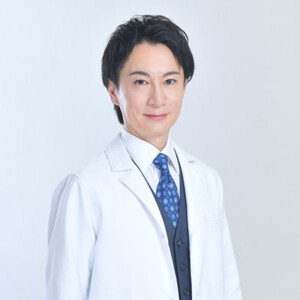
Dr. Jun Karibe is a board-certified plastic surgeon certified by the Japan Society of Plastic and Reconstructive Surgery. Device treatments at BIOTOPE CLINIC are performed or directly supervised by the medical team. Patients interested in combining Morpheus8 with complementary treatments — such as HIFU for structural lifting or hyaluronic acid filler for volumetric correction — are welcome to raise this during consultation.
Frequently Asked Questions
- Q. How many Morpheus8 sessions are typically needed?
- Most patients complete two to three sessions spaced four to six weeks apart as an initial course. The recommended number depends on the treatment area, the degree of laxity or scarring, and the individual response assessed after the first session. Annual maintenance sessions are commonly recommended thereafter to sustain collagen remodelling.
- Q. Is Morpheus8 safe for darker skin tones?
- Morpheus8 has a generally favourable safety profile across a range of Fitzpatrick skin types, including types IV to VI. Because the RF energy mechanism is not chromophore-dependent — unlike lasers that target melanin — the risk of post-inflammatory hyperpigmentation is lower than with ablative laser treatments. Individual factors still apply and should be discussed during a pre-treatment consultation.
- Q. How long do results last?
- Results are not permanent, as the skin continues to age. Clinical reports suggest that improvements in laxity and texture are typically maintained for one to two years following a full treatment course, particularly with consistent sun protection habits. Individual variation is significant, and periodic maintenance sessions help extend outcomes.
- Q. Is the procedure painful?
- A topical anaesthetic cream is applied before the session, substantially reducing discomfort. During treatment, patients commonly describe a sensation of warmth and pressure; significant pain is uncommon with standard pre-treatment anaesthesia in place. Mild tenderness at the treatment site for one to two days after the session is typical.
- Q. Can Morpheus8 be combined with other treatments?
- Yes. Morpheus8 is frequently combined with HIFU for patients seeking both subdermal RF remodelling and deeper SMAS-level lifting, or with hyaluronic acid filler for simultaneous volumetric correction and tightening. The appropriate combination and treatment sequencing for each patient is determined during consultation.
Have a question about this treatment?
Message us on LINE or WhatsApp — our English-speaking team usually replies the same day.
Summary
Morpheus8 is an FDA-cleared, clinically studied fractional RF microneedling treatment that addresses skin laxity, acne scarring, enlarged pores, and fine lines through a combination of adjustable-depth microneedling and subdermal radiofrequency energy. Clinical evidence supports meaningful improvement in laxity and scar remodelling across a range of skin types, with a complication rate below 5% in published studies. Typical social downtime is two to five days for a facial treatment, with results developing progressively over four to six months. Most patients complete two to three sessions per initial course.
If you have questions about Morpheus8 RF microneedling, both BIOTOPE CLINIC (Shirokanedai, Minato-ku) and Kojimachi Dermatology & Plastic Surgery Clinic (Ichigaya, Chiyoda-ku) offer English-language consultation with Dr. Karibe and his team. Morpheus8 is primarily handled at BIOTOPE CLINIC in Shirokanedai. English enquiries: LINE or WhatsApp.
24/7 Consultation & Booking
Book a Consultation or Treatment
Our English-speaking team responds via LINE or WhatsApp — usually the same day.
References
- Retrospective evaluation of bipolar and fractional radiofrequency microneedling for lower face and neck laxity in 247 patients: 1.4-point improvement in laxity scores, 93% patient satisfaction. Peer-reviewed clinical literature. 2022–2023.
- Navyadevi K, et al. Fractional radiofrequency microneedling for post-acne scarring: 82.5% of patients demonstrated meaningful improvement. Published peer-reviewed study. 2024.
- Review of fractional radiofrequency microneedling: efficacy and safety for facial rejuvenation, acne, rosacea, and melasma. Journal of Cosmetic Dermatology. 2022.
- InMode Ltd. Morpheus8 receives first and only FDA 510(k) clearance for soft tissue contraction for fractional radiofrequency microneedling. Press release. July 2024.
- ClinicalTrials.gov. NCT05085730: Assessment of skin quality and efficacy of dermal remodelling after four bipolar radiofrequency microneedling sessions. Registered 2022, ongoing.
Related Articles
You may also find these articles useful.
- Embrace RF Tokyo: FaceTite Plus Morpheus8 Explained
- Gut Microbiome Testing Tokyo: What Your Results Reveal
- FaceTite Tokyo: RF-Assisted Lipolysis for Facial Contouring
- Dermapen Treatment Tokyo: What to Expect at a Clinic
- HIFU in Tokyo: Non-Surgical Skin Tightening Explained
SUPERVISED BY
Dr. Jun Karibe
MD
Director
Education & Career
Certifications
Awards
MEDICAL REVIEW