Best Skincare Routine in Tokyo: How to Protect Your Skin from Humidity, Pollution, and UV Damage
Why Your Skin Changes After Moving to Tokyo
If you have recently moved to Tokyo, you may have noticed something unexpected:
Your skin no longer behaves the way it did at home.
Many expatriates and international visitors report:
- Increased oiliness
- Unexpected breakouts
- Dry patches
- Redness
- Enlarged pores
- Pigmentation
- Sensitive skin
even when using exactly the same skincare products they used before arriving in Japan.
This is not your imagination.
Tokyo’s environment places unique demands on the skin.
The combination of:
- High humidity
- Strong ultraviolet radiation
- Air pollution
- Air conditioning
- Seasonal climate shifts
creates challenges that many people have never encountered before.
Fortunately, understanding how Tokyo’s climate affects the skin allows you to build a skincare routine that actually works.
In this guide, you’ll learn:
- How Tokyo weather affects skin health
- The best skincare routine for living in Tokyo
- Which ingredients dermatologists recommend
- How to prevent pollution-related skin ageing
- When professional treatments may help
- Common skincare mistakes that worsen skin problems
Why Tokyo Weather Is Challenging for Skin
Tokyo experiences four distinct seasons.
Each season affects the skin differently.
As a result, maintaining the same skincare routine all year often leads to problems.
Summer: Heat, Humidity, and Excess Oil
Tokyo summers are famous for their humidity.
Relative humidity often exceeds:
70–80%
during July and August.
Many people assume humidity automatically benefits the skin.
However, the reality is more complicated.
Excess humidity can contribute to:
- Increased sebum production
- Acne breakouts
- Enlarged pores
- Skin congestion
- Makeup instability
Furthermore, moving repeatedly between outdoor heat and heavily air-conditioned buildings can stress the skin barrier.
Winter: Dry Air and Barrier Damage
Tokyo winters present the opposite challenge.
Cold outdoor air and indoor heating reduce moisture levels dramatically.
Consequently, many people experience:
- Dry skin
- Flaking
- Itching
- Tightness
- Increased sensitivity
Without proper barrier support, winter conditions may worsen:
- Eczema
- Rosacea
- Dermatitis
UV Exposure Throughout the Year
One of the biggest misconceptions about Japan is that UV damage only matters during summer.
In reality, ultraviolet exposure remains significant throughout the year.
Tokyo’s UV index frequently reaches:
High to Very High
between April and September.
Chronic UV exposure contributes to:
- Pigmentation
- Wrinkles
- Collagen loss
- Skin laxity
- Age spots
For this reason, sunscreen should remain a daily habit regardless of season.
Pollution and Skin Ageing in Tokyo
Although Tokyo’s air quality is generally better than many major global cities, pollution still affects skin health.
Daily exposure includes:
- PM2.5 particles
- Vehicle emissions
- Nitrogen dioxide
- Ozone
- Industrial pollutants
These pollutants generate:
oxidative stress
within the skin.
Oxidative stress leads to:
- Collagen degradation
- Pigmentation
- Inflammation
- Premature ageing
Several large studies have linked urban pollution to increased facial pigmentation and accelerated visible ageing.
Consequently, pollution protection has become an important part of modern dermatology.
Understanding the Skin Barrier
Before discussing skincare products, it is important to understand the skin barrier.
The skin barrier serves as the body’s protective shield.
Its primary functions include:
- Retaining moisture
- Preventing dehydration
- Blocking pollutants
- Reducing irritation
- Defending against microbes
A healthy skin barrier is essential for healthy skin.
Unfortunately, Tokyo’s climate challenges the barrier continuously.
What Damages the Skin Barrier?
Common causes include:
- Over-cleansing
- Harsh exfoliation
- UV exposure
- Air pollution
- Alcohol-based products
- Aggressive acne treatments
When the barrier becomes damaged, symptoms often appear as:
- Redness
- Dryness
- Burning
- Breakouts
- Increased sensitivity
Many people incorrectly assume they need stronger products when the actual solution is repairing the barrier.
The Best Morning Skincare Routine for Tokyo
A simple, evidence-based routine often works best.
Step 1: Gentle Cleansing
Morning cleansing should remove:
- Overnight sweat
- Excess oil
- Residual skincare products
However, aggressive cleansing is rarely necessary.
Choose:
- Low-pH cleansers
- Sulfate-free cleansers
- Non-stripping formulations
For many individuals, a gentle gel cleanser is ideal.
Step 2: Antioxidant Protection
One of the most important steps in Tokyo is antioxidant defense.
Antioxidants help neutralize free radicals generated by:
- Pollution
- UV radiation
- Environmental stress
Recommended ingredients include:
Vitamin C
Benefits:
- Brightening
- Collagen support
- Pigmentation prevention
Niacinamide
Benefits:
- Barrier support
- Reduced inflammation
- Oil regulation
Ferulic Acid
Benefits:
- Enhanced antioxidant stability
- Improved UV defense
Apply antioxidants before moisturizer and sunscreen.
Step 3: Lightweight Moisturizer
Even during humid summers, moisturizer remains essential.
A moisturizer helps:
- Reduce water loss
- Support barrier function
- Improve skin resilience
Look for:
- Ceramides
- Hyaluronic acid
- Panthenol
- Centella asiatica
Light gel-cream textures are often ideal during Tokyo summers.
Step 4: Sunscreen (Most Important Step)
If you only choose one anti-ageing product, choose sunscreen.
Daily sunscreen helps prevent:
- Pigmentation
- Wrinkles
- Skin cancer
- Collagen loss
For Tokyo weather, dermatologists generally recommend:
SPF50+ PA++++
Japanese sunscreen formulations are often particularly comfortable in humid climates.
Dr. Karibe’s Clinical Perspective
One of the most common mistakes I see among expatriates in Tokyo is continuing the exact same skincare routine they used in Europe, North America, or Australia. Skin responds to its environment. A routine that worked perfectly in a dry climate may become too heavy in Tokyo’s humid summer, while a lightweight summer routine may fail completely during winter. The most successful patients adjust their skincare seasonally and focus on maintaining a healthy skin barrier rather than constantly changing products.
The Best Evening Skincare Routine in Tokyo
Morning skincare focuses on protection.
However, evening skincare focuses on repair.
This distinction becomes especially important in Tokyo because your skin is exposed daily to:
- UV radiation
- Air pollution
- Sweat
- Sebum
- Fine particulate matter (PM2.5)
- Makeup and sunscreen
Therefore, the evening routine should prioritize cleansing, barrier recovery, and skin regeneration.
Why Double Cleansing Matters in Tokyo
One of the most effective habits you can adopt after moving to Japan is double cleansing.
In fact, double cleansing is a cornerstone of many Japanese skincare routines.
What Is Double Cleansing?
Double cleansing involves:
First Cleanse
Oil-based cleanser
Purpose:
- Dissolve sunscreen
- Remove makeup
- Break down sebum
- Lift pollution particles
Second Cleanse
Water-based cleanser
Purpose:
- Remove sweat
- Remove remaining debris
- Clean the skin surface
Together, these steps provide a more thorough cleanse without excessive scrubbing.
Why Pollution Makes Double Cleansing Important
Pollution particles are often microscopic.
Many are oil-soluble.
Consequently, water alone does not effectively remove them.
Studies suggest that particulate pollution can:
- Increase oxidative stress
- Trigger inflammation
- Accelerate skin ageing
- Worsen acne
- Exacerbate eczema
Removing pollutants before sleep helps minimize their impact.
Common Double Cleansing Mistakes
Many people overdo cleansing.
Avoid:
✘ Hot water
✘ Harsh scrubs
✘ Alcohol-based cleansers
✘ Cleansing multiple times per day
These practices frequently damage the skin barrier.
Remember:
The goal is effective cleansing, not aggressive cleansing.
The Best Ingredients for Tokyo’s Climate
Choosing the right ingredients is often more important than choosing the right brand.
Many patients spend large amounts of money on products without understanding which ingredients actually address Tokyo’s environmental challenges.
Niacinamide
Niacinamide remains one of the most versatile ingredients available.
Benefits include:
- Reduced redness
- Improved barrier function
- Better oil control
- Reduced pigmentation
- Improved skin texture
Additionally, niacinamide is generally well tolerated even by sensitive skin.
For this reason, dermatologists frequently recommend it as a foundational ingredient.
Vitamin C
Vitamin C remains one of the most researched topical antioxidants.
Benefits include:
- Free radical protection
- Brighter skin tone
- Reduced pigmentation
- Collagen support
This makes it particularly valuable for individuals living in urban environments.
Best Concentrations
Most evidence supports:
10–20% Vitamin C
for daily use.
Higher concentrations do not necessarily produce better outcomes and may increase irritation.
Ceramides
Ceramides are naturally occurring lipids found within the skin barrier.
Unfortunately, environmental stressors gradually deplete them.
Topical ceramides help:
- Repair the barrier
- Reduce water loss
- Improve hydration
- Calm irritation
Ceramide-containing moisturizers are especially valuable during Tokyo’s winter months.
Hyaluronic Acid
Despite its name, hyaluronic acid is not an exfoliating acid.
Instead, it acts as a humectant.
This means it attracts water into the skin.
Benefits include:
- Improved hydration
- Better skin plumpness
- Reduced tightness
- Enhanced comfort
Lightweight hyaluronic acid formulations work particularly well during humid weather.
Centella Asiatica (Cica)
Centella asiatica has become increasingly popular in Asian skincare.
Benefits include:
- Reduced inflammation
- Improved wound healing
- Barrier support
- Calming irritated skin
Patients with sensitive skin often respond particularly well to Cica-based products.
How to Prevent Acne in Tokyo’s Humid Climate
One of the most common complaints among expatriates is:
“I never had acne before moving to Tokyo.”
Humidity often contributes to:
- Increased oil production
- Congested pores
- Sweat retention
- Bacterial overgrowth
Consequently, acne may worsen during summer.
Strategies to Prevent Humidity-Related Acne
Use Lightweight Moisturizers
Heavy occlusive creams may worsen congestion during humid months.
Choose:
- Gel moisturizers
- Lotion formulations
- Non-comedogenic products
Avoid Over-Cleansing
This may seem counterintuitive.
However, stripping the skin excessively often increases oil production.
The result:
More breakouts.
Not fewer.
Consider Salicylic Acid
Salicylic acid is particularly useful because it penetrates oil-filled pores.
Benefits include:
- Reduced blackheads
- Reduced congestion
- Improved pore appearance
Low concentrations often work best for long-term use.
Rosacea and Sensitive Skin in Tokyo
Tokyo’s climate can be challenging for individuals with:
- Rosacea
- Eczema
- Sensitive skin
- Seborrhoeic dermatitis
Several environmental triggers contribute:
- Heat
- Humidity
- UV exposure
- Air pollution
- Seasonal transitions
Signs Your Skin Barrier May Be Compromised
Watch for:
- Burning after skincare application
- Persistent redness
- Increased sensitivity
- Dry patches
- Sudden breakouts
If these symptoms occur, simplifying your routine may be more effective than adding new products.
A Minimalist Routine for Sensitive Skin
Morning:
- Gentle cleanser
- Niacinamide serum
- Ceramide moisturizer
- SPF50+ PA++++ sunscreen
Evening:
- Oil cleanser
- Gentle cleanser
- Ceramide moisturizer
This simple routine often outperforms overly complicated regimens.
Professional Treatments for Pollution-Related Skin Damage
Even excellent home care cannot completely reverse years of environmental exposure.
Consequently, some patients benefit from professional treatments.
At BIOTOPE CLINIC or Kojimachi Dermatology & Plastic Surgery Clinic, common concerns include:
- Pigmentation
- Enlarged pores
- Acne scars
- Uneven skin tone
- Dullness
PicoWay Picosecond Laser
Ideal for:
- Sunspots
- Pigmentation
- UV-related skin damage
Approximate cost:
¥11,000–¥98,000
CO₂ Fractional Laser
Ideal for:
- Enlarged pores
- Acne scars
- Texture improvement
Approximate cost:
¥11,000–¥66,000
Salicylic Acid Peel
Ideal for:
- Oily skin
- Congested pores
- Acne prevention
Approximate cost:
¥11,000–¥308,000
depending on program design.
Dr. Karibe’s Clinical Perspective
Many patients assume that Tokyo’s humidity is automatically beneficial for their skin. In reality, humidity alone does not guarantee healthy skin. The combination of sweat, pollution, UV exposure, and air conditioning can create significant barrier stress. The patients who achieve the healthiest skin are usually those who prioritize barrier repair, daily sunscreen, and consistent routines rather than constantly changing products. In dermatology, consistency often outperforms complexity.
Best Japanese Skincare Products for Tokyo Weather
One of the most common questions from expatriates and international visitors is:
“Are Japanese skincare products actually better for living in Tokyo?”
The honest answer is that Japanese skincare products are not inherently superior to products from Europe, Korea, Australia, or North America.
However, they are often formulated specifically for Japan’s climate.
As a result, many Japanese products perform exceptionally well under conditions of:
- High humidity
- Strong UV exposure
- Seasonal temperature shifts
- Urban pollution
This makes them particularly practical for daily life in Tokyo.
What Makes Japanese Skincare Different?
Japanese skincare traditionally emphasizes:
Prevention Over Correction
Rather than treating damage after it occurs, many formulations focus on:
- UV protection
- Hydration
- Barrier preservation
- Pigmentation prevention
Lightweight Textures
Tokyo summers are hot and humid.
Therefore many Japanese moisturizers and sunscreens are:
- Lightweight
- Fast absorbing
- Non-greasy
- Comfortable under makeup
These characteristics make daily compliance easier.
Superior Sunscreen Technology
Japan is widely recognized for advanced sunscreen formulations.
Many products combine:
- SPF50+
- PA++++
- Water resistance
- Elegant texture
without the heavy feeling commonly associated with Western sunscreens.
Seasonal Skincare in Tokyo
One of the biggest mistakes newcomers make is using the same skincare routine throughout the year.
Tokyo requires seasonal adaptation.
Spring Skincare (March–May)
Spring brings:
- Rising UV levels
- Increased pollen exposure
- Fluctuating temperatures
Common concerns include:
- Allergic skin reactions
- Redness
- Sensitivity
- Early pigmentation
Recommended Strategy
Focus on:
- Antioxidants
- Barrier repair
- Daily SPF50+ PA++++
This is also an excellent time to introduce:
- Vitamin C
- Niacinamide
before summer arrives.
Summer Skincare (June–September)
Summer is the most challenging season for many people.
Humidity frequently exceeds:
70–80%
UV exposure reaches annual peaks.
Common Summer Problems
- Acne
- Enlarged pores
- Excess oil
- Pigmentation
- Heat-related redness
Recommended Summer Routine
Morning:
- Gentle cleanser
- Vitamin C serum
- Lightweight moisturizer
- SPF50+ PA++++
Evening:
- Double cleanse
- Niacinamide
- Light gel moisturizer
Avoid overly rich creams unless medically necessary.
Autumn Skincare (October–November)
Autumn is often overlooked.
However, many patients experience sudden dryness during this transition.
After months of humidity, the skin barrier may become vulnerable.
Recommended Strategy
Gradually increase:
- Ceramides
- Barrier creams
- Hydrating serums
This prepares the skin for winter.
Winter Skincare (December–February)
Winter in Tokyo is significantly drier than many people expect.
Indoor heating further worsens moisture loss.
Common Winter Issues
- Dryness
- Flaking
- Eczema flare-ups
- Increased sensitivity
Recommended Winter Routine
Focus on:
- Ceramide-rich moisturizers
- Hyaluronic acid
- Barrier repair
- Reduced exfoliation
Many patients benefit from temporarily reducing:
- Retinoids
- AHAs
- BHAs
during particularly dry periods.
Anti-Aging Strategies for Living in Tokyo
When patients ask me how to prevent ageing in Tokyo, the answer is surprisingly simple.
Most skin ageing comes from three factors:
- UV radiation
- Oxidative stress
- Chronic inflammation
Fortunately, all three can be addressed.
Daily Sunscreen Is the Most Powerful Anti-Aging Product
Numerous studies demonstrate that sunscreen use significantly reduces:
- Wrinkles
- Pigmentation
- Skin laxity
- Collagen loss
If there is one skincare habit that provides the highest return on investment, it is sunscreen.
Antioxidants Help Neutralize Pollution Damage
Pollution generates free radicals.
These unstable molecules damage:
- DNA
- Cell membranes
- Collagen fibers
Topical antioxidants help reduce this damage.
Recommended options include:
- Vitamin C
- Niacinamide
- Vitamin E
- Ferulic acid
- Polyphenols
Retinoids Remain the Gold Standard
Retinoids remain one of the most studied anti-ageing ingredients.
Benefits include:
- Increased collagen production
- Reduced fine lines
- Improved pigmentation
- Enhanced skin texture
However, retinoids must always be paired with sunscreen.
Nutrition and Skin Health
Beautiful skin begins long before skincare products are applied.
The skin is a reflection of overall health.
Foods That Support Healthy Skin
Research suggests benefits from:
Omega-3 Fatty Acids
Found in:
- Salmon
- Sardines
- Mackerel
Benefits:
- Reduced inflammation
- Improved barrier function
Polyphenols
Found in:
- Green tea
- Berries
- Cocoa
Benefits:
- Antioxidant protection
Vitamin C
Found in:
- Citrus fruits
- Kiwi
- Bell peppers
Benefits:
- Collagen synthesis
- Antioxidant support
Protein
Collagen cannot be produced without adequate amino acids.
Ensure sufficient intake of:
- Fish
- Eggs
- Lean meats
- Legumes
Pollution and Hyperpigmentation Prevention
One of the most visible effects of long-term urban exposure is pigmentation.
Many patients develop:
- Sunspots
- Uneven tone
- Melasma
- Dullness
after years of exposure.
Daily Prevention Strategy
- Antioxidant serum
- SPF50+ PA++++
- Evening double cleanse
- Barrier-supporting moisturizer
These four steps form the foundation of pollution protection.
Common Expat Skincare Mistakes
After treating many international patients in Tokyo, several patterns emerge repeatedly.
Mistake #1: Over-Cleansing
More cleansing does not equal healthier skin.
Over-cleansing often causes:
- Barrier damage
- Oil rebound
- Increased sensitivity
Mistake #2: Skipping Moisturizer in Summer
Many people believe humidity replaces moisturizer.
This is incorrect.
Barrier support remains essential year-round.
Mistake #3: Underestimating UV Exposure
Cloudy weather does not eliminate UV radiation.
Pigmentation frequently develops despite minimal visible sunshine.
Mistake #4: Using the Same Routine All Year
Tokyo requires seasonal adaptation.
What works in August may fail completely in January.
Dr. Karibe’s Clinical Perspective
One of the most important lessons I share with international patients is that healthy skin in Tokyo is not about finding the perfect product. It is about adapting to the environment. Patients often spend thousands of yen searching for miracle products when the real solution is much simpler: sunscreen every day, barrier protection, seasonal adjustment, and consistency. The patients with the best skin are rarely those using the most products—they are usually the ones following a sustainable routine for years.
Professional Treatments for Tokyo-Related Skin Concerns
Even the best skincare routine cannot completely prevent all effects of:
- UV exposure
- Air pollution
- Humidity-related breakouts
- Pigmentation
- Collagen loss
Therefore, many residents and expatriates in Tokyo eventually combine home skincare with professional dermatological treatments.
At BIOTOPE CLINIC or Kojimachi Dermatology & Plastic Surgery Clinic, we commonly treat patients who have developed skin concerns after years of living in Tokyo’s unique climate.
Hyperpigmentation Treatment in Tokyo
One of the most common concerns among long-term Tokyo residents is pigmentation.
This includes:
- Sunspots
- Age spots
- Melasma
- Uneven skin tone
- Post-inflammatory hyperpigmentation
Persistent UV exposure remains the primary driver.
However, pollution may also contribute by increasing oxidative stress within the skin.
PicoWay Picosecond Laser
One of the most advanced options for pigmentation treatment is the PicoWay Picosecond Laser.
This technology uses ultra-short pulses of energy to break pigment into microscopic particles without excessive heat generation.
Benefits include:
- Reduced pigmentation
- Minimal downtime
- Improved skin tone
- Lower risk of post-inflammatory hyperpigmentation
Treatment Cost
Approximate pricing:
¥11,000–¥98,000
depending on treatment area and treatment plan.
Acne Treatment in Tokyo
Humidity often contributes to:
- Increased oil production
- Congested pores
- Acne breakouts
Many international patients notice worsening acne after relocating to Tokyo.
Professional Acne Treatments
Depending on severity, treatment options may include:
Prescription Medication
- Adapalene
- Benzoyl peroxide
- Topical antibiotics
- Oral antibiotics
Chemical Peels
Salicylic acid peels help:
- Unclog pores
- Reduce oiliness
- Improve acne-prone skin
Laser and Energy Devices
Advanced treatments include:
- CO₂ Fractional Laser
- POTENZA RF Microneedling
- Dermapen
These treatments address:
- Acne scars
- Enlarged pores
- Persistent breakouts
Enlarged Pores and Texture Improvement
One of the most common complaints among expatriates living in Tokyo is enlarged pores.
Humidity often increases:
- Sebum production
- Pore visibility
- Skin congestion
CO₂ Fractional Laser
Ideal for:
- Enlarged pores
- Acne scars
- Rough skin texture
Approximate pricing:
¥11,000–¥66,000
POTENZA RF Microneedling
Ideal for:
- Pore reduction
- Acne scars
- Skin tightening
- Texture improvement
Approximate pricing:
¥35,000–¥49,800
Pollution-Related Skin Dullness
Long-term pollution exposure can leave skin appearing:
- Dull
- Tired
- Uneven
Even when breakouts are absent.
Recommended Treatments
Laser Toning
Improves:
- Overall brightness
- Pigmentation
- Skin clarity
Approximate pricing:
¥15,000–¥135,000
Dermapen
Stimulates:
- Collagen production
- Skin renewal
- Texture improvement
Approximate pricing:
¥9,800–¥220,000
When Should You See a Dermatologist?
Many skin concerns initially appear minor.
However, professional assessment is often worthwhile when symptoms persist.
Consider seeing a dermatologist if you experience:
- Persistent acne
- Rosacea
- Eczema
- Sudden pigmentation changes
- Chronic redness
- Severe sensitivity
- Excessive oiliness despite skincare adjustments
Early intervention often prevents long-term complications.
Frequently Asked Questions
Do I Really Need a Different Skincare Routine in Tokyo?
In most cases, yes.
Tokyo’s:
- Humidity
- UV exposure
- Pollution
are different from many Western climates.
Most people benefit from adjusting their routine.
Is Japanese Skincare Better Than Western Skincare?
Not necessarily.
Ingredients matter more than country of origin.
However, Japanese products are often specifically formulated for:
- Humid weather
- Strong UV exposure
- Daily sunscreen use
which makes them particularly suitable for Tokyo.
What Is the Most Important Skincare Product in Tokyo?
Without question:
Sunscreen
Daily SPF50+ PA++++ use remains the single most effective anti-ageing strategy.
Does Pollution Really Age the Skin?
Research increasingly suggests yes.
Pollution contributes to:
- Oxidative stress
- Pigmentation
- Collagen degradation
- Inflammation
Fortunately, antioxidants and proper cleansing help reduce these effects.
Should I Use Retinol in Tokyo?
Retinoids remain among the most effective anti-ageing ingredients available.
However:
- Use them at night
- Introduce gradually
- Always wear sunscreen
because retinoids increase photosensitivity.
Where Can I Find an English-Speaking Dermatologist in Tokyo?
BIOTOPE CLINIC or Kojimachi Dermatology & Plastic Surgery Clinic offers English-language consultations for:
- Expats
- Tourists
- International residents
- Medical tourists
The clinic is conveniently located in Ichigaya, Chiyoda-ku, Tokyo.
Why Choose Kojimachi Dermatology & Plastic Surgery Clinic?
Finding an English-speaking dermatologist in Tokyo can be challenging.
At BIOTOPE CLINIC or Kojimachi Dermatology & Plastic Surgery Clinic, we provide evidence-based care designed specifically for international patients.
English-Speaking Consultations
Our team regularly treats patients from:
- North America
- Europe
- Australia
- Southeast Asia
- The Middle East
Communication is clear and comfortable.
Comprehensive Dermatology and Cosmetic Care
We offer:
Medical Dermatology
- Acne
- Rosacea
- Eczema
- Pigmentation disorders
Cosmetic Dermatology
- PicoWay Laser
- CO₂ Fractional Laser
- POTENZA
- Dermapen
- Chemical Peels
Anti-Aging Treatments
- HIFU
- RF Microneedling
- Botox
- Fillers
- Thread Lift
This allows us to address both skin health and aesthetic concerns under one roof.
Dr. Karibe’s Final Advice
The best skincare routine in Tokyo is rarely the most complicated one.
Many patients arrive with ten-step routines and dozens of products. Yet the healthiest skin often comes from focusing on the fundamentals:
- Gentle cleansing
- Antioxidant protection
- Barrier repair
- Daily sunscreen
- Seasonal adjustment
Consistency is far more important than complexity.
If your skin is struggling despite a thoughtful routine, it may be time for a professional assessment rather than another skincare purchase.
Summary
Living in Tokyo presents unique challenges for skin health.
The combination of:
- High humidity
- Strong UV exposure
- Urban pollution
- Seasonal climate changes
requires a thoughtful skincare strategy.
The most effective skincare routine for Tokyo typically includes:
✔ Gentle cleansing
✔ Double cleansing in the evening
✔ Antioxidant protection
✔ Ceramide-based barrier support
✔ Daily SPF50+ PA++++ sunscreen
✔ Seasonal product adjustments
When home care is not enough, professional treatments such as PicoWay laser, CO₂ fractional laser, POTENZA RF microneedling, Dermapen, and chemical peels can address pigmentation, acne, enlarged pores, and pollution-related skin damage.
For personalized advice, an English-speaking dermatology consultation is often the fastest route to healthier skin.
If you are looking for guidance on the best skincare routine in Tokyo, our team at BIOTOPE CLINIC or Kojimachi Dermatology & Plastic Surgery Clinic would be happy to help.
24/7 Consultation & Booking
Book a Consultation or Treatment
Our English-speaking team responds via LINE or WhatsApp — usually the same day.
References
- Vierkötter A, Schikowski T, Ranft U, et al. Airborne particle exposure and extrinsic skin ageing. Journal of Investigative Dermatology. 2010;130(12):2719–2726.
- Krutmann J, Liu W, Li L, et al. Pollution and skin: from epidemiological and mechanistic studies to clinical implications. Journal of Dermatological Science. 2014;76(3):163–168.
- Darlenski R, Fluhr JW. Influence of skin type, race, sex, and anatomic location on epidermal barrier function. Clinics in Dermatology. 2012;30(3):269–273.
- Farris PK. Cosmeceuticals and cosmetic practice: vitamin C. Dermatologic Therapy. 2005;18(3):215–221.
- Grice EA, Segre JA. The skin microbiome. Nature Reviews Microbiology. 2011;9(4):244–253.
SUPERVISED BY
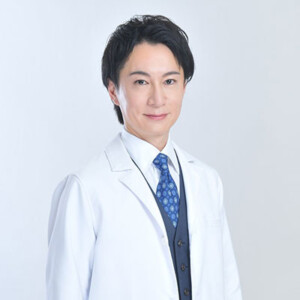
Dr. Jun Karibe
MD
Director
Education & Career
Certifications
Awards
MEDICAL REVIEW