Volnewmer Maintenance in Tokyo: How Often Should You Repeat the Treatment?
If you have recently experienced Volnewmer — or are researching it for the first time — one of the most common questions is how frequently sessions need to be repeated to maintain visible results. It is a very reasonable concern: radiofrequency-based skin treatments represent a meaningful investment of both time and money, and understanding the maintenance schedule helps you plan realistically.
This article explains what Volnewmer is, how it works at a biological level, what results you can reasonably expect, and — most importantly — how to think about spacing and repeating sessions in the Tokyo clinic context.
- What Volnewmer is and how it differs from other radiofrequency treatments
- How collagen remodelling determines your ideal session interval
- Realistic results and how long they typically last
- Volnewmer pricing in Tokyo (with official clinic figures)
- Who is a suitable candidate and who should consider an alternative
Have a question about this treatment?
Message us on LINE or WhatsApp — our English-speaking team usually replies the same day.
What Is Volnewmer?
Volnewmer is a monopolar radiofrequency (RF) device designed for deep dermal and subdermal heating. Unlike bipolar RF systems — where current travels between two closely spaced electrodes and heats a relatively shallow tissue volume — monopolar RF sends energy from a single handpiece electrode deep into the skin, with a grounding pad placed elsewhere on the body completing the circuit.
This geometry allows the thermal effect to reach the deeper dermis and the superficial layer of the SMAS (superficial musculoaponeurotic system), the fibromuscular tissue layer beneath the fat.
The device was developed to address skin laxity, jowling, and surface texture concerns in a non-invasive format. In clinical practice it is used primarily on the lower face, jawline, neck, and periorbital area, though it can also be applied to the body for localised tightening.
How Volnewmer Differs from HIFU and Other RF Devices
Volnewmer is often discussed alongside HIFU (High-Intensity Focused Ultrasound) because both technologies target deeper tissue layers non-invasively. However, the mechanism is fundamentally different. HIFU uses focused ultrasound energy to create discrete thermal coagulation points at precise depths — essentially small, controlled injuries that trigger a healing response.
Volnewmer, by contrast, delivers a continuous, volumetric heat across a broader tissue area using radiofrequency energy, which heats tissue through electrical resistance (ohmic heating).
The practical implication is that Volnewmer tends to produce a more uniform tissue temperature across the treated zone, while HIFU creates more punctuate coagulation points. Both approaches stimulate neocollagenesis (the formation of new collagen), but through slightly different wound-healing cascades. Some patients and practitioners find that monopolar RF gives a more gradual, natural-looking result with somewhat less post-treatment discomfort than high-intensity HIFU at equivalent depths.
This is a treatment available at our Ichigaya clinic — feel free to ask about it during a consultation. The clinic also offers HIFU starting from ¥25,000, for patients who would like to explore a combination or alternative approach.
How Volnewmer Works: The Biology of Collagen Remodelling
Understanding why maintenance sessions are needed — and how to time them — requires a brief look at what actually happens in the skin after treatment.
Immediate and Delayed Tissue Response
When RF energy heats dermal collagen fibres to approximately 60–70°C, two things happen. First, existing collagen triple-helix structures partially denature (unwind) and contract, producing an immediate mild tightening that can be visible on the day of treatment.
Second, and more importantly for long-term results, the controlled thermal injury triggers fibroblast activation — the same class of cells responsible for wound healing. Activated fibroblasts begin synthesising new Type I and Type III collagen over the subsequent weeks and months.
This biological timeline is critical for understanding session scheduling. The peak of neocollagenesis typically occurs between 8 and 16 weeks after a single RF treatment, which is why many clinicians recommend waiting at least three months before assessing the full result and deciding whether a repeat session is warranted. Clinical reports indicate that significant histological changes in collagen density and organisation are still measurable at the six-month mark after monopolar RF treatment.
Why Results Are Not Permanent
The new collagen produced in response to Volnewmer does not last indefinitely. Collagen turnover is a normal biological process — the body continuously breaks down and rebuilds structural proteins through matrix metalloproteinases (enzymes that degrade collagen) and fibroblast synthesis.
Additionally, the underlying ageing process continues: skin gradually loses elasticity and fat distribution shifts with time. Studies suggest that the clinical improvement from a single monopolar RF session is typically most pronounced at three to six months post-treatment, with gradual diminishment over the following six to twelve months depending on age, skin quality, lifestyle factors, and the energy settings used during the session.
Dr. Karibe’s Note
A common question I receive from international patients is whether they should book a follow-up session before they return to their home country.
My honest answer is: not immediately. Many patients who come in six weeks after Volnewmer are still in the middle of their collagen remodelling phase — the best of their results may still be two or three months away.
I recommend waiting at least three months before your next assessment, and ideally four to six months before considering a repeat session for maintenance. If you are visiting Tokyo for a limited time, we can discuss a treatment-then-review plan that works within your schedule.
How Often Should You Repeat Volnewmer? A Practical Guide
There is no single universally prescribed interval for Volnewmer maintenance, as the optimal schedule depends on individual factors including age, skin laxity grade, lifestyle habits, and aesthetic goals. However, clinical practice patterns and published evidence offer a useful framework.
General Maintenance Framework
For most patients seeking ongoing maintenance of facial contour and skin quality, a single Volnewmer session once every six to twelve months is a commonly adopted approach. Patients in their late thirties to mid-forties with mild to moderate laxity often find that one session per year is sufficient to maintain their baseline improvement. Patients with more pronounced laxity, older age, or high ultraviolet exposure may benefit from sessions every six months.
In our clinical experience at Kojimachi Dermatology & Plastic Surgery Clinic, patients who combine Volnewmer with a consistent home skincare routine — particularly products containing retinoids and broad-spectrum sunscreen — tend to maintain their results for longer between sessions. Sun protection is particularly relevant for patients in Japan, where seasonal UV intensity can be significant even in winter months.
Initial Treatment Phase Versus Long-Term Maintenance
Some practitioners recommend a short initial treatment phase of two sessions spaced six to eight weeks apart for patients with more significant laxity, before transitioning to the annual or biannual maintenance schedule described above. This initial loading approach is intended to establish a stronger collagen foundation before shifting to a maintenance rhythm. Not every patient requires this, and it should be discussed individually during a consultation with the treating physician.
The following table summarises the general recommended intervals based on patient profile:
| Patient Profile | Initial Phase | Maintenance Interval | Notes |
|---|---|---|---|
| 30s–40s, mild laxity, preventive intent | 1 session | Every 10–12 months | Good collagen reserves; results tend to last longer |
| 40s–50s, moderate laxity | 1–2 sessions (6–8 weeks apart) | Every 6–9 months | May combine with HIFU or Morpheus8 for enhanced result |
| 50s+, moderate-to-significant laxity | 2 sessions (6–8 weeks apart) | Every 6 months | Surgical consultation may also be appropriate |
| Post-surgical maintenance (e.g. after thread lift or facelift) | As advised by surgeon | Every 9–12 months | Always confirm with your operating surgeon before beginning RF |
What to Expect: Before, During, and After Volnewmer
Before the Session
A consultation with a physician is recommended prior to treatment, particularly for first-time patients. The physician will assess the degree and distribution of skin laxity, discuss realistic outcome expectations, and confirm there are no contraindications (see candidate section below). Patients are typically advised to arrive with clean, makeup-free skin on the day of treatment.
If you are taking isotretinoin (a vitamin A derivative used for acne), most practitioners recommend completing the course and waiting a minimum of six months before undergoing any energy-based skin treatment. This is because isotretinoin alters wound-healing dynamics and may increase the risk of adverse effects.
During the Session
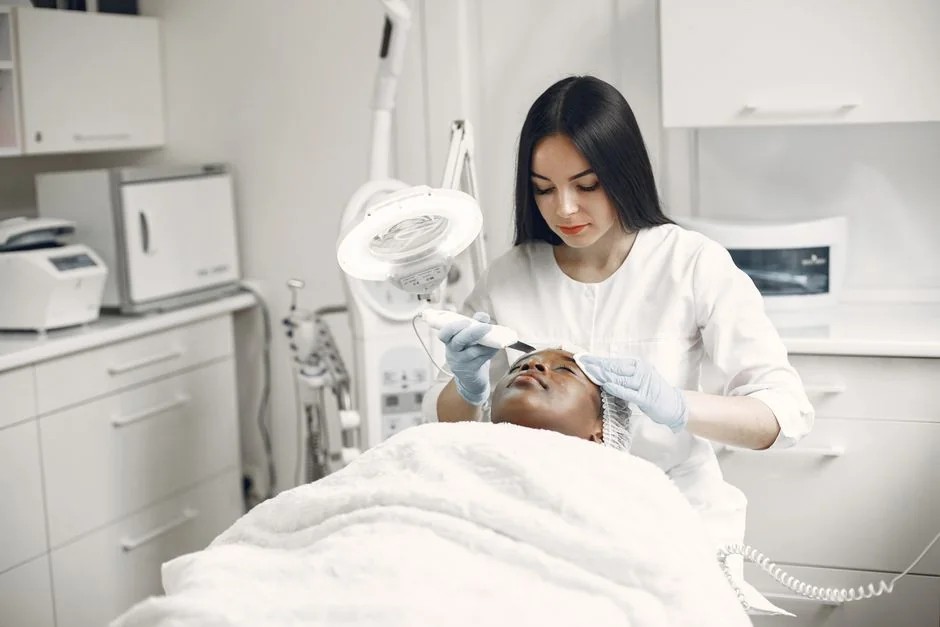
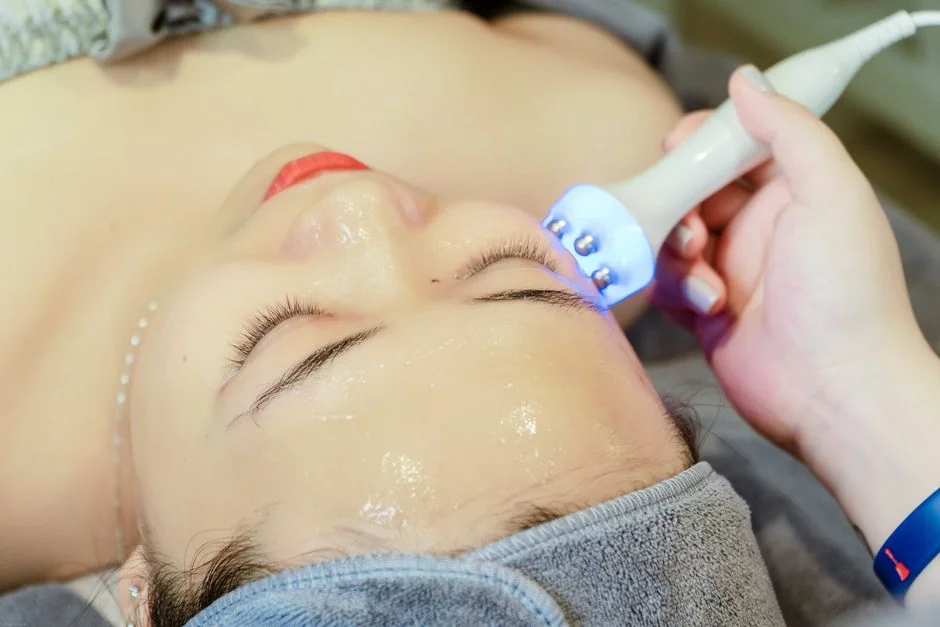
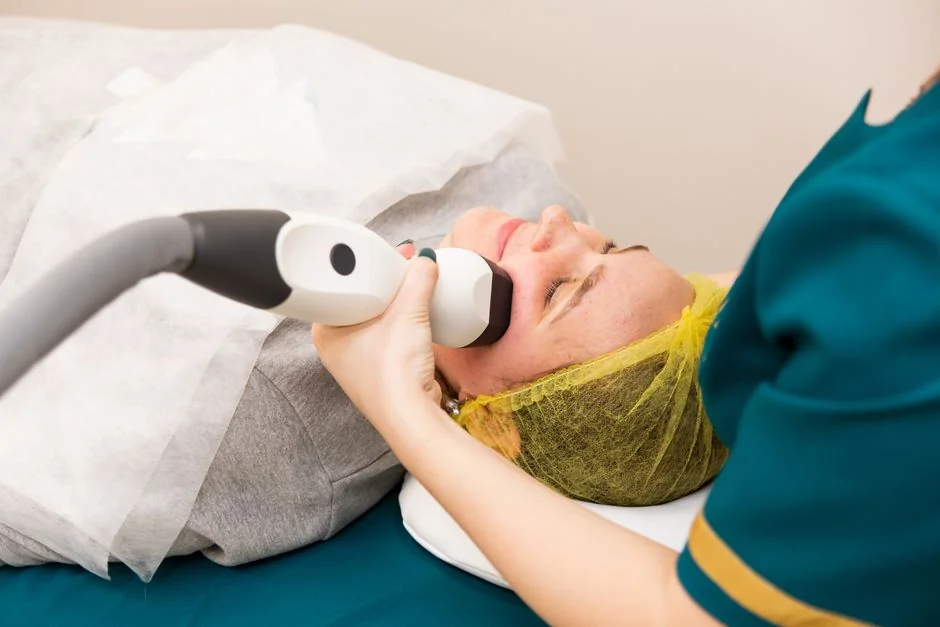
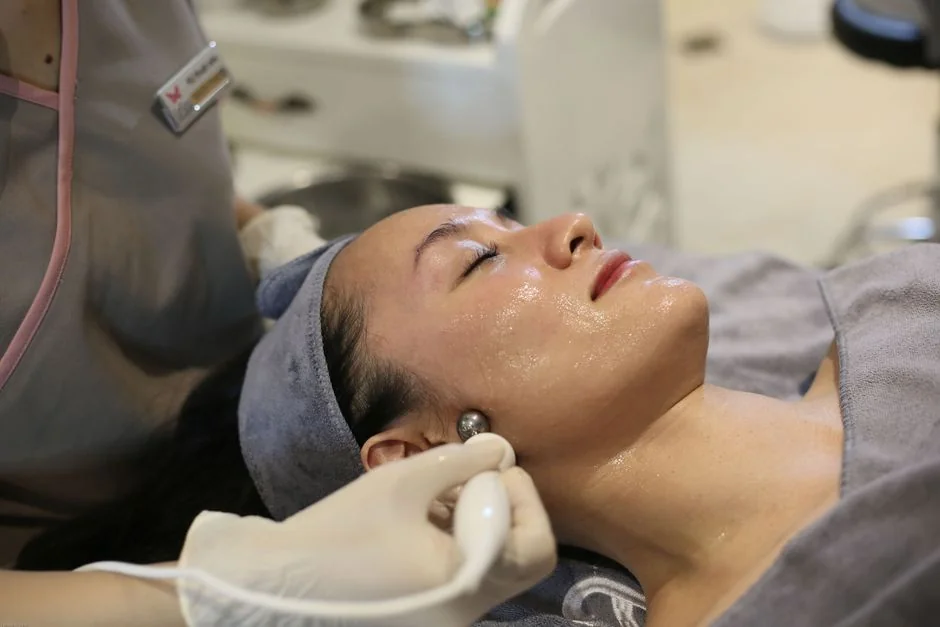
A conductive gel is applied to the treatment area. The handpiece is moved across the skin in a systematic pattern while the device delivers RF energy. Patients typically feel a sensation of warmth, which some describe as similar to a heated stone massage. The intensity is adjustable, and the treating practitioner will titrate the energy based on real-time skin surface temperature monitoring and patient comfort. A full-face session typically takes 30 to 60 minutes.
After the Session and Downtime
Volnewmer is considered a low-downtime procedure. Mild redness and warmth in the treated area are common for several hours after treatment, and a small number of patients experience mild puffiness for one to two days. These are expected responses and generally resolve without intervention. Most patients are comfortable returning to work or normal social activities the same day or the following day.
Sun avoidance and diligent SPF use are strongly recommended for at least two weeks post-treatment, as the skin is in a repair phase and more susceptible to UV-induced pigmentation changes. Patients with a tendency toward post-inflammatory hyperpigmentation (darker skin phototypes) should discuss this with their physician before treatment.
Volnewmer Cost in Tokyo
At BIOTOPE CLINIC or Kojimachi Dermatology & Plastic Surgery Clinic, Volnewmer is priced between ¥66,000 and ¥165,000 per session, depending on the area and extent of treatment. This range reflects the variation between a focused single-zone treatment (for example, the neck or lower face only) and a comprehensive full-face and neck protocol.
An initial consultation is ¥3,300, or ¥2,200 for a surgical consultation with Dr. Karibe. This is deducted or credited at some clinics, and the specifics can be confirmed at the time of booking. Patients combining Volnewmer with complementary treatments — such as HIFU (¥25,000–¥110,000) or Morpheus8 RF microneedling — should budget accordingly, as combination protocols may offer enhanced tissue remodelling but naturally carry higher total costs.
For an accurate quote, we recommend booking a consultation.
Have a question about this treatment?
Message us on LINE or WhatsApp — our English-speaking team usually replies the same day.
Who Is a Good Candidate for Volnewmer?
Volnewmer tends to produce the most satisfying results in patients who have realistic expectations and a degree of skin laxity that is addressable through non-surgical means. Ideal candidates typically include:
- Adults in their thirties to fifties experiencing early to moderate facial sagging, jowling, or neck laxity
- Patients who want a non-surgical option with minimal downtime
- Those seeking preventive or maintenance treatment after a prior lifting procedure (surgical or non-surgical)
- Patients with good overall skin quality who want to address contour changes without incisions
Who Should Consider an Alternative or Exercise Caution
Volnewmer is not appropriate for every patient. The following groups should discuss alternatives or additional precautions with their physician:
- Patients with active implanted electronic devices (pacemakers, cochlear implants): monopolar RF systems create an electrical current through the body and are generally contraindicated in these cases.
- Patients with metal implants in or near the treatment area: this should be discussed on a case-by-case basis with the treating physician.
- Patients with advanced or severe skin laxity: significant tissue redundancy may not respond adequately to non-surgical RF. A surgical consultation — for example, discussing thread lift (Tesslift, available at the clinic from ¥48,000 per thread) or surgical facelift — may be more appropriate.
- Pregnancy and breastfeeding: energy-based aesthetic treatments are generally deferred until after this period.
- Recent isotretinoin use: as noted above, a waiting period is required.
- Active skin infection, open wounds, or inflammatory skin conditions in the treatment zone: treatment should be postponed until the condition resolves.
Common Misconceptions About Volnewmer Maintenance
Misconception 1: More Frequent Sessions Deliver Proportionally Better Results
A widely held assumption is that increasing treatment frequency will simply amplify or accelerate results. In practice, this is not the case with collagen-stimulating technologies. The fibroblast response to thermal injury has a biological ceiling — over-treating the same area before the remodelling cycle is complete may not add benefit and could potentially cause unintended tissue changes. Waiting for the tissue to fully respond to a session before delivering another is not merely a commercial consideration; it reflects the underlying biology. Clinical reports indicate that the majority of collagen reorganisation following monopolar RF occurs over a three-to-six-month window, reinforcing the rationale for conservative spacing.
Misconception 2: Volnewmer Results Are Permanent After Enough Sessions
Some patients assume that after accumulating several sessions, the skin will reach a stable plateau that no longer requires maintenance. This does not reflect how skin ageing works. Even after significant neocollagenesis, the body’s ongoing collagen turnover and the progressive effects of intrinsic and extrinsic ageing mean that tissues will continue to change. Volnewmer — and indeed any non-surgical lifting technology — is best understood as a tool for managing and slowing the visible manifestation of skin laxity over time, not for stopping it permanently.
Frequently Asked Questions
- Q. How soon after my first Volnewmer session will I see results?
- An initial subtle improvement may be visible within a few days due to the immediate contraction of existing collagen fibres. However, the more meaningful, longer-lasting result — driven by new collagen formation — typically becomes apparent between two and four months post-treatment. Patients are generally encouraged not to evaluate their full outcome until at least twelve weeks have passed.
- Q. Can I combine Volnewmer with other treatments at the same visit?
- This depends on the specific combination being considered and should be assessed by the treating physician on an individual basis. Some combinations — for example, Volnewmer followed by a superficial laser treatment on the same day — may not be appropriate, as the skin can only tolerate a finite amount of controlled stress at one time. Other sequential or complementary combinations (such as Volnewmer on one visit and a PicoWay laser for pigmentation on a separate visit) are commonly employed without issue. Your physician will advise based on your skin type and treatment goals.
- Q. Is Volnewmer painful?
- Most patients describe the sensation as warm to moderately hot, particularly over bony prominences. It is not generally described as acutely painful, though comfort levels vary between individuals. The device’s energy output is adjustable, and the practitioner will titrate it to a level that is both therapeutically effective and tolerable. Topical anaesthetic cream can be applied before the session if requested, though it is not routinely required for most patients.
- Q. I am visiting Tokyo for two weeks. Is it worth having Volnewmer while I am here?
- Yes, it can be a reasonable choice, provided you understand that the primary results will continue to develop over the three to four months after you return home. The low downtime profile makes it feasible within a travel schedule — most patients are socially presentable within 24 hours. If you have concerns about follow-up care or require any post-treatment review, this can be discussed and arranged remotely where appropriate.
- Q. How does Volnewmer compare with Morpheus8 for facial tightening?
- Both use radiofrequency energy, but Morpheus8 delivers it via microneedle electrodes that penetrate the skin, allowing precise depth control and simultaneous treatment of the superficial dermis and subdermal fat. Volnewmer uses a surface electrode for volumetric heating at deeper tissue levels without skin penetration. Morpheus8 tends to be particularly effective for skin texture, fine lines, and superficial fat remodelling, while Volnewmer’s monopolar technology is often favoured for deeper tissue heating and structural lifting. In practice, many patients benefit from a combination approach; the most appropriate choice depends on individual anatomy and goals, and is best determined during a clinical consultation.
Have a question about this treatment?
Message us on LINE or WhatsApp — our English-speaking team usually replies the same day.
Summary
Volnewmer is a monopolar radiofrequency treatment that works by delivering deep volumetric heat to stimulate collagen remodelling in the dermis and superficial structural layers beneath the skin. It is a low-downtime, non-surgical option for patients seeking to address facial laxity, jowling, and skin quality without incisions.
For most patients, the recommended maintenance interval is every six to twelve months, depending on age, baseline skin quality, and aesthetic goals. The biological rationale for this spacing reflects the collagen remodelling cycle: the full benefit of a session is typically visible at three to six months, making premature repeat treatments both unnecessary and potentially counterproductive.
Patients with more significant laxity may benefit from an initial two-session loading phase before transitioning to annual or biannual maintenance.
Realistic expectations, appropriate candidate selection, and a consistent approach to sun protection and skin health between sessions are all important factors in achieving and sustaining satisfactory outcomes from Volnewmer treatment.
If you have questions about Volnewmer maintenance, our team at BIOTOPE CLINIC or Kojimachi Dermatology & Plastic Surgery Clinic in Ichigaya, Tokyo would be happy to help. We offer consultations in English.
24/7 Consultation & Booking
Book a Consultation or Treatment
Our English-speaking team responds via LINE or WhatsApp — usually the same day.
References
- Friedman DJ, Gilead LT. The use of hybrid radiofrequency device for the treatment of rhytides and lax skin. Dermatologic Surgery. 2007;33(5):543–551.
- Halachmi S, Lapidoth M. Non-invasive skin tightening. Journal of Drugs in Dermatology. 2009;8(11 Suppl):s14–s18.
- Zelickson BD, Kist D, Bernstein E, et al. Histological and ultrastructural evaluation of the effects of a radiofrequency-based nonablative dermal remodeling device. Archives of Dermatology. 2004;140(2):204–209.
- Suh DH, Chang KY, Son HC, et al. Radiofrequency and 585-nm pulsed dye laser treatment of striae distensae: a report of 37 Asian patients. Dermatologic Surgery. 2007;33(1):29–34.
- Alster TS, Tanzi EL. Improvement of neck and cheek laxity with a nonablative radiofrequency device: a lifting experience. Dermatologic Surgery. 2004;30(4):503–507.
Related Articles
You may also find these articles useful.
- Volnewmer Cost Tokyo 2026: Sessions, Pricing Guide
- Volnewmer Recovery: Downtime, Side Effects & Aftercare
- Volnewmer Tokyo: Monopolar RF Skin Tightening 2026
- Volnewmer vs Thermage vs HIFU: RF Comparison
- Skin Tightening Treatment Tokyo: Options and Cost
SUPERVISED BY

Dr. Jun Karibe
MD
Director
Education & Career
Certifications
Awards
MEDICAL REVIEW