Skin Clinic in Tokyo for Foreigners: How to Find the Right One
Navigating healthcare in a foreign country can feel daunting, especially when you are dealing with a skin condition or considering a cosmetic procedure and are unsure whether you will be understood — linguistically or culturally. For the growing number of English-speaking expatriates, medical tourists, and visitors in Tokyo, finding a dermatology or aesthetic clinic that genuinely accommodates international patients is a real and practical concern.
This guide explains what to look for in a Tokyo skin clinic as a foreigner, what questions to ask before booking, and what kinds of treatments are typically available — so you can make a confident, informed decision.
What you’ll learn in this article:
- What makes a skin clinic truly accessible and suitable for English-speaking patients in Tokyo
- The difference between dermatology (insurance-covered) and cosmetic treatments (self-pay)
- Typical costs for common skin treatments at Tokyo clinics
- Red flags to watch for and questions to ask before committing
- How Kojimachi Dermatology & Plastic Surgery Clinic supports international patients in Ichigaya
Have a question about this treatment?
Message us on LINE or WhatsApp — our English-speaking team usually replies the same day.
Why Finding the Right Clinic Is Harder Than It Looks
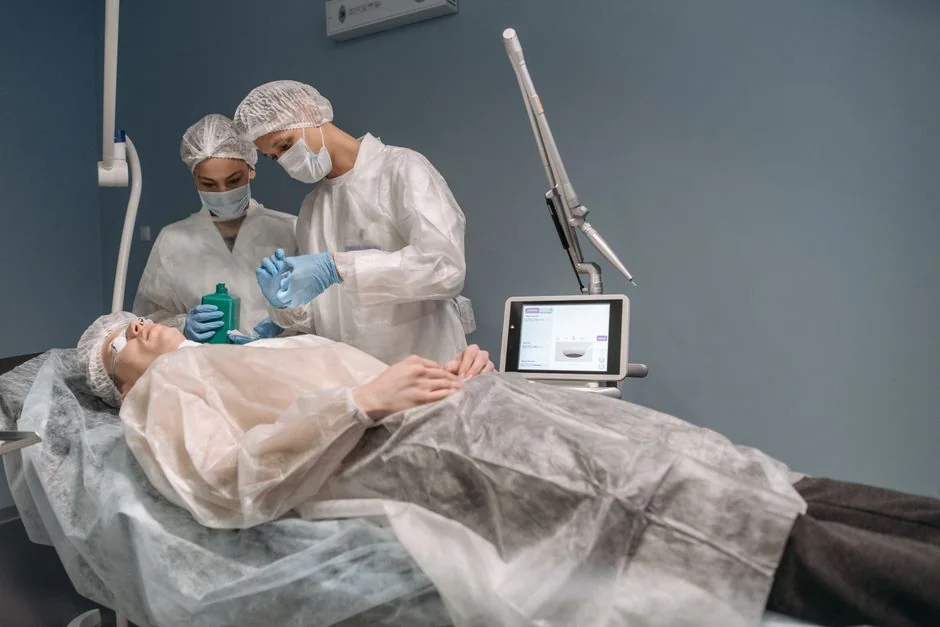
Tokyo has hundreds of dermatology and aesthetic clinics, and many advertise cosmetic services extensively online. However, a significant proportion operate primarily or exclusively in Japanese, with limited capacity to explain procedures, risks, and aftercare in English.
For medical or cosmetic decisions — which fall into the category health professionals call YMYL (Your Money or Your Life) content — language barriers carry genuine risk. Misunderstanding a contraindication, a post-procedure instruction, or an informed consent form can affect your safety and your results.
Beyond language, there is also the question of clinical standards. Japan has its own medical licensing framework, and cosmetic procedures in particular vary widely in quality depending on whether the clinic is led by a board-certified specialist or a general practitioner with limited training in aesthetic medicine.
What to Look for in a Tokyo Skin Clinic as a Foreigner
English-Language Communication
The most important practical requirement is clear communication. Look for clinics that explicitly state they offer consultations in English — ideally with a doctor or a dedicated coordinator who speaks English fluently, not just a translation app at the reception desk.
Before booking, it is reasonable to send an email or WhatsApp message in English and note how quickly and clearly the clinic responds.
Our clinic that is genuinely equipped for international patients will handle pre-appointment queries professionally and promptly.
Board-Certified Doctors
In Japan, dermatology and plastic surgery are distinct board-certified specialties. The Japan Society of Plastic and Reconstructive Surgery (JSAPS) and the Japanese Dermatological Association (JDA) both confer specialist certification following rigorous training and examination. When a clinic’s director holds board certification from one or both of these bodies, it provides meaningful assurance of clinical competence.
BIOTOPE CLINIC and Kojimachi Dermatology & Plastic Surgery Clinic is directed by Dr. Jun Karibe, a board-certified plastic surgeon certified by the Japan Society of Plastic and Reconstructive Surgery. The clinic is located in Ichigaya, Chiyoda-ku, and is accessible from Kojimachi, Hanzomon, and Nagatacho stations.
Transparency About Pricing and Procedures
Reputable clinics publish their price lists or provide clear written quotes before treatment. Be cautious of any clinic that is vague about costs, applies high-pressure sales tactics during consultations, or bundles procedures without itemising them.
In Japan, cosmetic procedures are almost always self-pay (outside of Japan’s national health insurance system), so understanding the cost structure upfront is essential. Insurance-covered dermatology — for conditions such as eczema, urticaria (hives), fungal infections, or viral skin conditions — operates differently and typically costs far less per visit.
Dr. Karibe’s Note
Many of our international patients arrive at the clinic having already visited one or two other clinics where they could not get a clear explanation of what was being recommended or why. A common question I receive during first consultations is: “Is this treatment really necessary for my skin type?”
That is exactly the kind of question you should feel comfortable asking — and any reputable clinic should welcome it.
At our BIOTOPE clinic, consultations are conducted in English so that patients can make genuinely informed decisions, not just nod along.
Dermatology vs. Cosmetic Treatments: Understanding the Difference
One point of frequent confusion for foreigners is the distinction between medical dermatology (covered by Japan’s national health insurance) and cosmetic dermatology (entirely self-pay). This distinction matters significantly for both cost and expectations.
| Category | Examples | Insurance Coverage | Typical Cost |
|---|---|---|---|
| Medical dermatology | Eczema, acne (moderate), urticaria, fungal infections, warts, herpes | Yes (if enrolled in Japan’s health insurance) | Low per visit (co-pay system) |
| Cosmetic dermatology | Laser pigmentation treatment, Botox, fillers, RF microneedling, HIFU | No | ¥11,000–¥148,000+ depending on treatment |
| Plastic surgery (cosmetic) | Double eyelid surgery, mole removal (cosmetic), blepharoplasty | No (unless medically indicated) | ¥66,000–¥572,000+ depending on procedure |
| Plastic surgery (reconstructive) | Scar revision (post-trauma), ingrown nail correction | Sometimes, depending on diagnosis | Varies |
Foreigners visiting Tokyo on a short-term visa are not enrolled in Japan’s national health insurance, so they will typically pay full self-pay rates for medical dermatology as well. Expatriates who are enrolled in Japan’s national health insurance system or hold private international health insurance may be partially reimbursed — it is worth checking your policy before your appointment.
Common Skin Treatments Available at Tokyo Clinics — and What They Cost
Below is an overview of treatments that English-speaking patients commonly enquire about, along with realistic price ranges based on Kojimachi Dermatology & Plastic Surgery Clinic’s published fee schedule.
Laser Treatments for Pigmentation and Skin Tone
Pico lasers (such as the PicoWay system) deliver ultra-short pulses of energy to break up melanin deposits associated with sunspots, melasma, and post-inflammatory hyperpigmentation. Studies suggest that picosecond lasers produce statistically significant reductions in melanin index scores compared with nanosecond alternatives, with clinical reports indicating improvement rates of 60–80% after a series of treatments in suitable candidates.
At Kojimachi Dermatology & Plastic Surgery Clinic, pico laser treatment is available from approximately ¥11,000 to ¥98,000 per session, depending on the area treated and the specific protocol used. This is a treatment available at BIOTOPE clinic — feel free to ask about it during a consultation.
Botox and Hyaluronic Acid Fillers
Botulinum toxin (Botox) injections temporarily relax the facial muscles responsible for dynamic wrinkles — such as frown lines between the brows and crow’s feet at the outer corners of the eyes. Effects typically last three to six months.
At the clinic, Botox using the Allergan brand ranges from ¥22,000 to ¥148,000 depending on the number of areas treated; Korean-brand Botox ranges from ¥9,900 to ¥45,000.
Hyaluronic acid fillers restore volume and contour in areas such as the cheeks, nasolabial folds (the lines from the nose to the mouth), and lips. Prices at the clinic are ¥66,000 to ¥88,000 per syringe.
Skin Lifting and Tightening
HIFU (High-Intensity Focused Ultrasound) delivers focused ultrasound energy to the deeper layers of the skin to stimulate collagen production and achieve a gradual lifting effect. It is a non-surgical option with no required downtime. Sessions at the clinic range from ¥25,000 to ¥110,000. Morpheus8, an RF (radiofrequency) microneedling device, is also available for skin tightening and textural improvement.
Initial Consultation Fee
An initial consultation at BIOTOPE CLINIC or Kojimachi Dermatology & Plastic Surgery Clinic is ¥3,300. A surgical consultation with Dr. Karibe specifically is ¥2,200. For an accurate quote on any specific treatment, we recommend booking a consultation.
Have a question about this treatment?
Message us on LINE or WhatsApp — our English-speaking team usually replies the same day.
What People Often Get Wrong About Skin Clinics in Tokyo
Misconception 1: “Any clinic with English on its website caters to international patients.”
A translated homepage does not guarantee that your consultation, consent process, or aftercare instructions will be conducted in English. Some clinics have a single page of English text for marketing purposes, but the actual clinical interaction happens entirely in Japanese. Always verify directly — by phone, email, or message — that a qualified English-speaking staff member will be present for your appointment.
Misconception 2: “Cosmetic procedures in Japan are cheaper than in Western countries.”
This is not consistently true. Tokyo is one of the most expensive cities in the world for high-quality aesthetic medicine. While some procedures may be priced competitively, clinics using premium devices (such as Allergan-brand Botox, PicoWay laser, or FDA-cleared HIFU systems) will charge prices comparable to those in London, New York, or Sydney. What you are paying for — beyond the device itself — is the physician’s expertise, the clinic’s hygiene standards, and the reliability of follow-up care.
In our clinical experience at Kojimachi Dermatology & Plastic Surgery Clinic, patients who have previously sought lower-cost treatments at clinics with limited English capacity sometimes present seeking correction or revision — which is frequently more expensive and more complex than the original procedure would have been.
Practical Steps to Find a Suitable Clinic
- Search specifically for English-speaking dermatologists or plastic surgeons in Tokyo, not just “skin clinic Tokyo.” Phrasing your search around language access produces more targeted results.
- Verify the doctor’s credentials. Look for board certification from the Japanese Dermatological Association or the Japan Society of Plastic and Reconstructive Surgery.
- Contact the clinic before booking. Ask whether your specific concern can be addressed by the clinic, whether English-language consultation is available, and what the initial consultation fee is.
- Ask for a written treatment plan and itemised pricing before agreeing to any procedure.
- Check whether your international health insurance covers any portion of the treatment, particularly for medical (non-cosmetic) dermatology.
Frequently Asked Questions
- Q. Do I need to speak Japanese to visit a dermatology clinic in Tokyo?
- Not if you choose a clinic that explicitly offers English-language consultations. At Kojimachi Dermatology & Plastic Surgery Clinic in Ichigaya, consultations are conducted in English, so patients can discuss their concerns, understand their options, and review consent information without a language barrier. It is always advisable to confirm language availability before booking at any clinic.
- Q. Can foreigners use Japan’s national health insurance at a skin clinic?
- Expatriates who are employed in Japan and enrolled in the national health insurance system (Kokumin Kenko Hoken or shakai hoken) are eligible to use it for medically indicated dermatology visits. Short-term visitors and tourist
- Q. How do I know if a clinic is reputable?
- Look for a clinic directed by a board-certified specialist, with clearly published pricing, a formal consultation process, and verifiable professional credentials. Patient reviews on platforms such as Google Maps can also be helpful, but should be considered alongside formal credentials rather than as a substitute for them. Avoid clinics that pressure you into purchasing packages during an initial consultation.
- Q. Is it safe to have cosmetic procedures done in Tokyo as a tourist?
- It can be, provided you choose a qualified clinic, allow sufficient time for a proper consultation and any required follow-up, and are realistic about travel timelines relative to recovery. Procedures with downtime — such as fractional CO2 laser or surgical treatments — may not be appropriate if you are leaving Japan within a few days. A thorough consultation with an experienced physician will help determine what is safe and suitable for your situation.
- Q. What is the difference between a dermatologist and a plastic surgeon for skin concerns?
- Dermatologists specialise in the diagnosis and treatment of skin, hair, and nail conditions — including both medical and cosmetic concerns. Plastic surgeons focus on surgical and reconstructive procedures, and many also offer cosmetic treatments. Some clinics, like Kojimachi Dermatology & Plastic Surgery Clinic, combine both specialties under one roof, which is advantageous for patients whose concerns span both medical and aesthetic needs.
Have a question about this treatment?
Message us on LINE or WhatsApp — our English-speaking team usually replies the same day.
Summary
Finding a skin clinic in Tokyo that genuinely serves English-speaking patients requires more than a Google search. The key criteria are: English-language communication throughout the clinical process, board-certified physicians, transparent pricing, and a willingness to explain procedures clearly and without pressure.
Tokyo offers access to high-quality dermatology and aesthetic medicine, including internationally recognised devices and treatments — but these benefits are only accessible when you can communicate freely with your care team. Taking the time to verify language access and clinical credentials before booking a first appointment is a straightforward step that significantly reduces risk.
If you have questions about finding a skin clinic in Tokyo for foreigners, our team at BIOTOPE CLINIC or Kojimachi Dermatology & Plastic Surgery Clinic in Tokyo would be happy to help. We offer consultations in English.
24/7 Consultation & Booking
Book a Consultation or Treatment
Our English-speaking team responds via LINE or WhatsApp — usually the same day.
References
- Negishi K, Akita H, Matsunaga Y. Prospective study of removing solar lentigines in Asians using a novel 4-wavelength picosecond laser. Lasers in Surgery and Medicine. 2018.
- Goldberg DJ. Current trends in intense pulsed light. Journal of Clinical and Aesthetic Dermatology. 2012.
- Carruthers J, Carruthers A. Botulinum toxin in facial rejuvenation: an update. Dermatologic Clinics. 2009.
- Suh DH, Shin MK, Lee SJ, et al. Intense focused ultrasound tightening in Asian skin: a clinical and pathological study. Dermatologic Surgery. 2011.
- Ministry of Health, Labour and Welfare, Japan. Overview of the National Health Insurance System. 2023.
Related Articles
You may also find these articles useful.
- Skin Clinic Tokyo for Foreigners: How to Find One
- Beauty Clinic Tokyo English Consultation Guide for Foreigners
- English Speaking Dermatologist Tokyo: Complete Guide
- Looking for an English-Speaking Dermatology and Aesthetic Clinic in Tokyo?
SUPERVISED BY
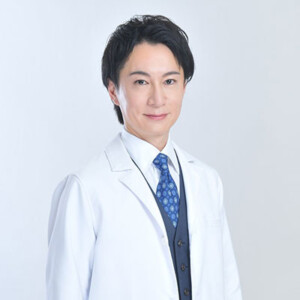
Dr. Jun Karibe
MD
Director
Education & Career
Certifications
Awards
MEDICAL REVIEW