What Is Eyebrow Artmake?
If you are living in Tokyo or visiting the city and considering eyebrow artmake, you may have found that reliable, English-language information about the procedure is surprisingly difficult to find.
This guide explains what artmake is, how the technique works, what it realistically costs in the Tokyo market, and how to choose a clinic that meets international safety standards.
- The difference between artmake, microblading, and conventional tattoo
- How an eyebrow artmake session is performed and what healing involves
- Realistic cost ranges for eyebrow artmake in Tokyo
- Who makes a good candidate and what the known risks are
- Where English-speaking patients can access artmake within our clinic group
Have a question about this treatment?
Message us on LINE or WhatsApp — our English-speaking team usually replies the same day.
Artmake (アートメイク) is the Japanese clinical term for semi-permanent cosmetic pigmentation of the skin. A trained technician deposits medical-grade pigment into the upper layers of the dermis — the deeper living layer of the skin — using a fine needle device. Because the pigment sits in the dermis rather than on the surface, it resists daily washing and lasts considerably longer than ordinary cosmetics.
The word “semi-permanent” is important. Unlike a conventional body tattoo, artmake pigment gradually breaks down and fades over time — typically over one to three years, depending on the area treated, the individual’s skin type, and lifestyle factors such as sun exposure. This means adjustments or colour refreshes are possible as trends or personal preferences change.
Artmake vs Tattoo vs Microblading: Key Differences
Many people confuse artmake with either a conventional tattoo or the microblading technique popular in Western countries. The distinctions matter because they affect longevity, fading behaviour, and the regulatory environment under which the procedure is performed.
| Feature | Artmake (Japan) | Microblading | Conventional Tattoo |
|---|---|---|---|
| Pigment depth | Upper dermis | Upper dermis (manual blade) | Deep dermis |
| Tool | Motorised needle device | Manual blade/pen | Tattoo machine |
| Longevity | 1–3 years (fades gradually) | 1–2 years (fades gradually) | Decades (very slow fade) |
| Regulatory status in Japan | Medical procedure (physician oversight required) | Typically performed by non-medical practitioners outside Japan | Performed by licensed tattoo artists |
| Colour adjustability over time | Yes, at refresh sessions | Yes, at refresh sessions | Limited; removal is complex |
In Japan, artmake is legally classified as a medical act (医行為) when it involves needle penetration of the skin. This means it must be performed in a clinical setting under the supervision or direct involvement of a licensed physician. This regulatory framework provides an important layer of patient protection that is not always present when similar procedures are offered abroad.
How Eyebrow Artmake Works: The Procedure Step by Step
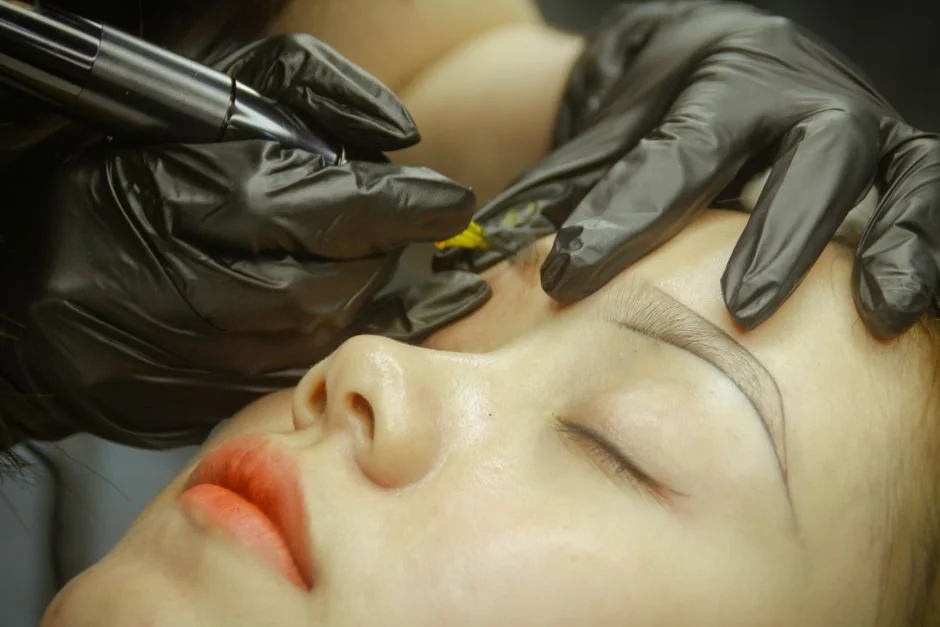
Understanding what happens during a session helps patients set realistic expectations and prepare appropriately. The following describes the typical workflow at a Japanese medical artmake clinic.
Consultation and Design
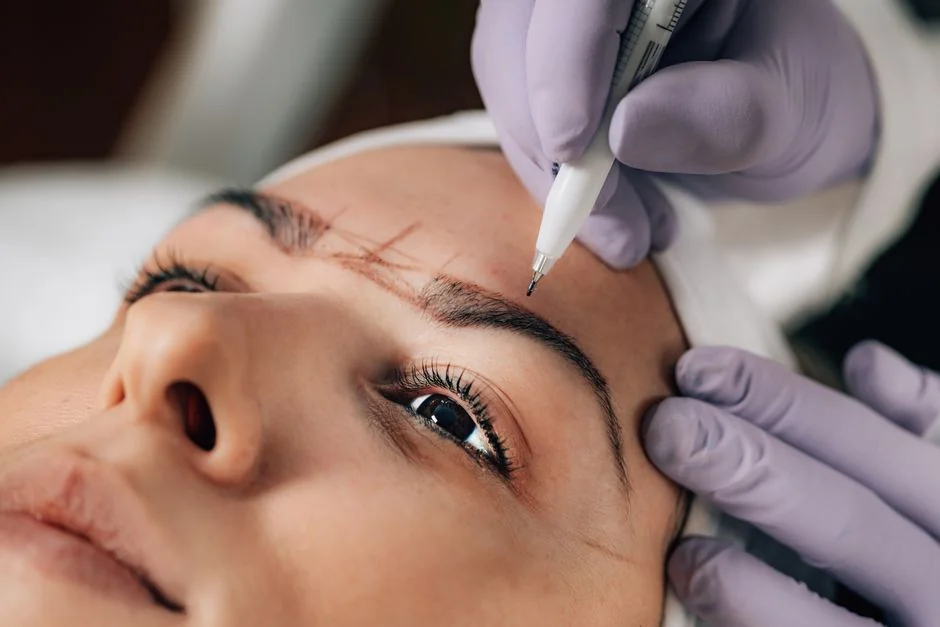
Before any needlework begins, the patient and technician (or supervising physician) discuss the desired shape, thickness, arch, and colour of the eyebrows. A temporary design is drawn on the skin with a pencil or mapping tool and confirmed with the patient. This step is particularly important for international patients, as aesthetic preferences for brow shape vary across cultures.
At this stage the clinician also reviews the patient’s medical history, checks for contraindications, and discusses expected outcomes honestly. Good candidates for artmake understand that results vary by skin type and that a second session (usually four to six weeks after the first) is commonly needed to perfect colour saturation and evenness.
Pigment Application
A topical anaesthetic cream is applied to the eyebrow area and left for approximately 20 to 30 minutes before the procedure begins. While this significantly reduces discomfort for most patients, some degree of sensation — often described as light scratching — is common. Individual pain tolerance varies, and complete absence of sensation cannot be guaranteed.
The technician then uses a motorised needle device to deposit pigment in fine, controlled strokes that mimic the appearance of individual hairs (a style called hair-stroke or feathering) or in a filled, powdered gradient (powder brow or ombre brow). The session itself typically takes 60 to 90 minutes.
Immediately After the Session
The treated area will appear darker and slightly more intense than the intended final result — this is normal. Some mild swelling or redness around the brow is expected for 24 to 48 hours. The skin may feel tender to the touch.
Dr. Karibe’s Note
“A common question from our international patients at BIOTOPE CLINIC is why the eyebrows look ‘too dark’ or ‘too bold’ immediately after the session. What I explain is that the colour they see on day one is not the final result. As the skin heals over the following two weeks, the pigment softens and settles to a noticeably lighter, more natural tone. Patients who understand this in advance are far less anxious during the healing period — and far more satisfied with the outcome.”
Eyebrow Artmake Cost in Tokyo
Pricing for artmake in Tokyo varies considerably depending on the clinic’s medical credentials, the experience of the technician, the technique used, and the number of sessions included. The figures below reflect the general Tokyo market and are intended as a planning reference only.
In the Tokyo market, eyebrow artmake sessions are typically priced in the range of ¥60,000 to ¥150,000 per session. Most clinics recommend two sessions — an initial session and a follow-up touch-up four to six weeks later — to achieve an even, well-saturated result. Patients should therefore factor in the cost of both sessions when budgeting.
Additional costs to consider include the initial consultation fee (which varies by clinic), any anaesthetic creams applied during the procedure, and aftercare products recommended for the healing period. Some clinics bundle the second session into a package price; others bill each session separately.
For an accurate quote, we recommend booking a consultation with BIOTOPE CLINIC via LINE or WhatsApp.
Have a question about this treatment?
Message us on LINE or WhatsApp — our English-speaking team usually replies the same day.
Healing, Aftercare, and What to Expect
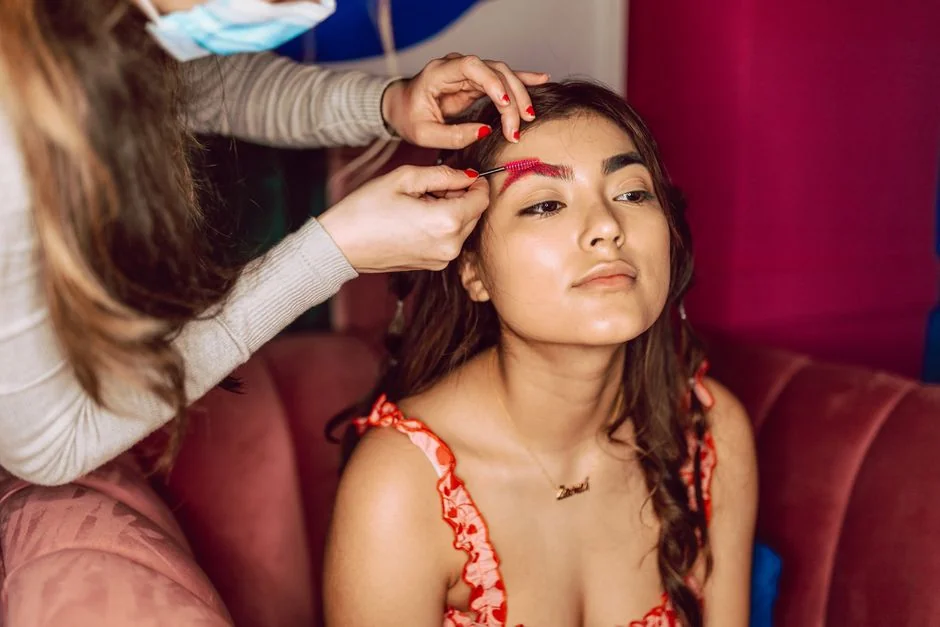
The healing process after eyebrow artmake follows a broadly predictable pattern, though individual variation is normal. Understanding each phase helps patients protect their investment and avoid common mistakes.
The Healing Timeline
Days 1–3: The brows appear darkest. Mild swelling and tenderness may be present. Avoid touching or wetting the area.
Days 4–7: The surface skin begins to flake or peel lightly — a natural part of healing. It is important not to pick or scratch at the peeling skin, as this can pull pigment out unevenly and create patchy areas.
Days 7–14: The brows may appear lighter or slightly faded as the peeling resolves. This is often described as the “ghost phase” and does not mean the colour has been lost permanently.
Week 4–6 onwards: The final colour emerges as the skin fully regenerates. A touch-up session at this stage corrects any areas where pigment did not take evenly.
Aftercare Instructions
Clinics will provide detailed written aftercare guidance, but the following general principles apply in most cases: keep the treated area clean and dry during the first week; avoid heavy exercise, saunas, and swimming for approximately one week; apply prescribed ointment thinly if recommended; and use a high-SPF sunscreen on the area once healed, as UV exposure accelerates pigment fading.
Common Misconceptions About Artmake
Misconception 1: “Artmake is permanent.” This is the single most widespread misunderstanding. Because the pigment is deposited in the upper dermis — shallower than a conventional tattoo — the body’s natural skin renewal process gradually disperses it. Most patients find that colour noticeably fades within one to three years. A refresh session is typically needed to maintain the appearance. While residual pigment traces may remain in the skin for longer in some individuals, artmake should not be approached with the expectation that it is a lifelong change.
Misconception 2: “Artmake and microblading are the same thing.” While both techniques deposit pigment in the upper dermis to create the appearance of fuller eyebrows, they differ in tool, depth control, and regulatory context. Microblading uses a hand-held blade to create fine incisions, whereas artmake in Japan uses a motorised needle device. In Japan, both procedures fall under the definition of a medical act when they involve skin penetration, and both should be performed under appropriate clinical oversight. However, the term “microblading” is not regulated in all countries, and the two terms should not be used interchangeably when assessing a provider’s qualifications.
Who Is a Good Candidate for Eyebrow Artmake?
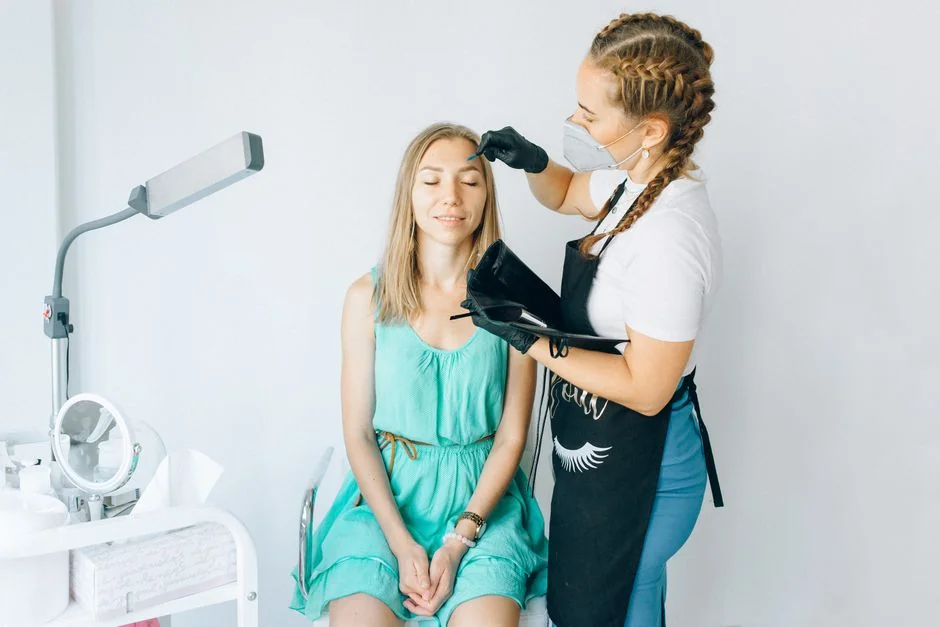
Eyebrow artmake can benefit a wide range of people: those with naturally sparse or light brows, individuals who have experienced hair loss due to conditions such as alopecia or chemotherapy, and those who simply wish to reduce the daily time spent on brow grooming. People with very oily skin may find that pigment fades more quickly than average, and the treating clinician will discuss this during consultation.
Certain conditions may require caution or a medical opinion before proceeding. These include active skin conditions in the treatment area (such as eczema or psoriasis), a known tendency to form keloid scars, use of blood-thinning medications, pregnancy, and certain immune conditions. A thorough pre-procedure consultation is the appropriate time to raise any such concerns.
Where to Get Eyebrow Artmake in Tokyo: Our Sister Clinic BIOTOPE
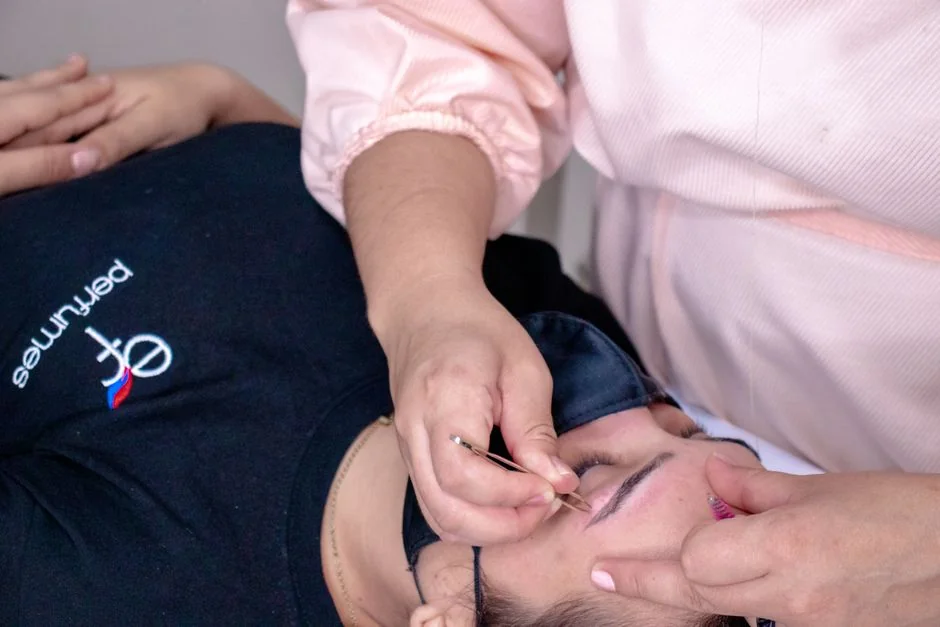
Within our clinic group, artmake is performed at BIOTOPE CLINIC in Shirokanedai (Minato-ku), directed by Dr. Jun Karibe, a board-certified plastic surgeon. Our English-speaking team covers both clinics and handles all English enquiries.
Kojimachi Dermatology and Plastic Surgery Clinic, located in Ichigaya (Chiyoda-ku), is the main clinic of the group and offers a broad range of dermatological and plastic surgery treatments — but artmake is not among them. Patients who enquire about artmake through Kojimachi are directed seamlessly to BIOTOPE CLINIC, where the same physician-led clinical standards apply.
BIOTOPE CLINIC’s location in Shirokanedai, Minato-ku, is well served by public transport and accessible from central Tokyo. English-language support is available from the first point of contact, making the consultation and booking process straightforward for patients who are not Japanese speakers.
Frequently Asked Questions
- Q. How long does eyebrow artmake last?
- The longevity of eyebrow artmake varies depending on skin type, lifestyle, and sun exposure, but most patients find the colour remains clearly visible for one to three years. Individuals with oilier skin or those who spend significant time outdoors may experience faster fading. A scheduled touch-up session can restore or adjust the colour as it fades.
- Q. Is eyebrow artmake painful?
- A topical anaesthetic cream is applied before the session and reduces discomfort significantly for the majority of patients. Some sensation — commonly described as light pressure or mild scratching — is still possible, as responses to topical anaesthesia vary between individuals. Complete absence of sensation cannot be guaranteed, but most patients report the experience as tolerable.
- Q. Can artmake be removed if I change my mind?
- Artmake can be lightened or removed using laser treatment or a saline-based removal technique, though the process typically requires multiple sessions and complete removal is not always achievable. In the Tokyo market, removal sessions are generally priced in the range of ¥30,000 to ¥80,000 per session. This is an important reason to choose a reputable, experienced clinic from the outset and to have thorough design discussions before any pigment is applied.
- Q. Is eyebrow artmake safe for all skin tones?
- Artmake can be performed on a wide range of skin tones, and pigment colours are selected to complement the individual’s natural colouring. Patients with darker skin tones or a history of post-inflammatory hyperpigmentation should discuss this with their clinician in advance, as needle-based procedures can occasionally trigger pigmentation changes in susceptible individuals. A careful consultation allows the clinician to assess suitability and adapt the technique accordingly.
- Q. Do I need to speak Japanese to get artmake at BIOTOPE CLINIC?
- No. The Kojimachi clinic group has an English-speaking intake team that manages enquiries and appointments for both Kojimachi Dermatology and Plastic Surgery Clinic and BIOTOPE CLINIC. Patients can make initial contact via LINE or WhatsApp in English, and the team will guide them through the consultation and booking process.
Have a question about this treatment?
Message us on LINE or WhatsApp — our English-speaking team usually replies the same day.
Summary
Eyebrow artmake is a physician-supervised, semi-permanent cosmetic procedure that deposits pigment into the upper dermis to create the appearance of fuller, more defined brows. In Japan, it is legally classified as a medical act, which means it should be performed in a clinical setting — a standard that provides meaningful patient protection.
Results are not permanent; most patients experience gradual fading over one to three years, and a second session is almost always recommended to achieve an optimal outcome. Healing takes approximately two weeks before the final colour stabilises, and proper aftercare — particularly sun protection — extends the life of the pigment.
For English-speaking patients in Tokyo, eyebrow artmake is available at BIOTOPE CLINIC in Shirokanedai (Minato-ku), the sister clinic of Kojimachi Dermatology and Plastic Surgery Clinic (Ichigaya, Chiyoda-ku), directed by board-certified plastic surgeon Dr. Jun Karibe. The group’s English-speaking team is available to answer questions and arrange consultations via LINE or WhatsApp.
24/7 Consultation & Booking
Book a Consultation or Treatment
Our English-speaking team responds via LINE or WhatsApp — usually the same day.
References
- Serup J, Bäumler W (eds). Tattooed Skin and Health. Current Problems in Dermatology. Karger. 2015.
- Kluger N, Koljonen V. Tattoos, inks, and cancer. Lancet Oncology. 2012;13(4):e161–e168.
- Ortiz AE, Alster TS. Rising concern over cosmetic tattoos. Dermatologic Surgery. 2012;38(3):424–429.
- Shinohara MM. Complications of decorative tattoo and permanent makeup. Seminars in Cutaneous Medicine and Surgery. 2016;35(4):202–206.
- Japanese Society of Aesthetic Dermatology. Guidelines for semi-permanent makeup procedures in clinical settings. 2020.
Related Articles
You may also find these articles useful.
- Areola Artmake Tokyo: Nipple Reconstruction After Surgery
- Lip Artmake Tokyo: Color Choice, Healing & Results
- Artmake for Foreigners in Tokyo: English-Speaking Clinic
SUPERVISED BY
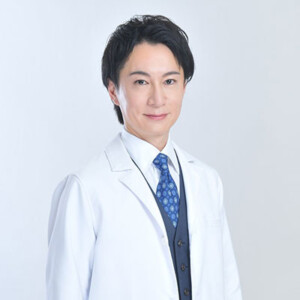
Dr. Jun Karibe
MD
Director
Education & Career
Certifications
Awards
MEDICAL REVIEW