Anti-Aging Treatments in Tokyo: A Complete Guide for Expats and Visitors
Moving to — or visiting — Tokyo opens up access to a remarkably wide range of cosmetic and medical anti-aging options, yet navigating the clinic landscape in a foreign language can feel daunting. Whether you are an expatriate looking for a trusted English-friendly clinic, or a medical tourist planning a procedure alongside your trip, this guide is designed to help you make informed, confident decisions about anti-aging treatments in the Japanese capital.
What you’ll learn in this article:
- Which non-surgical and surgical anti-aging treatments are commonly available in Tokyo, and how they work
- Realistic price ranges at a Chiyoda-ku clinic, with official figures in Japanese yen
- Who is — and who is not — a good candidate for popular procedures
- What to expect before, during, and after treatment
- Common misconceptions that could lead to unrealistic expectations
What “Anti-Aging Treatment” Actually Means in a Clinical Setting
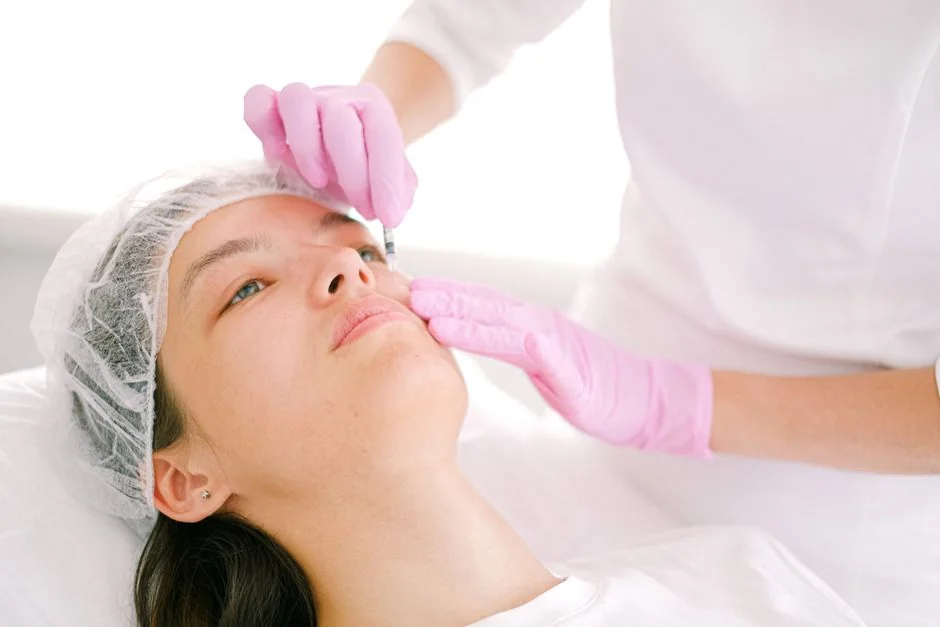
The phrase “anti-aging” covers an enormous spectrum of interventions, from topical skincare and nutritional therapy through to energy-based devices and surgical procedures. In a reputable Tokyo clinic, the term is used to describe evidence-informed approaches that aim to slow, reduce, or — in some cases — partially reverse visible signs of skin ageing: fine lines, loss of volume, skin laxity, uneven pigmentation, and textural changes.
It is worth understanding the biological backdrop. From approximately the mid-twenties onward, collagen and elastin production in the dermis (the deep layer of skin) gradually declines. The bones and fat pads of the face subtly shift, and cumulative UV exposure accelerates pigment irregularities. No single treatment addresses all of these processes simultaneously, which is why modern anti-aging medicine tends to be multi-modal — combining treatments that each target a different layer or mechanism.
Tokyo’s clinic density and the Japanese cultural emphasis on skin health mean that many of the device technologies and injectable products available here are either approved earlier than in some Western markets, or offered at higher volumes, giving practitioners significant clinical experience with a wide range of skin tones and types.
Non-Surgical Anti-Aging Treatments: How They Work
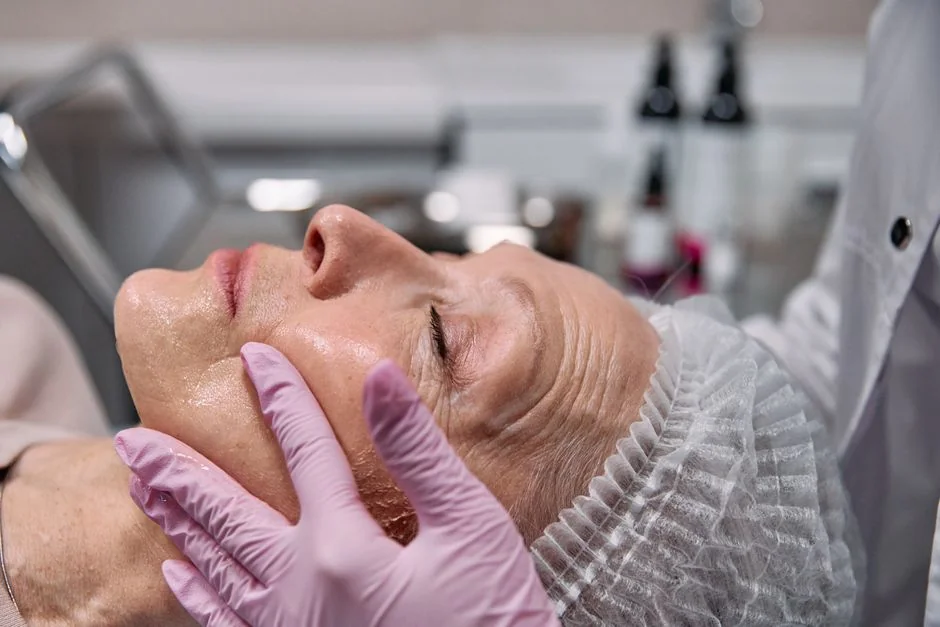
HIFU — High-Intensity Focused Ultrasound
HIFU (High-Intensity Focused Ultrasound) delivers precisely targeted ultrasound energy to the deep structural layers of the skin — including the SMAS layer (superficial musculoaponeurotic system), the same anatomical layer addressed during a surgical facelift. The controlled thermal injury stimulates new collagen formation, gradually tightening and lifting the skin over two to three months. It requires no incisions and no anaesthesia, and most patients return to their normal routine the same day.
Clinical reports indicate that single-session HIFU can produce measurable improvements in skin laxity, with studies suggesting patient satisfaction rates of approximately 70–80% at the three-month mark. Results are not permanent — collagen remodelling continues to decline with age — and most practitioners recommend a repeat session every twelve to eighteen months to maintain the effect. HIFU is available at our Ichigaya clinic; feel free to ask about it during a consultation.
RF Microneedling (Morpheus8 / POTENZA)
Radiofrequency (RF) microneedling combines the controlled micro-injuries of traditional microneedling with the tissue-heating effect of radiofrequency energy. Tiny insulated needles penetrate the dermis at a calibrated depth and deliver RF energy directly into the treatment zone, triggering both collagen synthesis and some degree of fat remodelling. This makes it particularly effective for skin laxity along the lower face and neck, acne scarring, and enlarged pores.
Morpheus8 and POTENZA are two devices used for this purpose, differing slightly in their needle configurations and energy delivery parameters. Downtime typically involves redness and mild swelling for two to four days. Multiple sessions — commonly three, spaced four to six weeks apart — are usually recommended for optimal collagen remodelling.
Botulinum Toxin (Botox) Injections
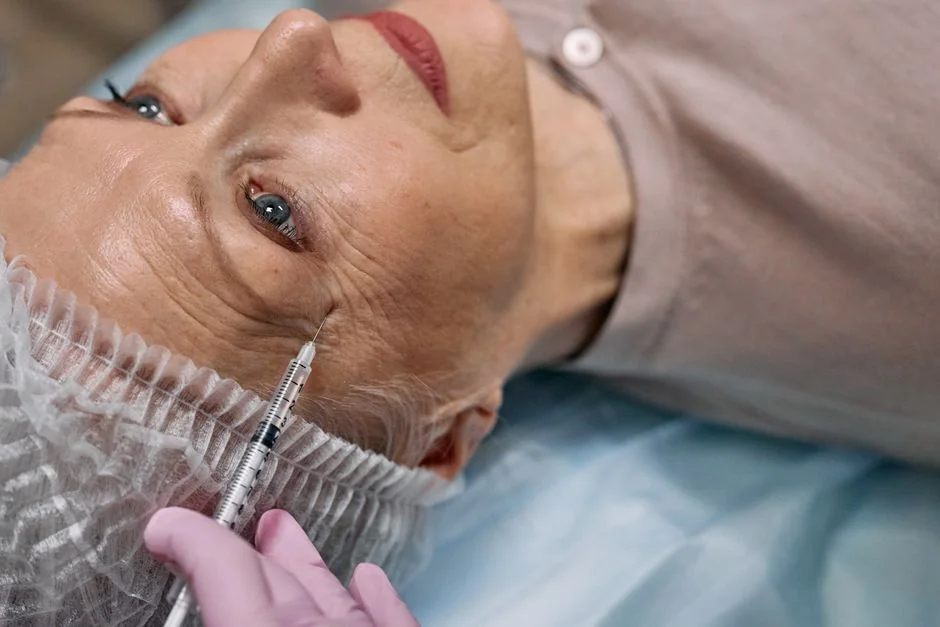
Botulinum toxin type A (commonly referred to as Botox, though several brands exist) works by temporarily relaxing the targeted facial muscles responsible for dynamic wrinkles — expression lines that form from repeated movement such as frowning, squinting, or smiling. The effect is not permanent; it typically lasts three to six months, after which the treatment may be repeated. When administered by a qualified physician, the results can appear natural and well-proportioned.
A variation called Micro-Botox (also known as intradermal Botox or “baby Botox”) involves injecting very small quantities of diluted toxin into the superficial dermis rather than the muscle. This technique aims to reduce pore size, fine surface lines, and sebum production without significantly restricting muscle movement — an approach that suits patients who wish to retain full facial expressiveness.
Hyaluronic Acid Fillers
Hyaluronic acid (HA) is a naturally occurring substance in the skin that retains moisture and provides volume. Injectable HA fillers restore lost facial volume — typically in the cheeks, nasolabial folds, lips, and under-eye hollows — and can improve skin hydration in the treated area. Because hyaluronic acid is naturally broken down by the body, results are temporary, generally lasting nine to eighteen months depending on the product used and the area treated.
An important advantage is reversibility: if a patient is unhappy with the result, or if a complication arises, the filler can be dissolved using an enzyme called hyaluronidase. This safety feature makes HA fillers among the most widely used volume-restoration tools in aesthetic medicine.
Laser and Light-Based Treatments
A range of laser and light-based devices addresses different skin concerns. The PicoWay picosecond laser delivers ultra-short pulses of energy that shatter pigment particles (melanin) without generating significant heat in the surrounding tissue, making it effective for sunspots, melasma, and overall skin tone evenness. The CO2 fractional laser resurfaces the skin by creating microscopic columns of controlled injury, stimulating significant collagen remodelling and improving texture, fine lines, and acne scarring. Downtime for CO2 fractional treatment can range from five to ten days depending on the intensity used. Photofacial (IPL) therapy using the Stella M22 platform targets both vascular irregularities and pigmentation with broad-spectrum light.
Preventive and Nutritional Medicine
Increasingly, anti-aging strategies incorporate approaches that address cellular health from within. IV drip therapy (for example, high-dose vitamin C or glutathione infusions), NMN (nicotinamide mononucleotide) supplementation, gut microbiome analysis, and orthomolecular (nutritional) therapy are offered at some Tokyo clinics as complementary pillars of a broader anti-aging programme. While the evidence base for some of these approaches continues to evolve, they reflect a growing understanding that skin health is closely linked to systemic metabolic and oxidative processes.
Surgical Anti-Aging Options
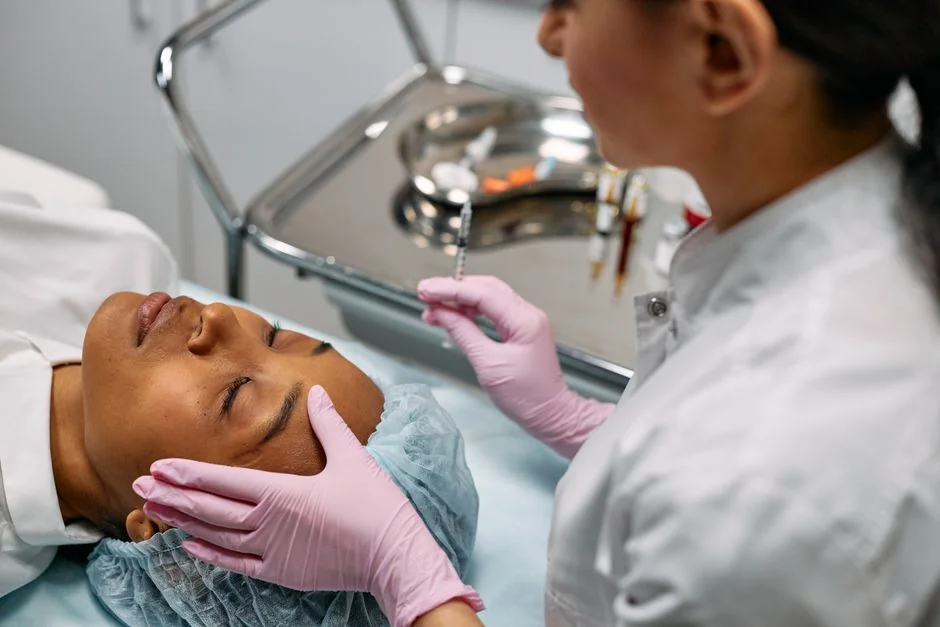
Thread Lift (Tesslift)
A thread lift uses absorbable suture threads — some with small barbs or cones — inserted beneath the skin to physically reposition sagging tissue and simultaneously stimulate collagen around the threads. It is a minimally invasive alternative to a surgical facelift, performed under local anaesthesia, with most patients resuming daily activities within a few days. The improvement is generally more subtle than surgical lifting, and the threads are gradually absorbed by the body over several months, though some degree of collagen scaffolding persists longer.
Transconjunctival Blepharoplasty
Age-related changes around the eyes — particularly the appearance of under-eye bags caused by herniated orbital fat — are one of the most common concerns in anti-aging consultation. Transconjunctival blepharoplasty addresses this through an incision made on the inner surface of the lower eyelid (the conjunctiva), leaving no visible external scar. The technique allows the surgeon to reposition or remove excess fat, smoothing the under-eye contour. As a board-certified plastic surgeon, Dr. Karibe performs this procedure at the clinic.
Anti-Aging Treatment Costs in Tokyo
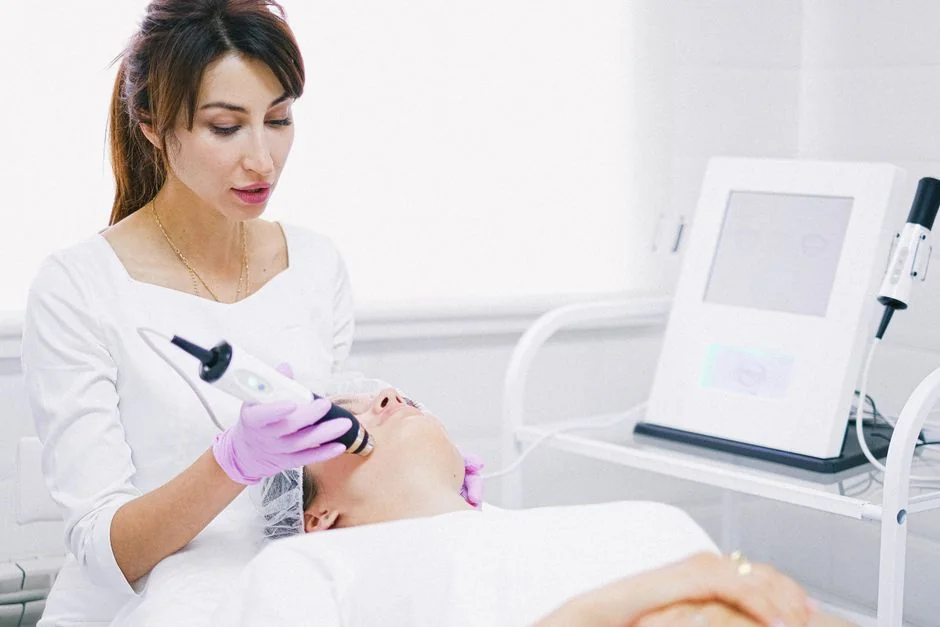
One practical advantage of seeking treatment in Tokyo — rather than, for example, London or New York — is that comparable technology is often available at competitive price points. The table below summarises indicative price ranges for key anti-aging procedures at Kojimachi Dermatology & Plastic Surgery Clinic.
| Treatment | Category | Price Range (JPY, incl. tax) |
|---|---|---|
| Botox (Allergan brand) | Injectable | ¥22,000 – ¥148,000 |
| Botox (Korean brand) | Injectable | ¥9,900 – ¥45,000 |
| Micro-Botox | Injectable | ¥22,000 – ¥33,000 |
| Hyaluronic acid filler | Injectable | ¥66,000 – ¥88,000 per syringe |
| HIFU (lifting & tightening) | Energy device | ¥25,000 – ¥110,000 |
| Morpheus8 / RF microneedling (POTENZA) | Energy device | ¥35,000 – ¥49,800 (POTENZA) |
| CO2 fractional laser | Laser | ¥11,000 – ¥66,000 |
| PicoWay laser | Laser | ¥11,000 – ¥98,000 |
| Dermapen | Device | ¥9,800 – ¥220,000 |
| Thread lift (Tesslift, per thread) | Minimally invasive surgery | ¥48,000 / thread |
| Transconjunctival blepharoplasty | Surgery | ¥280,000 – ¥428,000 |
Surgical procedures require additional anaesthesia (¥2,200–¥77,000) and pre-operative blood work (¥11,000). An initial consultation is ¥3,300, and a surgical consultation with Dr. Karibe is ¥2,200. For an accurate quote tailored to your specific concerns, we recommend booking a consultation.
Have a question about this treatment?
Message us on LINE or WhatsApp — our English-speaking team usually replies the same day.
What to Expect: Before, During, and After Treatment
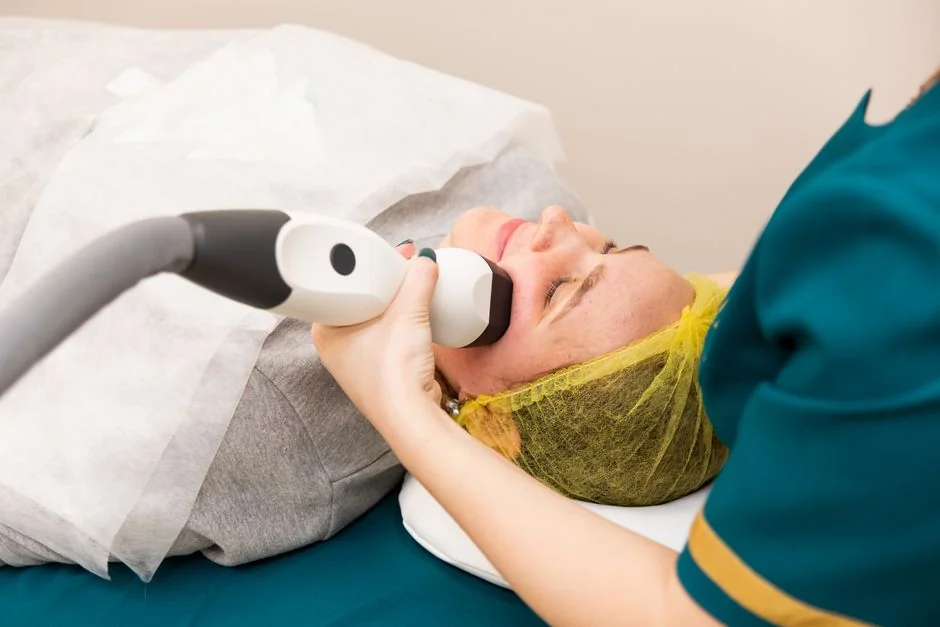
Before
A thorough consultation is the essential first step. For any injectable or device treatment, the physician will assess your skin quality, discuss your aesthetic goals, review your medical history, and — importantly — explain what a given treatment can and cannot realistically achieve. Sun avoidance and certain medications (such as aspirin, blood thinners, or retinoid-based topicals) may need to be paused before treatment. Patients with a history of cold sores may receive prophylactic antiviral medication before laser procedures.
During
Most non-surgical treatments are performed in a clinic room with no general anaesthesia. Topical numbing cream is routinely applied before injectables and laser procedures. Sessions typically last between 30 and 90 minutes. For surgical procedures such as blepharoplasty or thread lift, local anaesthesia is administered, and the environment is a dedicated surgical setting with appropriate sterile precautions.
After
Recovery varies considerably by treatment. Botox and filler injections typically allow the patient to resume normal activities the same day, with minor bruising or swelling resolving within a few days. Energy device treatments such as HIFU may cause mild redness or swelling for 24–48 hours. CO2 fractional laser and RF microneedling carry a more pronounced downtime of several days to up to two weeks for intensive settings. Diligent sun protection with SPF 30 or above is universally recommended post-treatment to protect the skin and preserve results.
Who Is a Good Candidate?
In our clinical experience at Kojimachi Dermatology & Plastic Surgery Clinic, the patients who tend to achieve the most satisfying outcomes are those who approach anti-aging treatment with realistic expectations, good general health, and a willingness to maintain results through sun protection and a consistent skincare routine. Non-surgical treatments are generally well-suited to adults noticing early to moderate signs of ageing — skin laxity, fine lines, mild volume loss — who prefer to avoid surgical downtime. Surgical options may be more appropriate when tissue descent or excess skin is beyond the capacity of energy devices to meaningfully address.
Patients who may need additional evaluation or may not be suitable candidates for certain procedures include those who are pregnant or breastfeeding, those with active skin infections or inflammatory skin conditions in the treatment zone, those with certain autoimmune conditions, and those taking medications that significantly increase bleeding risk. A thorough medical history review at consultation is the appropriate way to determine individual suitability.
Common Misconceptions About Anti-Aging Treatments
Misconception 1: “A single treatment will deliver permanent results”
One of the most widespread misunderstandings is the expectation that a single session of HIFU, filler, or laser will stop the ageing process permanently. In reality, all non-surgical treatments address the current state of the skin; the underlying biological ageing process continues. Collagen stimulated by HIFU or RF microneedling will eventually degrade further; filler injected today will be metabolised by the body within one to two years. Sustainable results require a planned, ongoing treatment approach — often lighter maintenance sessions at regular intervals rather than repeated intensive single treatments.
Misconception 2: “Botox and filler are essentially the same thing”
Botulinum toxin and hyaluronic acid filler are fundamentally different products with entirely different mechanisms of action. Botox works by temporarily relaxing the muscle, reducing the movement that creates dynamic wrinkles. Filler works by adding volume to fill hollows or soften static folds. Confusing the two can lead patients to request the wrong treatment for their primary concern — for example, requesting filler for forehead lines that would more appropriately be treated with botulinum toxin. A qualified physician will assess which approach, or which combination, is most appropriate for each individual
Misconception 3: HIFU Is the Same as a Facelift
HIFU can improve mild laxity.
It cannot remove excess skin or reposition severely descended tissue in the same way as surgery.
Patients with advanced sagging may need a surgical consultation.
Misconception 4: More Filler Always Looks Younger
Excess filler can make the face look heavy, distorted, or unnatural.
The goal should be structural balance, not maximum volume.
Conservative treatment often creates a more natural result.
Misconception 5: Non-Surgical Means Risk-Free
Botox, filler, HIFU, lasers, and microneedling all carry risks.
Potential complications include:
- Bruising
- Swelling
- Burns
- Pigmentation
- Infection
- Asymmetry
- Nerve irritation
- Vascular occlusion from filler
Treatment should be performed by qualified medical professionals.
Dr. Karibe’s Note
Many of our international patients arrive having already researched extensively online — and one thing I notice frequently is that patients sometimes arrive expecting a single treatment to solve multiple, distinct concerns. In reality, the most effective approach is often a layered one: addressing volume loss, skin quality, and muscle dynamics each with a targeted modality.
At our clinic, we take time at the consultation stage to map out a personalised treatment plan, so patients understand not only what we are doing at the first session, but how the overall strategy fits together over time. English-language consultations are available; please do not hesitate to ask questions.
Frequently Asked Questions
- Q. Are anti-aging treatments in Tokyo safe for darker skin tones (Fitzpatrick types IV–VI)?
- Many energy-based and laser treatments carry a higher risk of post-inflammatory hyperpigmentation (PIH) — temporary darkening of the skin — in patients with more melanin-rich skin tones if parameters are not appropriately adjusted. Tokyo practitioners generally have substantial experience treating Asian skin types (Fitzpatrick III–IV), but it is important to discuss your skin tone explicitly at consultation so that the device settings, wavelength choice, and pre-treatment skin preparation are tailored accordingly.
- Treatments such as picosecond lasers and RF-based devices tend to be more suitable for a broader range of skin tones than older ablative lasers.
- Q. Can I combine multiple anti-aging treatments in one visit?
- Some treatment combinations can be performed on the same day — for example, Botox and hyaluronic acid filler are frequently administered together in a single session.
- However, combining high-energy device treatments such as HIFU and CO2 fractional laser on the same day is generally not recommended, as the cumulative trauma to the skin may impair healing and increase the risk of complications. A qualified physician will advise on safe sequencing and appropriate intervals between different modalities.
- Q. I am visiting Tokyo for two weeks. Is that enough time for treatment and initial recovery?
- For many non-surgical treatments — Botox, filler, HIFU, and picosecond laser — a two-week window is generally sufficient to have the procedure and allow the initial recovery phase to resolve before travel. However, more intensive treatments such as CO2 fractional laser or surgical procedures carry a longer recovery period, and international travel immediately after surgery may not be advisable. It is best to discuss your travel timeline at consultation so the treatment plan can be realistically scheduled.
- Q. Does Japan’s national health insurance (NHI) cover any anti-aging treatments?
- Cosmetic and aesthetic anti-aging procedures are not covered by Japan’s national health insurance system and are paid for entirely out of pocket.
- Some dermatological conditions that may present alongside cosmetic concerns — such as seborrhoeic keratoses with significant symptoms — may qualify for partial insurance coverage, but this is assessed on a clinical, case-by-case basis. The clinic can advise at consultation whether any component of your care may qualify.
- Q. How do I know if a Tokyo clinic’s practitioners are qualified?
- In Japan, cosmetic procedures should ideally be performed by physicians licensed under the Medical Practitioners’ Act (Ishiho). Board certification from specialist societies such as the Japan Society of Plastic and Reconstructive Surgery adds a further layer of credentialled expertise, indicating that the physician has met rigorous training and examination requirements. Dr. Jun Karibe at Kojimachi Dermatology & Plastic Surgery Clinic holds board certification from the Japan Society of Plastic and Reconstructive Surgery. It is always reasonable to ask about a physician’s qualifications and clinical experience before proceeding.
Summary
Anti-aging treatment in Tokyo offers expatriates and medical tourists access to a broad spectrum of evidence-informed procedures — from non-invasive energy devices and injectables through to minimally invasive and surgical options — in a setting where device technology is frequently at the leading edge and practitioners have extensive experience with diverse skin types. The key to a satisfying outcome lies in a thorough consultation, realistic expectations, and a treatment plan tailored to the individual’s specific concerns, anatomy, and lifestyle.
Studies suggest that combination approaches — for example, pairing collagen-stimulating energy devices with targeted injectable treatments — tend to produce more comprehensive and longer-lasting improvements than any single modality in isolation, a finding reflected in clinical practice at well-resourced Tokyo clinics. At our BIOTOPE CLINIC in Tokyo, we frequently see patients who initially come with a single concern and, after a detailed consultation, discover that a structured multi-modal plan would more fully address their goals at a pace and budget that suits them.
If you have questions about anti-aging treatments in Tokyo, our team at BIOTOPE CLINIC or Kojimachi Dermatology & Plastic Surgery Clinic in Minato-ku, Tokyo would be happy to help. We offer consultations in English.
24/7 Consultation & Booking
Book a Consultation or Treatment
Our English-speaking team responds via LINE or WhatsApp — usually the same day.
References
- Fabi SG, Massaki AN, Eimpunth S, et al. Evaluation of microfocused ultrasound with visualisation for lifting, tightening, and wrinkle reduction of the décolletage. Journal of the American Academy of Dermatology. 2013.
- Dierickx CC, Tanghetti EA. An optimized, low-fluence and high-repetition-rate algorithm for fractional CO2 laser treatment of the face: a clinical and histologic analysis. Lasers in Surgery and Medicine. 2011.
- Carruthers J, Carruthers A. Botulinum toxin type A: history and current cosmetic use in the upper face. Seminars in Cutaneous Medicine and Surgery. 2001.
- Sundaram H, Fagien S, Raspaldo H, et al. Reaching consensus on a global approach to the assessment and treatment of the aging face with hyaluronic acid fillers: the GAIS approach. Journal of Drugs in Dermatology. 2016.
- Alexiades-Armenakas M, Dover JS, Arndt KA. Fractional laser skin resurfacing. Journal of Drugs in Dermatology. 2012.
Related Articles
You may also find these articles useful.
- Non-Surgical Facelift Tokyo for Foreigners: Full Guide
- Morpheus8 RF Microneedling Tokyo: Cost & Results
- Skin Tightening Treatment Tokyo: Options and Cost
- English Speaking Dermatologist Tokyo: Complete Guide
SUPERVISED BY
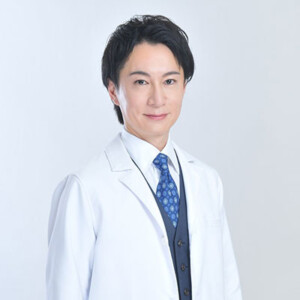
Dr. Jun Karibe
MD
Director
Education & Career
Certifications
Awards
MEDICAL REVIEW