English-Speaking Dermatologist Near Shibuya and Ebisu: What to Know Before You Book in Tokyo
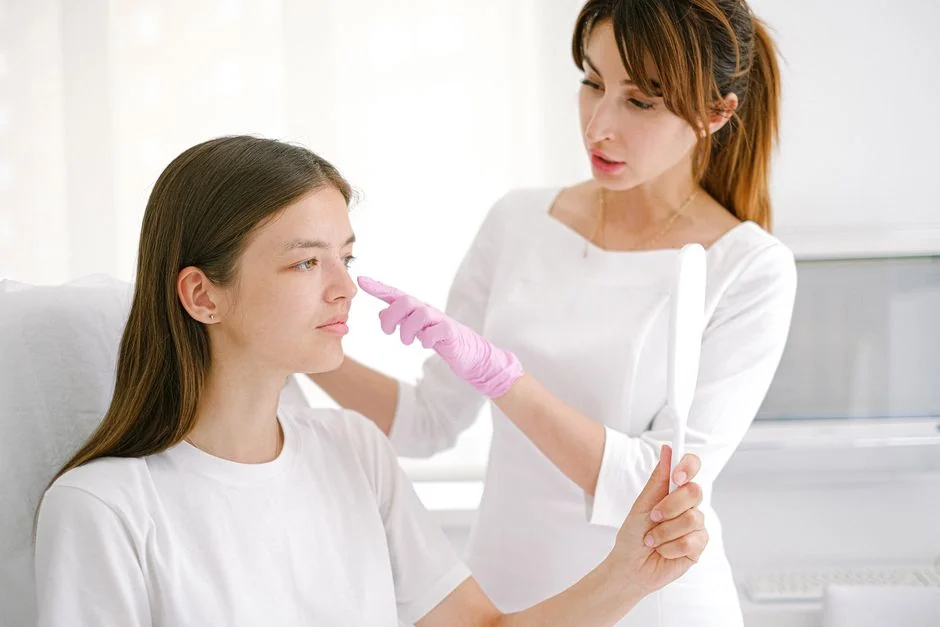
Finding a dermatologist in Tokyo who can consult in English is not always straightforward — especially when you are dealing with a skin concern that requires clear communication about symptoms, history, and treatment options.
This article is written for English-speaking residents and visitors in the Shibuya and Ebisu areas who want to understand what to expect from a dermatology consultation in Tokyo, what conditions and treatments are available, and how to access English-language care without the stress of a language barrier.
What you’ll learn in this article:
- Why English-speaking dermatology care is limited in Tokyo and where to access it
- What conditions a dermatologist or plastic surgeon can assess and treat
- Which cosmetic and medical skin treatments are available in English in Tokyo
- Realistic cost ranges for common treatments at a Tokyo private clinic
- How to book an English-language consultation near Shibuya and Ebisu
Have a question about this treatment?
Message us on LINE or WhatsApp — our English-speaking team usually replies the same day.
Why English-Speaking Dermatology Care Is Hard to Find in Tokyo
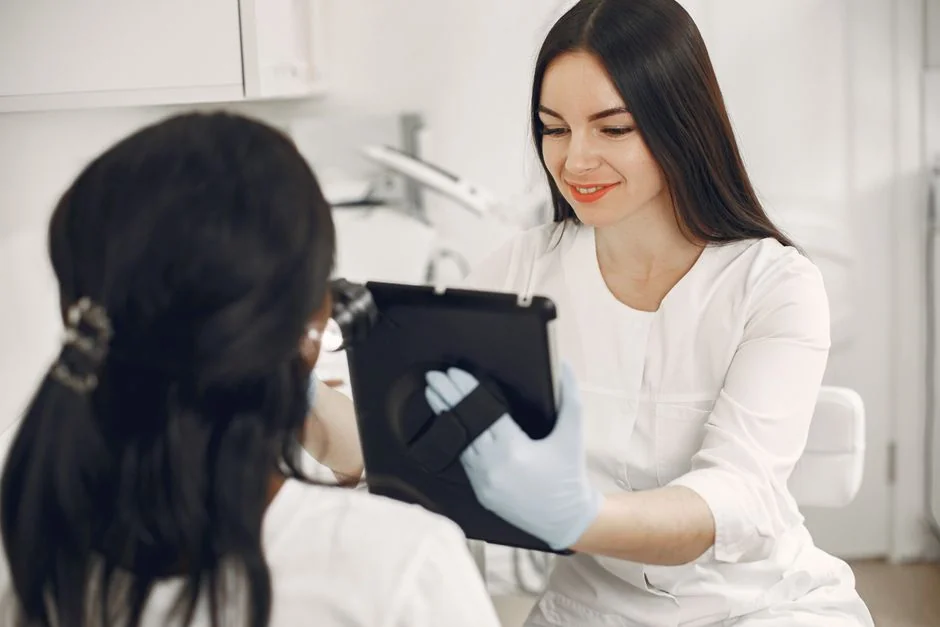
Tokyo has an excellent healthcare infrastructure, but the majority of dermatology and plastic surgery clinics operate exclusively in Japanese. For expatriates, long-term residents, and medical tourists staying in the Shibuya or Ebisu area, this presents a real challenge — particularly when describing nuanced symptoms, discussing medication history, or consenting to procedures.
Japan’s medical licensing system does not require English proficiency, and many highly qualified dermatologists simply do not hold consultations in English. As a result, English-speaking patients often rely on translation apps, bilingual friends, or general practice clinics at international hospitals, which may not offer the same depth of cosmetic or specialist dermatological care as a dedicated skin clinic.
The situation is improving gradually, and clinics that do offer English-language consultations with a qualified doctor — rather than just a bilingual receptionist — remain a meaningful point of difference for the international community.
What a Dermatology and Plastic Surgery Consultation Covers
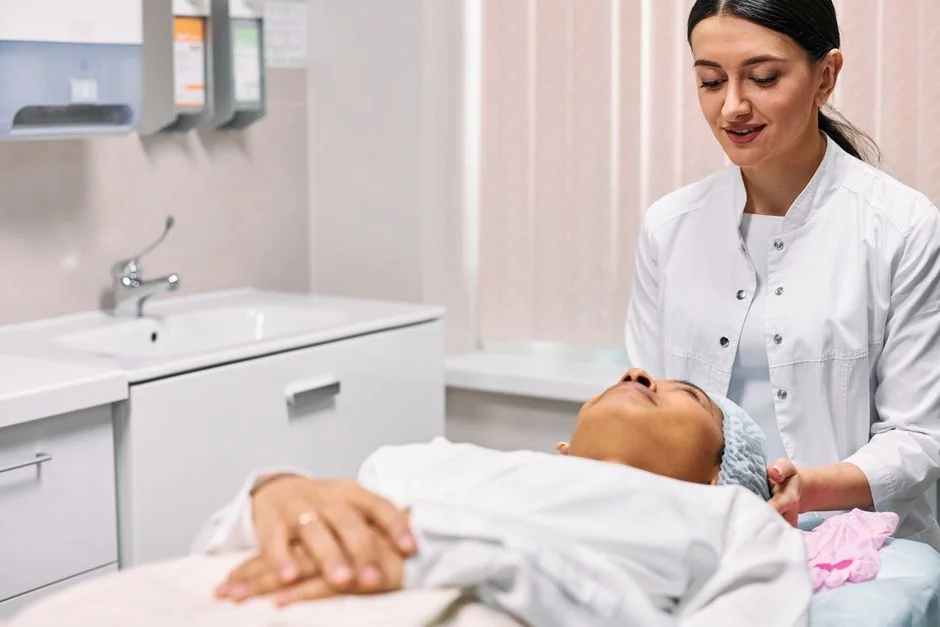
Dermatology in Japan is divided broadly into two categories: insurance-covered medical dermatology (treating conditions such as eczema, acne, urticaria, fungal infections, viral skin conditions, and contact dermatitis) and self-pay cosmetic dermatology (addressing aesthetic concerns such as pigmentation, skin laxity, fine lines, enlarged pores, and acne scarring).
A board-certified plastic surgeon may also assess structural concerns — such as under-eye hollowing, drooping eyelids, excess fat beneath the chin, or benign skin lesions including cysts and moles — that sit at the intersection of medicine and aesthetics. Understanding which category your concern falls into helps set expectations around cost and treatment pathway.
Medical (Insurance-Covered) Skin Conditions
Under Japan’s national health insurance system, consultations and treatments for medically necessary conditions are substantially subsidised. Common treatments covered by insurance include topical steroids, antihistamines, antivirals, antifungals, antibiotics, and immunosuppressants. Narrowband UVB phototherapy — a light-based treatment used for psoriasis, vitiligo, and atopic dermatitis — may also be covered when medically indicated.
Cosmetic Dermatology and Aesthetic Treatments
Cosmetic treatments are self-pay and range from laser therapies and energy-based devices to injectables and surgical procedures. In Dr. Karibe’s clinical experience at BIOTOPE CLINIC in Shirokanedai, international patients most frequently enquire about pigmentation correction, skin tightening, and under-eye concerns — all of which can be addressed through a variety of techniques depending on the individual’s skin type, age, and treatment goals.
Dr. Karibe’s Note
Many of our international patients are surprised to find that a single consultation can address both a medical skin concern and a cosmetic one in the same appointment. A common question I receive is whether it is necessary to see two separate doctors for, say, a persistent rash and a request for Botox.
In most cases, we can assess both during one visit and recommend the appropriate pathway for each — insurance-covered treatment where applicable, and self-pay cosmetic options where preferred.
Common Cosmetic Treatments Available in English at BIOTOPE CLINIC
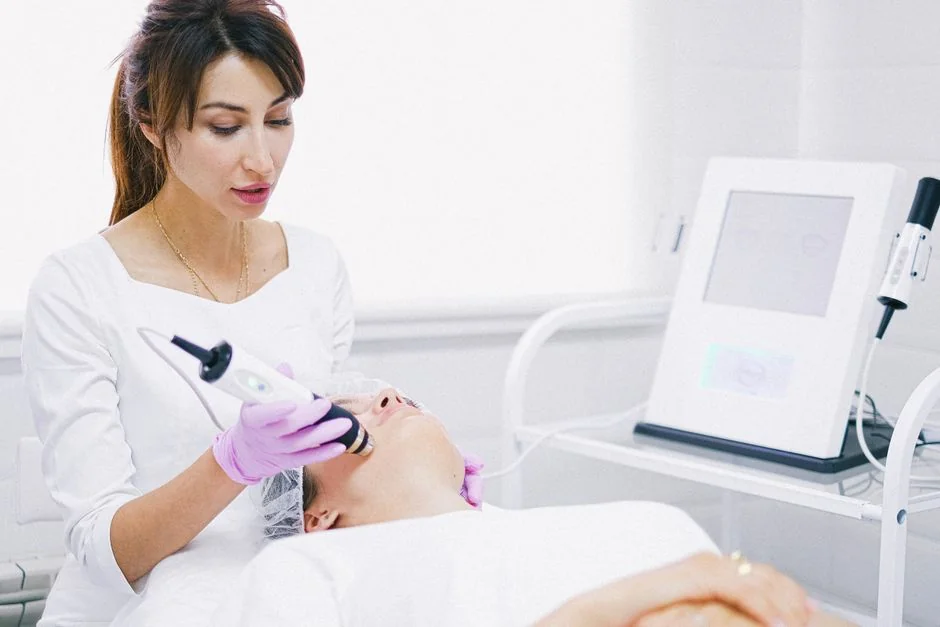
The following table summarises the most commonly requested treatments at BIOTOPE CLINIC, with brief notes on their indication and general approach. This is not an exhaustive list, but reflects the typical range of concerns brought to the clinic by English-speaking patients from the Shibuya and Ebisu area.
| Treatment | Primary Indication | Approach | Approximate Price Range (JPY) |
|---|---|---|---|
| HIFU (High-Intensity Focused Ultrasound) | Skin laxity, jowl lifting, brow lifting | Non-surgical energy device | ¥25,000–¥110,000 |
| Pico Laser (PicoWay) | Pigmentation, melasma, tattoo removal | Laser energy, non-ablative | ¥11,000–¥98,000 |
| CO2 Fractional Laser | Acne scars, enlarged pores, texture | Ablative laser, mild downtime | ¥11,000–¥66,000 |
| Botox (Allergan) | Dynamic wrinkles, jaw slimming, hyperhidrosis | Neuromodulator injection | ¥22,000–¥148,000 |
| Hyaluronic Acid Filler | Volume loss, nasolabial folds, lip augmentation | Injectable filler | ¥66,000–¥88,000 per syringe |
| Transconjunctival Blepharoplasty | Under-eye fat prolapse, dark hollows | Surgical (inner eyelid approach) | ¥280,000–¥428,000 |
| Morpheus8 / RF Microneedling | Skin tightening, pore reduction, acne scars | Radiofrequency + microneedling | See POTENZA: ¥35,000–¥49,800 |
| Fat-Dissolving Injection | Localised fat, double chin | Injectable deoxycholic acid | Enquire at consultation |
For an accurate quote, we recommend booking a consultation. Prices vary based on the area treated, the number of sessions required, and the specific product or device used.
Have a question about this treatment?
Message us on LINE or WhatsApp — our English-speaking team usually replies the same day.
What People Often Get Wrong About Dermatology in Tokyo
Misconception 1: Any clinic with an English website offers English-language doctor consultations. This is unfortunately not always the case. Many Tokyo clinics have English-language websites or English-speaking reception staff, but the doctor consultations themselves are conducted in Japanese, with a staff member providing informal translation. This arrangement can lead to miscommunication about medical history, treatment expectations, or post-procedure care.
For YMYL (Your Money, Your Life) medical decisions, it is important to confirm that the doctor consulting you is themselves able to communicate in English.
Misconception 2: Shibuya and Ebisu have multiple English-speaking dermatology options. While Shibuya is one of Tokyo’s most international districts, dedicated English-speaking dermatology and aesthetic medicine clinics in the immediate area remain limited. Patients willing to travel a short distance — Shirokanedai in Minato-ku is approximately 15–20 minutes from Shibuya or Ebisu by train — can access a significantly broader range of English-language medical and cosmetic dermatology services.
Where to Access English-Speaking Dermatology Near Shibuya and Ebisu
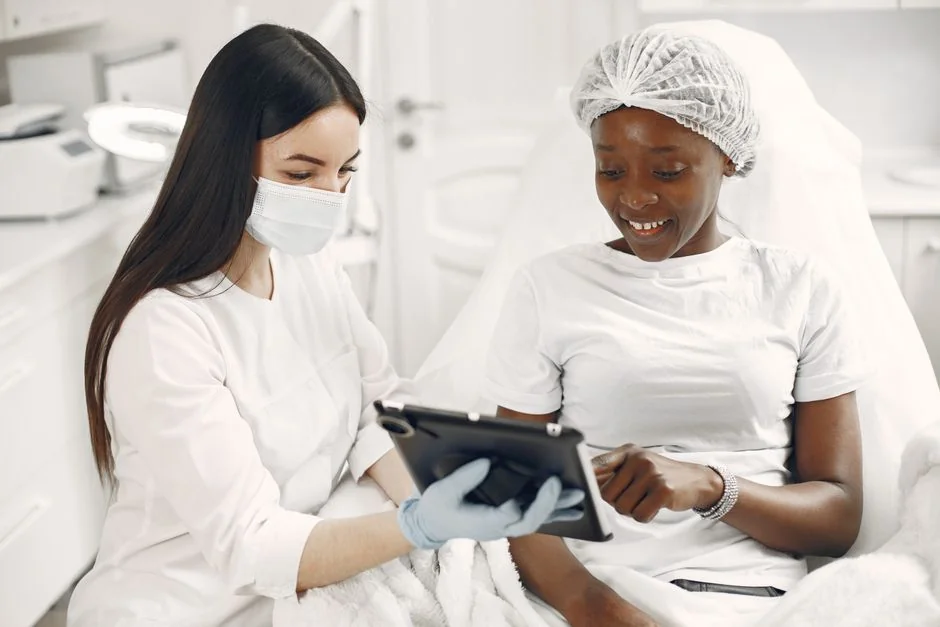
Within the clinic group described on this site, English-speaking consultations are handled at BIOTOPE CLINIC in Shirokanedai (Minato-ku, Tokyo) by Dr. Jun Karibe, a board-certified plastic surgeon certified by the Japan Society of Plastic and Reconstructive Surgery. The clinic’s English-speaking team manages all enquiries, and consultations with Dr. Karibe are conducted in English.
The group’s sister clinic, Kojimachi Dermatology and Plastic Surgery Clinic (麹町皮ふ科・形成外科クリニック), is located in Ichigaya, Chiyoda-ku, and serves as the group’s main office for insurance-covered dermatology. Consultations there are conducted in Japanese. English-speaking patients should direct all enquiries to BIOTOPE CLINIC.
BIOTOPE CLINIC is accessible from Shirokanedai Station on the Namboku and Mita lines, making it a practical journey from Shibuya (via the Namboku line) or Ebisu (a short taxi or bus ride). At BIOTOPE CLINIC in Shirokanedai, we frequently see patients who have travelled from the Shibuya, Daikanyama, Nakameguro, and Ebisu areas specifically because English-speaking doctor consultations are available there.
HIFU and PicoWay laser treatments are both available at BIOTOPE CLINIC — two of the most frequently requested options for pigmentation and skin laxity among international patients. Feel free to ask about either during a consultation with Dr. Karibe.
Studies suggest that high-intensity focused ultrasound (HIFU) produces measurable improvement in skin laxity in a meaningful proportion of patients. A clinical report published in the Journal of the American Academy of Dermatology noted that approximately 66% of subjects showed visible lifting at 90-day follow-up following a single treatment session, underscoring that results are real but variable and individual. Similarly, research into picosecond laser technology indicates superior pigment clearance rates compared with older nanosecond systems, with clinical reports citing improvement rates of 70–90% for solar lentigines across multiple sessions.
Frequently Asked Questions
- Q. Is it possible to be seen for both a medical skin condition and a cosmetic concern in the same appointment at BIOTOPE CLINIC?
- In many cases, yes. Dr. Karibe is qualified to assess both medical and cosmetic skin concerns, and an initial consultation can cover more than one issue. Where a condition qualifies for insurance coverage at the Kojimachi sister clinic, the team can advise on the appropriate pathway. Cosmetic treatments at BIOTOPE CLINIC are self-pay.
- Q. How far is BIOTOPE CLINIC from Shibuya and Ebisu?
- BIOTOPE CLINIC is located in Shirokanedai, Minato-ku. From Shibuya, the clinic is approximately 15–20 minutes by train using the Tokyo Metro Namboku line (change at Meguro) or by taxi. From Ebisu, a taxi or bus takes roughly 10–15 minutes depending on traffic. The area is residential and quiet, quite different from the busier clinic corridors of central Shibuya.
- Q. What should I bring to my first dermatology or cosmetic consultation in Tokyo?
- Bring a valid photo identification, a list of any current medications or supplements, and — if you have them — photographs of a skin condition at its worst, since presentation can vary on the day. For cosmetic consultations, a clear idea of your concerns and any reference photographs can be helpful, though these are not required. An initial consultation fee of ¥3,300 applies; a Dr. Karibe surgical consultation is ¥2,200.
- Q. Are cosmetic treatments at a Tokyo private clinic covered by Japanese national health insurance?
- Cosmetic and aesthetic treatments — including laser, injectables, HIFU, and elective surgical procedures — are not covered by Japan’s national health insurance and are paid out of pocket.
- Medically necessary treatments for conditions such as eczema, acne, fungal infections, and viral skin conditions may be eligible for insurance coverage; however, these are handled at Japanese-language clinics. The English-speaking team at BIOTOPE CLINIC can help clarify which pathway is appropriate for your situation.
- Q. Can I book an English-speaking consultation by WhatsApp or LINE?
- Yes. All English-language enquiries and bookings for BIOTOPE CLINIC are handled by the clinic’s English-speaking team via LINE or WhatsApp. This is often the easiest first step for patients who are new to Tokyo or unfamiliar with Japanese clinic booking systems.
Have a question about this treatment?
Message us on LINE or WhatsApp — our English-speaking team usually replies the same day.
Summary
For English-speaking residents and visitors in the Shibuya and Ebisu area, finding a dermatologist or plastic surgeon who can communicate directly in English requires some research.
The majority of Tokyo dermatology clinics operate in Japanese, and the distinction between English-speaking reception staff and English-consulting doctors is an important one to clarify before booking.
BIOTOPE CLINIC in Shirokanedai offers English-speaking consultations with Dr. Jun Karibe, a board-certified plastic surgeon, covering the full range of cosmetic dermatology, aesthetic medicine, and plastic surgery.
The clinic’s sister practice, Kojimachi Dermatology and Plastic Surgery Clinic in Ichigaya, serves the group’s Japanese-language insurance dermatology patients. Both clinics operate under the same medical group, with Dr. Karibe directing both.
Whether the concern is pigmentation, skin laxity, acne scarring, injectables, under-eye revision, or a general English-speaking dermatology consultation, BIOTOPE CLINIC in Shirokanedai is the appropriate point of contact for English-speaking patients.
If you have questions about English-speaking dermatology or cosmetic treatment near Shibuya and Ebisu, English-speaking consultations are handled at BIOTOPE CLINIC in Shirokanedai (Minato-ku, Tokyo) by Dr. Karibe.
Our sister clinic Kojimachi Dermatology and Plastic Surgery Clinic in Ichigaya (Chiyoda-ku) handles Japanese-language insurance dermatology. English enquiries: LINE or WhatsApp.
24/7 Consultation & Booking
Book a Consultation or Treatment
Our English-speaking team responds via LINE or WhatsApp — usually the same day.
References
- Suh DH, Shin MK, Lee SJ, et al. Intense focused ultrasound tightening in Asian skin: a clinical and pathologic study. Dermatologic Surgery. 2011.
- Brauer JA, Kazlouskaya V, Alabdulrazzaq H, et al. Use of a picosecond pulse duration laser with specialized optic for treatment of facial acne scarring. JAMA Dermatology. 2015.
- Fabi SG. Noninvasive skin tightening: focus on new ultrasound techniques. Clinical, Cosmetic and Investigational Dermatology. 2015.
- Laubach HJ, Makin IR, Barthe PG, et al. Intense focused ultrasound: evaluation of a new treatment modality for precise microcoagulation within the skin. Dermatologic Surgery. 2008.
- Ho SG, Chan HH. The Asian dermatologic patient: review of common pigmentary disorders and cutaneous diseases. American Journal of Clinical Dermatology. 2009.
Related Articles
You may also find these articles useful.
SUPERVISED BY
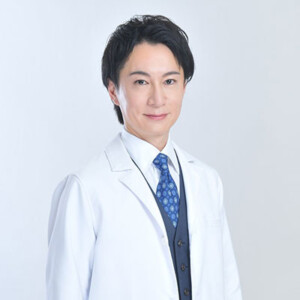
Dr. Jun Karibe
MD
Director
Education & Career
Certifications
Awards
MEDICAL REVIEW