Finding an English-Speaking Dermatologist in Tokyo for Acne: Treatment Options Explained
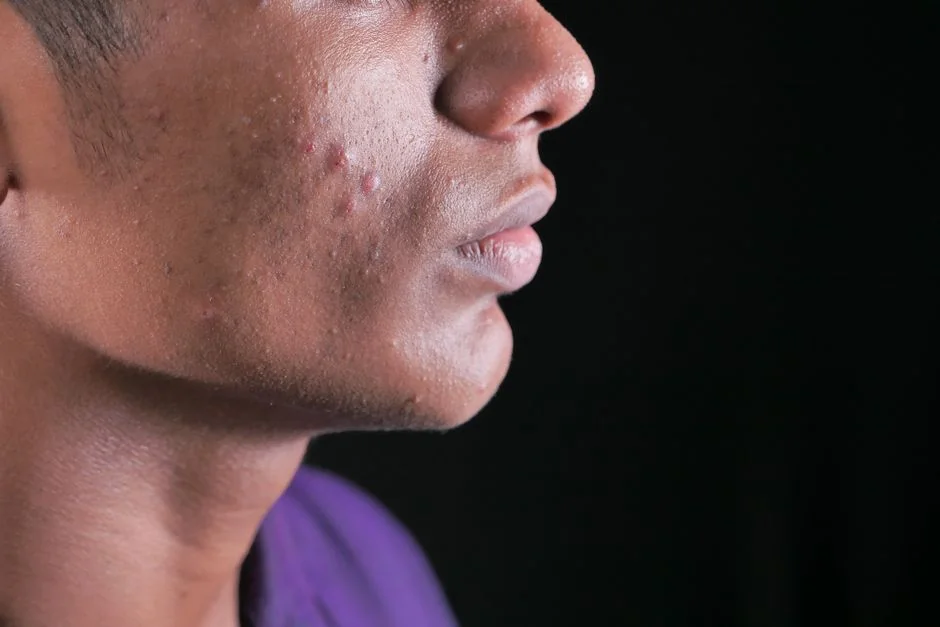
Dealing with acne in a new country is stressful enough without the added barrier of a language gap.
Whether you are managing a persistent breakout, adult hormonal acne, or scarring left from a previous flare, finding an English-speaking dermatologist in Tokyo who can offer the full range of modern treatment options is a reasonable and important first step.
This article walks through the most effective acne treatments currently available in Tokyo — from prescription medications to clinic-based procedures — what realistic outcomes look like, what things cost, and how English-speaking patients can access care without navigating a Japanese-language consultation.
What you’ll learn in this article:
- The main categories of acne treatment available in Tokyo (topical, oral, procedural)
- Which clinic-based procedures are relevant for active acne versus acne scarring
- Realistic cost ranges in Tokyo for acne-related treatments
- Who is a suitable candidate for each approach
- How to book an English-speaking dermatology consultation in Tokyo
Have a question about this treatment?
Message us on LINE or WhatsApp — our English-speaking team usually replies the same day.
Understanding Acne: Why a Proper Diagnosis Matters
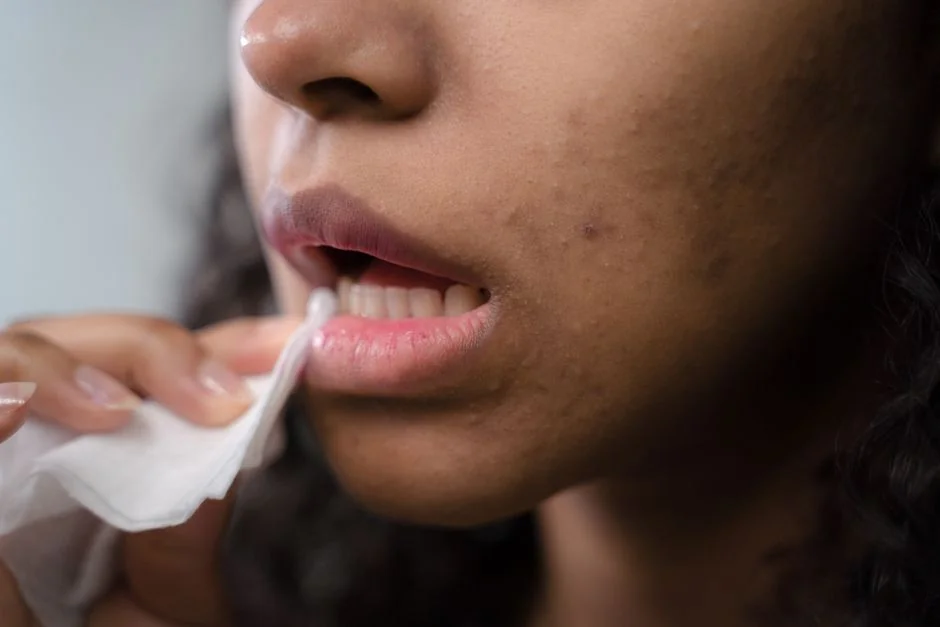
Acne is not a single condition — it ranges from superficial comedones (blackheads and whiteheads) to inflammatory papules, pustules, nodules, and cysts.
The appropriate treatment depends heavily on which type is present, how severe it is, and whether scarring is a concern.
Self-treating with over-the-counter products is common, but persistent or moderate-to-severe acne generally benefits from a medical assessment.
Hormonal patterns, skin type, dietary factors, and potential antibiotic resistance all influence which approach is most likely to be effective for a given patient.
For English-speaking patients in Tokyo, accessing this kind of thorough evaluation in English — with clear explanations of options and realistic expectations — can make a significant difference to outcomes and overall experience.
Acne Treatment Options in Tokyo: From Prescriptions to Procedures
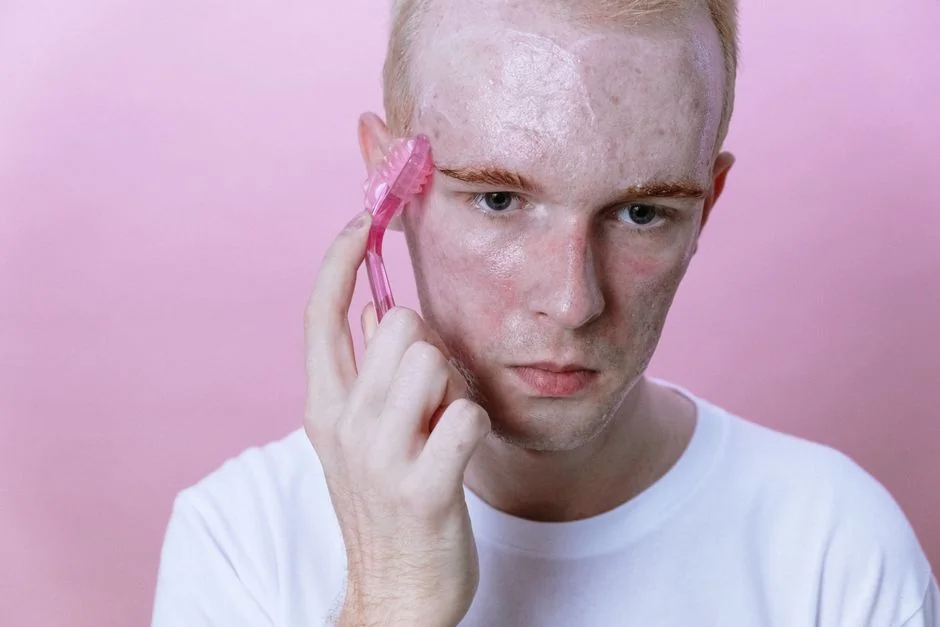
Topical and Oral Prescription Treatments
First-line medical treatment for most acne presentations involves topical agents such as retinoids (adapalene, tretinoin), benzoyl peroxide, or topical antibiotics. These are available through dermatology clinics and, for some formulations, through insurance-covered consultations.
For moderate-to-severe inflammatory acne, oral antibiotics (typically doxycycline or minocycline) are frequently prescribed for a course of several weeks to months. In cases of treatment-resistant or hormonal acne, oral contraceptives or spironolactone may be relevant for female patients, and isotretinoin (Accutane/Roaccutane) may be considered for severe nodulo-cystic disease — though isotretinoin access in Japan follows specific clinical protocols and requires monitoring.
At BIOTOPE CLINIC in Shirokanedai, Dr. Karibe’s team handles English-language medical consultations that cover both prescription options and cosmetic procedure planning, so patients can discuss the full picture in one appointment rather than dividing medical and aesthetic concerns across different clinics.
Chemical Peels for Active Acne and Pore Management
Salicylic acid peels are a well-established in-clinic option for mild-to-moderate acne. Salicylic acid is oil-soluble, meaning it penetrates into pores and helps dissolve the sebum and keratin plugs that form comedones. A course of regular peels — typically four to six sessions — can meaningfully reduce both active breakouts and the appearance of enlarged pores.
At BIOTOPE CLINIC, salicylic acid peels are available and range from approximately ¥11,000 to ¥308,000 depending on the product used and the extent of treatment area. Massage peels, which combine enzymatic exfoliation with a manual technique, are priced from approximately ¥17,600 to ¥79,200.
RF Microneedling for Acne Scars (Morpheus8 / POTENZA)
For patients whose primary concern is post-acne scarring rather than active breakouts, radiofrequency (RF) microneedling devices are among the most clinically supported options currently available. These devices deliver fine needles into the dermis while simultaneously emitting RF energy, stimulating collagen remodelling in the deeper layers of skin where scar tissue forms.
Clinical reports indicate that RF microneedling can produce measurable improvements in atrophic (pitted) acne scars, with studies suggesting that a series of three to four treatments produces a mean improvement of 40–70% in scar severity scores depending on scar subtype and baseline depth. Multiple sessions spaced four to six weeks apart are standard.
POTENZA, an RF microneedling device available at BIOTOPE CLINIC, is priced from approximately ¥35,000 to ¥49,800 per session. Dermapen — a microneedling device without RF energy — is available from approximately ¥9,800 to ¥220,000 depending on the number of passes and combination serums used. This is a treatment available at BIOTOPE CLINIC in Shirokanedai — feel free to ask about it during a consultation with Dr. Karibe.
CO2 Fractional Laser for Acne Scars and Enlarged Pores
CO2 fractional laser treatment ablates microscopic columns of skin tissue while leaving surrounding tissue intact, triggering wound healing and new collagen production. It is particularly effective for rolling and boxcar acne scars, as well as enlarged pores — a common concern for acne-prone skin types.
CO2 fractional laser at BIOTOPE CLINIC is priced from approximately ¥11,000 to ¥66,000 per session. Downtime is typically three to seven days of redness and peeling, and patients are advised to avoid sun exposure during the healing period. This treatment is not recommended during active inflammatory acne — the skin should be relatively clear before proceeding.
Photofacial (IPL) for Post-Inflammatory Redness
Intense pulsed light (IPL) treatments such as the Stella M22 Photofacial are useful for addressing post-inflammatory erythema — the persistent pink or red marks that often remain after an acne lesion resolves. IPL targets haemoglobin in the superficial vessels beneath these marks, reducing redness without significant downtime.
Photofacial Stella M22 at BIOTOPE CLINIC is priced from approximately ¥28,000 to ¥126,000 per session depending on the treatment area and parameters.
Cost of Acne Treatment in Tokyo: What to Expect
Acne treatment costs in Tokyo vary considerably depending on whether treatment falls under Japan’s national health insurance (for standard medical management) or is pursued as a cosmetic procedure (self-pay).
| Treatment | Approximate Cost at BIOTOPE CLINIC | Sessions Typically Needed |
|---|---|---|
| Initial consultation | ¥3,300 | 1 (before treatment plan) |
| Salicylic acid peel | ¥11,000 – ¥308,000 | 4–6 sessions |
| Massage peel | ¥17,600 – ¥79,200 | 3–6 sessions |
| CO2 fractional laser (scars/pores) | ¥11,000 – ¥66,000 | 2–4 sessions |
| POTENZA (RF microneedling) | ¥35,000 – ¥49,800 | 3–4 sessions |
| Dermapen (microneedling) | ¥9,800 – ¥220,000 | 3–6 sessions |
| Photofacial Stella M22 | ¥28,000 – ¥126,000 | 3–5 sessions |
| Pico laser (pigmentation) | ¥11,000 – ¥98,000 | 2–5 sessions |
For an accurate quote based on your skin type, scar pattern, and treatment goals, booking a consultation is strongly recommended. Prices above reflect the range across treatment area size and product variation; the treating doctor will provide a specific plan and cost breakdown after assessment.
Have a question about this treatment?
Message us on LINE or WhatsApp — our English-speaking team usually replies the same day.
What People Often Get Wrong About Acne Treatment
Misconception 1: Cosmetic procedures can replace medical treatment for active acne
Laser and energy-based devices are highly effective for post-acne scarring and residual pigmentation, but they are not a primary treatment for active inflammatory acne. Applying a CO2 laser or RF microneedling device to inflamed skin can worsen breakouts or cause post-inflammatory hyperpigmentation.
The appropriate sequence is: control active acne first (through medical management), then address scarring and texture concerns with procedures once the skin is stable. A consultation that covers both aspects together — which is available at BIOTOPE CLINIC in English — helps patients understand this sequence clearly from the outset.
Misconception 2: Acne is always a teenage problem that resolves on its own
Adult-onset acne, particularly in women aged 25–45, is increasingly common and frequently has hormonal or microbiome-related drivers that differ from adolescent acne. Clinical reports indicate that approximately 50% of women in their twenties and around 25% of women in their forties experience persistent or relapsing acne.
Waiting for adult acne to resolve without intervention often leads to progressive scarring that becomes more difficult to treat. Early assessment and a structured treatment plan produce measurably better long-term outcomes.
Who Is a Good Candidate for Procedural Acne Treatment?
Chemical peels are appropriate for patients with mild-to-moderate active acne, enlarged pores, or early post-inflammatory marks. They are not suitable during isotretinoin use (due to skin fragility) or within two weeks of waxing in the treatment area.
RF microneedling and CO2 fractional laser are most suitable for patients whose active acne is under control and who are seeking improvement in atrophic scarring, skin texture, or pore size. Patients with a history of keloid scarring should discuss this with their doctor before proceeding. Both treatments require sun avoidance in the weeks following the procedure.
IPL and pico laser for post-inflammatory redness or hyperpigmentation are appropriate for patients with fair-to-medium skin tones; darker skin types require adjusted parameters or alternative approaches to avoid unwanted pigment changes, and this is an important topic to raise during consultation.
Dr. Karibe’s Note
Many of our international patients arrive with a clear idea of which device or procedure they want — often based on research done before their appointment.
What sometimes surprises them is that their primary concern is active acne, not scarring, which means the priority is stabilising the skin medically before any device treatment makes sense.
A thorough first consultation tends to reshape the plan significantly, and patients generally appreciate having the full picture in English before committing to any course of treatment.
Where to Get Acne Treatment in Tokyo (English-Speaking)
Within our clinic group, English-speaking consultations are handled at BIOTOPE CLINIC in Shirokanedai (Minato-ku, Tokyo) by Dr. Jun Karibe. Our sister clinic, Kojimachi Dermatology and Plastic Surgery Clinic in Ichigaya (Chiyoda-ku), handles Japanese-language insurance dermatology and serves as the group’s main office for insurance-covered care. Bookings and enquiries in English: LINE or WhatsApp.
BIOTOPE CLINIC is accessible from Shirokanedai Station on the Toei Mita and Tokyo Metro Namboku lines. Dr. Karibe holds board certification from the Japan Society of Plastic and Reconstructive Surgery and consults personally on both medical and procedural acne management plans.
Frequently Asked Questions
- Q. Can I get prescription acne medication in English at a Tokyo clinic?
- Yes. BIOTOPE CLINIC in Shirokanedai offers English-language medical consultations where topical retinoids, antibiotics, and other prescription treatments can be discussed and, where appropriate, prescribed. The initial consultation fee is ¥3,300.
- Q. How many sessions of CO2 fractional laser are typically needed for acne scars?
- Most patients require two to four sessions spaced four to six weeks apart, depending on the depth and pattern of scarring. Improvement is typically progressive across the course of treatment, with continued collagen remodelling occurring for several months after each session.
- Q. Is acne treatment covered by Japanese national health insurance?
- Basic medical management — such as topical or oral prescription treatments — may be accessible through insurance-covered dermatology at our sister clinic Kojimachi Dermatology and Plastic Surgery Clinic, though that clinic operates in Japanese. Cosmetic procedures (lasers, RF microneedling, peels) are self-pay regardless of clinic. English-speaking patients should book at BIOTOPE CLINIC for a self-pay consultation that covers all treatment avenues.
- Q. Is isotretinoin (Roaccutane) available in Japan?
- Isotretinoin is available in Japan but is not approved under the national health insurance system for acne, meaning it is dispensed on a self-pay basis through specific clinics that carry it. Its use requires regular liver function and pregnancy testing as part of a monitoring protocol. Whether it is appropriate for a given patient is determined during consultation.
- Q. How soon after starting treatment will I see improvement?
- Topical and oral prescription treatments typically require six to twelve weeks before a meaningful difference is visible, and full assessment of response is usually made at three months. Procedural treatments such as chemical peels may show visible improvement within days of each session, while laser and RF microneedling results emerge more gradually over several weeks as collagen remodelling progresses.
Have a question about this treatment?
Message us on LINE or WhatsApp — our English-speaking team usually replies the same day.
Summary
Acne is a medically significant condition that benefits from proper diagnosis and a structured treatment plan — not a one-size-fits-all product or procedure. In Tokyo, English-speaking patients have access to the full spectrum of treatment options, from prescription dermatology to advanced device-based scar revision, provided they can find a clinic equipped to communicate clearly and comprehensively in English.
The key principle to carry into any consultation: active acne and acne scarring are distinct problems that are often best addressed in sequence, and a doctor who explains this distinction thoroughly — and builds a realistic plan around it — is the most valuable starting point.
If you have questions about acne treatment in Tokyo, English-speaking consultations are handled at BIOTOPE CLINIC in Shirokanedai (Minato-ku, Tokyo) by Dr. Karibe. Our sister clinic Kojimachi Dermatology and Plastic Surgery Clinic in Ichigaya (Chiyoda-ku) handles Japanese-language insurance dermatology. English enquiries: LINE or WhatsApp.
24/7 Consultation & Booking
Book a Consultation or Treatment
Our English-speaking team responds via LINE or WhatsApp — usually the same day.
References
- Tan JK, Bhate K. A global perspective on the epidemiology of acne. British Journal of Dermatology. 2015.
- Alexis AF, Obioha JO. Ethnicity and acne: considering differentiating factors in evaluation and treatment. Journal of Drugs in Dermatology. 2014.
- Leyden JJ, Del Rosso JQ, Webster GF. Clinical considerations in the treatment of acne vulgaris and other inflammatory skin disorders. Journal of Clinical and Aesthetic Dermatology. 2017.
- Hession MT, Graber EM. Atrophic acne scarring: a review of treatment options. Journal of Clinical and Aesthetic Dermatology. 2015.
- Vejjabhinanta V, Wanitphakdeedecha R, Limtanyakul P, Manuskiatti W. The efficacy in treatment of facial atrophic acne scars with micro-needle radiofrequency versus fractional ablative radiofrequency. Journal of the European Academy of Dermatology and Venereology. 2014.
Related Articles
You may also find these articles useful.
- Acne Treatment at a Tokyo Dermatologist: What to Expect
- English Speaking Dermatologist Tokyo: Complete Guide
SUPERVISED BY
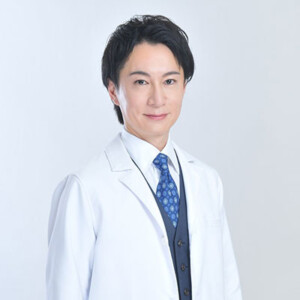
Dr. Jun Karibe
MD
Director
Education & Career
Certifications
Awards
MEDICAL REVIEW