Rosacea Treatment in Tokyo: A Guide for English-Speaking Patients
Living with rosacea — persistent facial redness, visible blood vessels, or acne-like breakouts that flare unpredictably — can be frustrating at any time, but navigating treatment in a foreign country adds an extra layer of difficulty. Finding an English-speaking dermatologist in Tokyo who understands both your skin condition and your language is an entirely reasonable expectation, and this guide is written to help you do exactly that.
Below you will find a clear, medically grounded overview of rosacea: what it is, how it is diagnosed and classified, which treatments are currently available in Tokyo, what they realistically cost, and how to access English-language care.
What you’ll learn in this article:
- What rosacea is and why it is often misdiagnosed or undertreated
- The main subtypes and which treatments are matched to each
- Realistic costs for rosacea treatments at a Tokyo cosmetic dermatology clinic
- How to find an English-speaking dermatologist in Tokyo who can treat rosacea
- Common misconceptions that can delay effective treatment
Have a question about this treatment?
Message us on LINE or WhatsApp — our English-speaking team usually replies the same day.
What Is Rosacea?
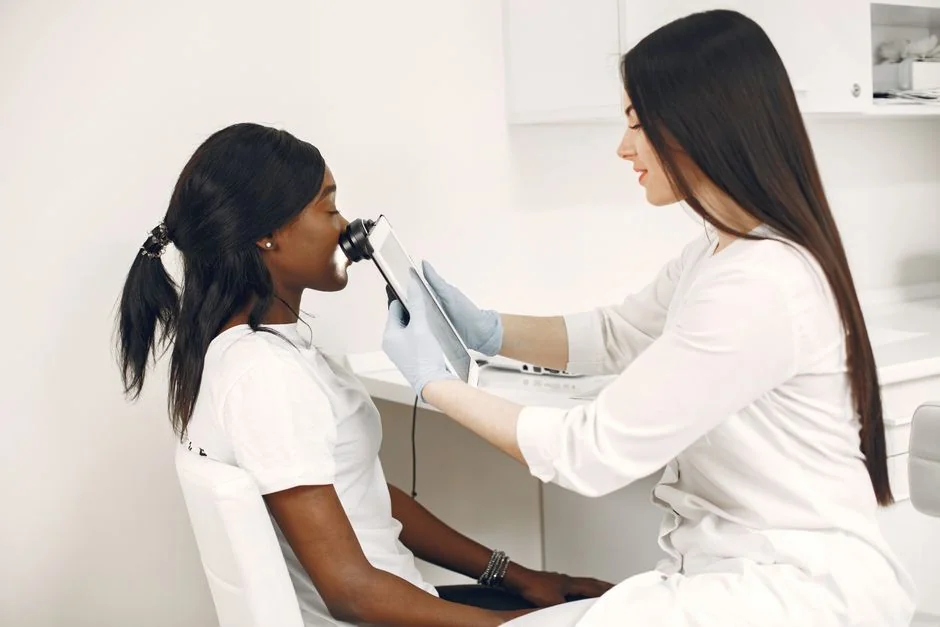
Rosacea is a chronic inflammatory skin condition that primarily affects the central face — the cheeks, nose, chin, and forehead. It is characterised by recurrent episodes of flushing, persistent redness (known medically as erythema), visible superficial blood vessels (telangiectasia), and sometimes pustules that resemble acne but are not caused by the same bacterial mechanism.
The National Rosacea Society classifies rosacea into four principal subtypes: erythematotelangiectatic (ETR), papulopustular (PPR), phymatous (skin thickening, often around the nose), and ocular (affecting the eyes). Many patients present with features of more than one subtype simultaneously. Correctly identifying the dominant subtype is the essential first step, because the most effective treatment differs significantly depending on which form is present.
Rosacea is not simply “sensitive skin” or a cosmetic inconvenience. Studies suggest it affects approximately 5% of the global population, with prevalence estimates across multiple population studies ranging from 2% to 10% depending on skin tone classification criteria. It is frequently underdiagnosed in individuals with darker Fitzpatrick skin types, because redness is less visually obvious.
Why Rosacea Is Commonly Mismanaged
Rosacea shares visible features with acne vulgaris, perioral dermatitis, seborrhoeic dermatitis, and even lupus.
Without an accurate differential diagnosis, patients often receive treatments intended for acne — including benzoyl peroxide or strong exfoliants — which can significantly worsen rosacea symptoms. This mismanagement is particularly common when patients self-treat or rely on over-the-counter products marketed broadly for “blemish-prone” or “red skin.”
In Dr. Karibe’s clinical experience at BIOTOPE CLINIC, international patients frequently arrive having already tried multiple topical products with little improvement. A structured clinical assessment — ideally with dermoscopy (a technique using magnification and polarised light to examine the skin’s surface and superficial vessels in detail) — is often the first genuinely useful step many of these patients have received.
Rosacea Subtypes and Treatment Options in Tokyo
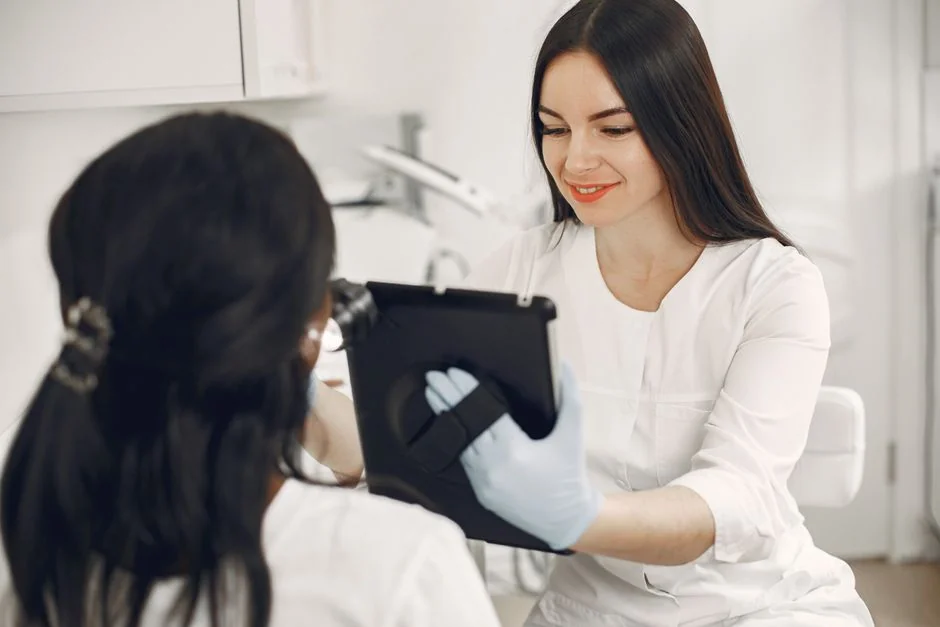
Effective rosacea management is always multimodal: it combines lifestyle trigger identification, topical or oral medications when indicated, and device-based treatments for vascular and textural concerns. The table below provides a practical overview of which approaches are best matched to each subtype.
| Rosacea Subtype | Key Features | Primary Treatment Approaches | Available at BIOTOPE CLINIC |
|---|---|---|---|
| Erythematotelangiectatic (ETR) | Flushing, persistent redness, visible capillaries | Vascular laser / IPL, topical brimonidine (prescription), trigger avoidance | Photofacial (IPL) Stella M22, laser toning |
| Papulopustular (PPR) | Red bumps and pustules resembling acne | Oral antibiotics (short course), topical metronidazole or azelaic acid, low-level laser | Prescription support, Dermapen, CO2 fractional laser |
| Phymatous | Skin thickening, nodular texture, rhinophyma | CO2 laser resurfacing, surgical debulking | CO2 fractional laser (assessed case by case) |
| Ocular | Dry, irritated eyes; lid inflammation | Ophthalmology referral, warm compresses, oral omega-3 | Referral guidance available |
Intense Pulsed Light (IPL) for Rosacea
IPL — also referred to as a photofacial — uses broad-spectrum light energy to target the haemoglobin (the red pigment) in dilated superficial blood vessels, causing them to contract and be gradually reabsorbed by the body. It is one of the most evidence-supported device treatments for the erythematotelangiectatic subtype.
Clinical reports indicate that a series of three to five IPL sessions can produce a clinically meaningful reduction in facial redness and telangiectasia in a significant proportion of patients, with some studies reporting improvement in 80–90% of treated cases assessed by blinded photographic evaluation.
BIOTOPE CLINIC offers the Photofacial Stella M22, a medical-grade IPL platform.
This is a treatment available at BIOTOPE CLINIC in Shirokanedai — feel free to ask about its suitability for your skin type and rosacea subtype during a consultation with Dr. Karibe.
RF Microneedling and Skin Barrier Support
For patients whose rosacea has left textural damage, diffuse redness, or compromised skin barrier function, radiofrequency microneedling — such as Dermapen or POTENZA — may be considered as part of a longer-term management plan. These devices combine fine needles with controlled radiofrequency energy to stimulate collagen remodelling at precise depths without significantly triggering surface inflammation. They are typically used after the active inflammatory phase has been stabilised through medication or IPL.
What to Expect: Before, During, and After Treatment
Before Treatment
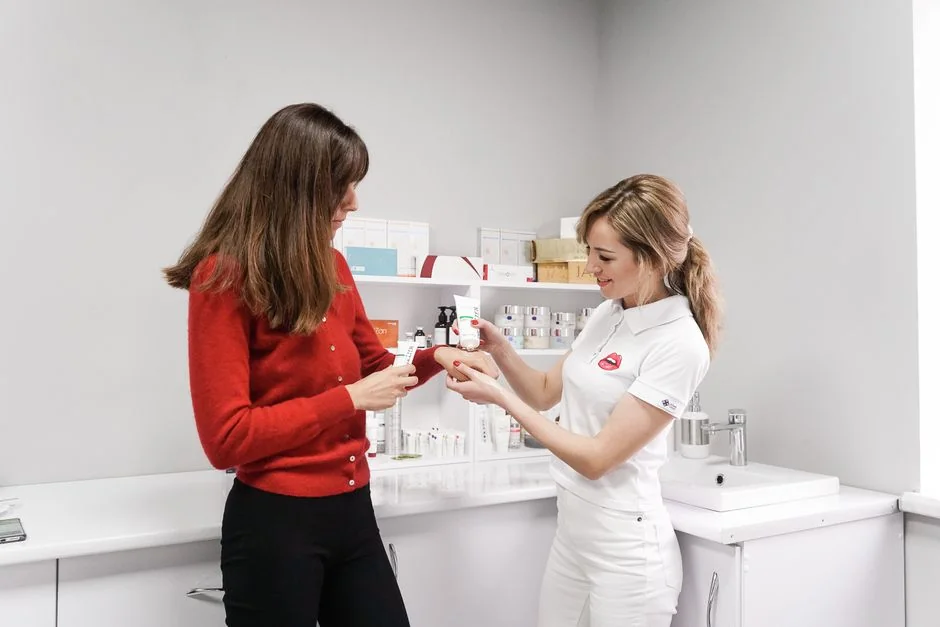
At an initial consultation, the clinician will take a full skin history, identify your likely rosacea subtype, review any current skincare routine or medications, and discuss your trigger factors (common triggers include UV exposure, heat, alcohol, spicy food, and certain topical ingredients such as alcohol-based toners or fragrance). Patients with active inflammatory lesions may need a short course of oral medication before device-based treatment is appropriate.
A patch test is performed before IPL treatment to confirm that the device settings are appropriate for your individual skin tone. This is a standard safety protocol, not a sign of concern.
During Treatment
IPL sessions typically last 20–30 minutes for a full-face treatment. A cooling gel is applied to the skin, and the handpiece delivers pulses of light that most patients describe as a brief warm snap. Immediately after, the treated area may appear slightly redder than usual — this is a normal and expected response indicating that the target vessels have absorbed the light energy. There is no incision and no open wound.
After Treatment and Downtime
Post-IPL redness and mild warmth generally resolve within a few hours to one to two days. Some patients notice that small visible vessels appear darker briefly before fading — this is the normal clearance process. Sun protection (SPF 30 or higher, physical blockers preferred) is non-negotiable in the weeks following treatment. Strenuous exercise, saunas, and hot baths should be avoided for 24–48 hours. Social downtime is minimal for most patients, though some sensitivity and mild swelling may be present for a day or two.
Cost of Rosacea Treatment in Tokyo
Rosacea management at a cosmetic dermatology clinic in Tokyo involves both consultation fees and treatment costs. The figures below reflect current pricing at BIOTOPE CLINIC in Shirokanedai.
- Initial consultation: ¥3,300
- Photofacial (Stella M22 IPL) — full face: ¥28,000–¥126,000 per session depending on coverage area and programme
- Laser toning: ¥15,000–¥135,000
- Dermapen (for skin barrier and textural support): ¥9,800–¥220,000
- POTENZA RF microneedling: ¥35,000–¥49,800
- CO2 fractional laser (for phymatous or scar-type concerns): ¥11,000–¥66,000
Most patients with rosacea require a series of sessions rather than a single treatment; the total programme cost depends on subtype, severity, and response. Preventive medicine support — including IV vitamin C drips (¥ on application) and ZO Skin Health products — may also be discussed as adjunctive care. For an accurate quote, we recommend booking a consultation.
Have a question about this treatment?
Message us on LINE or WhatsApp — our English-speaking team usually replies the same day.
Common Misconceptions About Rosacea
Misconception 1: “Rosacea is just a form of adult acne and should be treated the same way”
This is one of the most consequential misunderstandings in skincare. While papulopustular rosacea does produce bumps and pustules, its underlying mechanism is inflammatory and neurovascular — not primarily driven by Cutibacterium acnes (the bacterium responsible for acne vulgaris). Applying standard acne treatments such as benzoyl peroxide, retinoids at high concentrations, or aggressive exfoliating acids can strip the already-compromised skin barrier and significantly aggravate flushing and redness. Rosacea requires a distinctly different therapeutic approach, and a dermatological assessment is the appropriate starting point.
Misconception 2: “Laser and light treatments are not safe for sensitive rosacea skin”
A common concern among patients is that any heat-based or light-based device will simply worsen their redness. In practice, when a clinician selects the appropriate device, wavelength, and settings for the patient’s skin tone and rosacea subtype, IPL and vascular laser treatments are among the most effective evidence-based interventions available for persistent facial erythema and telangiectasia. The critical factor is proper assessment and calibration — not avoidance of the technology altogether. At BIOTOPE CLINIC in Shirokanedai, patients with rosacea-prone skin frequently find that a carefully managed IPL programme results in measurable, lasting improvements in baseline redness.
Who Is a Good Candidate for Rosacea Treatment in Tokyo?
Device-based rosacea treatments are broadly suitable for adults with diagnosed or suspected erythematotelangiectatic or papulopustular rosacea who have realistic expectations about a gradual, maintenance-oriented treatment process. Good candidates are willing to commit to UV protection, have no active skin infections in the treatment area, and are not currently pregnant or breastfeeding (which temporarily contraindicates most energy-based treatments).
Patients with very dark skin tones (Fitzpatrick V–VI) require careful device selection, as standard IPL settings may carry a higher risk of post-inflammatory hyperpigmentation (darkening of treated areas) in these skin types. This does not mean treatment is impossible, but it does mean the clinical assessment step is especially important. A thorough consultation with Dr. Karibe will clarify which options are appropriate for your individual skin tone and condition.
Patients with active pustular flares, open skin lesions, or a recent history of isotretinoin (a strong oral acne medication) use within the previous six months would typically need to wait before undergoing most device-based treatments.
Where to Get Rosacea Treatment in Tokyo (English-Speaking Care)
Within our clinic group, English-speaking consultations are handled at BIOTOPE CLINIC in Shirokanedai (Minato-ku, Tokyo) by Dr. Jun Karibe. Our sister clinic, Kojimachi Dermatology & Plastic Surgery Clinic in Ichigaya, is the group’s main office and handles Japanese-language insurance dermatology — it is an excellent resource for Japanese-speaking patients requiring insurance-covered dermatological care, but does not currently offer English-speaking doctor consultations. Bookings and enquiries in English: LINE or WhatsApp.
Dr. Karibe is board-certified by the Japan Society of Plastic and Reconstructive Surgery and leads consultations personally at BIOTOPE CLINIC. Patients with rosacea concerns are encouraged to bring photographs of their skin at its worst — during a flare — as well as a list of any skincare products currently in use, to make the most of the consultation time.
Frequently Asked Questions
- Q. Can rosacea be cured, or only managed?
- Rosacea is a chronic condition with no currently known cure, but it can be effectively managed over the long term. With the right combination of trigger avoidance, topical care, and periodic treatment sessions, many patients achieve sustained periods of clear or near-clear skin and report a significant improvement in quality of life. The goal of treatment is meaningful, durable reduction in symptoms rather than a one-time resolution.
- Q. How many IPL sessions are typically needed for rosacea?
- Most clinicians recommend an initial course of three to five sessions spaced approximately three to four weeks apart, followed by maintenance sessions once or twice a year as needed. Individual response varies depending on rosacea subtype, skin tone, and the severity of vascular involvement. Your treating doctor will reassess progress after each session and adjust the plan accordingly.
- Q. Is rosacea treatment covered by Japanese health insurance?
- In Japan, basic dermatological consultations and some prescription medications for rosacea (such as oral antibiotics or topical metronidazole, where available) may be covered under the national health insurance system at an insurance-contracted clinic. Device-based treatments — IPL, laser, and RF microneedling — are cosmetic procedures and are not covered by insurance. BIOTOPE CLINIC is a private cosmetic clinic; for insurance-covered dermatology in Japanese, the group’s sister clinic, Kojimachi Dermatology & Plastic Surgery Clinic in Ichigaya, may be an appropriate resource.
- Q. Is it safe to have IPL treatment on Fitzpatrick III–IV skin, which is common among Asian patients?
- Yes, with appropriate device settings and clinician experience. Medical-grade IPL platforms offer adjustable wavelength filters and fluence settings that can be calibrated to treat vascular targets while minimising the risk of unwanted pigment changes in medium to olive skin tones. A patch test before full-face treatment is standard practice and helps confirm the correct settings for your individual skin. This is a discussion best held directly during a consultation at BIOTOPE CLINIC.
- Q. Do I need a formal referral from another doctor to book a consultation at BIOTOPE CLINIC?
- No referral is required. Patients may book an initial consultation directly via LINE or WhatsApp. The initial consultation fee is ¥3,300. If a surgical consultation with Dr. Karibe specifically is required, the fee is ¥2,200 for that appointment.
Have a question about this treatment?
Message us on LINE or WhatsApp — our English-speaking team usually replies the same day.
Summary
Rosacea is a treatable chronic condition that responds well to a structured, subtype-matched approach combining medical management and evidence-based device treatments.
In Tokyo, English-speaking patients have access to high-quality care — but the critical first step is an accurate diagnosis from a clinician who can communicate clearly with you about your skin history, your concerns, and your treatment options.
Dr. Karibe’s Note
Many of our international patients are surprised to find that a significant part of managing rosacea in Tokyo involves identifying the specific environmental and lifestyle triggers that are particularly relevant here — intense UV in summer, very dry heated indoor air in winter, and the prevalence of alcohol-based skincare products in many popular Japanese brands.
Once those factors are addressed alongside targeted treatment, patients often see faster and more durable improvement than they expected.
A 20-minute consultation can save months of ineffective self-treatment.
If you have questions about rosacea treatment, English-speaking consultations are handled at BIOTOPE CLINIC in Shirokanedai (Minato-ku, Tokyo) by Dr. Karibe. Our sister clinic Kojimachi Dermatology & Plastic Surgery Clinic in Ichigaya (Chiyoda-ku) handles Japanese-language insurance dermatology. English enquiries: LINE or WhatsApp.
24/7 Consultation & Booking
Book a Consultation or Treatment
Our English-speaking team responds via LINE or WhatsApp — usually the same day.
References
- Tan J, Almeida LMC, Bewley A, et al. Updating the diagnosis, classification and assessment of rosacea: recommendations from the global ROSacea COnsensus (ROSCO) panel. British Journal of Dermatology. 2017.
- Wilkin J, Dahl M, Detmar M, et al. Standard classification of rosacea: Report of the National Rosacea Society Expert Committee on the Classification and Staging of Rosacea. Journal of the American Academy of Dermatology. 2002.
- Vural E, Gall R, Phillips N, Sisson GA. Nd:YAG laser treatment of rosacea. Facial Plastic Surgery. 2008.
- Anzengruber F, Czernielewski J, Conrad C, et al. Swiss S1 guideline for the treatment of rosacea. Journal of the European Academy of Dermatology and Venereology. 2017.
- Moustafa F, Lewallen RS, Feldman SR. The psychological impact of rosacea and the influence of current management options. Journal of the American Academy of Dermatology. 2014.
Related Articles
You may also find these articles useful.
- English Speaking Dermatologist Tokyo: Complete Guide
- Rosacea Treatment Tokyo Clinic Guide: Costs & Options
- Looking for an English-Speaking Dermatology and Aesthetic Clinic in Tokyo?
SUPERVISED BY
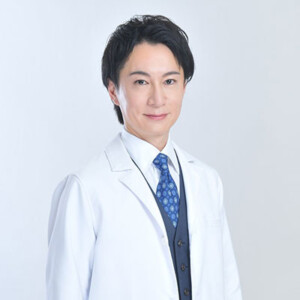
Dr. Jun Karibe
MD
Director
Education & Career
Certifications
Awards
MEDICAL REVIEW