Eczema Treatment in Tokyo: A Complete Guide for Foreigners
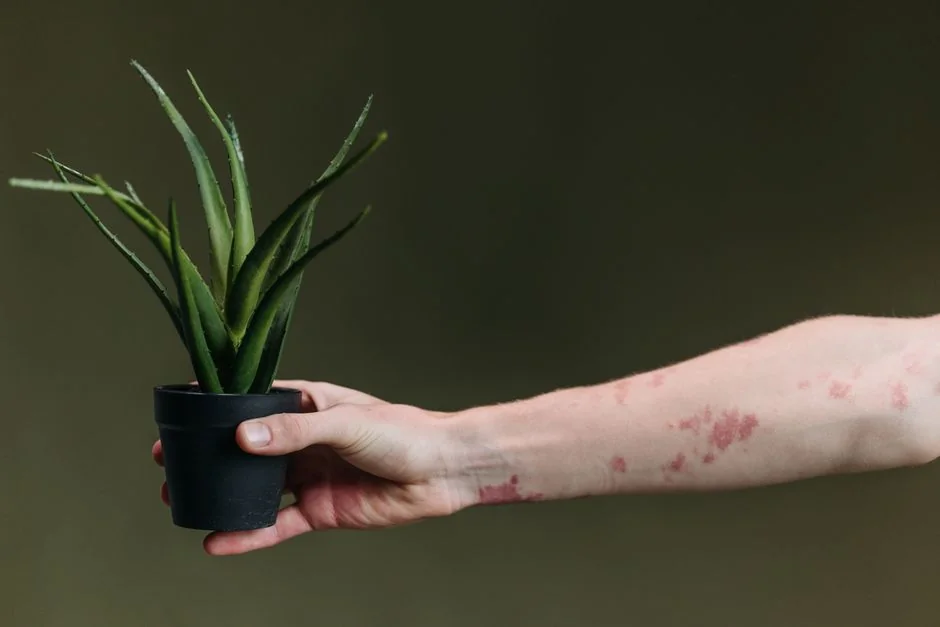
Living with eczema abroad presents a unique set of challenges — from navigating an unfamiliar healthcare system to finding a doctor who can communicate in English. If you are an expatriate, medical tourist, or visitor in Tokyo struggling with eczema flare-ups, this guide explains the treatment options available to you, what to expect from Japanese dermatology care, and how to access English-speaking consultations.
What you’ll learn in this article:
- What eczema is and why it may worsen in Japan’s climate
- Standard and advanced treatment options available in Tokyo
- How Japan’s insurance system works for foreigners with eczema
- Realistic costs for eczema-related consultations and cosmetic skin treatments
- Where to access English-speaking dermatology consultations in Tokyo
Have a question about this treatment?
Message us on LINE or WhatsApp — our English-speaking team usually replies the same day.
What Is Eczema?
Eczema — more precisely termed atopic dermatitis — is a chronic inflammatory skin condition characterised by dry, itchy, and inflamed skin. It results from a combination of genetic predisposition, immune system dysregulation, and environmental triggers that compromise the skin’s natural barrier function.
Common symptoms include intense itching, redness, skin thickening, crusting, and in severe cases, weeping or infected patches. Eczema is not contagious, and it is not caused by poor hygiene — a distinction worth emphasising, as these misconceptions persist widely.
Why Eczema May Flare in Japan
Japan’s climate presents specific challenges for eczema sufferers. The country experiences high humidity in summer — which can trigger sweating and irritation — followed by dry, cold winters that strip moisture from the skin.
Many international residents report an unexpected worsening of their eczema after arriving in Tokyo, which may also be related to changes in diet, water quality, and stress.
At BIOTOPE CLINIC in Shirokanedai, the team frequently sees international patients who have noticed a deterioration in their skin condition after relocating to Japan and are unsure whether their previous treatment plan still applies in a new environment.
Common Misconceptions About Eczema Treatment
Misconception 1: Topical steroids are always dangerous and should be avoided.
Steroid phobia — known medically as corticophobia — is widespread and leads many patients to under-treat their eczema, resulting in prolonged inflammation and skin damage. When used correctly, at the appropriate potency and for the appropriate duration under medical supervision, topical corticosteroids remain one of the safest and most effective first-line treatments available. Avoidance of steroids without medical advice is not a neutral decision — it is itself a clinical risk.
Misconception 2: Eczema is a purely cosmetic condition.
Eczema significantly affects quality of life, sleep, mental health, and — in children — educational performance. It is a recognised systemic immune disorder, not a surface-level inconvenience. Treating it thoroughly is a matter of health, not vanity.
Treatment Options Available in Tokyo
Standard Medical Treatment (Insurance-Covered)
Japan’s dermatology system offers a well-established range of evidence-based eczema treatments, many of which are covered under the national health insurance (NHI) scheme. Foreign residents enrolled in NHI — including those on employment or spouse visas — are generally entitled to the same coverage as Japanese nationals.
Standard treatments include:
- Topical corticosteroids — the cornerstone of eczema management, prescribed in graduated potencies according to the site and severity of involvement
- Topical calcineurin inhibitors (such as tacrolimus) — non-steroidal anti-inflammatory creams used for sensitive areas such as the face and eyelids
- Antihistamines — oral medications to reduce itch, particularly useful at night
- Antibiotics — prescribed when secondary bacterial infection (commonly Staphylococcus aureus) is present
- Immunosuppressants — for moderate-to-severe cases unresponsive to topical therapy; oral options include cyclosporine
- Narrowband UVB phototherapy — a light-based treatment that reduces immune-mediated skin inflammation; clinical studies suggest response rates of 50–70% in moderate-to-severe atopic dermatitis after a standard course
Advanced and Biologic Therapies
Japan has approved several biologic treatments for moderate-to-severe atopic dermatitis, including dupilumab (brand name Dupixent), which targets key inflammatory signalling pathways. Clinical reports indicate that dupilumab achieves a 75% or greater reduction in eczema severity scores (EASI-75) in approximately 38–51% of patients in controlled trials — a significant advance over conventional immunosuppression. Access to biologics in Japan requires a formal diagnosis and referral pathway through a dermatology specialist.
Cosmetic and Skin-Barrier Support Treatments
Even when acute eczema is controlled, patients often deal with residual dryness, post-inflammatory discolouration, and a compromised skin barrier. Cosmetic dermatology — offered on a self-pay basis — can address these concerns.
At BIOTOPE CLINIC, Dr. Karibe may discuss options such as Dermapen (a microneedling treatment that stimulates collagen production and improves skin texture) or nutritional IV drip therapy (including vitamin C and glutathione infusions) to support skin health from within. These are not treatments for active eczema, but they may be discussed as part of an integrated skin management plan once the condition is stable. They are available as self-pay cosmetic treatments at BIOTOPE CLINIC in Shirokanedai — feel free to ask about them during a consultation with Dr. Karibe.
Eczema Treatment Costs in Tokyo
Insurance-Covered Costs
For foreign residents enrolled in Japan’s National Health Insurance, standard dermatology consultations and prescriptions are covered at 70% — meaning patients pay approximately 30% out of pocket. A typical dermatology visit costs between ¥1,000 and ¥3,000 after insurance. Prescription medications are dispensed through separate pharmacies, and costs vary by medication.
Visitors to Japan without local insurance coverage will pay the full fee, which at most clinics ranges from ¥3,000 to ¥8,000 for an initial consultation. Phototherapy courses and biologic injections carry additional costs.
Self-Pay Cosmetic Dermatology Costs at BIOTOPE CLINIC
| Treatment | Indication (in context of eczema) | Price Range |
|---|---|---|
| Initial consultation | Skin assessment, treatment planning | ¥3,300 |
| Dr. Karibe surgical / specialist consultation | Complex skin or scar concerns | ¥2,200 |
| Dermapen | Skin texture, barrier repair, post-eczema scarring | ¥9,800 – ¥220,000 |
| CO2 fractional laser | Post-inflammatory skin roughness | ¥11,000 – ¥66,000 |
| IV drip therapy (vitamin C, glutathione) | Skin health support, antioxidant therapy | Varies by formulation |
| Zo Skin Health skincare | Medical-grade maintenance and barrier support | Price on consultation |
For an accurate quote, we recommend booking a consultation.
Have a question about this treatment?
Message us on LINE or WhatsApp — our English-speaking team usually replies the same day.
Navigating Japanese Healthcare as a Foreigner
Insurance Eligibility
Foreign nationals residing in Japan for more than three months are generally required to enrol in either the National Health Insurance (Kokumin Kenko Hoken) or an employer-sponsored health plan. Both provide coverage for medically necessary dermatology treatment, including eczema. Short-term visitors are not covered under NHI but may hold travel insurance that reimburses treatment costs — it is advisable to check your policy before seeking care.
Language Barriers
The most significant practical obstacle for English-speaking patients in Tokyo is the language barrier. Most dermatology clinics in Japan operate in Japanese only, which can make it difficult to describe symptom history, understand diagnoses, and discuss treatment options accurately. Misunderstandings in a medical context carry real clinical risk.
Dr. Karibe’s Note
A common concern I hear from international patients is that they have been given a topical steroid prescription in Japan but feel uncertain whether it is appropriate for their skin type, their specific area of involvement, or their prior medical history.
This kind of nuanced discussion — weighing treatment options in the context of the patient’s full background — requires a consultation where both parties can communicate clearly. That is exactly what we aim to provide at BIOTOPE CLINIC for English-speaking patients.
Where to Get Eczema Treatment in Tokyo
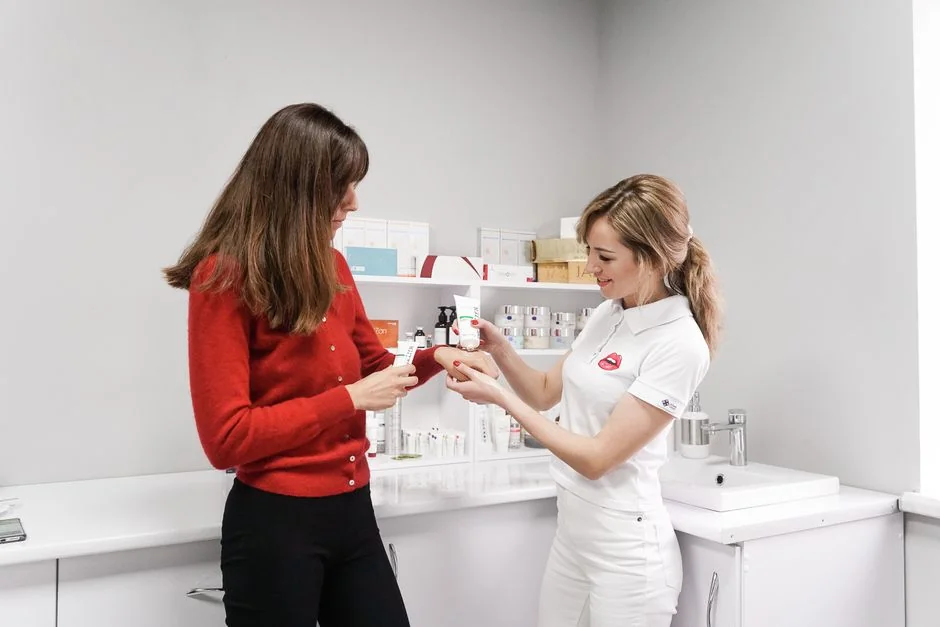
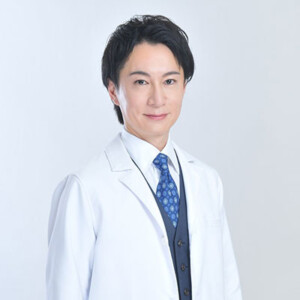
Within our clinic group, English-speaking consultations are handled at BIOTOPE CLINIC in Shirokanedai (Minato-ku, Tokyo) by Dr. Jun Karibe, a board-certified plastic and reconstructive surgeon with broad experience in skin health and cosmetic dermatology. Our sister clinic, Kojimachi Dermatology & Plastic Surgery Clinic in Ichigaya (Chiyoda-ku), serves as the group’s main office for Japanese-language, insurance-covered dermatology — it is well-suited to Japanese-speaking patients seeking NHI-covered eczema care. Bookings and enquiries in English: LINE or WhatsApp.
At BIOTOPE CLINIC, consultations can address the full picture — active eczema management, skin-barrier restoration, post-inflammatory discolouration, and self-pay cosmetic options that complement medical treatment. Whether you are newly arrived in Tokyo and seeking continuity of care, or a visitor dealing with an unexpected flare, the clinic’s English-speaking team is equipped to assist from your first enquiry.
Frequently Asked Questions
- Q. Can I use my Japan National Health Insurance card at an English-speaking clinic?
- Yes, if you are enrolled in NHI or an employer health plan, your insurance card is valid at any registered clinic in Japan. Insurance coverage applies to medically necessary treatments, not cosmetic procedures. It is advisable to confirm insurance acceptance when booking your appointment.
- Q. Is atopic dermatitis (eczema) the same as contact dermatitis?
- No. Atopic dermatitis is a chronic, immune-mediated condition with a genetic component, often linked to asthma or hay fever. Contact dermatitis is a skin reaction triggered by direct exposure to an irritant or allergen — such as a detergent or metal. The treatments overlap in some areas but the underlying causes and long-term management differ, making an accurate diagnosis essential.
- Q. Can cosmetic treatments such as Dermapen help with eczema-damaged skin?
- Cosmetic treatments such as Dermapen are not indicated for active, inflamed eczema — treatment must begin with medical management to bring the condition under control. However, once the skin is stable, certain cosmetic procedures may help address residual texture irregularities, dryness, or post-inflammatory marks. A consultation with Dr. Karibe at BIOTOPE CLINIC can help determine what, if anything, is appropriate for your skin at its current stage.
- Q. What if my eczema worsens during my visit to Tokyo?
- Seek medical attention promptly if you experience a significant flare, signs of skin infection (warmth, swelling, pus, fever), or if your current medications are not providing adequate control. English-speaking consultations are available at BIOTOPE CLINIC in Shirokanedai — contact the clinic via LINE or WhatsApp to arrange an appointment.
- Q. Are biologic treatments for eczema available in Japan?
- Yes. Japan’s Ministry of Health, Labour and Welfare has approved dupilumab (Dupixent) for moderate-to-severe atopic dermatitis. Access typically requires a diagnosis and treatment plan established through a dermatology specialist. If you are already receiving biologic therapy in your home country, bringing documentation of your current treatment is strongly recommended.
Have a question about this treatment?
Message us on LINE or WhatsApp — our English-speaking team usually replies the same day.
Summary
Eczema is a manageable condition, and Tokyo offers a well-developed range of treatment options — from insurance-covered topical therapies and phototherapy to advanced biologics and supportive cosmetic skin treatments. The primary challenge for English-speaking patients is navigating the system in a language they may not speak, and ensuring that medical discussions are accurate and thorough.
Understanding Japan’s insurance structure, identifying English-language clinical resources, and having a clear treatment plan tailored to your history and environment can make a significant difference to outcomes. Self-pay cosmetic options — available at BIOTOPE CLINIC — offer additional support for skin-barrier restoration and appearance concerns once the underlying condition is stable.
If you have questions about eczema treatment in Tokyo, English-speaking consultations are handled at BIOTOPE CLINIC in Shirokanedai (Minato-ku, Tokyo) by Dr. Jun Karibe. Our sister clinic Kojimachi Dermatology & Plastic Surgery Clinic in Ichigaya (Chiyoda-ku) handles Japanese-language insurance dermatology. English enquiries: LINE or WhatsApp.
24/7 Consultation & Booking
Book a Consultation or Treatment
Our English-speaking team responds via LINE or WhatsApp — usually the same day.
References
- Simpson EL, Bieber T, Guttman-Yassky E, et al. Two Phase 3 Trials of Dupilumab versus Placebo in Atopic Dermatitis. New England Journal of Medicine. 2016.
- Gambichler T, Breuckmann F, Boms S, Altmeyer P, Kreuter A. Narrowband UVB phototherapy in skin conditions beyond psoriasis. Journal of the American Academy of Dermatology. 2005.
- Wollenberg A, Barbarot S, Bieber T, et al. Consensus-based European guidelines for treatment of atopic eczema (atopic dermatitis) in adults and children. Journal of the European Academy of Dermatology and Venereology. 2018.
- Katayama I, Kohno Y, Akiyama K, et al. Japanese Guideline for Atopic Dermatitis. Allergology International. 2017.
- Eichenfield LF, Tom WL, Berger TG, et al. Guidelines of care for the management of atopic dermatitis: Section 2. Management and treatment of atopic dermatitis with topical therapies. Journal of the American Academy of Dermatology. 2014.
Related Articles
You may also find these articles useful.
- English-Speaking Dermatologist Tokyo for Eczema
- English Speaking Dermatologist Tokyo: First Visit Guide
- English Speaking Dermatologist Tokyo: Insurance Coverage
- English-Speaking Dermatologist Tokyo: Fees & Costs
- English Speaking Dermatologist Tokyo: Complete Guide
SUPERVISED BY
Dr. Jun Karibe
MD
Director
Education & Career
Certifications
Awards
MEDICAL REVIEW