Cyst Removal in Tokyo: What to Expect at a Dermatologist or Plastic Surgeon
Discovering a lump or bump beneath your skin can be unsettling, especially when you are living abroad and navigating an unfamiliar healthcare system.
If you have been told you have a cyst — or if you suspect you might — understanding what the removal process actually involves can help you make a calm, informed decision about when and where to seek care.
This article explains what skin cysts are, how they are removed, what recovery looks like, and how much you can expect to pay at a private clinic in Tokyo. It is written specifically for English-speaking patients who want straightforward, medically accurate information.
What you’ll learn in this article:
- The most common types of skin cyst and how they are diagnosed
- How cyst excision is performed at a clinic — step by step
- Realistic cost figures for cyst removal in Tokyo
- What recovery looks like and when you can return to daily activities
- Who is a good candidate and what the procedure cannot address
Have a question about this treatment?
Message us on LINE or WhatsApp — our English-speaking team usually replies the same day.
What Is a Skin Cyst?
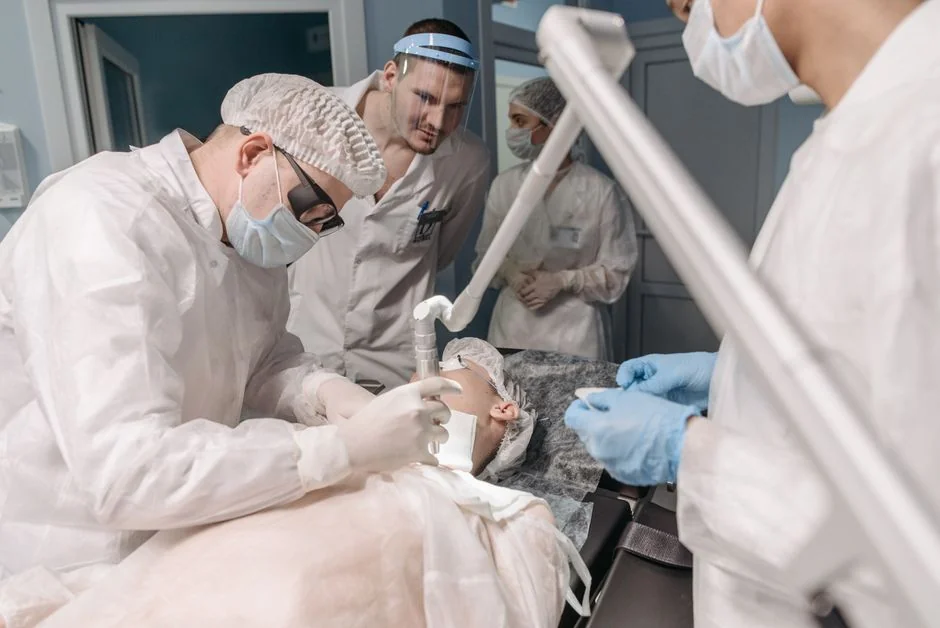
A skin cyst is a closed, sac-like pocket of tissue that can form just beneath the surface of the skin.
It typically contains fluid, semi-solid material, or keratin (a protein produced naturally by skin cells).
Cysts are almost always benign (non-cancerous), but they can become inflamed, infected, or simply uncomfortable — and many patients choose to have them removed for cosmetic reasons as well as medical ones.
Common Types of Cyst
The most frequently encountered types in a dermatology or plastic surgery setting include:
- Epidermoid cyst (sebaceous cyst) — the most common type; forms when skin cells multiply beneath the surface rather than shedding normally. Often found on the face, neck, chest, and back.
- Pilar cyst (trichilemmal cyst) — arises from hair follicles; very commonly found on the scalp.
- Lipoma — technically not a cyst but a benign fatty lump that is often confused with one; soft, moveable, and rarely painful.
- Ganglion cyst — fluid-filled and typically found near joints or tendons, most often on the wrist.
- Milia — tiny keratin-filled cysts that appear as small white bumps, most often on the face.
Correct identification of the cyst type is important before any treatment is decided. In Dr. Karibe’s clinical experience at BIOTOPE CLINIC in Shirokanedai, patients frequently arrive having already received a provisional diagnosis elsewhere, but a thorough in-person assessment — including palpation and sometimes ultrasound — is still essential before planning any procedure.
How Cyst Removal Works: The Procedure Explained
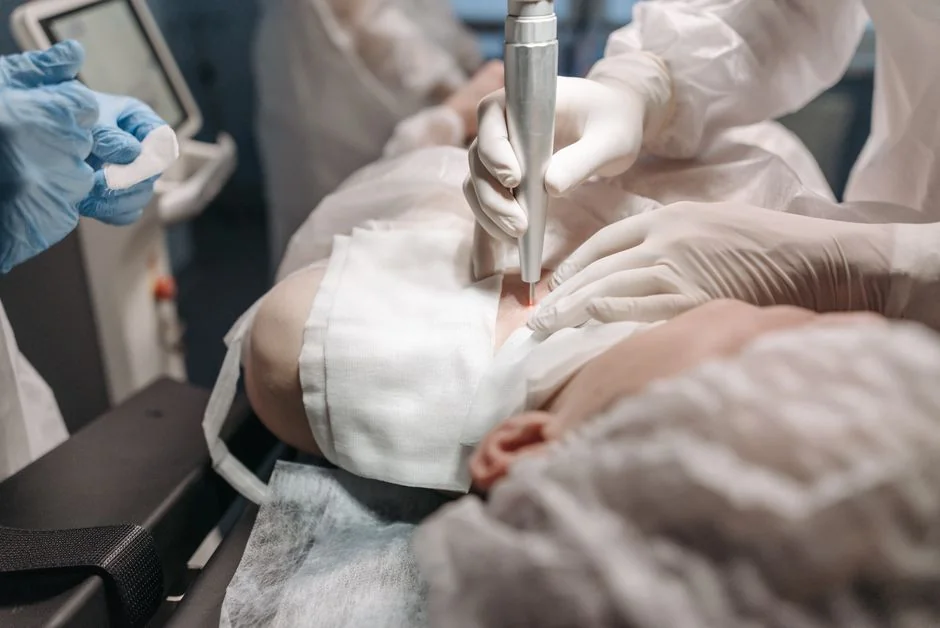
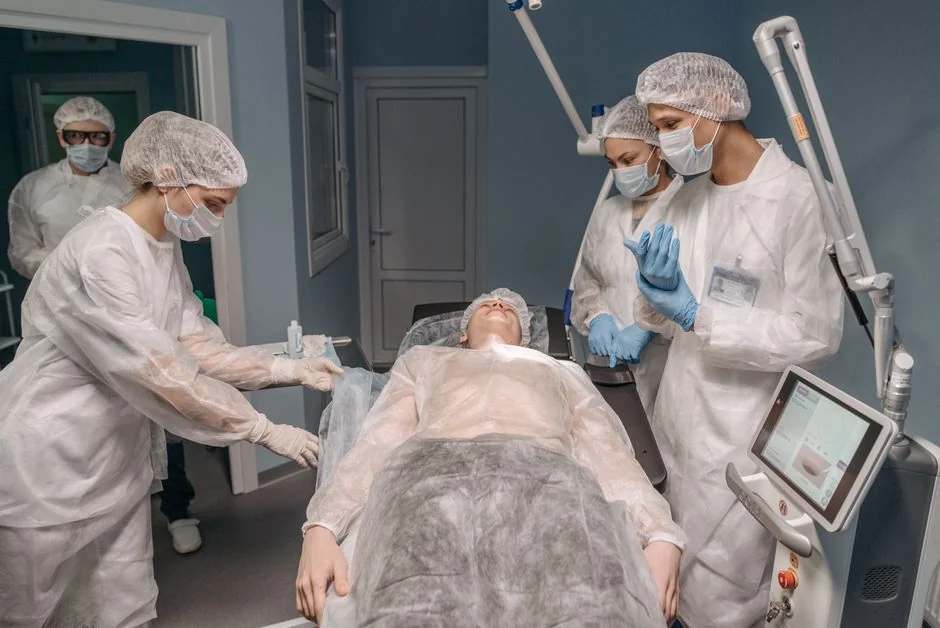
Cyst excision is a minor surgical procedure performed under local anaesthesia. The approach varies slightly depending on the size, location, and type of cyst, but the general process follows a predictable sequence.
Step 1 — Consultation and Assessment
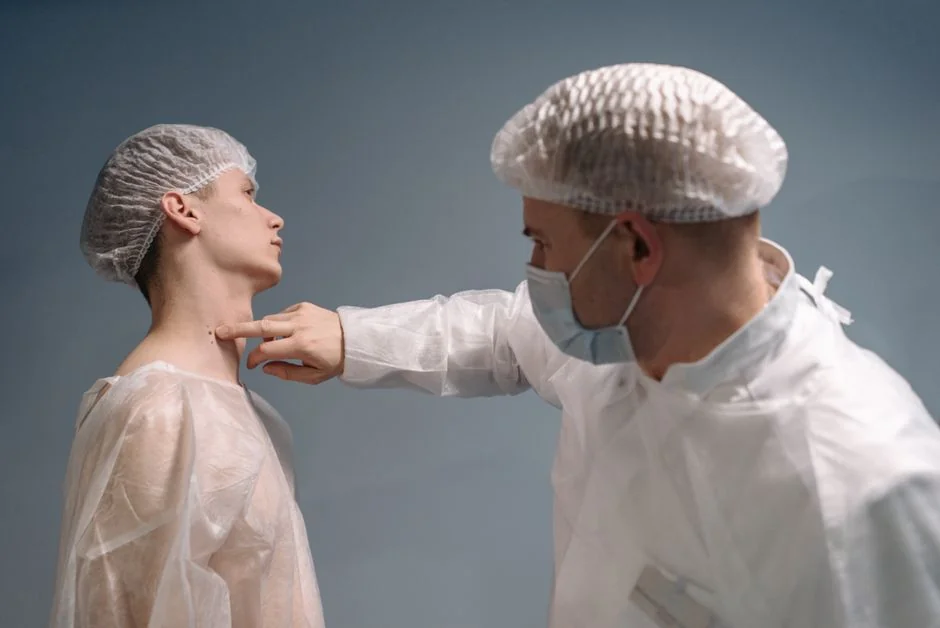
The surgeon or dermatologist will examine the cyst, discuss your medical history, and confirm that excision is appropriate. For larger or deeper cysts, imaging such as ultrasound may be recommended to map the extent of the sac before the procedure begins.
Step 2 — Local Anaesthesia
A small injection of local anaesthetic (usually lidocaine) is administered around the cyst. This numbs the area completely; you may feel mild pressure during the procedure, but you should not feel pain. The injection itself causes a brief stinging sensation that typically resolves within seconds.
Step 3 — Excision
The surgeon makes a small incision and carefully removes the entire cyst sac. This is an important technical point: if the sac wall is not fully removed, the cyst has a high likelihood of recurring. A minimally invasive technique sometimes called the “punch excision” or “minimal incision” approach can be used for smaller cysts, resulting in a smaller scar.
Step 4 — Closure and Dressing
The wound is closed with sutures — either absorbable (dissolving) or non-absorbable, depending on the site. A sterile dressing is applied and aftercare instructions are provided before you leave the clinic.
Dr. Karibe’s Note
Many of our international patients are surprised to find that cyst excision at a private clinic in Tokyo is a same-day procedure requiring no hospital admission. In most cases, the entire appointment — including consultation, local anaesthesia, excision, and wound closure — takes under an hour.
The most common concern I hear is about scarring. My honest answer is that a scar will form wherever an incision is made, but with careful technique, appropriate suturing, and diligent aftercare, most patients find the scar fades to a fine, barely visible line over six to twelve months.
What People Often Get Wrong About Cyst Removal
Misconception 1 — “Draining the cyst is enough”
It is a widespread belief that simply draining the fluid from a cyst will resolve the problem permanently. In reality, draining (incision and drainage, or I&D) addresses the contents but leaves the cyst wall intact. Clinical data consistently show that recurrence rates after drainage alone are significantly higher than after complete surgical excision; studies suggest recurrence following drainage without complete sac removal can be as high as 20–30%, whereas complete excision carries a much lower recurrence risk when performed correctly.
Misconception 2 — “An inflamed cyst should be removed immediately”
Patients who arrive with a red, swollen, painful cyst sometimes expect — or request — immediate removal.
However, operating on an acutely infected or inflamed cyst is generally not advisable. Inflamed tissue bleeds more, planes of dissection are obscured, and the risk of incomplete removal or wound complications rises. Standard practice is to manage the acute inflammation first (with antibiotics or drainage if needed), allow the area to settle, and schedule definitive excision once the tissue has calmed — typically several weeks later.
Cyst Removal in Tokyo: What Does It Cost?
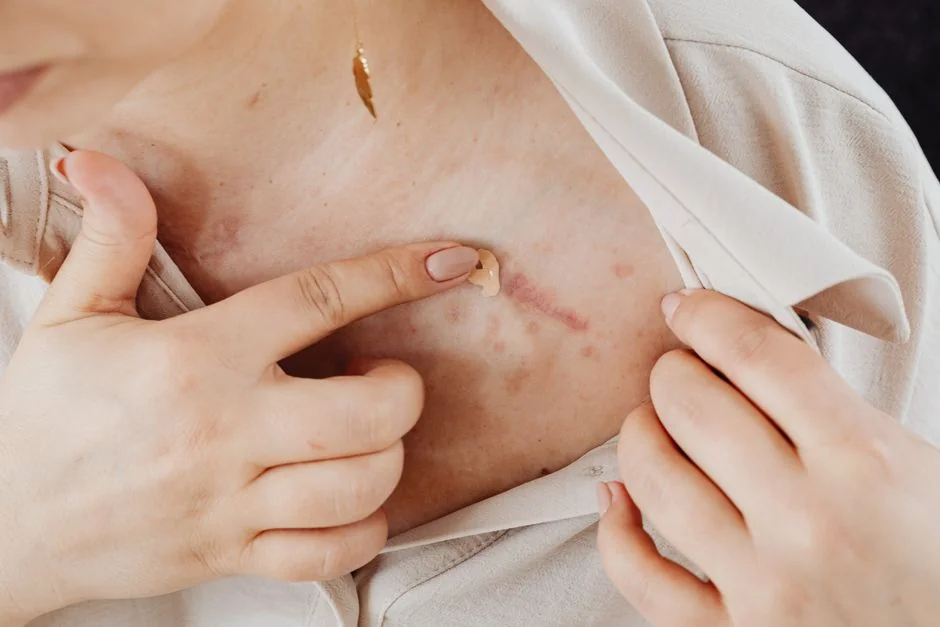
Cost varies based on the size, location, and complexity of the cyst, as well as whether the procedure is performed under Japan’s public health insurance system or at a private self-pay (jibahi) clinic.
Insurance-Covered Treatment
Cyst excision is generally covered by Japan’s national health insurance (kokumin kenko hoken) when performed at a designated insurance clinic and deemed medically necessary. For patients enrolled in Japanese national or company health insurance, the out-of-pocket share is typically 30%. The group’s sister clinic, Kojimachi Dermatology & Plastic Surgery Clinic in Ichigaya (Chiyoda-ku), operates primarily as an insurance-covered dermatology and plastic surgery clinic and handles this type of treatment in Japanese. It is the main office of the clinic group and a trusted option for Japanese-speaking patients.
Private (Self-Pay) Clinic Costs
At a private clinic, pricing is set by the facility. The table below gives a general orientation for what to expect at private clinics in central Tokyo:
| Cyst size / complexity | Approximate private-clinic range (Tokyo) |
|---|---|
| Small cyst (<1 cm), single lesion | ¥20,000 – ¥50,000 |
| Medium cyst (1–3 cm) | ¥50,000 – ¥100,000 |
| Large or deeply situated cyst (>3 cm) | ¥100,000 – ¥200,000+ |
| Multiple cysts, same session | Quoted individually — ask at consultation |
At BIOTOPE CLINIC, an initial consultation is ¥3,300, and a surgical consultation with Dr. Karibe is ¥2,200. Where local anaesthesia or sedation is required, anaesthesia fees range from ¥2,200 to ¥77,000 depending on type and duration. Pre-operative blood work, if required, is ¥11,000. For an accurate quote, we recommend booking a consultation.
Patients interested in scar management after cyst excision may also ask about CO2 fractional laser (from ¥11,000), which can help improve the texture and appearance of healed scars once the wound has fully closed — typically after three to six months. This is a treatment available at BIOTOPE CLINIC in Shirokanedai; feel free to ask about it during a consultation with Dr. Karibe.
Have a question about this treatment?
Message us on LINE or WhatsApp — our English-speaking team usually replies the same day.
Before, During, and After: What to Expect
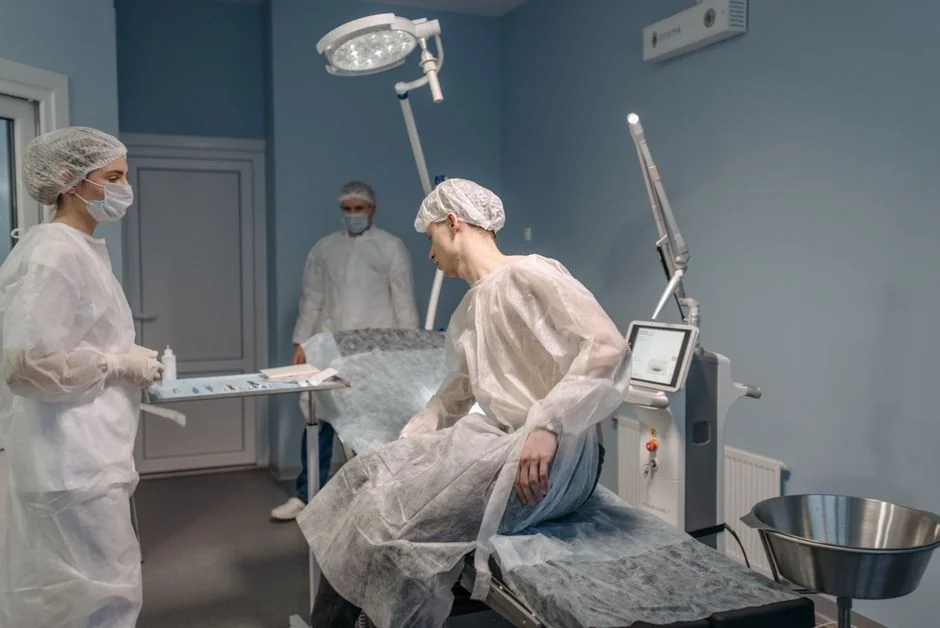
Before the Procedure
Avoid blood-thinning medications and supplements (aspirin, ibuprofen, fish oil, vitamin E) for at least one week before surgery, unless prescribed by another physician. Inform the clinic of any allergies — particularly to local anaesthetics or antiseptics — and disclose any current medications. If the cyst is on the face or scalp, arrive with clean skin and no makeup or hair products in the area.
During the Procedure
The procedure is performed with you awake under local anaesthesia. You will be positioned comfortably on a treatment table. Expect to feel pressure and tugging, but pain should be minimal. The duration ranges from approximately 15 minutes for a small superficial cyst to 45–60 minutes for a larger or deeper lesion.
After the Procedure and Recovery
Most patients return to desk-based work the same day or the following morning. Physical activity involving the treated area (vigorous exercise, swimming, contact sports) should be avoided for at least one to two weeks. Sutures are typically removed seven to fourteen days after the procedure, depending on the site.
Mild swelling, bruising, and tenderness around the wound are normal for the first few days. Signs of infection — increasing redness spreading beyond the wound edge, warmth, pus, or fever — should be reported to the clinic promptly. Clinical reports indicate that wound infection rates following elective cyst excision in healthy individuals are generally below 5% when standard aseptic technique and post-operative care are followed.
Scarring is inevitable but typically improves considerably over six to twelve months. Silicone gel sheets, sunscreen over the scar once healed, and avoidance of sun exposure to the area in the early healing phase are all evidence-supported measures to support good scar outcomes.
Who Is a Good Candidate for Cyst Removal?
Cyst excision is appropriate for most adults in reasonable general health who have a cyst that is:
- Growing in size or showing signs of recurrent inflammation
- Causing discomfort, pain, or functional limitation
- Cosmetically bothersome in a visible location
- In a location that risks secondary infection (e.g. friction from clothing)
The procedure may be deferred or require additional planning in patients who:
- Are currently taking anticoagulant medications (blood thinners)
- Have uncontrolled diabetes or conditions that impair wound healing
- Have an actively infected or severely inflamed cyst (see misconception above)
- Are pregnant (elective procedures are generally deferred until after delivery)
- Have a history of keloid formation — scar management strategy should be discussed in advance
At BIOTOPE CLINIC in Shirokanedai, patients frequently present with cysts that they have been monitoring for months or years, wondering when the right time to act is. There is no single universal answer, but any cyst that is changing, recurring, or causing concern warrants a professional assessment.
Where to Get Cyst Removal in Tokyo (English-Speaking Consultation)
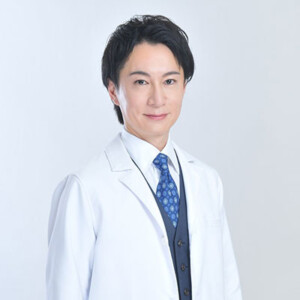
Within the clinic group, English-speaking consultations are handled at BIOTOPE CLINIC in Shirokanedai (Minato-ku, Tokyo) by Dr. Jun Karibe, a board-certified plastic surgeon certified by the Japan Society of Plastic and Reconstructive Surgery. Cyst excision (surgical removal) is among the procedures offered at BIOTOPE CLINIC. The group’s sister clinic, Kojimachi Dermatology & Plastic Surgery Clinic in Ichigaya (Chiyoda-ku), is the main office of the medical group and handles Japanese-language insurance-covered dermatology and plastic surgery. Bookings and enquiries in English: LINE or WhatsApp.
Frequently Asked Questions
- Q. Will the cyst grow back after removal?
- If the entire cyst sac is removed during surgery, the risk of recurrence is low. However, if the sac wall is left behind — even partially — the cyst can reform. This is why complete excision by an experienced surgeon is important, and why simple drainage is generally not considered a definitive treatment.
- Q. Is cyst removal painful?
- The procedure itself is performed under local anaesthesia, so you should not feel pain during excision. The anaesthetic injection causes a brief stinging sensation at the start. Post-operatively, mild soreness for two to five days is typical and is usually manageable with over-the-counter pain relief such as acetaminophen (paracetamol).
- Q. How long does the scar take to fade?
- Scars from cyst excision follow the normal wound-healing timeline: pink and slightly raised in the first one to three months, then gradually flattening and lightening over six to twelve months. In areas of the face, careful suturing and diligent sun protection can support a more discreet final appearance. For patients concerned about scar quality, Dr. Karibe can discuss adjunctive options at the time of consultation.
- Q. Can I get cyst removal covered by Japanese health insurance as a foreigner?
- Yes — if you are enrolled in Japan’s national health insurance (kokumin kenko hoken) or company-sponsored insurance (shakai hoken), the procedure may be covered under the standard 30% co-pay system at an insurance-registered clinic, provided it is deemed medically necessary. The group’s Japanese-language sister clinic, Kojimachi Dermatology & Plastic Surgery Clinic in Ichigaya, handles insurance-covered cases. BIOTOPE CLINIC operates on a self-pay basis for cyst excision consultations conducted in English.
- Q. How soon can I fly after cyst removal?
- For a small cyst removed without complication, most patients can fly within 48 to 72 hours, provided the wound is clean and healing appropriately. For larger excisions, it is advisable to allow seven to ten days before long-haul travel to allow suture sites to stabilise and to ensure any signs of post-operative concern can be assessed promptly. This is best discussed with your surgeon at the time of treatment.
Have a question about this treatment?
Message us on LINE or WhatsApp — our English-speaking team usually replies the same day.
Summary
Skin cyst removal is a well-established, minor surgical procedure that is typically completed in a single outpatient appointment under local anaesthesia. The key to a durable result — one that does not recur — is complete removal of the cyst sac rather than simple drainage. Recovery is generally straightforward, with most patients returning to normal activity within a few days.
Cost at a private clinic in Tokyo ranges broadly depending on cyst size and complexity, starting from approximately ¥20,000 for small lesions and increasing for larger or deeper cases. For English-speaking patients in Tokyo, a clear first step is to book a consultation at a clinic where the surgeon can assess the cyst directly, discuss technique, and provide a personalised cost estimate.
If you have questions about cyst removal, English-speaking consultations are handled at BIOTOPE CLINIC in Shirokanedai (Minato-ku, Tokyo) by Dr. Karibe. Our sister clinic Kojimachi Dermatology & Plastic Surgery Clinic in Ichigaya (Chiyoda-ku) handles Japanese-language insurance dermatology. English enquiries: LINE or WhatsApp.
24/7 Consultation & Booking
Book a Consultation or Treatment
Our English-speaking team responds via LINE or WhatsApp — usually the same day.
References
- Zuber TJ. Minimal excision technique for epidermoid (sebaceous) cysts. American Family Physician. 2002;65(7):1409–1412.
- Weir CB, St. Hilaire NJ. Epidermal inclusion cyst. In: StatPearls. StatPearls Publishing. 2023.
- Alam M, Ratner D. Cutaneous squamous-cell carcinoma and the management of skin lesions: guidelines for the management of basal cell carcinoma and cysts. New England Journal of Medicine. 2001;344(13):975–983.
- Dahl MV. Basic mechanisms of wound healing. Journal of Dermatology. 2005;32(2):88–94.
- Gandolfi L, Horimoto AR, Pratesi R. Epidemiological and clinical features of benign dermal cysts and their surgical management: a retrospective study. Journal of the European Academy of Dermatology and Venereology. 2018;32(4):615–621.
Related Articles
You may also find these articles useful.
- Mole Removal Tokyo: Cost and Procedure Guide
- Skin Clinic Tokyo for Foreigners: Finding English Support
- English Speaking Dermatologist Tokyo: First Visit Guide
- English Speaking Dermatologist Tokyo: Complete Guide
- English Speaking Plastic Surgeon Tokyo: Complete Guide
SUPERVISED BY
Dr. Jun Karibe
MD
Director
Education & Career
Certifications
Awards
MEDICAL REVIEW