Artmake vs Microblading vs Tattoo: What Is the Difference? A Tokyo Guide
If you are researching semi-permanent makeup in Tokyo, you have likely encountered three terms — artmake, microblading, and tattoo — sometimes used interchangeably, which can make an already confusing decision feel even more overwhelming.
Understanding precisely how these techniques differ matters enormously, because the choice affects how long your results last, how your skin heals, and whether the outcome can be adjusted over time.
This guide explains each method in plain language, compares them side by side, outlines realistic costs in the Tokyo market, and helps you decide which approach may suit your situation.
What you’ll learn in this article:
- The key technical differences between artmake, microblading, and conventional tattooing
- How artmake is performed and what results you can realistically expect
- Typical price ranges for artmake in Tokyo and what affects the cost
- Healing timelines, aftercare requirements, and common risks
- Who makes a good candidate and where English-speaking patients in Tokyo can consult
Have a question about this treatment?
Message us on LINE or WhatsApp — our English-speaking team usually replies the same day.
What Is Artmake — and How Does It Differ from Microblading and Tattoo?
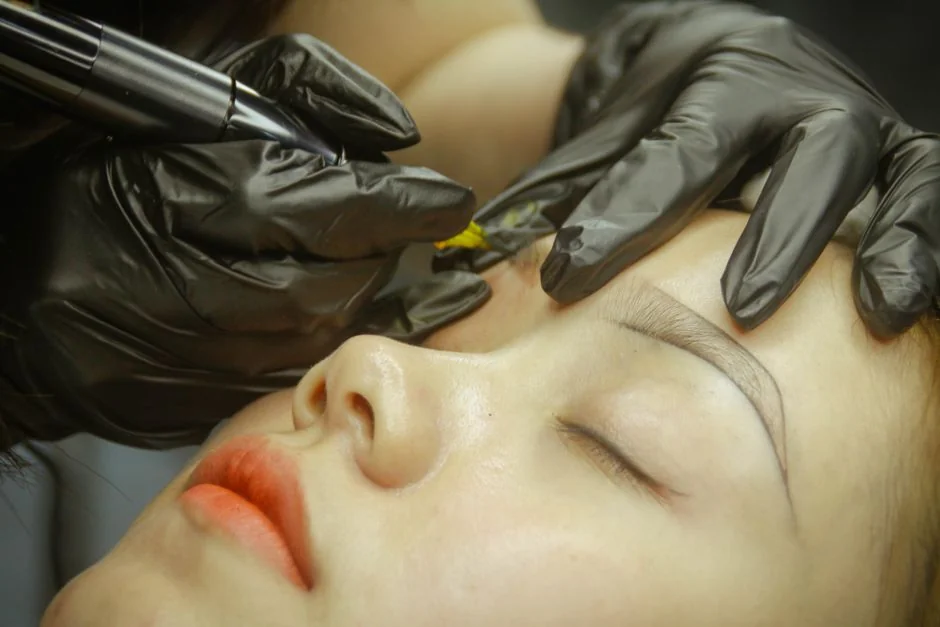
Artmake (アートメイク) is the Japanese term for cosmetic semi-permanent makeup applied by inserting pigment into the uppermost layer of the dermis — the skin just below the surface. Because the pigment is placed shallower than a conventional tattoo, the body gradually metabolises it over time, meaning the colour fades rather than remaining fixed indefinitely.
Microblading is one specific technique within the broader artmake/semi-permanent makeup category. It uses a handheld blade tool to create fine, hair-like incisions in the skin and deposit pigment into those cuts, primarily for eyebrows. In Japanese clinics, this technique is often referred to as 3D eyebrow artmake or hair-stroke artmake.
A conventional tattoo, by contrast, uses a machine to deposit ink deeper into the dermis, producing results that are generally considered permanent. Tattoo inks and pigments are also chemically distinct from artmake pigments; artmake pigments are typically formulated to fade predictably and are chosen for their safety profile on facial skin.
Common Misconceptions
Misconception 1: “Artmake is just a tattoo on your face.” This is understandable but inaccurate. While both involve inserting pigment beneath the skin, the depth, pigment chemistry, and longevity differ substantially. A conventional tattoo placed at facial depth would be extremely difficult — and expensive — to remove and would not fade naturally. Artmake is specifically designed for a shallower placement depth so that results evolve with your preferences and skin over time.
Misconception 2: “Artmake lasts forever, so one session is all I need.” In practice, most artmake fades noticeably within one to three years depending on skin type, sun exposure, and lifestyle. An initial course of two sessions is commonly recommended to allow for a touch-up once the skin has healed from the first application. Maintenance sessions are typically needed every one to two years thereafter.
Side-by-Side Comparison
| Feature | Artmake (clinic-based) | Microblading | Conventional Tattoo |
|---|---|---|---|
| Pigment depth | Upper dermis (shallow) | Upper dermis (shallow, manual blade) | Mid-to-deep dermis (machine needle) |
| Tool used | Electric device or manual, depending on technique | Handheld manual blade | Electric tattoo machine |
| Longevity | Approx. 1–3 years before significant fading | Approx. 1–2 years (fades faster on oily skin) | Many years; largely permanent |
| Adjustability | Can be adjusted or removed over time | Can be adjusted or removed, though scars possible if technique is poor | Very difficult and costly to remove |
| Pigment type | Artmake-specific, iron-oxide based | Semi-permanent pigment | Traditional tattoo ink |
| Typical areas | Eyebrows, lips, eyeliner, hairline, areola | Eyebrows primarily | Body and occasionally face/scalp |
| MRI safety | Modern pigments generally compatible; always disclose | Generally compatible; disclose to radiographer | Older inks may interfere; always disclose |
| Regulatory context (Japan) | Medical act; must be performed by licensed physician or under physician supervision | Same as artmake when performed in Japan | Performed by tattoo artists; separate regulatory framework |
How Artmake Works: The Procedure Step by Step
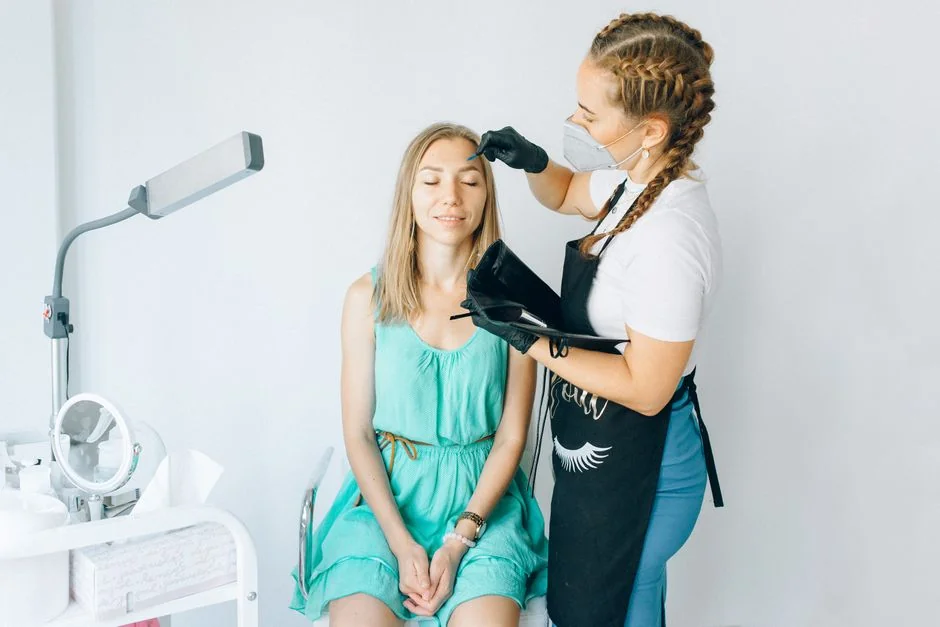
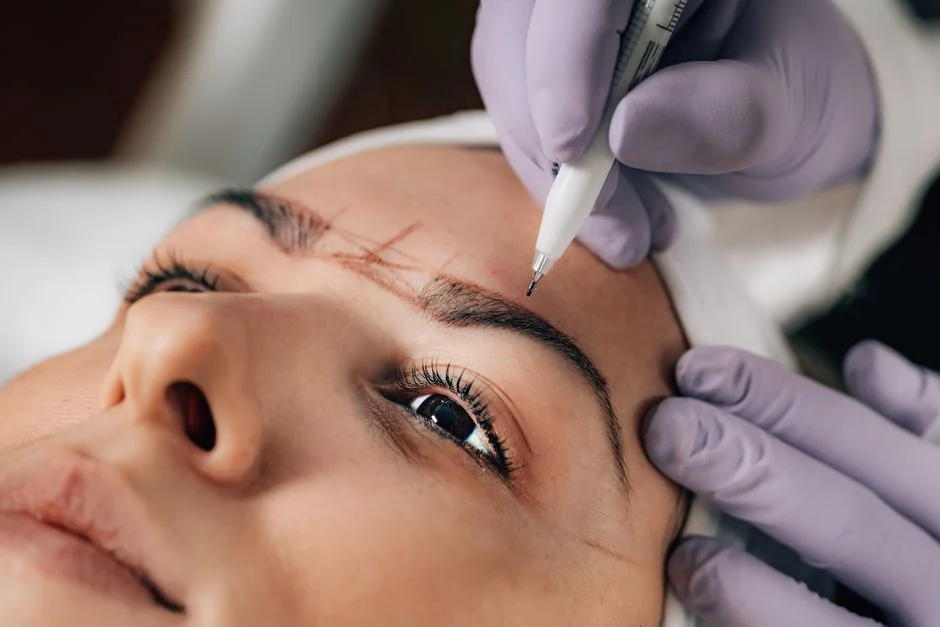
A reputable artmake procedure at a medical clinic in Japan begins with a design consultation, during which the practitioner discusses your desired shape, colour, and overall aesthetic goal. A topical anaesthetic cream is applied to the treatment area and left for 20 to 40 minutes before any pigment work begins, which helps manage discomfort.
The practitioner then uses a fine device — either a manual tool or a small electric handpiece, depending on the technique — to introduce pigment into the upper dermal layer in precise, controlled strokes or dots. For eyebrows, this may involve imitating individual hair strands (hair-stroke method) or applying shading (powder/ombre method) for a softer, filled-in appearance. Sessions typically last 60 to 120 minutes including preparation time.
After the initial session, the treated area heals over approximately seven to fourteen days. During this period, the colour appears darker than the intended final result before it lightens as the outermost skin sheds. A second session, usually scheduled four to six weeks after the first, allows the practitioner to assess the healed result and refine it — this two-session approach is the standard of care at established Tokyo clinics.
Dr. Karibe’s Note
A common question from our international patients at BIOTOPE CLINIC is whether artmake looks “natural” on non-Japanese skin tones and facial features. What I always explain is that pigment selection is just as important as technique — choosing a colour that complements your individual undertone is something we assess carefully at the design consultation.
Patients with lighter hair who prefer a defined brow often do very well with a hair-stroke approach, while those seeking a fuller look tend to favour the powder or combination method. The goal is always enhancement that looks intentional, not overdone.
Cost of Artmake in Tokyo: What to Expect
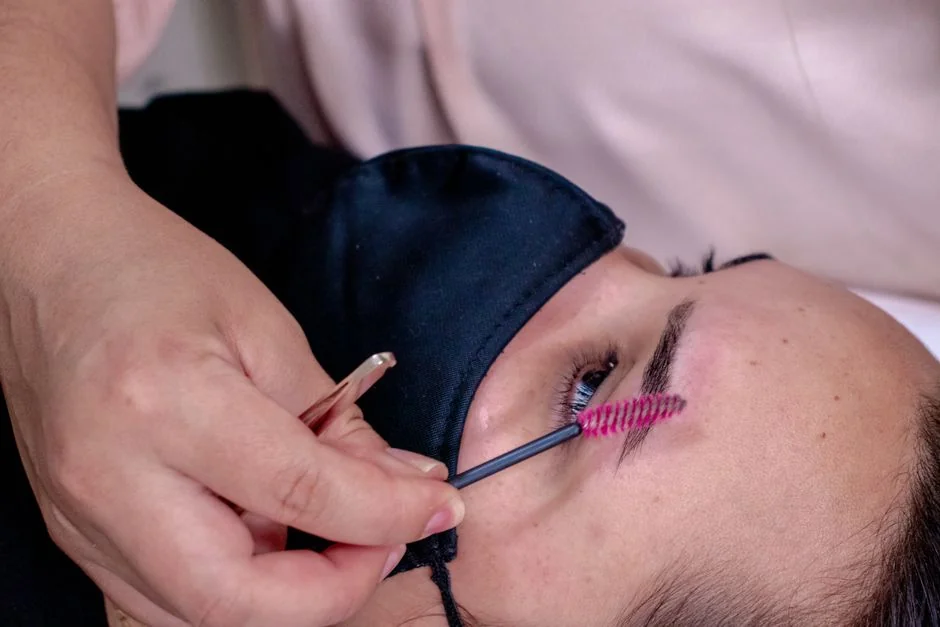
Artmake pricing in Tokyo varies according to the area being treated, the clinic’s level of physician oversight, and the technique involved. The following figures represent the typical range seen across established medical clinics in the city.
- Eyebrow artmake: In the Tokyo market, sessions are typically priced in the range of ¥60,000–¥150,000 per session. Two sessions are commonly recommended.
- Lip artmake (full lip): In the Tokyo market, sessions are typically priced in the range of ¥80,000–¥180,000 per session.
- Eyeliner artmake (upper): In the Tokyo market, sessions are typically priced in the range of ¥40,000–¥90,000; upper and lower combined, approximately ¥50,000–¥110,000.
- Hairline artmake: In the Tokyo market, sessions are typically priced in the range of ¥100,000–¥250,000 per session.
- Areola artmake (medical reconstruction): In the Tokyo market, sessions are typically priced in the range of ¥60,000–¥180,000 per session, often sought after mastectomy.
- Artmake removal (laser or saline method): In the Tokyo market, sessions are typically priced in the range of ¥30,000–¥80,000 per session; multiple sessions are usually required.
Prices for the initial course (typically two sessions) therefore represent a meaningful investment. Clinics charging at the lower end of these ranges are not necessarily inferior, but it is worth confirming the level of physician involvement, the pigment brands used, and what is included in any package price before booking.
For an accurate quote, we recommend booking a consultation with BIOTOPE CLINIC via LINE or WhatsApp.
Have a question about this treatment?
Message us on LINE or WhatsApp — our English-speaking team usually replies the same day.
Healing, Downtime, and Aftercare
What to Expect in the First Two Weeks
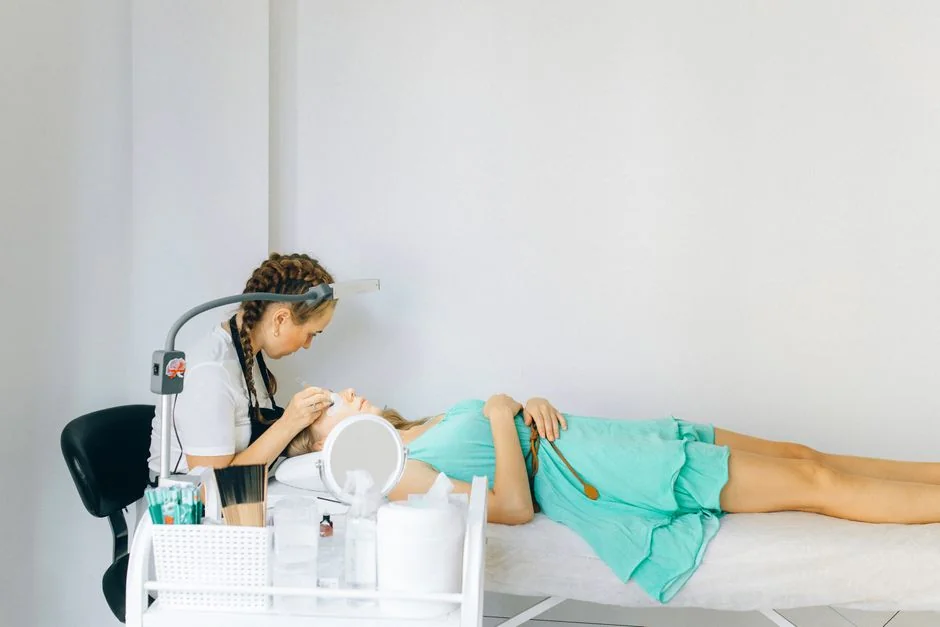
Immediately after the procedure, the treated area will appear darker and slightly swollen. This is a normal physiological response — the pigment looks more intense while the skin is freshly worked. Mild redness and minor swelling typically resolve within 24 to 72 hours.
Over the following seven to fourteen days, the surface skin undergoes a natural shedding process (sometimes described as peeling or flaking). During this phase it is important not to pick or rub the area, as doing so can displace pigment and create patchy healed results. The colour will lighten considerably once shedding is complete — this can alarm first-time patients who assume the pigment has disappeared, but it is part of the normal healing cycle.
Aftercare Guidelines
- Keep the treated area dry for the first few days; avoid swimming, saunas, and steam rooms for at least two weeks.
- Apply any prescribed healing ointment as directed by your practitioner.
- Use SPF sun protection on the healed area during the following months to slow pigment fading.
- Avoid retinol-based skincare products near the treated area, as these accelerate pigment breakdown.
- Attend the scheduled second session once healing is fully complete (typically at four to six weeks).
Risks and Considerations
While artmake performed in a medically supervised environment carries a relatively manageable risk profile, it is not without potential complications. These can include allergic reaction to pigments, infection if aftercare instructions are not followed, uneven pigment retention, or colour shifting over time (some pigments may develop a warm or cool tone as they fade).
Choosing a clinic where a licensed physician is involved in the procedure — as is required under Japanese law — significantly reduces these risks.
Individuals with a history of keloid scarring, active skin conditions in the treatment area, or those who are pregnant or breastfeeding are generally advised to defer treatment. A thorough consultation is the appropriate setting to discuss individual contraindications.
Who Is a Good Candidate for Artmake?
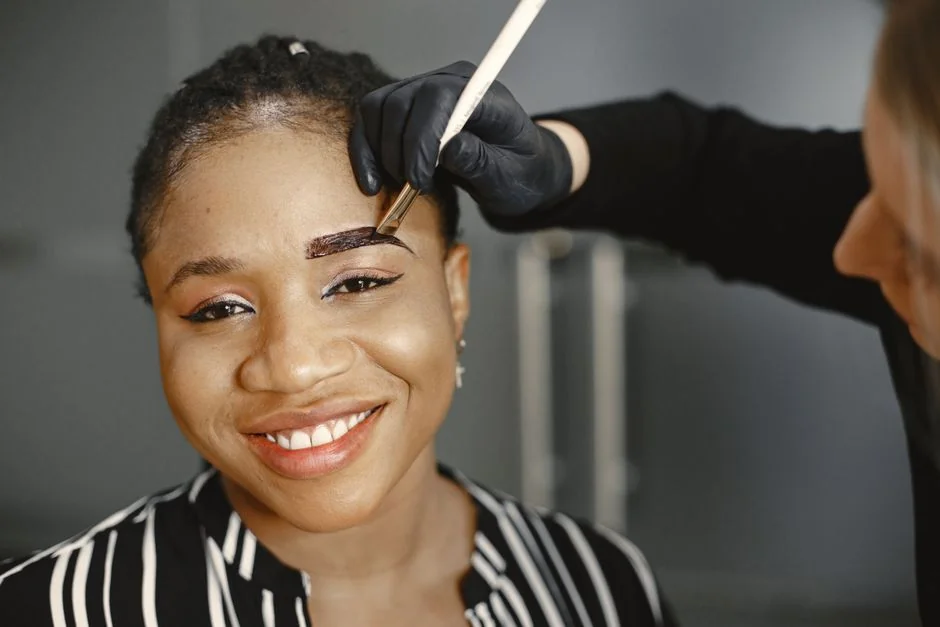
Artmake is well suited to individuals who wish to enhance or correct facial features — such as sparse or asymmetrical eyebrows, poorly defined lips, or thinning hairlines — in a way that reduces daily makeup time while maintaining a natural appearance. It is also an important option for people with alopecia, post-chemotherapy hair loss, or those who have undergone mastectomy and wish to reconstruct areola pigmentation.
Candidates should be in general good health, free of active skin infections in the treatment area, and hold realistic expectations about longevity and the two-session process. Skin type does influence outcomes: those with oilier skin tend to experience faster fading and may require more frequent maintenance. Darker skin tones require careful pigment selection to avoid colour mismatch, which is why an in-person consultation — rather than online booking alone — is strongly advisable.
Where to Get Artmake in Tokyo: BIOTOPE CLINIC (Our Sister Clinic)
Within the Kojimachi Clinic group, artmake is performed at BIOTOPE CLINIC in Shirokanedai (Minato-ku), directed by Dr. Jun Karibe, a board-certified plastic surgeon. Our English-speaking team covers both clinics and handles all English enquiries, making the process straightforward for expatriates, medical tourists, and overseas visitors.
Kojimachi Dermatology and Plastic Surgery Clinic, located in Ichigaya (Chiyoda-ku), is the group’s main clinic and offers a broad range of dermatological and plastic surgery services — but artmake consultations and procedures are conducted exclusively at BIOTOPE CLINIC in Shirokanedai. Patients are welcome to make initial contact with either clinic, and the team will direct enquiries appropriately.
Shirokanedai is conveniently accessible via the Tokyo Metro Nanboku Line and Toei Mita Line, placing it within easy reach of central Tokyo, Minato-ku residential areas, and many expatriate-heavy neighbourhoods including Azabu, Hiroo, and Daikanyama.
Frequently Asked Questions
- Q. Is artmake painful?
- Topical anaesthetic cream is applied before the procedure, which substantially reduces sensation for most patients. Some individuals describe a mild scratching feeling or pressure during application; others feel very little. Discomfort levels vary depending on the treatment area — the lip area, for example, tends to be more sensitive than the brow area — and on individual pain tolerance.
- Q. Can artmake be removed if I am unhappy with the result?
- Yes, artmake can be faded or removed using laser treatments or saline removal techniques, although this typically requires multiple sessions and carries its own cost and healing period. This is one reason why artmake is generally preferable to conventional tattooing for facial cosmetic use: the pigment is specifically formulated to respond to removal methods more readily than traditional tattoo ink. However, removal is never entirely guaranteed to be complete.
- Q. How long does artmake last?
- Most patients see meaningful fading within one to three years, though this depends significantly on skin type, sun exposure, skincare habits, and the specific area treated. Lip artmake tends to fade faster than eyebrow artmake. Maintenance sessions every one to two years are common for those who wish to sustain the result.
- Q. Is artmake safe if I need an MRI scan?
- Modern artmake pigments used in reputable Japanese clinics are typically iron-oxide based and are generally considered compatible with MRI scanning, though a very small number of patients may experience a mild warming sensation. It is important to inform your radiographer or hospital before any MRI procedure that you have had artmake. Your practitioner at BIOTOPE CLINIC can advise you on the specific pigments used.
- Q. Can artmake be performed on all skin tones and types?
- Artmake can be performed across a wide range of skin tones, but pigment selection must be tailored carefully to achieve a natural result on deeper or warmer skin tones. Oilier skin types may experience faster pigment fading and may benefit from more frequent maintenance. A thorough pre-procedure consultation is the appropriate setting to assess these factors individually.
Have a question about this treatment?
Message us on LINE or WhatsApp — our English-speaking team usually replies the same day.
Summary
Artmake, microblading, and conventional tattooing are related but meaningfully distinct approaches to depositing pigment into skin. For facial cosmetic enhancement in Tokyo, artmake at a medically supervised clinic offers the most balanced combination of natural-looking results, adjustability over time, and a regulated safety framework.
Microblading is one specific technique within artmake and is most commonly used for eyebrow definition. Conventional tattooing is generally not appropriate for cosmetic facial use due to its permanence and depth of ink placement.
Typical Tokyo market prices range from around ¥40,000 per session for eyeliner to ¥250,000 per session for hairline work, with most areas requiring two sessions in the initial course and periodic maintenance thereafter. Healing takes approximately two weeks, and proper aftercare is essential to achieving an even result.
For English-speaking patients in Tokyo, BIOTOPE CLINIC in Shirokanedai — part of the same clinic group as Kojimachi Dermatology and Plastic Surgery Clinic — offers artmake under the direction of Dr. Jun Karibe, with English-language support available throughout the process.
24/7 Consultation & Booking
Book a Consultation or Treatment
Our English-speaking team responds via LINE or WhatsApp — usually the same day.
References
- Bäumler W, Vasold R, Lundsgaard J, Talberg HJ. Tattoo pigments. In: Serup J, Kluger N, Bäumler W, eds. Tattooed Skin and Health. Karger; 2015.
- Kluger N, Koljonen V. Tattoos, inks, and cancer. The Lancet Oncology. 2012;13(4):e161–e168.
- Ortiz AE, Avram MM, Wanner MA. Laser tattoo removal: clinical considerations and review of evidence. Seminars in Cutaneous Medicine and Surgery. 2015;34(3):120–125.
- Goldberg DJ. Complications of cosmetic tattooing. In: Goldberg DJ, ed. Complications in Cutaneous Surgery. Springer; 2018.
- Ministry of Health, Labour and Welfare (Japan). Notification concerning the medical regulatory status of tattooing and cosmetic pigmentation procedures. MHLW; 2018.
Related Articles
You may also find these articles useful.
- Artmake for Foreigners in Tokyo: English-Speaking Clinic
- Artmake Pain, Safety & Side Effects for English Speakers
SUPERVISED BY
Dr. Jun Karibe
MD
Director
Education & Career
Certifications
Awards
MEDICAL REVIEW