What Is Artmake?
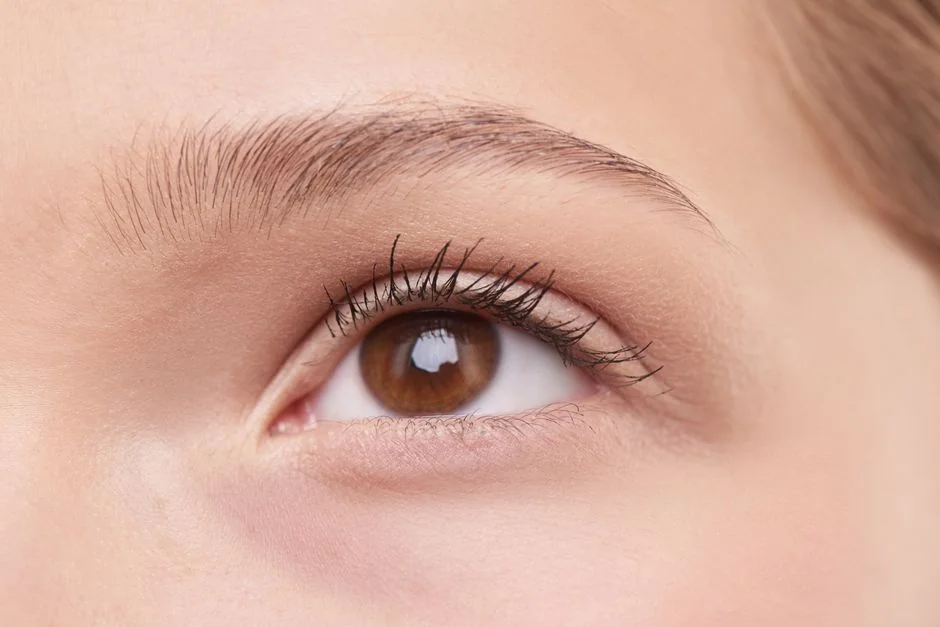
Artmake is a semi-permanent cosmetic procedure in which fine needles deposit pigment into the upper layers of the dermis — the second layer of skin, just below the surface. Because the pigment sits at a shallower depth than a conventional tattoo, the body’s natural renewal processes gradually break it down, and the results fade over one to three years depending on the treatment area, skin type, and aftercare adherence.
In Japan, artmake is legally classified as a medical act under the Medical Practitioners Act. It must be performed within a licensed medical institution, by or under the direct supervision of a physician. This legal requirement sets the Japanese market apart from countries where similar treatments are carried out in non-medical beauty salons.
Three main techniques are used for eyebrow artmake:
- Hair-stroke method — individual fine strokes that replicate the look of natural hairs, well suited to sparse or thinning brows
- Powder method — soft, diffused pigmentation resembling a gently filled-in brow or soft eyeshadow effect
- Combination method — hair strokes blended with shading for a more dimensional result
Sessions typically last 60 to 120 minutes, including design planning and topical anaesthetic preparation. Most patients require two sessions spaced four to eight weeks apart to achieve their best long-term result.
The Artmake Healing Timeline: Week by Week
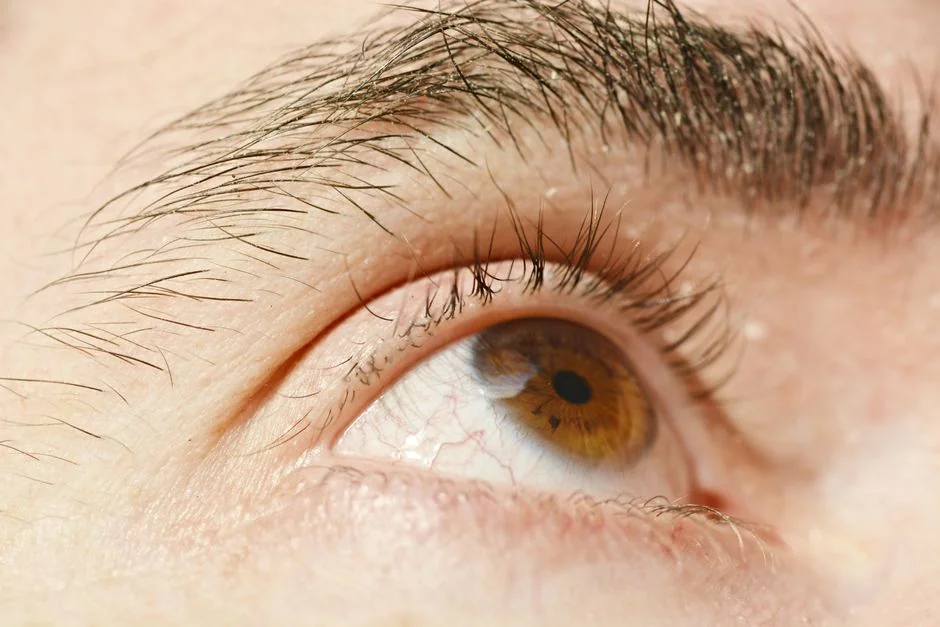
Pigment does not settle into its final appearance immediately. Understanding each phase reduces anxiety and helps you avoid intervening at the wrong moment.
Days 1–3: The Darkening Phase
The treated area appears noticeably darker and more defined than the intended healed result. Fresh pigment oxidises at the skin’s surface, and mild swelling and redness are normal. This intensity is not the final outcome — it will soften considerably over the following weeks.
Days 4–10: Scabbing and Flaking
Fine surface crusts and light flaking develop as the outer skin layer regenerates. Mild itching and tightness are typical. The most critical rule at this stage: do not pick, scratch, or rub the area. Premature removal of surface crusts can displace pigment and create permanently uneven patches. Allow flakes to fall away on their own.
Days 10–21: The Ghost Phase
As fresh skin forms over the pigment, the colour may appear very faint, patchy, or almost absent. This is normal and is widely referred to as the “ghost phase.” The pigment has not vanished — it sits beneath the newly regenerated skin and gradually becomes visible again as the layers settle and thin out.
Weeks 4–6: True Colour Emerges
By weeks four to six, the skin has fully regenerated and the settled colour becomes apparent. The healed shade is typically 30–40% lighter than the initial darkened appearance immediately after treatment. This is the appropriate time to attend a touch-up appointment to refine evenness and reinforce pigment density in any areas of lighter retention.
Full Healing: Six to Eight Weeks
Although surface healing resolves within the first two weeks, deeper tissue continues to stabilise. Full healing — with a restored skin barrier and stable pigment — takes approximately six to eight weeks. No laser treatments, chemical peels, or cosmetic procedures should be scheduled over the treated area before this point.
Aftercare Guide: What to Do and What to Avoid
What to Do in the First Two Weeks
- Cleanse the treated area two to three times daily with a fragrance-free, non-active cleanser. Pat dry gently — do not rub.
- Apply a thin layer of healing ointment (a fragrance-free petroleum-based balm) if recommended by your practitioner.
- Wear a wide-brimmed hat for outdoor shade. Do not apply sunscreen directly onto actively healing, broken skin.
- Attend your scheduled touch-up appointment four to eight weeks after treatment.
What to Avoid During Healing
The following activities and products can significantly reduce the amount of pigment your skin retains:
- Water immersion — swimming pools, the sea, and hot tubs introduce bacteria and chlorine to compromised skin. Avoid for a minimum of four to six weeks.
- Saunas and steam rooms — heat and sustained moisture soften surface crusts before pigment has settled. Avoid for at least two weeks.
- Intense exercise — heavy sweating has the same effect as steam on healing skin. Limit vigorous workouts for the first ten to fourteen days.
- Makeup on the treated area — cosmetic products applied to healing skin introduce bacteria and risk pulling off surface crusts. Avoid for at least ten days.
- Retinoids (retinol, tretinoin, Retin-A) — these accelerate cell turnover and can displace settling pigment. Avoid for at least two weeks post-procedure. Long-term regular use near healed artmake can also hasten fading.
- AHA and BHA chemical exfoliants (glycolic acid, lactic acid, salicylic acid) — increase cellular shedding and reduce pigment retention if used near the treated area during healing. Use with care around healed artmake thereafter.
- Direct sun exposure — UV radiation on healing skin can trigger post-inflammatory hyperpigmentation, and prolonged unprotected sun exposure contributes to gradual colour fading over time.
Long-Term Maintenance
After full healing, daily sun protection around treated areas and avoiding aggressive exfoliation directly over artmake are the two most effective habits for extending colour longevity. Touch-up sessions — typically required every one to three years depending on the area and individual factors — restore definition as pigment naturally fades.
Common Misconceptions About Artmake
Misconception 1: The colour visible immediately after treatment is the final result
Patients frequently contact their practitioner in the first few days concerned that the artmake is far too dark or too defined. Because freshly implanted pigment oxidises at the surface before scabbing occurs, the appearance at days one to three is reliably darker than what will remain at six weeks. Planning social commitments with a four-to-six-week settling period in mind is strongly recommended.
Misconception 2: Artmake is permanent, just like a tattoo
Artmake and conventional tattooing both introduce pigment into the skin, but the depth of implantation differs substantially. Artmake targets the upper dermis; tattoo ink is deposited deeper. Because pigment in the upper dermis is more accessible to the body’s regenerative processes, artmake fades progressively over one to three years. Conventional tattoos are designed to last many years to decades. In Japan, this distinction is also a legal one: artmake is a medical act performed only in physician-supervised settings, while tattooing is non-medical.
| Feature | Artmake | Microblading | Conventional Tattoo |
|---|---|---|---|
| Tool | Medical needle device | Manual hand blade | Tattoo machine |
| Pigment depth | Upper dermis | Upper dermis | Deeper dermis |
| Longevity | 1–3 years | 1–2 years | Many years to decades |
| Japan legal classification | Medical act — physician required | Medical act — physician required | Non-medical — tattoo studio |
| Visible surface healing | 7–14 days | 7–14 days | 2–4 weeks |
| Full healing | 6–8 weeks | 4–6 weeks | Several months |
| Suitable areas | Brows, eyes, lips, hairline | Primarily eyebrows | Varies; not medically supervised |
Cost of Artmake in Tokyo
Artmake pricing in Tokyo varies by treatment area, technique, and clinic. Based on publicly available market information, indicative per-session ranges are:
- Eyebrow artmake: approximately ¥60,000–¥150,000 per session
- Lip artmake: approximately ¥80,000–¥180,000 per session
- Upper eyeliner artmake: approximately ¥40,000–¥90,000 per session
- Hairline artmake: approximately ¥100,000–¥250,000 per session
Most patients require two sessions to achieve their best long-term result, so the total investment is typically around double the per-session figure above. Artmake is not covered by Japan’s national health insurance scheme and is paid for entirely out of pocket. Pricing at individual clinics may fall outside these ranges. For current pricing at BIOTOPE CLINIC, please see the clinic’s official price page or contact the English-speaking team via LINE or WhatsApp for a personalised quote.
Have a question about this treatment?
Message us on LINE or WhatsApp — our English-speaking team usually replies the same day.
Getting Artmake in Tokyo: BIOTOPE CLINIC
Who Is a Good Candidate?
Most healthy adults seeking to enhance or define facial features are appropriate candidates. Artmake is particularly well suited to those with naturally sparse or asymmetrical brows, alopecia-related hair loss affecting facial features, or clients looking to simplify their daily makeup routine. A thorough pre-treatment consultation — covering skin type, current skincare products, and any medications — is essential before proceeding.
Artmake is generally not recommended for individuals who are pregnant or breastfeeding, are undergoing active chemotherapy or immunosuppressive therapy, have a documented history of keloid scarring at the proposed treatment site, or are currently using oral isotretinoin. Those taking blood-thinning medications should discuss this with the supervising physician before booking.
BIOTOPE CLINIC in Shirokanedai
Within our clinic group, artmake is performed at BIOTOPE CLINIC in Shirokanedai (Minato-ku, Tokyo), directed by Dr. Jun Karibe, a board-certified plastic surgeon. Our English-speaking team covers both clinics and handles all English enquiries. The Kojimachi Dermatology & Plastic Surgery Clinic in Ichigaya (Chiyoda-ku) is the main clinic of the group; artmake services are available at the Shirokanedai location only.
BIOTOPE CLINIC is located approximately one minute on foot from Shirokanedai Station (Exit 1), making it accessible from central Tokyo and the broader Minato-ku area. Consultations are conducted in English, and personalised design planning takes place before any treatment begins.
Frequently Asked Questions
- Q. How long does artmake take to heal completely?
- The surface layer — where scabbing and flaking are visible — typically resolves within seven to fourteen days. Full healing of the deeper tissue, with stable pigment and a restored skin barrier, takes approximately six to eight weeks. The true healed colour, which settles at roughly 30–40% lighter than the initial dark appearance, becomes visible around weeks four to six.
- Q. Can I wear makeup over the treated area during healing?
- Applying cosmetic products directly onto the healing area is not advisable during the first ten to fourteen days. Makeup can introduce bacteria to compromised skin and may dislodge surface crusts before pigment has fully set. After visible surface healing is complete, makeup can be gradually reintroduced around — rather than directly over — the treated zone.
- Q. Why does the colour almost disappear a few weeks after treatment?
- This temporary fading, often called the “ghost phase,” occurs when a fresh layer of skin regenerates over the settling pigment. The colour appears very light or absent for one to two weeks before gradually returning as the skin finishes regenerating. It is a normal stage of healing and does not mean the artmake has failed.
- Q. How often will I need touch-up sessions?
- A first touch-up four to eight weeks after the initial session is standard and allows the practitioner to refine any areas of uneven pigment retention. For long-term maintenance, most patients return every one to three years depending on the treatment area, skin type, lifestyle, and how diligently aftercare recommendations are followed.
- Q. Can I use retinol or acids near my artmake once it is healed?
- After full healing at six to eight weeks, normal skincare can generally resume. However, regular use of retinoids, glycolic acid, salicylic acid, and similar cell-turnover-accelerating ingredients applied directly over artmake areas can gradually shorten the lifespan of the pigment. It is advisable to apply these products carefully, avoiding direct contact with treated zones, and to discuss any high-potency skincare regimens with your practitioner.
Have a question about this treatment?
Message us on LINE or WhatsApp — our English-speaking team usually replies the same day.
Summary
Artmake is a physician-supervised semi-permanent procedure that follows a predictable healing arc: initial darkening in the first three days, scabbing and flaking through day ten, a temporary ghost phase lasting one to two weeks, and full colour settlement by weeks four to six. The single most important aftercare principle is to leave the healing skin undisturbed — no picking, no active skincare ingredients, no water immersion, and minimal sun exposure — during those critical first two weeks. Long-term, physical sun protection and avoiding aggressive exfoliation near treated areas are the most effective ways to extend results. For English-speaking patients researching physician-supervised artmake in Tokyo, BIOTOPE CLINIC in Shirokanedai (Minato-ku) — part of the same clinic group as Kojimachi Dermatology & Plastic Surgery Clinic — offers artmake consultations in English through a shared English-speaking intake team.
24/7 Consultation & Booking
Book a Consultation or Treatment
Our English-speaking team responds via LINE or WhatsApp — usually the same day.
References
- PMU Culture. “The Ultimate Guide to the Healing Process for Permanent Makeup.” PMU Culture Blog. 2024.
- Body & Brows by Ana. “Permanent Makeup Healing Stages: What to Expect Week by Week.” Body & Brows by Ana Blog. 2024.
- Kojimachi Dermatology & Plastic Surgery Clinic. “Artmake vs Microblading vs Tattoo: Tokyo Guide.” Kojihifu.com English Section. 2024.
- Kojimachi Dermatology & Plastic Surgery Clinic. “Eyebrow Artmake Tokyo: Cost, Procedure & Clinic Guide.” Kojihifu.com English Section. 2024.
- Le Kitsuné. “Is Your Skincare Routine Safe for Microblading & Permanent Makeup?” Le Kitsuné Little Magazine. 2024.
Related Articles
You may also find these articles useful.
- Eyebrow Artmake Tokyo: Cost, Procedure & Clinic Guide
- Lip Artmake Tokyo: Color Choice, Healing & Results Guide
- Eyeliner Artmake Tokyo: Safety, Technique & Expected Results
- Artmake Pain, Safety & Side Effects Guide
- Artmake vs Microblading vs Tattoo: Differences in Tokyo
SUPERVISED BY
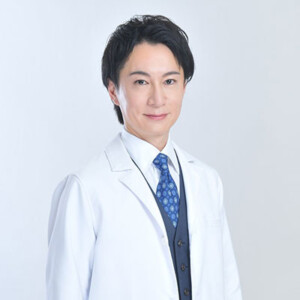
Dr. Jun Karibe
MD
Director
Education & Career
Certifications
Awards
MEDICAL REVIEW