Ptosis Correction Surgery in Tokyo: A Guide to Droopy Eyelid Treatment
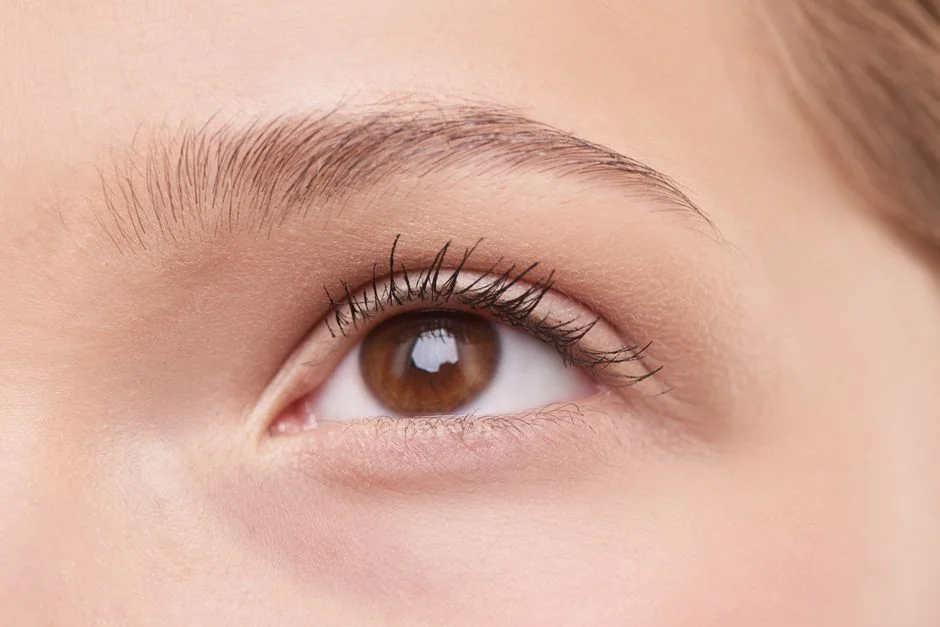
If your upper eyelids feel heavy by the afternoon, if you catch yourself raising your eyebrows to see clearly, or if photographs suggest one eye looks smaller than the other, you may be dealing with ptosis (pronounced “TOH-sis”) — a drooping upper eyelid.
It is a common and treatable condition, but it is often mistaken for simple tiredness or ageing skin, and the wrong treatment can leave the underlying problem untouched.
This guide explains what ptosis correction surgery actually repairs, how the main surgical techniques differ, what recovery realistically looks like, and how the cost works in Tokyo under both insurance and self-pay routes.
What you’ll learn in this article:
- What ptosis is, and how it differs from excess eyelid skin (dermatochalasis)
- How levator advancement, Müller’s muscle procedures and fascia slings work
- Realistic results, recovery timeline and downtime
- How ptosis surgery is priced in Tokyo — insurance-covered versus self-pay
- Who is a good candidate, and two things people commonly get wrong
Have a question about this treatment?
Message us on LINE or WhatsApp — our English-speaking team usually replies the same day.
What Is Ptosis (Droopy Eyelid)?
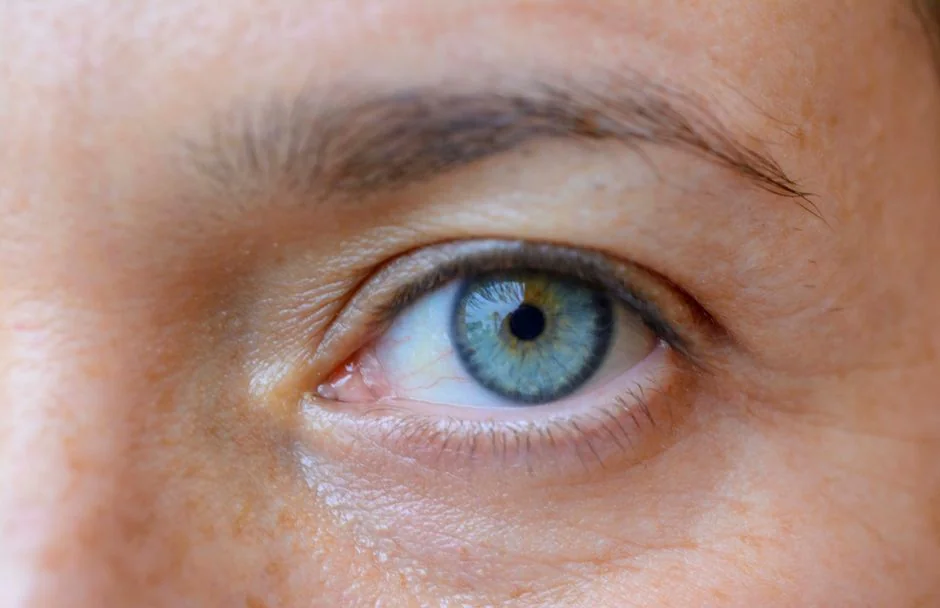
Ptosis means the upper eyelid margin sits lower than it should, partially covering the pupil. The problem lies in the lifting mechanism of the eyelid — chiefly the levator palpebrae superioris muscle and its tendon-like extension, the levator aponeurosis — not in the skin itself.
Doctors usually grade severity using the marginal reflex distance (MRD-1): the gap in millimetres between the centre of the pupil and the upper eyelid margin when you look straight ahead. A reduced MRD-1 indicates the eyelid is sitting low; levator function (how far the eyelid travels from downgaze to upgaze) helps determine which technique is appropriate.
Congenital versus acquired ptosis
Congenital ptosis is present from birth and usually reflects an underdeveloped levator muscle. In children it needs assessment by an eye specialist, because a lid covering the pupil can interfere with visual development.
Acquired ptosis is far more common in adults. The usual mechanism is aponeurotic: the levator aponeurosis stretches or detaches from the tarsal plate, so the muscle still works but its pull no longer transmits fully to the lid.
Long-term contact lens wear is a recognised contributor. A Japanese case-control study by Kitazawa reported a markedly increased likelihood of acquired blepharoptosis among hard contact lens wearers compared with non-wearers (odds ratio 19.9; 95% CI 6.32–62.9), with 90.2% of the ptosis group reporting hard lens use. The study was small (51 patients, 38 controls), so the figure should be read as a strong signal rather than a precise risk estimate.
Ptosis is not the same as heavy eyelid skin
Dermatochalasis — redundant upper eyelid skin that folds over the lash line — can look identical in the mirror but is a separate problem. Some patients have both, and only an examination can separate them. Getting this distinction right determines whether skin removal, muscle repair, or a combination is appropriate.
How Ptosis Correction Surgery Works
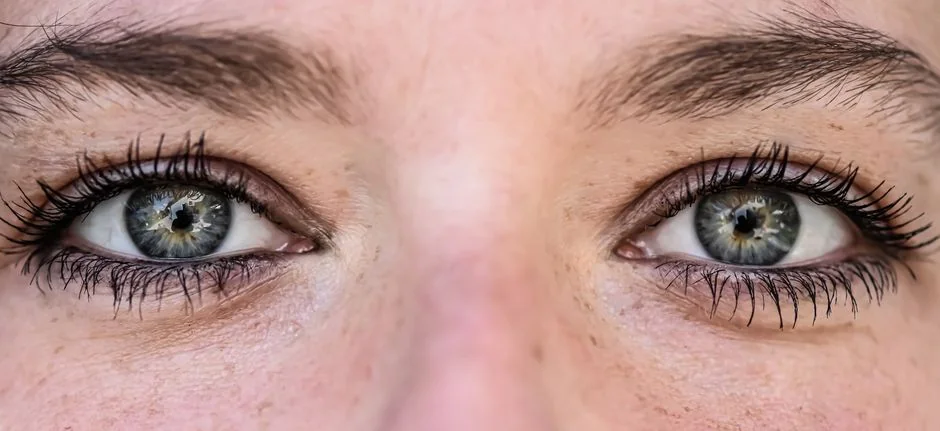
The aim of surgery is to restore the connection between the eyelid-lifting muscle and the eyelid, so the lid opens with less effort. Most adult procedures are performed under local anaesthesia, and many surgeons ask the patient to open and close the eyes during the operation to check height and symmetry.
Levator aponeurosis advancement
This is the standard approach for acquired ptosis with reasonable levator function. Through an incision placed in the natural upper eyelid crease, the surgeon identifies the loosened or detached aponeurosis and re-secures it to the tarsal plate, restoring tension. Excess skin can be addressed in the same operation when needed.
Published series report meaningful eyelid height gains. In a study of 450 patients (810 eyelids) undergoing levator aponeurosis posterior layer plication for mild to moderate ptosis, mean MRD-1 improved from 1.7 ± 0.5 mm before surgery to 3.7 ± 0.4 mm at six months, with 94.9% reaching the target height and symmetry and 5.1% requiring revision.
Müller’s muscle approaches
For mild ptosis with good levator function, some surgeons use a posterior (inside-the-lid) technique such as Müller’s muscle conjunctival resection, which shortens a small smooth muscle that also contributes to lid elevation. Clinical reports indicate this can be quicker to perform, though it suits a narrower range of cases.
Fascia sling for weak levator function
When the levator muscle has little or no lifting power — typical of severe congenital ptosis — advancement will not help. Instead, the eyelid is connected to the forehead (frontalis) muscle using a strip of fascia, either the patient’s own thigh fascia or a synthetic equivalent, so the brow does the lifting.
Technique comparison
| Technique | Typical candidate | Access | Notes from published data |
|---|---|---|---|
| Levator aponeurosis advancement | Acquired (age- or contact-lens-related) ptosis with good levator function | Skin incision in the eyelid crease | Mean operating time 44.9 ± 8.6 min in one comparative series; success 72.2% of eyes in that small cohort, 94.9% of patients in a larger plication series |
| Müller’s muscle conjunctival resection | Mild ptosis, good levator function | Inside the eyelid (no skin incision) | Mean operating time 20.4 ± 3.9 min; success 91.7% of eyes; no over-correction recorded in that series |
| Fascia graft / frontalis sling | Severe or congenital ptosis with poor levator function | Eyelid and brow incisions, plus donor site if using own fascia | Lifting is driven by the forehead muscle rather than the levator |
The comparative figures above come from a single study of 82 eyes, so they indicate tendencies rather than a definitive ranking. Technique selection depends on your levator function, lid height, skin redundancy and eye surface health.
Expected Results, Recovery and Downtime
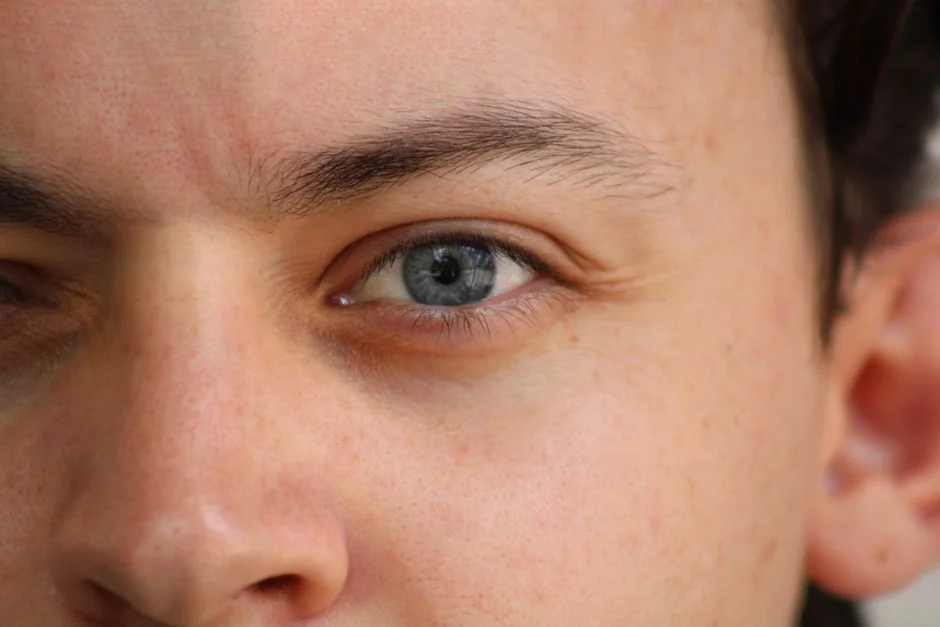
Most patients notice a wider, more even eye opening and less reliance on the forehead to lift the lids. Because the eyebrow often relaxes downward once the eyelid works properly, the brow position and forehead lines can change appearance too — something worth discussing before surgery.
A realistic recovery timeline, based on the guidance our group publishes for this procedure:
- Swelling and bruising: approximately 7 to 14 days
- Suture removal: from about 7 days after surgery
- Make-up: around the eyes only after sutures are removed
- Contact lenses: not usable for a period after surgery — confirm timing with your surgeon
- Scar maturation: the incision line stays reddish for roughly one month, then fades to a fine pale line over about two to three months
Final eyelid height typically settles over weeks to months as swelling resolves. Perfect symmetry cannot be promised in any eyelid operation — the two sides rarely start out identical — and a proportion of patients elect a minor adjustment later.
Possible risks include over- or under-correction, asymmetry, temporary difficulty closing the eyes fully, dry eye symptoms, visible scarring, bleeding and infection. These should be reviewed individually at consultation.
Cost of Ptosis Correction Surgery in Tokyo

There are two distinct routes in Japan, and they are priced completely differently.
Insurance-covered (functional) surgery
When ptosis causes a genuine functional problem — obstructed upper visual field, eye strain, chronic forehead compensation — treatment falls under Japan’s national health insurance. The national fee schedule (FY2024 revision) lists code K219 for blepharoptosis surgery at 7,200 points for levator advancement, 18,530 points for the fascia graft method, and 6,070 points for other methods. One point equals ¥10 nationwide, and most insured patients pay 30% of the total, plus separate charges for consultation, tests and follow-up.
Note: this route requires enrolment in Japanese public health insurance. Visitors and medical tourists without it pay privately. Within our group, insurance-based dermatology and ptosis assessment in Japanese is handled at Kojimachi Dermatology & Plastic Surgery Clinic in Ichigaya, which states on its own site that ptosis is an insurance-applicable treatment.
Self-pay (cosmetic) surgery
Where the motivation is primarily aesthetic — eyelid shape, crease design, symmetry — surgery is self-pay and priced per procedure. Our group’s published cosmetic price list, effective 1 October 2023, lists ptosis correction (眼瞼下垂症) at ¥418,000, with an initial or follow-up consultation fee of ¥3,300. Prices are subject to revision, so please see the clinic’s official price page or contact us for a current quote.
Ptosis correction is available at Kojimachi Dermatology&Plastic Surgery Clinic or BIOTOPE CLINIC in Shirokanedai — feel free to ask about it during a consultation with Dr. Karibe, including whether your case is likely to qualify as functional or cosmetic.
For an accurate quote, please book a consultation.
Have a question about this treatment?
Message us on LINE or WhatsApp — our English-speaking team usually replies the same day.
Who Is a Good Candidate — and Who Should Wait
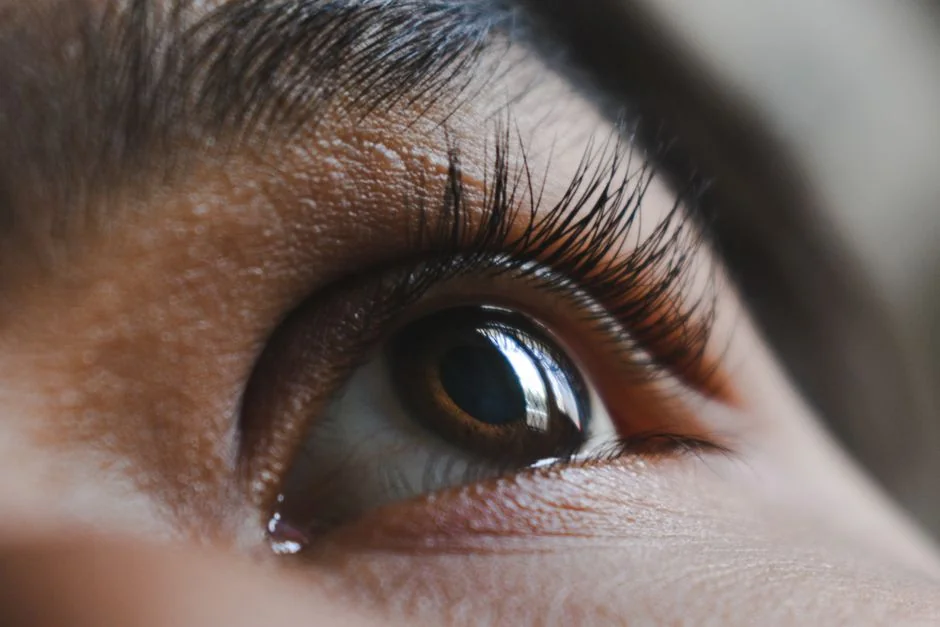
You may be a reasonable candidate if you have a measurably low eyelid margin, adequate levator function, stable general health, realistic expectations, and symptoms such as visual field obstruction, brow ache or afternoon eyelid heaviness.
Surgery should be delayed or reconsidered if you have significant untreated dry eye or ocular surface disease, an active eye infection or inflammation, poorly controlled bleeding tendency or uncontrolled systemic illness, or a neuromuscular cause that has not yet been investigated. Ptosis that appeared suddenly, fluctuates through the day, or comes with double vision or pupil changes needs medical assessment before any cosmetic discussion — these patterns can point to conditions such as myasthenia gravis or a nerve problem.
At BIOTOPE CLINIC in Shirokanedai, we frequently see patients who have been managing the problem unconsciously for years — lifting the brows, tilting the chin up to read, or assuming the change was simply ageing skin. A structured examination is what separates those explanations.
What People Often Get Wrong
“Double eyelid surgery will fix my droopy eyelid”
Suture-method double eyelid surgery creates or refines a crease; it does not reattach a stretched levator aponeurosis. If true ptosis is present, a crease procedure alone can leave the lid still sitting low — and sometimes makes the height difference more noticeable. Double eyelid surgery (suture method) and transconjunctival blepharoplasty are both offered at BIOTOPE CLINIC, but the first step is establishing which structure is actually responsible.
“There are eye drops for this now, so I can skip surgery”
A prescription eye drop for acquired ptosis does now exist in Japan: oxymetazoline hydrochloride 0.1% (Upneeq Mini ophthalmic solution) received Japanese manufacturing and marketing approval on 22 December 2025 and was launched on 15 May 2026. It works by stimulating alpha-adrenergic receptors so that Müller’s muscle contracts and lifts the upper lid.
Two points are commonly missed. First, the manufacturer states the product is being sold without listing on Japan’s drug pricing standard, so it is not eligible for public health insurance reimbursement — it is a self-pay medication. Second, it is a once-daily drop acting on muscle tone, not a structural repair of a detached aponeurosis, so it addresses a different situation from surgery. Whether it is appropriate for you is a question for a doctor who has examined your eyes.
Where to Get Ptosis Correction in Tokyo
Within our clinic group, English-speaking consultations are handled at BIOTOPE CLINIC in Shirokanedai (Minato-ku, Tokyo) by Dr. Jun Karibe. Our sister clinic Kojimachi Dermatology & Plastic Surgery Clinic in Ichigaya handles Japanese-language insurance dermatology. Bookings and enquiries in English: LINE or WhatsApp.
Both clinics belong to the same medical group and are directed by Dr. Karibe, a plastic surgeon certified by the Japan Society of Plastic and Reconstructive Surgery. For English-speaking patients, BIOTOPE in Shirokanedai is the location to book.
Frequently Asked Questions
- Q. How long does ptosis surgery take, and will I be asleep?
- Adult ptosis correction is usually performed under local anaesthesia so the surgeon can check eyelid height while you open and close your eyes. One comparative study recorded mean operating times of about 45 minutes for levator advancement and about 20 minutes for a Müller’s muscle procedure, excluding preparation.
- Q. Can I have surgery if I wear contact lenses?
- Yes, but lenses must be paused for a period after surgery, and long-term hard lens wear is itself associated with acquired ptosis. Bring your lens history to the consultation, as it often explains why the problem developed earlier than expected.
- Q. Will my health insurance cover it if I am not Japanese?
- Coverage depends on enrolment in Japanese public health insurance, not nationality — residents enrolled in the system may qualify if the ptosis is functional. Short-term visitors and medical tourists are treated on a self-pay basis.
- Q. How soon can I return to work?
- Swelling and bruising generally last about 7 to 14 days, and sutures come out from around day 7. Many patients plan roughly one to two weeks before public-facing commitments.
Have a question about this treatment?
Message us on LINE or WhatsApp — our English-speaking team usually replies the same day.
Summary
Ptosis is a mechanical problem with the eyelid-lifting apparatus, and it is distinct from loose eyelid skin. Levator aponeurosis advancement is the mainstay for acquired ptosis with good muscle function, while Müller’s muscle procedures suit selected mild cases and fascia slings are reserved for weak levator function.
Published series report substantial eyelid height improvement with revision rates in the single digits to low teens, so results are generally reliable but not guaranteed, and minor adjustments are part of the landscape. In Tokyo, cost depends entirely on whether the case is treated as functional (insurance, subject to enrolment) or cosmetic (self-pay).
If you have questions about ptosis correction surgery, English-speaking consultations are handled at BIOTOPE CLINIC in Shirokanedai (Minato-ku, Tokyo) by Dr. Karibe. Our sister clinic Kojimachi Dermatology & Plastic Surgery Clinic in Ichigaya (Chiyoda-ku) handles Japanese-language insurance dermatology. English enquiries: LINE or WhatsApp.
24/7 Consultation & Booking
Book a Consultation or Treatment
Our English-speaking team responds via LINE or WhatsApp — usually the same day.
References
- Kitazawa T. Hard contact lens wear and the risk of acquired blepharoptosis: a case-control study. Eplasty. 2013;13:e30.
- Pan E, Chen WL, Zhang SC, Chen Y, Yu JG. Mild to moderate blepharoptosis correction: outcomes of levator aponeurosis posterior layer plication. Medicine (Baltimore). 2020;99(12):e19038.
- Arslan N, Bahar A, Acar M, Kosker M, Kabatas N, Gurdal C. The results of Muller muscle conjunctival resection versus levator advancement for mild to moderate ptosis. Romanian Journal of Ophthalmology. 2023;67(2):128–133.
- Ministry of Health, Labour and Welfare (Japan). Medical Fee Schedule for Medical Care (Ika Shinryo Hoshu Tensuhyo), item K219 Blepharoptosis Surgery, FY2024 (Reiwa 6) revision.
- Santen Pharmaceutical Co., Ltd. Announcement of the launch of Upneeq Mini Ophthalmic Solution 0.1% for acquired blepharoptosis. Company news release. 1 April 2026.
Related Articles
You may also find these articles useful.
- Under Eye Bags Surgery Tokyo: Transconjunctival Blepharoplasty
- Under Eye Dark Circles Treatment Tokyo: Injections vs Surgery
- English Speaking Plastic Surgeon Tokyo: Complete Guide
- Xerf for Eye Area and Forehead Tokyo: Results
- Under Eye Filler Tokyo: Risks, Benefits & Costs
SUPERVISED BY

Dr. Jun Karibe
MD
Director
Education & Career
Certifications
Awards