Fat Dissolving for Belly in Tokyo: What Results Can You Realistically Expect?
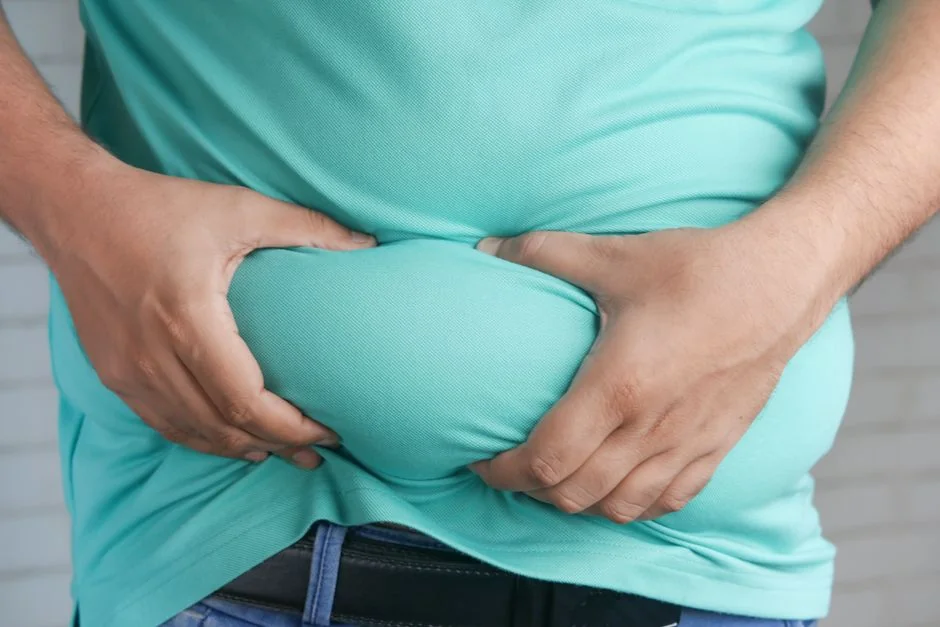
Stubborn abdominal fat is one of the most common aesthetic concerns among both men and women, and it can persist even with consistent diet and exercise. If you are considering a non-surgical fat reduction option in Tokyo, fat dissolving injections may be worth exploring — but understanding what they can and cannot achieve is essential before booking anything.
This guide explains how fat dissolving injections work on the abdomen, what clinical evidence suggests about outcomes, how much they typically cost in Tokyo, and whether you are likely to be a suitable candidate.
What you’ll learn in this article:
- How fat dissolving injections break down abdominal fat at a cellular level
- Realistic results — timelines, reduction percentages, and limitations
- Cost of fat dissolving treatments in Tokyo
- What to expect before, during, and after treatment
- Who is a suitable candidate and who should avoid the procedure
Have a question about this treatment?
Message us on LINE or WhatsApp — our English-speaking team usually replies the same day.
What Are Fat Dissolving Injections?
Fat dissolving injections — sometimes called lipolytic injections or by brand names such as PCDC formulations — are non-surgical treatments that use a solution of phosphatidylcholine and deoxycholic acid (PC/DC) to chemically disrupt fat cell membranes. Once the cell membrane is compromised, the stored triglycerides (fat molecules) are released and gradually cleared from the body through the lymphatic system and liver.
Deoxycholic acid is a naturally occurring bile acid that the body already uses to help absorb dietary fat in the digestive system. When injected directly into localised fat deposits, it causes targeted fat cell destruction — a process called adipocytolysis. The surrounding connective tissue, muscle, and blood vessels are largely unaffected when the product is injected correctly by a trained physician.
These injections are used on multiple areas of the body, but the abdomen — particularly the lower belly and love handles — is among the most frequently treated zones in clinical practice. They are best understood as a contouring tool rather than a weight-loss intervention.
How Fat Dissolving Works on the Abdomen
The injection process
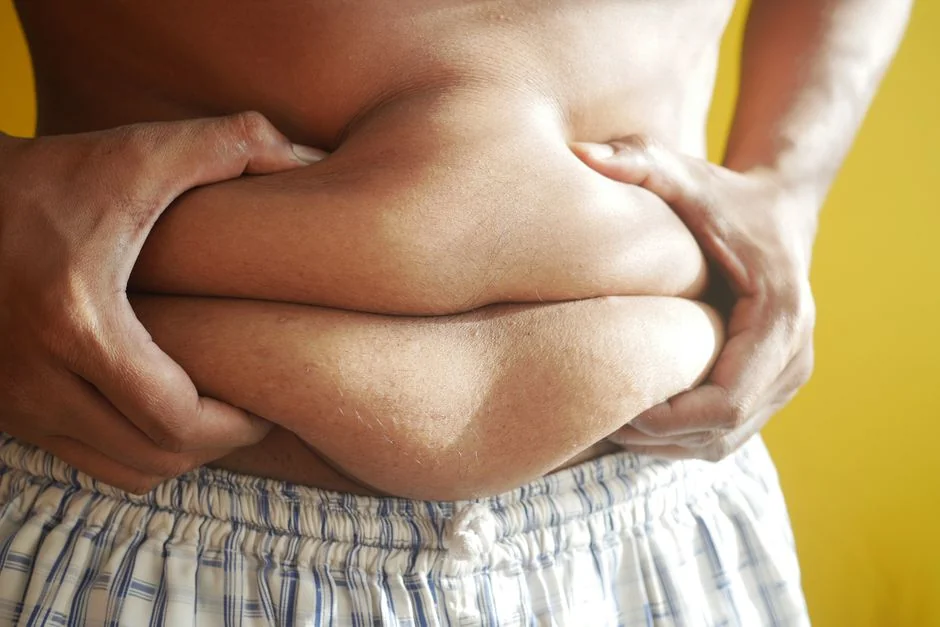
A physician maps out the treatment zone and makes a series of small injections spaced approximately 1–2 cm apart across the target area. Each session typically involves anywhere from 20 to 50 injection points on the abdomen, depending on the size of the area being treated.
A topical anaesthetic cream is applied beforehand to reduce discomfort.
The solution disperses through the subcutaneous fat layer — the fat that sits directly beneath the skin but above the abdominal muscles. It is important to note that fat dissolving injections do not reach visceral fat, which is the deeper fat surrounding the internal organs.
Visceral fat can only be reduced through lifestyle changes.
What happens in the tissue over time
In the days following injection, an inflammatory response occurs in the treated fat layer. This is expected and is part of the process: immune cells called macrophages travel to the site and begin clearing the debris from disrupted fat cells. The visible result — a reduction in the thickness of the subcutaneous fat layer — typically becomes apparent over four to eight weeks as the cellular material is gradually metabolised and eliminated.
Most practitioners recommend a course of two to four sessions, spaced four to six weeks apart, to achieve noticeable contouring of the abdominal area.
Expected Results: What the Evidence Suggests
Measurable fat reduction
Clinical reports indicate that a single course of PC/DC injections can reduce subcutaneous fat layer thickness by approximately 20–30% in the treated zone, as measured by ultrasound imaging. A study published in the Journal of Drugs in Dermatology found that patients completing multiple sessions of deoxycholic acid-based treatment reported statistically significant reductions in fat thickness alongside improvements in skin firmness scores.
Results vary considerably between individuals. Factors that influence outcomes include the starting thickness of the fat layer, the patient’s metabolic rate, the number of sessions completed, and adherence to a stable body weight during and after treatment.
Realistic expectations for belly treatment specifically
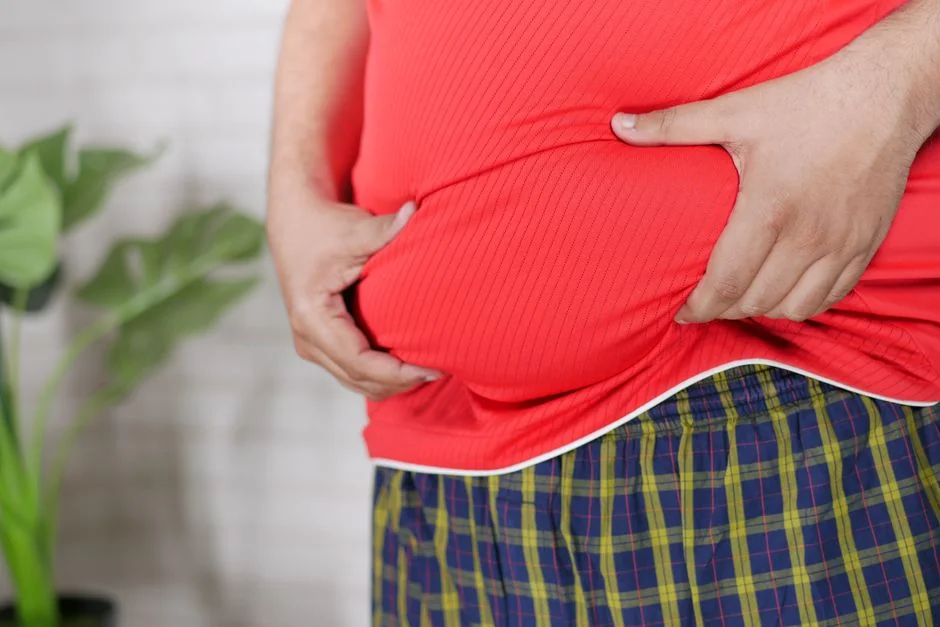
The abdomen is a larger surface area than, for example, the submental (chin) region — the area for which deoxycholic acid treatments are most extensively studied. Multiple sessions are generally required to treat the full abdominal area, and results are typically described as a “smoothing” and “softening” of the lower belly contour rather than a dramatic volume removal.
Studies suggest that treated fat cells do not regenerate, meaning that results in the treated zones can be long-lasting provided body weight remains stable. However, remaining untreated fat cells in adjacent areas can still expand with weight gain, which is why maintaining a healthy lifestyle after treatment is encouraged.
Dr. Karibe’s Note
Many of our international patients arrive expecting fat dissolving injections to replace liposuction in terms of volume reduction — and this is an important distinction to clarify early.
In my clinical experience at BIOTOPE CLINIC, patients who are realistic about the contouring effect — a flatter, smoother lower abdomen — tend to be the most satisfied with their outcomes. For patients seeking more significant fat volume removal, a surgical consultation about liposuction may be more appropriate, and I am happy to discuss both options in detail during a consultation.
What People Often Get Wrong About Fat Dissolving for the Belly
Misconception 1: “It works the same as liposuction, just without surgery”
This is one of the most common misunderstandings. Liposuction physically removes fat cells from the body in a single procedure and can address larger volumes of fat with more predictable, dramatic results. Fat dissolving injections work gradually through a biological process and are better suited to mild-to-moderate subcutaneous fat reduction and refining contours. They are complementary tools, not interchangeable ones.
Misconception 2: “Swelling after the injection means the treatment isn’t working”
The opposite is closer to the truth. Swelling, firmness, and localised heat in the treated area in the days following injection are normal inflammatory responses that indicate the lipolytic process has been triggered. This post-treatment swelling can temporarily make the abdomen appear larger before the fat clearance begins. Patients who are not forewarned sometimes worry unnecessarily — or worse, conclude that treatment has failed when it has not.
Cost of Fat Dissolving Injections in Tokyo
At BIOTOPE CLINIC in Shirokanedai, fat dissolving injections are available as part of the cosmetic injectable menu. Pricing is determined by the size of the treatment area and the number of sessions required, and costs should be confirmed at consultation.
As a general reference for the Tokyo cosmetic clinic market, a single session of fat dissolving injections for the abdomen typically ranges from approximately ¥30,000 to ¥80,000 per session at established medical clinics, with full treatment courses (two to four sessions) ranging from ¥80,000 to ¥250,000 or more depending on the extent of the area treated.
For patients interested in complementary treatments, BIOTOPE CLINIC also offers HIFU (High Intensity Focused Ultrasound) for skin tightening and body contouring, priced from ¥25,000 to ¥110,000. HIFU is sometimes considered alongside fat dissolving injections for patients who also wish to address skin laxity in the abdominal area. This is a treatment available at BIOTOPE CLINIC in Shirokanedai — feel free to ask about it during a consultation with Dr. Karibe.
An initial consultation at BIOTOPE CLINIC is ¥3,300. A surgical consultation with Dr. Karibe (for patients exploring liposuction as an alternative) is ¥2,200. For an accurate quote, we recommend booking a consultation.
Have a question about this treatment?
Message us on LINE or WhatsApp — our English-speaking team usually replies the same day.
What to Expect: Before, During, and After
Before treatment
A physician consultation is required to assess the treatment area, confirm suitability, and establish realistic goals. Patients are generally advised to avoid blood-thinning medications and supplements (such as aspirin, ibuprofen, fish oil, and vitamin E) for approximately one week prior to treatment to reduce bruising risk. Photographs of the treatment area are typically taken for clinical comparison.
During the session
After topical anaesthetic is applied and takes effect (usually 30–45 minutes), the treating physician marks out the injection grid on the skin. The injection session itself typically takes 20 to 40 minutes for the abdominal area. Most patients describe a mild stinging or burning sensation that subsides quickly after each injection.
After treatment and recovery
Swelling, redness, firmness, and bruising in the treated area are expected and can persist for approximately one to two weeks. Some patients experience a deeper aching sensation in the days following treatment. Vigorous exercise and heat exposure (saunas, hot baths) are typically avoided for three to five days. Most patients are comfortable returning to desk-based work the day after treatment, though the visible swelling may take longer to resolve.
In Dr. Karibe’s clinical experience at BIOTOPE CLINIC, patients who photograph their abdomen at baseline and again at weeks four and eight tend to have a more accurate perception of their progress, since gradual fat reduction can be difficult to notice without comparison images.
Fat Dissolving vs. Liposuction: A Quick Comparison
| Factor | Fat Dissolving Injections | Liposuction |
|---|---|---|
| Method | Chemical adipocytolysis via injection | Surgical removal of fat via cannula |
| Anaesthesia | Topical cream only | Local or general anaesthesia required |
| Volume of fat addressed | Mild to moderate subcutaneous fat | Moderate to significant volume removal |
| Sessions required | 2–4 sessions typically | Single surgical procedure |
| Downtime | 1–3 days social downtime; swelling 1–2 weeks | 1–2 weeks recovery; compression garment required |
| Results timeline | Gradual, over 4–8 weeks per session | Visible within weeks; final result at 3–6 months |
| Approximate cost (Tokyo) | ¥80,000–¥250,000 per course | From ¥280,000 per area (BIOTOPE price reference) |
| Suitable for skin laxity | Limited; HIFU may be added | Depends on skin elasticity; surgeon assessment required |
Who Is a Good Candidate?
Fat dissolving injections for the abdomen tend to produce the best results in individuals who are at or near their healthy body weight but have localised, pinchable subcutaneous fat deposits on the lower belly or flanks that do not respond to diet and exercise. Ideal candidates have reasonably good skin elasticity, realistic expectations about the degree of contouring achievable, and are committed to completing the recommended course of sessions.
The treatment is generally suitable for both men and women. It is not a treatment for obesity or significant excess weight, and it does not address diastasis recti (separation of the abdominal muscles) or excess skin, which may be concerns for post-pregnancy patients.
Who should avoid or defer treatment
Fat dissolving injections are not recommended for individuals who are pregnant or breastfeeding, those with active infections or inflammation in the treatment area, or patients with known hypersensitivity to any component of the injectable solution. Patients with significant skin laxity in the abdominal area should be assessed carefully, as reducing the underlying fat volume without addressing the overlying skin may not produce an aesthetically satisfying result. A thorough physician consultation will clarify individual suitability.
Where to Get Fat Dissolving for the Belly in Tokyo (English-Speaking Consultation)
Within our clinic group, English-speaking consultations are handled at BIOTOPE CLINIC in Shirokanedai (Minato-ku, Tokyo) by Dr. Jun Karibe. Our sister clinic, Kojimachi Dermatology and Plastic Surgery Clinic in Ichigaya (Chiyoda-ku), is the group’s main office and handles Japanese-language insurance-covered dermatology. Bookings and enquiries in English: LINE or WhatsApp.
BIOTOPE CLINIC’s team is experienced in working with international patients — expatriates, medical tourists, and visitors to Tokyo — and the full consultation, treatment planning, and follow-up process can be conducted in English.
Frequently Asked Questions
- Q. How many sessions will I need for my belly?
- The number of sessions varies depending on the size of the area and the thickness of the fat layer. Most patients require two to four sessions spaced four to six weeks apart to achieve a noticeable contouring effect. A physician will assess your specific anatomy and provide a personalised treatment plan at consultation.
- Q. Will the fat come back after treatment?
- Treated fat cells are destroyed and do not regenerate, so the reduction in those specific cells is considered permanent. However, if body weight increases significantly after treatment, remaining fat cells — in the treated zone or elsewhere — can still enlarge. Maintaining a stable weight after treatment helps preserve results.
- Q. Is the swelling after treatment normal, and how long does it last?
- Yes, swelling is an expected part of the inflammatory process that drives fat cell clearance. It typically peaks within the first two to three days and largely resolves within one to two weeks, though some patients experience firmness for a little longer. The treated area may temporarily appear larger before results become visible.
- Q. Can fat dissolving injections tighten loose skin on the belly as well?
- Fat dissolving injections primarily target the subcutaneous fat layer and do not directly tighten the overlying skin. For patients with skin laxity concerns, complementary treatments such as HIFU or RF-based devices may be discussed during a consultation. Patients with more significant loose skin may require a different approach altogether.
- Q. Is the procedure painful?
- A topical anaesthetic cream is applied before treatment to minimise discomfort. During the injections, patients typically experience a mild stinging or burning sensation. Some tenderness, aching, and swelling in the days following treatment are common and expected side effects.
Have a question about this treatment?
Message us on LINE or WhatsApp — our English-speaking team usually replies the same day.
Summary
Fat dissolving injections are a non-surgical option for reducing localised subcutaneous fat on the abdomen. Clinical evidence suggests they can achieve meaningful reductions in fat layer thickness over a course of two to four sessions, with long-lasting results in treated areas when body weight remains stable. They are best understood as a body contouring tool suited to mild-to-moderate fat deposits, not a replacement for surgical fat removal.
Understanding the realistic scope of results — gradual, progressive contouring rather than dramatic volume reduction — is key to a satisfying experience. A thorough consultation with a qualified physician is the appropriate starting point to determine whether fat dissolving injections, liposuction, or a combination approach is best suited to your individual anatomy and goals.
If you have questions about fat dissolving for the belly, English-speaking consultations are handled at BIOTOPE CLINIC in Shirokanedai (Minato-ku, Tokyo) by Dr. Karibe. Our sister clinic Kojimachi Dermatology and Plastic Surgery Clinic in Ichigaya (Chiyoda-ku) handles Japanese-language insurance dermatology. English enquiries: LINE or WhatsApp.
24/7 Consultation & Booking
Book a Consultation or Treatment
Our English-speaking team responds via LINE or WhatsApp — usually the same day.
References
- Rotunda AM, Kolodney MS. Mesotherapy and phosphatidylcholine injections: historical clarification and review. Dermatologic Surgery. 2006.
- Thuangtong R, Bentow JJ, Knopp K, et al. Tissue-selective effects of injected deoxycholate. Dermatologic Surgery. 2010.
- Ascher B, Hoffmann K, Walker P, et al. Efficacy, patient-reported outcomes and safety profile of ATX-101 (deoxycholic acid) for the reduction of unwanted submental fat. Journal of the European Academy of Dermatology and Venereology. 2014.
- Duncan DI. Deoxycholic acid and phosphatidylcholine constituent of an injectable used for localized fat dissolution. Plastic and Reconstructive Surgery — Global Open. 2016.
- Yagima Odo ME, Cucé LC, Odo LM, Natrielli A. Action of sodium deoxycholate on subcutaneous human tissue: local and systemic effects. Dermatologic Surgery. 2007.
Related Articles
You may also find these articles useful.
- Liposuction Tightening Abdomen ,Thighs Tokyo Results using
- Liposuction with Skin Tightening: Recovery and Downtime
- Liposuction Skin Tightening Cost Tokyo 2026
- Liposuction Tightening Tokyo: Long-Term Results Beyond One Year
- English Speaking Plastic Surgeon Tokyo: Complete Guide
SUPERVISED BY
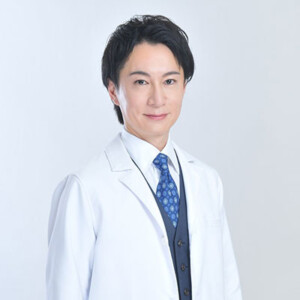
Dr. Jun Karibe
MD
Director
Education & Career
Certifications
Awards
MEDICAL REVIEW