How Long Does Hyaluronidase Take to Dissolve HA Filler?

If you are unhappy with a Hyaluronic acid (HA) filler result — a lump in the lips, an over-filled tear trough, or a cheek that looks heavier than you wanted — the first question is almost always about time. Waiting weeks for a correction while going to work or meeting clients is genuinely stressful, and the internet gives wildly inconsistent answers.
The short answer: hyaluronidase begins breaking down HA filler within minutes to about an hour, most of the visible change happens within the first 24 hours, and the final result settles over roughly one to two weeks. How fast depends heavily on which filler was used.
What you’ll learn in this article:
- The realistic hour-by-hour and day-by-day dissolution timeline, and why it varies
- Why some fillers need far more hyaluronidase than others, with figures from recent studies
- Current cost at our clinic group in Tokyo, plus downtime and aftercare
- Two common misconceptions that lead people to expect the wrong result
- Who is a good candidate, and who should avoid the treatment
Have a question about this treatment?
Message us on LINE or WhatsApp — our English-speaking team usually replies the same day.
What Is Hyaluronidase and How Does It Work?
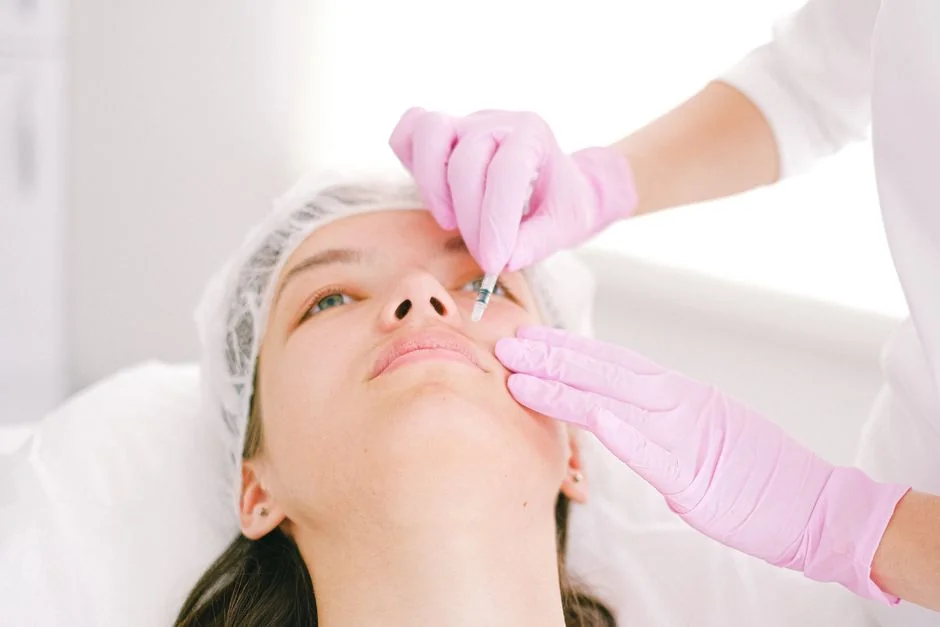
Hyaluronidase is an enzyme that cuts the long chains of hyaluronic acid into small fragments. Those fragments are then cleared by the body’s normal metabolic pathways, which is why the filler does not need to be physically extracted.
Injectable HA fillers are chemically cross-linked — the HA chains are tied together to make a gel that resists breakdown. Hyaluronidase works by getting into the spaces within that gel and cleaving the chains from the inside out, so anything that slows the enzyme’s access to the gel also slows the result.
It is worth understanding the regulatory picture. In the United States, the FDA-approved indications for recombinant human hyaluronidase (Hylenex, prescribing information revised November 2024) are subcutaneous fluid administration, increasing the dispersion and absorption of other injected drugs, and subcutaneous urography — dissolving cosmetic filler is not among them.
Using it to reverse filler is therefore an off-label application internationally, supported by a substantial published clinical literature rather than by a label indication. Approval status in Japan is separate from US approval and from insurance coverage; ask your physician which product is being used and on what basis before you consent.
The Dissolution Timeline, Hour by Hour
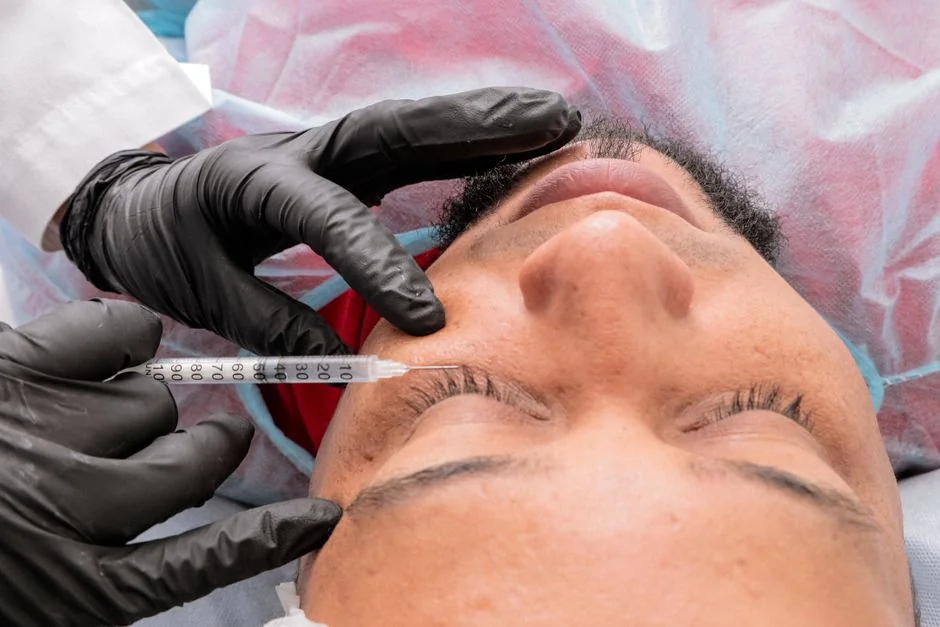
The first 5 minutes to 1 hour
A 2025 review in Plastic and Reconstructive Surgery Global Open describes a clear split by filler architecture. With biphasic fillers (particle-type gels with looser spaces between particles), diluted hyaluronidase integrates with the filler “almost immediately, often within approximately 5 minutes.”
Monophasic fillers — smooth, more heavily cross-linked gels — behave differently. The same review notes it takes approximately an hour after injection before the solution begins permeating the gel’s tighter internal spaces.
1 to 24 hours
This is where most of the visible change happens. Clinical reports indicate biphasic filler masses can dissolve almost completely within 1–2 hours, whereas for monophasic gels the process “can extend up to 24 hours, depending on the specific type.”
An in vitro study of 22 commercially available HA fillers published in Ophthalmic Plastic and Reconstructive Surgery in 2025 photographed the gels at 15 minutes, 30 minutes, 1, 2, 3 and 6 hours, which reflects how the enzyme’s effect unfolds over hours rather than seconds.
Days 2 to 14
Enzymatic degradation continues well past the first day. An experimental study published in Aesthetic Surgery Journal Open Forum in 2025 measured degradation at 1, 6, 24 and 48 hours and found it still increasing at the 48-hour mark.
Clinically, the tissue also has to settle. Guidance from the Cleveland Clinic states that some results are visible immediately but “it can take up to two weeks to see the full results,” and recommends waiting at least 14 days before re-injecting filler.
| Filler type | Enzyme starts acting | Bulk of visible change | Typical sessions |
|---|---|---|---|
| Biphasic (particle-type gels) | Around 5 minutes | 1–2 hours | Often 1 |
| Monophasic (smooth cohesive gels) | Around 1 hour | Up to 24 hours | 1–2 |
| Highly cross-linked volumising gels | Around 1 hour, slower penetration | 24 hours, with further settling over 1–2 weeks | Frequently more than 1 |
What People Often Get Wrong About Dissolving Filler
Misconception 1: “One injection removes everything”
Fillers differ enormously in how much enzyme they need. In the 22-filler in vitro study, the least resistant products (Restylane-L and Restylane Lyft) dissolved with as little as 2.5 units per 0.2 mL aliquot, while the most resistant (including RHA 2, 3 and 4, Belotero Volume and Juvéderm Volux) required 120 units or more — a range of 2.5 to 140 units across the panel.
Reviews of clinical practice suggest roughly 600–750 units of hyaluronidase per millilitre of filler for elective dissolution, and the Cleveland Clinic notes that lip filler can usually be dissolved in one to two visits, with larger volumes or nodules sometimes needing more. In Dr. Karibe’s clinical experience at BIOTOPE CLINIC, patients who do not know which product was originally injected — common when the filler was placed abroad — are the ones most likely to need a second session.
Misconception 2: “It only touches the filler”
Hyaluronidase is not selective. It also degrades the hyaluronic acid naturally present in your tissue, which is why the treated area can temporarily look flatter, finer-lined or slightly hollow before it recovers. The FDA prescribing information for recombinant hyaluronidase notes that restoration of the tissue’s normal permeability barrier is incomplete at 24 hours and complete at 48 hours, which gives a sense of how transient the effect on native tissue is.
Cost in Tokyo
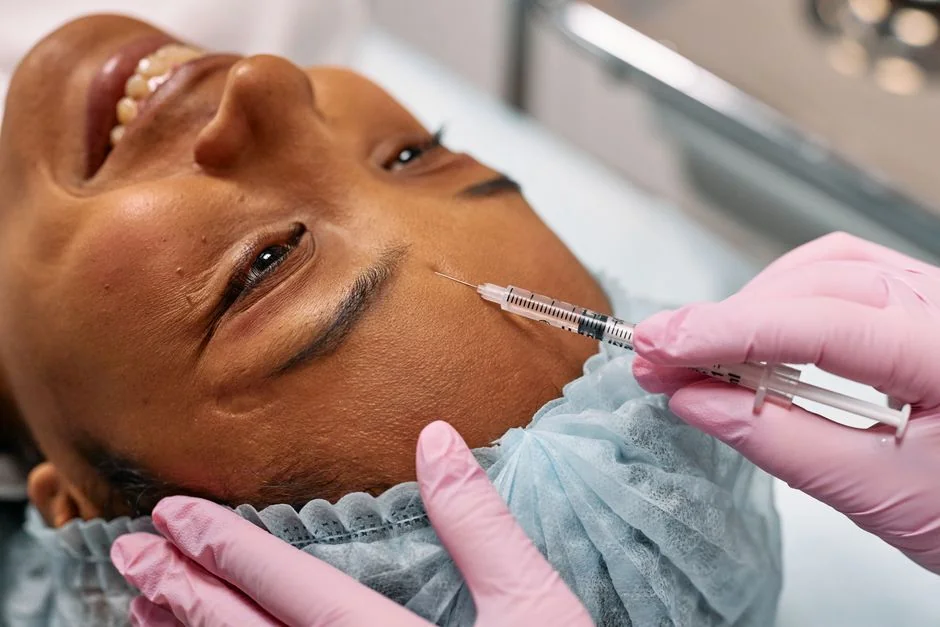
Our clinic group publishes a single tax-inclusive price list covering both locations (effective 1 October 2023).
Hyaluronidase is listed at 11,000 yen per 0.1 mL for filler originally injected at our clinics, and 22,000 yen per 0.1 mL for filler injected elsewhere — the higher figure reflects the additional assessment involved when the product and injection depth are unknown.
Consultation is listed at 3,300 yen (initial or follow-up), with an additional 2,200 yen for a cosmetic surgery consultation specifically with Dr. Karibe. Anaesthesia, pre-treatment blood work and medications are charged separately. Because the total depends on how much filler is present and how resistant it proves to be, please see the clinic’s official price page for current figures. For an accurate quote, please book a consultation.
Have a question about this treatment?
Message us on LINE or WhatsApp — our English-speaking team usually replies the same day.
What to Expect: Downtime, Candidacy and Aftercare

On the day
The injection itself is brief — the Cleveland Clinic describes a lip-filler dissolution appointment as taking roughly 10 to 15 minutes. Most patients return to normal activity the same day.
Expect swelling, tenderness, redness and possible bruising. Reported recovery for dissolving lip filler is minor bruising and swelling lasting up to about a week, so it is sensible to leave a clear week before a wedding, a photoshoot or an important presentation.
Who is a good candidate
Good candidates include people with over-filled or asymmetric results, palpable lumps or nodules, filler migration, Tyndall effect (a bluish-grey tint from HA placed too superficially), and those needing correction before a planned revision. Hyaluronidase is also the emergency treatment for vascular occlusion, where filler compromises blood supply — published protocols describe high-dose pulsed regimens of 450–1500 units repeated approximately every 30–60 minutes, which is why any sudden blanching, severe pain or visual change after filler must be treated as urgent.
Who should avoid it
Hyaluronidase is contraindicated in anyone with known hypersensitivity to hyaluronidase or the product’s excipients. Severe allergic reactions including anaphylaxis have been reported, though rarely, so tell your physician about any history of bee or wasp sting reactions and about all allergies. It also cannot reverse non-HA fillers such as calcium hydroxylapatite, poly-L-lactic acid or permanent silicone — a firm lump does not automatically mean HA.
Where to Get Filler Dissolution in Tokyo
Within our clinic group, both BIOTOPE CLINIC (Shirokanedai, Minato-ku) and Kojimachi Dermatology & Plastic Surgery Clinic (Ichigaya, Chiyoda-ku) offer English-language consultation with Dr. Jun Karibe’s team. Hyaluronidase for dissolving HA filler is handled at BIOTOPE CLINIC in Shirokanedai, where Dr. Karibe personally consults. Bookings and enquiries in English: LINE or WhatsApp.
The two clinics are sister sites under the same medical group. Kojimachi focuses on insurance-covered general dermatology and general plastic surgery; BIOTOPE covers cosmetic dermatology, injectables and men’s health. If you plan to re-treat after dissolution, hyaluronic acid filler and Botox are both available at BIOTOPE CLINIC in Shirokanedai — feel free to ask about the right interval during your consultation.
Frequently Asked Questions
- Q. Will I see a difference the same day?
- Usually yes, at least partially — biphasic fillers can dissolve substantially within 1–2 hours. However, swelling from the injection can mask the change, so judge the result after a few days rather than in the mirror on the way home.
- Q. How soon can I have new filler injected?
- Guidance commonly cited is a minimum of 14 days, so that dissolution is complete and the tissue has settled. Many Japanese practitioners prefer two weeks to a month, particularly after larger-volume dissolution.
- Q. Can hyaluronidase dissolve filler injected years ago?
- Yes, if the product was hyaluronic acid — HA remains susceptible to the enzyme regardless of how long it has been in place. Older, heavily cross-linked volumising gels may simply need more enzyme or more than one session.
- Q. Is an allergy test necessary?
- Practice varies, and it is a point to discuss at consultation. What matters most is disclosing any history of hypersensitivity to hyaluronidase, insect sting reactions or other significant allergies before treatment.
Have a question about this treatment?
Message us on LINE or WhatsApp — our English-speaking team usually replies the same day.
Summary
Hyaluronidase starts working within about 5 minutes to 1 hour depending on the filler’s structure, delivers most of its visible effect within 1 to 24 hours, and reaches a final settled result over roughly one to two weeks. Studies suggest the amount of enzyme required varies more than tenfold between products, which is the main reason timelines differ between individuals.
Plan for around a week of possible swelling and bruising, expect that one to two sessions may be needed, and be aware that native tissue hyaluronic acid is temporarily affected as well. Results are not guaranteed and depend on the filler involved, its volume and its depth.
If you have questions about how long hyaluronidase takes to dissolve HA filler, both BIOTOPE CLINIC (Shirokanedai, Minato-ku) and Kojimachi Dermatology & Plastic Surgery Clinic (Ichigaya, Chiyoda-ku) offer English-language consultation with Dr. Karibe and his team. Hyaluronidase treatment is primarily handled at BIOTOPE CLINIC in Shirokanedai. English enquiries: LINE or WhatsApp.
24/7 Consultation & Booking
Book a Consultation or Treatment
Our English-speaking team responds via LINE or WhatsApp — usually the same day.
References
- Yi KH, Wan J, Yoon SE. Considerations for Proper Use of Hyaluronidase in the Management of Hyaluronic Acid Fillers. Plastic and Reconstructive Surgery Global Open. 2025;13(3):e6566.
- Sudharshan R, Davuluru SS, Shen AJ, et al. Identifying Minimum Single Dose of Recombinant Human Hyaluronidase for In Vitro Dissolution of Twenty-Two Hyaluronic Acid Fillers. Ophthalmic Plastic and Reconstructive Surgery. 2025;41(6):657–663.
- Oliveira J, Santos V, Marques J, Silva N, Mata A, Brito da Cruz M. Effectiveness of Hyaluronidase on Hyaluronic Acid Degradation: An Experimental Study. Aesthetic Surgery Journal Open Forum. 2025;7:ojaf108.
- Hylenex Recombinant (hyaluronidase human injection) Prescribing Information, revised November 2024. US Food and Drug Administration. https://www.fda.gov/
- Cleveland Clinic. Dissolving Lip Filler: Treatment Overview. Cleveland Clinic Health Library. 2026.
Related Articles
You may also find these articles useful.
- How Long Should You Stay in Tokyo for HA Filler? Downtime, Bruising & Flying Guide
- Dermal Filler Tokyo: Price Guide & Clinic Selection Tips
- Under Eye Filler Tokyo: Risks, Benefits & Costs
- Lip Filler Tokyo: Cost, Treatment & Clinic Guide
- Filler for Jawline and Cheeks Tokyo
SUPERVISED BY

Dr. Jun Karibe
MD
Director
Education & Career
Certifications
Awards
MEDICAL REVIEW