Mole Removal in Tokyo: What to Expect at a Japanese Clinic
Finding an unexpected mole, or noticing that an existing one has changed in appearance, can understandably cause concern — particularly when you are living abroad and uncertain about how the Japanese healthcare system works.
This article explains mole removal procedures available at cosmetic and plastic surgery clinics in Tokyo, including what to expect before, during and after treatment, realistic costs, and how to access English-language care.
What you’ll learn in this article:
- The different mole removal methods used at Japanese plastic surgery clinics
- How each procedure works and what determines which method is appropriate
- Realistic cost ranges for mole removal in Tokyo
- Recovery expectations, scarring, and aftercare
- How to book an English-speaking consultation in Tokyo
Have a question about this treatment?
Message us on LINE or WhatsApp — our English-speaking team usually replies the same day.
What Is Mole Removal?
A mole (naevus) is a cluster of pigmented cells that appears on the skin, usually as a small brown or black spot. Most moles are entirely benign; however, changes in size, shape, colour, or border irregularity — or any mole that bleeds or itches — warrant prompt medical evaluation.
Mole removal is a minor surgical or laser procedure that eliminates the mole either for cosmetic reasons (appearance, location, irritation from clothing or jewellery) or following a clinical assessment that raises concern. In Japan, removal for purely cosmetic reasons is typically self-funded (cosmetic fee-basis), while a mole removed for medical or diagnostic reasons may qualify for partial coverage under national health insurance — though this depends on clinical criteria and the facility.
What People Often Get Wrong About Mole Removal
A common misconception is that laser treatment can remove any mole quickly and without scarring. In practice, laser is most suitable for superficially pigmented, flat lesions; raised or deeper moles generally require surgical excision for complete removal and to allow the tissue to be examined histologically (under a microscope). Using laser on a raised mole may reduce visible pigmentation without removing the underlying cells, increasing the likelihood of recurrence.
A second misunderstanding is that all mole removal leaves a noticeable scar. A skilled plastic surgeon minimises scarring through precise incision technique, appropriate suture selection, and careful wound management — but no removal method is entirely scar-free. The degree of scarring depends on mole size, depth, body location, and individual healing characteristics. Honest expectation-setting before treatment is essential.
Mole Removal Methods: How Each Procedure Works
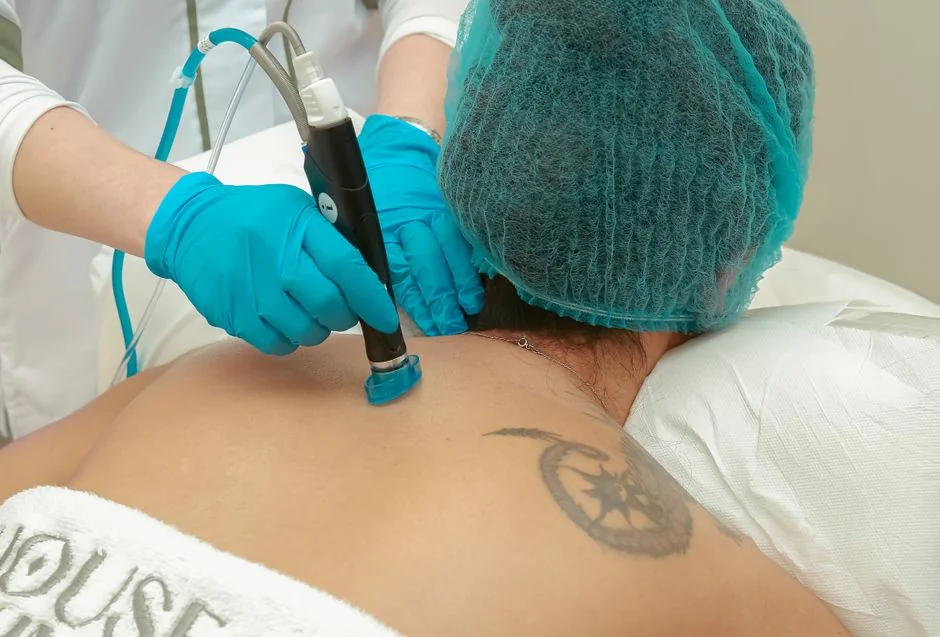
Clinics in Tokyo offering plastic surgery services typically use one or more of the following approaches, selected based on mole type, depth, size, and location on the face or body.
Surgical Excision with Suturing
This is the most common method for raised, deep, or larger moles.
The surgeon numbs the area with a local anaesthetic, removes the mole and a narrow margin of surrounding tissue with a scalpel, and closes the wound with fine sutures. The excised tissue can then be sent for histological examination if clinically indicated. Sutures are typically removed within one to two weeks, and the resulting scar continues to fade over three to twelve months.
Shave Excision
For moles that protrude above the skin surface but are not deeply rooted, a shave excision removes the raised portion using a fine blade, leaving the wound to heal without sutures. This technique tends to produce a flatter, rounder scar rather than a linear one. It is a practical option for certain facial moles but carries a slightly higher recurrence risk if pigmented cells remain in the deeper dermis.
CO2 Laser Ablation
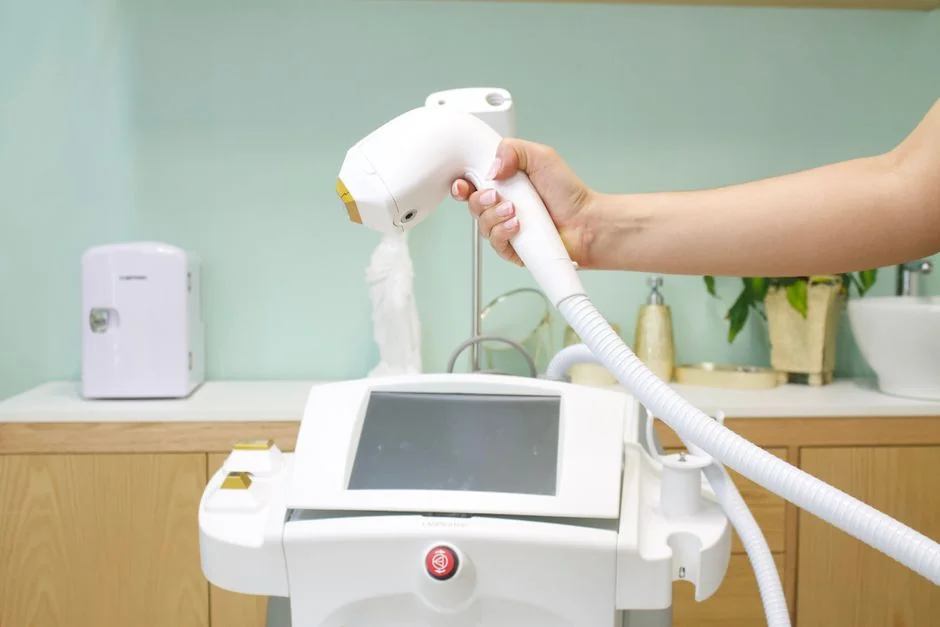
A CO2 fractional or ablative laser vaporises pigmented tissue layer by layer with high precision. This approach is best suited to flat, superficially pigmented lesions (such as seborrhoeic keratoses or small junctional naevi) where histological analysis is not required. CO2 laser treatment is available at BIOTOPE CLINIC — if you have a flat pigmented lesion and are unsure which method is most appropriate, this is something that can be assessed and discussed during a consultation with Dr. Karibe.
Comparison of Mole Removal Methods
| Method | Best for | Histology possible? | Typical downtime | Recurrence risk |
|---|---|---|---|---|
| Surgical excision + sutures | Raised, deep, or larger moles | Yes | 7–14 days (suture removal) | Low |
| Shave excision | Protruding moles, low surgical risk | Possible | 5–10 days | Low–moderate |
| CO2 laser ablation | Flat, pigmented superficial lesions | No | 5–10 days | Moderate (if cells persist) |
Dr. Karibe’s Note
Many of our international patients are surprised to find that in Japan, even minor procedures such as mole removal are taken quite seriously from a diagnostic standpoint.
At BIOTOPE CLINIC or Kojimachi clinic, we take time during the initial consultation to assess whether a mole shows any features that warrant closer examination — not because we want to cause alarm, but because thorough assessment before treatment is part of responsible care.
For the vast majority of patients, moles are entirely benign and removal is straightforward. That said, I always recommend a proper consultation rather than proceeding with laser treatment based on a photo alone.
Mole Removal Cost in Tokyo
Cost varies depending on the method used, the size and number of moles, and whether the procedure is performed on a cosmetic or medical basis. The following represents a realistic range for self-funded (cosmetic) mole removal at a private clinic in Tokyo.
At BIOTOPE CLINIC in Shirokanedai, mole removal is listed under the surgical treatment menu. A surgical consultation with Dr. Karibe is priced at ¥2,200. Additional costs to factor in include pre-operative blood work (¥11,000) and anaesthesia, which varies from ¥2,200 to ¥77,000 depending on the extent of the procedure — local anaesthesia for a single small mole falls at the lower end of this range.
As a general guide, single mole removal at private cosmetic clinics in Tokyo typically ranges from approximately ¥15,000 to ¥80,000 per mole depending on size, depth, and technique. Multiple moles may be treated in a single session at a combined cost. Laser-based removal of superficial pigmented lesions via CO2 or pico laser is priced from ¥11,000 to ¥66,000 (CO2 fractional) at BIOTOPE CLINIC, depending on the treatment area and scope.
If a mole is removed on medical grounds at an insurance-covered facility, the patient’s out-of-pocket cost may be substantially lower; however, this pathway requires a formal clinical assessment and is conducted in Japanese. The group’s sister clinic, Kojimachi Dermatology and Plastic Surgery Clinic in Ichigaya (Chiyoda-ku), operates as the main insurance-covered dermatology and plastic surgery office and handles Japanese-language consultations for this purpose. English-speaking patients should direct their enquiries to BIOTOPE CLINIC.
For an accurate quote, we recommend booking a consultation.
Have a question about this treatment?
Message us on LINE or WhatsApp — our English-speaking team usually replies the same day.
What to Expect: Before, During and After Treatment
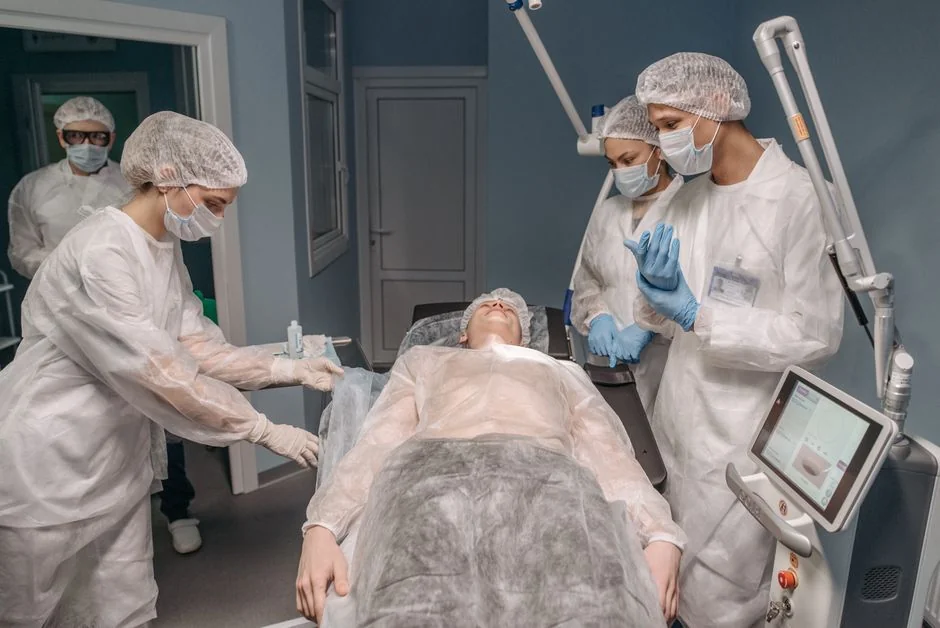
Before the Procedure
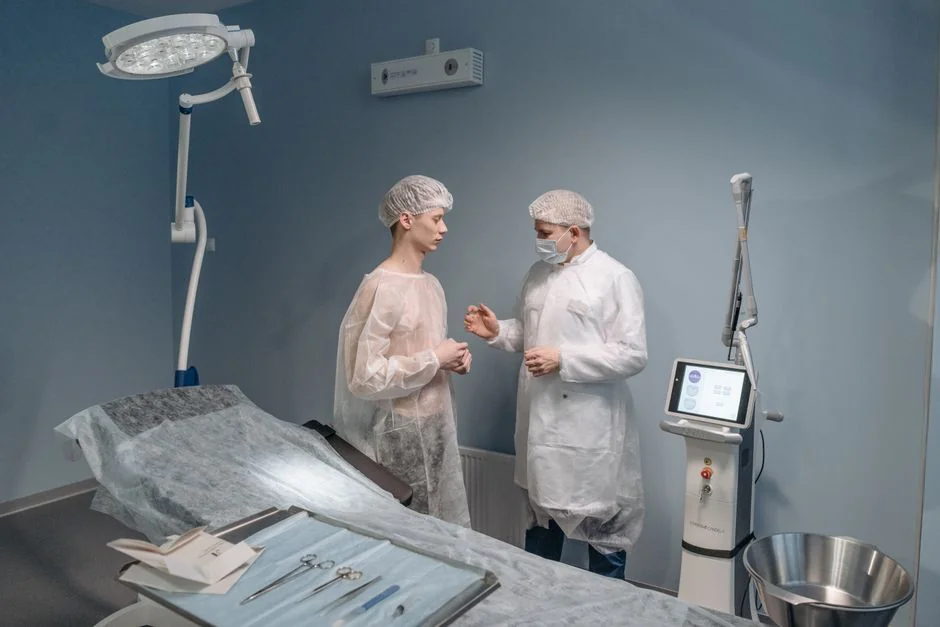
At the initial consultation, Dr. Karibe or a member of the clinical team will examine the mole and assess its characteristics — size, border regularity, colour variation, and whether it is raised or flat. The appropriate removal method is determined at this stage. Pre-operative blood work is required for surgical procedures. Patients should avoid blood-thinning medications or supplements (such as aspirin, ibuprofen, or high-dose vitamin E) for approximately one week prior to treatment, unless a physician advises otherwise.
During the Procedure
Most mole removal procedures are performed under local anaesthesia in an outpatient setting and take between 15 and 45 minutes depending on complexity. Patients remain awake throughout; discomfort is minimal once the local anaesthetic has taken effect. The treated area is cleaned, the anaesthetic is injected, and the removal is carried out. For surgical excision, fine sutures are placed before the patient leaves.
After the Procedure and Recovery
Immediately after removal, the area will be covered with a small dressing. Mild redness, swelling, and tenderness are normal in the first few days. Patients are typically advised to keep the area clean and dry, apply prescribed wound care products, and avoid direct sun exposure on the healing site. Sutures are removed at a follow-up appointment approximately one to two weeks later.
Residual redness (erythema) at the excision site may persist for several weeks to months and gradually fades. Studies suggest that scar maturation after skin surgery takes an average of 12 months, with the most significant visible improvement occurring in the first three months. Sun protection with SPF 50+ is strongly recommended throughout the healing period to prevent post-inflammatory hyperpigmentation — a particular consideration in patients with medium to darker skin tones.
At BIOTOPE CLINIC in Shirokanedai, patients frequently ask about additional treatments to improve the appearance of residual scarring or pigmentation after mole removal. Options such as CO2 fractional laser or pico laser for post-procedural pigment management are available and can be discussed with Dr. Karibe once the wound has fully healed.
Who Is a Good Candidate for Mole Removal?
Most adults in good general health are suitable candidates for mole removal. Ideal candidates include those with a benign mole that causes cosmetic concern, discomfort due to its location (e.g. beneath a bra strap or collar), or recurring irritation. Individuals whose mole has changed in appearance and who have been advised by a physician to have it removed are also appropriate candidates.
Those who may need to defer treatment include patients on anticoagulant medication (blood thinners), those with uncontrolled diabetes or bleeding disorders, pregnant women (for elective procedures), and individuals with active skin infection at or near the treatment site. Patients with a history of keloid scarring (raised, thickened scar tissue that extends beyond the original wound) should discuss this history openly, as it may influence the choice of technique and post-operative management.
Clinical reports indicate that moles excised with adequate margins and proper histological follow-up have recurrence rates below 5% for benign lesions, making surgical excision a reliable approach when correctly indicated.
Where to Get Mole Removal in Tokyo (English-Speaking Consultation)
Within our clinic group, English-speaking consultations are handled at BIOTOPE CLINIC in Shirokanedai (Minato-ku, Tokyo) by Dr. Jun Karibe, a board-certified plastic surgeon certified by the Japan Society of Plastic and Reconstructive Surgery. Mole removal — both surgical and laser-based — is among the procedures performed at this location. Our sister clinic, Kojimachi Dermatology and Plastic Surgery Clinic in Ichigaya (Chiyoda-ku), serves as the group’s main office for insurance-covered dermatology and plastic surgery conducted in Japanese. Bookings and enquiries in English are handled via LINE or WhatsApp.
Frequently Asked Questions
- Q. Is mole removal painful?
- The procedure is carried out under local anaesthesia, so patients typically feel pressure or mild sensation rather than sharp pain during the removal itself. The injection of the local anaesthetic causes a brief stinging sensation. Post-procedure discomfort is usually mild and manageable with over-the-counter pain relief for the first day or two.
- Q. Will mole removal leave a scar?
- All mole removal methods leave some degree of mark or scar, but skilled plastic surgery technique minimises this. Surgical excision produces a fine linear scar that typically fades significantly over 6 to 12 months. Laser ablation may leave a flat, slightly lighter or darker patch that also fades over time. The final appearance depends on mole size, location, individual skin type, and adherence to aftercare instructions.
- Q. Can I have multiple moles removed in one session?
- Yes, in many cases multiple moles can be addressed in a single appointment, particularly if they are small and located in the same anatomical region. The number treated in one session is assessed individually at consultation based on mole characteristics and overall treatment time. Your consultation with Dr. Karibe is the appropriate setting to discuss this.
- Q. Do I need to have a mole tested (biopsied) after removal?
- When a mole is surgically excised, it is standard practice to send the tissue for histological examination (biopsy) to confirm that it is benign — this is part of responsible clinical care, not a sign of alarm. CO2 laser ablation destroys the tissue rather than preserving it, so histological testing is not possible with this method; for this reason, laser is reserved for lesions with clearly benign characteristics.
- Q. How soon can I return to work or normal activities after mole removal?
- Most patients return to desk-based work the same day or the following day. Strenuous physical activity, swimming, and excessive perspiration should be avoided for approximately one to two weeks to allow the wound to heal and reduce the risk of infection or wound dehiscence (opening of the incision). Specific guidance will be provided at your post-procedure appointment.
Have a question about this treatment?
Message us on LINE or WhatsApp — our English-speaking team usually replies the same day.
Summary
Mole removal in Tokyo is a well-established, typically straightforward procedure available at private cosmetic and plastic surgery clinics on a self-funded basis, or in some cases through the national insurance system for clinically indicated removals. The appropriate technique — surgical excision, shave excision, or laser ablation — depends on the mole’s characteristics and is determined at consultation. Costs at private clinics in Tokyo generally range from approximately ¥15,000 upward per mole for surgical removal, with additional fees for consultation, blood work, and anaesthesia.
Recovery is generally brief, with most patients resuming normal activities within a day or two and sutures removed within one to two weeks. Scar maturation takes several months, and diligent sun protection is an important part of aftercare. For patients concerned about post-removal pigmentation or scarring, complementary treatments such as pico laser or CO2 laser are available for discussion at a follow-up consultation.
If you have questions about mole removal, English-speaking consultations are handled at BIOTOPE CLINIC in Shirokanedai (Minato-ku, Tokyo) by Dr. Karibe. Our sister clinic Kojimachi Dermatology and Plastic Surgery Clinic in Ichigaya (Chiyoda-ku) handles Japanese-language insurance dermatology. English enquiries: LINE or WhatsApp.
24/7 Consultation & Booking
Book a Consultation or Treatment
Our English-speaking team responds via LINE or WhatsApp — usually the same day.
References
- Christenson LJ, Borrowman TA, Vachon CM, et al. Incidence of basal cell and squamous cell carcinomas in a population younger than 40 years. JAMA. 2005;294(6):681–690.
- Thomas VD, Swanson NA, Lee KK. Benign epithelial tumors, hamartomas, and hyperplasias. In: Fitzpatrick’s Dermatology in General Medicine. 8th ed. McGraw-Hill; 2012.
- Garg S, Baveja S. Combination therapy in the management of atypical nevi and melanocytic lesions: a clinical review. Journal of Cutaneous and Aesthetic Surgery. 2013;6(2):86–91.
- Mustoe TA, Cooter RD, Gold MH, et al. International clinical recommendations on scar management. Plastic and Reconstructive Surgery. 2002;110(2):560–571.
- Wollina U, Konrad H. Laser surgery for non-melanocytic cutaneous lesions: an update. Journal of the European Academy of Dermatology and Venereology. 2018;32(4):546–553.
Related Articles
You may also find these articles useful.
- Mole Removal Tokyo: Cost and Procedure Guide
- Cyst Removal Tokyo: What to Expect
- Scar Revision Surgery Tokyo: Options and Cost
SUPERVISED BY
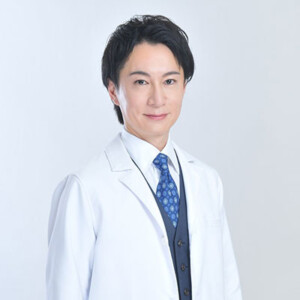
Dr. Jun Karibe
MD
Director
Education & Career
Certifications
Awards
MEDICAL REVIEW