Collagen Booster Treatment in Tokyo: A Complete Guide for English Speakers
If you have noticed your skin losing firmness, developing fine lines, or appearing less radiant than it once did, you are not imagining it — collagen loss is a natural and well-documented part of ageing that begins as early as the mid-twenties.
For expatriates and visitors in Tokyo seeking effective, medically supervised solutions, understanding what collagen booster treatments actually involve can help you make an informed decision.
This guide explains the main types of collagen-stimulating treatments available in Tokyo, how they work, what realistic results look like, and how to access English-language consultations at a qualified clinic.
- What collagen booster treatments are and why collagen loss matters
- The main categories of collagen-stimulating procedures available in Tokyo
- Expected results, downtime, and realistic timelines
- Indicative costs for collagen booster treatments in Tokyo
- Who makes a good candidate — and who should proceed with caution
Have a question about this treatment?
Message us on LINE or WhatsApp — our English-speaking team usually replies the same day.
What Is a Collagen Booster Treatment?
Collagen is the primary structural protein in the skin. It forms a supportive scaffold that keeps the skin firm, smooth, and resilient.
From approximately age 25 onward, the body produces roughly 1% less collagen per year, and this decline accelerates after menopause in women.
The visible result is skin laxity, fine lines, hollowing beneath the eyes, and a general loss of the youthful contour.
A “collagen booster treatment” is a broad term covering any professional procedure designed to stimulate the skin’s own collagen-production mechanisms — rather than simply filling or masking the surface. These treatments work by creating a controlled biological stimulus (heat, micro-injury, or bioactive injection) that triggers fibroblasts — the cells responsible for collagen synthesis — to produce new collagen and elastin fibres.
Importantly, genuine collagen induction takes time. Most treatments require a series of sessions, and the full visible result typically develops over two to six months as new collagen matures.
Types of Collagen-Stimulating Treatments Available in Tokyo
Energy-Based Devices: HIFU and RF Microneedling
High-Intensity Focused Ultrasound (HIFU) delivers precise ultrasound energy to the deeper layers of the skin and the superficial muscular aponeurotic system (SMAS) — the same tissue layer addressed in a surgical facelift. This thermal injury stimulates a wound-healing response that generates new collagen.
]HIFU is one of the most studied non-surgical lifting modalities; clinical reports indicate measurable improvements in skin laxity with a single treatment in appropriately selected patients.
Radiofrequency (RF) microneedling, such as Morpheus8 or Potenza, combines fine needle micro-injuries with radiofrequency heat delivered directly into the dermis. The dual stimulus — mechanical and thermal — produces a robust collagen-induction response.
Studies suggest that RF microneedling can produce statistically significant improvements in skin texture, pore size, and elasticity after a series of three sessions, with results continuing to improve for up to six months post-treatment.
HIFU is available at BIOTOPE CLINIC in Shirokanedai, with session pricing from approximately ¥25,000 to ¥110,000 depending on the area and number of lines delivered. RF microneedling with Potenza is available from ¥35,000 to ¥49,800 per session.
Biostimulator Injectables: Polynucleotide (PDRN) and Collagen-Stimulating Fillers
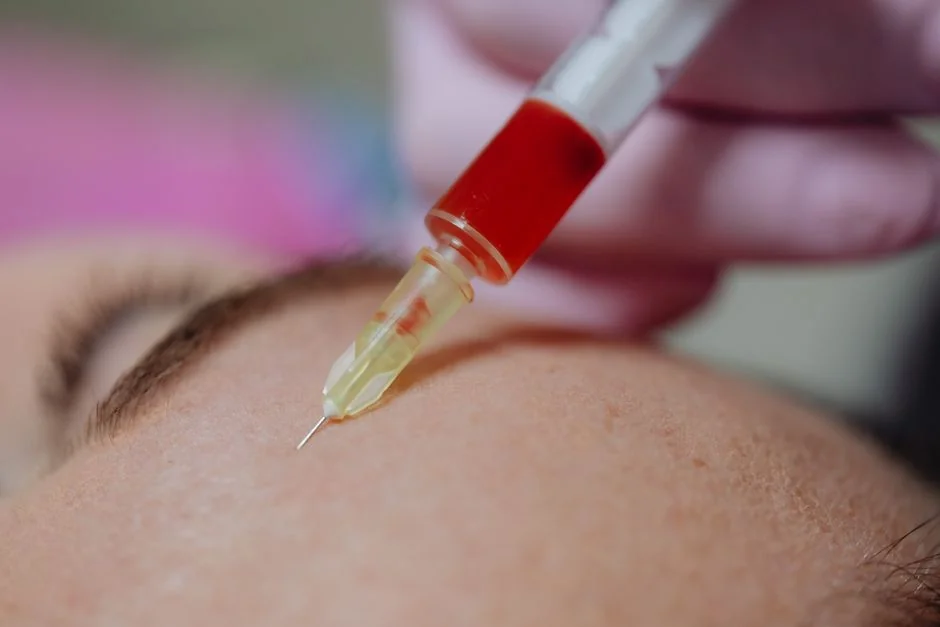
A newer and increasingly popular category of collagen boosters uses injectable biostimulators rather than energy devices. Polynucleotide (PDRN) treatments — sold under brand names including JUVELOOK — are derived from salmon or trout DNA and work by binding to adenosine receptors in fibroblasts, directly stimulating collagen and hyaluronic acid synthesis within the skin itself.
Unlike traditional hyaluronic acid fillers, PDRN injectables do not add volume immediately; they work by regenerating the skin’s own architecture over four to eight weeks.
JUVELOOK is available at BIOTOPE CLINIC at prices ranging from ¥11,000 to ¥267,300 depending on the treatment area and protocol. A series of sessions is typically recommended for optimal results.
Resurfacing Lasers
CO2 fractional laser treatment ablates microscopic columns of skin tissue, provoking an intensive healing response that remodels existing collagen and stimulates new production. It is particularly effective for acne scars, enlarged pores, and skin texture irregularities. CO2 fractional laser is available at BIOTOPE CLINIC from ¥11,000 to ¥66,000 per session.
Dr. Karibe’s Note
Many of our international patients at BIOTOPE CLINIC arrive expecting a single “collagen injection” that will immediately restore firmness.
In practice, the most effective collagen-stimulating results come from a layered approach — for example, combining a biostimulator injectable with an energy-based device over several months. A thorough consultation allows us to assess your skin condition and design a realistic, staged plan rather than a one-size-fits-all protocol.
Collagen Booster Treatment Cost in Tokyo
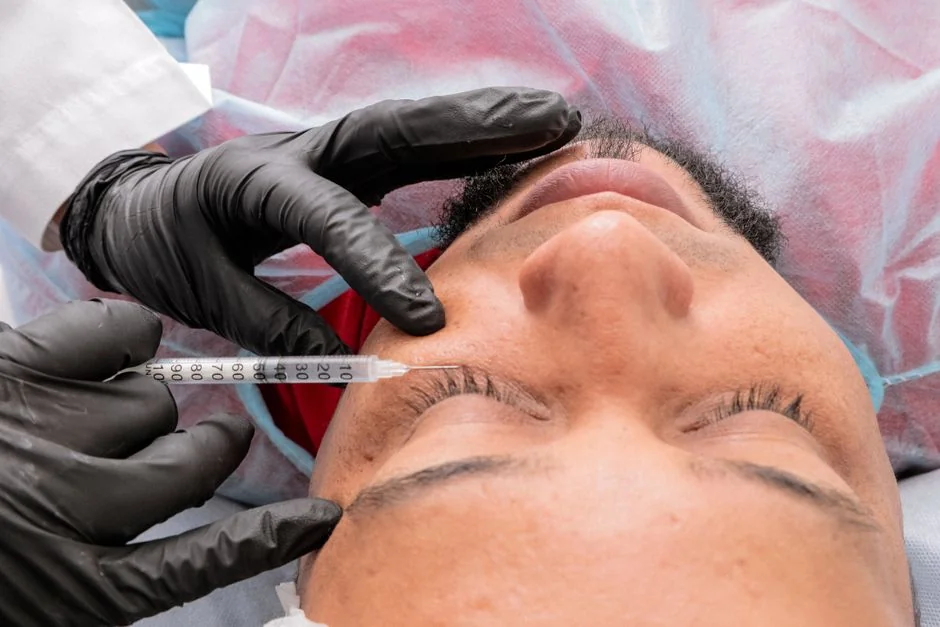
Costs vary considerably depending on the modality, the area treated, and the number of sessions included in a programme. The figures below reflect indicative pricing at BIOTOPE CLINIC and are provided to assist with realistic budgeting.
| Treatment | Mechanism | Price Range (per session) | Typical Sessions |
|---|---|---|---|
| HIFU | Focused ultrasound heat, SMAS tightening | ¥25,000 – ¥110,000 | 1–2 per year |
| Potenza RF Microneedling | RF heat + microneedle injury | ¥35,000 – ¥49,800 | 3–4 sessions |
| JUVELOOK (PDRN biostimulator) | Injectable polynucleotide, fibroblast activation | ¥11,000 – ¥267,300 | 3–5 sessions |
| CO2 Fractional Laser | Ablative resurfacing, collagen remodelling | ¥11,000 – ¥66,000 | 3–6 sessions |
| Dermapen (microneedling) | Mechanical micro-injury, growth factor stimulation | ¥9,800 – ¥220,000 | 4–6 sessions |
Initial consultation at BIOTOPE CLINIC is ¥5,500. A surgical consultation with Dr. Karibe is ¥3,300. For an accurate quote tailored to your skin condition and goals, we recommend booking a consultation.
Have a question about this treatment?
Message us on LINE or WhatsApp — our English-speaking team usually replies the same day.
What to Expect: Before, During, and After Treatment
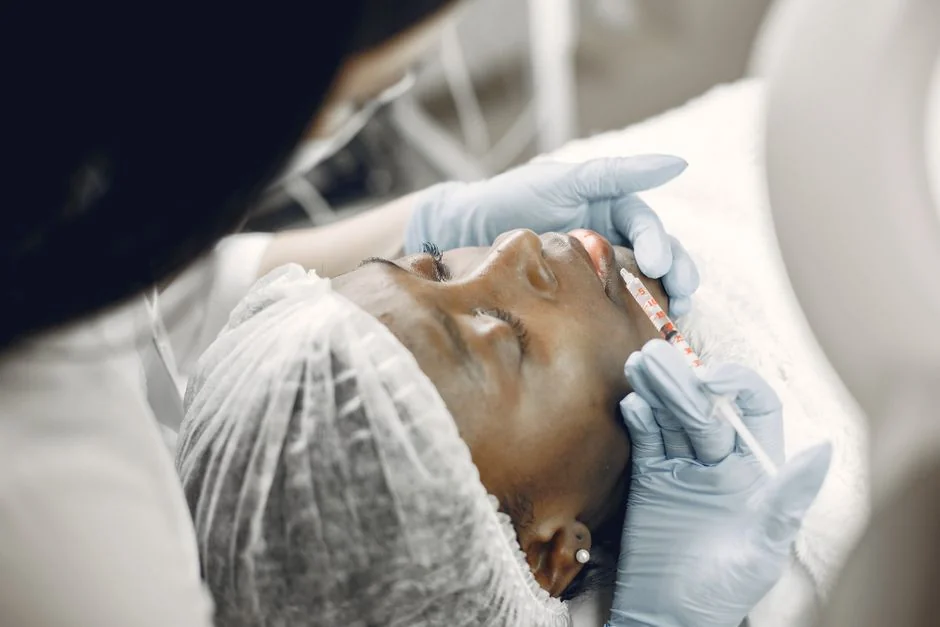
Before the Procedure
A thorough consultation is the essential starting point. Dr. Karibe will assess your skin type, medical history, any medications you are taking, and your aesthetic concerns. Certain medications — including blood thinners, retinoids, and photosensitising drugs — may need to be paused before treatment. Sun exposure should be avoided in the week prior to most energy-based procedures.
During the Procedure
Most collagen booster treatments are performed with topical anaesthetic cream applied 30–45 minutes before the session.
HIFU treatments typically take 30 to 90 minutes depending on the area. RF microneedling and PDRN injection sessions are generally 30 to 60 minutes. Patients may experience mild warmth, pressure, or a pricking sensation; significant pain is uncommon.
After the Procedure and Downtime
HIFU and PDRN injectables typically involve minimal downtime — mild redness or swelling that resolves within 24 to 48 hours for most patients. RF microneedling and CO2 fractional laser involve more visible skin reaction: redness, mild swelling, and skin peeling or bronzing may persist for three to seven days. Strong sun protection (SPF 30 or higher) is essential during the recovery period and beyond. Full collagen remodelling results are not visible immediately — most patients see progressive improvement over eight to twelve weeks following treatment.
Common Misconceptions About Collagen Booster Treatments
Misconception 1: “Collagen supplements taken orally achieve the same result.”
Oral collagen supplements are widely marketed, and while some early-stage studies suggest modest benefits in skin hydration and elasticity with regular supplementation, the evidence base is considerably less robust than for professional in-clinic treatments. Orally ingested collagen is broken down into amino acids during digestion; the degree to which these amino acids are specifically redirected to skin fibroblasts — rather than other tissues — remains a subject of ongoing research. Professional collagen-stimulating procedures deliver the stimulus directly to the target tissue layer, which is a fundamentally different biological process.
Misconception 2: “Results are immediate and permanent.”
This is one of the most common misunderstandings seen at BIOTOPE CLINIC. Collagen induction is a biological process, not a mechanical filling. New collagen fibres take weeks to form and months to fully mature and organise. Furthermore, the ageing process continues; maintenance sessions — typically once or twice a year for energy-based treatments — are usually recommended to sustain results. Patients who expect dramatic changes the day after a HIFU session are likely to be disappointed; those who understand the timeline and commit to a structured programme tend to be far more satisfied with their outcomes.
Who Is a Good Candidate?
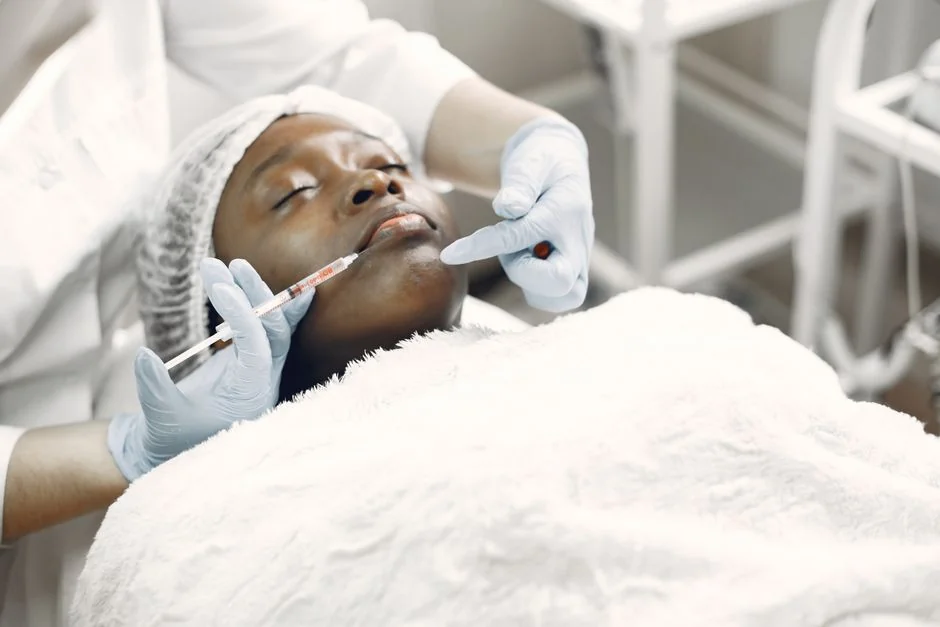
Collagen booster treatments are generally well suited to adults in their late twenties and older who are experiencing early to moderate signs of skin laxity, fine lines, dullness, or textural irregularity. Patients with darker skin types (Fitzpatrick IV–VI) should discuss device settings carefully with the physician, as some laser and energy-based modalities carry a higher risk of post-inflammatory hyperpigmentation in deeper skin tones.
Those who should approach with caution or may not be suitable include: pregnant or breastfeeding women; individuals with active skin infections or open wounds in the treatment area; people with pacemakers or metal implants in the treatment zone (relevant for RF devices); those taking immunosuppressant medications; and individuals with a history of keloid scarring (for needling or ablative treatments). A full medical history review at consultation will clarify individual suitability.
Where to Get Collagen Booster Treatment in Tokyo
Within our clinic group, English-speaking consultations are handled at BIOTOPE CLINIC in Shirokanedai (Minato-ku, Tokyo) by Dr. Jun Karibe. Our sister clinic, Kojimachi Dermatology and Plastic Surgery Clinic in Ichigaya, handles Japanese-language insurance dermatology. Bookings and enquiries in English: LINE or WhatsApp.
In Dr. Karibe‘s clinical experience at BIOTOPE CLINIC, international patients benefit most from having a clear treatment plan explained in English before committing to a course of sessions — including realistic timelines, what the procedure will feel like, and what progress to expect at each stage. BIOTOPE’s English-speaking team is available to assist from the initial enquiry through to follow-up appointments.
Frequently Asked Questions
- Q. How many sessions of collagen booster treatment will I need?
- This depends on the treatment type and your individual skin condition. HIFU is often performed as a single annual session for maintenance, while RF microneedling and PDRN injectables are typically recommended in a series of three to five sessions spaced four to six weeks apart. Dr. Karibe will outline a personalised plan during your consultation.
- Q. Is there an age limit for collagen booster treatments?
- There is no strict upper age limit. However, the treatment modality that delivers the best result may differ depending on the degree of skin laxity and overall skin health. Younger patients in their thirties with mild laxity may respond very well to biostimulator injectables or RF microneedling, while patients with more advanced laxity may benefit more from HIFU or a combination approach. In some cases, surgical options such as a thread lift may be discussed alongside non-surgical treatments.
- Q. Can I have a collagen booster treatment if I have sensitive skin or rosacea?
- Certain treatments are better tolerated than others for sensitive skin types. PDRN injectables and low-intensity Dermapen protocols tend to be gentler options. Active rosacea or inflammatory skin conditions should be assessed carefully before any energy-based device is used, as heat can exacerbate inflammation. Disclosing your full skin history during consultation is essential for safe treatment planning.
- Q. Will I see results before I leave Japan if I am a visitor?
- Some degree of skin tone improvement and subtle tightening may be visible within one to two weeks for certain treatments. However, the most significant collagen remodelling results develop over two to four months. Visitors who wish to begin a programme while in Tokyo should discuss timing and the possibility of maintenance sessions in their home country with Dr. Karibe at the initial consultation.
- Q. Are collagen booster treatments covered by Japanese health insurance?
- No. Collagen-stimulating aesthetic treatments are classed as cosmetic procedures and are not covered by Japanese national health insurance. They are self-pay (jishahi). Our sister clinic, Kojimachi Dermatology and Plastic Surgery Clinic in Ichigaya, handles insurance-covered dermatology in Japanese. All cosmetic and aesthetic treatments for English-speaking patients are handled at BIOTOPE CLINIC in Shirokanedai.
Have a question about this treatment?
Message us on LINE or WhatsApp — our English-speaking team usually replies the same day.
Summary
Collagen booster treatments encompass a well-established range of professional procedures — from focused ultrasound and radiofrequency microneedling to injectable biostimulators and fractional laser resurfacing — all designed to encourage the skin to rebuild its own structural collagen from within. Results are gradual, realistic, and cumulative; the most satisfied patients are those who approach treatment with an informed understanding of the timeline and commit to appropriate follow-up care.
Tokyo offers a high standard of aesthetic medicine, and access to English-speaking, board-certified physicians makes the process significantly more straightforward for international patients than it might otherwise be.
If you have questions about collagen booster treatment in Tokyo, English-speaking consultations are handled at BIOTOPE CLINIC in Shirokanedai (Minato-ku, Tokyo) by Dr. Jun Karibe, a board-certified plastic surgeon certified by the Japan Society of Plastic and Reconstructive Surgery.
Our sister clinic, Kojimachi Dermatology and Plastic Surgery Clinic in Ichigaya (Chiyoda-ku), handles Japanese-language insurance dermatology. English enquiries: LINE or WhatsApp.
24/7 Consultation & Booking
Book a Consultation or Treatment
Our English-speaking team responds via LINE or WhatsApp — usually the same day.
References
- Alam M, White LE, Martin N, et al. Ultrasound tightening of facial and neck skin: a rater-blinded prospective cohort study. Journal of the American Academy of Dermatology. 2010;62(2):262–269.
- Alexiades-Armenakas M, Dover JS, Arndt KA. Fractional laser skin resurfacing. Journal of Drugs in Dermatology. 2012;11(11):1274–1287.
- Shin JW, Kwon SH, Choi JY, et al. Molecular mechanisms of dermal aging and antiaging approaches. International Journal of Molecular Sciences. 2019;20(9):2126.
- Adatto MA, Adatto-Neilson RM, Servant JJ, et al. Controlled, randomized study evaluating the effects of treating cellulite with bipolar radiofrequency, infrared light, and mechanical tissue manipulation following aesthestic surgery. Journal of Cosmetic and Laser Therapy. 2010;12(3):130–135.
- Ganceviciene R, Liakou AI, Theodoridis A, et al. Skin anti-aging strategies. Dermato-Endocrinology. 2012;4(3):308–319.
Related Articles
You may also find these articles useful.
- Collagen Booster Treatment Tokyo: How It Works
- Collagen Booster Treatment Tokyo: Cost & Results
- Stem Cells vs Exosomes vs Supernatant in Tokyo
- Exosome Therapy Tokyo: Skin Rejuvenation Guide
- Skin Tightening Treatment Tokyo: Options and Cost
SUPERVISED BY
Dr. Jun Karibe
MD
Director
Education & Career
Certifications
Awards
MEDICAL REVIEW