Artmake Aftercare: Healing Timeline and What to Avoid
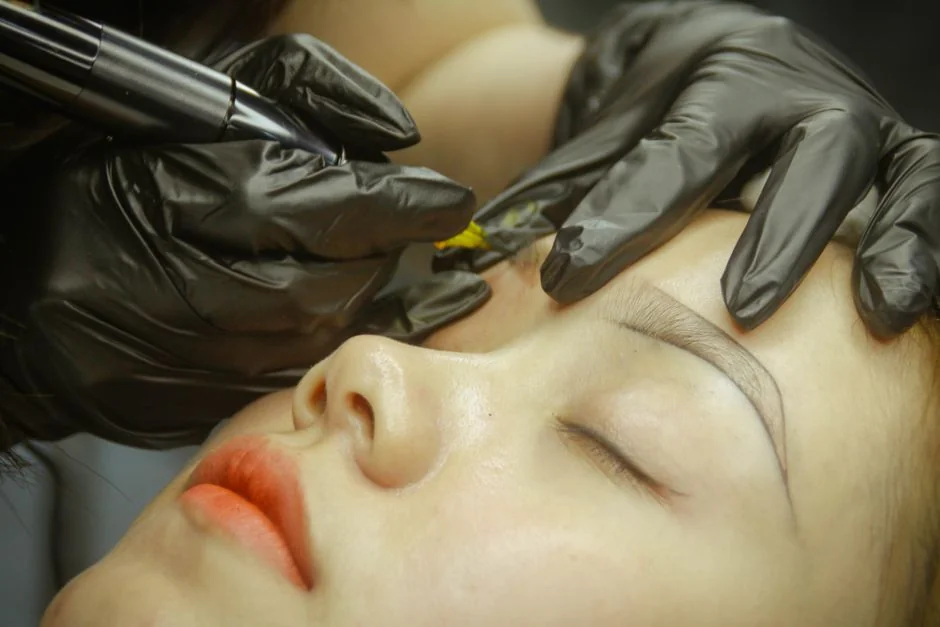
Deciding to have artmake done is one thing; getting through the two weeks afterwards without panicking is another.
Many people are unprepared for how dark the pigment looks on day two, how much it flakes on day five, or how much lighter it appears by week three — and worry that something has gone wrong when, in most cases, it has not.
This guide sets out what the healing process actually looks like, what you should avoid at each stage, and which symptoms are worth having assessed by a doctor. It is written for English-speaking residents and visitors researching artmake in Tokyo.
What you’ll learn in this article:
- What artmake is, how the pigment is placed, and why it is legally a medical procedure in Japan
- A week-by-week healing timeline, including why a second session is normally required
- A clear list of what to avoid — water, heat, sun, exfoliants, makeup and hair removal — and for how long
- Warning signs of infection or allergic reaction, and when to seek medical review
- How artmake pricing is structured in Tokyo, and where our clinic group performs it
Have a question about this treatment?
Message us on LINE or WhatsApp — our English-speaking team usually replies the same day.
What Is Artmake, and How Is It Different from a Tattoo?
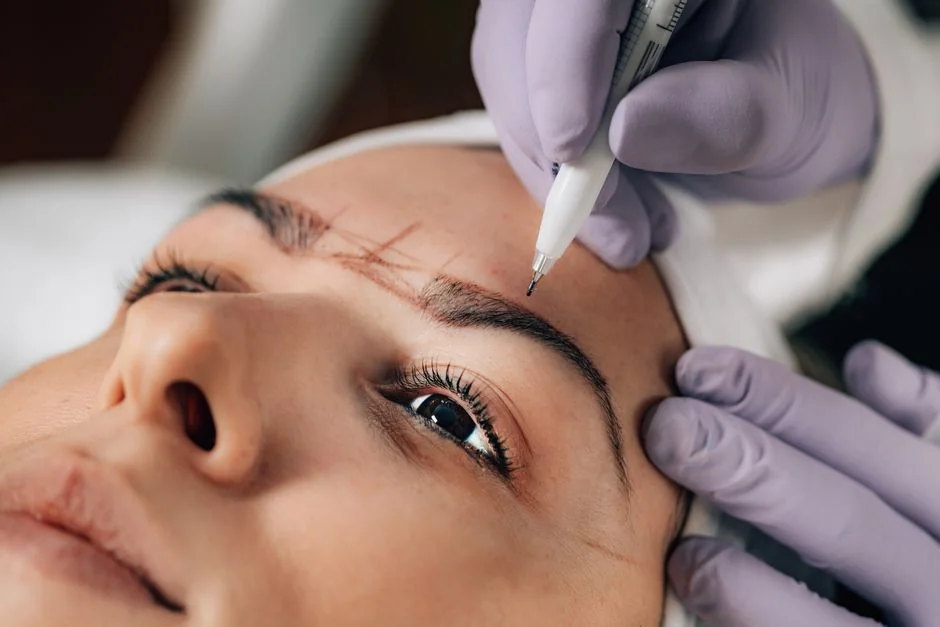
Artmake (アートメイク) is the term used in Japan for cosmetic tattooing, also known internationally as permanent makeup or micropigmentation. Fine needles deposit pigment into the skin of the eyebrows, eyelids or lips to define or restore features that makeup would otherwise create each morning.
How the pigment is placed
In microblading — one of the common hairstroke techniques used in artmake — pigment is deposited as far as the papillary dermis, the uppermost layer of the dermis, using a handheld device with stacked needles (Marwah et al., Indian Dermatology Online Journal, 2021). Because the skin continuously renews itself at this depth, the result is semi-permanent rather than lifelong.
That same publication reports that results are semi-permanent and typically last around 12 to 18 months, although some individual strokes may persist. This is precisely why aftercare matters: how the skin heals in the first fortnight influences how much pigment is retained.
The regulatory difference in Japan
This is where Japan differs sharply from many other countries. In a notice dated 3 July 2023 (医政医発0703第4号), Japan’s Ministry of Health, Labour and Welfare confirmed that artmake of the eyebrows and eyeliner constitutes a medical act, and that performing it commercially without a physician’s licence violates Article 17 of the Medical Practitioners Act.
The Ministry distinguished artmake from decorative tattooing, which a 2020 Supreme Court decision held was not a medical act. A further notice of 15 August 2025 (医政発0815第21号) reinforced that nurses may not perform such procedures without a physician’s instruction, and that physicians retain responsibility for clinical judgement and safety management.
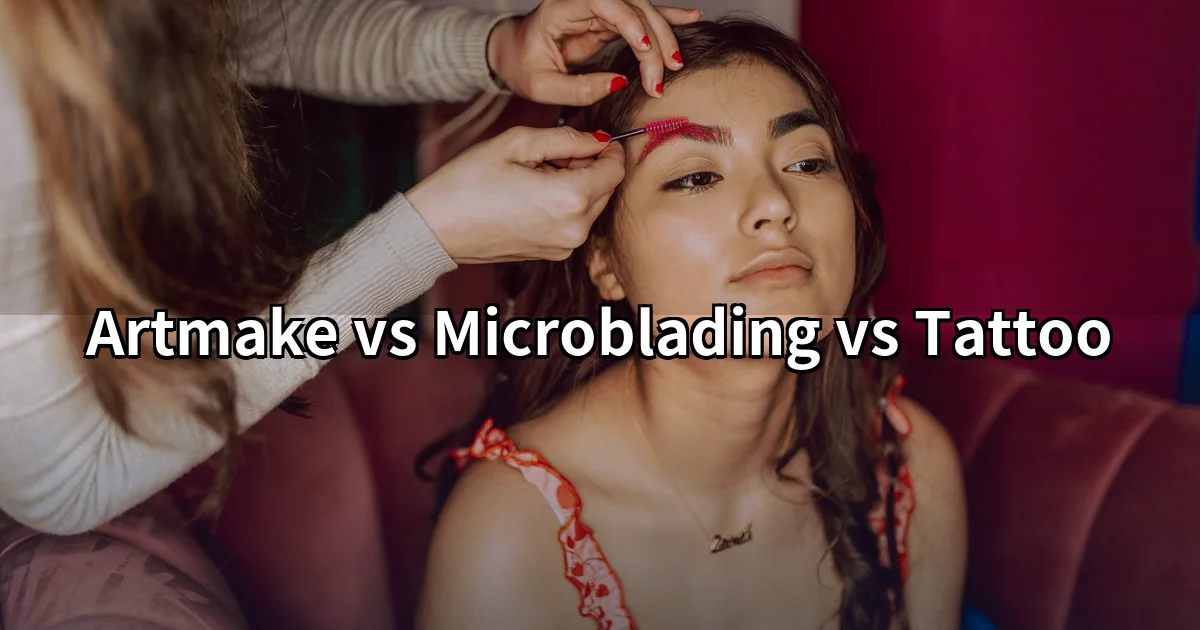
| Feature | Artmake / permanent makeup | Microblading (a hairstroke artmake technique) | Decorative tattoo |
|---|---|---|---|
| Purpose | Replace or enhance everyday makeup | Simulate individual eyebrow hairs | Decorative body art |
| Pigment depth | Superficial skin layers | To the papillary dermis | Intended to be long-lasting |
| Expected longevity | Semi-permanent; commonly 12–18 months | Semi-permanent; commonly 12–18 months | Long-term |
| Follow-up session | Usually required | Touch-up at roughly 2–3 weeks | Not routine |
| Status in Japan | Medical act; physician licence required | Medical act; physician licence required | Held not to be a medical act (2020 Supreme Court) |
The Artmake Healing Timeline: What to Expect Week by Week
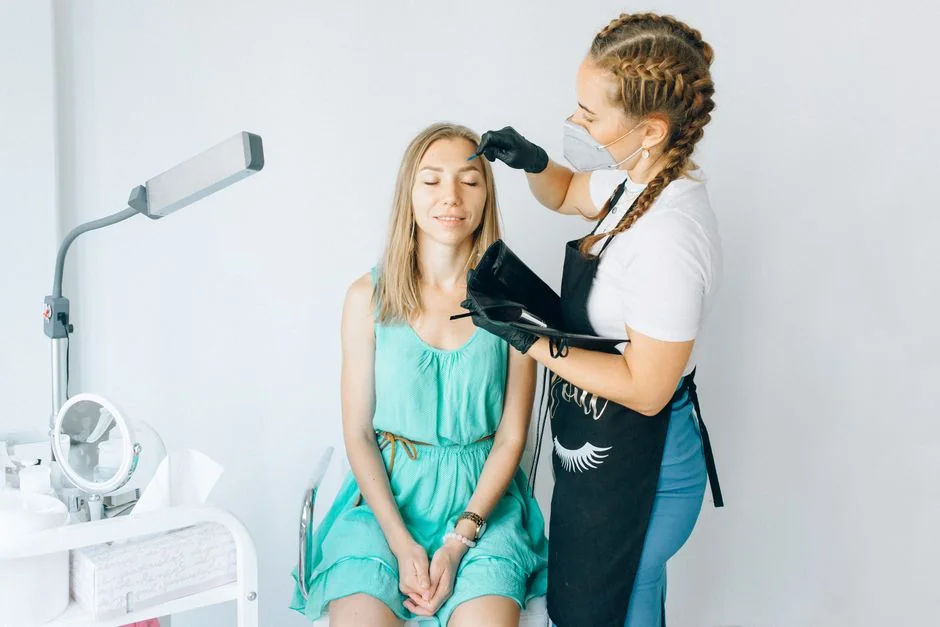
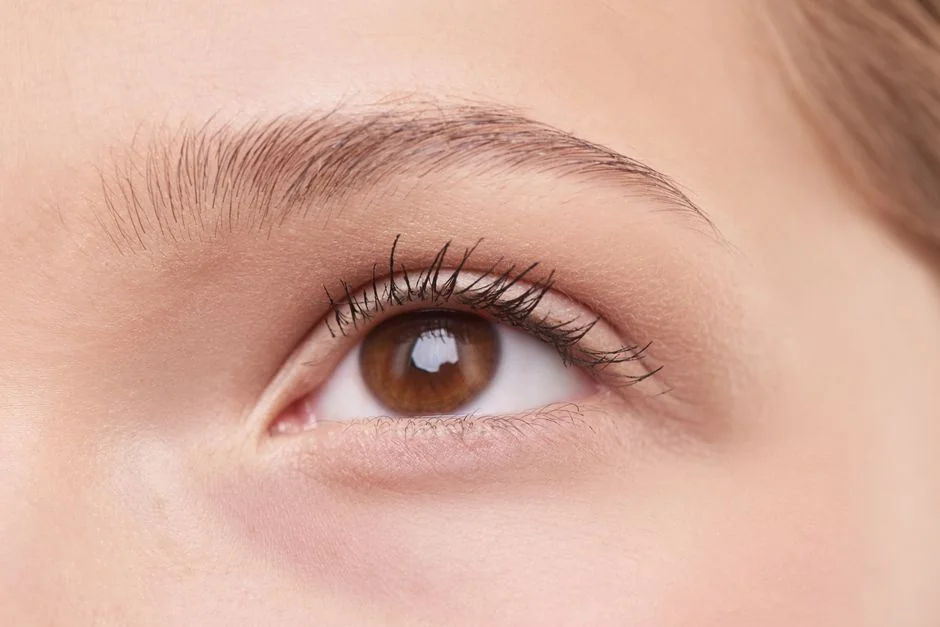
Days 1–2: the darkest phase
Immediately afterwards the area usually looks noticeably darker, sharper and slightly swollen compared with the final result. Some redness, tenderness and clear fluid are part of normal healing after any tattooing procedure, according to the American Academy of Dermatology.
For the first 48 hours, guidance published in the Indian Dermatology Online Journal advises avoiding touching the treated area, exercise, and contact with water.
Days 3–7: flaking and itching
Scabbing and itching are described as normal during the first week. Fine flakes lift away, often taking surface pigment with them, and the brows or lips can look patchy from one day to the next.
This stage is where most avoidable problems occur, because picking or scratching removes pigment unevenly and creates an entry point for bacteria.
Weeks 2–4: the “ghosting” phase and the touch-up
Once flaking finishes, colour often looks unexpectedly faint before the pigment settles and re-emerges. A mandatory touch-up is generally scheduled at two to three weeks, at which point only the areas that did not retain pigment are re-treated; strokes that healed well are left alone.
Expect meaningful fading during this early period rather than after it. Planning for two appointments from the outset is realistic, not a sign that the first session failed.
What to Avoid While Your Artmake Heals
First 48 hours
- Do not touch, rub or scratch the treated area.
- Avoid exercise and anything that causes sweating.
- Avoid direct water contact on the area.
First one to two weeks
- Avoid swimming, steam rooms and saunas for at least two weeks.
- Avoid exfoliants, anti-ageing creams and astringents for one week — this includes retinoid and acid-based skincare.
- Avoid applying makeup over the area during initial healing.
- Do not pick or peel scabs; let them separate on their own.
Longer term
- Avoid waxing or threading the brow area for six weeks.
- Use sunscreen, since ultraviolet exposure degrades pigment. The AAD recommends a broad-spectrum, water-resistant SPF 30 or higher, applied 15 minutes before going outside and reapplied at least every two hours.
- If the skin feels dry, the AAD advises a water-based lotion or cream rather than petroleum-based products, which can cause ink to fade.
Warning signs that need medical review
Increasing or spreading redness, drainage, crusting or pus warrants prompt medical attention. Infection is not always immediate: the AAD notes it may appear straight away or days to months later.
The speed at which problems can escalate is documented. In a case reported in JAAD Case Reports, pustules appeared one day after microblading and progressed to bilateral preseptal cellulitis over the following ten days, ultimately requiring intravenous antibiotics. This is uncommon, but it illustrates why treatment in a medical setting with follow-up access matters.
Common Misconceptions About Artmake Healing
Misconception 1: “Artmake is permanent, so it will look like this forever.” The published dermatological literature describes results as semi-permanent, commonly lasting 12 to 18 months, with fading concentrated in the early weeks. Artmake should be planned as something to be maintained, not a single irreversible decision — though it also cannot be assumed to disappear entirely, as some strokes may persist.
Misconception 2: “If it healed fine after two weeks, no reaction can occur.” Delayed reactions are well documented. A 2026 systematic review in Cureus covering 144 patients across 19 studies found a mean latency of 3.9 years — with a range from roughly two months to 20 years — before granulomatous skin reactions appeared following tattooing or cosmetic micropigmentation, with black pigment implicated in 98 cases. The AAD similarly notes that allergic reactions to ink, most often red, can appear immediately, weeks later, or years later.
A related point on hygiene: a US survey of 47 unopened permanent makeup inks found bacterial contamination in nine of them (19 per cent), and three of 18 inks labelled as sterile were still contaminated. Pigment sourcing and sterile technique are therefore not trivial details.
The Cost of Artmake in Tokyo
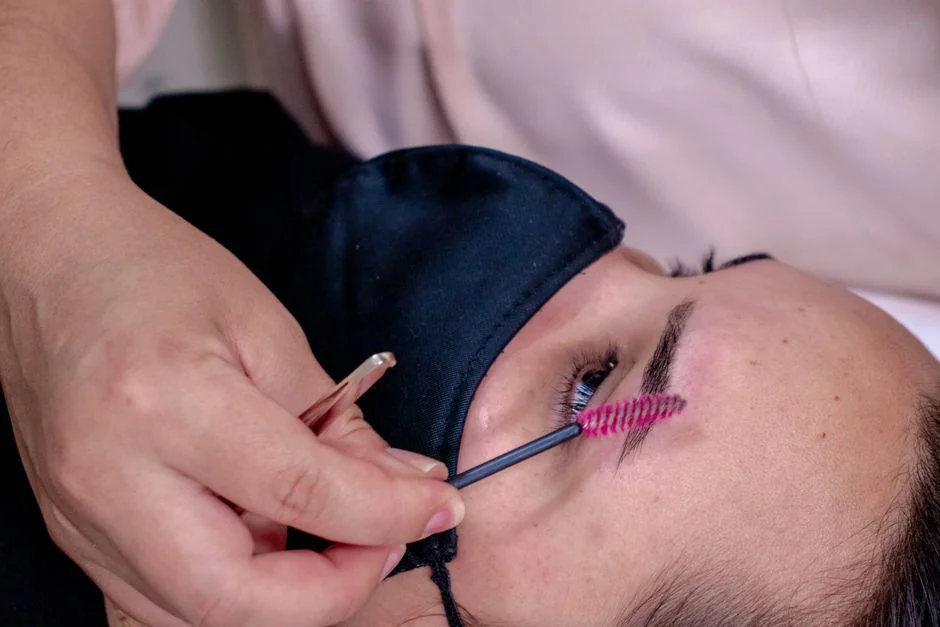
Artmake in Tokyo is generally priced per session and per area — eyebrows, eyeliner and lips are quoted separately — and because a follow-up session at roughly two to three weeks is standard practice, a realistic budget covers two appointments rather than one.
Price is also affected by the technique used, the number of areas treated, and whether topical or local anaesthesia is included. Artmake is a self-pay (自由診療) cosmetic procedure and is not covered by Japanese national health insurance.
We do not publish estimated figures here, because artmake pricing changes and an outdated number is worse than none. Please see the BIOTOPE CLINIC official price page or contact us via LINE / WhatsApp for a current quote. To confirm the latest pricing for your specific case, book a consultation with BIOTOPE CLINIC.
Have a question about this treatment?
Message us on LINE or WhatsApp — our English-speaking team usually replies the same day.
Where to Get Artmake in Tokyo (Our Sister Clinic BIOTOPE)
Within our clinic group, artmake is performed at BIOTOPE CLINIC in Shirokanedai (Minato-ku), directed by Dr. Jun Karibe. Our English-speaking team covers both clinics and handles all English enquiries.
Kojimachi Dermatology & Plastic Surgery Clinic in Ichigaya, Chiyoda-ku, is the group’s main clinic and does not perform artmake. Enquiries received there for artmake are directed to BIOTOPE CLINIC, and the two share the same official LINE account and English intake team.
Given the Ministry of Health, Labour and Welfare’s position that artmake is a medical act, choosing a licensed medical facility is not merely a matter of preference — it determines whether the procedure is lawful, and whether a physician is available if a complication such as infection or a delayed reaction develops.
Who is a good candidate?
Artmake suits people who want to reduce daily makeup time, those with sparse eyebrows, and those restoring definition after hair loss. It is less suitable if you have active skin disease, infection or inflammation at the treatment site, a known pigment allergy, or a tendency to keloid scarring.
If you are immunocompromised, pregnant, breastfeeding, or taking medication affecting bleeding or wound healing, raise this at consultation so suitability and timing can be assessed individually.
Frequently Asked Questions
- Q. How long does artmake take to heal?
- Surface healing typically involves scabbing and itching through the first week, with flaking complete after that. A touch-up session is usually scheduled at around two to three weeks, once the initial healing has settled.
- Q. Can I wash my face after artmake?
- Direct water contact on the treated area should be avoided for the first 48 hours. After that, wash gently around the area and avoid exfoliants, acids and anti-ageing creams on it for at least one week.
- Swimming, steam and sauna should be avoided for a minimum of two weeks. Immersing healing skin raises the risk of infection and can disturb pigment retention.
- Q. Why does my artmake look so much lighter after two weeks?
- Significant fading during the first several weeks is expected as the skin sheds and pigment settles. The follow-up session exists specifically to add pigment to areas that did not retain it.
- Q. Is artmake legal in beauty salons in Japan?
- No. Japan’s Ministry of Health, Labour and Welfare has stated that artmake is a medical act, and performing it commercially without a physician’s licence violates Article 17 of the Medical Practitioners Act.
Have a question about this treatment?
Message us on LINE or WhatsApp — our English-speaking team usually replies the same day.
Summary
Artmake healing follows a predictable arc: darker than expected for two days, flaky and itchy through the first week, unexpectedly faint by weeks two to three, then settling. Most disappointment comes from judging the result too early rather than from a genuine problem.
The avoidance list is short but firm — no touching, sweating or water for 48 hours; no swimming, steam or sauna for two weeks; no exfoliants for a week; no waxing or threading for six weeks; and daily sun protection thereafter. Following it protects both the pigment and the skin.
Because artmake is classified as a medical act in Japan, having it performed in a licensed clinic gives you access to a physician if infection, an allergic reaction, or a delayed granulomatous reaction develops — risks that are uncommon but genuine, and that can appear well after the procedure.
24/7 Consultation & Booking
Book a Consultation or Treatment
Our English-speaking team responds via LINE or WhatsApp — usually the same day.
References
- Marwah MK, Kerure AS, Marwah GS. Microblading and the Science Behind it. Indian Dermatology Online Journal. 2021;12(1):6–11.
- Yoon S, Kondakala S, Nho SW, Moon MS, Huang MCJ, Periz G, Kweon O, Kim S. Microbiological Survey of 47 Permanent Makeup Inks Available in the United States. Microorganisms. 2022;10(4):820.
- Akoh CC, Akintilo L, Shankar S, Lo Sicco K. A rare case of microblading-induced preseptal cellulitis. JAAD Case Reports. 2021;16:98–100.
- Rajan YRD, Deepthi S, Dosakayala B, Mummadireddy S, Erri SD, Alaparthi R. Clinical Presentations of Granulomatous Skin Reactions Following Tattooing and Cosmetic Micropigmentation: A Systematic Review. Cureus. 2026;18(1):e102227.
- Ministry of Health, Labour and Welfare, Japan. Notice on the handling of so-called artmake by persons without a physician’s licence (医政医発0703第4号), 3 July 2023; and Notice on the handling of cosmetic medicine (医政発0815第21号), 15 August 2025.
- American Academy of Dermatology. Caring for tattooed skin; and Tattoos: 7 unexpected skin reactions and what to do about them.
Related Articles
You may also find these articles useful.
- Artmake Pain, Safety & Side Effects Guide
- Eyebrow Artmake Tokyo: Cost, Procedure & Clinic Guide
- Eyeliner Artmake Tokyo: Safety, Technique & Results
- Artmake vs Microblading vs Tattoo: Tokyo Guide
- Artmake for Foreigners in Tokyo: English Clinic Guide
SUPERVISED BY
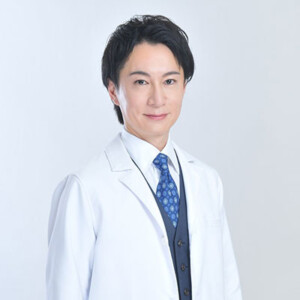
Dr. Jun Karibe
MD
Director
Education & Career
Certifications
Awards
MEDICAL REVIEW