Dermal Filler in Tokyo: Prices, Products and How to Choose a Clinic

Looking into dermal filler while living in or visiting Tokyo can feel unexpectedly opaque — Japanese clinic websites rarely publish prices in English, product names differ from those used at home, and it is not always clear which fillers are actually approved for use in Japan.In my clinic, we also have a lot of patients who are in trouble with uncertainty.
That uncertainty is reasonable, and it is worth resolving before you book anything.
This guide explains what dermal filler is, what published evidence says about results and risks, what it realistically costs in Tokyo, and how English-speaking patients can arrange a consultation.
What you’ll learn in this article:
- What hyaluronic acid dermal filler is and which facial concerns it can address
- How long results last, based on manufacturer clinical data submitted for Japanese approval
- Actual dermal filler prices at our Tokyo clinic, including the cost of dissolving filler
- What published Japanese safety data shows about complication rates
- Where English-speaking patients can be seen in Tokyo
Have a question about this treatment?
Message us on LINE or WhatsApp — our English-speaking team usually replies the same day.
What Is Dermal Filler?
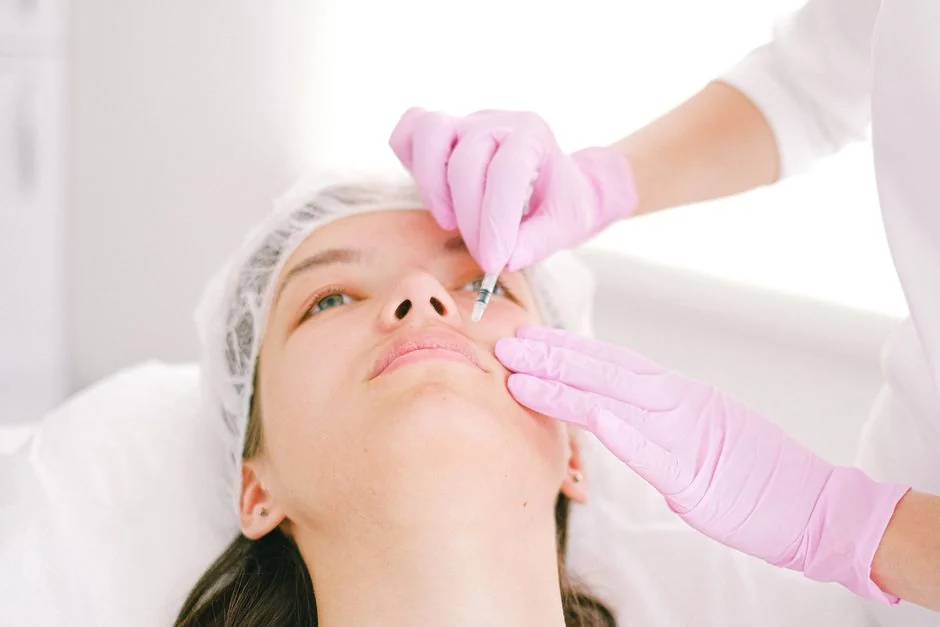
Dermal filler is an injectable gel placed under the skin to restore volume, soften folds or refine contour. The most widely used type is hyaluronic acid (HA) filler — a gel made from a sugar molecule that occurs naturally in human skin and connective tissue.
Unlike botulinum toxin, which relaxes muscles that create expression lines, filler physically occupies space. It is therefore suited to hollowing, descent and structural loss rather than to movement-related wrinkles.
Filler is used globally on a very large scale. The International Society of Aesthetic Plastic Surgery’s Global Survey 2024, published in June 2025, recorded 6.3 million hyaluronic acid filler procedures performed worldwide by plastic surgeons in 2024 — an increase of 5.2 per cent on the previous year, and the second most common non-surgical procedure after botulinum toxin at 7.8 million.
Common treatment areas
- Midface and cheeks, where volume loss makes the lower face look heavier
- Nasolabial folds and marionette lines
- Lips, for hydration, definition or modest augmentation
- Chin and jawline, for profile balance
- Temples, where hollowing narrows the upper face
How Dermal Filler Works and How Long It Lasts
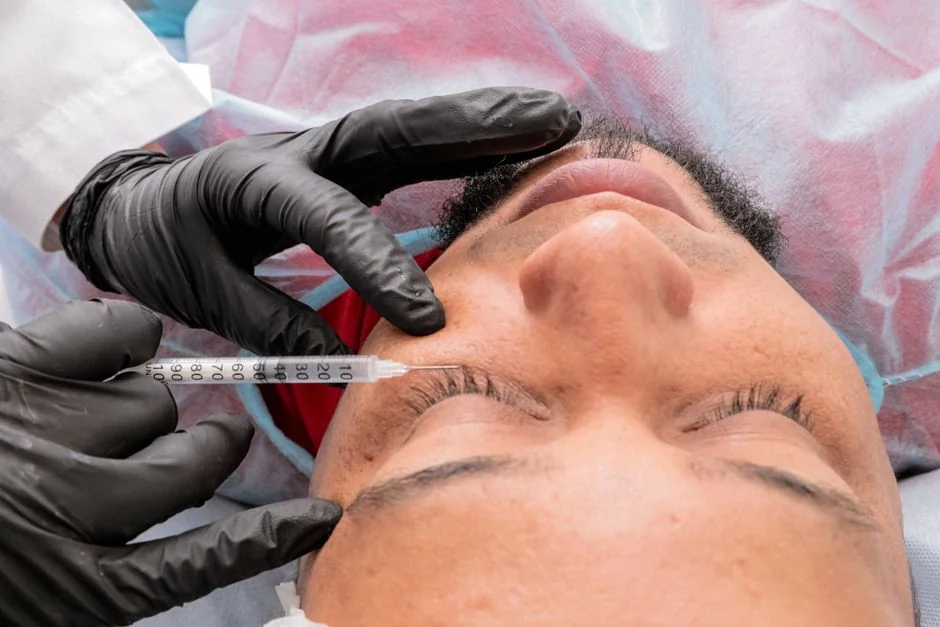
HA gels are cross-linked to differing degrees during manufacture. Softer, less cross-linked gels sit superficially and improve skin quality and fine lines; firmer, more cross-linked gels provide lift and structure in deeper planes.
Duration depends on the product, the depth of placement and how mobile the treated area is. Regulatory-grade data gives a useful benchmark: in the clinical data cited by Allergan Japan when Juvéderm Vista Voluma XC received Japanese manufacturing and marketing approval on 9 September 2016 for increasing lost volume in the midface, chin and temples, 85.2 per cent of patients showed improvement at 12 months and 67.1 per cent still maintained improvement at 24 months.
Areas that move constantly, such as the lips, generally metabolise filler faster than the deep midface. Studies suggest results are temporary in all cases, because the body gradually breaks the gel down.
Filler is reversible — and that matters
HA filler can be dissolved with hyaluronidase, an enzyme injected into the treated area. A 2025 systematic review and meta-analysis in Cureus reported that hyaluronidase used for HA-related vascular occlusion achieved partial or total recovery in 84.2 per cent of cases, and that delays beyond five days correlated with permanent deficits. Reversibility is one of the main reasons HA is preferred over permanent injectables.
How filler compares with other options
| Concern | Typically addressed by | Mechanism | Reversible? |
|---|---|---|---|
| Volume loss, hollowing, folds | Hyaluronic acid filler | Adds physical volume under the skin | Yes, with hyaluronidase |
| Expression lines (frown, crow’s feet) | Botulinum toxin injection | Temporarily relaxes the muscle | No, but wears off |
| Mild laxity and skin tightening | HIFU, radiofrequency devices such as Morpheus8 | Controlled energy stimulates collagen | No |
| Texture, pores, acne scarring | CO2 fractional laser, Dermapen | Controlled resurfacing and remodelling | No |
These are complementary rather than competing. Hyaluronic acid filler, botulinum toxin, HIFU and Morpheus8 are all treatments available at BIOTOPE CLINIC in Shirokanedai — feel free to ask which combination suits your concern during a consultation with Dr. Karibe.
Dermal Filler Price in Tokyo
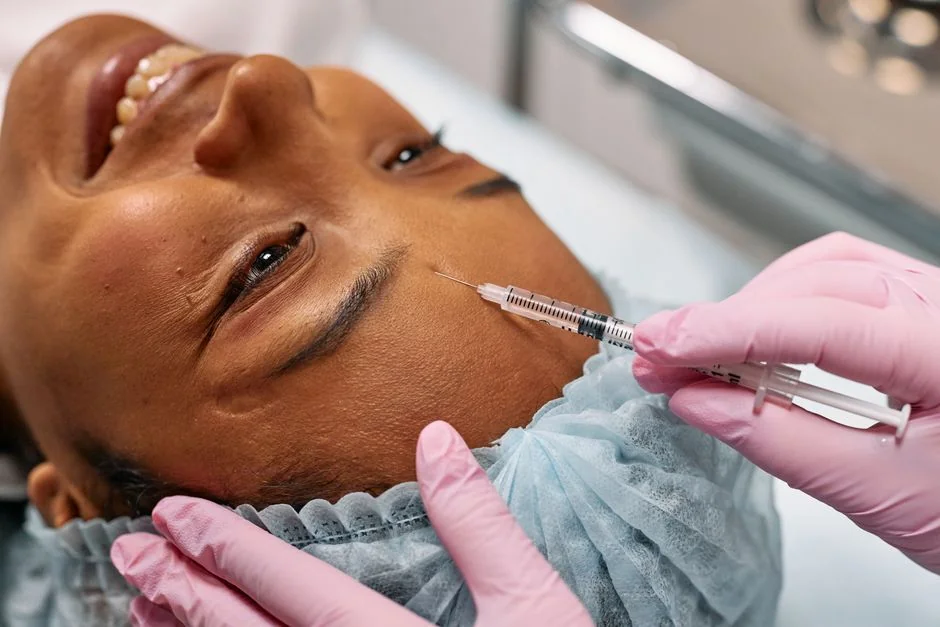
Filler in Japan is self-pay cosmetic medicine (jiyū shinryō) and is not covered by Japanese national health insurance. Pricing is usually quoted per syringe, and the number of syringes needed depends entirely on the area and the degree of volume loss.
Current published prices at our clinic group, tax included, are as follows:
- Allergan hyaluronic acid range (Volite, Voluma, Volift, Volux): 88,000 yen for the first syringe
- Korean-manufactured hyaluronic acid: 66,000 yen per syringe
- Hyaluronidase (filler dissolving injection), 0.1 mL: 11,000 yen
- Hyaluronidase for filler injected at another clinic, 0.1 mL: 22,000 yen
Two points are worth understanding. First, the price gap between manufacturers reflects regulatory status and the volume of clinical data behind each gel, not simply branding. Second, the existence of a separate, higher fee for dissolving filler placed elsewhere reflects the extra assessment required when the injecting record is unknown.
Prices are subject to change; please see the clinic’s official price page or contact us for a current quote. For an accurate quote, please book a consultation.
Have a question about this treatment?
Message us on LINE or WhatsApp — our English-speaking team usually replies the same day.
What to Expect: Before, During and After

A consultation should cover your concern, facial assessment, product selection, realistic expectations and medical history. Japan’s Ministry of Health, Labour and Welfare, on its cosmetic medicine guidance page updated 31 March 2025, advises patients to confirm the side effects, complications, likelihood of occurrence and available alternatives before agreeing to any self-pay cosmetic procedure.
The injection itself usually takes 10 to 30 minutes. Most HA products used for facial work contain lidocaine, and topical anaesthetic or ice is commonly applied beforehand.
Swelling, tenderness and small bruises are the usual after-effects and typically settle within several days. Bruising can occasionally last longer, so it is sensible to leave a margin before an important event.
Who is a good candidate
- Adults with volume loss, folds or contour concerns who want a non-surgical, reversible option
- People who can accept a temporary result requiring maintenance
- People able to attend a follow-up appointment if needed — relevant if you are visiting Japan briefly
Who should avoid it or proceed with caution
- Anyone with active infection or inflammation at the intended injection site
- People with a known hypersensitivity to hyaluronic acid products or lidocaine
- Those on anticoagulants or with bleeding disorders, who need individual assessment
- Pregnancy and breastfeeding, where safety has not been established
- Anyone seeking large-volume body contouring, which is not an appropriate use of facial filler
What People Often Get Wrong About Dermal Filler
Misconception 1: “All filler used in Japan is government-approved”
It is not. MHLW states plainly that drugs, materials and devices used in self-pay cosmetic treatment may not have been approved under the Pharmaceuticals and Medical Devices Act. Some hyaluronic acid products do hold Japanese approval — Juvéderm Vista Voluma XC, for example, was approved on 9 September 2016 — while others are imported without it. Approval in another country is not Japanese approval, and it is reasonable to ask a clinic directly which product it intends to use and what its regulatory status in Japan is.
Misconception 2: “Filler is essentially risk-free because it is just an injection”
Serious complications are uncommon but real. A descriptive observational study of 41,775 cases and 58,533 injection sites by Nishikawa, Aikawa and Kono, published in Aesthetic Surgery Journal in 2023, found an early complication rate of 0.07 per cent. Of those 29 early complications, 18 (62 per cent) were vascular compromise, and the nasolabial fold accounted for 13 cases — all of them vascular. The 2025 Cureus meta-analysis similarly identified the glabella, nose and nasolabial folds as the regions most commonly implicated.
Clinical reports indicate the practical implication is straightforward: anatomical knowledge, conservative technique and rapid access to hyaluronidase matter more than the brand on the syringe.
Where to Get Dermal Filler in Tokyo
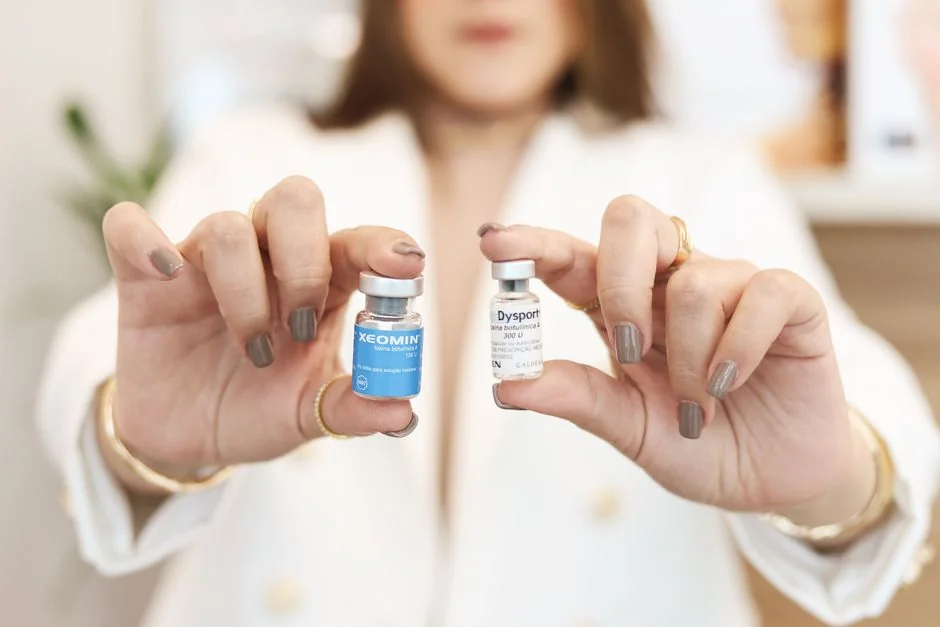
Consumer complaints in this sector have risen sharply. Japan’s National Consumer Affairs Center recorded 10,744 consultations relating to cosmetic medical services in fiscal 2024, up from 6,281 the previous year — frequently involving inadequate explanation before treatment. Choosing a clinic that will sit down and explain the product, the risks and the alternatives is not a minor consideration.
At BIOTOPE CLINIC in Shirokanedai, English-speaking patients frequently arrive with questions about which product will be used, whether it is approved in Japan, and what happens if they dislike the result — all of which are addressed at consultation before any injection is agreed.
Within our clinic group, English-speaking consultations are handled at BIOTOPE CLINIC in Shirokanedai (Minato-ku, Tokyo) by Dr. Jun Karibe. Our sister clinic Kojimachi Dermatology & Plastic Surgery Clinic in Ichigaya handles Japanese-language insurance dermatology. Bookings and enquiries in English: LINE or WhatsApp.
BIOTOPE CLINIC is located at 4-9-10 Shirokanedai, Minato-ku, one minute from Exit 1 of Shirokanedai Station, and is open from 10:00 to 19:00.
Frequently Asked Questions
- Q. Is dermal filler covered by Japanese health insurance?
- No. Cosmetic filler is self-pay treatment in Japan and is not reimbursed by national health insurance. Your travel or private insurance is also unlikely to cover elective aesthetic procedures.
- Q. How long will my results last?
- It depends on the product and the area treated. Manufacturer data submitted for Japanese approval of one deep-volume product showed 85.2 per cent of patients improved at 12 months and 67.1 per cent still improved at 24 months; mobile areas such as the lips generally last less time.
- Q. Can filler be removed if I do not like it?
- Hyaluronic acid filler can be dissolved with hyaluronidase, and this is priced separately at our clinic. A different fee applies when dissolving filler that was injected at another clinic, because the product and placement record are unknown.
- Q. Do I need to speak Japanese to be treated?
- No. English-speaking consultations within our group are handled at BIOTOPE CLINIC in Shirokanedai. Enquiries can be made in English via LINE or WhatsApp before you travel.
Have a question about this treatment?
Message us on LINE or WhatsApp — our English-speaking team usually replies the same day.
Summary
Hyaluronic acid dermal filler is a temporary, reversible way to restore facial volume and soften folds, with published data supporting maintained improvement at 12 and 24 months for deep-volume products. Serious complications are uncommon — one Japanese study of 41,775 cases reported a 0.07 per cent early complication rate — but they are concentrated in specific high-risk areas, which is why injector assessment matters.
In Tokyo, expect self-pay pricing quoted per syringe, with a meaningful difference between manufacturers. Ask which product will be used, whether it holds Japanese approval, and how a complication would be managed.
If you have questions about dermal filler in Tokyo, English-speaking consultations are handled at BIOTOPE CLINIC in Shirokanedai (Minato-ku, Tokyo) by Dr. Karibe. Our sister clinic Kojimachi Dermatology & Plastic Surgery Clinic in Ichigaya (Chiyoda-ku) handles Japanese-language insurance dermatology. English enquiries: LINE or WhatsApp.
24/7 Consultation & Booking
Book a Consultation or Treatment
Our English-speaking team responds via LINE or WhatsApp — usually the same day.
References
- Nishikawa A, Aikawa Y, Kono T. Current Status of Early Complications Caused by Hyaluronic Acid Fillers: Insights From a Descriptive, Observational Study of 41,775 Cases. Aesthetic Surgery Journal. 2023;43(8):893–904.
- Chakhachiro A, Waseem M. Risk Factor Analysis for Vascular Occlusions After Dermal Filler Injections: A Systematic Review and Meta-Analysis. Cureus. 2025;17(4):e82800.
- International Society of Aesthetic Plastic Surgery. ISAPS Global Survey on Aesthetic/Cosmetic Procedures 2024. Published June 2025.
- Allergan Japan. Press release: launch of Juvéderm Vista Voluma XC, hyaluronic acid soft tissue filler (Japanese regulatory approval 9 September 2016).
- Ministry of Health, Labour and Welfare, Japan. Guidance page on cosmetic medical treatment for patients. Updated 31 March 2025.
- National Consumer Affairs Center of Japan. Consultation statistics on cosmetic medical services. Updated 31 July 2026.
Related Articles
You may also find these articles useful.
- Dermal Filler Tokyo: Prices & English-Speaking Clinics
- Dermal Filler Tokyo Price and Clinic Guide
- Dermal Filler Tokyo Price & Clinic Guide
- How Long Should You Stay in Tokyo for HA Filler? Downtime, Bruising & Flying Guide
- Filler for Jawline and Cheeks Tokyo
SUPERVISED BY

Dr. Jun Karibe
MD
Director
Education & Career
Certifications
Awards
MEDICAL REVIEW