Under-Eye Dark Circles in Tokyo: Injections vs Surgery — Which Treatment Is Right for You?

Persistent shadows under the eyes can make a person look tired even after a full night’s sleep, and it is a common reason people search for treatment options in Tokyo. The right approach depends on what is actually causing the darkness — pigmentation, thin skin over visible blood vessels, or a structural loss (or bulge) of fat — and that is exactly what this article walks through.
- The main causes of under-eye dark circles and why the cause determines the treatment
- How hyaluronic acid filler injections work compared with transconjunctival blepharoplasty (surgical fat repositioning)
- What results, downtime, and cost to realistically expect from each option in Tokyo
- Who tends to be a better candidate for injections versus surgery
- Where each treatment is handled within our clinic group, with English-language consultation
Have a question about this treatment?
Message us on LINE or WhatsApp — our English-speaking team usually replies the same day.
What Causes Under-Eye Dark Circles?

Dermatology literature generally groups periorbital dark circles into overlapping categories: pigmented (excess melanin), vascular (thin skin revealing underlying blood vessels), and structural — volume loss, fat bulging, or skin laxity that creates a shadow. A comprehensive review in the Journal of Clinical and Aesthetic Dermatology notes that constitutional pigmentation, thin translucent eyelid skin, ageing-related shadowing, and periorbital oedema are all recognised contributing factors, often occurring in combination rather than in isolation.
This matters clinically because a purely pigmented dark circle will not respond to a filler injection or surgery, while a structural dark circle caused by hollowing or fat prolapse will not improve much with topical treatment alone. An accurate diagnosis — ideally in person, under good lighting, with the skin gently stretched — is the first step before choosing between injections and surgery.
Injections vs Surgery: How Each Treatment Works

Hyaluronic Acid Filler Injections (Tear Trough Filler)
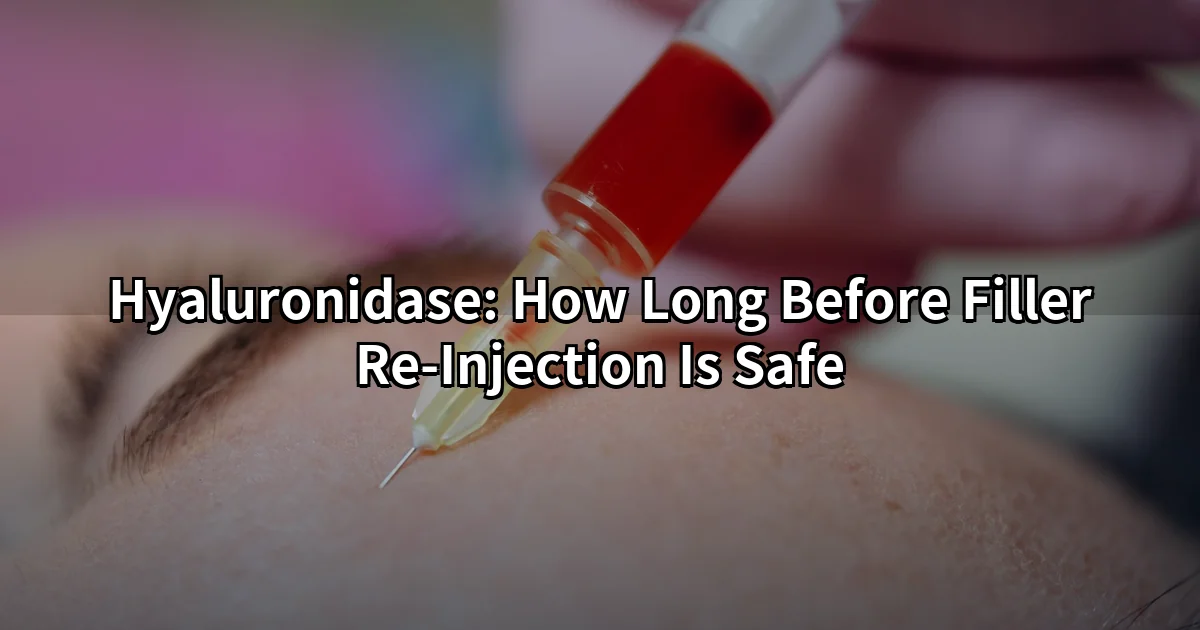
Tear trough filler uses a fine needle or cannula to place hyaluronic acid gel beneath the hollow area of the lower eyelid, restoring lost volume so the shadow is less visible. It is typically performed under topical numbing cream in an outpatient setting and takes roughly fifteen to thirty minutes.
Clinical reports indicate that this approach works well specifically for volume-loss (hollow) type dark circles rather than for cases where fat is already bulging outward. A multicentre, randomised, evaluator-blinded study published in the Aesthetic Surgery Journal found that patient satisfaction with hyaluronic acid filler for infraorbital hollows was high — reported at roughly 90–95% among subjects at six months post-treatment — with substantial improvement on standardised hollow-severity scales in the majority of subjects.
Transconjunctival Blepharoplasty (Surgical Fat Repositioning or Removal)
Transconjunctival blepharoplasty is a surgical procedure performed through a small incision on the inside of the lower eyelid (no visible external scar), through which prolapsed orbital fat is trimmed or repositioned to smooth the lid-cheek junction. It is generally reserved for cases where fat has visibly bulged forward — clinically described using tools such as the Barton grading scale, which is commonly used to standardise how much orbital fat protrusion and tear-trough depth is present.
According to a 2025 retrospective cohort study published in Medicine, the transconjunctival approach is specifically indicated for patients with moderate-to-severe orbital fat pseudoherniation with good eyelid tone and minimal skin excess. In that study of 97 patients, aesthetic outcomes were rated as significantly improved, with the large majority of patients reporting they were “very satisfied” or “somewhat satisfied” on a validated patient-reported outcome measure (FACE-Q).
Expected Results: Injections vs Surgery

Both approaches can visibly soften the appearance of under-eye shadows, but the mechanism, durability, and reversibility differ considerably.
| Factor | HA Filler Injection | Transconjunctival Blepharoplasty |
|---|---|---|
| Best suited for | Hollowing / volume loss without fat bulge | Visible fat bulge (pseudoherniation), typically moderate-severe |
| Anaesthesia | Topical numbing cream | Local anaesthesia, sometimes with light sedation |
| Procedure time | Approx. 15–30 minutes | Approx. 30–60 minutes |
| Onset of visible result | Immediate | Visible once swelling subsides, over 1–2 weeks |
| Typical duration of effect | Roughly 6–12 months, then gradually reabsorbs | Considered a long-term structural change |
| Reversibility | Reversible with hyaluronidase if needed | Not reversible |
| Typical downtime | A few days to about one week of swelling/bruising | Roughly 7–14 days of swelling/bruising |
Results vary from person to person, and no clinic can promise a specific outcome. Individuals with a hollow-only pattern and no fat bulge who choose surgery may see limited additional benefit, while those with a significant fat bulge who choose filler alone may find the bulge remains visible regardless of injection technique.
Cost of Dark Circle Treatment in Tokyo

Within our clinic group’s own published pricing, hyaluronic acid filler injection for the tear trough area (both eyes) is generally in the range of approximately 88,000 yen〜 per session, depending on the product and volume used, with effects typically lasting around 6 to 12 months.
Transconjunctival fat removal (経結膜脱脂法) for under-eye dark circles is listed at approximately 280,000 yen. These figures can change and vary based on individual assessment, so please see the clinic’s official price page or contact us for a current quote.
In Japan, both procedures are typically self-pay (jiyu-shinryo) cosmetic treatments and are not covered by national health insurance, since the indication is aesthetic rather than medically necessary. For an accurate quote, please book a consultation.
Have a question about this treatment?
Message us on LINE or WhatsApp — our English-speaking team usually replies the same day.
What to Expect: Before, During and After Treatment

Before either treatment, a consultation and visual assessment (often including photographs and, for surgical candidates, an evaluation of eyelid tone and skin laxity) helps determine which category of dark circle is present and which option is more appropriate.
For filler injections, numbing cream is applied, the product is injected with a needle or blunt cannula, and gentle massage may follow to smooth placement; most people can resume normal activities the same day, though visible bruising or swelling can take several days to about a week to fully settle. For transconjunctival blepharoplasty, the procedure is performed under local anaesthesia (with or without light sedation), there is no external skin incision or visible scar, and the clinic’s own post-procedure guidance notes that swelling and bruising generally resolve within one to two weeks, with a follow-up check typically scheduled around day seven and make-up usually permitted after about a week.
Who Is a Good Candidate — and Where to Get Treatment in Tokyo
Filler injections tend to suit people with early-to-moderate hollowing and no significant fat bulge, reasonably healthy skin, and no active infection in the treatment area; it is generally avoided during pregnancy or breastfeeding, and people on blood-thinning medication should discuss bruising risk in advance. Surgery tends to suit people with a visibly bulging fat pad (moderate-to-severe pseudoherniation) and good eyelid skin tone, and is generally not recommended for those with uncontrolled bleeding disorders, significant untreated systemic disease, or unrealistic expectations about scarring and recovery.
At BIOTOPE CLINIC in Shirokanedai, we frequently see patients who are unsure which category their dark circles fall into, which is why an in-person assessment — rather than a decision based on photos alone — is recommended before booking either procedure.
Within our clinic group, both BIOTOPE CLINIC (Shirokanedai, Minato-ku) and Kojimachi Dermatology & Plastic Surgery Clinic (Ichigaya, Chiyoda-ku) offer English-language consultation with Dr. Jun Karibe’s team. Hyaluronic acid filler injections for under-eye hollows are handled at BIOTOPE CLINIC (Shirokanedai, Minato-ku), where injectable and cosmetic dermatology treatments are based, while transconjunctival blepharoplasty (surgical fat removal) is handled at Kojimachi Dermatology & Plastic Surgery Clinic (Ichigaya, Chiyoda-ku), the group’s main office for general and aesthetic plastic surgery. Bookings and enquiries in English: LINE or WhatsApp.
If pigmentation is the dominant factor rather than hollowing or fat bulge, laser treatment may be more appropriate than either injections or surgery. This is a treatment available at BIOTOPE CLINIC in Shirokanedai — feel free to ask about it during a consultation with Dr. Karibe, since PicoWay-type lasers are generally discussed for constitutional or post-inflammatory pigmentation rather than for structural dark circles.
Common Misconceptions About Dark Circle Treatment
“Dark circles are just from being tired or not sleeping enough.”
Lack of sleep can worsen the appearance of dark circles, but clinical reviews describe periorbital hyperpigmentation and shadowing as multifactorial — involving genetics, constitutional pigmentation, thin vascular skin, and structural volume changes — meaning many people with prominent dark circles will not see them resolve through sleep or lifestyle changes alone.
“Filler and surgery are interchangeable — you can just pick whichever is cheaper.”
Clinical indication criteria differ meaningfully between the two: published studies describe hyaluronic acid filler as suited to infraorbital hollowing without significant fat prolapse, whereas transconjunctival surgery is specifically indicated for moderate-to-severe fat pseudoherniation. Using the wrong treatment for the underlying cause is a common reason patients feel disappointed with results.
Frequently Asked Questions
- Q. Can I combine filler injections and surgery?
- Some patients do have both a hollow component and a fat-bulge component, and a treating physician may discuss a combined or staged approach after an in-person assessment. This should be planned individually rather than assumed, since combining treatments changes the risk and recovery profile.
- Q. Is a hyaluronic acid filler for dark circles approved in Japan?
- Regulatory approval status varies by specific product and country; a particular hyaluronic acid filler was granted FDA approval in the United States for infraorbital hollow correction, but that is a US approval and does not automatically apply in Japan. In Japan, tear-trough filler is generally offered as a self-pay aesthetic procedure, and patients should confirm the specific product’s status with their treating physician.
- Q. How long does it take to see results?
- Filler injections show a visible change immediately, though final settling takes a few days as swelling resolves.
- Q. Will the dark circles come back after treatment?
- Hyaluronic acid filler is gradually reabsorbed by the body, so most patients need repeat sessions roughly every 6 to 12 months to maintain the effect. Surgical fat removal is considered a longer-term structural change, though natural ageing can still affect the area over time.
- Q. What are the main risks to be aware of?
- Filler injections carry a small risk of bruising, swelling, lumpiness, or a bluish discolouration (Tyndall effect) if placed too superficially or in excess volume. Surgery carries the general risks of any eyelid procedure, including bruising, swelling, and — rarely — asymmetry or under/over-correction; both should only be performed by an appropriately qualified physician.
Have a question about this treatment?
Message us on LINE or WhatsApp — our English-speaking team usually replies the same day.
Summary
Under-eye dark circles have several distinct causes, and the treatment that works well for one type — pigmentation, thin vascular skin, hollowing, or fat bulge — may do little for another. Hyaluronic acid filler injections are generally suited to volume-loss hollowing and offer an immediate, reversible, lower-downtime option lasting roughly 6 to 12 months, while transconjunctival blepharoplasty addresses visible fat bulging with a longer recovery but a longer-term structural result.
If you have questions about under-eye dark circle treatment, both BIOTOPE CLINIC (Shirokanedai, Minato-ku) and Kojimachi Dermatology & Plastic Surgery Clinic (Ichigaya, Chiyoda-ku) offer English-language consultation with Dr. Karibe and his team.
Filler injections for dark circles are primarily handled at BIOTOPE CLINIC, while surgical fat removal (transconjunctival blepharoplasty) is primarily handled at Kojimachi Dermatology & Plastic Surgery Clinic. English enquiries: LINE or WhatsApp.
24/7 Consultation & Booking
Book a Consultation or Treatment
Our English-speaking team responds via LINE or WhatsApp — usually the same day.
References
- Biesman BS, Green JB, George R, Jacob C, Palm M, Jones DH, Grunebaum L, Beer K, Cho Y, Joseph JH, Almegård B, Weinberg F, Bromée T. A Multicenter, Randomized, Evaluator-Blinded Study to Examine the Safety and Effectiveness of Hyaluronic Acid Filler in the Correction of Infraorbital Hollows. Aesthetic Surgery Journal. 2024.
- Li W, Gao Y, Qi Z, Li Z, Wu F. Refined Trimming of Orbital Fat in Transconjunctival Lower Blepharoplasty: A Retrospective Cohort Study on Clinical Outcomes and Aesthetic Assessment. Medicine (Baltimore). 2025.
- Sarkar R, Ranjan R, Garg S, Garg VK, Sonthalia S, Bansal S. Periorbital Hyperpigmentation: A Comprehensive Review. The Journal of Clinical and Aesthetic Dermatology. 2016.
Related Articles
You may also find these articles useful.
- Under Eye Dark Circles Treatment Tokyo: Injections vs Surgery
- Under Eye Bags Surgery Tokyo: Transconjunctival Guide
- Under Eye Filler Tokyo: Risks, Benefits & Costs
- Under Eye Bags Surgery Tokyo: Transconjunctival Blepharoplasty
- Under Eye Filler Tokyo: Risks, Benefits & Results
SUPERVISED BY

Dr. Jun Karibe
MD
Director
Education & Career
Certifications
Awards
MEDICAL REVIEW