Eyebrow Artmake in Tokyo: Cost, Procedure and Clinic Guide
Many people living in or visiting Tokyo find themselves curious about eyebrow artmake — particularly if daily brow-filling takes up precious time or yields results that smudge in Tokyo’s humidity. This guide covers exactly what artmake involves, which techniques exist, what realistic prices look like in Tokyo, and what the healing process requires, so that you can arrive at any consultation already well-informed.
- The key differences between artmake and a conventional tattoo
- Which eyebrow techniques suit different skin types and brow goals
- Realistic cost ranges for eyebrow artmake at Tokyo clinics
- A week-by-week guide to the healing process and aftercare
- Who is a suitable candidate — and who should wait
Have a question about this treatment?
Message us on LINE or WhatsApp — our English-speaking team usually replies the same day.
What Is Artmake?
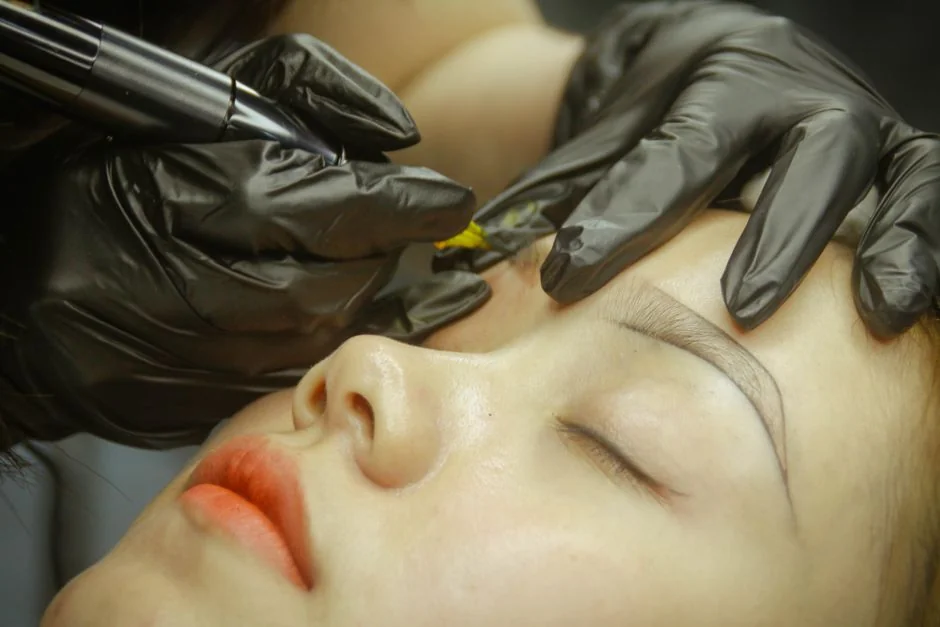
Artmake is the Japanese term for semi-permanent cosmetic pigmentation applied using fine needles. The pigment is deposited into the superficial layers of the skin — approximately 0.2 mm beneath the surface — rather than into the deeper dermal tissue targeted by conventional tattoos. Because these upper skin cells naturally turn over over time, the colour gradually fades over one to three years, depending on skin type, sun exposure, and skincare habits.
Japan applies a notably strict regulatory framework to artmake. A July 2023 notification from the Ministry of Health, Labour and Welfare confirmed that artmake constitutes a medical act under Article 17 of the Medical Practitioners’ Act.
In practice, this means the procedure may legally be carried out only by a licensed physician or by a nurse working under direct physician supervision. Travellers who have received artmake elsewhere should be aware that Japanese clinics operate to this higher standard, which distinguishes them from non-medical salons common in other markets.
Results typically last one to three years before significant fading occurs. Periodic top-up sessions maintain the appearance without starting from scratch each time.
How Eyebrow Artmake Works
Consultation and design
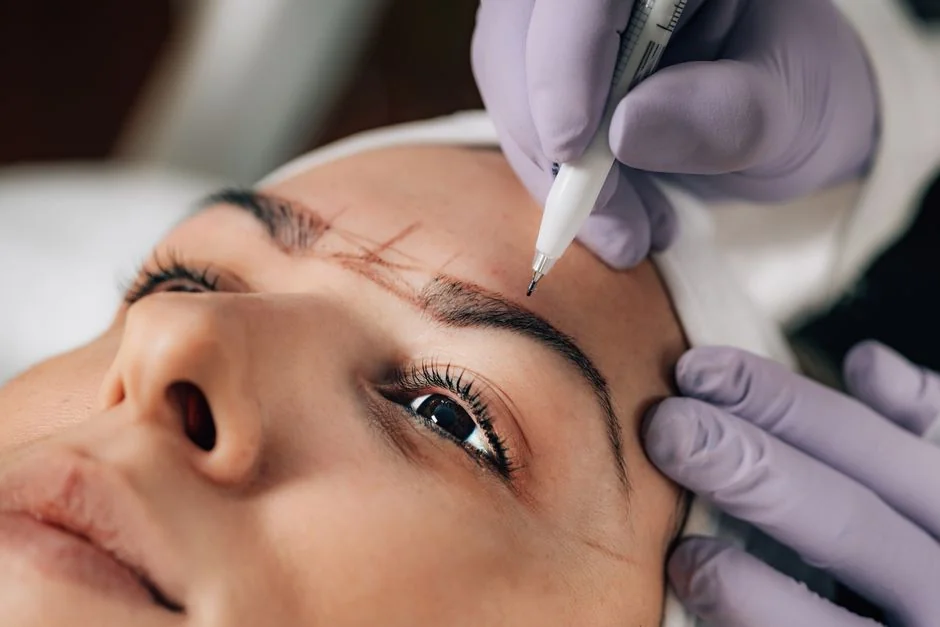
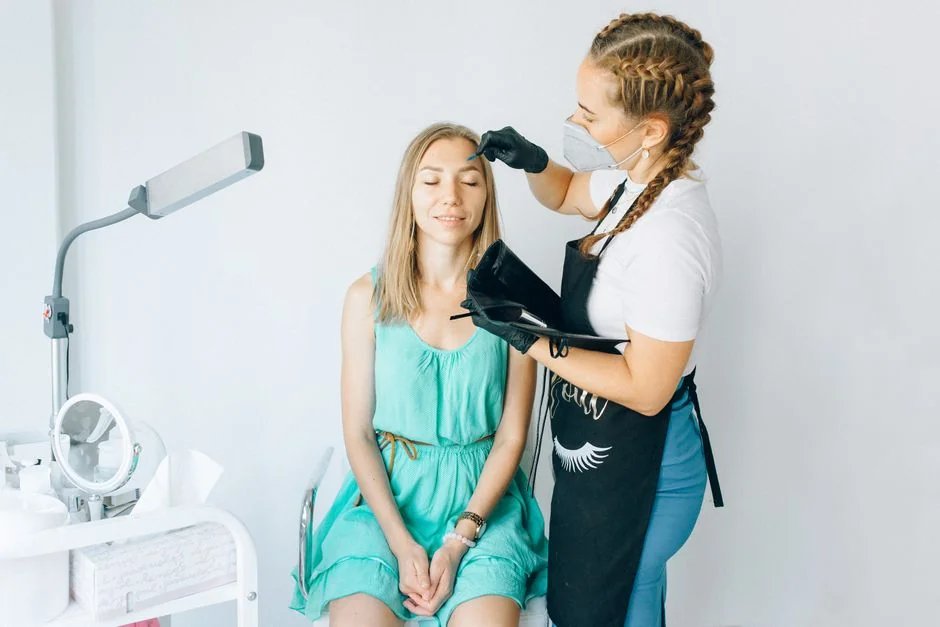
Every session begins with a detailed consultation. The practitioner assesses your existing brow hair, facial structure, skin tone, and personal style preference before sketching a proposed shape in removable pencil. No pigment is applied until you have reviewed and approved the design.
Technique options
Three principal techniques are used at Tokyo medical clinics:
- Hair-stroke method (3D brows): Fine individual strokes are etched to mimic the appearance of real brow hairs. This technique suits people with some existing hair who want to fill gaps or add definition, and produces a highly naturalistic result.
- Powder method (2D brows): Tiny dots of pigment are layered to create a soft, gradient finish resembling a lightly filled-in brow product. It performs well on oilier skin types, where sebum production can cause hair-stroke lines to blur over time.
- Combination method (4D brows): Hair strokes in the head and body of the brow transition into powder shading at the tail, creating both depth and dimension. It is the most versatile option and suits the widest range of skin types and aesthetics.
The procedure itself
Topical anaesthetic cream is applied for approximately 20 to 30 minutes before any needling begins. The treatment itself takes around 60 to 90 minutes. Although anaesthesia reduces discomfort substantially, artmake does involve needle penetration of the skin, and some sensation during treatment is normal. Two sessions spaced four to eight weeks apart are the standard recommendation; the second visit locks in colour where the skin did not fully retain the pigment on the first pass.
| Feature | Artmake (Japan) | Conventional tattoo | Microblading |
|---|---|---|---|
| Pigment depth | Superficial skin (~0.2 mm) | Deep dermis (~1–3 mm) | Superficial (manual blade) |
| Duration | 1–3 years | Effectively lifelong | 1–2 years |
| Fading pattern | Gradual, adjustable at top-up | Stable; slight colour shift over decades | Gradual, adjustable at top-up |
| Legal classification (Japan) | Medical act: physician or supervised nurse only | Artistic activity | Medical act: physician or supervised nurse only |
| Primary application method | Machine-assisted needling | Tattoo machine or hand-poke | Manual hand blade |
Cost of Eyebrow Artmake in Tokyo
Session prices at Tokyo medical clinics generally range from approximately ¥60,000 to ¥150,000. Because most practitioners recommend two sessions for optimal colour retention, a full initial course typically runs in the range of ¥120,000 to ¥300,000 in total. Monitor pricing — where a client agrees to be used for training or documentation — is frequently available at a discount.
Several factors determine where within this range a particular quote falls: the practitioner’s experience and credentials, the technique chosen (combination brows are more involved than powder-only), the clinic’s location within Tokyo, and whether touch-up sessions are bundled into the package price. Subsequent annual or biennial top-ups are priced lower than an initial course, as the practitioner is refreshing existing pigment rather than building a design from scratch.
For BIOTOPE CLINIC’s current eyebrow artmake pricing, please see the official BIOTOPE CLINIC price page or contact the English-speaking team via LINE or WhatsApp for a current quote. Pricing is confirmed at the time of your consultation.
Have a question about this treatment?
Message us on LINE or WhatsApp — our English-speaking team usually replies the same day.
Healing and Aftercare
Week-by-week timeline
Days 1–3: The brows appear noticeably darker and bolder than the finished result will be. Some redness and mild swelling around the treated area is normal and typically subsides within 24 to 48 hours.
Days 4–7: The surface skin begins to flake or peel lightly as the healing layer sheds. It is important not to pick at this peeling skin; doing so can lift pigment with it and leave uneven patches.
Days 7–14: The “ghost phase” — the brows may appear faded or nearly invisible as fresh skin forms over the pigment. This is a normal part of the healing process and does not mean the treatment has not worked.
Weeks 4–6: The true healed colour gradually emerges. This is the stage at which the result is assessed and, if needed, the follow-up top-up session is planned.
Standard aftercare instructions
- Avoid wetting the treated area for the first 24 to 48 hours
- Apply a thin layer of healing ointment (such as Vaseline) for three to seven days as directed
- Skip strenuous exercise, saunas, and steam rooms for one week
- Do not apply eyebrow makeup or exfoliating products over the area for at least one week
- Protect the healed area from prolonged sun exposure for two to three weeks; SPF is essential once the skin has closed
Who Is a Good Candidate?
Most adults in good general health are suitable for eyebrow artmake. It is particularly well-suited to people with sparse, thin, or asymmetrical brows; those experiencing brow hair loss from alopecia or medical treatment; and anyone who leads an active lifestyle where conventional brow makeup smudges or washes off. People with certain skin conditions that make daily makeup application uncomfortable — such as periorbital eczema — may also find artmake a practical solution.
Practitioners will typically advise against treatment, or request medical clearance first, for anyone who is pregnant or breastfeeding; has a known tendency towards keloid or hypertrophic scarring; has uncontrolled diabetes or a compromised immune system; has an active skin infection or open wound on or near the brow; has used oral isotretinoin within the preceding six months; has a bleeding disorder or is taking anticoagulant medication; or has a known allergy to pigment components or topical anaesthetics.
People with very oily skin should be aware that sebum production can accelerate colour fading, which may mean more frequent top-up sessions are needed to maintain the desired appearance.
Common Misconceptions
“Artmake and a tattoo are essentially the same thing”
The two procedures share the use of needles and pigment, but they are fundamentally different in depth, duration, and legal classification. Artmake deposits pigment into the superficial skin layers, where natural cell turnover causes gradual fading over one to three years. A conventional tattoo goes much deeper — into the dermis — where cells do not turn over in the same way, giving tattoo ink its effectively permanent character. Under Japanese law, artmake is classified as a medical act subject to the Medical Practitioners’ Act, while tattooing is recognised as an artistic activity. At a licensed Tokyo medical clinic, your artmake procedure is performed by or under the direct supervision of a physician.
“The procedure is completely painless”
Reputable clinics apply topical anaesthetic before treatment, and the majority of patients report the experience as manageable. However, artmake involves repeatedly introducing fine needles into the skin, and some degree of sensation should be expected. The brow area sits close to the bone, which can make it more sensitive than softer facial zones. A study of 1,352 clients who underwent permanent eyebrow and eyeline procedures found itching was the most commonly reported post-procedure symptom for eyebrow artmake, affecting 8.2% of participants; the infection rate was 0.2%. Setting realistic expectations — mild discomfort rather than zero sensation — consistently leads to a better overall experience.
Where to Get Eyebrow Artmake in Tokyo
Within our clinic group, artmake is performed at BIOTOPE CLINIC in Shirokanedai (Minato-ku), directed by Dr. Jun Karibe. Our English-speaking team covers both clinics and handles all English enquiries.
Our main clinic — Kojimachi Dermatology & Plastic Surgery Clinic, located in Ichigaya (Chiyoda-ku) — specialises in dermatology and plastic surgery but does not perform artmake. Readers who reach out to the Ichigaya location will be directed to BIOTOPE CLINIC‘s artmake team without delay.
BIOTOPE CLINIC is approximately one minute on foot from Shirokanedai Station (Exit 1, Toei Mita Line). Consultations can be conducted in English, and the current price list is confirmed at the time of your appointment.
Frequently Asked Questions
- Q. How many sessions will I need?
- Most clients require two sessions for the best colour retention and evenness. The first session establishes the shape and base colour; the follow-up session, typically four to eight weeks later, fills in any areas where the pigment did not adhere fully. People with oilier skin or a faster metabolism may occasionally benefit from a third session.
- Q. Will my eyebrows look natural?
- With a well-matched technique and an experienced practitioner, healed artmake is designed to resemble natural brow hair or softly filled brows rather than drawn-on cosmetics. The hair-stroke method in particular is intended to mimic individual hairs. Results are most convincing when the design is shaped around your bone structure, existing hair growth, and facial expressions during the consultation.
- Q. Can artmake be corrected or removed if I am unhappy with the outcome?
- Minor adjustments in colour tone or shape can often be addressed at a follow-up session. Full removal is possible using laser treatment, but typically requires multiple sessions and complete removal is not always guaranteed. This makes a thorough consultation — and communicating your preferences clearly before any pigment is applied — particularly important.
- Q. Is artmake safe to receive in Japan as a non-Japanese speaker?
- Artmake performed at a licensed medical clinic in Japan is subject to the same safety framework as any regulated medical procedure. Japan’s classification of artmake as a medical act means that at registered clinics, the procedure must be carried out by or under the direct supervision of a physician. Having a pre-treatment consultation in English enables you to disclose your medical history, discuss any allergies, and align on the expected result before the session begins.
Have a question about this treatment?
Message us on LINE or WhatsApp — our English-speaking team usually replies the same day.
Summary
Eyebrow artmake is a regulated medical procedure in Japan in which fine needles deposit semi-permanent pigment into the superficial skin layers, with results that typically last one to three years. Tokyo clinics offer hair-stroke, powder, and combination techniques, with session prices generally ranging from approximately ¥60,000 to ¥150,000. The healing process unfolds over four to six weeks, during which a temporary ghost phase is normal, and two sessions are the standard recommendation for the best outcome.
For artmake within a medical setting directed by a board-certified plastic surgeon, BIOTOPE CLINIC in Shirokanedai is the artmake clinic of our group. The English-speaking team shared with Kojimachi Dermatology & Plastic Surgery Clinic is available to answer questions, confirm current pricing, and arrange a consultation at your convenience.
24/7 Consultation & Booking
Book a Consultation or Treatment
Our English-speaking team responds via LINE or WhatsApp — usually the same day.
References
- Tomita S, Mori K, Yamazaki H, Mori K. Complications of permanent makeup procedures for the eyebrow and eyeline. Medicine (Baltimore). 2021;100(18):e25755.
- Pióro W, Antoszewski B, Kasielska-Trojan A. Permanent Makeup Removal Severe Complication — Case Report and Proposal of the Protocol for Its Management. J Clin Med. 2024;13(18):5572.
- Ministry of Health, Labour and Welfare, Japan. Notification on artmake as a medical act. July 3, 2023.
- Monolith Law Office. Is Permanent Makeup Considered a Medical Practice? Understanding the New Notification from the Ministry of Health, Labour and Welfare. Published 2024. Available at: monolith.law/en/general-corporate/art-makeup-medical-practice
- Fukaya M. Medical Permanent Makeup in Japan [online textbook]. Tsurumai Kouen Clinic / Medical Society of Permanent Makeup Japan. Available at: sites.google.com/view/medical-permanent-makeup-japan
Related Articles
You may also find these articles useful.
- Artmake vs Microblading vs Tattoo: Key Differences in Tokyo
- Artmake Aftercare Guide: Healing Timeline & What to Avoid
- Lip Artmake Tokyo: Color Choice, Healing & Results Guide
- Eyeliner Artmake Tokyo: Safety, Technique & Expected Results
- Artmake for Foreigners in Tokyo: English Clinic Guide
SUPERVISED BY
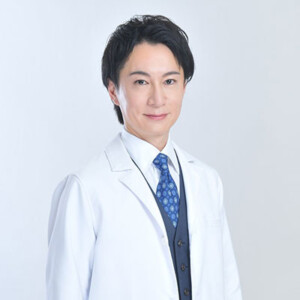
Dr. Jun Karibe
MD
Director
Education & Career
Certifications
Awards
MEDICAL REVIEW