What Is Dermapen?
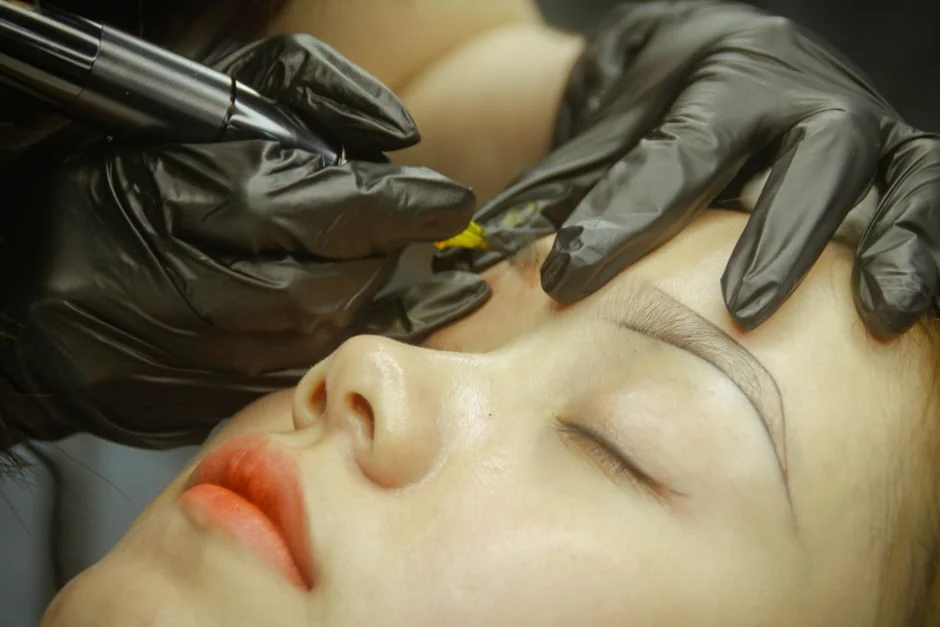
Dermapen is a class of motorised microneedling pen device that creates thousands of controlled micro-punctures in the skin’s surface. The fine-needle tip oscillates vertically, allowing a practitioner to adjust penetration depth precisely across different facial zones — typically from around 0.5 mm in more sensitive areas such as around the eyes, to up to 3.0 mm for deeper scar tissue on the cheeks or jaw.
This design differs meaningfully from manual derma-rollers, which use a fixed needle depth and a rolling motion that drags needles across skin at an oblique angle rather than straight down. Clinical automated pen devices offer greater precision, zone-specific depth control, and a more consistent delivery of micro-punctures — differences that matter in both safety and outcome.
How Dermapen Works: Collagen Induction Therapy
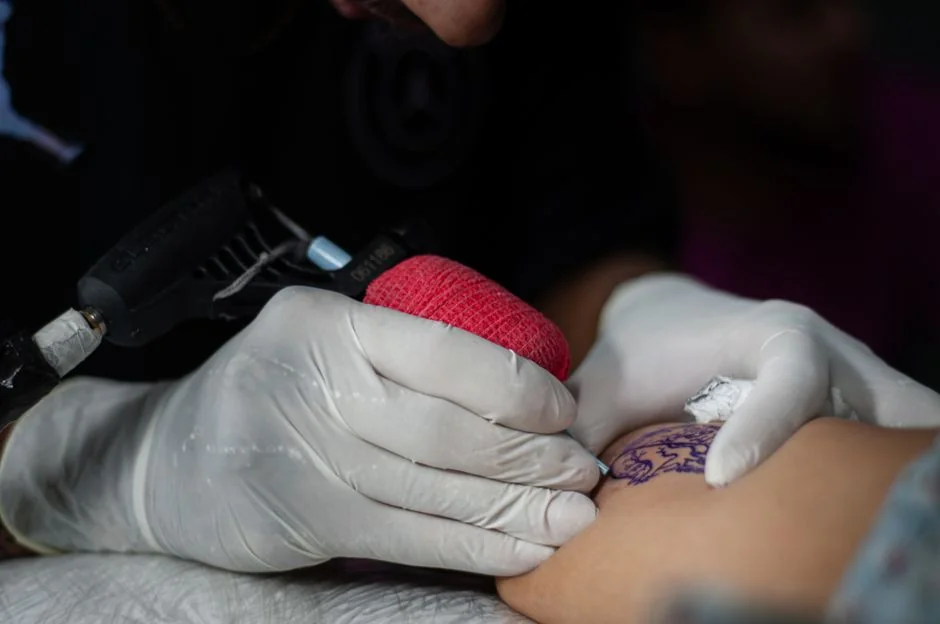
The core principle behind Dermapen is collagen induction therapy (CIT). Each micro-puncture triggers the skin’s natural wound-healing cascade.
Platelets and neutrophils in the treated tissue release key growth factors — including transforming growth factor (TGF) and platelet-derived growth factor (PDGF) — which activate fibroblasts, the skin cells responsible for producing collagen and elastin.
A narrative review of 70 peer-reviewed studies published in Cureus (Tehrani, Tashjian, and Mayrovitz, 2025) confirmed that “microneedling enhances collagen deposition and reorganisation, improving skin texture and elasticity over time.”
The same review notes an important biological detail: elastin levels initially decrease at one month post-treatment before rising again at three months. This explains why visible improvement continues to accumulate over several months rather than appearing immediately after a session — a point worth setting expectations around from the outset.
Because the epidermis (outer skin layer) is not thermally ablated, the skin barrier remains largely intact. This results in shorter recovery times and a lower risk of post-inflammatory hyperpigmentation compared to ablative treatments such as CO2 fractional laser — a clinically important advantage for patients with medium to darker skin tones.
What Dermapen Can Treat
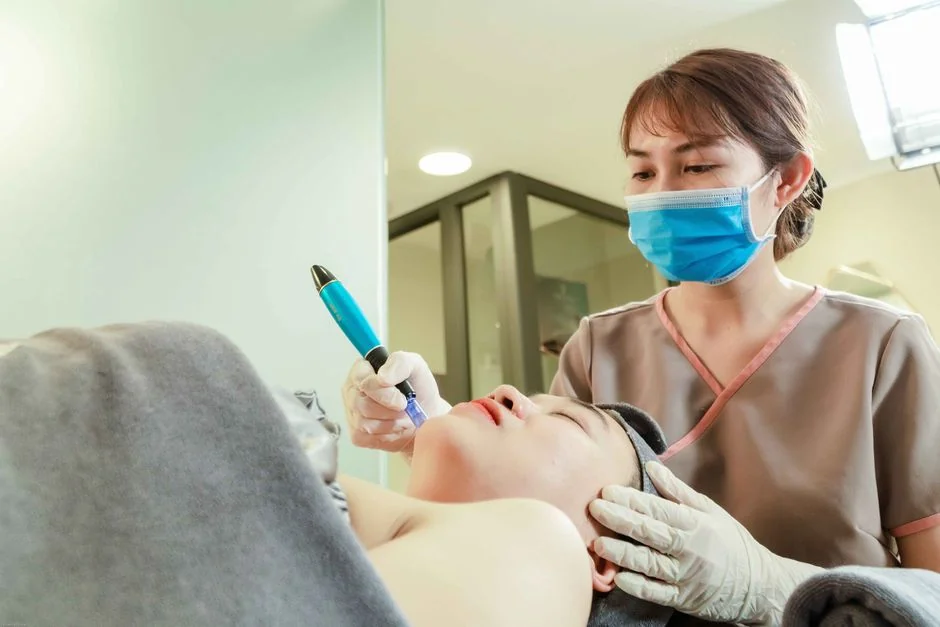
Dermapen is clinically used for a range of concerns, including:
- Atrophic acne scars — rolling, boxcar, and to a lesser extent icepick types
- Enlarged pores
- Fine lines and early wrinkles
- Uneven skin texture and dull complexion
- Mild skin laxity
- Stretch marks on body areas
It is not the primary treatment of choice for deep static wrinkles, significant skin sagging, or active inflammatory acne. For those concerns, your practitioner may suggest alternative or complementary options. Both Morpheus8 (RF microneedling) and CO2 fractional laser — both of which offer deeper tissue remodelling — are available at BIOTOPE CLINIC in Shirokanedai, where Dr. Karibe’s team can discuss which approach best suits your skin at a consultation.
Dermapen vs. Other Skin Resurfacing Options
| Treatment | Best For | Downtime | Skin Tone Suitability | Typical Sessions |
|---|---|---|---|---|
| Dermapen (microneedling) | Acne scars, pores, fine lines, texture | 1–3 days | All, including darker tones | 3–6 |
| CO2 Fractional Laser | Deep scars, severe texture, pronounced wrinkles | 5–10 days | Lighter tones preferred | 1–3 |
| Morpheus8 (RF microneedling) | Skin laxity, deep wrinkles, body tightening | 2–5 days | All | 1–3 |
| Chemical Peel | Surface pigmentation, mild texture | 0–7 days (depth-dependent) | Varies by peel depth | 3–6 |
Expected Results: What Clinical Studies Report
Acne Scars
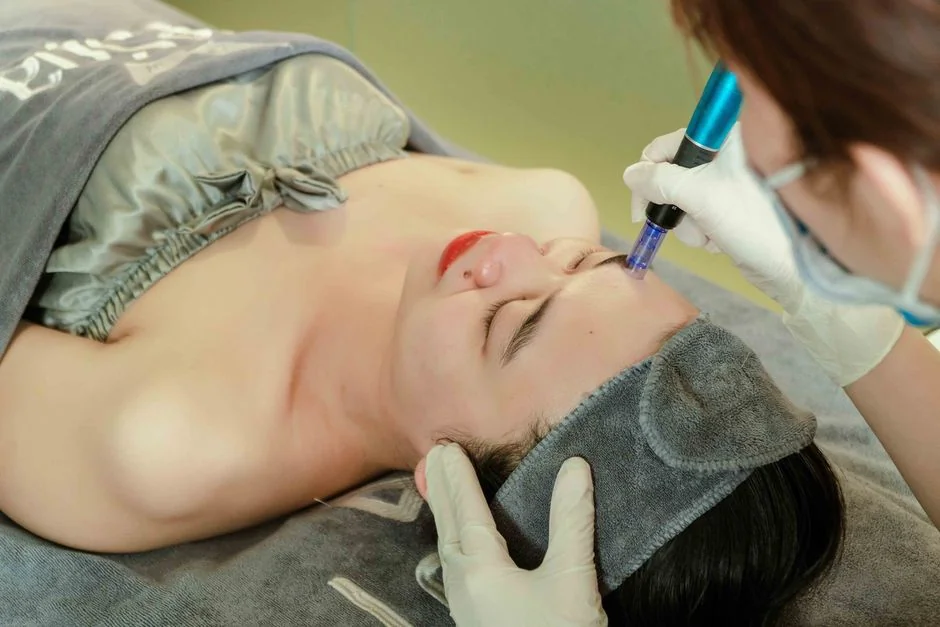
The clinical evidence for microneedling in atrophic acne scarring is well established. A systematic review published in Dermatologic Surgery (2019) covered 33 peer-reviewed studies involving 1,057 patients. Studies within that review found that a Pakistani cohort of 45 patients saw 73% of grade 4 scars improve by two full grades after four sessions. Rolling and boxcar scar types generally respond better than icepick scars.
A larger-scale analysis reviewed by Tehrani et al. (Cureus, 2025) reported that across 120 patients treated with an average of 2.5 sessions, all participants achieved at least a 50% improvement in scarring, with 80% falling in the 50–75% improvement range. These figures apply to microneedling as a standalone treatment; combination approaches with other modalities may yield different results.
Wrinkles and Skin Texture
Studies suggest that fine lines, skin texture, and overall radiance also respond to a course of microneedling. As noted above, collagen remodelling is a gradual process — patients are advised not to assess final results at the two-week mark, as the most visible improvement typically emerges from four to six weeks onwards and continues for several months following a full treatment course.
How Many Sessions?
Most clinical protocols recommend three to six sessions spaced three to four weeks apart, followed by maintenance treatments every six to twelve months. For mild texture concerns or early fine lines, three to four sessions are often sufficient. For moderate to severe acne scarring, four to six sessions are typically needed. The appropriate number for your specific skin condition is best confirmed during a consultation.
Dermapen Cost in Tokyo

Pricing across Tokyo clinics varies based on treatment area, needle depth, the practitioner’s experience, and whether a booster serum or combination procedure is included. The following prices are drawn from the current schedule at BIOTOPE CLINIC in Shirokanedai:
- Full-face trial session: ¥9,800
- Full face — single session: ¥19,000
- Full face — 5-session package: ¥85,500
- Dermapen combined with stem cell culture supernatant serum: ¥55,000 per session / ¥220,000 for 5 sessions
- Dermapen combined with Botox: ¥30,000 per session / ¥135,000 for 5 sessions
- Topical anaesthetic cream: ¥2,200 (charged separately where applied)
Prices are subject to change. For an accurate, up-to-date quote tailored to your skin concern, please book a consultation.
Have a question about this treatment?
Message us on LINE or WhatsApp — our English-speaking team usually replies the same day.
What to Expect: Before, During and After
Preparing for Your Session
In the week leading up to your appointment, avoid prolonged sun exposure, tanning beds, and topical retinoids or exfoliating acids (AHAs and BHAs), as these increase skin sensitivity. Inform your practitioner of any active skin infections, current medications — particularly anticoagulants or blood thinners — and any history of cold sores in the treatment area. Arrive with clean, makeup-free skin.
During the Procedure
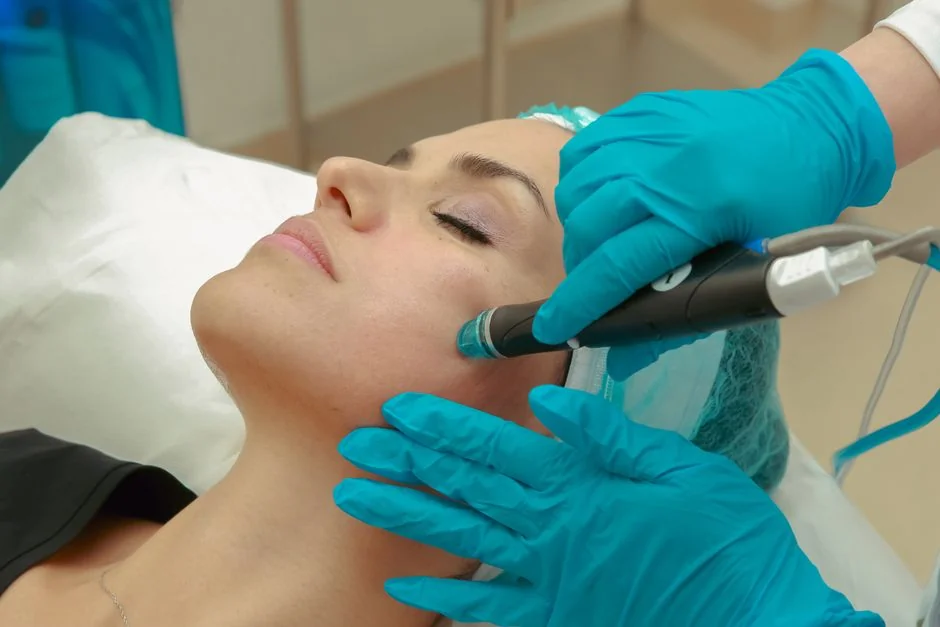
A topical numbing cream is typically applied 20–30 minutes before treatment begins. The Dermapen handpiece is moved systematically across the treatment area, with the practitioner adjusting needle depth zone by zone — using a shallower setting around the eye area and nose, and a deeper setting on the cheeks or jawline where scarring may be more pronounced. A full-face session generally takes 20–40 minutes. Most patients describe the sensation as a mild scratching or vibrating pressure rather than sharp pain.
At BIOTOPE CLINIC in Shirokanedai, Dr. Karibe’s team regularly treats patients presenting with acne scarring, enlarged pores, and early signs of ageing — the indications most consistently supported by the current clinical evidence base. A calming serum or growth factor booster is often applied immediately following the session while the micro-channels are still open, a step that may enhance ingredient absorption.
After Treatment: Recovery and Downtime
Redness and mild swelling are normal in the hours immediately following treatment. The Cureus review by Tehrani et al. (2025) found that most side effects are transient, with bruising and oedema typically resolving within three to four days and redness fading within 24–48 hours. During the first two to three days, avoid direct sun exposure, vigorous exercise, and active skincare ingredients such as retinoids and AHAs. A gentle moisturiser and broad-spectrum SPF are the most important products to use in the recovery period.
Who Is a Good Candidate — and Who Should Avoid Dermapen?
Dermapen is appropriate for most adults seeking improvement in atrophic acne scars, enlarged pores, fine lines, uneven skin texture, or early skin laxity. It is particularly well suited to patients who cannot tolerate the extended downtime of ablative laser resurfacing, or those with medium to darker skin tones for whom ablative treatment carries a higher risk of hyperpigmentation.
The following groups should avoid the procedure or discuss timing carefully with a practitioner, based on published clinical guidance (Jaiswal and Jawade, Cureus, 2024):
- Patients with active skin infections in or near the treatment area, including active herpes simplex or impetigo
- Those with blood clotting disorders or currently taking anticoagulant medication
- People who are pregnant
- Those with a documented history of keloid scarring
- Patients with active, inflamed acne pustules — treatment is best timed around active flares
Common Misconceptions About Dermapen
Misconception: Home derma-rollers deliver the same results as a clinical Dermapen session.
Home rollers use a fixed needle depth and a rolling motion that drags needles across skin at an angle, rather than the vertically oscillating action of a pen device. Clinical automated devices allow practitioners to adjust depth precisely from zone to zone, reaching up to 2.5 mm where needed (Jaiswal and Jawade, Cureus, 2024). Home devices cannot replicate this control, carry a higher contamination risk if cartridges are not replaced correctly, and have not been validated in clinical trials to the same degree. The two are not equivalent.
Misconception: Dermapen gives immediate visible results.
Because the mechanism is collagen remodelling rather than surface removal, visible changes accumulate over weeks to months rather than appearing at the one- or two-week mark. Research confirms that elastin levels initially decrease at one month before rising again at three months post-treatment (Tehrani et al., Cureus, 2025). Patients who assess results too early are likely to underestimate the final outcome.
Where to Get Dermapen in Tokyo
Within our clinic group, both BIOTOPE CLINIC (Shirokanedai, Minato-ku) and Kojimachi Dermatology & Plastic Surgery Clinic (Ichigaya, Chiyoda-ku) offer English-language consultation with Dr. Jun Karibe’s team. Dermapen and other cosmetic skin treatments — including Morpheus8 RF microneedling, CO2 fractional laser, PicoWay laser, hyaluronic acid filler, and Botox — are handled at BIOTOPE CLINIC in Shirokanedai. The Kojimachi clinic serves as the group’s insurance-covered dermatology and general plastic surgery location, well suited to patients seeking treatment for eczema, acne under Japan’s national health insurance, mole removal, scar revision, and similar concerns. Both locations offer consultations in English. English enquiries: LINE or WhatsApp.
Frequently Asked Questions
- Q. Does Dermapen hurt?
- With topical numbing cream applied 20–30 minutes beforehand, most patients find the procedure well tolerated. The typical sensation is mild scratching or vibrating pressure. The nose bridge, upper lip, and forehead tend to be more sensitive than the cheeks or jaw. Discomfort is generally brief and manageable within the context of the procedure.
- Q. How many sessions will I need for acne scars?
- For moderate acne scarring, four to six sessions spaced three to four weeks apart is a standard clinical starting point. For milder texture concerns or early fine lines, three to four sessions may be sufficient. The appropriate number depends on scar type and severity and is best confirmed during a consultation with your practitioner.
- Q. Can Dermapen be combined with other treatments?
- Yes. A booster serum — such as a growth factor serum or stem cell culture supernatant — is often applied immediately after the session while the micro-channels remain open. Dermapen can also form part of a broader programme alongside Botox or other procedures depending on individual goals. Your practitioner will advise on appropriate sequencing and intervals to avoid over-treating the skin.
- Q. Is Dermapen safe for darker skin tones?
- Yes. One of microneedling’s well-recognised advantages over ablative laser treatments is its favourable safety profile across a wide range of skin tones, including Fitzpatrick types III–V. Clinical reports confirm minimal downtime and low risk of post-inflammatory hyperpigmentation when the procedure is carried out correctly by a trained practitioner.
- Q. How long do Dermapen results last?
- The structural improvement to collagen and elastin is not permanent — skin continues to age naturally — but results from a completed treatment course typically remain visible for six to twelve months. Most patients opt for one or two maintenance sessions per year to sustain the improvement over time.
Have a question about this treatment?
Message us on LINE or WhatsApp — our English-speaking team usually replies the same day.
Summary
Dermapen is a well-evidenced, minimally invasive treatment for acne scars, enlarged pores, fine lines, and skin texture concerns, with a recovery period measured in days and a safety profile that makes it accessible across all skin tones. Its mechanism — controlled micro-injury triggering collagen and elastin production — is clearly established in peer-reviewed literature, and clinical studies consistently report meaningful improvement across a broad range of patients.
Realistic expectations are important: collagen remodelling takes months, and a course of three to six sessions will generally deliver more significant results than a single treatment. If you have questions about Dermapen treatment, both BIOTOPE CLINIC (Shirokanedai, Minato-ku) and Kojimachi Dermatology & Plastic Surgery Clinic (Ichigaya, Chiyoda-ku) offer English-language consultation with Dr. Karibe and his team. Dermapen is primarily handled at BIOTOPE CLINIC in Shirokanedai. English enquiries: LINE or WhatsApp.
24/7 Consultation & Booking
Book a Consultation or Treatment
Our English-speaking team responds via LINE or WhatsApp — usually the same day.
References
- Tehrani S, Tashjian A, Mayrovitz HN. Physiological Mechanisms and Therapeutic Applications of Microneedling: A Narrative Review. Cureus. 2025.
- Jaiswal S, Jawade P. Microneedling in Dermatology: A Comprehensive Review of Applications, Techniques, and Outcomes. Cureus. 2024.
- Studies support microneedling efficacy for acne scarring. Dermatology Times. 2019. [Summarising data from a systematic review of 33 peer-reviewed studies involving 1,057 patients, published in Dermatologic Surgery, 2019.]
Related Articles
You may also find these articles useful.
- Morpheus8 RF Microneedling in Tokyo: Review and Cost
- Acne Scar Laser Treatment Tokyo: Cost and Real Results
- How to Treat Facial Sagging: HIFU vs RF Microneedling
- Collagen Booster Treatment Tokyo: Costs, Results & Risks
- Laser Skin Treatment Tokyo: English-Speaking Clinic Guide
SUPERVISED BY

Dr. Jun Karibe
MD
Director
Education & Career
Certifications
Awards
MEDICAL REVIEW