Body Contouring Treatments in Tokyo: A Complete Clinic Guide
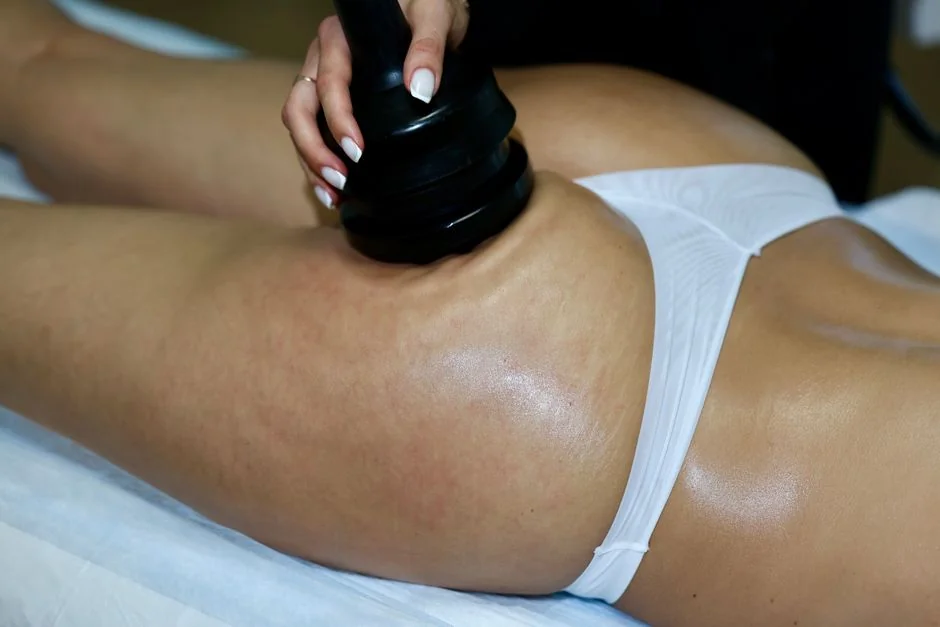
Stubborn fat on the abdomen, upper arms, or flanks — the kind that does not shift despite a healthy diet and regular exercise — is one of the most common reasons people in Tokyo consider a cosmetic procedure. If you are weighing your options and unsure which treatment is right for your body or your schedule, this guide will help.
It covers the main non-surgical and minimally invasive body contouring treatments available at Tokyo clinics, how each one works, what clinical evidence says about realistic outcomes, and what to expect in terms of cost and recovery.
What you will learn in this article:
- How HIFU, radiofrequency (Embrace RF, Morpheus8), and fat-dissolving injections each work for body contouring
- What clinical studies report for fat reduction, circumference loss, and patient satisfaction
- How to choose between treatment types based on your anatomy and goals
- Who makes a good candidate — and who should seek a different approach
- Where to book an English-language body contouring consultation in Tokyo
Have a question about this treatment?
Message us on LINE or WhatsApp — our English-speaking team usually replies the same day.
What Is Body Contouring?
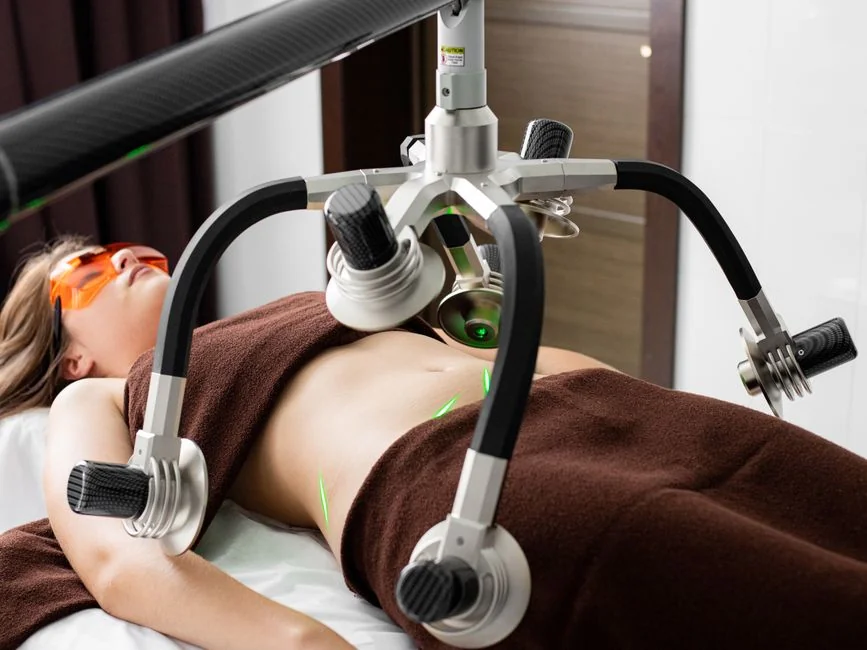
Body contouring is a collective term for procedures that reduce localised fat deposits, tighten loose skin, or reshape specific anatomical zones — without necessarily changing overall body weight. Unlike general weight loss, which distributes fat reduction across the body, contouring targets discrete areas: the abdomen, flanks, inner thighs, upper arms, or submental region beneath the chin.
Modern non-surgical techniques work through heat energy (radiofrequency or focused ultrasound), injectable lipolytic agents (fat-dissolving injections), or a combination of both. The underlying mechanisms are: disruption or metabolic reduction of fat cell (adipocyte) volume, and stimulation of new collagen and elastin to firm the overlying skin. Results are gradual — typically maturing over three to six months — and more modest than those of surgical liposuction.
The practical appeal is predictable: minimal downtime, outpatient treatment, and no general anaesthesia. For patients already close to their goal weight who have discrete pockets of fat or mild laxity, non-surgical body contouring can be a well-matched solution.
Non-Surgical and Minimally Invasive Body Contouring Options in Tokyo
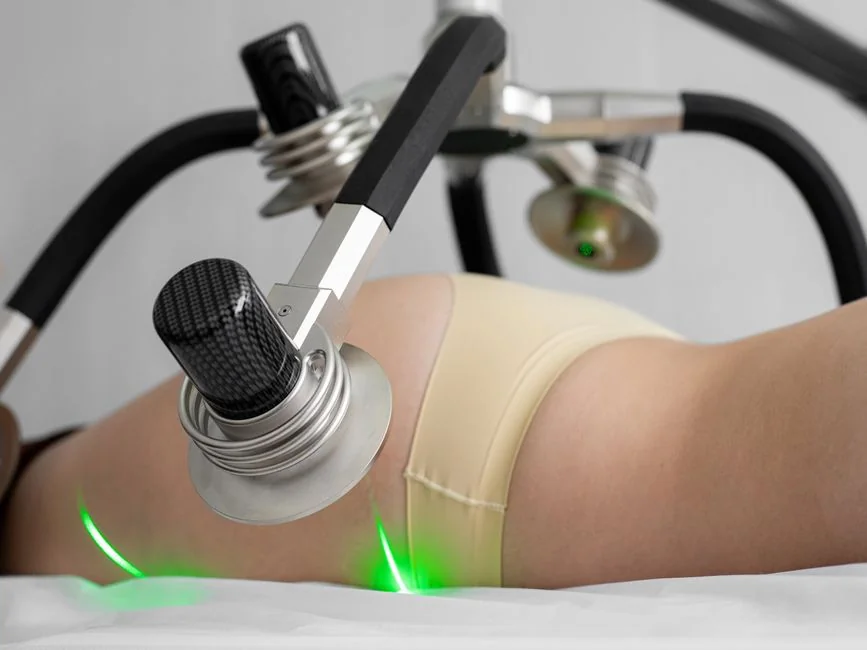
HIFU — High-Intensity Focused Ultrasound
HIFU (High-Intensity Focused Ultrasound) delivers precisely focused ultrasound energy to a set depth beneath the skin without damaging the surface. At body-contouring depths, HIFU raises tissue temperature to approximately 60–65°C, which coagulates fat cells and triggers a wound-healing cascade that remodels collagen in the weeks and months that follow. The result is progressive skin tightening with mild fat reduction in the treated zone.
HIFU sessions for body areas — abdomen, flanks, and upper arms are the most common targets — typically run 45 to 75 minutes. Patients can return to normal activities immediately. It is one of the most accessible entry points for non-surgical body contouring in Tokyo, and is available as part of the treatment menu at BIOTOPE CLINIC in Shirokanedai.
Radiofrequency Treatments: Embrace RF and Morpheus8
Radiofrequency (RF) treatments pass alternating electrical current through tissue to generate heat, which contracts existing collagen fibres immediately and triggers progressive new collagen synthesis over three to six months. Different RF devices reach different tissue depths and use different delivery methods.
Embrace RF (InMode) combines two complementary modalities in one protocol. A minimally invasive probe — inserted through a tiny entry point — delivers controlled thermal energy directly to the subdermal fat layer. This is followed by surface RF microneedling (Morpheus8) to remodel the skin above. The dual approach addresses both the fat compartment and the skin simultaneously, making it well-suited to areas where mild fat excess and skin laxity coexist — the inner arms and lower abdomen being the most frequent treatment zones. Embrace RF is available at BIOTOPE CLINIC in Shirokanedai; feel free to ask about whether this protocol suits your anatomy during a consultation with Dr Karibe’s team.
Morpheus8 uses an array of microneedles to deliver bipolar RF energy into the dermis and superficial fat layer. Used as a standalone treatment, it improves skin texture, addresses minor surface irregularities, and produces mild localised fat reduction. It can be applied to the abdomen, flanks, inner thighs, and upper arms.
Fat-Dissolving Injections
Fat-dissolving injections use a lipolytic agent — deoxycholic acid alone or combined with phosphatidylcholine — injected directly into subcutaneous fat. Deoxycholic acid disrupts the adipocyte cell membrane, causing lysis; the resulting cellular debris is cleared by the body’s lymphatic system over several weeks. Unlike the energy-based treatments above, fat-dissolving injections achieve cell-level destruction rather than shrinkage, meaning the treated cells do not return after successful treatment.
Deoxycholic acid injection is FDA-approved in the United States specifically for submental fat reduction. In Japan, this category of injection is administered as a self-pay cosmetic procedure across a wider range of target areas: the submental region, flanks, abdomen, upper arms, and inner thighs. Clinicians adjust concentration, vial volume, and injection pattern according to individual anatomy. Multiple sessions — typically two to five — are spaced four to six weeks apart. Fat-dissolving injections are part of the cosmetic treatment offering at BIOTOPE CLINIC in Shirokanedai.
Comparison: Which Treatment for Which Concern?
| Treatment | Primary mechanism | Best for | Typical downtime | Sessions needed |
|---|---|---|---|---|
| HIFU | Focused ultrasound heat | Mild fat reduction + skin tightening | Minimal (0–1 day) | 1–3 |
| Embrace RF (FaceTite + Morpheus8) | Minimally invasive + surface RF | Fat layer + skin laxity combined | 2–5 days (swelling, bruising) | 1–2 |
| Morpheus8 (RF microneedling) | Surface RF via microneedles | Skin texture, surface laxity | 1–3 days (redness, micro-crusts) | 2–4 |
| Fat-dissolving injections | Adipocyte cell lysis | Localised fat pockets | 3–7 days (swelling, bruising) | 2–5 |
What Results Can You Realistically Expect?
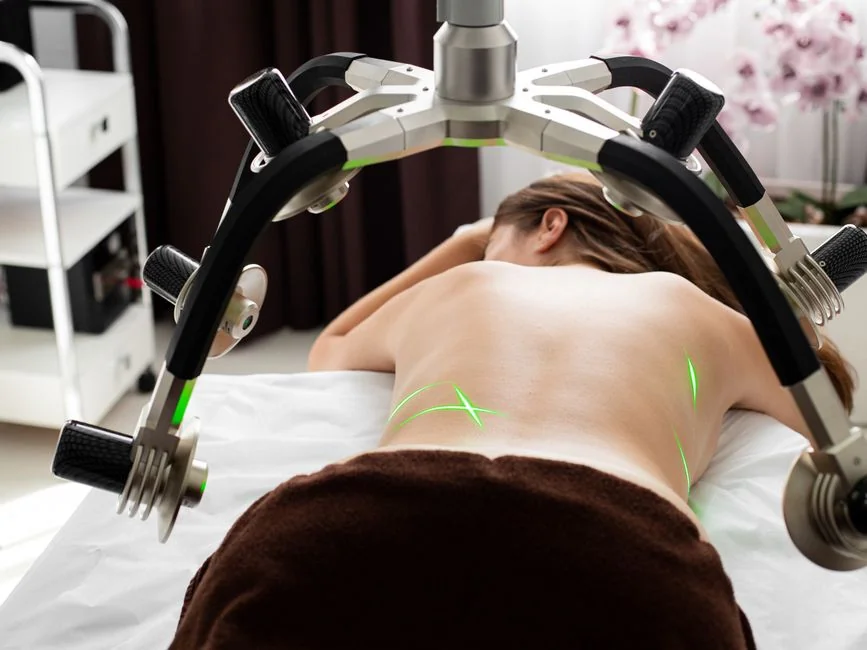
Clinical evidence supports measurable improvement from each of these modalities for well-selected patients, though outcomes vary with anatomy, treatment protocol, and individual healing response.
A 2025 systematic review published in the Aesthetic Surgery Journal (Haykal et al.) — covering 45 HIFU clinical trials and cohort studies published between 2010 and 2024 — found circumference reductions ranging from 2.5 to 4.5 cm in abdominal and thigh regions, with one study reporting an average 3 cm reduction in waist circumference, visible in 68.7% of patients at eight weeks. Over 80% of patients expressed satisfaction with their outcomes, and fewer than 5% reported transient adverse events such as redness or swelling.
For fat-dissolving injections, a 2025 study in the Journal of Cosmetic Dermatology (Namakizadeh Esfahani et al.) evaluated deoxycholic acid injections for flank fat in 30 adults. By week 12, 86.7% of participants showed improvement on the Global Aesthetic Improvement Scale (GAIS). Mean waist circumference fell from 92.3 cm to 89 cm — a statistically significant reduction (p < 0.001) — while body weight remained stable (p = 0.264), confirming that the treatment reshapes the contour without altering overall body mass.
For radiofrequency skin tightening, a 2022 systematic review in the Annals of Plastic Surgery (Swanson) found that RF treatments produced linear skin contraction ranging from 12.7% to 47% at six months across published studies. Consumer “Worth It” ratings for RF body contouring devices (BodyTite: 76%, on RealSelf) indicate positive real-world satisfaction, though the review noted that outcomes are generally more modest than those of surgical alternatives and that results should be interpreted with the caveat that a majority of RF studies have been industry-sponsored.
Across all modalities, clinical reports indicate that results develop gradually — most patients notice early changes at four to eight weeks, with full benefit apparent at three to six months as collagen remodelling and lymphatic clearance complete.
Cost of Body Contouring Treatments in Tokyo
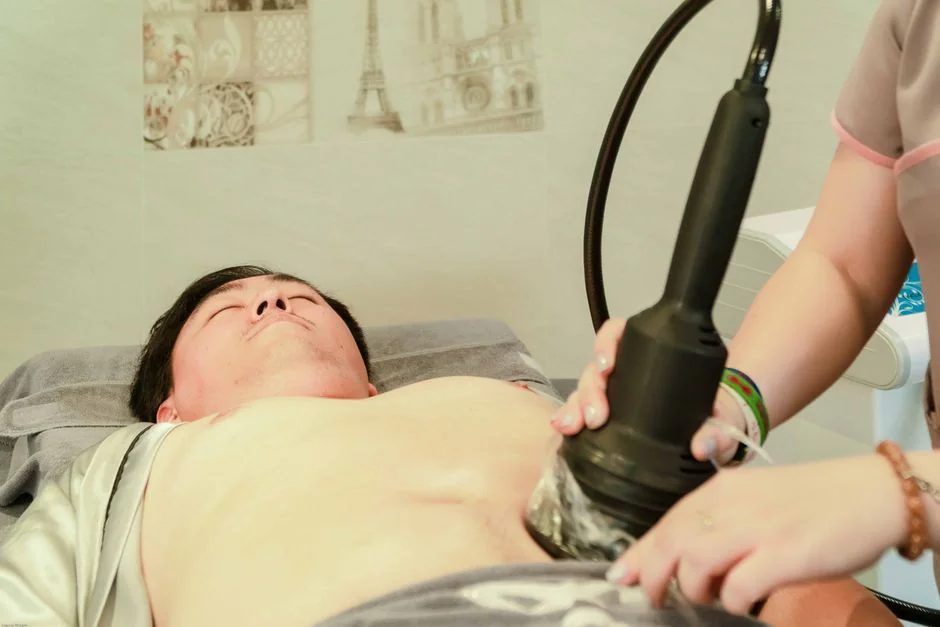
All body contouring procedures described here are self-pay (jibari) cosmetic treatments — they are not covered by Japanese national health insurance. Pricing in Tokyo is typically structured per treatment area per session.
HIFU and surface RF microneedling (Morpheus8) sessions are generally the lower-cost entry points, suited to patients seeking gradual improvement with no downtime. Minimally invasive RF protocols such as Embrace RF involve more preparation and clinical time, and are priced accordingly. Fat-dissolving injections are priced per treatment session and target area, with total cost reflecting the number of sessions needed to achieve the desired outcome.
Because clinic pricing for cosmetic procedures in Japan is updated periodically and varies by individual treatment plan, specific yen figures are not listed here. For a personalised cost estimate that reflects your target areas and goals, the most reliable step is a direct consultation.
For an accurate quote tailored to your anatomy, please book a consultation.
Have a question about this treatment?
Message us on LINE or WhatsApp — our English-speaking team usually replies the same day.
Who Is a Good Candidate — and Who Should Wait?
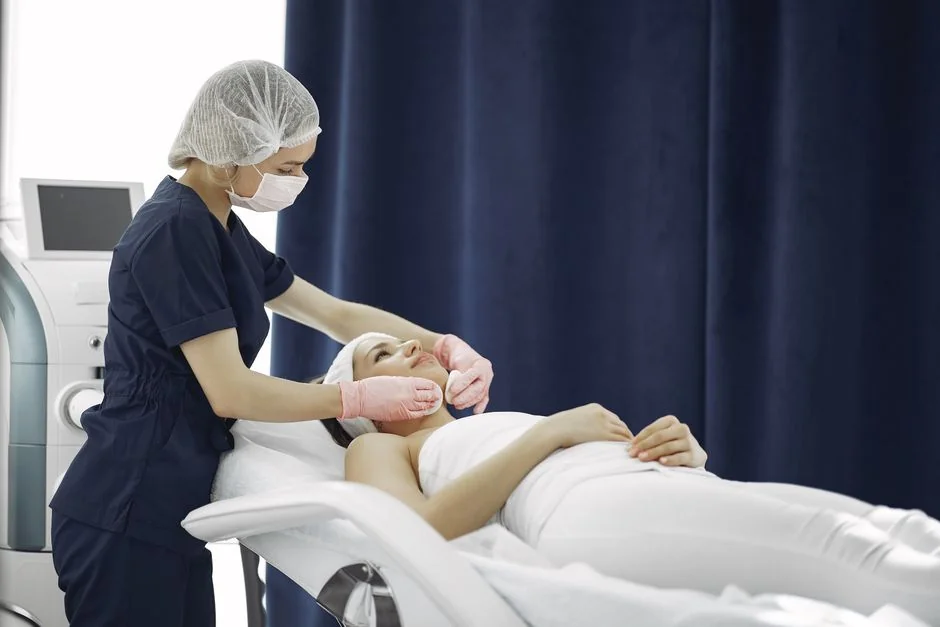
Non-surgical body contouring works best for adults who are at or near a stable, healthy body weight and have discrete pockets of fat or mild-to-moderate skin laxity that have not responded to diet and exercise. Realistic expectations are important: these treatments produce refinement, not dramatic transformation.
Generally suitable candidates:
- Adults at a stable, healthy weight with localised fat deposits in the abdomen, flanks, inner arms, or thighs
- Patients with mild to moderate skin laxity who want improved firmness without surgery
- Those who cannot or prefer not to undergo general anaesthesia or surgical recovery
- People with realistic expectations about the degree and timeline of improvement
Who should pause or seek an alternative consultation:
- Pregnant or breastfeeding patients
- Those with active skin infection or inflammatory conditions in the intended treatment area
- Patients with pacemakers or certain metal implants near the target zone (radiofrequency is contraindicated)
- Patients with significant skin excess or a BMI substantially above the healthy range — a surgical plastic surgery assessment or medical weight management plan is more appropriate
- Individuals with a history of certain connective tissue or clotting disorders (full medical history review is required at consultation)
Common Misconceptions About Body Contouring
Misconception 1: “Body contouring is a way to lose weight.”
This is the most prevalent misunderstanding. Non-surgical body contouring reduces localised fat and improves skin laxity; it does not reduce total body weight. The 2025 deoxycholic acid study (Namakizadeh Esfahani et al.) illustrates this clearly: despite a statistically significant reduction in waist circumference after treatment, participants’ body weight did not change significantly over 12 weeks. These treatments are tools for shaping the body of a patient already at a healthy weight — not a substitute for dietary change, exercise, or medical management of obesity.
Misconception 2: “All body contouring devices are essentially the same.”
Device technology varies substantially in depth of energy delivery, mechanism of action, and quality of supporting evidence. The 2022 systematic review in the Annals of Plastic Surgery (Swanson) found that 77% of published subsurface RF studies were manufacturer-sponsored, and called for more independent comparative research. Results for RF treatments ranged widely — from 12.7% to 47% linear skin contraction at six months — reflecting real variation across devices and study populations. Asking a treating physician to explain why a specific device is appropriate for your anatomy is more informative than any device brand claim alone.
Where to Get Body Contouring Treatment in Tokyo
Within the same medical group, both BIOTOPE CLINIC (Shirokanedai, Minato-ku) and Kojimachi Dermatology & Plastic Surgery Clinic (Ichigaya, Chiyoda-ku) offer English-language consultation with Dr Jun Karibe’s team. Dr Karibe is a board-certified plastic surgeon certified by the Japan Society of Plastic and Reconstructive Surgery.
Body contouring treatments — including HIFU, Embrace RF, Morpheus8 RF microneedling, and fat-dissolving injections — are handled at BIOTOPE CLINIC in Shirokanedai. This branch specialises in cosmetic dermatology, cosmetic and plastic surgery, and aesthetic device treatments. The group’s main office, Kojimachi Dermatology & Plastic Surgery Clinic in Ichigaya, focuses on insurance-covered dermatology and general plastic surgery procedures; patients with conditions such as eczema, acne, rashes, or warts who need insurance-covered care are welcome there.
Enquiries and bookings in English are available at both clinics via LINE or WhatsApp.
Frequently Asked Questions
- Q. How many sessions will I need?
- This depends on the treatment type and your target area. Fat-dissolving injections typically require two to five sessions spaced four to six weeks apart. Minimally invasive RF protocols such as Embrace RF can produce meaningful improvement in one to two sessions. HIFU and Morpheus8 are commonly offered in courses of two to four sessions. A consultation with the clinical team will clarify the recommended number based on your anatomy and goals.
- Q. Is body contouring in Tokyo covered by health insurance?
- No. All body contouring procedures described in this article are cosmetic (self-pay) treatments and are not covered by Japan’s national health insurance system. Patients who have a skin condition requiring medically necessary, insurance-covered treatment — such as acne, eczema, or rashes — should consult Kojimachi Dermatology & Plastic Surgery Clinic in Ichigaya, which handles insurance-covered dermatology.
- Q. How long before I see results?
- Most patients notice early changes four to eight weeks after treatment, with full results visible at three to six months as collagen remodelling and lymphatic clearance complete. For fat-dissolving injections, swelling in the treated area during the first two to three weeks can temporarily obscure early improvement — the final result becomes apparent as oedema fully resolves.
- Q. Can these treatments be combined?
- Some protocols are specifically designed as combination treatments — Embrace RF, for example, combines a minimally invasive RF step with surface Morpheus8 RF microneedling in a single session. Combining separate technologies (such as HIFU and fat-dissolving injections) in the same session is determined individually based on tissue tolerance, treatment areas, and clinical judgement. This is best discussed at a pre-treatment consultation.
Have a question about this treatment?
Message us on LINE or WhatsApp — our English-speaking team usually replies the same day.
Summary
Non-surgical and minimally invasive body contouring — HIFU, Embrace RF, Morpheus8, and fat-dissolving injections — offer a range of approaches to addressing localised fat and skin laxity in Tokyo, with clinical evidence supporting meaningful improvement for appropriately selected patients. Results develop gradually over several months, are more subtle than surgery, and work best when the patient is already near a healthy body weight. Downtime ranges from none to around a week depending on the modality chosen.
If you have questions about body contouring treatment, both BIOTOPE CLINIC (Shirokanedai, Minato-ku) and Kojimachi Dermatology & Plastic Surgery Clinic (Ichigaya, Chiyoda-ku) offer English-language consultation with Dr Karibe and his team. Body contouring and cosmetic aesthetic treatments are primarily handled at BIOTOPE CLINIC in Shirokanedai. English enquiries: LINE or WhatsApp.
24/7 Consultation & Booking
Book a Consultation or Treatment
Our English-speaking team responds via LINE or WhatsApp — usually the same day.
References
- Haykal D, Sattler S, Verner I, Madhumita M, Cartier H. A Systematic Review of High-Intensity Focused Ultrasound in Skin Tightening and Body Contouring. Aesthetic Surgery Journal. 2025;45(7).
- Namakizadeh Esfahani R, et al. Evaluating the Efficacy and Safety of Deoxycholic Acid Injection in Reduction of Flank Fat. Journal of Cosmetic Dermatology. 2025;24(9).
- Swanson E. A Systematic Review of Subsurface Radiofrequency Treatments in Plastic Surgery. Annals of Plastic Surgery. 2022;89(3).
Related Articles
You may also find these articles useful.
- Fat Dissolving Injections Tokyo: Cost & English Guide
- GLP-1 vs Fat Dissolving vs Liposuction Tokyo
- Belly Fat Reduction Tokyo: Non-Surgical Options
- Liposuction Tightening Abdomen ,Thighs Tokyo Results using
- Thigh Slimming Tokyo: Non-Surgical Treatment Guide
SUPERVISED BY
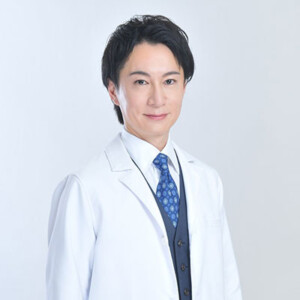
Dr. Jun Karibe
MD
Director
Education & Career
Certifications
Awards
MEDICAL REVIEW