What Is Artmake, and Why Might You Want It Removed?
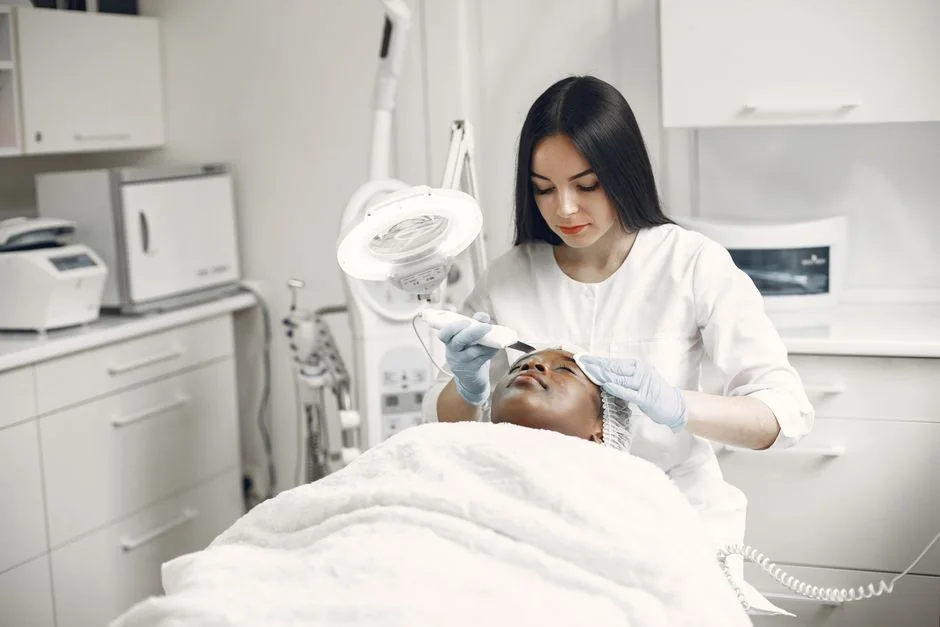
Artmake (アートメイク) is the Japanese term for semi-permanent cosmetic tattooing in which pigment is deposited into the upper layers of the skin — most commonly to define eyebrows, eyeliner, or lip colour. When the outcome meets expectations, artmake can be genuinely life-changing. When it does not — whether because of colour shift, asymmetry, a dated stroke pattern, or simply a change in personal taste — the question becomes: what can be done about it?
This guide is written for English-speaking readers in Tokyo who are researching their options. It covers the main removal and revision approaches available, what the clinical literature says about realistic outcomes, how healing progresses, and what costs to anticipate in the Tokyo market.
What you’ll learn in this article:
- How laser removal of artmake works, and the difference between picosecond and Q-switched devices
- Why certain pigment colours are more resistant — or more risky — to treat with laser
- The difference between full removal and revision (partial fading followed by redesign)
- What to expect at each stage of healing, and how sessions are spaced
- General cost ranges for artmake removal in the Tokyo self-pay market
Have a question about this treatment?
Message us on LINE or WhatsApp — our English-speaking team usually replies the same day.
How Artmake Removal Works
Picosecond and Q-Switched Laser Treatment
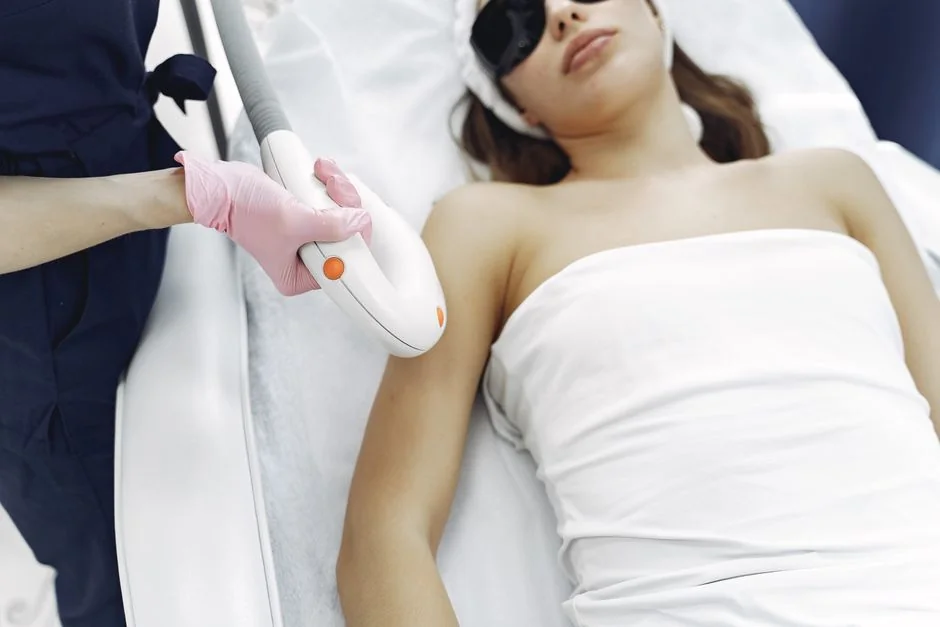
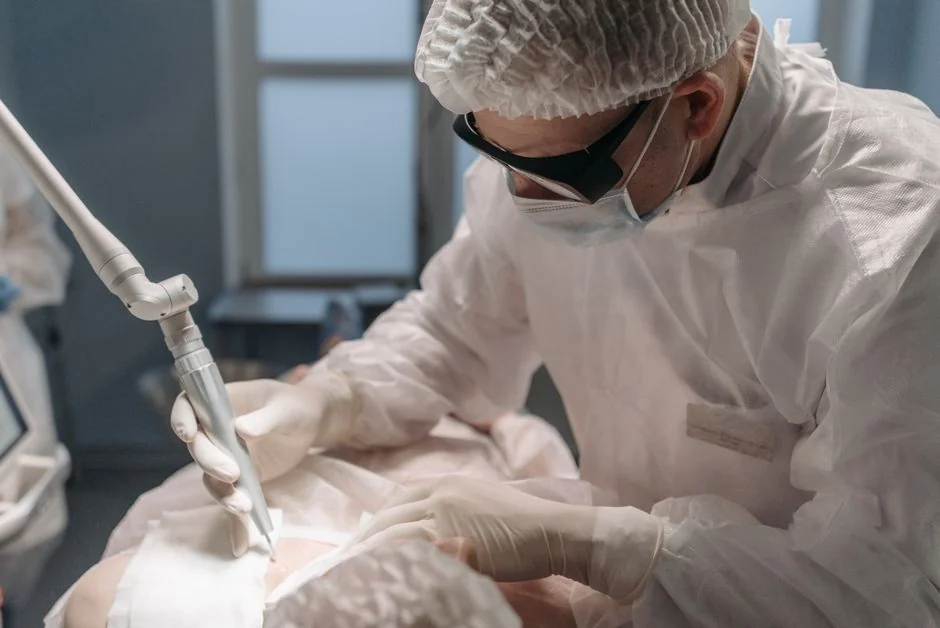
Laser treatment is the most widely used method for removing or lightening artmake. A device fires concentrated pulses of light at the pigment; the particles absorb the energy, shatter into smaller fragments, and are gradually cleared by the body’s immune system over the following weeks. Two device categories are in clinical use in Japan:
Picosecond lasers deliver pulse durations measured in trillionths of a second — close to the thermal relaxation time of the pigment particles. Because the energy is absorbed so rapidly, pigment breaks apart photomechanically rather than primarily through heat, which reduces collateral thermal stress on surrounding tissue.
Q-switched lasers operate in the nanosecond range, roughly a thousand times longer per pulse. They remain clinically effective, particularly for black and dark-brown pigments, and are well-established in Japanese dermatology and plastic surgery practice.
A 2023 retrospective study published in the journal Dermato (Menozzi-Smarrito et al.) evaluated 98 patients aged 21 to 71 years treated with a 755 nm and 532 nm picosecond laser for cosmetic eyebrow tattoo removal. An average of three sessions was required to achieve each patient’s stated goal — whether full clearance, partial fading for a redesign, or localised correction. The study found that cases involving red, orange, and yellow pigments required significantly more sessions than those involving black or dark-brown tones.
Other Removal Methods
Removal solution: A needle-delivered preparation is introduced into the skin to draw pigment upward during the healing process. This technique is generally considered most effective when performed within approximately one year of the original artmake application, before the pigment has fully stabilised in the deeper skin layers.
Surgical excision: The tattooed tissue is surgically removed and the wound sutured. This achieves clearance in a single procedure but carries a meaningful risk of visible scarring. It is reserved for cases that have not responded to repeated laser treatment.
Topical removal creams: Products marketed as tattoo-removal creams are not effective for artmake or tattoo pigment. The U.S. Food and Drug Administration has not approved any such product for tattoo removal and notes that some may cause rashes, burns, or scarring — they cannot reach pigment deposited in the skin’s dermal layer.
Revision Rather Than Full Removal: Partial Fading and Redesign
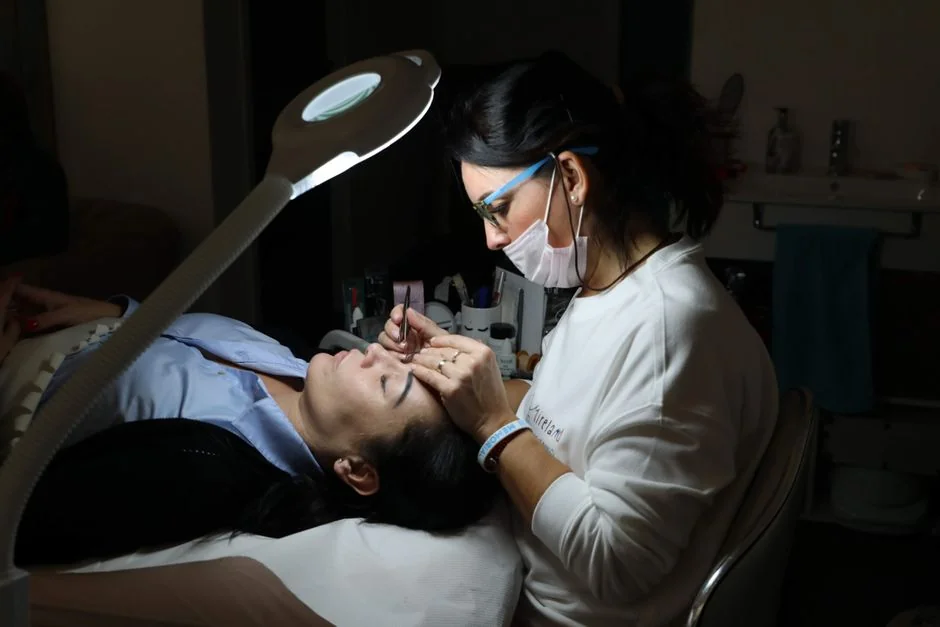
Full clearance is not always what the client actually wants. Many people seek laser treatment simply to fade existing artmake to the point where a skilled practitioner can redesign over it — changing the stroke pattern, adjusting the colour temperature, or correcting asymmetry. In these cases, fewer sessions are typically needed than for complete removal, because the goal is attenuation rather than elimination.
Pigment camouflage — applying a flesh-toned pigment over unwanted artmake to mask it — is a separate technique that some practitioners offer. It does not remove the underlying pigment; it conceals it. Results depend heavily on practitioner skill and the individual’s skin tone, and the camouflage layer itself will fade over time and require future management.
Removal and Revision Methods Compared
| Method | How It Works | Typical Sessions | Best Suited For | Key Considerations |
|---|---|---|---|---|
| Picosecond laser | Photomechanical fragmentation of pigment; immune clearance | Approximately 3 on average (eyebrows); range 2–5+ | Most pigment colours; multi-colour artmake | Warm tones need more sessions; paradoxical darkening risk with light pigments |
| Q-switched laser | Photothermal fragmentation; immune clearance | 3–8+ | Black and dark-brown pigments | Established technology; somewhat more thermal effect than picosecond |
| Partial laser fading + redesign | Laser attenuates existing work; new artmake applied over it | 1–3 laser sessions + 1 artmake session | Style updates, symmetry correction, tone change | Physician and artmake practitioner assess suitability together |
| Removal solution | Needle-delivered preparation draws pigment to surface | 1–3 | Artmake applied within the previous ~12 months | Smaller evidence base than laser; physician assessment essential |
| Surgical excision | Tattooed tissue removed and sutured | 1 | Refractory cases where laser has failed | Notable scarring risk; used as a last resort |
Sessions, Healing, and Aftercare
Session Number and Spacing
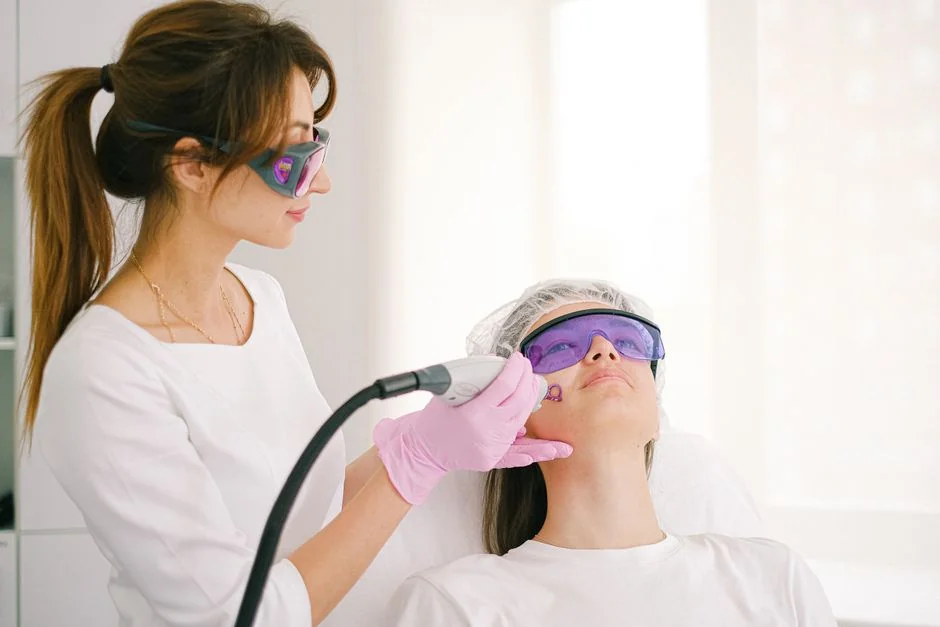
For eyebrow artmake, published clinical data supports an average of approximately three sessions to achieve the patient’s goal, though individual outcomes vary considerably depending on pigment colour, depth of application, and the extent of any previous layering. Sessions are typically spaced six to eight weeks apart, allowing the immune system time to clear the shattered pigment fragments and the skin to recover before the next treatment.
What to Expect After Each Session
Redness, mild swelling, and pinpoint bleeding at the treated site are common immediately after treatment. Blisters may appear within the first 24 to 48 hours; these should be left to heal naturally — breaking them prematurely raises the risk of scarring and infection. Most acute effects resolve within one to two weeks.
Post-inflammatory hyperpigmentation, a temporary darkening of the treated skin, can develop particularly in individuals with deeper skin tones. When it occurs, it generally fades over several months with consistent sun protection. Temporary hair loss in the treated area is another possible effect if laser energy affects hair follicle melanin; in most cases this is reversible.
Aftercare
Treated skin should be kept clean and gently moisturised during the healing period. Sun exposure to the treated area should be avoided until the surface has fully healed, and broad-spectrum sun protection should be applied consistently thereafter. Makeup and skincare products should not be applied to the treatment zone until the attending physician confirms the skin is ready.
Cost of Artmake Removal in Tokyo
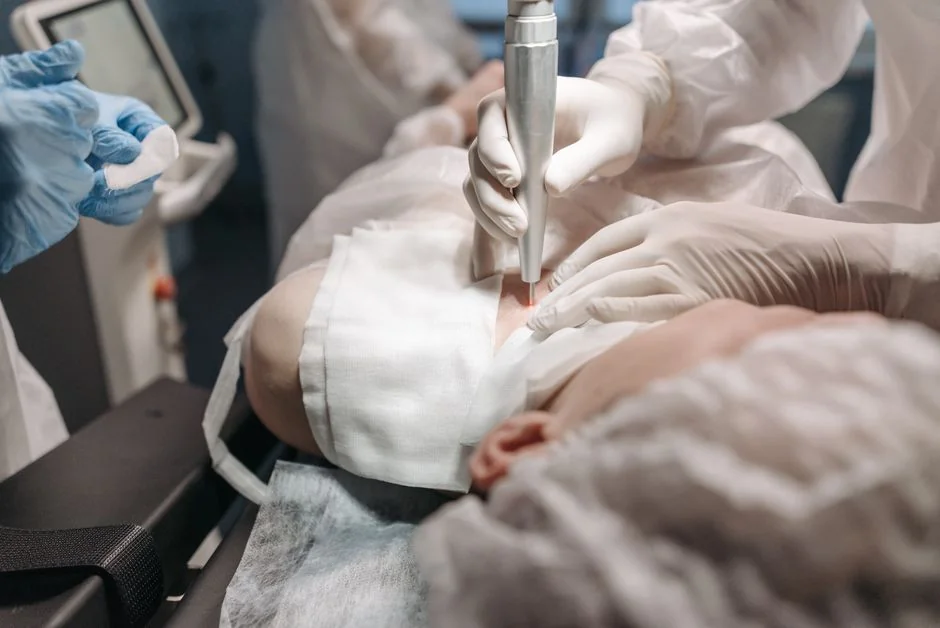
Artmake removal falls outside Japan’s public health insurance system and is provided on a self-pay (jiyū shinryō) basis. In the Tokyo market, laser removal sessions at medical dermatology and plastic surgery clinics are typically priced per area per session. General market rates for laser artmake removal range from approximately ¥30,000 to ¥80,000 per session; the specific figure depends on the clinic, the laser platform in use, the size of the treatment area, and the pigment characteristics. Because the number of sessions can only be reliably estimated after a physician has examined the existing artmake, total treatment cost varies between patients.
For current pricing at our clinic group’s artmake facility, please see the BIOTOPE CLINIC official price page or contact our team via LINE or WhatsApp for a current quote. Final pricing is confirmed at consultation.
Have a question about this treatment?
Message us on LINE or WhatsApp — our English-speaking team usually replies the same day.
Who Is a Good Candidate for Artmake Removal?
Most people with unwanted artmake can pursue laser treatment, but a physician assessment is necessary to determine suitability and the safest approach. Factors the physician will consider include:
- Pigment colour: Black and dark-brown pigments respond most predictably to laser. Warm tones — red, orange, and yellow — require more sessions. Flesh-toned and white pigments carry a specific paradoxical darkening risk (see Misconceptions below).
- Skin type: Individuals with deeper skin tones face a higher risk of post-inflammatory hyperpigmentation and require adjusted laser parameters to minimise this.
- Time since application: Removal typically cannot begin until at least one month after the original artmake was applied. Older artmake may have migrated deeper into the skin, affecting response to treatment.
- Medical history: Active skin infections, certain autoimmune conditions, and a personal history of keloid scarring may affect candidacy or require modified protocols.
Pregnancy and breastfeeding are generally considered contraindications for elective laser procedures. Patients taking photosensitising medications — including certain antibiotics and isotretinoin — should disclose this at their consultation, as dosing adjustments or a waiting period may be necessary before treatment can proceed safely.
Common Misconceptions About Artmake Removal
Misconception 1: Light-coloured artmake is easier to laser off than dark pigment.
This is one of the most clinically significant misunderstandings about artmake removal. The U.S. Food and Drug Administration explicitly notes that flesh-coloured, white, and light cosmetic pigments can oxidise when exposed to laser energy — turning dark in a process known as paradoxical darkening. This occurs because metallic compounds used in these pigments, such as iron oxides and titanium dioxide, undergo a chemical reduction reaction under high-energy light, transforming from a light oxide form to a darker reduced form. Once this transformation has occurred, the FDA states that the darkened pigment is no longer treatable by laser. Patients with light-toned artmake should discuss this risk in detail with a qualified physician before any laser session.
Misconception 2: Artmake removal is reliably complete within three sessions.
Three sessions is the average reported for eyebrow artmake in clinical studies using picosecond laser, but the range in practice extends considerably in either direction. Cases involving layered colours, warm-toned pigments, or artmake applied at greater depth may require significantly more sessions — or may not achieve full clearance. A realistic consultation before treatment begins is an essential part of responsible artmake removal practice.
Artmake Services in Tokyo: BIOTOPE CLINIC
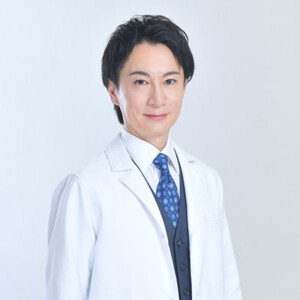
Within our clinic group, artmake — including initial application, colour revision, and removal consultations — is performed at BIOTOPE CLINIC in Shirokanedai (Minato-ku, Tokyo), directed by Dr Jun Karibe, a board-certified plastic surgeon. Our English-speaking team covers both clinics and handles all English enquiries. Kojimachi Dermatology and Plastic Surgery Clinic in Ichigaya, Chiyoda-ku, is the main clinic of the group but does not perform artmake procedures.
At a BIOTOPE CLINIC consultation, the physician will assess the existing pigment, discuss your goals — whether full removal, partial fading for redesign, or colour correction — and provide an honest estimate of the sessions likely required for your specific case. Because artmake removal in Japan must be performed by a licensed medical professional under the Medical Practitioners Act, choosing a medically supervised clinic is both a legal and safety requirement.
Frequently Asked Questions
- Q. How many sessions will I need to remove my eyebrow artmake?
- Published clinical research reports an average of approximately three sessions for eyebrow artmake removal using a picosecond laser. However, this figure varies: warm-toned pigments (red, orange, yellow) typically require more sessions, while single-colour black or brown artmake often responds more quickly. Only a physician examination of the specific pigment can give a reliable estimate for your situation.
- Q. Does artmake removal hurt?
- Laser treatment involves discomfort — commonly described as a sharp snapping sensation against the skin. Most clinics apply a topical anaesthetic cream before the session to reduce this. Post-treatment soreness, redness, and swelling are common but are typically mild and resolve within one to two weeks.
- Q. Can I have new artmake applied over the same area after removal?
- In many cases, yes. Partial laser fading is a standard preparatory step before artmake redesign, and re-application is generally possible once the skin has fully healed — typically several weeks after the final removal session, subject to the physician’s assessment that the area is ready.
- Q. Will laser removal leave a scar?
- Laser removal performed at appropriate settings by a qualified physician carries a low risk of permanent scarring when aftercare is followed correctly. Scarring risk increases with aggressive parameters, picking at blisters or crusts, unprotected sun exposure during healing, and a personal history of keloid formation. Discuss your medical history candidly at your consultation.
- Q. Is artmake removal covered by health insurance in Japan?
- No. Artmake removal is classified as cosmetic treatment in Japan and is provided on a self-pay (jiyū shinryō) basis, outside the national public health insurance system. All costs are the responsibility of the patient.
Have a question about this treatment?
Message us on LINE or WhatsApp — our English-speaking team usually replies the same day.
Summary
Unwanted or outdated artmake can be addressed through laser removal, partial fading for redesign, or — in selected cases — other medically supervised techniques. Picosecond and Q-switched laser treatment are the most evidenced approaches, with clinical data supporting an average of approximately three sessions for eyebrow artmake and a generally manageable side-effect profile. Critical variables include pigment colour (warm tones are more resistant; light tones carry a paradoxical darkening risk), skin type, and how long ago the artmake was applied. In Japan, all removal procedures that penetrate the skin must be carried out by a licensed physician.
For readers in Tokyo seeking an assessment, BIOTOPE CLINIC in Shirokanedai — the artmake facility within the Kojimachi Clinic group — offers physician-led removal and revision consultations. Our English-speaking team is available to guide you through the process from initial enquiry to post-treatment follow-up.
24/7 Consultation & Booking
Book a Consultation or Treatment
Our English-speaking team responds via LINE or WhatsApp — usually the same day.
References
- Menozzi-Smarrito C, Astner S, Steger F, et al. Laser Removal of Cosmetic Eyebrow Tattoos with a Picosecond Laser. Dermato. 2023;3(3):182–192. DOI: 10.3390/dermato3030014.
- U.S. Food and Drug Administration. Tattoo Removal: Options and Results. Consumer Updates. fda.gov. 2023.
- Al-Hamzawi AK, et al. Removal of Black Tattoos by Picosecond Q-Switched Nd:YAG Laser in Middle Eastern Skin Type IV: Prospective Study. 2024. PMCID: PMC11322294.
Related Articles
You may also find these articles useful.
- Artmake vs Microblading vs Tattoo: Differences in Tokyo
- PicoWay Laser Tokyo: Pigmentation and Tattoo Removal
- Eyebrow Artmake Tokyo: Cost, Procedure & Clinic Guide
- Artmake Aftercare Guide: Healing Timeline & What to Avoid
- Artmake Pain, Safety & Side Effects Guide
SUPERVISED BY
Dr. Jun Karibe
MD
Director
Education & Career
Certifications
Awards
MEDICAL REVIEW