Volnewmer Recovery: Downtime, Side Effects and Aftercare Guide
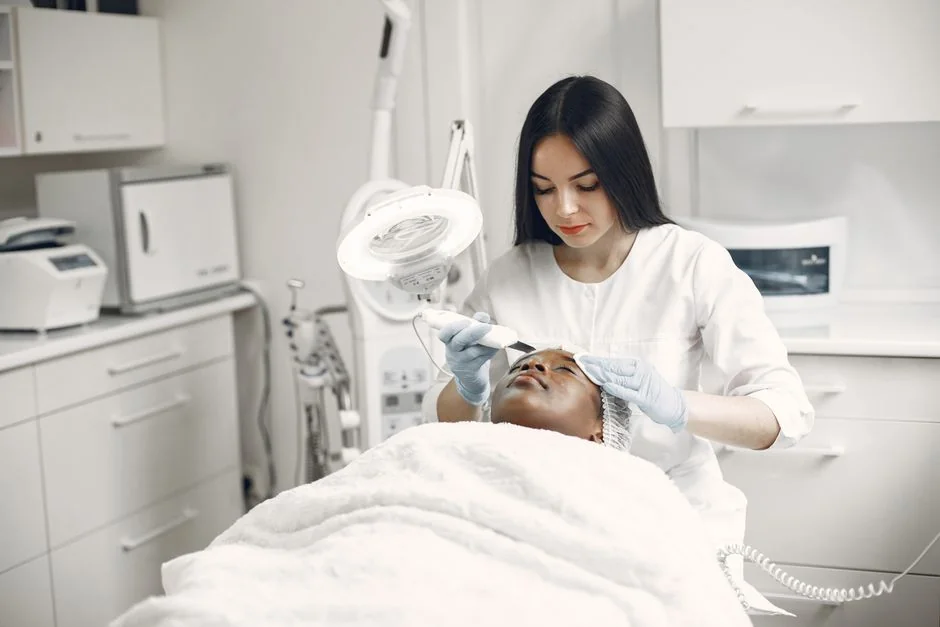
Deciding to undergo a new aesthetic treatment — especially one that involves needles and heat energy — naturally raises questions about what the healing process will look like. How many days will your skin be red? When can you return to the office? What should you absolutely avoid in the first week? This guide answers all of those questions specifically for Volnewmer, walking you through the full recovery timeline, realistic side effects, and the aftercare steps that help protect your results.
What you’ll learn in this article:
- What Volnewmer is and how it works on the skin
- A day-by-day recovery and downtime timeline
- Common side effects and how to manage them
- A practical aftercare routine for the days and weeks following treatment
- Who is — and who is not — a good candidate for Volnewmer
Have a question about this treatment?
Message us on LINE or WhatsApp — our English-speaking team usually replies the same day.
What Is Volnewmer?
Volnewmer is a non-invasive skin-tightening treatment developed by CLASSYS in South Korea. It uses 6.78MHz monopolar radiofrequency energy to generate controlled heat within the dermis and deeper collagen-rich tissue.
It is not an injectable treatment and does not contain polynucleotides, PDRN, hyaluronic acid or filler.
During treatment, radiofrequency current passes through the skin and creates heat through the natural electrical resistance of the tissue. This controlled thermal energy causes existing collagen fibres to contract and initiates a longer-term wound-healing response that may support new collagen formation and collagen remodelling.
The official Volnewmer system also uses continuous contact cooling to protect the epidermis while thermal energy is delivered into the deeper skin layers.
In practical terms, Volnewmer is designed to improve:
- Mild to moderate facial laxity
- Early jowling
- Loss of jawline definition
- Fine lines
- Skin firmness
- Cheek and lower-face support
- Overall facial contour
- Crepey or lax skin in selected areas
Because the treatment does not puncture or remove the epidermis, recovery is generally much easier than recovery after ablative laser treatment, radiofrequency microneedling or surgery.
How Does Volnewmer Work?
Volnewmer delivers monopolar radiofrequency energy beneath the surface of the skin while the treatment tip cools and protects the epidermis.
The thermal effect has two main phases.
Immediate Collagen Contraction
When collagen-rich tissue reaches an appropriate therapeutic temperature, portions of the collagen structure contract. This may produce an initial feeling of firmness or a subtle improvement in contour shortly after treatment.
The immediate change is usually modest. It should not be confused with the dramatic lifting achieved through surgery.
Gradual Collagen Remodelling
The controlled heat also activates a repair response within the dermis. Fibroblasts—the cells involved in producing collagen and other structural components—participate in a gradual remodelling process over the following weeks and months.
Clinical research on the 6.78MHz Volnewmer system has reported improvements in concerns such as skin laxity, firmness, texture, wrinkles and facial contour. However, the available evidence remains smaller than the evidence base for some longer-established radiofrequency platforms, and results vary between patients.
The purpose of Volnewmer is therefore best described as gradual, natural-looking tightening rather than an instant facelift.
What Areas Can Volnewmer Treat?
Volnewmer is most commonly used on areas of the face affected by early skin laxity.
Typical treatment areas include:
- Cheeks
- Lower face
- Jawline
- Jowls
- Chin
- Submental area beneath the chin
- Nasolabial region
- Around the mouth
- Forehead
- Eye area, when an appropriate tip and treatment setting are used
- Neck
Treatment planning should be individualised. Delivering the same number of shots and the same energy level to every patient does not necessarily produce the best result.
A patient with a thin face, limited facial fat and delicate skin may require a different strategy from a patient with thicker tissue, heavier lower-face laxity or a less defined jawline.
Is Volnewmer the Same as Thermage?
Volnewmer and Thermage are both non-invasive monopolar radiofrequency treatments, but they are not identical devices.
Both systems aim to heat collagen-rich tissue while protecting the epidermis. Differences may include:
- Treatment-tip design
- Cooling technology
- Energy-delivery pattern
- Impedance monitoring
- Pulse characteristics
- Available tip sizes
- Treatment protocols
- Operator experience
- Cost
Volnewmer uses 6.78MHz monopolar radiofrequency and a continuous water-cooling system. The device performs an impedance check before energy delivery and is designed to deliver controlled thermal energy while cooling the skin surface.
From a patient’s perspective, both procedures belong to the same broad category of non-invasive monopolar RF tightening. The quality of the result depends not only on the machine but also on patient selection, treatment design, energy settings and the experience of the treating clinician.
What to Expect Before Volnewmer Treatment
A medical consultation should take place before treatment.
At Kojimachi Dermatology & Plastic Surgery Clinic, we assess:
- The degree and location of skin laxity
- Facial fat distribution
- Skin thickness
- Previous aesthetic treatments
- Medical conditions
- Implanted devices
- Current medications
- History of filler, thread lift or facial surgery
- The patient’s expectations
Volnewmer may not be the most appropriate treatment when the main concern is severe skin excess, marked volume loss, prominent fat accumulation or significant descent of the deeper facial tissues.
In those situations, another treatment—or a combination of treatments—may be more effective.
Before Your Appointment
Unless your doctor gives different instructions, patients are usually advised to:
- Avoid excessive sun exposure before treatment
- Arrive without heavy makeup
- Inform the clinic about all previous facial procedures
- Tell the doctor about any implanted medical or electronic device
- Report active skin infections, cold sores, eczema or dermatitis
- Discuss pregnancy or breastfeeding
- Avoid treatment over broken, inflamed or infected skin
Unlike injectable treatments, it is not routinely necessary to stop fish oil, aspirin or other blood-thinning products solely to prevent bruising, because Volnewmer does not normally involve needles.
However, prescription medication should never be stopped without approval from the prescribing physician.
What Happens During a Volnewmer Session?
The skin is cleansed, and a return pad is positioned according to the device protocol. Treatment markings may be applied to ensure even and anatomically appropriate energy delivery.
The practitioner then places the Volnewmer tip against the skin and delivers a sequence of radiofrequency pulses.
Patients commonly describe the sensation as:
- Deep warmth
- Brief bursts of heat
- Tingling
- Pressure
- A warm pinching sensation in sensitive areas
The built-in cooling system helps reduce surface discomfort and protects the epidermis. Energy may be adjusted according to the treatment area, skin thickness, patient response and treatment goal.
A full facial session commonly takes approximately 30 to 60 minutes, although this varies according to the number of shots and the areas treated.
Anaesthetic injections are not normally required. In many cases, treatment is performed without topical anaesthetic because the doctor needs accurate feedback about heat and discomfort during the procedure.
Immediately After Volnewmer: What Will Your Skin Look Like?
Immediately after treatment, the skin may look completely normal.
Some patients develop:
- Mild redness
- Slight swelling
- A warm sensation
- Temporary tenderness
- Mild tightness
- Sensitivity when touching the treated area
Unlike injectable skin boosters, Volnewmer does not normally create needle marks, bruises or small raised papules.
Unlike ablative laser treatments, it does not intentionally remove the surface of the skin. There should be no routine bleeding, crusting or peeling.
Most redness settles within a few hours. Mild swelling may be more noticeable the following morning, especially after treatment around the eyes, cheeks or jawline.
What Areas Can Volnewmer Treat?
Volnewmer is most commonly used on the face, with particular attention to the under-eye area, cheeks, perioral lines (lines around the mouth), neck, and décolletage. Some practitioners also use it on the back of the hands, where skin thinning and dehydration are common concerns.
Because it works by improving overall skin quality rather than restoring volume, it is often combined with other treatments — such as hyaluronic acid filler for structural correction or HIFU for lifting — rather than used as a standalone solution for more advanced signs of ageing.
How Volnewmer Works: The Biology Behind the Treatment
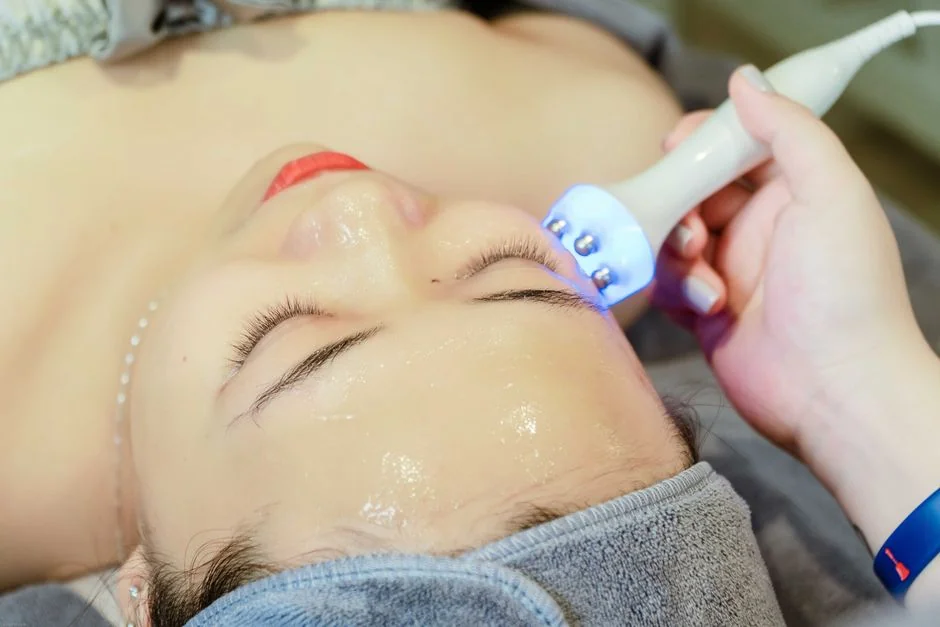
When Volnewmer is injected into the mid-to-deep dermis using a fine needle or cannula technique, the polynucleotide component binds to fibroblast receptors and initiates a cascade of biological responses. Studies suggest that PN-based injectables can upregulate collagen type I synthesis and increase the proliferation rate of dermal fibroblasts, contributing to measurable improvements in skin elasticity and firmness over a four-to-twelve-week period.
The hyaluronic acid component acts as a hydrophilic scaffold — meaning it attracts and retains water molecules — which helps to plump fine lines from within. Because the HA used in skin boosters like Volnewmer is typically lightly cross-linked or uncrosslinked, it integrates smoothly into the tissue matrix rather than creating the defined contour associated with structural fillers.
The combination of these two mechanisms — cellular regeneration through PN and immediate hydration through HA — is why patients typically notice a two-phase improvement: a glow and texture improvement within two to three weeks, followed by a more gradual firming effect over the following one to two months.
What to Expect: Before, During and After Your Treatment
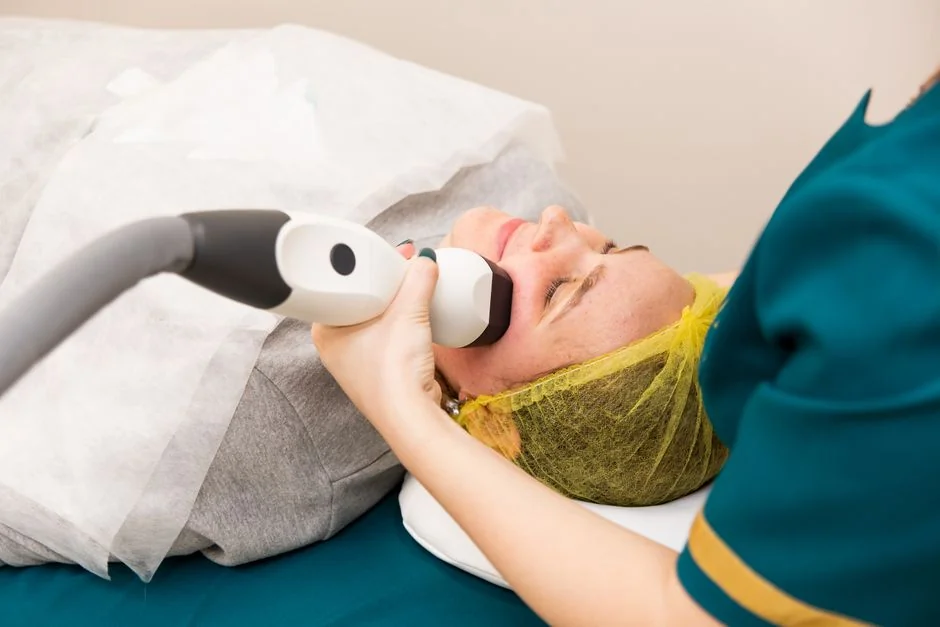
Before the Treatment
A thorough consultation is the essential first step. At Kojimachi Dermatology & Plastic Surgery Clinic, Dr. Karibe reviews each patient’s skin condition, medical history, and any current medications before proceeding with any injectable treatment. Patients are generally advised to avoid blood-thinning medications and supplements — such as aspirin, ibuprofen, fish oil, and high-dose vitamin E — for seven to ten days before the appointment, as these can increase the risk of bruising.
Topical retinoids and active acid-based skincare should also be paused for two to three days beforehand to reduce baseline skin sensitivity. On the day of treatment, the skin should be clean and free of makeup. A topical anaesthetic cream is typically applied thirty to forty-five minutes before injection to minimise discomfort.
During the Treatment Session
The practitioner marks the treatment zones and uses either a series of fine-needle micro-injections (the nappage or papule technique) or a cannula to deposit the product uniformly into the dermis. The number of injection points varies depending on the treatment area, but a full-face Volnewmer session typically involves multiple small intradermal blebs — small raised bumps — that flatten within twenty to thirty minutes after the session ends.
The procedure itself usually takes thirty to forty-five minutes for a full-face treatment. Patients describe the sensation as a series of small pinpricks, which the topical anaesthetic makes largely tolerable.
Immediately After: What Your Skin Will Look Like
In the immediate post-treatment period, it is normal to see small raised papules (bumps) at each injection point, mild redness across the treated area, and some localised swelling. These are all expected responses and should not cause alarm. Most patients are advised to allow at least four hours — and ideally a full day — before applying makeup or returning to social engagements.
Dr. Karibe’s Note
Many of our international patients are understandably concerned when they see the small bumps and redness immediately after a Volnewmer session — they can be more noticeable than with some other injectables.
What I reassure them is that this is simply a normal tissue response to intradermal injection, and in virtually all cases the skin settles considerably within twenty-four hours.
The key is not to touch, press, or apply pressure to those areas in the first few hours, and to protect the skin from sun exposure immediately after leaving the clinic.
Volnewmer Recovery Timeline: Day by Day
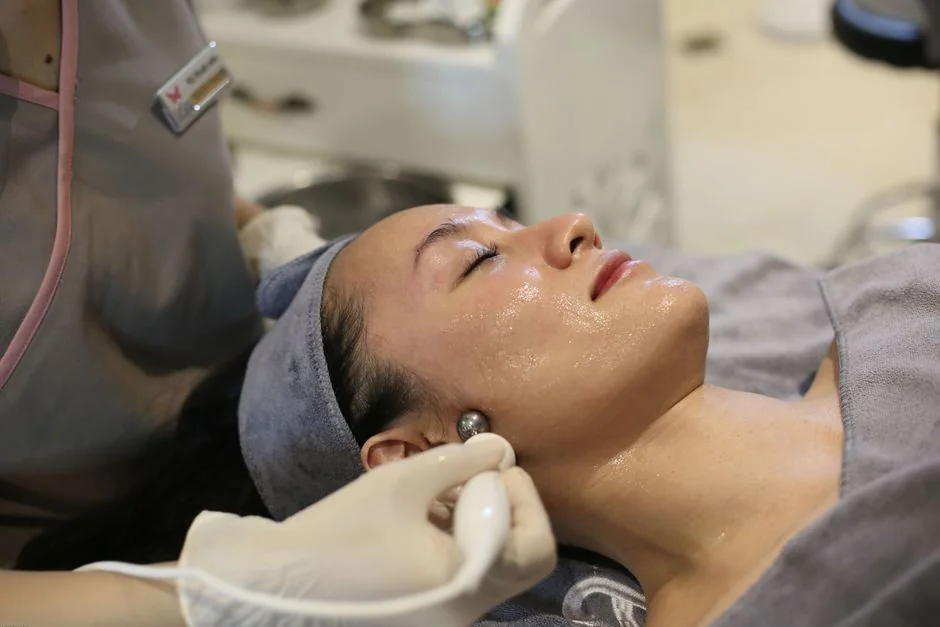
Understanding the recovery timeline helps patients plan their schedule and set appropriate expectations. Below is a typical week-by-week progression following a standard full-face Volnewmer session.
| Timeframe | What to Expect | What You Can Do |
|---|---|---|
| Day 0 (treatment day) | Visible papules, redness, mild swelling at injection sites | Gentle cleansing; no makeup; apply prescribed soothing serum or barrier cream only |
| Day 1–2 | Papules subside; residual redness; possible light bruising at needle sites | Mineral-only SPF; lightweight moisturiser; avoid strenuous exercise |
| Day 3–5 | Redness largely resolved; skin may feel slightly dry or tight | Normal skincare resume except actives (retinol, AHA/BHA); makeup permitted |
| Day 6–7 | Skin looks close to baseline; early glow may be noticeable | Most normal activities; avoid sauna and intense heat |
| Week 2–4 | Gradual improvement in skin hydration and texture becoming visible | Full skincare routine; reintroduce retinoids gradually |
| Week 4–12 | Progressive collagen remodelling; improvements in elasticity and fine lines | No restrictions; consider scheduling the next session if part of a series |
Side Effects: What Is Normal and What Warrants Attention
The most common side effects of Volnewmer are temporary and localised. These include erythema (redness), oedema (swelling), and ecchymosis (bruising), all of which typically resolve within three to seven days. Small raised bumps at injection points are a predictable feature of intradermal injection technique and are not a sign of an adverse reaction.
Less commonly, patients may experience mild itching or tenderness at injection sites for one to two days. Lumps that persist beyond two weeks, significant asymmetry, or signs of infection — including warmth, discharge, or worsening pain — should be assessed by the treating practitioner promptly.
Serious adverse events, such as vascular occlusion, are rare with skin boosters but remain a theoretical risk whenever any injectable is placed in the face. This underlines the importance of receiving treatment from a qualified medical professional in a clinical setting.
Aftercare Guide: How to Protect Your Results
The First 24 Hours
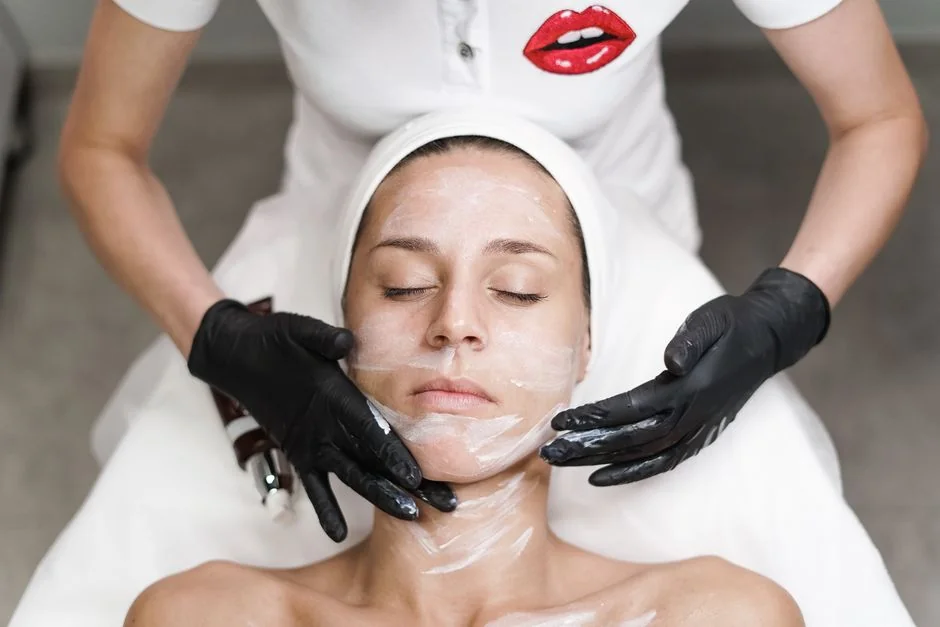
For the first twenty-four hours, the priority is protecting the skin barrier and avoiding anything that introduces bacteria, friction, or heat to the treated area. Patients should avoid touching their face unnecessarily, refrain from applying makeup, steer clear of swimming pools, hot baths, saunas, and steam rooms, and avoid direct sun exposure without protective cover.
A gentle, fragrance-free moisturiser or the aftercare product recommended by the clinic is appropriate. Cold compresses can help reduce swelling, but ice should not be applied directly to the skin.
Days Two Through Seven
From the second day onward, patients can gradually return to their normal skincare routine, with the exception of active ingredients. Retinol, AHA (alpha hydroxy acids), BHA (beta hydroxy acids), and vitamin C serums should be avoided for at least five to seven days to prevent irritation on skin that is still in its early healing phase.
Daily SPF application is non-negotiable. Ultraviolet exposure during the post-treatment period can impair the regenerative processes initiated by the polynucleotide component and increase the risk of post-inflammatory hyperpigmentation — temporary dark patches — particularly in patients with medium to darker skin tones.
Weeks Two Through Four and Beyond
By the second week, most patients are back to their full routine. Retinoids can be reintroduced cautiously, starting two to three times per week. This period is also when the collagen-stimulating effects of the PN begin to manifest more visibly, so patience is important — the full result of a single session may not be evident until six to eight weeks after treatment.
In our clinical experience at Kojimachi Dermatology & Plastic Surgery Clinic, patients who follow a consistent SPF routine, maintain adequate hydration, and avoid heavy alcohol consumption in the weeks following treatment tend to report better-sustained results between sessions.
Volnewmer vs. Comparable Skin Booster Treatments
Patients often ask how Volnewmer compares to other popular skin booster options. The table below provides a straightforward comparison of key treatment characteristics to assist in the decision-making process.
| Feature | Volnewmer | JUVELOOK | Profhilo (HA-only booster) | Traditional PDRN Injection |
|---|---|---|---|---|
| Key active ingredient(s) | PN + Hyaluronic Acid | PDLLA microspheres + HA | High-concentration HA only | Polydeoxyribonucleotide (PDRN) |
| Primary mechanism | Regenerative + hydration | Collagen bio-stimulation + hydration | Deep hydration + bio-remodelling | Tissue repair and regeneration |
| Onset of visible results | 2–4 weeks (glow); 6–12 weeks (collagen) | 4–8 weeks (collagen phase) | 2–4 weeks | 2–6 weeks |
| Typical downtime | 1–3 days | 1–3 days | 1–2 days | 1–3 days |
| Session frequency (initial) | 2–4 sessions, 2–4 weeks apart | 2–4 sessions, 2–4 weeks apart | 2 sessions, 4 weeks apart | 3–6 sessions, 1–2 weeks apart |
| Available at our Ichigaya clinic | Yes | Yes | No (as of this writing) | No (as of this writing) |
Both Volnewmer and JUVELOOK are available at our Ichigaya clinic — feel free to ask about the differences during your consultation. Dr. Karibe can assess your skin condition and recommend the most appropriate option for your specific concerns.
What People Often Get Wrong About Volnewmer Recovery
Misconception 1: The papules and bumps mean something has gone wrong. This is one of the most common concerns raised by first-time patients. The visible bumps immediately after a Volnewmer session are the product sitting within the dermis at each injection point — they are expected and are not a sign of an allergic reaction, infection, or poor injection technique. They typically resolve within thirty minutes to two hours as the product disperses into the surrounding tissue. If bumps are still visible at the forty-eight-hour mark, the clinic should be notified, but in the vast majority of cases they disappear well before then.
Misconception 2: One session delivers the full result. Volnewmer — like all PN-based and bio-stimulator treatments — works through a gradual biological process that unfolds over weeks. A single session initiates fibroblast activity and provides a hydration boost, but the full extent of collagen remodelling typically requires a course of two to four sessions spaced two to four weeks apart. Patients who judge the treatment after only one session and a two-week wait may underestimate its potential benefit. Clinical reports indicate that the cumulative improvement after a three-session course significantly exceeds the result seen after any single treatment.
Cost of Volnewmer in Tokyo
At BIOTOPE CLINIC or Kojimachi Dermatology & Plastic Surgery Clinic, Volnewmer is priced between ¥66,000 and ¥165,000 per session. The variation in price reflects the size of the treatment area and the volume of product used — a localised under-eye treatment will differ from a full-face protocol, for example.
Most patients undergo an initial course of two to four sessions to achieve optimal results, followed by maintenance sessions every three to six months. An initial consultation fee of ¥3,300 applies for new patients, or ¥2,200 for a surgical consultation with Dr. Karibe. For an accurate quote based on your individual treatment plan, we recommend booking a consultation.
Have a question about this treatment?
Message us on LINE or WhatsApp — our English-speaking team usually replies the same day.
Who Is a Good Candidate for Volnewmer?
Volnewmer is well suited to adults who are experiencing the early to moderate signs of skin ageing — including mild skin laxity, dehydration, dullness, and fine surface lines — but who are not yet seeking or require significant volume restoration. It is also a popular choice for patients who want to maintain the results of other treatments, such as HIFU skin-tightening or hyaluronic acid filler, by supporting the underlying skin quality.
In our clinical experience at Kojimachi Dermatology & Plastic Surgery Clinic, we frequently see patients in their late thirties to mid-fifties who are looking for a natural-looking improvement in skin luminosity and texture without the recovery time associated with more intensive procedures. Patients with particularly dry or sun-damaged skin also tend to respond well.
Who Should Exercise Caution or Consider an Alternative
Volnewmer may not be appropriate for patients with known hypersensitivity to polynucleotides or hyaluronic acid, active inflammatory skin conditions in the treatment area (such as an active acne flare or eczema), or autoimmune connective tissue disorders. Pregnant and breastfeeding women are advised to postpone elective injectable treatments until after they have finished breastfeeding, as a precautionary measure.
Patients with a fish or seafood allergy should inform their practitioner before treatment, as polynucleotides are derived from salmon DNA — although the protein component responsible for most fish allergies is typically absent after the purification process, medical caution remains appropriate. Patients taking anticoagulant medication should have their treatment plan reviewed by their prescribing physician prior to proceeding.
For those seeking more significant structural lifting, HIFU (high-intensity focused ultrasound) — also available at our BIOTOPE clinic — may be a more suitable option, either as a standalone treatment or in combination with a skin booster such as Volnewmer.
Frequently Asked Questions
- Q. How long does Volnewmer downtime typically last?
- For most patients, the most noticeable effects — redness, minor swelling, and injection-point papules — resolve within twenty-four to forty-eight hours. Some patients experience faint bruising that may last three to seven days. The majority of patients are comfortable returning to work or social activities the day after their treatment, provided they are willing to apply a mineral-based SPF and do not have a specific event requiring a flawless complexion.
- Q. Can I wear makeup after Volnewmer?
- It is generally recommended to avoid applying makeup on the day of treatment to minimise the risk of introducing bacteria to the fresh injection sites. From the following morning, mineral-based makeup is usually acceptable, as it is less likely to clog pores or irritate sensitised skin. Full-coverage products with potentially occlusive formulas are best reintroduced from day three onward.
- Q. How many Volnewmer sessions will I need?
- Most treatment protocols recommend an initial course of two to four sessions, spaced two to four weeks apart, to achieve the desired level of improvement. The exact number depends on the individual’s skin condition, age, and treatment goals, which is why a thorough consultation before starting any course is important. After the initial series, maintenance sessions every three to six months are typically suggested to sustain results.
- Q. Is Volnewmer safe for darker skin tones?
- Volnewmer is generally considered appropriate for a wide range of skin tones, as it does not involve heat energy in the way that laser or radiofrequency treatments do. The primary caution for patients with medium to darker Fitzpatrick skin types is diligent SPF use after treatment to reduce the risk of post-inflammatory hyperpigmentation, which can occasionally occur as a result of the injection-site trauma rather than the product itself. Your practitioner will advise accordingly during the consultation.
- Q. Can Volnewmer be combined with other treatments?
- Yes — Volnewmer is frequently combined with other treatments as part of a comprehensive skin rejuvenation plan. Common combinations include HIFU for structural tightening, hyaluronic acid filler for volume restoration, and CO2 fractional laser for textural refinement. The sequencing and timing of combined treatments require careful planning to allow adequate healing between sessions, which is best discussed with the treating clinician.
- Q. Does the treatment hurt?
- With topical anaesthetic cream applied beforehand, most patients describe the sensation as mild to moderate discomfort — a series of small, brief pinprick sensations — rather than significant pain. Areas with thinner skin, such as the under-eye region, may feel more sensitive than areas such as the cheeks. Most patients find the procedure entirely manageable and do not require additional anaesthesia.
Have a question about this treatment?
Message us on LINE or WhatsApp — our English-speaking team usually replies the same day.
Summary
Volnewmer is a well-tolerated skin booster treatment that combines polynucleotides and hyaluronic acid to improve skin hydration, texture, and elasticity through gradual collagen stimulation. The recovery period is relatively mild compared to more intensive procedures: most patients experience one to three days of visible redness and minor swelling, with the skin largely settled by day five to seven.
The key factors that influence a smooth recovery are avoiding sun exposure, refraining from active skincare ingredients for the first week, and following the clinic’s aftercare instructions carefully. Results emerge progressively over four to twelve weeks, with the best outcomes typically seen after a course of two to four sessions.
Volnewmer is best suited to patients with early to moderate skin quality concerns — dehydration, fine lines, dullness — and is not a substitute for structural correction in patients with significant volume loss or skin laxity. A thorough consultation with a qualified practitioner is the appropriate starting point for anyone considering this treatment.
If you have questions about Volnewmer recovery, downtime, or whether this treatment is right for your skin, our team at BIOTOPE CLINIC or Kojimachi Dermatology & Plastic Surgery Clinic in Tokyo would be happy to help. We offer consultations in English.
24/7 Consultation & Booking
Book a Consultation or Treatment
Our English-speaking team responds via LINE or WhatsApp — usually the same day.
References
- Cavallini M, Papagni M, Trabucchi E, et al. Efficacy and safety of polynucleotide-based skin boosters in facial rejuvenation: a randomised controlled clinical study. Journal of Cosmetic Dermatology. 2021.
- Rzany B, Cartier H, Kestemont P, et al. Full-face rejuvenation using a range of hyaluronic acid fillers: efficacy, safety, and patient satisfaction over six months. Dermatologic Surgery. 2012.
- Tzu JI, Keri JE. Convergence of dermatology and aesthetics: the role of polynucleotides in skin bio-remodelling. American Journal of Clinical Dermatology. 2023.
- Kim HS, Lee JH, Chung HJ. Comparative study of polydeoxyribonucleotide and polynucleotide injectables in periorbital skin rejuvenation: a prospective split-face trial. Aesthetic Plastic Surgery. 2022.
- Nobile V, Buonocore D, Michelotti A, Marzatico F. Anti-aging and filling efficacy of six types of hyaluronic acid-based dermo-cosmetic treatments in a cohort of subjects over 40 years of age. Journal of Cosmetic Dermatology. 2014.
Related Articles
You may also find these articles useful.
- Dermal Filler Tokyo Price & Clinic Guide
- Artmake Aftercare Guide: Healing Timeline and What to Avoid
SUPERVISED BY

Dr. Jun Karibe
MD
Director
Education & Career
Certifications
Awards
MEDICAL REVIEW