Botox Combined with HIFU or Thread Lift in Tokyo: Which Stacking Strategy Makes Sense?
If you are considering facial rejuvenation in Tokyo and have been researching neuromodulators, ultrasound lifting devices, and thread lifts, you are not alone. The question of how to combine these modalities — and whether doing so is safe, effective, and worth the investment — is one of the most common enquiries received at aesthetic clinics across Japan.
This article explains how Xeomin (the active ingredient of which, incobotulinumtoxinA works alongside HIFU and thread lifts, which combinations tend to produce the most complementary results, and how to decide which stacking approach aligns with your anatomy and goals.
- What Xeomin, HIFU, and thread lifts each do — and how their mechanisms differ
- Which treatment combinations are clinically rational and which are redundant
- Realistic results, downtime, and sequencing timelines
- Cost ranges for each modality at a Tokyo clinic
- Who is the right candidate for each combination
Have a question about this treatment?
Message us on LINE or WhatsApp — our English-speaking team usually replies the same day.
Understanding the Three Modalities: BOTOX, HIFU, and Thread Lift
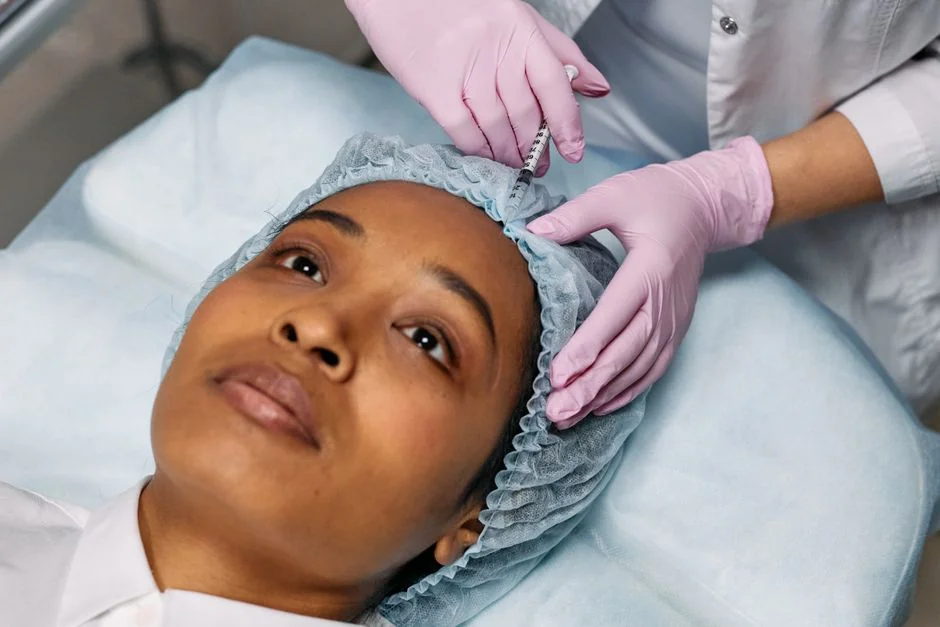
Xeomin (IncobotulinumtoxinA)
Xeomin is a prescription botulinum toxin type A product that temporarily relaxes targeted facial muscles by blocking the release of acetylcholine at the neuromuscular junction. Unlike some other formulations, Xeomin contains no accessory proteins, which means the active molecule is delivered in a purer form. This may reduce the likelihood of antibody formation with repeated use, though clinical significance in cosmetic dosing is still under study.
In the context of facial rejuvenation, Xeomin is used to soften dynamic wrinkles — lines that form when the face moves. Common targets include the glabellar lines (between the brows), forehead creases, crow’s feet, and the platysmal bands of the neck. Results typically appear within five to fourteen days and last approximately three to four months, depending on dose, muscle mass, and individual metabolism.
HIFU (High-Intensity Focused Ultrasound)
HIFU devices deliver focused ultrasound energy to precise tissue depths — typically the superficial musculoaponeurotic system (SMAS), a fibromuscular layer beneath the skin that surgeons address during facelift procedures. The focused energy creates small thermal coagulation points, triggering a wound-healing response that stimulates collagen and elastin production over the following months.
HIFU does not relax muscles or reposition soft tissue immediately. Its effect is gradual and cumulative, with most patients noticing peak improvement at three to six months post-treatment. It is a non-invasive procedure with no incisions and generally minimal downtime, making it popular among patients who prefer to avoid surgery but want measurable skin tightening.
Thread Lift (Tesslift and Similar Barbed Suture Techniques)
A thread lift involves the insertion of fine, absorbable sutures — often made from polydioxanone (PDO) or poly-L-lactic acid (PLLA) — beneath the skin using a cannula or needle. Barbed threads mechanically reposition ptotic (sagging) soft tissue, providing an immediate vector lift. Over several months, the body gradually dissolves the threads, and the tissue response — fibrosis and collagen deposition around the thread scaffold — helps sustain some degree of the lift.
Unlike HIFU, a thread lift produces a visible mechanical repositioning effect from the first session. It is particularly useful for patients with moderate jowling, mid-face descent, or laxity along the jawline and neck that is unlikely to respond adequately to energy-based devices alone.
Why Combining These Treatments Can Make Clinical Sense
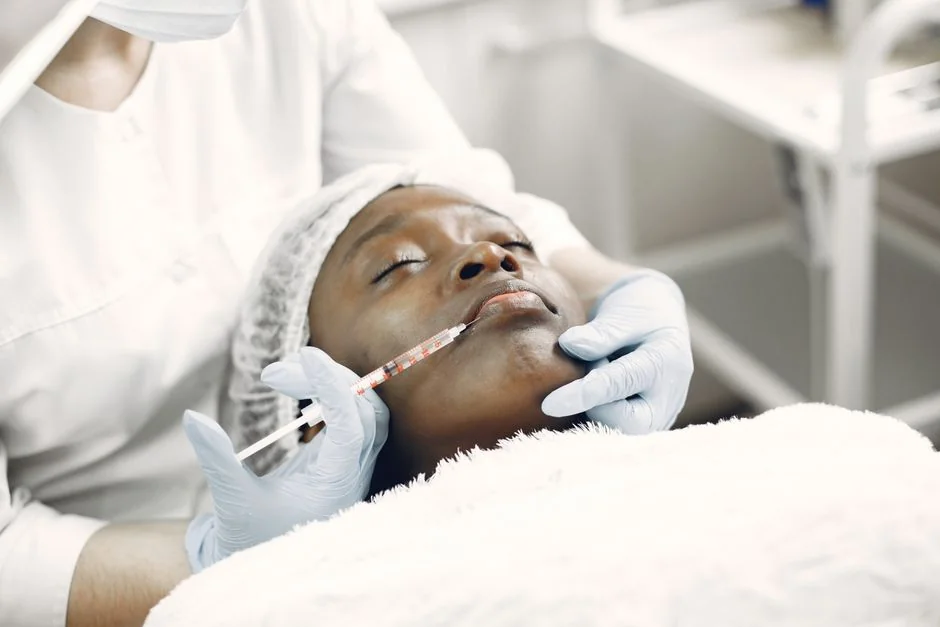
No single non-surgical modality addresses every dimension of facial ageing simultaneously. Ageing involves volume loss, skin laxity, collagen degradation, dynamic muscle hyperactivity, and changes in the underlying bony skeleton. Stacking complementary treatments — when sequenced appropriately — allows each modality to address its own target without interfering with another’s mechanism of action.
The logic of combining Xeomin with HIFU or thread lifts is based on the principle that neuromodulators address dynamic muscle activity, HIFU addresses the deep fascial layer and collagen matrix, and threads address positional tissue descent. These three targets are anatomically distinct, which is what makes thoughtful combination plausible.
Studies suggest that combining botulinum toxin with skin-tightening procedures may reduce the counteracting pull of overactive muscles on lifted tissue, potentially prolonging the clinical result of mechanical or energy-based interventions. A 2019 review in the Journal of Cosmetic Dermatology noted that multimodal facial rejuvenation protocols — combining neuromodulators, energy devices, and injectables — were associated with higher patient satisfaction scores compared with single-modality treatment, though the authors acknowledged that study heterogeneity limits definitive conclusions.
Xeomin + HIFU: The Collagen-and-Muscle Approach
This combination targets two distinct problems: the gradual loss of structural collagen in the dermis and SMAS (addressed by HIFU) and the repetitive muscular contractions that deepen dynamic lines (addressed by Xeomin). The two modalities do not interfere with each other physiologically, provided appropriate sequencing is observed.
A practical consideration is timing. It is generally advisable to perform HIFU before or at least two weeks after a botulinum toxin injection, as the heat generated by ultrasound energy — even though it is targeted at deeper tissue — can theoretically influence the localised environment in which the toxin is active. Most practitioners prefer to administer Xeomin either two weeks before or two weeks after HIFU to avoid any overlap in tissue response.
Xeomin + Thread Lift: The Lift-and-Relax Approach
When thread lifts are combined with Xeomin, the rationale is that the threads provide structural repositioning while the botulinum toxin reduces the downward muscular pull that works against the lift. This is particularly relevant in the lower face, where the depressor anguli oris (a muscle that pulls the corners of the mouth downward) and the platysma can exert force that compromises the longevity of a thread lift result.
In our clinical experience at Kojimachi Dermatology & Plastic Surgery Clinic, thread lifts are most effective when combined with targeted relaxation of the muscles that actively oppose the lift vector. Administering Xeomin to the platysma and depressor muscles at the time of, or shortly after, a thread lift procedure is a widely practised and logically sound approach. The threads provide an immediate aesthetic improvement; the neuromodulator helps maintain it.
Comparison Table: Xeomin, HIFU, and Thread Lift Side by Side

| Feature | Xeomin (IncobotulinumtoxinA) | HIFU | Thread Lift (Tesslift) |
|---|---|---|---|
| Mechanism | Muscle relaxation via neuromuscular block | Thermal coagulation at SMAS depth; collagen stimulation | Mechanical repositioning of soft tissue; collagen scaffold |
| Onset of result | 5–14 days | Gradual; peak at 3–6 months | Immediate lift visible; collagen response over months |
| Duration | 3–4 months | 12–18 months (varies) | 12–24 months (varies by thread type) |
| Invasiveness | Minimally invasive (injection) | Non-invasive | Minimally invasive (needle/cannula) |
| Primary target | Dynamic wrinkles, muscle bands | SMAS, deep dermis, collagen matrix | Ptotic mid-face, jowls, neck |
| Downtime | Minimal (possible bruising) | Minimal (redness, mild swelling) | 3–7 days swelling/bruising |
| Works best combined with | HIFU, thread lift, filler | Xeomin, filler, skin-resurfacing | Xeomin, filler, HIFU |
| Not recommended for | Neuromuscular disorders, pregnancy | Active implants, open wounds | Severe laxity requiring surgery, autoimmune conditions |
Cost in Tokyo: What to Budget for Combined Treatments
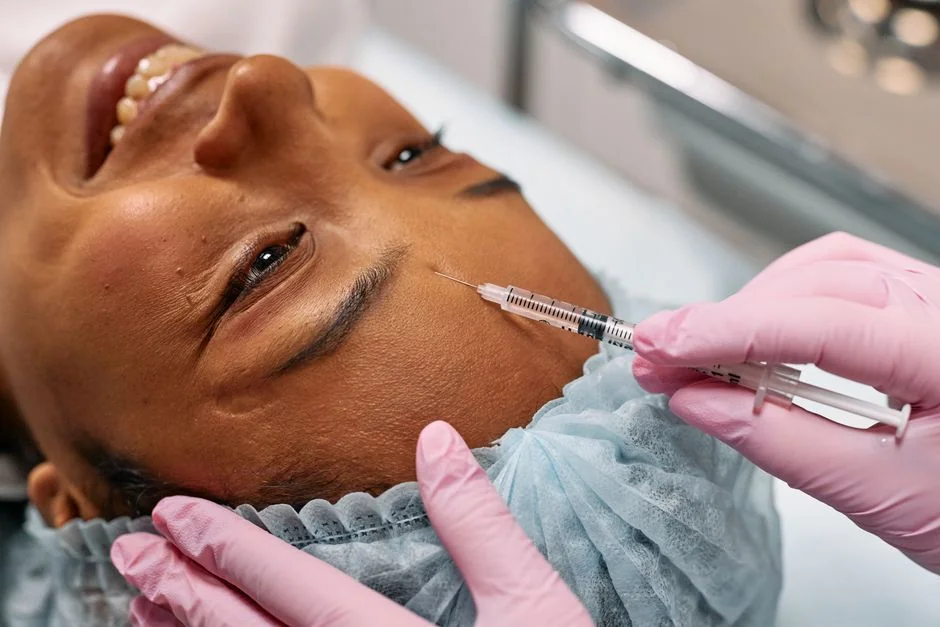
Treatment costs in Tokyo vary depending on the specific areas treated, the number of threads used, the extent of the HIFU protocol, and the dose of Xeomin required. The figures below reflect the pricing structure at Kojimachi Dermatology & Plastic Surgery Clinic in Ichigaya.
- HIFU: approximately ¥25,000–¥110,000 per session, depending on the treatment area and number of shots delivered
- Thread lift (Tesslift): ¥48,000 per thread; the total cost depends on the number of threads required for the planned lift vector
- Botulinum toxin (Xeomin/comparable incobotulinumtoxinA products): The clinic offers Allergan Botox at ¥22,000–¥148,000 and Korean-brand formulations at ¥9,900–¥45,000 depending on area and dose; Xeomin pricing follows a similar structure — please confirm the specific product during consultation
- Initial consultation: ¥3,300; surgical consultation with Dr. Karibe: ¥2,200
- Pre-operative blood work (required before thread lift): ¥11,000; anaesthesia where applicable: ¥2,200–¥77,000
For a combined protocol — for example, a full-face HIFU session plus four to six threads in the mid-face and jawline, combined with glabellar and forehead Xeomin — a reasonable budgetary range in Tokyo would be approximately ¥300,000–¥600,000 for the initial treatment cycle. Maintenance costs (repeat neuromodulator every three to four months; HIFU annually) should be factored into longer-term planning.
For an accurate quote, we recommend booking a consultation.
Have a question about this treatment?
Message us on LINE or WhatsApp — our English-speaking team usually replies the same day.
What to Expect: Before, During, and After Combined Treatment

Before Treatment
A thorough consultation is essential before combining modalities. The treating physician should assess the degree of skin laxity, fat compartment volume, muscle activity, and bone structure to determine which combination is appropriate. Not every patient benefits from all three modalities simultaneously.
Patients should disclose any history of neuromuscular disease, autoimmune conditions, keloid scarring, active skin infections, or prior facial surgery. Blood-thinning medications — including aspirin, ibuprofen, and fish oil supplements — should be avoided for approximately one week before any injectable or thread procedure to reduce bruising risk.
During Treatment
HIFU is typically performed first in a combined session, as it does not require incisions and can be completed in thirty to sixty minutes depending on the area. A transducer is moved across the skin surface, delivering timed ultrasound pulses. Most patients experience a mild heating or prickling sensation during delivery; topical anaesthetic is generally applied beforehand.
Thread lift procedures are performed under local anaesthesia injected directly into the treatment zones. The practitioner uses a fine cannula or needle to insert the barbed sutures beneath the skin, then applies gentle tension to reposition tissue. The entire procedure typically takes thirty to sixty minutes. Xeomin injections, when administered in the same visit, are usually completed last and take only a few minutes.
After Treatment and Recovery
After HIFU alone, most patients experience mild redness and occasional superficial swelling that resolves within twenty-four to forty-eight hours. After thread lift, some degree of swelling, bruising, and skin dimpling is normal for three to seven days. Patients are advised to sleep with the head elevated and to avoid aggressive facial massage, saunas, or vigorous exercise for approximately two weeks.
Xeomin injections carry a short recovery window — most patients return to social activities the same day, with the possibility of small injection-site bruises that resolve within a few days. The combination of all three treatments in a single session may result in a slightly longer aggregate recovery than any one procedure alone, which should be factored into scheduling, particularly for patients travelling to Tokyo for treatment.
Who Is a Good Candidate — and Who Should Consider Alternatives
Good Candidates for Xeomin + HIFU
- Adults aged approximately 30–55 with early to moderate skin laxity and dynamic wrinkles
- Patients with good baseline skin quality who want to address collagen loss without surgery
- Those seeking gradual, natural-looking improvement with minimal downtime
- Patients who are maintaining the results of a prior facelift or thread lift
Good Candidates for Xeomin + Thread Lift
- Adults aged approximately 35–60 with moderate mid-face or jowl descent that is unlikely to respond adequately to HIFU alone
- Patients with identifiable descent vectors (e.g. descended malar fat pads, early jowl formation) that can be addressed with a specific thread lift vector
- Those willing to accept three to seven days of social downtime in exchange for a more immediately visible repositioning result
Who Should Consider Surgical Alternatives
Patients with significant skin excess, deep nasolabial folds caused by substantial fat herniation, or advanced ptosis of the neck and lower face may not achieve adequate correction with non-surgical stacking. In these cases, surgical options such as facelift or neck lift should be discussed honestly during consultation.
At our clinic in Ichigaya, Tokyo, we frequently see patients who have had a disappointing non-surgical experience elsewhere — often because they were not clearly informed that their degree of laxity exceeded what energy devices and threads can address. A frank pre-treatment assessment helps set accurate expectations.
Common Misconceptions About Combining These Treatments
Misconception 1: “More treatments at once always means better results.”
Combining modalities is rational only when each addresses a distinct biological target.
Performing HIFU and Morpheus8 radiofrequency microneedling on the same anatomical zone in the same session, for example, may produce overlapping thermal injury without additive benefit. The value of stacking lies in complementary — not redundant — mechanisms. A qualified practitioner will advise against combinations that do not serve a clear clinical purpose.
Misconception 2: “Thread lifts and HIFU are interchangeable for the same patient.”
These modalities are not interchangeable. HIFU stimulates collagen in situ without repositioning tissue; a thread lift mechanically relocates tissue to a new position. A patient whose primary concern is skin quality and early crepiness may benefit most from HIFU; a patient whose primary concern is descended tissue that sits in the wrong anatomical location typically needs mechanical repositioning — either threads or surgery. Choosing the wrong tool for the clinical problem leads to patient dissatisfaction regardless of technical execution.
Dr. Karibe’s Note
Many of our international patients arrive having researched treatment combinations extensively online and are surprised to learn that the most important variable is not which treatments are combined, but whether the combination matches what is anatomically happening in their face.
I spend a significant part of every consultation discussing what each person’s face is actually doing — whether tissue has truly descended, whether the skin has lost elasticity, or whether the primary driver of ageing is dynamic muscle movement — because that assessment determines which modality leads, which supports, and which may not be necessary at all. There is no universal stacking formula that works for every patient.
Frequently Asked Questions
- Q. Can I have HIFU and a thread lift on the same day?
- In some cases, yes — a practitioner may choose to perform HIFU first to condition the deeper tissue, followed by thread insertion in the same appointment. However, the decision depends on the extent of each treatment and the patient’s tolerance. Combined sessions may increase swelling and require a slightly longer recovery period. Your physician will advise on the most appropriate sequencing for your specific plan.
- Q. How soon after Xeomin injections can I have HIFU?
- Most practitioners recommend waiting at least two weeks after a botulinum toxin injection before performing HIFU in overlapping zones, and vice versa. This interval allows the neuromodulator to reach its full effect and avoids any theoretical influence of targeted ultrasound heat on the local tissue environment. Always confirm the recommended interval with your treating physician at the time of consultation.
- Q. Will the thread lift be visible or palpable beneath the skin?
- Modern barbed PDO and PLLA threads are very fine and are not typically visible or palpable once properly placed. Some patients notice very subtle skin dimpling immediately after insertion, which usually resolves within one to two weeks as the tissue settles. In experienced hands, thread placement should leave no long-term palpable traces, as the suture material is fully absorbed over several months.
- Q. How many threads are typically needed for a meaningful jawline lift?
- The number varies considerably depending on the degree of tissue descent, the patient’s anatomy, and the thread design used. Clinical practice at many centres suggests four to eight threads per side for a meaningful mid-face or jawline lift, though individual requirements differ. An in-person assessment is the only reliable way to estimate the appropriate thread count for a specific patient.
- Q. Is there any risk of thread migration after a Tesslift procedure?
- Thread migration is a recognised but uncommon complication when threads are placed correctly. Proper insertion depth, vector planning, and post-procedural instructions — particularly avoiding aggressive massage or pressure on the treated area for two to four weeks — significantly reduce this risk. Clinical reports indicate that serious complications from thread lifts performed by trained practitioners are relatively infrequent, though all invasive procedures carry some degree of inherent risk.
Have a question about this treatment?
Message us on LINE or WhatsApp — our English-speaking team usually replies the same day.
Summary
Combining Xeomin (incobotulinumtoxinA) with HIFU or a thread lift is a clinically rational strategy when each modality is selected to address a distinct aspect of facial ageing. Xeomin targets dynamic muscular activity, HIFU stimulates the deep collagen and SMAS layer, and thread lifts mechanically reposition soft tissue that has descended. These three mechanisms are complementary rather than overlapping, which is what makes thoughtful combination plausible.
The most productive pairings are generally Xeomin plus HIFU for patients with early laxity and dynamic line concerns, and Xeomin plus thread lift for patients with moderate tissue descent who need mechanical repositioning supported by muscular relaxation. All three modalities together may be appropriate for patients with multiple concurrent concerns, provided sequencing is managed carefully and realistic expectations are established.
HIFU is available at BIOTOPE CLINIC or Kojimachi Dermatology & Plastic Surgery Clinic at ¥25,000–¥110,000 per session, and thread lift (Tesslift) at ¥48,000 per thread — this is a treatment available at our Ichigaya clinic, and the specifics of a combined protocol can be discussed in detail during a consultation with Dr. Karibe. For patients who wish to explore whether RF microneedling such as Morpheus8 might complement a combined lifting plan, that option is also available at the clinic — feel free to ask about it during your visit.
The most important step before committing to any combination is a thorough in-person assessment by a physician who will honestly evaluate whether non-surgical stacking is appropriate for your degree of change, or whether surgical correction would more reliably achieve your goals.
If you have questions about combining Xeomin with HIFU or thread lift in Tokyo, our team at Kojimachi Dermatology & Plastic Surgery Clinic in Ichigaya, Tokyo would be happy to help. We offer consultations in English.
24/7 Consultation & Booking
Book a Consultation or Treatment
Our English-speaking team responds via LINE or WhatsApp — usually the same day.
References
- Fabi SG, Pavicic T, Braz A, et al. Combined aesthetic interventions for prevention of facial ageing, and restoration and beautification of face and body. Clinical, Cosmetic and Investigational Dermatology. 2017.
- Casabona G, Michalany N. Using microfocused ultrasound with visualization and fillers for full-face rejuvenation: a pilot study. Aesthetic Surgery Journal. 2014.
- Suh DH, Shin MK, Lee SJ, et al. Intense focused ultrasound tightening in Asian skin: clinical and pathologic results. Dermatologic Surgery. 2011.
- Bertossi D, Botti G, Gualdi A, et al. Effectiveness, longevity, and complications of facelift by barbed suture insertion. Aesthetic Plastic Surgery. 2019.
- Carruthers J, Carruthers A. Combining botulinum toxin injection with fillers and energy-based devices for a multimodal approach to facial rejuvenation. Journal of Cosmetic Dermatology. 2019.
Related Articles
You may also find these articles useful.
- XERF: Tokyo Dual-Frequency RF Tightening 2026
- HIFU in Tokyo: Non-Surgical Skin Tightening Explained
- Volnewmer vs Thermage vs HIFU: RF Comparison
- Skin Tightening Treatment Tokyo: Options and Cost
- Facial Sagging Treatment: HIFU vs RF Microneedling
SUPERVISED BY
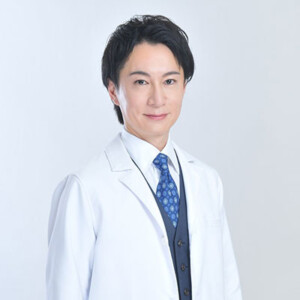
Dr. Jun Karibe
MD
Director
Education & Career
Certifications
Awards
MEDICAL REVIEW