Medical Weight Loss in Tokyo: A Complete Guide for English-Speaking Patients

Finding a medically supervised weight loss programme in Tokyo — in English — is more challenging than it might seem. Between navigating the Japanese healthcare system, understanding which treatments are evidence-based, and locating a clinic where you can communicate clearly with your doctor, the process can feel daunting.
This guide explains your options for medical weight loss in Tokyo, what to realistically expect, and how to access English-language support.
What you’ll learn in this article:
- What medical weight loss means and how it differs from self-directed dieting
- Which prescription medications, injectable therapies, and body-contouring procedures are available in Japan
- Realistic cost ranges for medical weight loss in Tokyo
- Who is a suitable candidate and who should avoid these treatments
- How to access English-speaking medical weight loss consultations in Tokyo
Have a question about this treatment?
Message us on LINE or WhatsApp — our English-speaking team usually replies the same day.
What Is Medical Weight Loss?
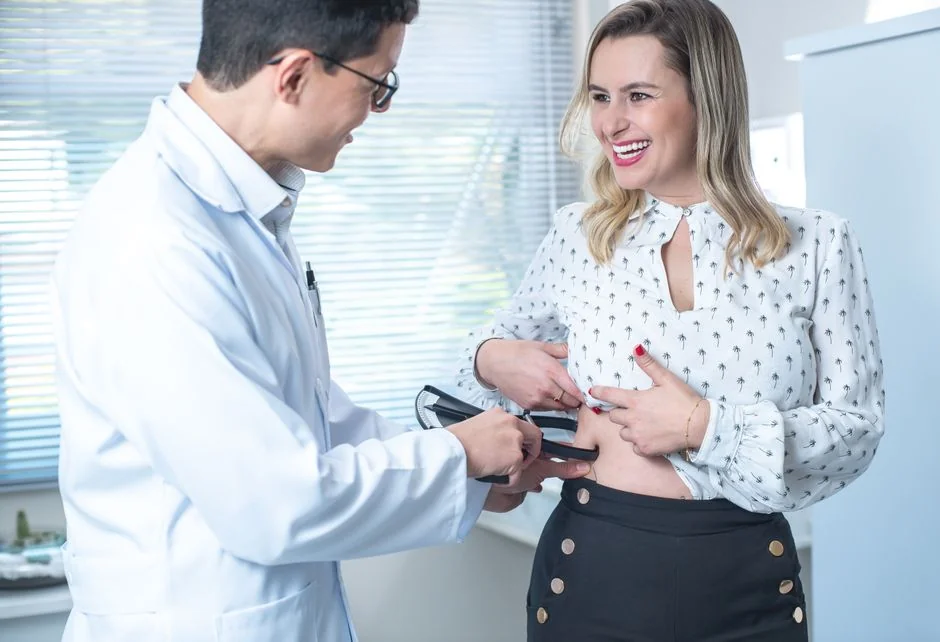
Medical weight loss refers to any weight management approach that is overseen by a licensed physician and may include prescription medications, nutritional therapy, hormonal assessment, or — when appropriate — body-contouring procedures.
It is distinct from commercial diet programmes or fitness coaching because a doctor evaluates the patient’s underlying health status, rules out contributory conditions (such as thyroid dysfunction or insulin resistance), and selects treatment accordingly.
In Japan, medical weight loss sits within two broad categories: internal medicine / lifestyle disease clinics, which focus on metabolic health and may prescribe approved weight-loss medications; and aesthetic medicine clinics, which offer body-contouring and fat-reduction treatments alongside nutritional support. Both approaches can be legitimate; the right one depends on the patient’s overall health, goals, and BMI.
How Medical Weight Loss Differs from Cosmetic Fat Reduction
It is important to distinguish between true weight loss — reducing total body fat mass and improving metabolic markers — and targeted fat reduction, which removes or disrupts localised fat deposits without necessarily lowering overall body weight. Treatments such as liposuction or fat-dissolving injections address localised areas (for example, the jawline or submental region) and are not substitutes for systemic weight management. A physician-led consultation helps clarify which approach is appropriate for each individual.
Medical Weight Loss Options Available in Japan
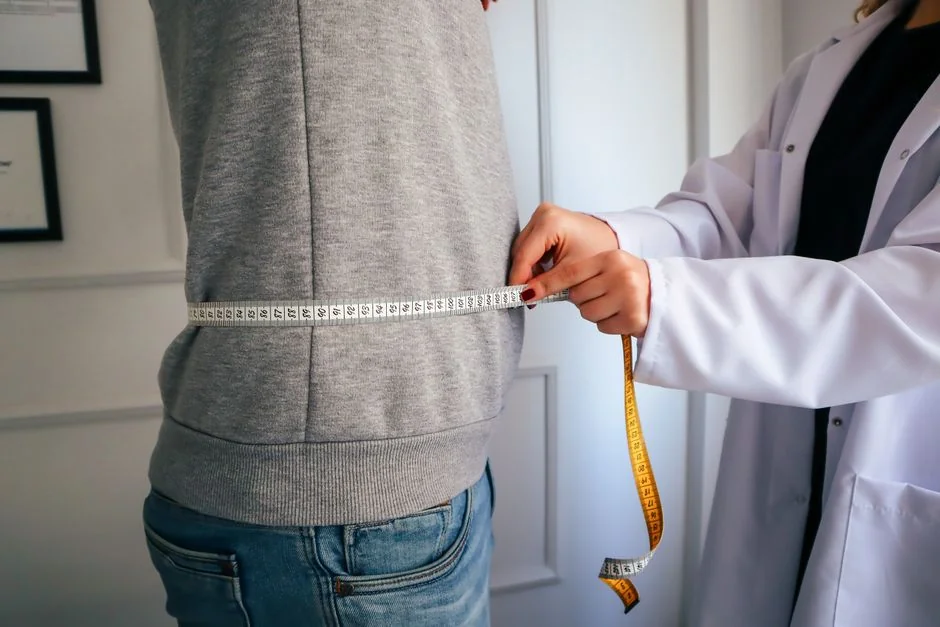
GLP-1 Receptor Agonists (Including Semaglutide)
GLP-1 receptor agonists — a class of injectable medications that includes semaglutide (marketed under brand names such as Ozempic and Wegovy) — have attracted significant global interest. These medications work by mimicking a gut hormone that regulates appetite and blood sugar, leading to reduced caloric intake and, over time, meaningful weight reduction. A large randomised controlled trial published in The New England Journal of Medicine (Wilding et al., 2021) found that adults with obesity who received weekly semaglutide 2.4 mg lost an average of 14.9% of body weight over 68 weeks, compared with 2.4% in the placebo group.
In Japan, semaglutide is available under medical supervision at select clinics. Availability and prescribing criteria may vary, and a physician consultation is required to determine eligibility, rule out contraindications (including personal or family history of thyroid cancer), and establish a monitoring plan. These medications are not available over the counter.
Nutritional and Orthomolecular Therapy
Orthomolecular medicine — sometimes called nutritional or optimisation therapy — involves analysing a patient’s micronutrient status and correcting deficiencies that may be contributing to fatigue, metabolic sluggishness, or difficulty managing weight. Approaches may include targeted supplementation, IV drip therapy (for example, high-dose vitamin C or glutathione infusions), and dietary restructuring based on laboratory results. While orthomolecular therapy is not a standalone weight-loss treatment, it is increasingly used as a supportive component of broader metabolic programmes.
At BIOTOPE CLINIC in Shirokanedai, preventive medicine services including orthomolecular (nutritional) therapy, IV drip therapy, NMN supplementation, and gut microbiome analysis are available as part of a holistic approach to health optimisation. These can be discussed during a consultation with Dr. Karibe.
Body Contouring: Liposuction and Fat-Dissolving Injections
For patients who are close to their target weight but troubled by localised fat deposits that do not respond to diet and exercise, surgical liposuction or injectable fat-dissolving agents may be considered. Liposuction involves the mechanical removal of fat cells through small incisions and is considered a permanent reduction of fat cells in the treated area, provided body weight remains stable. Fat-dissolving injections (containing deoxycholic acid or phosphatidylcholine-based compounds) are a less invasive alternative for smaller areas such as the submental (under-chin) region or jowls.
These procedures are cosmetic in nature and are not appropriate as primary interventions for patients with significant excess weight. They work best as finishing treatments for patients who have already achieved or nearly achieved a healthy weight through lifestyle changes or medical therapy.
Common Misconceptions About Medical Weight Loss in Tokyo
Misconception 1: “Cosmetic fat reduction is the same as losing weight.” Body-contouring procedures — whether surgical or non-surgical — remove or disrupt fat cells in specific areas but do not meaningfully alter total body weight, BMI, or metabolic health. A patient who undergoes liposuction of the abdomen may look slimmer in that area but has not treated the underlying metabolic factors that caused excess fat accumulation. For patients with a clinically elevated BMI, physician-supervised medical weight loss should come first.
Misconception 2: “Weight-loss medications are freely available at any Japanese clinic.” Prescription weight-loss medications in Japan are subject to regulatory oversight, and prescribing criteria are applied on a case-by-case basis. Not every patient presenting for a weight loss consultation will be a candidate for pharmacotherapy. A thorough medical evaluation — including blood work and health history — is required before any medication is prescribed.
Cost of Medical Weight Loss in Tokyo
Costs in Tokyo vary considerably depending on the type of treatment, the clinic, and the duration of the programme. The figures below reflect general market ranges for reference:
| Treatment / Service | Approximate Cost Range (Tokyo) | Notes |
|---|---|---|
| Initial physician consultation | ¥3,300–¥5,500 | At BIOTOPE CLINIC: ¥3,300 (general); ¥2,200 (Dr. Karibe surgical consultation) |
| GLP-1 medication (monthly, private) | ¥30,000–¥80,000+ | Varies by dose and clinic; not covered by national health insurance for obesity |
| IV drip therapy (per session) | ¥10,000–¥30,000 | Vitamin C, glutathione, amino acid formulations available at BIOTOPE CLINIC |
| Orthomolecular / nutritional consultation + tests | ¥15,000–¥50,000+ | Includes laboratory analysis |
| Fat-dissolving injection | Variable by area | Ask during consultation for specific pricing |
| Liposuction (cheek/jawline area) | ¥280,000 per area | At BIOTOPE CLINIC; pre-operative blood work ¥11,000; anaesthesia ¥2,200–¥77,000 additional |
| Gut microbiome analysis | Enquire at consultation | Available at BIOTOPE CLINIC as part of preventive medicine programme |
For an accurate quote tailored to your specific situation, we recommend booking a consultation. Treatment plans for medical weight loss are highly individual and depend on health status, goals, and the combination of services recommended by the physician.
Have a question about this treatment?
Message us on LINE or WhatsApp — our English-speaking team usually replies the same day.
Who Is a Good Candidate for Medical Weight Loss Treatment?

Suitable Candidates
Adults who have a BMI of 27 or above (with at least one weight-related comorbidity such as type 2 diabetes, hypertension, or dyslipidaemia) or a BMI of 30 or above without comorbidities are typically considered candidates for pharmacological weight loss intervention. Candidates should be committed to accompanying lifestyle modifications — including dietary changes and increased physical activity — and should be willing to attend follow-up appointments for monitoring.
For cosmetic fat-reduction procedures such as liposuction or fat-dissolving injections, suitable candidates are generally adults who are near their goal weight, in good overall health, and seeking improvement in localised areas that have not responded to diet and exercise. Skin elasticity and overall body composition are assessed during consultation.
Who Should Exercise Caution or Avoid These Treatments
GLP-1 medications are contraindicated in patients with a personal or family history of medullary thyroid carcinoma, multiple endocrine neoplasia syndrome type 2, or pancreatitis. They are not recommended during pregnancy or breastfeeding.
Surgical procedures including liposuction require patients to be in stable health and free of active infections or uncontrolled systemic conditions. A full medical history and pre-operative blood work are required before any surgical procedure.
Dr. Karibe’s Note
Many of our international patients arrive at BIOTOPE CLINIC expecting a single treatment to solve a complex problem. What I find most useful is to begin with a thorough conversation about the patient’s overall health history, metabolic background, and realistic goals — not just the area they want to address cosmetically.
In my clinical experience, patients who achieve the most satisfying long-term outcomes are those who approach weight management as a combination of medical support, nutritional adjustment, and, where appropriate, targeted aesthetic treatment. A consultation is the best starting point for mapping out that plan together.
What to Expect: Before, During, and After
Before Treatment
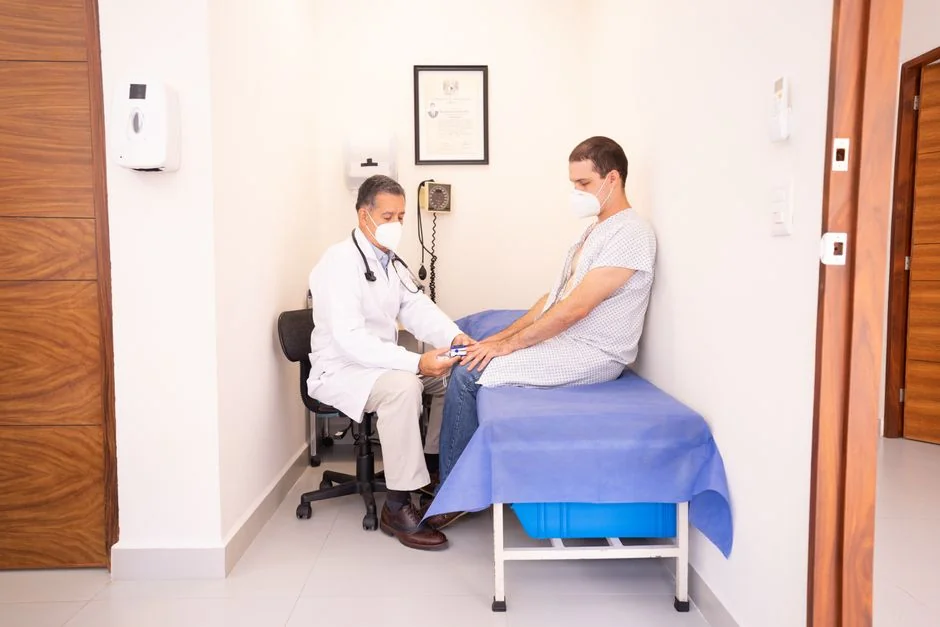
A thorough initial consultation with a physician is the essential first step. This typically involves a review of medical history, current medications, and health goals, followed by relevant laboratory tests (blood glucose, thyroid function, lipid panel, and others as indicated). For surgical procedures, pre-operative blood work (¥11,000 at BIOTOPE CLINIC) is required. Patients are advised to disclose all supplements and medications they are currently taking.
During Treatment
For injectable medications such as GLP-1 agonists, initial doses are low and titrated gradually to minimise side effects such as nausea. Regular follow-up appointments allow the physician to assess response, monitor for adverse effects, and adjust dosing as needed. For procedures such as liposuction, the treatment is performed under local or general anaesthesia depending on the area treated, and the patient is monitored before discharge.
After Treatment and Recovery
Recovery from non-surgical medical weight loss programmes involves ongoing lifestyle commitment and regular physician check-ins. For liposuction, patients typically experience bruising, swelling, and mild discomfort for one to two weeks, with compression garments worn for several weeks post-procedure. Most patients can return to desk work within a few days but should avoid strenuous exercise for four to six weeks. Results from both medical and surgical approaches evolve over months rather than appearing immediately.
Clinical reports indicate that patients who maintain dietary and activity changes alongside pharmacological therapy sustain greater long-term weight reduction than those relying on medication alone. Studies published in peer-reviewed journals consistently show that discontinuation of GLP-1 therapy is associated with partial weight regain, underscoring the importance of lifestyle integration.
Where to Get Medical Weight Loss Support in Tokyo — English-Speaking Clinic
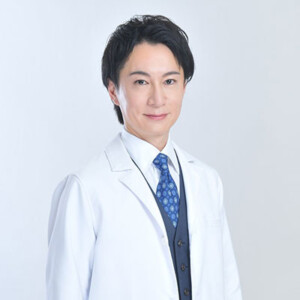
Within our clinic group, English-speaking consultations are handled at BIOTOPE CLINIC in Shirokanedai (Minato-ku, Tokyo) by Dr. Jun Karibe, a board-certified plastic surgeon certified by the Japan Society of Plastic and Reconstructive Surgery. Dr. Karibe and the English-speaking team at BIOTOPE can discuss the full range of medical weight loss options — from preventive medicine and nutritional therapy to body-contouring procedures — in English.
Our sister clinic, Kojimachi Dermatology & Plastic Surgery Clinic (麹町皮ふ科・形成外科クリニック) in Ichigaya, Chiyoda-ku, serves as the group’s main office and focuses on Japanese-language, insurance-covered dermatology. English-speaking patients seeking weight loss consultations should direct enquiries to BIOTOPE CLINIC. Bookings and enquiries in English are accepted via LINE or WhatsApp.
Frequently Asked Questions
- Q. Are GLP-1 weight loss medications such as semaglutide available in Japan?
- Yes, semaglutide is available at select private clinics in Japan under physician supervision. It is not available over the counter and requires a medical consultation and evaluation before prescribing. Eligibility is determined on a case-by-case basis, and not every patient will be a suitable candidate.
- Q. Is medical weight loss covered by Japanese national health insurance?
- In most cases, medical weight loss programmes — including prescription weight-loss medications, nutritional therapy, and body-contouring procedures — are not covered by Japan’s national health insurance and are treated as self-funded (jishu shinryo) services. Some tests and consultations may be partially covered if there is a diagnosed metabolic condition; a physician can clarify this during consultation.
- Q. How long does it take to see results from medical weight loss treatment?
- This depends significantly on the type of treatment. GLP-1 medications typically show measurable weight reduction within four to twelve weeks, with greater changes over six to twelve months when combined with lifestyle modifications. Body-contouring procedures such as liposuction produce visible results once post-procedural swelling subsides, which may take four to eight weeks, with final results visible at three to six months.
- Q. Can I have a weight loss consultation in English at your clinic?
- Yes. English-speaking consultations are available at BIOTOPE CLINIC in Shirokanedai, Minato-ku, Tokyo, with Dr. Jun Karibe. The clinic’s English-speaking team handles all enquiries and bookings via LINE or WhatsApp. All treatments discussed in this article — including preventive medicine, nutritional therapy, and cosmetic fat-reduction procedures — can be explored during a consultation.
- Q. Is liposuction an appropriate treatment if I have a significant amount of weight to lose?
- Liposuction is not recommended as a primary weight-loss intervention for patients with clinically elevated BMI. It is most appropriately used for localised fat deposits in patients who are close to their target weight and in stable good health. A physician consultation will help determine whether body contouring or a medically supervised weight-loss programme is the more suitable first step.
Have a question about this treatment?
Message us on LINE or WhatsApp — our English-speaking team usually replies the same day.
Summary
Medical weight loss in Tokyo encompasses a spectrum of approaches — from physician-prescribed GLP-1 medications and nutritional optimisation to surgical body contouring — and the right path depends on the individual’s health status, BMI, and goals. For English-speaking expatriates, medical tourists, and visitors to Tokyo, accessing this care in English requires finding a clinic with qualified, English-communicating physicians.
At BIOTOPE CLINIC in Shirokanedai, the preventive medicine programme — including orthomolecular nutritional therapy, IV drip therapy, gut microbiome analysis, and NMN supplementation — provides a foundation for metabolic health support that complements any weight management plan. For those whose goals include localised fat reduction alongside medical weight loss, procedures such as fat-dissolving injections and liposuction are also available and can be discussed during consultation.
If you have questions about medical weight loss in Tokyo, English-speaking consultations are handled at BIOTOPE CLINIC in Shirokanedai (Minato-ku, Tokyo) by Dr. Karibe. Our sister clinic, Kojimachi Dermatology & Plastic Surgery Clinic in Ichigaya (Chiyoda-ku), handles Japanese-language insurance dermatology. English enquiries: LINE or WhatsApp.
24/7 Consultation & Booking
Book a Consultation or Treatment
Our English-speaking team responds via LINE or WhatsApp — usually the same day.
References
- Wilding JPH, Batterham RL, Calanna S, et al. Once-Weekly Semaglutide in Adults with Overweight or Obesity. New England Journal of Medicine. 2021;384(11):989–1002.
- Davies M, Faerch L, Jeppesen OK, et al. Semaglutide 2.4 mg once a week in adults with overweight or obesity, and type 2 diabetes (STEP 2): a randomised, double-blind, placebo-controlled, phase 3 trial. The Lancet. 2021;397(10278):971–984.
- Apovian CM, Aronne LJ, Bessesen DH, et al. Pharmacological Management of Obesity: An Endocrine Society Clinical Practice Guideline. Journal of Clinical Endocrinology & Metabolism. 2015;100(2):342–362.
- Klein S, Fontana L, Young VL, et al. Absence of an effect of liposuction on insulin action and risk factors for coronary heart disease. New England Journal of Medicine. 2004;350(25):2549–2557.
- Mechanick JI, Kushner RF, Sugerman HJ, et al. American Association of Clinical Endocrinologists, The Obesity Society, and American Society for Metabolic and Bariatric Surgery medical guidelines for clinical practice for the perioperative nutritional, metabolic, and nonsurgical support of the bariatric surgery patient. Obesity. 2009;17(S1):S1–S70.
Related Articles
You may also find these articles useful.
- English Speaking Plastic Surgeon Tokyo: Complete Guide
- English Speaking Dermatologist Tokyo: Complete Guide
- Skin Clinic Tokyo for Foreigners: Finding English Support
- English-Speaking Dermatologist Tokyo: Fees & Costs
- English Speaking Dermatologist Tokyo: First Visit Guide
SUPERVISED BY
Dr. Jun Karibe
MD
Director
Education & Career
Certifications
Awards
MEDICAL REVIEW