Medical Weight Loss in Tokyo: A Practical Guide for Expats and Visitors
Managing weight in a new country — navigating different food labels, a busy schedule, and a healthcare system in an unfamiliar language — is genuinely difficult.
This guide explains how medically supervised weight management works in Tokyo, what options are realistically available to English-speaking patients, and how to book a consultation without the usual language barriers.
- What medical weight loss means in a clinical context, and why it differs from diet programmes
- Which approaches and treatments are available in Tokyo, including prescription and non-prescription options
- Realistic expectations for results, timelines, and costs
- Who is a suitable candidate and who should approach with caution
- How English-speaking patients can access these services in Tokyo
Have a question about this treatment?
Message us on LINE or WhatsApp — our English-speaking team usually replies the same day.
What Is Medical Weight Management?
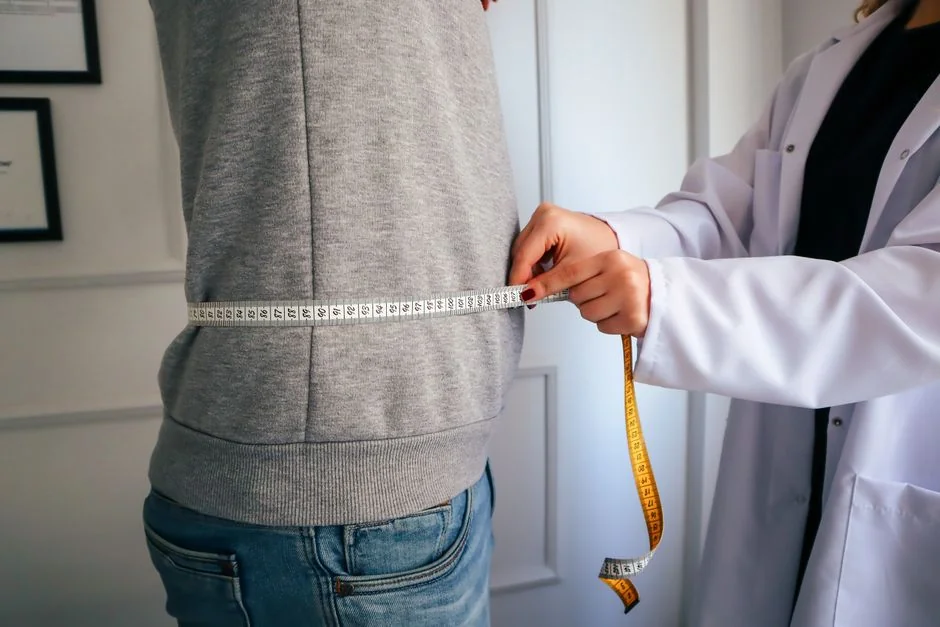
Medical weight management is a clinically supervised approach to reducing body weight and improving metabolic health. Unlike commercial diet plans, it involves a qualified physician assessing your individual health status — including bloodwork, body composition, and relevant medical history — before recommending a personalised plan.
In a clinical setting, weight management may include dietary and lifestyle guidance, nutritional therapy, prescription medication where appropriate, and in some cases body-contouring procedures to address areas where fat is localised and resistant to diet and exercise.
The goal is not simply cosmetic: excess body fat is associated with elevated cardiovascular risk, insulin resistance, and other long-term health concerns.
In Tokyo, medically supervised weight loss services are offered across several clinical specialties, including internal medicine, preventive medicine clinics, and plastic surgery practices that also address body composition from an aesthetic and functional standpoint.
Available Approaches in Tokyo

Preventive Medicine and Nutritional Therapy
One of the most clinically rigorous approaches available in Tokyo’s private clinic sector is orthomolecular (nutritional) therapy — sometimes called Orthomolecular medicine. This framework assesses nutritional deficiencies, metabolic markers, and gut health to understand why a patient is struggling to lose or maintain weight.
Interventions may include targeted supplementation, dietary adjustments, IV drip therapy (for example, high-dose vitamin C or specific amino acid formulas), and gut microbiome analysis to identify imbalances that may affect metabolism.
Genetic testing is also available at some preventive medicine clinics, providing insight into how an individual’s genetics may influence fat storage, appetite regulation, or responses to specific nutrients. These tools are not a substitute for lifestyle change, but they can help explain why standard advice does not produce the same results in every person.
NMN (nicotinamide mononucleotide) supplementation is another preventive medicine option discussed in the context of metabolic ageing, though clinical evidence in humans is still developing and this should be viewed as an adjunctive consideration rather than a primary weight-loss intervention.
Fat-Dissolving Injections
For localised fat deposits — typically under the chin, around the jawline, or on the abdomen and flanks — fat-dissolving injections (also known as lipolytic injections or mesotherapy) are a non-surgical option. These injections typically use deoxycholic acid or phosphatidylcholine-based compounds, which disrupt the membrane of fat cells, causing them to break down and be gradually cleared by the body.
Results develop over several weeks and usually require a course of sessions. Clinical reports indicate that fat-dissolving injections can achieve meaningful volume reduction in small, targeted areas, though they are not intended as a treatment for general obesity. This treatment is available at BIOTOPE CLINIC in Shirokanedai — feel free to ask about it during a consultation with Dr. Karibe.
Body Contouring: Liposuction
Surgical liposuction remains one of the most precise and immediate methods of removing localised fat.
In Tokyo’s private clinic sector, liposuction of the cheeks and jawline is a commonly requested procedure; however, liposuction can also address other areas of the body depending on the patient’s needs and the clinic’s scope of practice.
It is important to understand that liposuction is a body-contouring procedure, not a treatment for obesity. Candidates are typically at or near a healthy weight but have specific areas of fat that do not respond to diet and exercise. Dr. Karibe performs this procedure at BIOTOPE CLINIC in Shirokanedai.
Skin Tightening After Weight Loss
Patients who have lost significant weight — whether through lifestyle changes, medical intervention, or surgical procedures — sometimes experience skin laxity. High-Intensity Focused Ultrasound (HIFU) is a non-surgical option that uses focused ultrasound energy to stimulate collagen production in the deeper layers of the skin, gradually improving firmness and contour. This is a treatment available at BIOTOPE CLINIC in Shirokanedai — feel free to ask about it during a consultation with Dr. Karibe.
What People Often Get Wrong About Medical Weight Loss in Japan
Misconception 1: Japanese clinics primarily offer weight-loss medications like those now widely discussed internationally. While GLP-1 receptor agonist medications (such as semaglutide, known internationally under brand names like Ozempic and Wegovy) have attracted significant media attention globally, their availability and prescribing protocols in Japan differ from those in the United States or the United Kingdom. Regulatory approvals and clinical guidelines evolve, and English-speaking patients should not assume that the same medications or dosages available in their home country are automatically available in Tokyo. A physician consultation is essential to clarify what is currently prescribable and appropriate.
Misconception 2: Attending a cosmetic or plastic surgery clinic means the focus is only on appearance, not health. In reality, many plastic surgery and preventive medicine clinics in Japan address body composition from both a health and an aesthetic perspective.
A board-certified plastic surgeon can evaluate fat distribution, discuss metabolic health context, and coordinate with other specialists where needed. The initial consultation is the right moment to raise all concerns — not just cosmetic ones.
Expected Results and Realistic Timelines
Realistic outcomes depend heavily on the approach taken, the patient’s baseline health status, and their commitment to lifestyle changes. Studies suggest that medically supervised programmes combining nutritional assessment, behavioural guidance, and targeted supplementation can support greater and more sustained weight loss than unsupported dieting alone — though individual variation is significant.
For fat-dissolving injections, visible results typically begin to appear four to eight weeks after a session, with full results assessed after a course of two to four treatments. For liposuction, swelling subsides over several weeks and final contour results are generally visible within two to three months. HIFU skin-tightening results develop gradually over two to six months as new collagen forms.
No single clinic visit or procedure produces permanent results without ongoing attention to diet, physical activity, and overall health. A physician consultation should include an honest discussion of what can and cannot be achieved by any given intervention.
Dr. Karibe’s Note
Many international patients who come to BIOTOPE CLINIC have already tried various approaches in their home countries and are unsure what is actually available to them in Japan. A common question I receive is whether the medications or programmes they used abroad can be continued here.
My advice is always to start with a thorough consultation and bloodwork — what works well for one person’s metabolism and health history does not automatically translate to another, and a Tokyo-based plan works best when it accounts for how your life here actually looks day to day.
Cost of Medical Weight Management in Tokyo

Costs vary considerably depending on the type of service, the number of sessions, and whether prescription medication is involved. The following figures reflect the treatment menu at BIOTOPE CLINIC and are intended as a general reference.
| Service / Treatment | Approximate Cost (JPY) | Notes |
|---|---|---|
| Initial consultation | ¥3,300 | Required before any treatment plan is established |
| Dr. Karibe surgical consultation | ¥2,200 | For surgical procedures including liposuction |
| IV drip therapy (vitamin / nutritional) | Varies by formula | Ask during consultation for current menu and pricing |
| Fat-dissolving injection | Varies by area and product | Typically requires multiple sessions; pricing confirmed at consultation |
| Liposuction (cheek / jawline) | ¥280,000 per area | Anaesthesia ¥2,200–¥77,000 additional; pre-op bloodwork ¥11,000 |
| HIFU (skin tightening post weight loss) | ¥25,000–¥110,000 | Depends on area and number of shots |
| Gut microbiome analysis / genetic testing | Varies | Preventive medicine services; ask at consultation |
Japan’s public health insurance (kenko hoken) does not typically cover cosmetic or elective body-contouring procedures. Nutritional and preventive medicine services at private clinics are also generally self-funded. For an accurate quote tailored to your specific situation, we recommend booking a consultation.
Have a question about this treatment?
Message us on LINE or WhatsApp — our English-speaking team usually replies the same day.
Who Is a Suitable Candidate?

Good Candidates
- Adults at or near a healthy BMI who have specific areas of localised fat that have not responded to sustained diet and exercise
- Individuals seeking to understand underlying metabolic or nutritional factors affecting their weight, rather than simply following generic dietary advice
- Those who have recently lost significant weight and are experiencing skin laxity they wish to address
- Patients with no contraindications to the specific procedure or treatment being considered
Who Should Approach With Caution
- Patients with BMI in the obese range: surgical body-contouring is generally not the appropriate primary intervention, and lifestyle and medical management should be established first
- Individuals with active or poorly controlled chronic conditions (diabetes, cardiovascular disease, autoimmune conditions) — these require physician evaluation and possibly coordination with a specialist before any procedure
- Those who are pregnant or breastfeeding
- Patients with a history of disordered eating who have not received appropriate psychological support
- Anyone expecting a single treatment to produce comprehensive or permanent weight loss without sustained lifestyle commitment
In Dr. Karibe’s clinical experience at BIOTOPE CLINIC, a candid conversation about expectations at the first consultation consistently produces better outcomes than rushing into a procedure. Patients who arrive with realistic goals and an understanding of what the treatment can and cannot do tend to be the most satisfied.
Where to Get a Medical Weight Loss Consultation in Tokyo
Within our clinic group, English-speaking consultations are handled at BIOTOPE CLINIC in Shirokanedai (Minato-ku, Tokyo) by Dr. Jun Karibe. Our sister clinic, Kojimachi Dermatology and Plastic Surgery Clinic in Ichigaya (Chiyoda-ku), handles Japanese-language insurance dermatology as the group’s main office. Bookings and enquiries in English: LINE or WhatsApp.
BIOTOPE CLINIC is the appropriate first point of contact for English-speaking expatriates, medical tourists, and visitors seeking medically supervised weight management discussions, body-contouring consultations, preventive medicine services, or any of the treatments described in this article. All English enquiries are handled by the BIOTOPE-based English-speaking team.
Frequently Asked Questions
- Q. Can I continue my home-country weight-loss medication (such as a GLP-1 agonist) in Japan?
- This depends on the specific medication, its current regulatory status in Japan, and your individual health situation. Japan’s prescribing guidelines and drug approvals do not always align directly with those in other countries. A physician consultation is necessary to determine what is currently available and appropriate for you, and to review your medical history before any prescription is issued.
- Q. Do I need to speak Japanese to access medical weight management services in Tokyo?
- Not at BIOTOPE CLINIC. English-speaking consultations with Dr. Karibe are available at the Shirokanedai location, and the English-speaking team handles all booking, paperwork, and follow-up communication. The group’s Ichigaya clinic, Kojimachi Dermatology and Plastic Surgery Clinic, operates in Japanese and handles insurance-covered dermatology.
- Q. Is there a minimum number of sessions required for fat-dissolving injections?
- The number of sessions depends on the treatment area, the volume of fat being addressed, and the product used. Most patients require two to four sessions spaced several weeks apart to see meaningful results. The treating physician will recommend a course based on your individual assessment at consultation.
- Q. How long before I see results from a preventive medicine or nutritional programme?
- Timelines vary based on the interventions used and individual metabolic response. Some patients notice changes in energy levels and general wellbeing within a few weeks of starting nutritional therapy or IV drip support; body weight and composition changes typically develop over several months. Clinical studies suggest that sustained, supervised programmes produce more consistent results than short-term approaches.
- Q. Can I have a liposuction consultation in English?
- Yes. Surgical consultations with Dr. Karibe, including for body-contouring procedures such as liposuction of the cheek and jawline area, are conducted in English at BIOTOPE CLINIC in Shirokanedai. A pre-operative consultation fee of ¥2,200 applies, and a pre-operative blood test (¥11,000) is required before any surgical procedure.
Have a question about this treatment?
Message us on LINE or WhatsApp — our English-speaking team usually replies the same day.
Summary
Medical weight management in Tokyo encompasses a range of approaches, from preventive medicine and nutritional assessment to non-surgical fat reduction and surgical body contouring.
For English-speaking residents and visitors, the principal challenge has historically been accessing qualified medical care without a language barrier — a gap that English-speaking clinics in central Tokyo are specifically positioned to address.
Clinical studies suggest that physician-supervised programmes produce more durable outcomes than unsupported self-management, particularly when underlying metabolic or nutritional factors are identified and addressed.
Whether the priority is understanding personal metabolic health, reducing a specific area of localised fat, or addressing skin laxity following weight loss, the appropriate starting point is always a thorough medical consultation.
If you have questions about medical weight loss in Tokyo, English-speaking consultations are handled at BIOTOPE CLINIC in Shirokanedai (Minato-ku, Tokyo) by Dr. Karibe. Our sister clinic Kojimachi Dermatology and Plastic Surgery Clinic in Ichigaya (Chiyoda-ku) handles Japanese-language insurance dermatology.
English enquiries: LINE or WhatsApp.
24/7 Consultation & Booking
Book a Consultation or Treatment
Our English-speaking team responds via LINE or WhatsApp — usually the same day.
References
- Wadden TA, Tronieri JS, Butryn ML. Lifestyle modification approaches for the treatment of obesity in adults. American Psychologist. 2020;75(2):235–251.
- Ryan DH, Yockey SR. Weight loss and improvement in comorbidity: differences at 5%, 10%, 15%, and over. Current Obesity Reports. 2017;6(2):187–194.
- Greenway FL. Physiological adaptations to weight loss and factors favouring weight regain. International Journal of Obesity. 2015;39(8):1188–1196.
- Rotunda AM, Kolodney MS. Mesotherapy and phosphatidylcholine injections: historical clarification and review. Dermatologic Surgery. 2006;32(4):465–480.
- Stote KS, Baer DJ. Nutritional and metabolic approaches to weight loss. Nutrition in Clinical Practice. 2021;36(5):977–988.
Related Articles
You may also find these articles useful.
- Body Contouring Treatment Tokyo Clinic Guide
- English Speaking Plastic Surgeon Tokyo: Complete Guide
- English Speaking Dermatologist Tokyo: First Visit Guide
- Skin Clinic Tokyo for Foreigners: Finding English Support
- English-Speaking Dermatologist Tokyo: Fees & Costs
SUPERVISED BY
Dr. Jun Karibe
MD
Director
Education & Career
Certifications
Awards
MEDICAL REVIEW