Japanese Sunscreen Guide: SPF and PA Ratings Explained for English Speakers
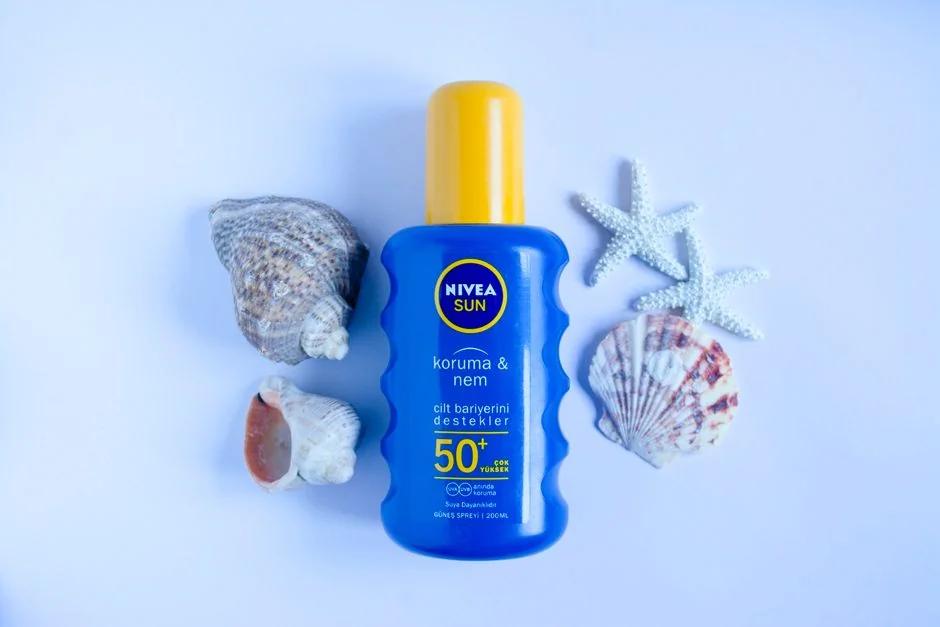
If you have ever stood in a Japanese pharmacy staring at a wall of sunscreens and wondered what “PA++++” actually means — or whether SPF 50+ is the same as SPF 100 sold back home — you are not alone.
Japan has its own sunscreen classification system that differs meaningfully from what most Western consumers are accustomed to, and understanding it can make a real difference to your skin health.
This guide explains both rating systems clearly, helps you choose the right product for your skin type and lifestyle, and points out a few persistent myths along the way.
- What SPF and PA ratings mean, and how Japan’s system compares to US, EU, and Australian standards
- How to read a Japanese sunscreen label even if you cannot read Japanese
- What UVA and UVB rays actually do to the skin, and why both matter
- Common misconceptions about high SPF numbers and reapplication frequency
- When to see a dermatologist or skin specialist about sun-related skin concerns in Tokyo
Have a question about this treatment?
Message us on LINE or WhatsApp — our English-speaking team usually replies the same day.
UV Radiation: UVA vs UVB — Why the Distinction Matters
Sunlight reaches the Earth’s surface as two types of ultraviolet radiation: UVA (wavelength 320–400 nm) and UVB (wavelength 280–320 nm). They behave differently in the skin and cause different types of damage.
UVB is primarily responsible for sunburn — the acute reddening and peeling most people associate with too much sun. It is also strongly implicated in DNA damage and skin cancer risk. UVB intensity varies with the season, time of day, and latitude; it is strongest at midday in summer.
UVA penetrates more deeply into the dermis, causing photoageing — wrinkles, loss of elasticity, uneven pigmentation, and a leathery texture over time. Critically, UVA intensity remains relatively constant throughout the day and year, and it passes through window glass. Clinical studies indicate that UVA accounts for up to 95% of the UV radiation reaching the Earth’s surface at ground level, making ongoing, incidental exposure a significant cumulative concern even for people who rarely sunbathe.
A good sunscreen must address both. That is exactly where the SPF and PA systems come in.
What SPF Means — and What It Does Not
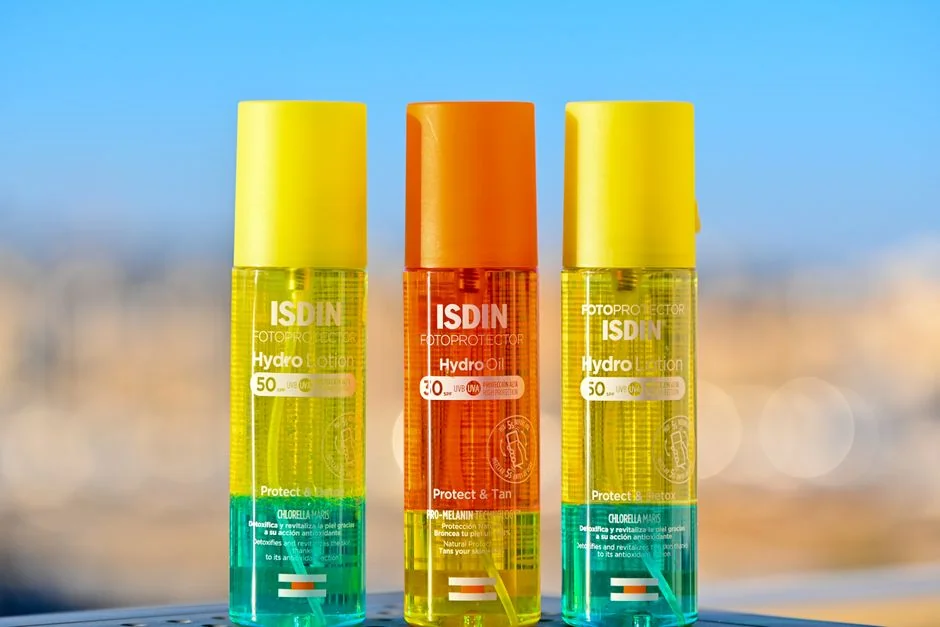
SPF stands for Sun Protection Factor. It is an internationally recognised measure of how well a product blocks UVB radiation specifically. The number is derived from a ratio: if your unprotected skin would take 10 minutes to begin burning, an SPF 50 product would theoretically extend that to 500 minutes under laboratory conditions.
In practice, SPF values correspond roughly to the percentage of UVB radiation filtered out:
- SPF 15 filters approximately 93% of UVB
- SPF 30 filters approximately 97% of UVB
- SPF 50 filters approximately 98% of UVB
- SPF 50+ (the Japanese ceiling label) indicates SPF measured above 50, up to values of 100 or beyond in actual product testing
Japan’s “SPF 50+” label is the highest category shown on packaging under the regulations set by Japan’s Ministry of Health, Labour and Welfare (MHLW). This is not a cap on the product’s actual SPF — it simply means the measured value exceeded 50, and the label rounds down to “50+” for regulatory consistency. A product labelled “SPF 50+” in Japan may test at SPF 60, 80, or 100 in a laboratory setting.
What PA Rating Means — Japan’s UVA Protection System
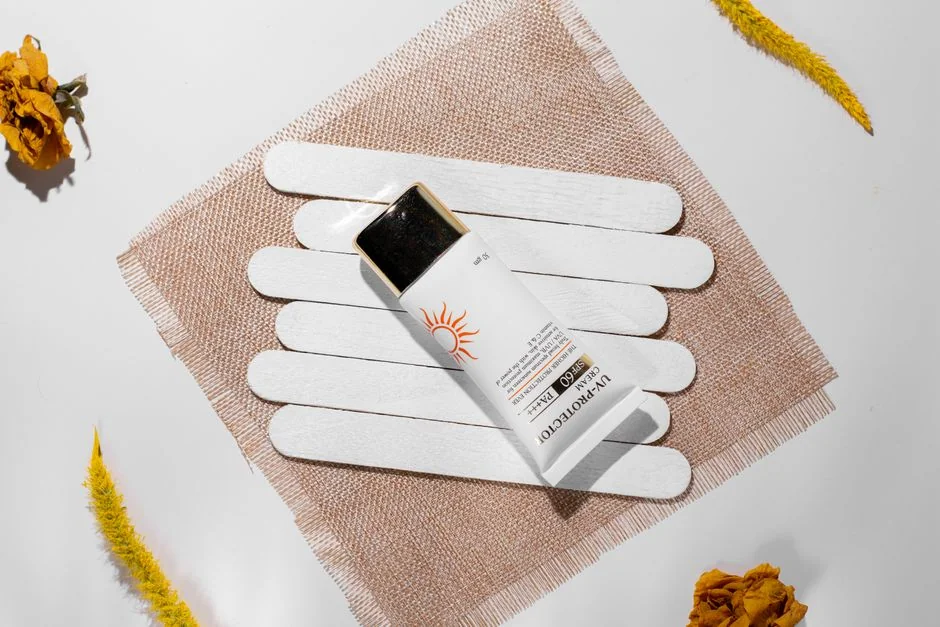
This is where the Japanese labelling system diverges significantly from most Western markets. While SPF addresses UVB, Japan uses the PA (Protection Grade of UVA) system to communicate UVA protection. PA is measured by the persistent pigment darkening (PPD) method and expressed as a graded scale using plus signs:
| PA Grade | UVA Protection Factor (PFA) | Level of UVA Protection |
|---|---|---|
| PA+ | PFA 2–3 | Some UVA protection |
| PA++ | PFA 4–7 | Moderate UVA protection |
| PA+++ | PFA 8–15 | High UVA protection |
| PA++++ | PFA 16 or above | Extremely high UVA protection |
The four-plus grade (PA++++) was introduced by Japan’s Cosmetics Industry Association in 2013 in response to increasingly high-performance formulas. It remains a Japan-specific designation — you will not find it on European or US packaging, which use different UVA labelling conventions such as the EU star rating or the simple “broad spectrum” claim on American products.
For daily urban use in Tokyo, dermatologists generally recommend at minimum SPF 30 / PA++. For prolonged outdoor activities, beach outings, or high-altitude environments, SPF 50+ / PA++++ is a more appropriate choice. Studies suggest that inadequate UVA protection, even when SPF is high, is associated with accelerated photoageing and increased risk of melanocyte irregularities over time.
Dr. Karibe’s Note
Many international patients at BIOTOPE CLINIC are surprised to learn that the PA++++ system is a Japanese industry standard, not a global one. When comparing products from their home country to Japanese sunscreens, they often assume a European “5-star UVA” rating is equivalent — but the grading scales are calculated differently. As a practical rule, I advise patients to look for both a high SPF and the maximum PA++++ rating when purchasing in Japan, particularly if they are concerned about pigmentation, melasma, or post-laser skin care. Reapplication is equally important: even the best-rated sunscreen degrades with sweat, sebum, and physical contact after two to three hours.
How to Read a Japanese Sunscreen Label
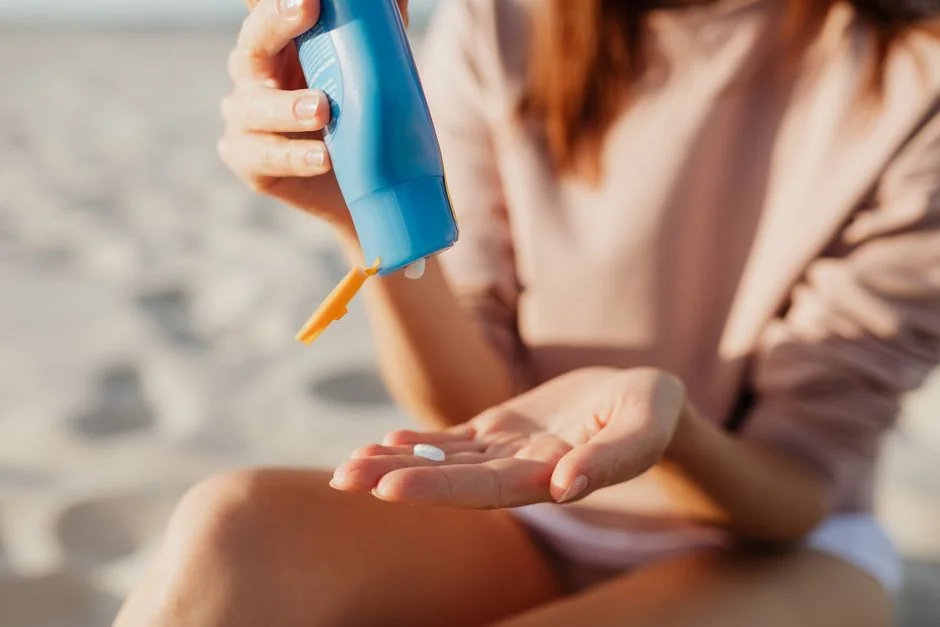
Even without Japanese reading ability, a few key label elements are easy to identify:
- SPF number — printed in Latin alphabet, always visible (e.g. SPF 50+)
- PA rating — also printed in Latin alphabet with plus signs (e.g. PA++++)
- Waterproof or sweat-resistant claims — look for “Waterproof” in English or the Japanese characters ウォータープルーフ
- Skin type suitability — “Sensitive skin” (敏感肌用) or “For dry skin” (乾燥肌) may appear in Japanese
- Formulation type — milky lotion (乳液タイプ), gel (ジェルタイプ), or stick (スティックタイプ)
At BIOTOPE CLINIC in Shirokanedai, patients frequently ask about medical-grade sunscreen options suitable for post-procedure skin — particularly after laser treatments or cosmetic procedures when the skin’s barrier function is temporarily reduced. The clinic stocks and recommends products from Zo Skin Health, a clinician-dispensed skincare line that includes broad-spectrum SPF formulations designed for sensitive and post-treatment skin. This is available for discussion during a consultation with Dr. Karibe.
Common Misconceptions About Sunscreen
Misconception 1: A Higher SPF Means You Can Apply It Less Often
This is one of the most widespread and potentially harmful misunderstandings. SPF ratings are measured under controlled laboratory conditions using a standardised quantity of product (2 mg per cm² of skin). In real-world use, most people apply significantly less than this amount, and the protective film degrades with perspiration, sebum, towelling, and friction. Clinical reports indicate that typical consumers apply only 25–50% of the recommended quantity, which in practice drops effective SPF protection considerably below the labelled value.
Regardless of SPF value, reapplication every two to three hours — or immediately after swimming or heavy sweating — is the standard recommendation. An SPF 50+ product applied once in the morning does not provide all-day protection.
Misconception 2: Japanese Sunscreens Are Only Chemical (Organic) Filters
Japan has a sophisticated market that includes both chemical (organic) UV filters, which absorb UV radiation and convert it to heat, and physical (inorganic) filters such as zinc oxide and titanium dioxide, which reflect and scatter UV rays. Many Japanese formulas use a combination of both. Physical filters are often preferred for sensitive, rosacea-prone, or post-procedure skin because they are less likely to cause irritation. If a patient is uncertain which type suits their skin, this is an appropriate topic to raise during a dermatology or cosmetic consultation.
Sunscreen in the Context of a Broader Skin Health Strategy
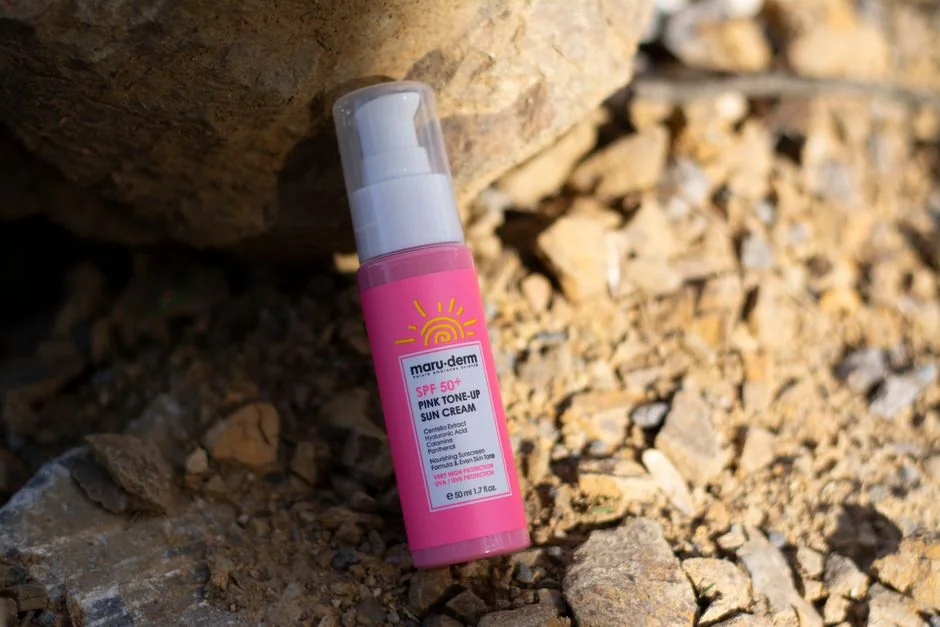
Sunscreen is a cornerstone of preventive skin care, but it works most effectively as part of a broader regimen. Photoageing, pigmentation disorders such as melasma, and sun-induced skin laxity are all conditions that sunscreen helps prevent — but once established, these may require clinical intervention to address effectively.
At BIOTOPE CLINIC, treatments such as PicoWay laser (from ¥11,000) for pigmentation and HIFU (from ¥25,000) for skin laxity and lifting are available for patients whose skin shows signs of cumulative sun damage. These are treatments available at BIOTOPE CLINIC in Shirokanedai — feel free to ask about them during a consultation with Dr. Karibe.
Preventive medicine services at BIOTOPE also include personalised nutritional and antioxidant support through IV drip therapy (vitamin C, glutathione) and Zo Skin Health medical-grade topicals, which may complement sunscreen use for patients concerned about long-term skin quality.
Where to Get Sun Damage Assessed and Treated in Tokyo
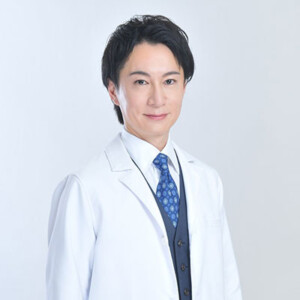
Within our clinic group, English-speaking consultations are handled at BIOTOPE CLINIC in Shirokanedai (Minato-ku, Tokyo) by Dr. Jun Karibe, a board-certified plastic surgeon certified by the Japan Society of Plastic and Reconstructive Surgery. Our sister clinic, Kojimachi Dermatology and Plastic Surgery Clinic in Ichigaya (Chiyoda-ku), serves as the group’s main office and handles Japanese-language insurance-covered dermatology. Bookings and enquiries in English: LINE or WhatsApp.
For English-speaking expatriates, medical tourists, and visitors to Tokyo who wish to have sun-damaged skin professionally assessed, or to discuss post-laser or post-procedure sunscreen protocols, BIOTOPE CLINIC is the appropriate contact point within our group.
Frequently Asked Questions
- Q. Is SPF 50+ in Japan the same as SPF 100 sold in the United States?
- Not necessarily. Japan caps its displayed SPF label at “50+” for regulatory reasons, but the actual measured SPF of a product may range from just above 50 to well over 100. American products may display their exact tested SPF value (e.g. SPF 70, SPF 100). When comparing products, SPF 50+ in Japan and SPF 50–100+ in the US are likely in the same performance range, but the PA or UVA rating should also be assessed separately, as US “broad spectrum” labelling does not provide the same granular UVA information as Japan’s PA system.
- Q. Do I need to wear sunscreen indoors or on cloudy days in Japan?
- UVA radiation in particular penetrates window glass and cloud cover, reaching the skin even in indoor environments near windows and on overcast days. Clinical evidence suggests that cumulative incidental UVA exposure is a significant contributor to long-term photoageing. A daily SPF 30–50 / PA+++ or PA++++ product is generally advisable for anyone concerned about pigmentation, skin ageing, or post-procedure skin protection, regardless of the weather.
- Q. What sunscreen is recommended after a laser or cosmetic procedure in Tokyo?
- Post-procedure skin is particularly vulnerable to UV damage, and sun avoidance combined with diligent sunscreen use is typically a mandatory part of aftercare. The specific product recommended will depend on the procedure and your skin type; your treating physician will advise accordingly. At BIOTOPE CLINIC, medical-grade options including Zo Skin Health formulations are available for post-treatment patients. This is best discussed during your consultation with Dr. Karibe.
- Q. Can I find English-language sunscreen advice at a Tokyo clinic?
- Yes. Within our clinic group, BIOTOPE CLINIC in Shirokanedai is staffed by an English-speaking team and offers consultations with Dr. Karibe in English. Whether your concern is choosing the right sunscreen, managing existing pigmentation, or planning skin protection after a cosmetic procedure, enquiries can be made via LINE or WhatsApp.
- Q. Is Japanese sunscreen suitable for sensitive or eczema-prone skin?
- Japan has a well-developed market for sensitive skin sunscreens, including fragrance-free, alcohol-free, and mineral-only (physical filter) formulations. Patients with active eczema, rosacea, or post-procedure skin should seek guidance from a dermatologist before selecting a product, as certain chemical UV filters may trigger irritation. A brief consultation can help identify the most appropriate option.
Have a question about this treatment?
Message us on LINE or WhatsApp — our English-speaking team usually replies the same day.
Summary
Japan’s sunscreen labelling system — combining the internationally recognised SPF scale for UVB protection with the Japan-specific PA system for UVA protection — is among the most informative in the world once you understand how to read it. For most daily use in Tokyo, a product rated SPF 30–50+ and PA+++ or PA++++ provides reliable broad-spectrum coverage, provided it is applied in adequate quantity and reapplied throughout the day.
Sunscreen remains the single most evidence-supported intervention for preventing photoageing, pigmentation disorders, and UV-related skin damage. For patients already experiencing sun-related skin changes, clinical options including laser pigmentation treatment and skin-tightening procedures are available at BIOTOPE CLINIC and are best discussed in a personalised consultation.
If you have questions about sunscreen selection, sun-related skin concerns, or post-procedure skin protection in Tokyo, English-speaking consultations are handled at BIOTOPE CLINIC in Shirokanedai (Minato-ku, Tokyo) by Dr. Karibe. Our sister clinic Kojimachi Dermatology and Plastic Surgery Clinic in Ichigaya (Chiyoda-ku) handles Japanese-language insurance dermatology. English enquiries: LINE or WhatsApp.
24/7 Consultation & Booking
Book a Consultation or Treatment
Our English-speaking team responds via LINE or WhatsApp — usually the same day.
References
- Diffey BL. When should sunscreen be reapplied? Journal of the American Academy of Dermatology. 2001;45(6):882–885.
- Autier P, Boniol M, Doré JF. Sunscreen use and intentional exposure to ultraviolet A and B radiation: a double-blind randomized trial using personal dosimeters. British Journal of Cancer. 2000;83(9):1243–1248.
- Lautenschlager S, Wulf HC, Pittelkow MR. Photoprotection. Lancet. 2007;370(9586):528–537.
- Japan Cosmetic Industry Association (JCIA). UV protection grading guidelines — PA system (revised 2013). Tokyo: JCIA.
- Wang SQ, Balagula Y, Osterwalder U. Photoprotection: a review of the current and future technologies. Dermatologic Therapy. 2010;23(1):31–47.
Related Articles
You may also find these articles useful.
- Anti-Aging Treatments Tokyo: Complete Guide for Expats
- Melasma Treatment Tokyo: Causes and Solutions
- Acne Treatment at Tokyo Dermatologist: What to Expect
- Eczema Treatment Tokyo: Options for Foreigners
- English-Speaking Dermatologist Tokyo: Melasma & Pigmentation
SUPERVISED BY
Dr. Jun Karibe
MD
Director
Education & Career
Certifications
Awards
MEDICAL REVIEW